


Published: May 27, 2024 · Last updated: May 27, 2024
Trying to get focused work done can feel like swimming against the current. Here’s the thing: it’s not just about willpower. The real secret is understanding that the modern work environment is often actively hostile to deep concentration. The only way to win is to intentionally manage your digital world and fiercely protect your brain’s limited attention with a few smart, science-backed strategies.

Affiliate note: Some links on this page are affiliate links. If you choose to purchase through them, Mind Clarity Hub may earn a small commission at no extra cost to you. This helps keep the site reader-supported.
Why Is It So Hard to Focus at Work Now?
If you’ve ever sat down to tackle a big project only to get derailed by a dozen pings and alerts, you already know the problem firsthand. Today’s workplace is basically an interruption factory. Emails, Slack messages, and meeting reminders create a constant barrage of demands on our attention, making it nearly impossible to sustain the kind of focus needed for truly complex thinking.
This isn’t a personal failing; it’s a neurological reality. Your brain’s prefrontal cortex—the part responsible for planning, decision-making, and focus—is powerful, but it gets overloaded easily. When you constantly switch between tasks like writing a report, answering an email, and checking a notification, you force it to reconfigure its goals again and again.
This rapid switching doesn’t just waste time. It creates a kind of cognitive fog known as attention residue. Even after you move on from a quick interruption, a part of your brain is still stuck thinking about the last thing you were doing. This residue degrades your performance, making it much harder to re-engage with what actually matters. You can learn more about how technology hijacks our focus in our guide to the neurology of digital overwhelm.
The High Cost of Workplace Distractions
The data paints a pretty stark picture of this modern productivity drain. The table below summarizes just how frequently knowledge workers are pulled away from their primary tasks and what it costs them mentally.
| The High Cost of Workplace Distractions | ||
|---|---|---|
| Distraction Type | Frequency (Average) | Cognitive Cost |
| Digital Notifications | Every 3-5 minutes | High attention residue, dopamine disruption |
| Unscheduled Calls/Meetings | 3-4 times per day | Complete task abandonment, high switching cost |
| Self-Interruption (e.g., email check) | Every 6 minutes | Reinforces distraction habits, fragments memory |
This isn’t just a minor annoyance; it’s a massive drain on our ability to think deeply. Research from workplace studies consistently shows that after an interruption, it can take an average of 23 minutes to fully regain focus on the original task.
It’s clear that to get anything meaningful done, we have to fight back against this culture of constant interruption.
The struggle to focus is a direct consequence of a mismatch between our brain’s ancient wiring and today’s hyper-connected work culture. To succeed, we need to intentionally create pockets of deep, uninterrupted work.
Understanding this challenge is the first step toward solving it. The good news is that you can get better at focusing by adopting a few specific, neuroscience-backed habits. This guide is your practical toolkit. You’ll learn how to:
Defend your attention by optimizing your physical and digital environment
Structure your day for sustained periods of deep work
Train your brain with mindfulness and strategic breaks
Manage your energy, not just your time, for peak mental performance.
By putting these strategies into action, you can counteract the pull of distraction and reclaim the mental clarity you need to do your best work.
Design a Workspace That Defends Your Focus
Your physical environment is constantly sending quiet signals to your brain. A cluttered desk screams chaos and unfinished business, while a clean, organized space invites mental clarity. Learning how to focus better at work starts with being intentional about designing a workspace—both physical and digital—that actively defends your attention.
Think of your workspace as your focus sanctuary. It should be a place where deep work isn’t just possible, but the default. This doesn’t mean you need a corner office with a view; it just requires a few conscious choices about what you allow into your line of sight and earshot.
Taming Your Physical Environment
The old saying “a clear desk, a clear mind” is more than a cliché; it’s grounded in cognitive science. Every single object in your field of vision demands a tiny slice of your brain’s processing power. A single sticky note might seem harmless, but a dozen of them create a low-level, persistent cognitive load that quietly drains your mental battery.
Start by stripping your desk down to the bare essentials for the task at hand. Keep your monitor, keyboard, and maybe one notebook. Everything else gets stored out of sight but still within easy reach.
Real-World Scenario: Sarah’s Focus Transformation
Sarah, a project manager in a busy open-plan office, felt her attention fraying daily. Her desk was a landscape of old project files, personal trinkets, and half-finished coffee mugs. To reclaim her focus, she spent 15 minutes clearing everything off her desk except her laptop and a single notepad. Then, she put on noise-canceling headphones to mute the office chatter. This simple act of creating a physical “focus zone” dramatically reduced her mental clutter, letting her dive into her work with far fewer self-interruptions.
The sensory inputs in your space play a massive role, too. Office noise is a notorious focus killer. A good pair of noise-canceling headphones can be a total game-changer, creating a personal bubble of quiet even in a loud environment. Likewise, the quality and temperature of the light around you can significantly affect your alertness and mood. You can learn more about how light and sound affect cognitive performance and the way architecture shapes brain function.
Conquering Digital Chaos
Your digital workspace is just as critical as your physical one. Unmanaged notifications are the digital equivalent of someone tapping you on the shoulder every three minutes. Those constant pings from email, team chats, and social media are literally engineered to hijack your attention.
The single most powerful move you can make is to turn off all non-essential notifications on your computer and phone. Be ruthless. Ask yourself: does this alert truly require my immediate attention, or can it wait until I decide to check?
Configure Notification Settings: Dive into your system preferences and app settings. Disable banners, sounds, and badge icons for everything except maybe direct messages from key people or calendar alerts for meetings you absolutely can’t miss.
Use Focus Tools: Applications like Freedom or Cold Turkey can temporarily block distracting websites and apps, creating enforced periods of deep work where your willpower gets a break.
Implement a ‘Digital Sunset’: Set a firm time each evening when you completely disengage from work communications. This protects your personal time and allows your brain to fully recharge—an absolute must for maintaining focus the next day.
The Remote Work Advantage
The shift to remote and hybrid work has given us a unique opportunity to design truly personalized focus environments. Recent reports on productivity show that remote workers are often more productive, with some data pointing to a 9% productivity gain over their in-office counterparts. This bump is largely credited to fewer office interruptions and the ability to create a tailored workspace. You can dig into more workplace productivity statistics to see the full picture.
For anyone working from home, dedicating a specific room—or even just a corner—as your designated office helps your brain build a powerful association between that space and focused work. When you step into your home office, you’re signaling to your brain that it’s time to concentrate, making it much easier to slip into a state of flow. By controlling your environment, you control your attention.
Structure Your Day for Deep Work
Designing a distraction-free workspace is a huge first step, but how you architect your time is what truly unlocks sustained focus. Willpower alone isn’t enough to power through a day of competing demands and endless pings. The real key to learning how to focus better at work is to intentionally build your schedule around periods of intense, uninterrupted concentration.
This means you have to move beyond a reactive, “first-come, first-served” approach to your to-do list. Instead, you proactively block out time for what actually matters. Frameworks like the Pomodoro Technique and time blocking aren’t just trendy productivity hacks; they work because they align with our brain’s natural rhythms of focus and rest.
Find Your Personal Energy Rhythm
Ever feel sharp and creative in the morning but struggle to string a sentence together after lunch? That’s not laziness. It’s your chronotype at work—your body’s natural, genetically influenced cycle of sleep and wakefulness.
Aligning your most demanding tasks with your brain’s peak performance hours is one of the smartest ways to work with your biology instead of fighting it.
Early Birds (Larks): Tend to hit their peak focus in the morning, usually from around 8 AM to 12 PM. This is the golden window for tackling complex analytical work, writing, or strategic planning.
Night Owls: Often find their cognitive stride later in the day, experiencing peak focus in the late afternoon or even evening. Mornings might be better spent on lighter, administrative tasks.
In-Betweeners: Most of us fall somewhere in the middle. We often get a solid block of focus mid-morning and another, smaller one mid-afternoon.
Try tracking your energy levels for a week. Just jot down when you feel most alert and when you feel foggy. Once you see a pattern, you can start scheduling your most important deep work sessions during those high-energy windows. It’s a game-changer.
The diagram below breaks down the whole process of creating a focused workflow, from setting up your physical space to preparing your mind.
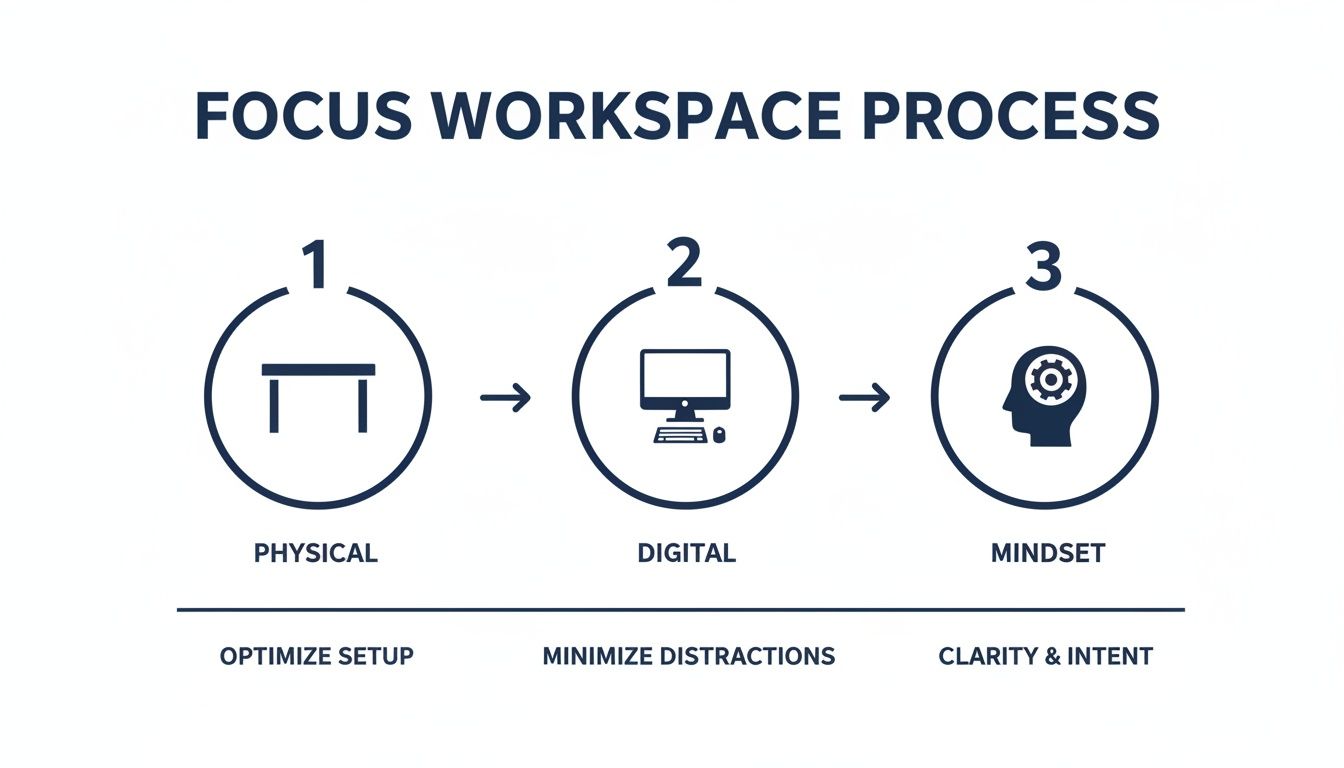
This visual is a great reminder that building an environment for focus involves more than just a clean desk. It’s a holistic approach, moving from the tangible things around you to the digital tools you use and, finally, to your own internal state.
Build a Deep Work Block
A Deep Work Block is a pre-scheduled, uninterrupted period—typically 90 minutes—that you dedicate to a single, high-value task. That duration is a sweet spot for many people, as it aligns with the brain’s natural ultradian rhythms of concentration.
During this block, all notifications are off. Your door is closed (or your chat status is set to “Do Not Disturb”). You commit to making progress on one thing and one thing only. For a deeper dive into why this works so well, check out our guide on the neuroscience of single-tasking.
Real-World Scenario: David’s Strategic Tuesday
David, a data analyst, has a complex quarterly report due. Instead of chipping away at it between meetings, he blocks two 90-minute “Deep Work” sessions on his calendar for Tuesday. The first is at 9:30 AM, his peak focus time. The second is at 2:00 PM. He schedules all his meetings and email catch-up sessions around these blocks, treating them as non-negotiable appointments. By the end of the day, he’s made significant progress on the report, feeling accomplished instead of fragmented.
Another powerful method is the Pomodoro Technique, developed by Francesco Cirillo. This framework breaks your work into focused 25-minute intervals separated by short 5-minute breaks. It’s incredibly effective for beating procrastination because committing to just 25 minutes feels far less daunting than facing a multi-hour project.
After four of these “Pomodoros,” you take a longer break of 15-30 minutes. This technique is excellent for training your attention span and proves that short, intense bursts of single-tasking are often far more productive than long, unfocused stretches of work. It helps you resist the urge for self-interruption and makes your progress feel tangible, one “tomato” at a time.
Train Your Brain with Mindfulness and Strategic Breaks
Structuring your day and optimizing your environment are powerful external moves. But learning how to focus better at work also means training your internal world—your actual mind.
Think of your ability to concentrate not as a fixed trait but as a mental muscle. With the right exercises, you can strengthen it, just like any other muscle. This is where a practice like mindfulness comes in.
It’s not about emptying your mind or achieving some perfect state of zen. Far from it. Mindfulness is simply the practice of gently guiding your attention back to the present moment whenever it wanders. Neuroscientifically, this strengthens the neural pathways in your prefrontal cortex, the very region responsible for executive functions like attention regulation and impulse control.

A Simple 5-Minute Mindfulness Exercise
You don’t need a quiet room or a yoga mat. You can build this focus muscle right at your desk with a simple, five-minute practice.
Set a timer. Put five minutes on your phone or computer.
Sit comfortably. Sit upright in your chair, feet flat on the floor, hands resting in your lap. You can close your eyes or just soften your gaze toward the floorFocus on your breath. Bring your full attention to the physical sensation of your breath. Notice the air entering your nostrils, filling your lungs, and then leaving your body. Don’t try to change it; just observe.
Acknowledge wandering thoughts. Your mind will wander. That’s what minds do. When you notice you’re thinking about a project, an email, or what to have for lunch, gently and without judgment, acknowledge the thought and guide your attention back to your breath
Repeat. Continue this process of noticing and returning for the full five minutes.
That simple act of returning your focus again and again is the exercise. Each time you do it, you’re performing a mental “rep” that reinforces your brain’s attentional control circuits. You can explore more about how stillness impacts your mind in our guide on the science of stillness and brain performance.
Debunking the Myth of “Powering Through”
Just as important as training your focus is knowing when to let it rest. Our culture loves to glorify “powering through” fatigue, but this is a deeply counterproductive strategy. Your brain consumes a tremendous amount of energy—specifically glucose—to maintain concentration. When those resources run low, your ability to focus, make good decisions, and regulate your impulses plummets.
Pushing through mental fatigue is like trying to drive a car on an empty tank of gas. You won’t get very far, and you risk damaging the engine. Strategic breaks are non-negotiable for sustained high performance.
Breaks aren’t a sign of weakness; they are a biological necessity for cognitive restoration. They give your brain a chance to clear out metabolic waste, replenish energy stores, and consolidate information.
Choosing the Right Break for Your Brain
Not all breaks are created equal. Mindlessly scrolling through a social media feed, for instance, doesn’t really rest your brain; it just bombards it with a different kind of high-speed stimuli. The key is to choose a break that counteracts the type of mental work you were just doing. Think of it as prescribing the right medicine for your mental state.
Here’s a quick guide to help you pick the right kind of pause.
| Break Type | When to Use It | Primary Benefit |
|---|---|---|
| Micro-Break (1-2 mins) | Between intense focus blocks (e.g., Pomodoros). | Look away from the screen, stretch, or stand up. Relieves eye strain and prevents mental fixation. |
| Movement Break (5-10 mins) | After a long meeting or a 90-minute deep work session. | Take a brisk walk. Boosts blood flow to the brain, improving alertness and creativity. |
| Nature Break (15-20 mins) | When feeling mentally drained or creatively stuck. | Walk in a park or look at plants. Proven to restore directed attention and reduce stress. |
| Social Break (15 mins) | When feeling isolated or unmotivated. | Chat with a colleague about non-work topics. Fulfills a core social need and can boost mood. |
By strategically deploying these different types of breaks throughout your day, you can maintain a much higher baseline of focus and prevent the cognitive burnout that comes from trying to stay “on” for eight straight hours.
Manage Your Energy, Not Just Your Time
You can have the best focus techniques in the world, but they won’t do a thing if your brain is running on fumes. We often treat concentration like a time management problem, but sustained focus is a biological game first and a mental one second. It’s deeply rooted in your physical energy.
Thinking you can just “will” yourself to focus misses the most critical part of the equation—the actual fuel your brain needs to perform.
Your physical state directly dictates your mental capacity. When you’re sleep-deprived or poorly nourished, your brain’s prefrontal cortex just can’t function properly. That’s the very area you rely on for attention, planning, and impulse control. To really learn how to focus, you have to become the chief energy officer for your own mind.
Prioritize High-Quality Sleep
Sleep is when your brain does its most critical maintenance. It’s not passive rest; it’s an active process of clearing out metabolic junk, consolidating memories, and recharging the very neural circuits you need for deep thinking.
Even a single night of bad sleep can kneecap the function of your prefrontal cortex. The result? Irritability, brain fog, and a total inability to resist the pull of distraction. Improving your sleep hygiene is one of the most powerful levers you can pull for better daytime focus.
Establish a consistent wind-down routine: An hour before bed, dim the lights and put all your screens away. The blue light from phones and laptops actively suppresses melatonin, the hormone that tells your body it’s time to sleep.
Create a sleep sanctuary: Your bedroom should be cool, dark, and quiet. Think blackout curtains, a white noise machine, or earplugs. These aren’t luxuries; they’re tools for cognitive performance.
Avoid late-day stimulants and heavy meals: Caffeine has a shockingly long half-life and can mess with your sleep architecture for hours. A big meal can also interfere with your body’s ability to settle into deep rest.
Fuel Your Brain with Smart Nutrition
The food you eat is the literal fuel for your brain cells. Sugary, processed foods send your blood glucose on a wild ride—a sharp spike followed by a hard crash. This is the dreaded afternoon slump, and it makes sustained concentration feel impossible.
Instead, aim for meals that provide a slow, steady release of energy. You’re looking for a good balance of complex carbs, lean proteins, and healthy fats.
Real-World Scenario: Alex’s Midday Energy Overhaul
Alex, a software developer, used to power through with a sugary soda and a pastry at lunch. By 3 PM, he was staring at his code, completely unable to think. He switched to a grilled chicken salad with quinoa and started snacking on almonds in the afternoon. The change was immediate. His energy stabilized, the fog lifted, and he could stay sharp right through the end of the day.
This isn’t about a restrictive diet. It’s about giving your brain the stable fuel it needs to do its job.
Chronic energy depletion is also a hallmark of burnout, a state that can make focus feel utterly out of reach. If you’re dealing with an exhaustion that feels deeper than just one bad night’s sleep, it’s worth exploring strategies for how to recover from burnout.
Ultimately, managing your physical energy is the non-negotiable foundation for mental clarity. When you treat sleep and nutrition with the same importance as your to-do list, you create the biological conditions your brain needs for deep, productive work.
Editor’s Take
As the editor of Mind Clarity Hub, I’ve tried just about every focus technique out there. If there’s one thing I’ve learned, it’s this: there is no magic bullet. The real secret to learning how to focus better at work is finding the right combination of strategies that fits your unique brain, your specific job, and your personality.
What works wonders for a software developer in a quiet home office—say, long, uninterrupted 90-minute deep work blocks—would be a recipe for frustration for a project manager in a bustling open office. That PM might find that the Pomodoro Technique, with its short 25-minute sprints, is the only sustainable way to make headway amid constant pings and shoulder taps.
For years, I bought into the myth that focus was just a matter of willpower. My turning point came when I realized I was fighting my own biology, not a character flaw. The two shifts that made the biggest difference for me were surprisingly simple:
Energy Management Over Time Management: I stopped trying to be productive from 9 to 5. Instead, I identified my peak focus window (10 AM to 1 PM) and guarded it fiercely for my most important creative work. The afternoons became my time for meetings and administrative tasks.
Environmental Control: I finally invested in a pair of high-quality noise-canceling headphones. It sounds almost trivial, but this single tool let me create a bubble of concentration, signaling to my brain—and just as importantly, to my colleagues—that I was in a deep work session.
What Works: The most effective strategies are the ones you can actually stick with. Consistency beats intensity every single time. Start with one small, manageable change, like turning off your phone notifications or scheduling a single 30-minute focus block each day.
Who It’s Best For: These techniques are for anyone feeling swamped by digital noise and a reactive workday. Environmental control is a lifeline for people in distracting offices, while energy management is a game-changer for remote workers battling burnout.
Caveats: This isn’t a quick fix. Building focus is a practice, not a one-time event. You will have days when your attention wanders no matter what you do. The goal is progress, not a flawless record.
Disclaimer: This article is for educational and informational purposes only and does not provide medical, psychological, or financial advice. Always talk with a qualified professional about your specific situation. Some links may be affiliate links, which means Mind Clarity Hub may earn a small commission if you choose to purchase, at no extra cost to you.
FAQs: Your Questions About Improving Focus Answered
When you start the journey to reclaim your attention, a lot of practical questions pop up. Here are the answers to some of the most common ones I hear from people learning how to focus better at work.
How long until I see real improvements in my focus?
It’s natural to want a quick fix, but rebuilding focus is a gradual process of retraining your brain. Thanks to a principle called neuroplasticity, your brain physically changes and forms new neural pathways with consistent practice.
You’ll probably notice small wins within the first week—maybe you feel less frazzled after turning off notifications for an afternoon. But for those changes to become automatic, you’re looking at anywhere from a few weeks to a couple of months. The real key is consistency over intensity. A small, focused practice every single day is far more powerful than one heroic, all-day effort on a Saturday that leaves you exhausted.
Can these techniques help if I have ADHD?
Many of the strategies in this guide can be incredibly supportive for people managing ADHD symptoms. Things like creating a distraction-free space, structuring your day with time blocks, and taking strategic breaks all help build the external scaffolding that can make it easier to start a task and stick with it.
However, it is crucial to be clear: this article is for educational purposes only. It is not a substitute for professional medical or psychological care. If you have or suspect you have ADHD, the most important step is to work with a qualified healthcare professional for a proper diagnosis and a comprehensive treatment plan.
If I can only do one thing, what’s the best habit to start with?
Feeling overwhelmed by all the options? Start here. The single best, highest-impact change you can make today is to disable all non-essential notifications on your phone and computer. This one move cuts off the primary source of the digital interruptions that shatter your attention all day long.
This isn’t just about getting rid of distractions; it’s about taking back control. Instead of letting your devices dictate where your attention goes, you get to decide when it’s time to check for updates. It’s a small change that creates a massive shift from a reactive to a proactive mindset, and it builds a powerful foundation for every other focus habit you want to build. For more visual inspiration on creating a calm and focused life, you can explore ideas on my official Pinterest profile.
At Mind Clarity Hub, our goal is to provide you with clear, science-backed roadmaps for reclaiming your mental space. Explore our curated guides and books to build the focus you need to thrive. Remember, this content is for educational purposes and is not a substitute for professional diagnosis or treatment.
Explore the Mind Clarity Hub Library
Practical books on focus, digital habits, resilience, and building a calmer mind.
The Power of Clarity
Unlock mental focus, build momentum, and create the life you were meant to live.
View book →
AI & ChatGPT for Beginners
No PhD needed — a 2025 guide to AI, prompts, and productivity without coding.
View book →
Zen in the Digital Jungle
Mindfulness for a chaotic world.
View book →
The Slow Reset
Mindful living in a fast-paced world.
View book →
Perfectly Imperfect
Stop self-criticism, set boundaries, and embrace the real you.
View book →
Reclaiming Silence
A dopamine detox guide to finding peace in a noisy world.
View book →
The Focused Freelancer
Productivity, pricing & positioning for independents in 2025.
View book →
ChatGPT Side Hustle System
Launch your AI-driven online business in 30 days.
View book →
Burnout, Interrupted
A proven path to restore energy and reclaim your life.
View book →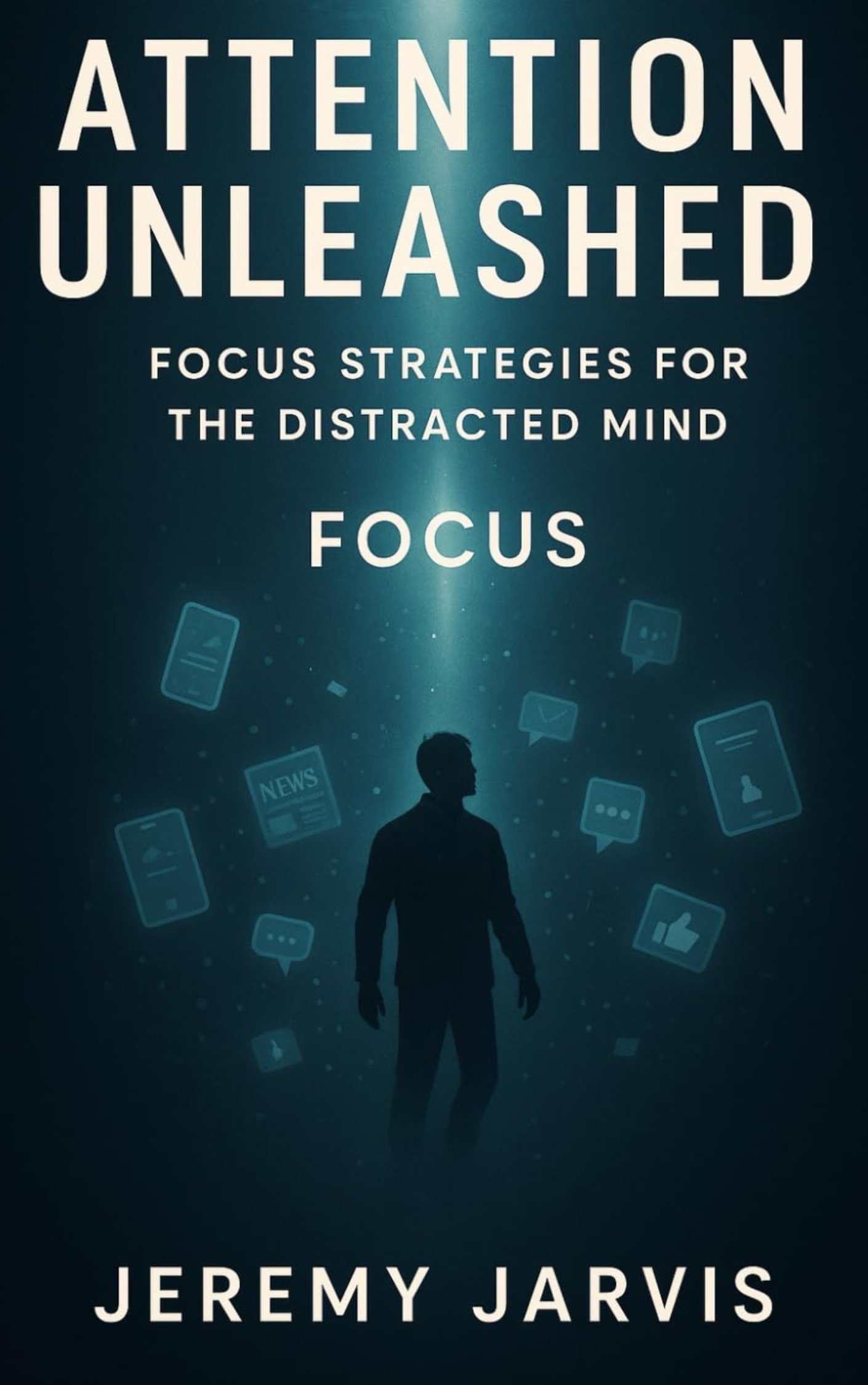
Attention Unleashed
Focus strategies for the distracted mind.
View book →
Side Hustle Launchpad
Your quick-start guide to extra income.
View book →
Digital Clarity
Rewire your brain, escape dopamine traps & regain focus.
View book →
Break the Scroll
Reduce screen time and take back control of your life.
View book →
Climate Compassion
Transform eco-anxiety into empowered action.
View book →
Village Mentality
The power of community for mental wellness.
View book →
Restful Nights
Overcoming sleep anxiety in a 24/7 world.
View book →
Connected Again
Combat loneliness and build meaningful relationships.
View book →
Focus Recharged
Mastering attention and productivity in the digital era.
View book →
Marketing Magic with ChatGPT
AI-powered content, campaigns, and copywriting to grow faster.
View book →
The 6-Figure Creator
Turn knowledge into passive income with books, courses & AI.
View book →
Burnout Breakthrough
Reset your work-life balance and thrive in 2025.
View book →
The Emotionally Intelligent Man
A modern guide to self-awareness and communication.
View book →
AI Personalized Wellness
Create your custom health plan with data-driven habits.
View book →
Everyday AI Made Easy
Use ChatGPT and smart tools to simplify life.
View book →
Money Mindfulness
A financial wellness guide for Gen Z & Millennials.
View book →
Startup Smarter with AI
ChatGPT strategies and tools to grow your business.
View book →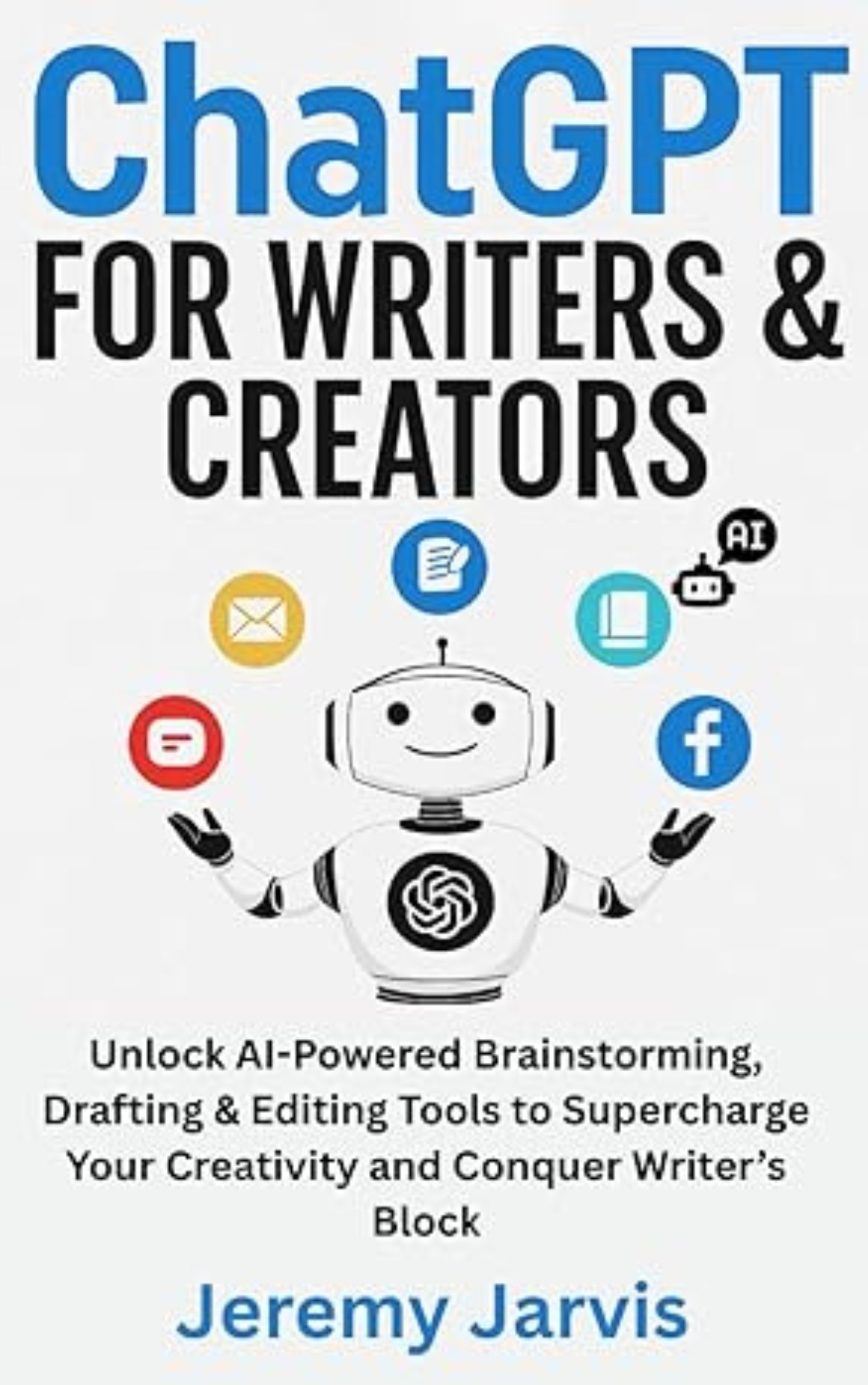
ChatGPT for Writers & Creators
Unlock AI-powered brainstorming, drafting & editing.
View book →