
How Light, Sound, and Architecture Affect Your Cognitive Performance

Key takeaways: How your environment shapes cognitive performance
-
Cognitive performance is not just about willpower or motivation; light, sound, and architecture
quietly push your brain toward either focus or fatigue all day long. -
Natural light, lower evening glare, and simple sound choices (like reducing speech noise) can
boost attention, working memory, and mood without adding more to your to-do list. -
Cluttered, echo-ey, open spaces often overload your attention, while clear sightlines, soft edges,
and calm “micro-zones” make it easier to think deeply and recover between tasks. -
You do not need a designer loft. A few targeted tweaks—lighting, soundscapes, and layout—can turn an
ordinary room into a brain-friendly environment that supports focus and mental clarity.
Editor’s Pick
Deeper dive companion: The Power of Clarity
If you want to pair environment changes with clearer priorities and routines, explore the book page for
The Power of Clarity
for a step-by-step system to align your space, schedule, and attention.
Why your surroundings quietly shape how well you think
On paper, cognitive performance sounds like an internal trait: either you have a strong attention span and good
working memory, or you do not. In daily life, however, your ability to think clearly is constantly being nudged
by the room you are sitting in—its light, its noise, even the way the walls and furniture are arranged.
Harsh overhead LEDs, a buzzing air-conditioning vent, and a cluttered open-plan office can leave you mentally
drained before lunch. By contrast, a space with softer light, fewer echoes, and clear sightlines often makes
deep work feel less like a fight. The difference is not just aesthetic; it reflects how your brain processes
sensory input, threat signals, and attention cues all at once.
This guide looks at three big levers—light, sound, and architecture—and how small adjustments
can support focus, memory, and problem-solving. Along the way, you will see connections to earlier pieces like
Why Can’t I Focus Anymore?
and
What Is Digital Fatigue and How Do I Recover Faster?
,
so you can treat your environment as part of your broader attention reset—not an afterthought.
How light steers your alertness, mood, and cognitive performance
Light is not just about seeing your screen. It is one of the main signals your brain uses to set its internal
clock, regulate hormones, and decide how alert to be. When lighting works with your biology rather than
against it, focus usually feels more stable and less forced. When it clashes, you may notice headaches,
eye-strain, and that wired-tired feeling where your body is buzzing but your thinking feels blunt.
Bright, cooler light in the morning tends to support wakefulness and reaction time. That is one reason why
daylight near a window can feel so different from a dim, cave-like office. On the other hand, intense blue-white
light late at night can delay melatonin, fragment sleep, and leave you cognitively foggy the next day. As
research on light and circadian rhythms from sources like
Harvard Health
continues to show, your brain performs best when light patterns roughly match day and night.
Daylight, windows, and small shifts that boost focus
Ideally, you would work near a window with indirect daylight and a view of something calm, like trees or sky.
That combination of natural light and soft visual interest tends to support sustained attention and lower stress.
However, many people do not have that ideal setup. You might be in an interior room, a basement, or a rented
space you cannot remodel.
Even then, you can still move the needle. You might position your desk so light comes from the side instead of
directly behind your screen. You can experiment with a desk lamp that has a warmer color temperature in the
evening, while keeping overall brightness high enough during the day. If you work shifts or have limited
daylight hours, it can help to be especially intentional about morning light—stepping outside for a short
walk, or pairing your
Clarity Morning routine
with a spot near a window.
Screen glare, evening light, and protecting tomorrow’s thinking
Screens introduce a second layer of complexity. Glare, reflections, and high contrast between a bright monitor
and dark room all increase visual fatigue. That strain does not just bother your eyes; it quietly drains working
memory, making it harder to hold complex ideas in mind and maintain mental clarity across long sessions.
You can soften these effects with a few small changes: slightly lowering screen brightness at night, adding a
low lamp behind your monitor so the room is not pitch dark, and using night-mode settings when you read in bed.
None of this replaces good sleep hygiene, but it does give your brain fewer reasons to stay in “daytime mode”
long past midnight. Over a week or two, many people notice that better evening light pays off as clearer
thinking in the morning.
The hidden impact of sound on attention, memory, and stress
Sound rarely appears on a to-do list, yet it has a huge effect on cognitive performance. Human speech is
especially demanding: your brain is wired to parse language automatically, even when you are trying to ignore
it. That means a lively open-plan office, a TV in the background, or constant hallway chatter can quietly pull
processing power away from whatever you are trying to read or write.
For many people, it is not sheer volume that causes trouble but unpredictability. Sudden laughter, doors
slamming, or a coworker’s ringtone can jolt your nervous system and break the fragile “thread” of working
memory. Over time, this pattern contributes to digital fatigue, decision fatigue, and that sense that your brain
“taps out” earlier than it used to—something I explore more in
What Is Digital Fatigue and How Do I Recover Faster?
.
When “a little noise” is too much for your brain
It is common to minimize the problem: “Everyone works with noise; I should be able to handle it.” However, if
you find yourself re-reading paragraphs, losing your place in multi-step tasks, or dreading certain environments,
the soundscape might be part of the story. Sensitive nervous systems, ADHD, and anxiety can all amplify this
effect, but even neurotypical brains have limits.
A helpful reframe is to treat sound like a design variable, not a personal failing. You might shift your desk
away from the loudest pathway, use light noise-masking (like a small fan or non-lyrical music), or politely
negotiate “quiet hours” with colleagues or family. The goal is not monastic silence; it is a sound environment
that lets your attention stay anchored instead of constantly recovering from micro-interruptions.
Using sound on purpose: soundscapes, breaks, and agreements
Just as important as reducing disruptive noise is choosing what you do want to hear. Some people think best in
near-silence; others work better with gentle background sounds. You can experiment with low-intensity soundscapes
(rain, distant café noise, or instrumental music) and notice how they affect both focus and fatigue across the
day. The key is consistency: constantly switching playlists can turn sound into yet another distraction.
It can also help to put sound agreements in writing. For example, a household might decide that early mornings
and late evenings stay quieter, or a team might use “headphones on = please DM instead of tapping my shoulder.”
Small norms like these reduce social friction and protect everyone’s cognitive performance, not just your own.
Architecture, layout, and how your brain navigates space
The way a room is shaped—the height of the ceiling, the openness of the floor plan, the presence or absence of
doors—also nudges cognitive performance. Large, echoing spaces with many visual stimuli pull your attention
outward. Smaller, more defined zones with softer edges tend to support introspective thinking, reading, and
deep work.
This does not mean you need to rebuild your home. It does mean that how you place furniture, where you store
clutter, and what you choose to keep on the walls all matter. In
The Neuroscience of Single-Tasking
,
I talk about how attention prefers clear “start” and “stop” cues. Architecture and layout can provide those
cues physically, not just on your calendar.
Visual noise, clutter, and the cost of constant micro-decisions
Every object in your field of view is a tiny question for your brain: “Is this relevant? Should I do something
with it?” A shelf packed with paperwork, a desk covered in half-finished tasks, or a wall full of competing
reminders forces attention to work harder before you even begin today’s work.
You do not need a minimalist showroom. However, you can choose one surface—often your primary desk—to keep
intentionally calm. That might mean only one notebook, your current project, and a single supportive object
(like a plant or photo). The rest can live in drawers, bins, or a “staging shelf” you revisit during planning
sessions. Over time, this reduces the cognitive load of constant micro-decisions and makes it easier to drop
into flow.
Micro-zones that match your mental modes
Another powerful tactic is to create “micro-zones” that match different types of thinking. You might have one
spot for deep work, another for email and admin, and a separate chair for reading or journaling. Even in a
small studio, changing posture, lighting, and what is within arm’s reach can signal a different task mode.
For example, deep work might happen at a desk with a larger monitor, fewer objects, and stronger light. Admin
tasks could shift to a side table with a laptop and a more relaxed posture. Reflection or planning might live in
a corner chair with a notebook and softer lamp. By consistently pairing each zone with one type of cognitive
demand, you turn architecture into a gentle habit cue for your brain.
Designing a brain-friendly environment with what you already have
At this point, you might be wondering how to apply all of this without a renovation budget. Fortunately, most
gains in cognitive performance come from targeted, low-cost adjustments rather than dramatic makeovers. The aim
is to change the signals your environment sends to your nervous system, not to chase aesthetic perfection.
A helpful first step is to do a “sensory walk-through” of your main work area. Sit where you normally sit and
move through each channel: What do you see? What do you hear? How does the light feel at 9 a.m. versus 9 p.m.?
Are there obvious bright spots, dark corners, or noisy hotspots you have been ignoring simply because they are
familiar?
A quick room reset for clearer, calmer thinking
Once you have noticed the biggest friction points, you can run a simple room reset. This does not need to be a
full weekend project. Even 30–45 minutes can create a noticeable shift in cognitive comfort if you focus on the
right levers.
- Light: Adjust desk position, add or move one lamp, and reduce direct glare on your screen.
- Sound: Identify main noise sources, soften what you can, and choose one intentional sound
strategy (fan, white noise, or quieter zone). - Visual field: Clear the immediate desk surface, cluster remaining items, and move “someday”
objects out of your primary line of sight. - Layout: Define at least one dedicated spot as your “single-task zone” for reading, learning,
or creative work.
After the reset, pay attention to how your brain feels during the next few work sessions. You are looking for
subtle changes: slightly easier task initiation, fewer urges to abandon tasks mid-stream, and less end-of-day
cognitive exhaustion. These are early signs that your environment is starting to carry some of the load.
Small environment experiments to try this week
To keep the momentum going, you can treat your space like a series of experiments rather than a finished
product. Each week, choose one small change in light, sound, or layout and observe its effect on focus,
productivity, and mental clarity.
-
Test one week with a consistent morning light ritual—near a window, outdoors, or with a bright lamp during
your first deep-work block. - Try a “speech-free” soundscape during complex tasks and notice whether you re-read fewer sentences.
- Designate a single surface as a clutter-free zone and protect it fiercely for one month.
- Create a micro-zone for planning, then use it to review your week and close open loops every Friday.
If you want more structure while you experiment, you can pair this piece with
Why Do I Feel Mentally Exhausted After Doing Nothing?
and
How Long Does It Take to Rewire Your Brain for Focus?
.
Together, they show how environment, habits, and neuroplasticity interact so you can design changes that last
beyond a single clean-up session.
Your environment as a quiet collaborator in better thinking
Light, sound, and architecture will never replace good sleep, thoughtful priorities, or healthy boundaries with
technology. Even so, they can either undermine all of those efforts or quietly amplify them. When your space
stops fighting your brain, it becomes much easier to show up as the focused, thoughtful version of yourself you
are trying to support with every other habit.
You do not need to fix everything at once. You can start with one lamp, one shelf, one sound agreement, or one
new micro-zone and then let your nervous system tell you what helps. Over time, those small, repeatable
adjustments add up to an environment that acts less like a drain and more like a calm collaborator in your
cognitive performance.
Turning small environment tweaks into everyday brain rituals
One way to make these changes stick is to treat them less like a one-time project and more like
daily rituals for your brain. Instead of thinking, “I need the perfect office,” you can ask,
“What does my attention need from this room today?” That simple shift turns environment design into an ongoing
conversation, not a pass/fail exam. On days when your nervous system already feels stretched, you might dim
harsh lights, reduce background noise, and pick a calmer corner for work. On days when you feel sharper, you can
lean into brighter light and a more stimulating setup.
To make this practical, you could build a short “space check” into your startup routine. Before opening email or
Slack, take sixty seconds to scan your desk, lighting, and soundscape. Move one object out of view, adjust one
lamp, or put on one intentional sound. Over time, these micro-tweaks become automatic cues that signal to your
brain, “We’re entering focus mode now,” similar to how I describe cueing deep work in
The Neuroscience of Single-Tasking
.
Linking your space to specific kinds of thinking
Another powerful step is to connect particular parts of your environment to particular kinds of cognitive work.
Rather than using the same chair, screen, and posture for everything, you can create lightweight
“zones” that teach your brain what to expect when you sit down. One spot might become the place where
you do deep reading, another where you handle quick admin tasks, and a third where you actually rest without a
screen.
For example, you might reserve your main desk—good chair, upright posture, larger monitor—for single-task
deep work and problem-solving. Email replies and shallow tasks could happen at a side table or on a tablet,
with slightly softer light. A separate chair near a window could be your “rest and reset” zone: no laptop,
maybe a notebook or a print book, and a calmer soundscape. In
Why Do I Feel Mentally Exhausted After Doing Nothing?
The goal is not to choreograph your entire day. Instead, you are giving your brain simple, repeatable
associations: “When I sit here with this kind of light and noise, we focus; when I move there, we recover.” As
those associations strengthen, task switching feels less jarring, and your cognitive performance
begins to track with your environment instead of fighting it.
Using environment changes to support focus, not perfectionism
It is easy, especially if you care about productivity, to turn environment design into another form of
perfectionism. You might catch yourself thinking, “If my office were better, I’d never procrastinate,” or “I
can’t start until my space is exactly right.” Ironically, that mindset often keeps people stuck in endless
rearranging without actually changing how they work or feel.
A gentler approach is to use each change as an experiment in how your brain responds, not as a
test of your discipline. You might notice that a small plant in your field of view makes long writing sessions
less draining, or that standing for short brainstorming bursts helps with creative thinking. You might also
notice that certain decorative objects—vision boards, sticky notes, extra monitors—quietly increase your sense
of pressure. Those observations are data you can use to fine-tune your space in a way that supports
actual mental clarity, not just an aesthetic ideal.
If you want more structure while you experiment, it can help to pair this piece with the broader attention
framework in
Why Can’t I Focus Anymore? (Real Causes, Not Clichés)
and the neuroplasticity timelines I outline in
How Long Does It Take to Rewire Your Brain for Focus?
.
Together, they show how environment, habit loops, and your nervous system interact, so that every tweak to light
or sound also fits into a bigger, more compassionate plan for your focus.
Letting science guide you, not overwhelm you
environmental psychology and
cognitive performance largely points in the same direction: more natural light, less chaotic
noise, defined zones for different activities, and occasional visual connection to nature all support focus and
mood. Summaries from sources like the
built environment and well-being research
echo the same theme—our surroundings matter more than we think.
You can treat that science as a compass, then let lived experience do the rest. Notice whether shifting your
lamp improves late-day concentration. Pay attention to how your brain feels after a week of calmer mornings
near a window versus a week of starting work in a dark, noisy corner. Track whether your “single-task zone”
actually makes it easier to read long articles, like the deep-dive pieces on
digital fatigue
and
dopamine detox
.
As you collect these small observations, your space gradually becomes less random and more intentional—built
around the way your brain truly works, not the way you wish it did.
Over time, that is what turns “environment” from background scenery into a quiet collaborator. You are not just
forcing yourself to focus inside whatever room you happen to be in. Instead, you are shaping light,
sound, and architecture so that thinking clearly does not feel like swimming upstream every day, but
like moving with a current you helped design.
FAQs: Light, sound, architecture, and your cognitive performance
Below are quick, practical answers about how light, sound, and architecture shape your focus, brain fog, and
overall cognitive performance.
Core questions about light, sound, and focus
How much does lighting really affect focus and cognitive performance?
▸
Lighting affects your focus more than it seems at first. Brighter, well-distributed light—especially natural
daylight—supports alertness, reaction speed, and steady attention. By contrast, harsh glare or very dim rooms
can increase eye strain and low-grade headaches, which quietly drain mental energy.
Because of this, even small changes matter. Moving your desk closer to a window, adding a diffused desk lamp,
or reducing strong contrast between screen and room brightness can all make deep work feel less heavy. If your
energy crashes even when sleep and nutrition are solid, adjusting light is often a good first experiment,
alongside a short morning routine like the
Clarity Morning routine
.
What kind of lighting is best for a home office or study space?
▸
In most cases, your brain works best with a mix of indirect daylight and soft, diffused artificial light.
Ideally, light should come from the side or slightly behind your screen, not straight into your eyes. During
the day, slightly cooler and brighter light tends to support alertness. In the evening, warmer and gentler
light helps your nervous system wind down while you finish lighter tasks.
If you cannot change windows or ceiling fixtures, you can still improve cognitive performance with one
adjustable lamp, a light wall behind your monitor, and reduced contrast between the monitor and the rest of
the room. Over a couple of weeks, many people notice fewer headaches and smoother concentration from these
simple changes.
Can sound really make that big a difference in my focus and memory?
▸
Yes, sound has a strong impact on focus and working memory. Your brain is tuned to notice speech, sudden
noises, and unpredictable patterns. Even when you think you have adapted to a noisy office, TV in the
background, or constant hallway traffic, part of your attention is still scanning those sounds for potential
threats or opportunities.
As a result, you have less mental capacity left for reading, writing, or problem-solving. A useful first step
is to reduce unpredictable speech noise during deep work sessions, by using noise-masking, headphones, or a
quieter corner. If you often feel drained after “doing nothing,” your sound environment may be part of the
picture, as I describe in
Why Do I Feel Mentally Exhausted After Doing Nothing?
.
Is it better to work in silence or with background music or noise?
▸
It depends on the type of task and your sensitivity. For complex work—studying, deep reading, writing, or
strategic thinking—near silence or gentle, non-lyrical sound usually works best. For simpler, repetitive
tasks, slightly more upbeat music can support energy and mood without overloading your attention system.
The key is consistency. Choose one sound strategy for a focus block and stick with it, instead of constantly
switching playlists. If lyrics keep pulling your mind toward the words, try instrumental music, brown noise,
or nature sounds. Over time, your brain will associate certain sounds with “focus mode,” which helps you drop
in faster.
Practical workspace questions and small-space design
What if I work in a small apartment or shared space I can’t remodel?
▸
You can still create a brain-friendly workspace, even in a tiny or shared home. Instead of thinking in terms
of major renovations, focus on micro-tweaks you control: desk position, one reliable lamp, headphones or
sound-masking, and what sits directly in your line of sight. A calm surface and one defined “focus corner”
already reduce cognitive load.
In
The Neuroscience of Single-Tasking
,
I describe how simple “micro-zones” train your brain. You can use posture, light, and what you place on the
table to signal when you are in deep-work mode versus scroll-and-relax mode, even if the physical room stays
exactly the same.
How does clutter and visual noise affect my brain and productivity?
▸
Visual clutter quietly adds mental friction. Every object in your field of view asks for a quick decision:
“Is this important?” or “Do I need to handle this?” Each tiny check seems harmless, but together they increase
cognitive load and make it easier for your attention to drift.
You do not have to live in a perfect minimalist space. However, keeping your primary work surface fairly calm
helps a lot. One notebook, one current project, and perhaps one encouraging object give your brain far fewer
reasons to jump away from the task at hand. This same principle shows up in
Why Can’t I Focus Anymore? (Real Causes, Not Clichés)
,
where we look at hidden sources of attention drag.
Can changing my environment really help with brain fog and digital fatigue?
▸
Environment shifts do not fix everything, yet they can ease a surprising amount of brain fog and digital
fatigue. Softer evening light supports better sleep. Better sleep, in turn, supports memory, mood, and
problem-solving. Less chaotic noise makes it easier for working memory to hold ideas. Basic ergonomics reduce
physical discomfort that would otherwise compete for mental bandwidth.
For many people, the best results come from combining space changes with habit changes. That is why I often
pair environment tweaks with the recovery ideas in
What Is Digital Fatigue and How Do I Recover Faster?
and the attention diet reset in
Is Dopamine Detox Real or Just Internet Myth?
.
How long does it take for environment changes to improve my focus?
▸
Some benefits show up quickly. In just a few days, better light and less noise can reduce eye strain and lower
the sense of constant irritation. Deeper changes in focus, working memory, and mental stamina follow the usual
neuroplasticity pattern. They build over several weeks of repeating the same supportive environment.
In
How Long Does It Take to Rewire Your Brain for Focus?
,
I explain why 30–90 days of consistent, small inputs matter more than a single weekend overhaul. The more
often your brain experiences a clear, calm workspace when you sit down to think, the more that state becomes
your default expectation.
When environment is not the only factor
When should I talk to a professional instead of just changing my workspace?
▸
Workspace design is powerful, but it is not a replacement for medical or psychological care. If you notice
ongoing brain fog, memory problems, severe sleep disruption, or long-standing attention issues that began in
childhood, it is wise to talk with a doctor or mental-health professional. Conditions such as ADHD,
depression, anxiety, or certain sleep disorders all influence cognitive performance.
Environment tweaks can still support you during that process. In fact, many people find that therapy, coaching
and self-guided tools work better when their space is calmer and more intentional. Still, if you are worried
about how your brain is functioning, an accurate assessment gives you a clearer map than workspace changes
alone ever can.
If you would like visual inspiration while you design, you can also follow Mind Clarity Hub on Pinterest for
workspace, routine, and attention-friendly environment ideas:
pinterest.com/JeremyJarvisOfficial
.
Use those images as prompts, not perfection goals—guides for building a space where your brain can think
clearly again.
Explore the Mind Clarity Hub Library
Practical books on focus, digital habits, resilience, and building a calmer mind.
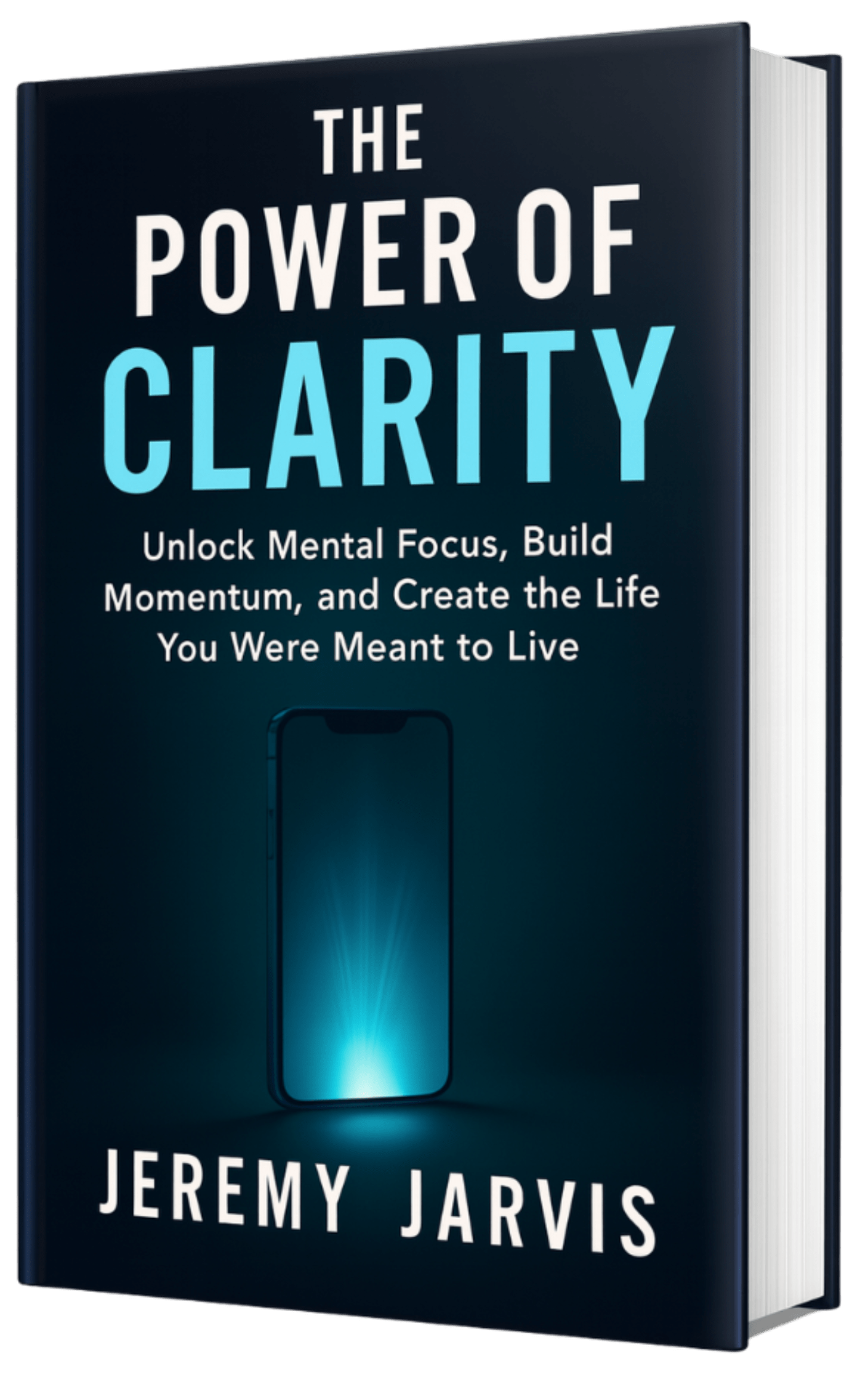
The Power of Clarity
Unlock mental focus, build momentum, and create the life you were meant to live.
View book →

AI & ChatGPT for Beginners
No PhD needed — a 2025 guide to AI, prompts, and productivity without coding.
View book →

Zen in the Digital Jungle
Mindfulness for a chaotic world.
View book →

The Slow Reset
Mindful living in a fast-paced world.
View book →

Perfectly Imperfect
Stop self-criticism, set boundaries, and embrace the real you.
View book →
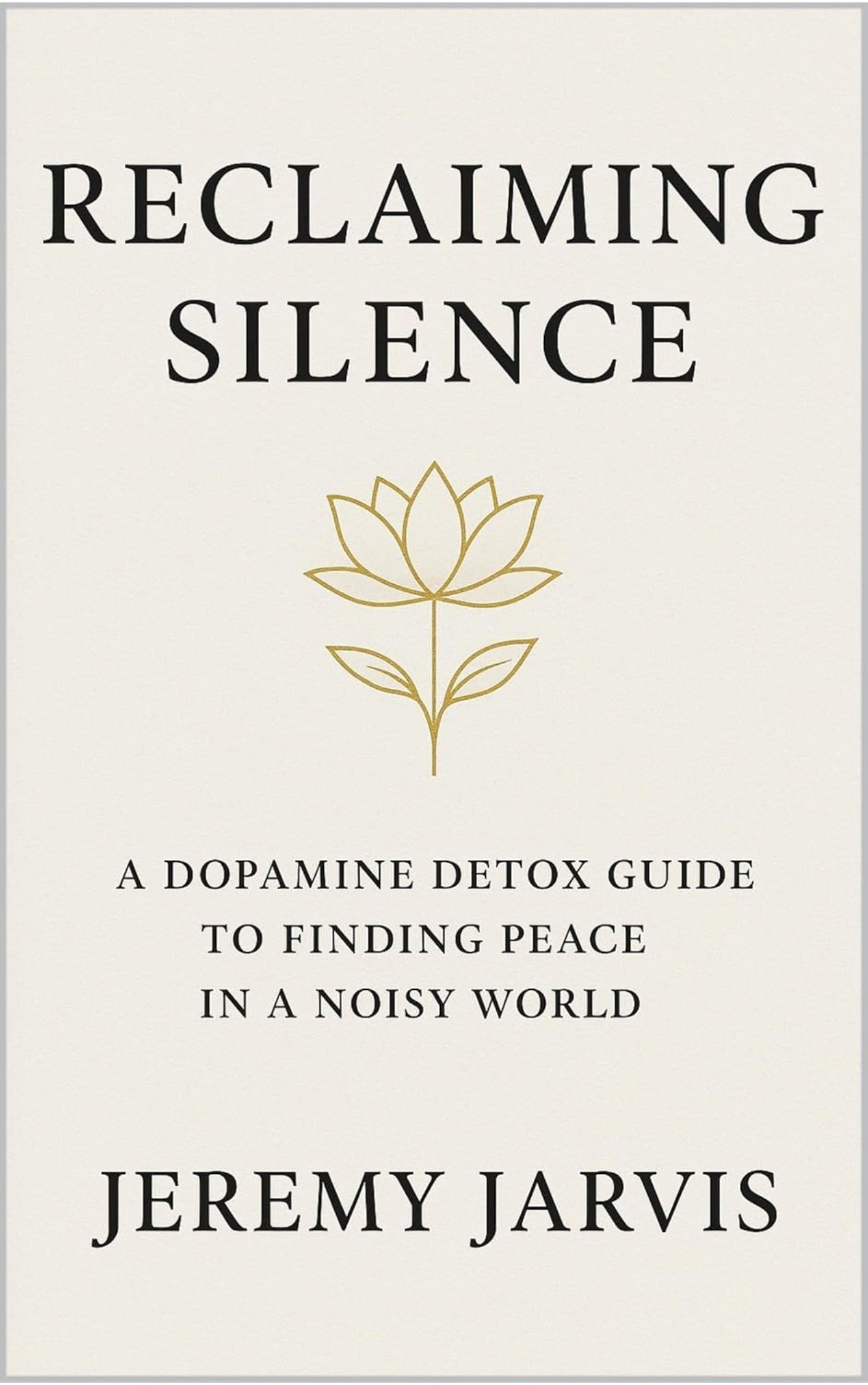
Reclaiming Silence
A dopamine detox guide to finding peace in a noisy world.
View book →
The Focused Freelancer
Productivity, pricing & positioning for independents in 2025.
View book →

ChatGPT Side Hustle System
Launch your AI-driven online business in 30 days.
View book →

Burnout, Interrupted
A proven path to restore energy and reclaim your life.
View book →
Attention Unleashed
Focus strategies for the distracted mind.
View book →

Side Hustle Launchpad
Your quick-start guide to extra income.
View book →

Digital Clarity
Rewire your brain, escape dopamine traps & regain focus.
View book →

Break the Scroll
Reduce screen time and take back control of your life.
View book →

Climate Compassion
Transform eco-anxiety into empowered action.
View book →

Village Mentality
The power of community for mental wellness.
View book →

Restful Nights
Overcoming sleep anxiety in a 24/7 world.
View book →

Connected Again
Combat loneliness and build meaningful relationships.
View book →
Focus Recharged
Mastering attention and productivity in the digital era.
View book →

Marketing Magic with ChatGPT
AI-powered content, campaigns, and copywriting to grow faster.
View book →

The 6-Figure Creator
Turn knowledge into passive income with books, courses & AI.
View book →

Burnout Breakthrough
Reset your work-life balance and thrive in 2025.
View book →

The Emotionally Intelligent Man
A modern guide to self-awareness and communication.
View book →

AI Personalized Wellness
Create your custom health plan with data-driven habits.
View book →

Everyday AI Made Easy
Use ChatGPT and smart tools to simplify life.
View book →

Money Mindfulness
A financial wellness guide for Gen Z & Millennials.
View book →

Startup Smarter with AI
ChatGPT strategies and tools to grow your business.
View book →
ChatGPT for Writers & Creators
Unlock AI-powered brainstorming, drafting & editing.
View book →