

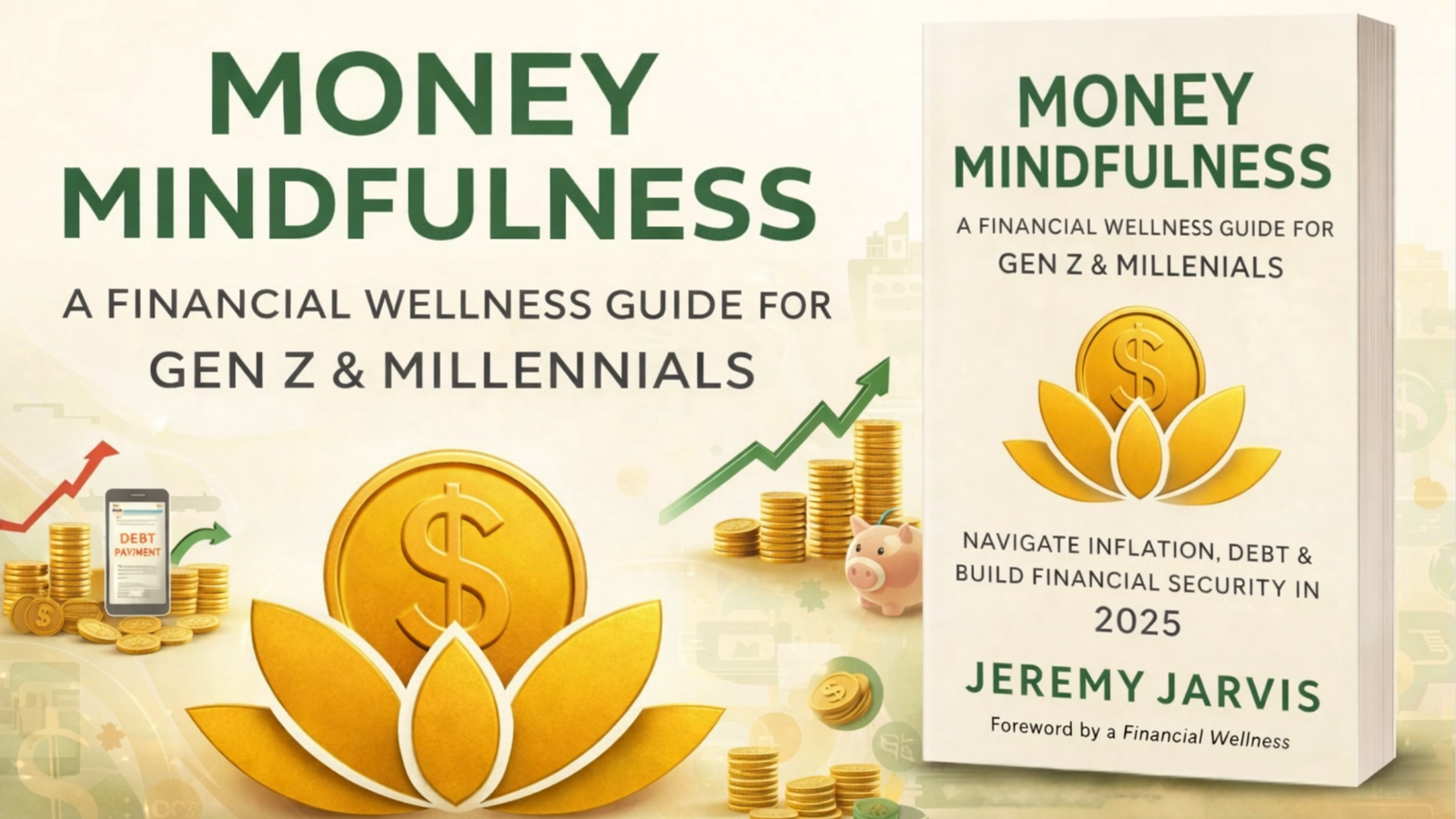
Money Mindfulness: A Financial Wellness Guide for Gen Z & Millennials — Navigate Inflation, Debt & Build Financial Security in 2025
Published: August 19, 2025 · Last updated: December 25, 2025
If your money mind feels overloaded—prices rising, debt lingering, and goals drifting—this book is built for you. Money Mindfulness is a practical financial wellness guide that blends calm routines with clear money strategies so you can budget smarter, reduce money stress, pay off debt, build savings, and invest simply in 2025—without burning out.
View on Amazon →Affiliate Disclosure: This page contains affiliate links. If you use them to make a purchase, Mind Clarity Hub may earn a commission—at no cost to you. This helps support our content and mission.
📘 Author: Jeremy Jarvis
Publication Date: August 19, 2025 | Print Length: 391 pages
ISBN-13: 979-8298900676 | Language: English
Dimensions: 6 x 0.89 x 9 inches
Why Money Mindfulness Matters in 2025
Inflation changes the math, but it also changes your nervous system. When essentials rise and debt feels sticky, your money mind can slip into survival mode: avoidance, impulse spending, and “I’ll deal with it later.” Money Mindfulness is designed to interrupt that loop. First, it gives you simple, proven personal finance frameworks. Then, it adds calm, repeatable mindset practices so your plan actually sticks. As a result, you get a financial wellness system that supports your goals instead of draining your attention.
Importantly, this isn’t a hype-y “get rich quick” approach. Instead, it’s a clarity-first roadmap: stabilize your budget, shrink high-interest debt, build an emergency buffer, and invest with a long-term plan you can follow without obsessing. If you want more mental clarity alongside better finances, pair this page with The Power of Clarity and How to Improve Mental Clarity as companion reads—because attention and money habits tend to rise together.
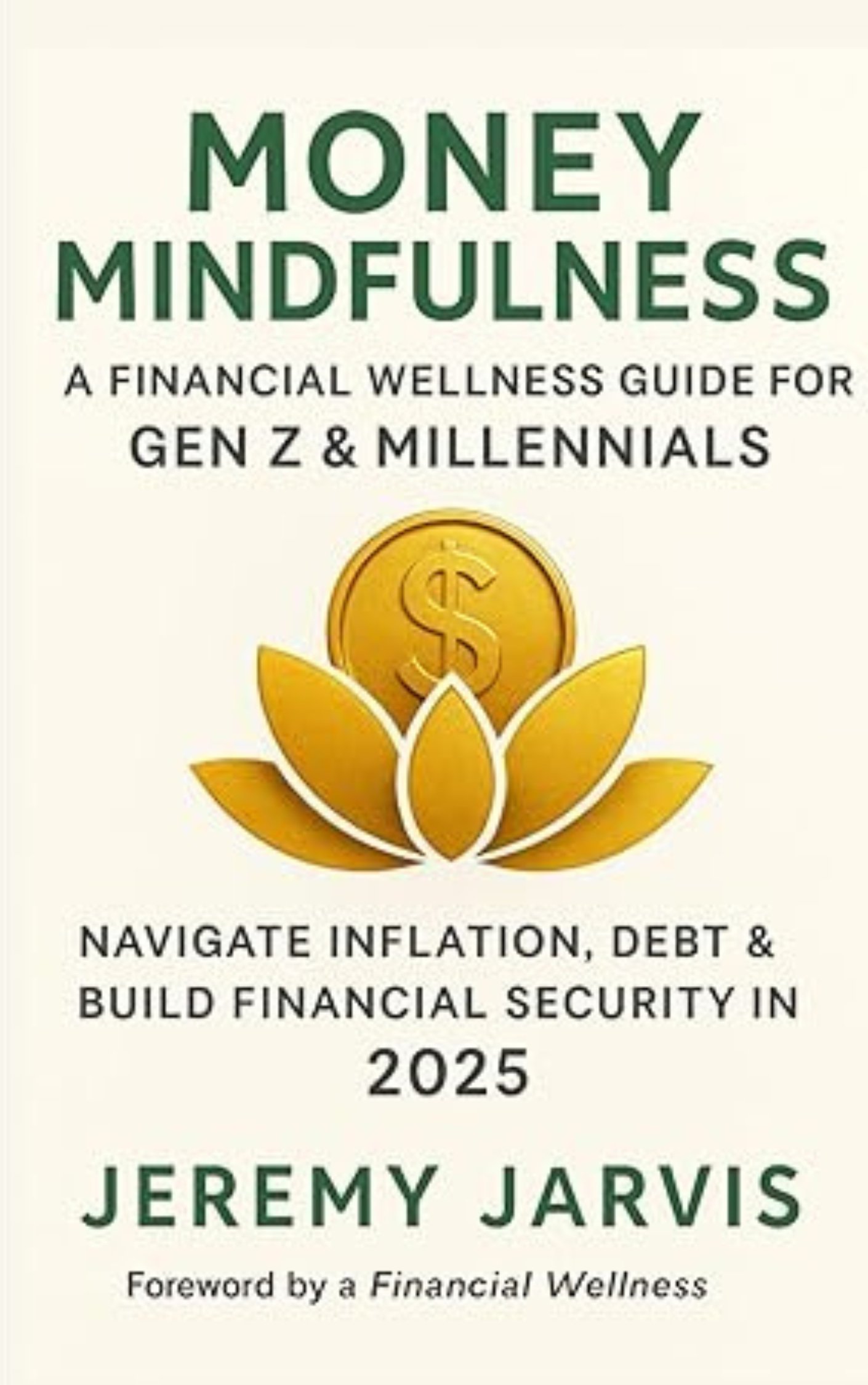
Money Mindfulness (2025)
A money mind + financial wellness playbook: budgeting, debt payoff, savings, simple investing, and calm routines that stick.
Disclosure: Affiliate link (supports Mind Clarity Hub).
What’s Inside the Book
This book is structured to reduce overwhelm. First, you build a baseline budget that respects real life—rent, groceries, transportation, subscriptions, and the surprises that always show up. Next, you choose a debt payoff plan you can sustain (snowball or avalanche) and automate the boring parts so you don’t rely on willpower. Then, you create an emergency fund that protects you from one bad week turning into one bad month. Finally, you learn simple investing and long-term thinking—without hype, without panic, and without comparing yourself to anyone online.
Budget Smarter Without Living in Spreadsheets
Budgets fail when they’re too complicated or too strict. So instead of chasing perfection, Money Mindfulness uses a flexible approach that is easy to repeat. You start with essentials, add one or two realistic “flex” categories, and then automate small transfers so progress happens quietly. Additionally, you’ll use a short weekly review—ten minutes, once a week—to keep your plan aligned. Because consistency beats intensity, those small check-ins prevent drift and reduce money anxiety over time.
Debt Payoff That Builds Momentum
Debt is both a math problem and a stress problem. Therefore, the book offers two clear paths: debt snowball (quick wins) and debt avalanche (interest savings). More importantly, it shows how to remove friction: automate minimums, schedule extra payments, and set up guardrails so new debt doesn’t creep in. If you tend to scroll when you’re stressed, the habit support from Break the Scroll fits perfectly here—because impulse spending and impulse scrolling often share the same triggers.
Emergency Funds That Work on Tight Income
First, protect your future self. Your initial goal is a starter cushion that stops the “surprise expense” spiral. Next, you slowly expand toward one to three months of essentials. Then, as stability improves, you aim for longer runway. Along the way, you’ll use micro-saving rules (small daily or weekly transfers) and “sinking funds” for irregular costs like car repairs, gifts, medical copays, and travel. Consequently, your budget stops feeling fragile.
Simple Investing for Long-Term Financial Wellness
Investing becomes less scary when you reduce the number of decisions. The approach here emphasizes tax-advantaged accounts when available, low-cost diversification, and automatic contributions that you revisit quarterly. Additionally, you’ll learn how to ignore noise, avoid FOMO, and build patience as a skill. For a broader clarity framework that supports long-term follow-through, see Rewire Your Brain for Focus.
Mindful Spending: Strengthen Your Money Mind
“Mindful spending” isn’t about never buying anything fun. Instead, it’s about noticing what you’re buying, why you’re buying it, and what you actually want the purchase to solve. First, you learn a short pause practice. Next, you label the feeling (stress, boredom, reward). Then, you choose the next action that matches your values. Over time, this rewires your money mind so you spend with intention, save with less resistance, and feel calmer even while you’re still building.
Relationships, Money Conversations, and Shared Goals
Money conflict is often clarity conflict. So the book includes “money date” scripts, simple rules for shared bills, and a low-drama way to plan big purchases. Furthermore, it shows how to align goals without controlling each other—because a healthy plan protects both trust and autonomy. If your attention feels thin during hard conversations, the routine principles from The “Clarity Morning” can help you show up steadier.
Gig Economy & Variable Income Strategies
Variable income needs a different structure. First, you define a baseline “must-pay” number. Next, you build a buffer category to smooth uneven weeks. Then, you create a simple quarterly rhythm for taxes and irregular expenses. As a result, you can pursue freelancing, side hustles, or creator income while still protecting sleep and focus. If you’re also building income online, the practical systems mindset from Startup Smarter with AI pairs well here—because sustainable money requires sustainable systems.
Reader Review
“A Mindful and Practical Guide Tailored for Gen Z and Millennials.”
Money Mindfulness offers a timely and thoughtful approach to navigating money challenges in 2025—aligning spending with values, using journaling and mindset exercises to reduce stress, and framing money as a tool for security and well-being. — An Hai, 5.0★ Kindle review (September 8, 2025)
Who This Book Is For
- Gen Z and Millennials who want financial wellness without overwhelm.
- Anyone managing inflation, student loans, credit cards, or “money anxiety” and looking for calm routines that work.
- People rebuilding savings, creating an emergency fund, or starting simple investing for the first time.
- Readers who want a stronger money mind: mindful spending, better habits, and less guilt.
What You Will Learn
- A budget system that is flexible, realistic, and easy to repeat weekly.
- Debt payoff (snowball or avalanche) with automation and anti-relapse guardrails.
- Emergency fund steps that work even on tight income and variable pay.
- Simple investing principles that reduce decision fatigue and protect long-term consistency.
- Mindfulness tools (journaling, micro-exercises, habit cues) that strengthen follow-through.
- Money conversation scripts and relationship strategies that lower conflict and build trust.
Money Mind and Financial Wellness in 2025: How to Build Stability Without Burning Out
If you’re trying to “get your finances together” but your brain feels fried, you’re not alone. In 2025, the real challenge isn’t just budgeting—it’s bandwidth. When the money mind is overloaded, even good advice becomes hard to apply. That’s why Money Mindfulness is built around a simple idea: first reduce chaos, then build momentum, and finally make your habits automatic. Consequently, your financial wellness improves without requiring constant motivation.
More specifically, this book helps you turn financial goals into repeatable routines. First, you create a baseline plan that covers essentials and protects the next 30 days. Next, you add a debt and savings system that runs even when you’re busy. Then, you build a “minimum viable investing” approach—simple enough to maintain, strong enough to grow. Meanwhile, mindfulness practices reduce the emotional spikes that lead to avoidance, impulse purchases, or doom spending. In other words, you stop restarting every month.
From Money Anxiety to a Weekly System You Can Trust
Anxiety loves ambiguity. Therefore, the book uses a weekly “10 & done” check-in: balances, bills, one transfer, and one next step. Because it’s short, you’ll actually do it. And because it repeats, it becomes a stabilizer. Additionally, you’ll learn how to use sinking funds so irregular expenses stop ambushing you. Over time, that stability shifts your money mind from panic to planning, which is exactly what long-term financial wellness requires.
Budgeting That Matches Real Life (Not a Perfect Spreadsheet)
A budget should feel like a plan, not a punishment. So instead of tracking 40 categories, you’ll build a small set that works: essentials, goals, and flex. Then, you automate the most important moves—minimum payments, savings transfers, and one buffer category. Consequently, you reduce decision fatigue. Moreover, when your system is lighter, your follow-through improves. If you want a companion mindset framework for clarity and consistency, link this with The Power of Clarity and Digital Clarity.
Debt Payoff Without Shame (Snowball, Avalanche, and Momentum)
Debt can trigger shame, and shame can trigger avoidance. So this book gives you a neutral plan: choose snowball for motivation or avalanche for interest efficiency. Then, lock in automation so progress continues while you focus on work, school, or family. Finally, add relapse protection: friction on impulse spending, a small buffer, and a rule for windfalls. As a result, your debt plan becomes durable—not dependent on perfect behavior.
Simple Investing for Calm Compounding
Financial wellness grows when investing is boring. Therefore, the book favors simple, repeatable steps: learn the account options available to you, choose a diversified approach, and automate contributions you can sustain. Next, review quarterly instead of daily. Additionally, you’ll learn how to avoid trend-chasing and fear-based decisions so your money mind stays stable. When focus is the limiting factor, pairing these routines with the attention principles in Rewire Your Brain for Focus can make consistency easier.
Values-Aligned Spending: Buy Less Stress, Not Just Less Stuff
Mindful spending is a practical skill. First, you pause. Next, you name the driver (stress, reward, boredom, social pressure). Then, you choose what aligns with your values. Over time, you reduce impulse buys without feeling deprived. Furthermore, you’ll learn to keep joy in the plan by budgeting for what matters—so your system is livable. That’s how financial wellness becomes sustainable.
One Outbound Resource You Can Trust
If you want a clean budgeting foundation to compare against any method, the Consumer Financial Protection Bureau budgeting resource is a strong starting point. Use it as a reference point; then adapt your routine using the checklists and mindset tools in this book.
Ready to strengthen your money mind in 2025?
Get Money Mindfulness and follow a calm, practical financial wellness plan—budgeting, debt payoff, savings, and simple investing—built to stick.
Disclosure: Affiliate link.
Related titles from Jeremy Jarvis: The Power of Clarity, Digital Clarity, Attention Longevity.
Frequently Asked Questions
Getting Started with Money Mindfulness
Is this beginner-friendly?
Yes. The book uses plain language, short checklists, and small wins so you can make progress in minutes—no finance degree needed.
Do I need apps or spreadsheets?
No special tools required. You’ll get paper and digital options, with guidance to choose simple apps only if they help you stay consistent.
Budgeting, Debt & Savings
Which budget method does it use?
A flexible, category-light approach with auto-transfers, sinking funds, and a weekly 10-minute review to keep things on track.
Snowball or avalanche for debt?
Both are covered. Choose snowball for motivation (quick wins) or avalanche for interest savings—templates help you implement either.
How big should my emergency fund be?
Start with $500–$1,000. Grow toward 1–3 months of essentials, then 3–6 months as your stability increases.
Investing & Mindset
Is the investing section complicated?
No. It focuses on simple, low-cost index strategies, tax-advantaged accounts, and automatic contributions you can set and revisit quarterly.
How does mindfulness actually help my finances?
Short practices reduce avoidance and impulsive decisions. You’ll use 2–5 minute tools that improve follow-through and calm.
Does it include scripts for money conversations?
Yes—step-by-step “money date” scripts, shared goals, and rules of engagement for big purchases.
Formats & Purchasing
Where can I buy it?
Use the Amazon button on this page to order your preferred format.
Is there a checklist library?
Yes—downloadable checklists and journaling prompts are included so you can personalize your plan quickly.
Explore the Mind Clarity Hub Library
Practical books on focus, digital habits, resilience, and building a calmer mind.
The Power of Clarity
Unlock mental focus, build momentum, and create the life you were meant to live.
View book →
AI & ChatGPT for Beginners
No PhD needed — a 2025 guide to AI, prompts, and productivity without coding.
View book →
Zen in the Digital Jungle
Mindfulness for a chaotic world.
View book →
The Slow Reset
Mindful living in a fast-paced world.
View book →
Perfectly Imperfect
Stop self-criticism, set boundaries, and embrace the real you.
View book →
Reclaiming Silence
A dopamine detox guide to finding peace in a noisy world.
View book →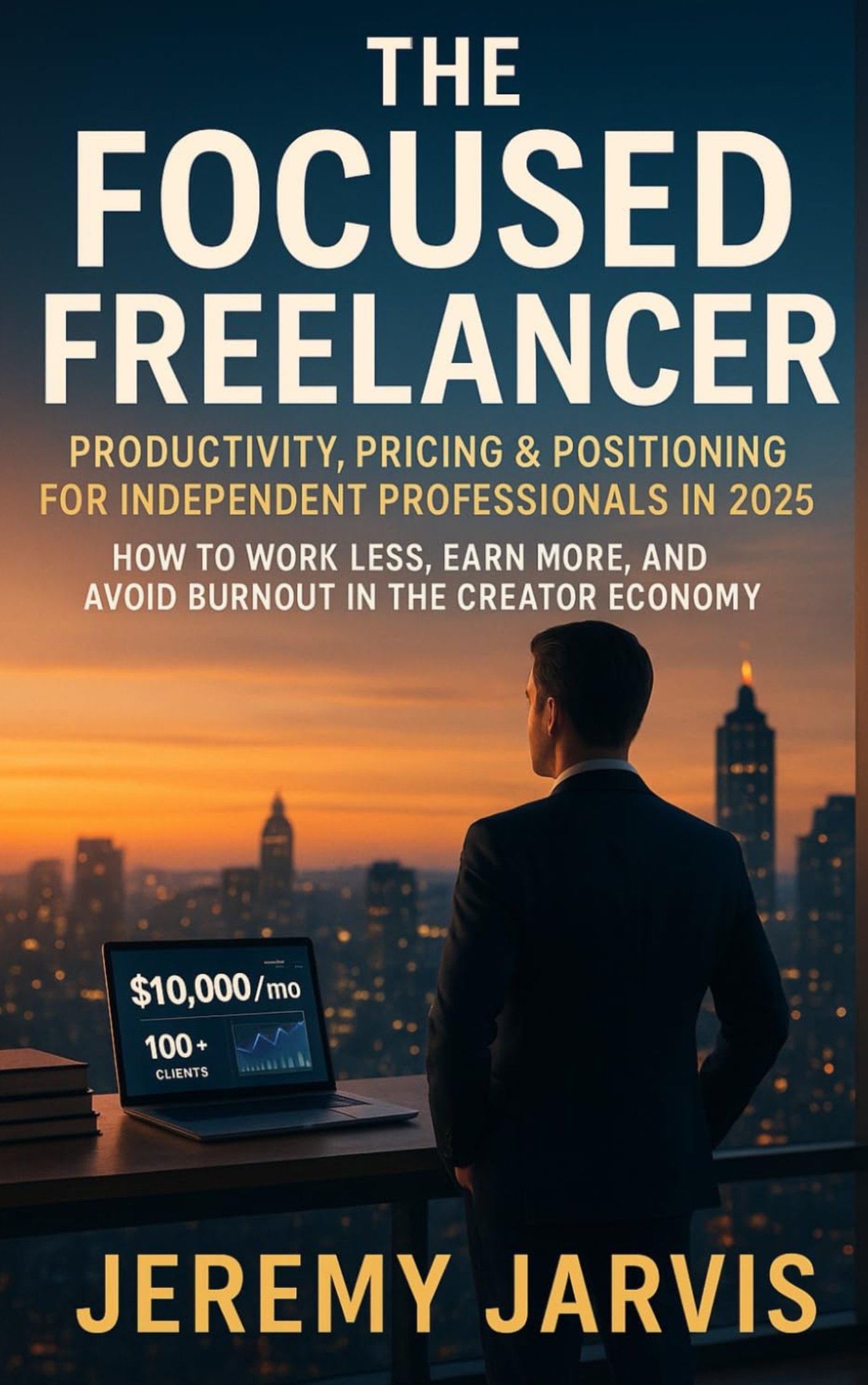
The Focused Freelancer
Productivity, pricing & positioning for independents in 2025.
View book →
ChatGPT Side Hustle System
Launch your AI-driven online business in 30 days.
View book →
Burnout, Interrupted
A proven path to restore energy and reclaim your life.
View book →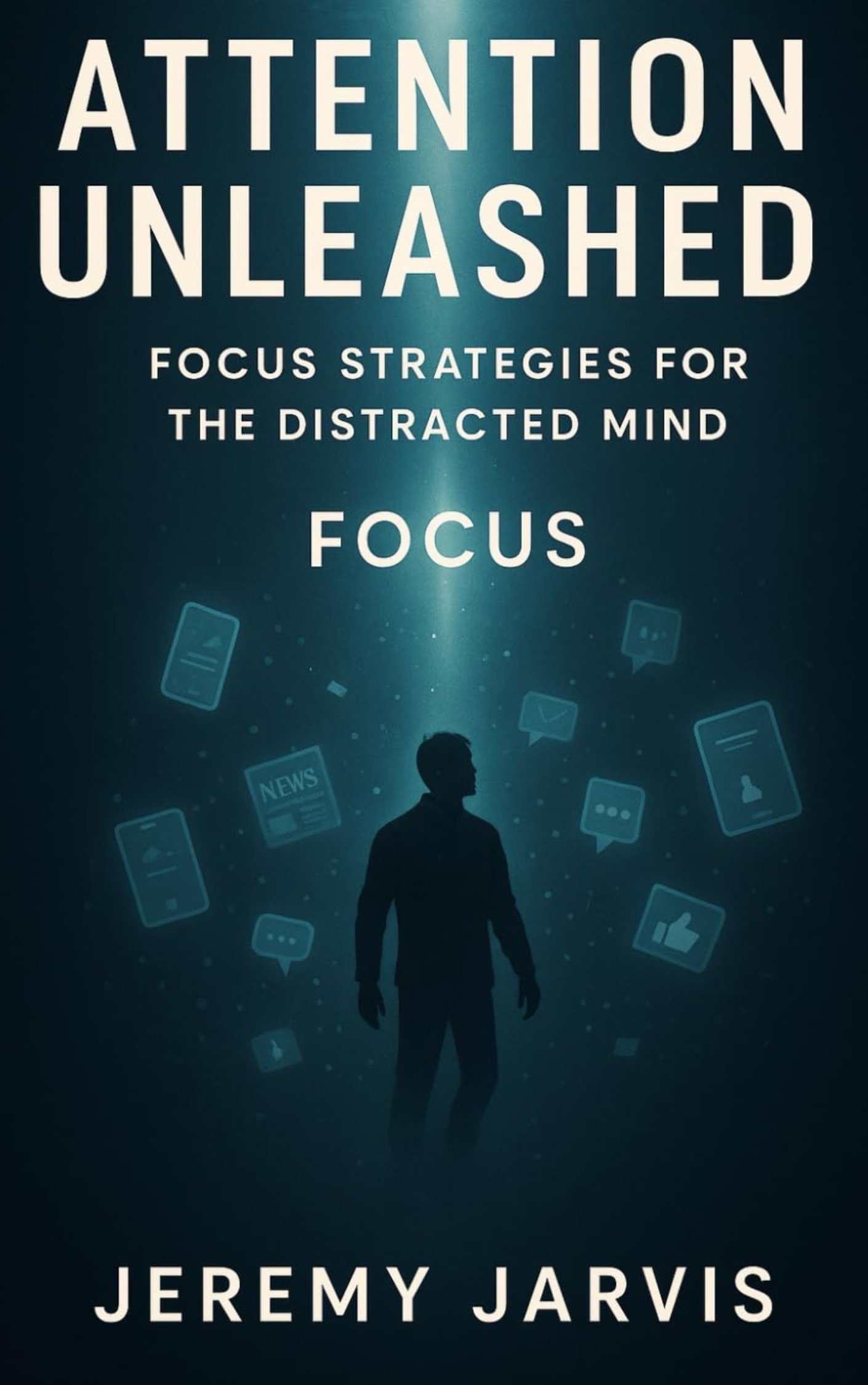
Attention Unleashed
Focus strategies for the distracted mind.
View book →
Side Hustle Launchpad
Your quick-start guide to extra income.
View book →
Digital Clarity
Rewire your brain, escape dopamine traps & regain focus.
View book →
Break the Scroll
Reduce screen time and take back control of your life.
View book →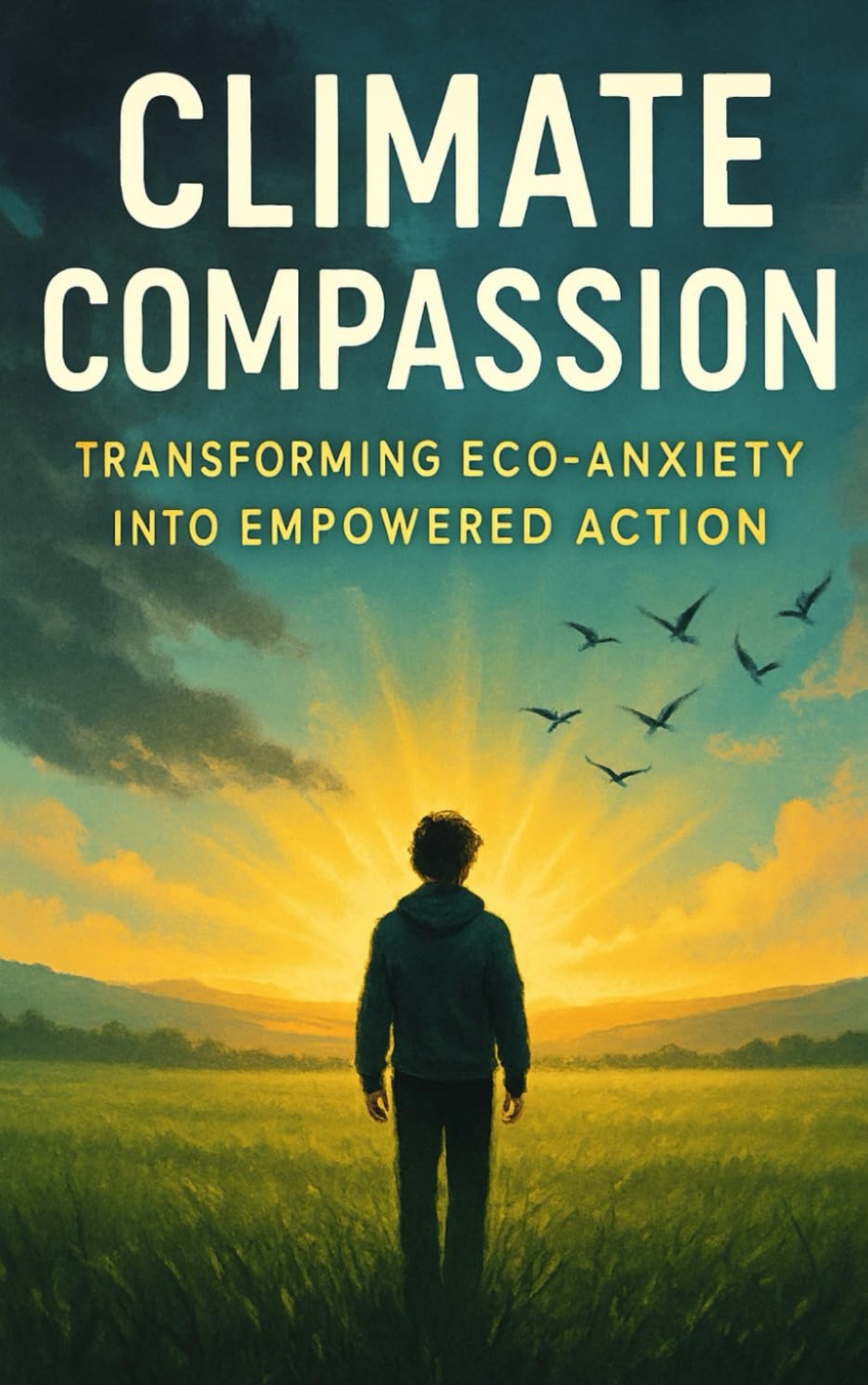
Climate Compassion
Transform eco-anxiety into empowered action.
View book →
Village Mentality
The power of community for mental wellness.
View book →
Restful Nights
Overcoming sleep anxiety in a 24/7 world.
View book →
Connected Again
Combat loneliness and build meaningful relationships.
View book →
Focus Recharged
Mastering attention and productivity in the digital era.
View book →
Marketing Magic with ChatGPT
AI-powered content, campaigns, and copywriting to grow faster.
View book →
The 6-Figure Creator
Turn knowledge into passive income with books, courses & AI.
View book →
Burnout Breakthrough
Reset your work-life balance and thrive in 2025.
View book →
The Emotionally Intelligent Man
A modern guide to self-awareness and communication.
View book →
AI Personalized Wellness
Create your custom health plan with data-driven habits.
View book →
Everyday AI Made Easy
Use ChatGPT and smart tools to simplify life.
View book → Money Mindfulness
A financial wellness guide for Gen Z & Millennials.
View book →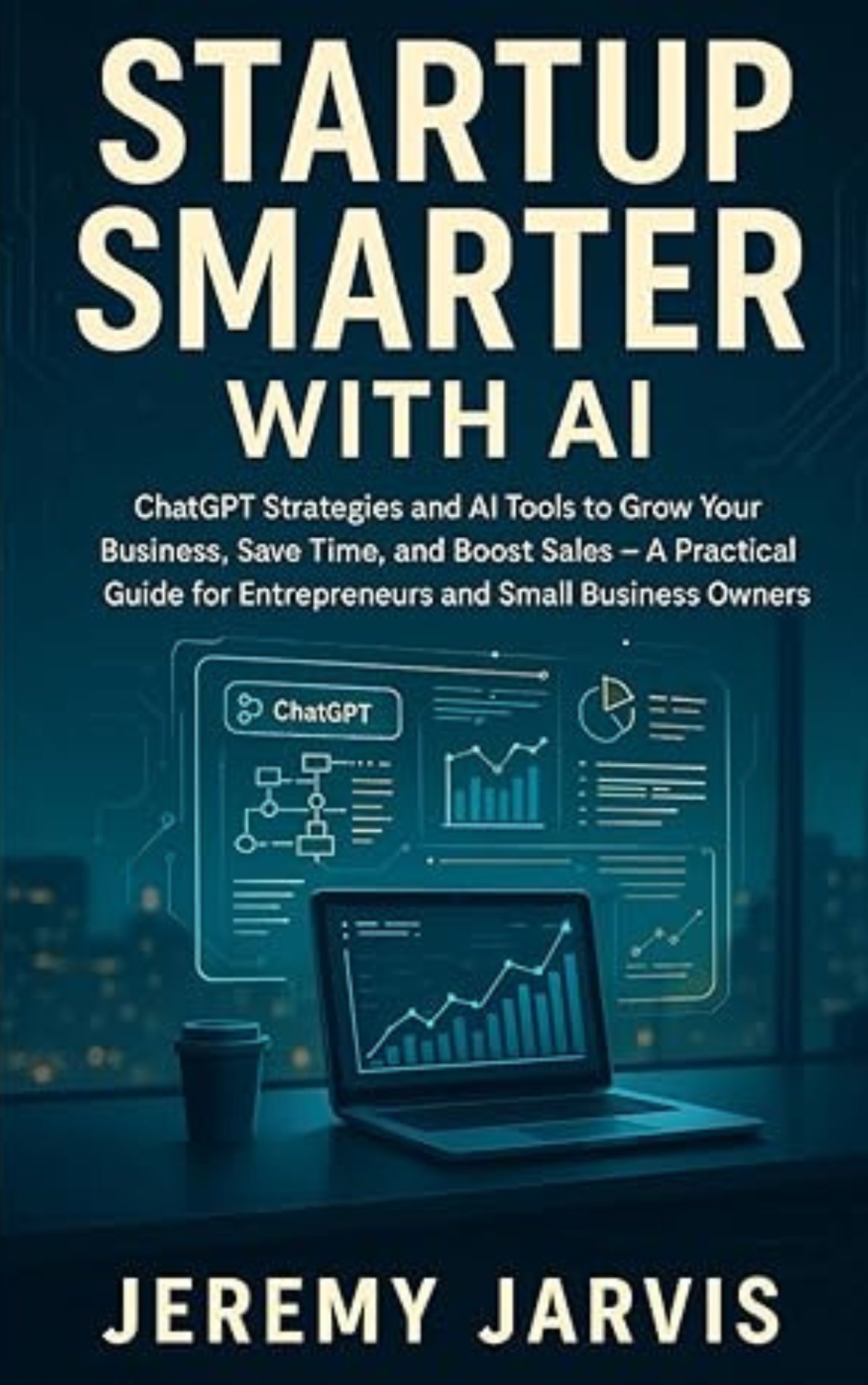
Startup Smarter with AI
ChatGPT strategies and tools to grow your business.
View book →
ChatGPT for Writers & Creators
Unlock AI-powered brainstorming, drafting & editing.
View book →