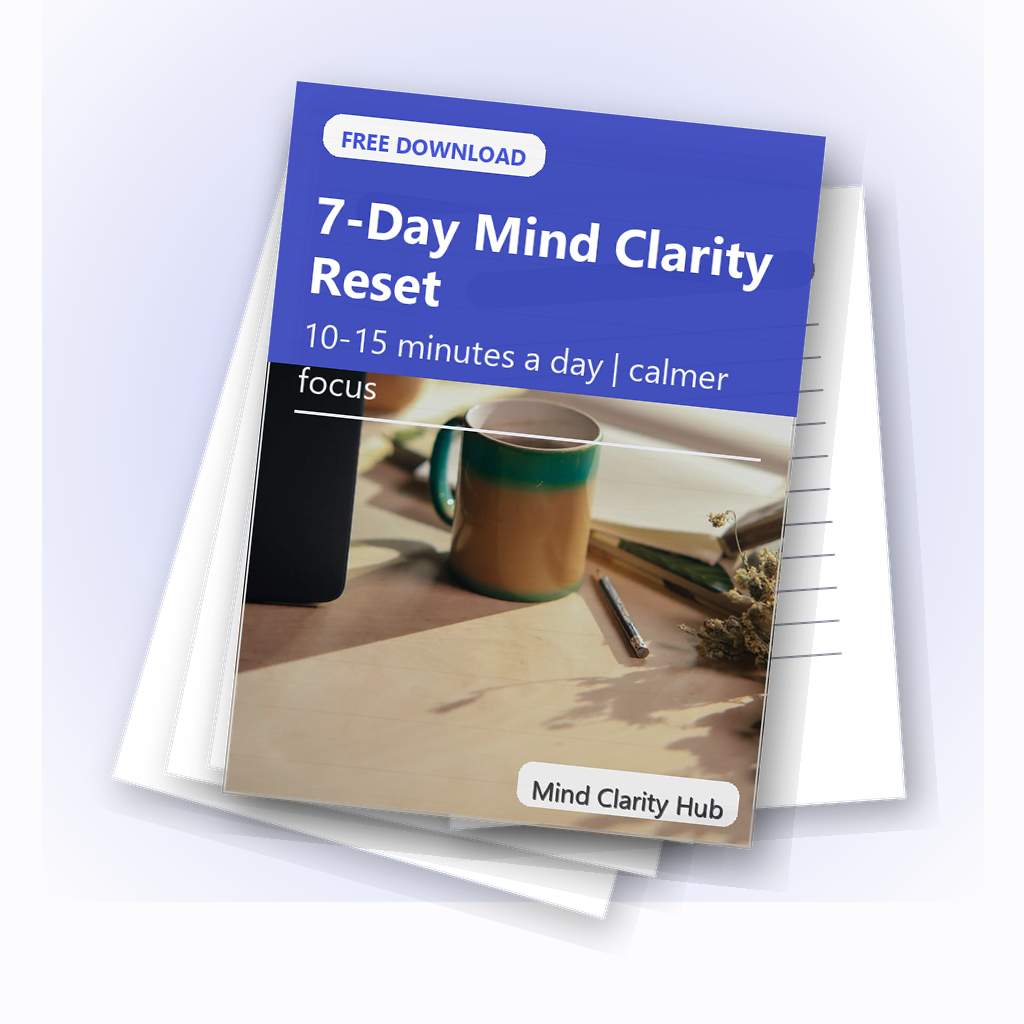
Attention Longevity: How to Protect Your Focus As You Age

Key takeaways: Protecting your focus as you grow older
-
Attention naturally changes with age, yet sharp focus is not reserved for the young. Much
of what feels like “getting older” actually reflects sleep, stress, and screen overload. -
The brain stays plastic for life. With the right inputs—sleep, movement, learning, and single-tasking—you
can build cognitive reserve and protect focus for years. -
Modern attention drains (multi-screen days, constant notifications, digital fatigue) affect older adults
more intensely, because recovery takes longer and stress stacks more easily. -
A realistic attention longevity plan has three pillars: brain foundations, daily
attention hygiene, and regular cognitive training that feels meaningful,
not gimmicky.
Editor’s Pick
Companion read: Attention Unleashed
For a deeper, step-by-step system to rebuild focus in a high-distraction world, explore the book page for
Attention Unleashed
.
It pairs well with this guide if you want concrete routines and brain-friendly habits you can apply at any age.
Why attention longevity matters more than ever
A quiet fear often sneaks in with age: “My focus is not what it used to be—does this mean I am slipping?” You
might notice more tip-of-the-tongue moments, more rereading, or days when your brain feels slower to start. At
the same time, life usually becomes more complex. Work, caregiving, health tasks, financial decisions, and
digital noise all pile up around your nervous system.
On the surface, it is tempting to blame everything on aging. In reality, the story is more layered. A portion of
what you feel is biology—a normal shift in how attention works across the decades. However, another large
portion comes from modern attention overload sitting on top of a brain that simply needs more
recovery time than it did in your twenties.
Earlier pieces like
Why Can’t I Focus Anymore? (Real Causes, Not Clichés)
and
What Is Digital Fatigue and How Do I Recover Faster?
unpack how environment and habits shape attention for everyone. This article builds on that work and adds one
more layer: how to protect your attention longevity so focus stays steady even as the calendar
moves on.
What actually changes in attention as you age (and what doesn’t)
Aging does not automatically mean losing the ability to think clearly. Many people in their 60s, 70s, and beyond
do complex, cognitively demanding work. However, the style of attention often shifts. Processing speed
may slow slightly. It can take longer to switch between tasks. Background noise may feel more disruptive, and
long multitasking days usually feel more draining.
At the same time, other strengths tend to grow. Pattern recognition, emotional intelligence, and big-picture
judgment often improve with experience. When you protect these strengths with good brain health habits, focus
can remain surprisingly robust. Instead of thinking, “My mind is getting worse,” it becomes more accurate to
say, “My brain works differently now, so my habits need to evolve.”
Cognitive reserve: The brain’s built-in buffer
Researchers use the term cognitive reserve to describe the brain’s buffer against wear and
tear. Years of learning, rich conversations, mentally engaging work, and hobbies that challenge you all seem to
add to this reserve. Consequently, two people with similar brain changes on a scan can function very differently
in real life if their reserves are different.
Practically, this means it is never too late to feed your brain. Reading widely, learning new skills, solving
unfamiliar problems, and practicing single-tasking all strengthen the networks that support attention. If you
want gentle “brain workouts” that feel human rather than clinical, you can connect this guide with
The Neuroscience of Single-Tasking
and
How Long Does It Take to Rewire Your Brain for Focus?
.
Normal changes vs when to ask for professional help
Some changes are common and usually not alarming on their own. It is normal to need more breaks during intense
concentration, to be slower at name recall, or to feel more sensitive to noise and clutter. Often, those shifts
simply mean your brain needs a little more recovery and a more deliberate environment.
Nevertheless, there are also red flags that deserve medical attention. Getting lost in familiar places,
frequently repeating the same questions, major personality changes, or attention problems that suddenly worsen
are all reasons to talk with a doctor or mental-health professional. When focus struggles come with marked
confusion, severe mood shifts, or big disruptions to daily life, a proper evaluation is not overreacting—it is
a wise next step.
Modern attention drains that are not about age at all
Aging happens in every generation. What is new in 2025 is the environment your older brain is trying to operate
inside. Most days are packed with screens, constant notifications, background noise, and news cycles that never
slow down. Those inputs strain younger nervous systems too, yet they often hit older nervous systems harder
because recovery takes longer.
If you have read
The Hidden Costs of Screen Time: What 2025 Research Shows About Your Brain
,
you have already seen how late-night scrolling, endless micro-checks, and “always on” work expectations chip
away at sleep and attention. For older adults, those same patterns can masquerade as “age-related decline” when
they are actually overload-related decline.
Screens, multitasking, and digital fatigue in later life
Many older adults now spend more time on screens than they ever imagined: video calls with family, online
banking, streaming, telehealth visits, and often remote or hybrid work. Each task alone is manageable. The
strain appears in the constant switching between tabs, apps, and devices. That pattern trains attention to stay
shallow, scattered, and half-committed.
Over time, this rhythm often leads to digital fatigue. A few hours on a laptop can leave you
feeling as if you worked a full day. A quick plan to “respond to messages” can dissolve into a maze of news,
feeds, and alerts until your brain feels thin. When that description fits, it often helps to read
What Is Digital Fatigue and How Do I Recover Faster?
alongside this article so you can see the overlap between age, screens, and exhaustion more clearly.
Pillar 1: Protecting the aging brain’s foundations
No attention strategy works well if the basic “hardware” of your brain is running on fumes. As the years pass,
core foundations—sleep, movement, blood flow, and metabolic health—matter even more. Strengthening these does
not guarantee perfect focus. Ignoring them, however, almost guarantees that concentration will feel heavier than
it needs to.
Sleep and circadian rhythm: Night-time is repair time
Deep sleep is when your brain does some of its most important housekeeping. It consolidates memories, clears
metabolic waste, and resets emotional circuits. With age, sleep often becomes lighter and more fragmented. As a
result, late-night screen use and irregular schedules can have a bigger impact on how sharp you feel the next
day.
A perfect “sleep hygiene” routine is not required. Instead, small, sustainable changes are usually enough to
start the trend in a better direction. You might dim lights earlier, keep phones out of bed when possible, and
choose calmer content in the last hour of the evening. If you want more detail on how screens affect sleep and
attention, it is worth revisiting
The Hidden Costs of Screen Time
with this aging lens in mind.
Movement, blood flow, and gentle fitness
Regular movement supports attention longevity by improving blood flow, oxygen delivery, and overall brain
health. Gentle walking, light strength training, dancing, or gardening can all help. The goal is not athletic
performance or hitting a perfect step count. The goal is consistent circulation and a nervous system that
regularly shifts out of seated, screen-heavy modes.
For many readers, short “movement snacks” make this realistic. Five to ten minutes of walking, stretching, or
simple mobility work before demanding mental tasks can make focus feel less like a cold start. Over weeks, these
small bursts add up, especially when combined with better sleep and calmer evenings.
Medical check-ins as part of your attention plan
Focus does not live in a separate box from the rest of your health. Vision changes, hearing loss, blood
pressure, thyroid issues, mood disorders, sleep apnea, and medication side effects all influence attention. As
you age, regular check-ins with your healthcare team become part of your attention strategy, not just your
physical health strategy.
When you notice new or worsening brain fog, it helps to bring specific examples to your doctor: what time of day
you feel most scattered, how long you have been sleeping, and any recent life changes or new prescriptions.
Clear, concrete stories usually lead to a more focused evaluation than simply saying, “My memory feels bad.”
Pillar 2: Daily attention hygiene for older brains
Once the foundations are steadier, the next layer is everyday attention hygiene: the way you
structure work, rest, and digital inputs. Small choices here often create the biggest wins, particularly when
you combine them with ideas from
Modern Attention Diet & Dopamine Detox
.
Single-tasking blocks instead of constant multitasking
Multitasking is hard on every brain. For an aging brain, switching costs tend to be higher and recovery slower.
That is exactly why even brief single-tasking blocks can be so powerful for attention longevity.
A realistic starting point is one or two 20-minute blocks per day where you deliberately do only one thing.
Perhaps you read a long article all the way through, write a thoughtful note, pay bills, or learn something new.
During that window, no extra tabs, no second screen, and no “just quickly” checking messages. When you need a
structure for those experiments, the frameworks in
The Neuroscience of Single-Tasking
offer a clear, gentle path.
Designing a calmer, more forgiving digital environment
Because screens are woven into daily life, the goal is not to abandon them. Instead, it is to make them less
hostile to focus. Larger fonts, calmer color schemes, and fewer icons on your home screen all reduce visual
noise. Moving the most tempting apps off your first page or restricting them to certain hours also removes
dozens of tiny decision points.
Older adults often benefit from simpler choice architecture. Bookmarks for essential sites,
straightforward folder structures, and predictable routines reduce cognitive load. When tools are easy to find
and use, more of your mental energy can go toward the conversations, projects, and relationships that actually
matter to you.
External scaffolding without self-judgment
Many people treat lists, reminders, and calendars as evidence that their memory is failing. In practice, using
external supports is one of the smartest things you can do for attention longevity. Written cues free up working
memory so focus can go deeper where it counts.
You might rely on a simple paper planner, a digital calendar with alerts, or a “launch list” beside your laptop
that spells out how to begin the next deep-focus block. In
The “Clarity Morning” Routine for Executive Function
,
I walk through how even a 10–12 minute ritual can anchor the day and give your attention a clear, compassionate
on-ramp.
Pillar 3: Training attention like a muscle later in life
Attention longevity does not come from gimmicky brain games alone. It grows from regular, purposeful use of your
mind in ways that are just challenging enough. The aim is to keep your focus system strong, flexible, and
hopeful, without pushing so hard that you burn out.
Cognitive workouts that actually help
Reading long-form articles, writing reflective notes, learning a language, practicing music, playing strategy
games, or tackling real-world problems are all excellent “workouts” for an aging brain. They recruit sustained
attention, working memory, and mental flexibility—often more effectively than abstract puzzle apps.
To keep this approachable, you can set very small, consistent goals. Ten minutes of focused reading, one page of
writing, or a short practice session several times a week is enough to start. Over time, those increments build
into meaningful cognitive training. If you want ideas for rebuilding reading stamina, pieces like
Why You Can’t Read Long Articles Anymore
give step-by-step ways to stretch attention again without turning it into a test.
Blending novelty with reassuring repetition
Brains of every age thrive on a balance between novelty and familiarity. Too much repetition, and you feel
bored. Too much novelty, and you feel overwhelmed. For attention longevity, the sweet spot is a base of familiar
routines with a gentle stream of new challenges flowing through them.
For example, you might keep a stable “brain-health backbone”: a morning routine, a weekly learning block, and a
regular social commitment. On top of that, you occasionally rotate in new classes, creative projects, or topics
to explore. Each fresh challenge asks attention to stretch just beyond its comfort zone, which is where
long-term growth tends to happen.
Meaning, connection, and attention longevity
Focus is easier to sustain when it is tied to something that feels meaningful. Many older adults notice that it
is hard to concentrate on tasks they secretly do not care about, yet surprisingly easy to stay absorbed in
conversations, volunteering, creative work, or time with grandchildren. The difference is not willpower. The
nervous system simply leans in when a task matches values.
Social connection also protects the brain. Conversations, shared tasks, and community roles engage language,
memory, emotional regulation, and attention all at once. When you combine that connection with sensible limits
around digital overload, you are no longer trying to preserve focus in isolation. Instead, you are building a
life that regularly invites your brain to show up in rich, interesting ways.
Building your own attention longevity plan
A slow, unavoidable slide in focus does not have to be the story of getting older. Likewise, you do not need a
perfect regimen or a stack of complicated trackers. Attention longevity usually grows from a handful of
consistent, human-scale choices: protect sleep, move regularly, tame digital overload, single-task more often,
and keep giving your brain work that matters to you.
A simple way to begin is to choose one lever in each pillar. When you think about foundations, perhaps you commit
to a slightly earlier wind-down three nights a week. For attention hygiene, you might create a daily 20-minute
single-task block. Finally, you could support cognitive training with a modest reading or learning habit that
feels genuinely interesting. Over months, these small actions compound into a very different experience of aging.
Save these ideas and get gentle visual reminders
Visual reminders can make new habits easier to remember, especially on tired days. If you like that kind of
support, you can follow Mind Clarity Hub on Pinterest for focus routines, screen-time resets, and workspace
ideas:
pinterest.com/JeremyJarvisOfficial
.
As you browse, pin a few images that represent the kind of focused, calm, engaged later life you want to grow
into. Let those images act as cues to keep protecting your attention—not as pressure to be perfect, but as a
quiet reminder that your brain is still capable of change.
Turn visual cues into tiny attention rituals
One of the simplest ways to support attention longevity is to let images and objects become gentle prompts for
tiny habits. Instead of relying on memory or willpower alone, you can ask your environment to do some of the
heavy lifting. A single image of a calm desk setup, a favorite reading chair, or a walk in nature can quietly
nudge you toward behaviors that protect your focus and cognitive health.
For example, you might save one pin that represents your ideal “single-tasking moment” and make it the
background on your tablet or laptop. Every time you see it, you can ask, “Can I do this next task with full
attention?” You could also print one or two images and place them near the spot where you tend to scroll.
Gradually, those pictures become small, compassionate reminders to switch from endless multitasking to one
meaningful activity—reading, journaling, or even resting without a screen.
Build an “attention longevity corner” in your home
Visual reminders work even better when they anchor a specific physical place. You might choose one chair, one
side of the dining table, or one small corner as your attention longevity corner.
This does not need to look fancy. It simply needs to be the place where you go for tasks that deserve your
best focus: reading, learning, planning your week, or working through a tricky problem.
To set it up, you could bring together a few intentional elements: a lamp with softer light, a comfortable
cushion, a notebook, and a print-out or pinned image from
pinterest.com/JeremyJarvisOfficial
.
Over time, your nervous system learns, “When I sit here, we slow down, single-task, and think clearly.” That
physical cue makes it easier to use the strategies in
The Neuroscience of Single-Tasking
and
The “Clarity Morning” Routine for Executive Function
without turning them into rigid rules.
Translate images into specific, brain-friendly actions
A pin or photograph is most powerful when it leads to one small, repeatable action. After you save an image that
inspires you, you can ask two questions: “What is this picture actually showing?” and “What is the smallest
version of that behavior I can do today?” A quiet reading nook might translate into ten minutes with a book
before you open email. A photo of someone walking outside might become a five-minute stroll before a demanding
Zoom call.
This matters because your brain changes through repetition, not intensity. Ten tiny, realistic actions will do
more for long-term focus and cognitive resilience than one heroic day you cannot sustain. If you want a bigger
framework for turning behavior into brain change, you can pair this with
How Long Does It Take to Rewire Your Brain for Focus?
,
which walks through how habits and neuroplasticity interact over weeks and months.
Use gentle tracking to notice real gains in focus
As you experiment, it helps to track your experience in a light-touch way. You do not need a complicated app or
color-coded system. A simple note that captures sleep quality, screen time before bed, and how steady your focus
felt that day is enough. Older adults in particular often underestimate progress because changes in cognitive
performance can feel subtle from the inside.
Once a week, you can look back over your notes and ask, “On which days did my attention feel more stable? What
was different about the evening before or the morning routine?” Very often, the better days line up with one or
two specific behaviors—an earlier wind-down, a shorter news window, or a protected single-task block. That
pattern is evidence that your attention longevity plan is working, even if you still have tired days mixed in.
Combine medical guidance with your own experiments
For many readers, the most effective approach to protecting focus as you age combines personal experimentation
with professional guidance. Lifestyle changes—sleep, movement, nutrition, and digital boundaries—form a powerful
base. However, cognitive health is also shaped by hearing and vision changes, cardiovascular health, medication
effects, and underlying conditions like sleep apnea or depression.
When you are ready to loop in a professional, it can help to bring a short summary of what you have tried and
what you are noticing. Resources such as the
American Psychological Association’s overview on aging and cognition
offer language you can use to describe concerns without panic. That shared language makes it easier to separate
normal age-related changes from patterns that deserve more testing, and it turns your doctor or therapist into a
partner in your attention longevity work instead of a last resort.
Share your attention longevity plan with people who matter
Attention is easier to protect when the people around you understand what you are trying to do. You might share
a short version of your plan with a partner, adult child, close friend, or colleague: fewer late-night screens,
more single-tasking mornings, short walks before demanding mental work, and gentler expectations on tired days.
When others know the story, they can support your boundaries instead of accidentally undermining them.
You can even invite someone to experiment with you. Perhaps you both commit to an evening “screen sunset,” or
you both pick one article from Mind Clarity Hub—such as
The Hidden Costs of Screen Time: What 2025 Research Shows About Your Brain
—and discuss it over coffee each week. These shared rituals keep the conversation about cognitive health warm
and practical, rather than abstract or frightening.
In the end, protecting focus as you age is not only about remembering names, managing tasks, or staying sharp
at work. It is also about the kind of days you want to live. Clear attention makes it easier to enjoy
conversations, savor hobbies, handle complicated paperwork, and stay present with people you love. Every small
habit you build in that direction is a vote for the future version of yourself you are trying to support.
Visual reminders, Pinterest boards, focused corners in your home, and short, realistic routines are all tools
for that bigger goal. They make it easier to keep showing up for your brain in a world that constantly pulls at
your attention. When you look back months from now, the win will not only be “better concentration,” but also a
deeper sense that your mind is still capable of growth, connection, and meaningful work—at any age.
FAQs: Attention longevity, aging, and protecting your focus
Below are practical, research-informed answers to common questions about attention longevity, brain fog, and how
to protect your focus as you age.
Core questions about attention longevity and aging
Is it normal for my focus to get worse as I get older?
▸
Some changes are normal with age. Processing speed may slow a bit, and it can take longer to switch between
tasks or recover from distractions. Often, noise and clutter feel more overwhelming than they did at 25.
However, those shifts do not automatically mean your focus is “gone” or that you are headed for rapid
cognitive decline.
Many older adults still do complex, demanding work. The difference is that their brains need more recovery and
more deliberate routines. That is why habits like better sleep, fewer late-night screens, and shorter
single-tasking blocks can have an outsized impact. For a broader look at what drives modern focus problems,
you can also read
Why Can’t I Focus Anymore? (Real Causes, Not Clichés)
.
What is “attention longevity” and how is it different from preventing dementia?
▸
Attention longevity is about keeping your focus steady, flexible, and useful across the decades. It includes
everyday things like reading, planning, learning, and following conversations. Dementia prevention, by
contrast, is about reducing the risk of major neurodegenerative disease.
The two areas are related but not identical. Many habits that support attention longevity—sleep, movement,
learning, social connection, and a calmer digital environment—also appear in
mainstream dementia-prevention guidance
.
Still, this article focuses on quality of attention in daily life, so you can function and feel better right
now, not just decades in the future.
How can I tell the difference between normal aging and a serious memory problem?
▸
Normal aging often shows up as slower recall, more frequent “tip-of-the-tongue” moments, or needing more
breaks during intense mental work. You may also feel more sensitive to noise, clutter, and sleep loss. These
changes are frustrating but usually manageable with better attention hygiene.
Red flags look different. Getting lost in familiar places, repeating the same questions, major personality
shifts, or very sudden changes in function are reasons to talk with a doctor. When in doubt, it is better to
ask. Bringing specific examples and timelines gives your medical team something concrete to work with, rather
than only saying, “I feel foggy.”
Does screen time affect older adults differently than younger people?
▸
The core effects are similar for everyone: late-night screens disrupt sleep, endless micro-checks fracture
working memory, and constant alerts keep the nervous system “half on.” Older adults, however, often feel the
fallout more because recovery takes longer and sleep is already more fragile.
That is why even modest screen-time changes—earlier wind-down, gentler content at night, fewer notifications—
can noticeably improve focus, mood, and mental stamina. For a deeper dive into this topic, you can read
The Hidden Costs of Screen Time: What 2025 Research Shows About Your Brain
.
Practical strategies to protect focus as you age
What daily habits help the most with attention longevity in later life?
▸
Three types of habits usually give the biggest return. First, sleep and circadian rhythm: consistent bedtimes,
calmer evenings, and fewer bright screens in bed. Second, movement and blood flow: regular walking, stretching,
or gentle strength work that keeps your cardiovascular system active. Third, attention hygiene: shorter
single-tasking blocks, fewer multitasking marathons, and breaks that are truly off-screen.
When you combine those foundations with a simple morning ritual for your executive function, focus often feels
more stable. If you want a guided version, you can pair this piece with
The “Clarity Morning” Routine for Executive Function
.
Can single-tasking really improve my focus if I am already older?
▸
Yes, it can. Single-tasking does not depend on being young. It depends on neuroplasticity, which the brain
retains throughout life. Each time you practice doing one meaningful thing at a time, you strengthen circuits
for sustained attention and reduce the constant switching that drains working memory.
You do not need huge blocks. Even 15–20 minutes of focused reading, learning, or problem-solving can help when
you repeat it most days. For frameworks you can adapt to any age, see
The Neuroscience of Single-Tasking
and
How Long Does It Take to Rewire Your Brain for Focus?
.
Are brain-training apps worth it for attention longevity?
▸
Some brain-training programs can improve performance on the specific tasks they train. However, those gains
do not always transfer meaningfully to real life. Real-world cognitive workouts—reading deeply, writing,
learning a language, playing music, doing strategy games, or tackling practical projects—usually give broader
benefits for attention longevity.
A helpful rule of thumb is this: if an activity recruits focus, memory, and flexibility and feels meaningful,
it likely supports long-term attention better than abstract puzzles alone. When you want to rebuild reading
stamina specifically, you can use the step-by-step approach in
Why You Can’t Read Long Articles Anymore
.
What role do lists, reminders, and calendars play in protecting focus as I age?
▸
External supports are not a sign of weakness. They are smart scaffolding. When you put tasks into lists or
calendars, you free working memory to focus on the step in front of you. That shift is especially important
later in life, when juggling many responsibilities can easily overload an already-tired attention system.
You might use a simple paper planner, a digital calendar with clear reminders, or a short “launch list” beside
your laptop. These tools give your focus a clean runway instead of asking your brain to remember everything at
once, which is the exact opposite of attention longevity.
How can I manage digital fatigue while still staying connected to family and work?
▸
The goal is not to disappear from screens. The goal is to change how and when you use them. You can protect
focus by batching messages, setting “quieter” hours, and using fewer apps for the same tasks. In addition, it
helps to add screen-free pockets during the day, even if they are short.
Many readers start with one or two phone-free routines—like a morning coffee without scrolling or an evening
walk without headphones. Over time, those reset points make long digital days more manageable. For a detailed
framework, you can pair this guide with
What Is Digital Fatigue and How Do I Recover Faster?
and
Modern Attention Diet & Dopamine Detox
.
When is it time to see a professional about focus and attention problems?
▸
It is wise to talk with a doctor or mental-health professional if you notice persistent brain fog, major
changes in function, or attention difficulties that interfere with daily life. Long-standing concentration
problems that go back to childhood, sudden confusion, dramatic mood shifts, or very poor sleep are all
signals to get extra support.
Before your appointment, write down specific examples: when focus is hardest, how long symptoms have been
present, and what seems to make them better or worse. Those notes help your clinician distinguish between
stress, sleep loss, mood issues, medication side effects, and other medical causes—which is far more useful
than simply saying, “I am getting old and can’t concentrate.”
Explore the Mind Clarity Hub Library
Practical books on focus, digital habits, resilience, and building a calmer mind.
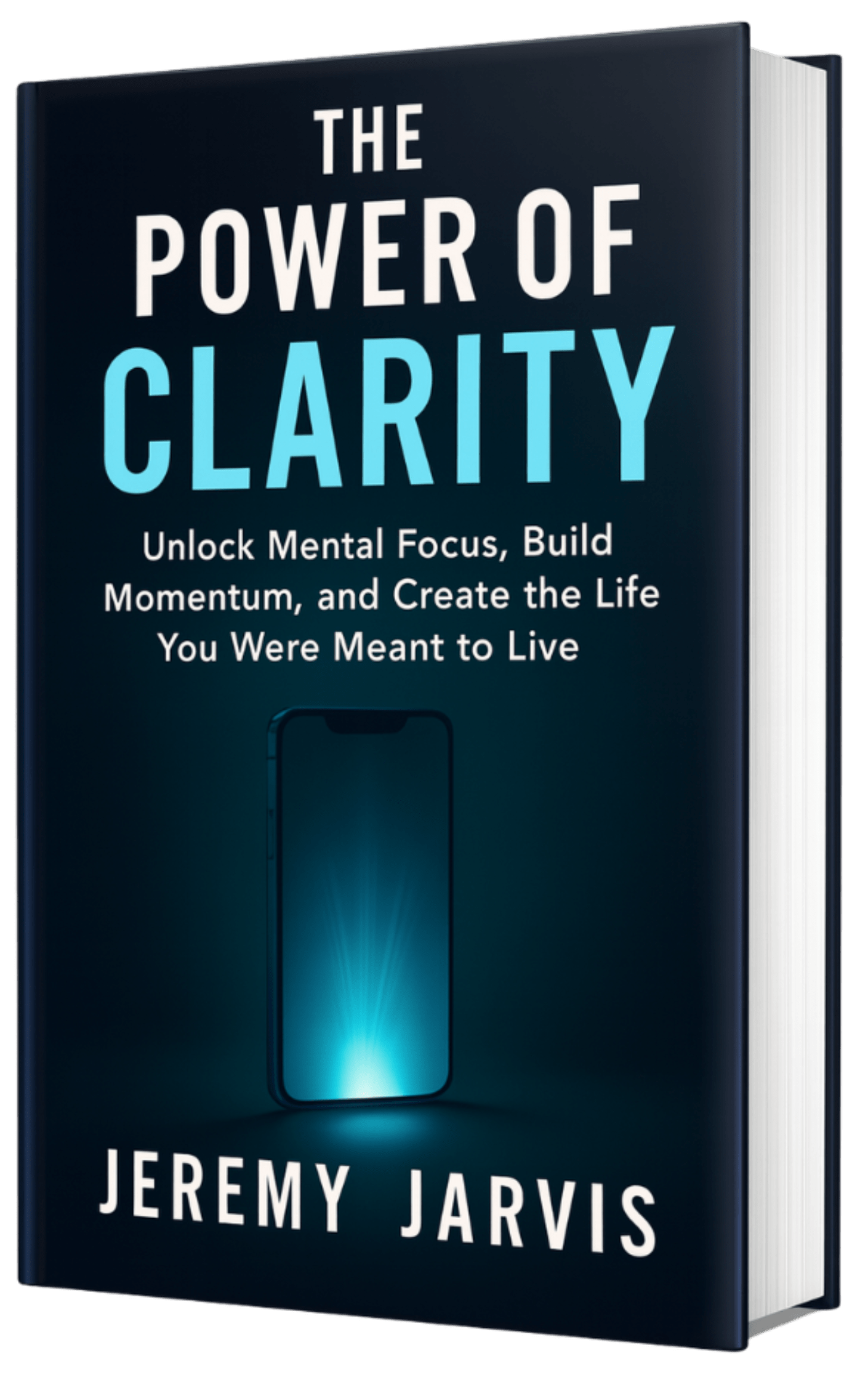
The Power of Clarity
Unlock mental focus, build momentum, and create the life you were meant to live.
View book →

AI & ChatGPT for Beginners
No PhD needed — a 2025 guide to AI, prompts, and productivity without coding.
View book →

Zen in the Digital Jungle
Mindfulness for a chaotic world.
View book →
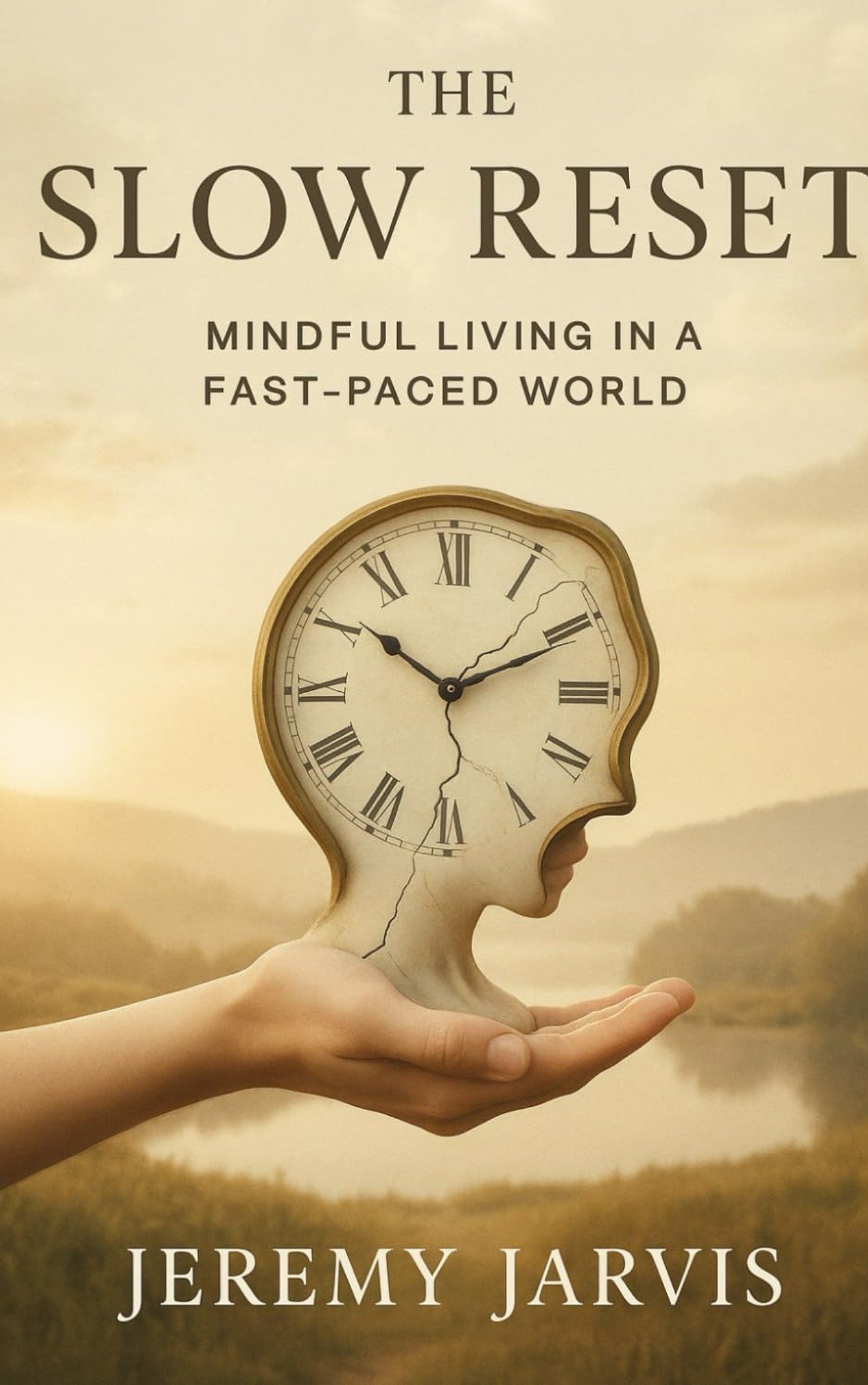
The Slow Reset
Mindful living in a fast-paced world.
View book →
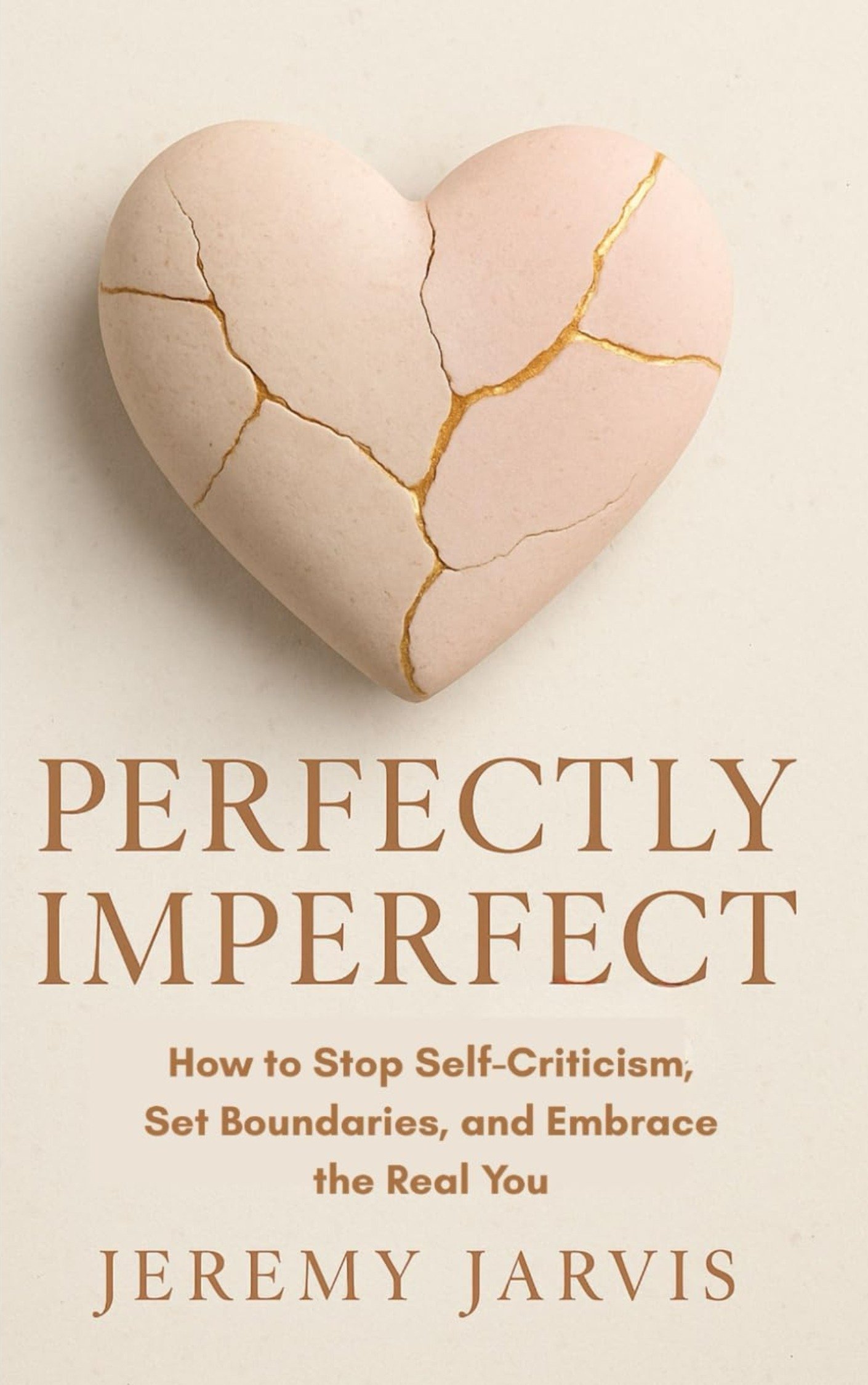
Perfectly Imperfect
Stop self-criticism, set boundaries, and embrace the real you.
View book →
Reclaiming Silence
A dopamine detox guide to finding peace in a noisy world.
View book →
The Focused Freelancer
Productivity, pricing & positioning for independents in 2025.
View book →

ChatGPT Side Hustle System
Launch your AI-driven online business in 30 days.
View book →

Burnout, Interrupted
A proven path to restore energy and reclaim your life.
View book →
Attention Unleashed
Focus strategies for the distracted mind.
View book →

Side Hustle Launchpad
Your quick-start guide to extra income.
View book →

Digital Clarity
Rewire your brain, escape dopamine traps & regain focus.
View book →

Break the Scroll
Reduce screen time and take back control of your life.
View book →
Climate Compassion
Transform eco-anxiety into empowered action.
View book →

Village Mentality
The power of community for mental wellness.
View book →
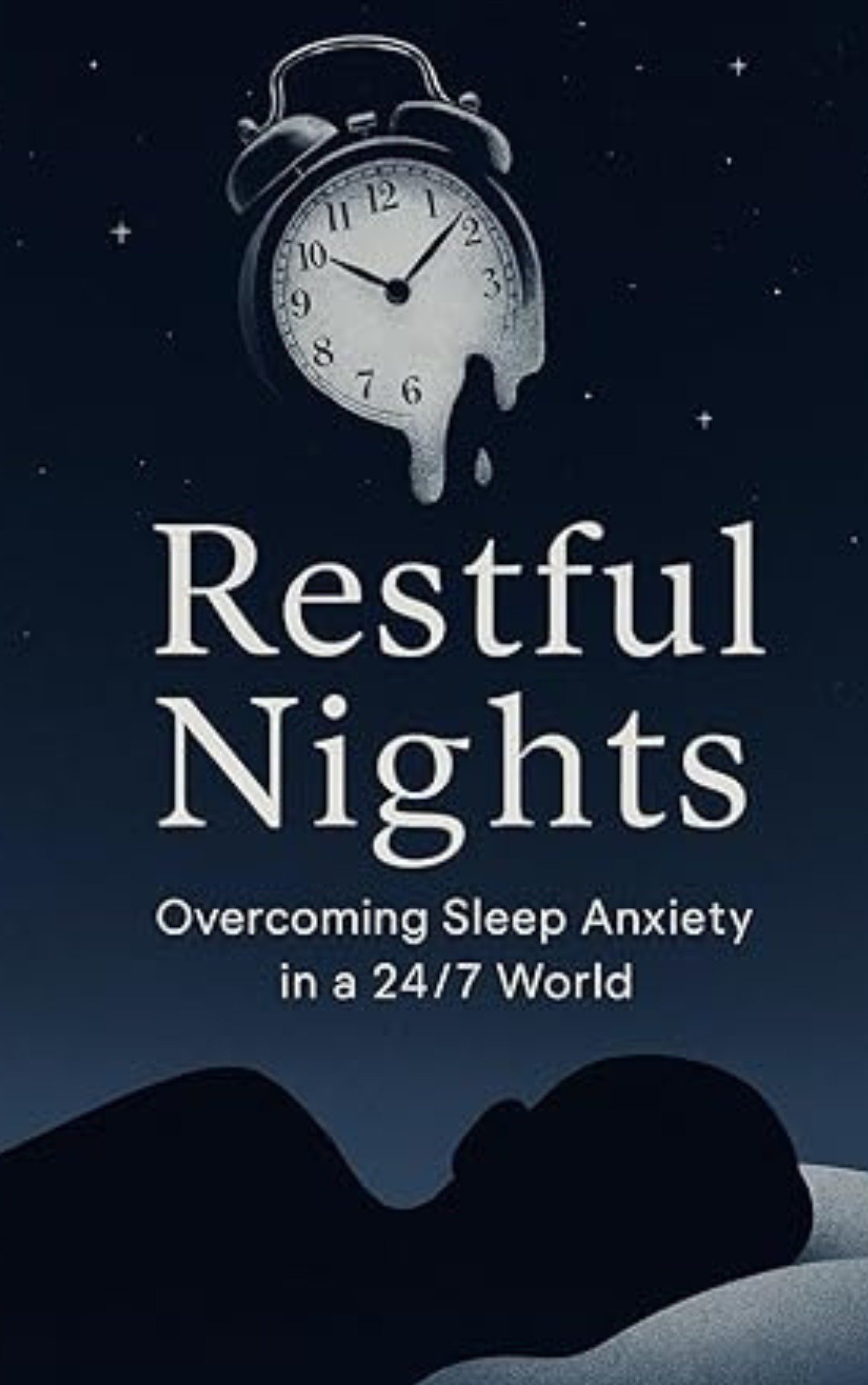
Restful Nights
Overcoming sleep anxiety in a 24/7 world.
View book →

Connected Again
Combat loneliness and build meaningful relationships.
View book →
Focus Recharged
Mastering attention and productivity in the digital era.
View book →
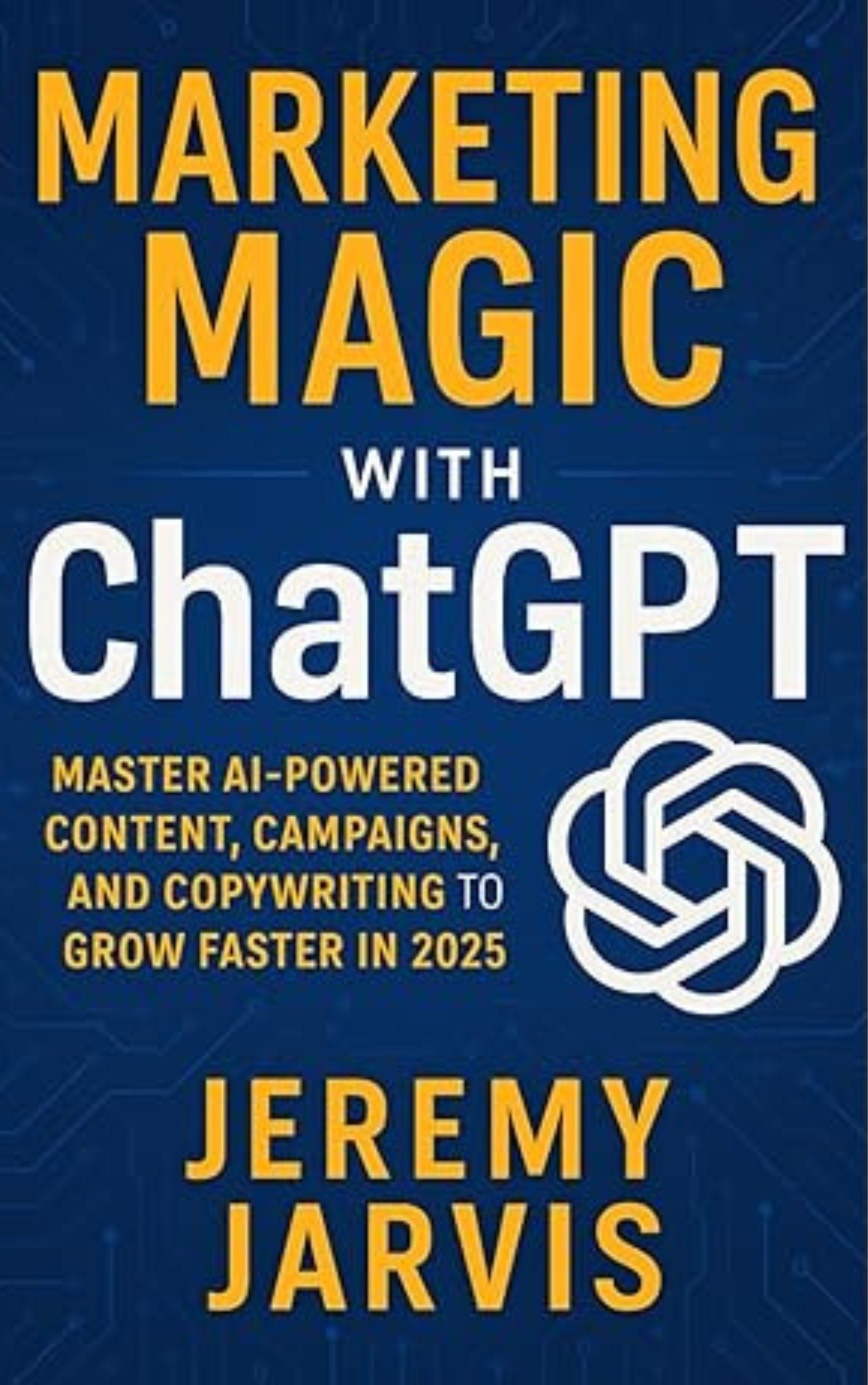
Marketing Magic with ChatGPT
AI-powered content, campaigns, and copywriting to grow faster.
View book →

The 6-Figure Creator
Turn knowledge into passive income with books, courses & AI.
View book →

Burnout Breakthrough
Reset your work-life balance and thrive in 2025.
View book →

The Emotionally Intelligent Man
A modern guide to self-awareness and communication.
View book →
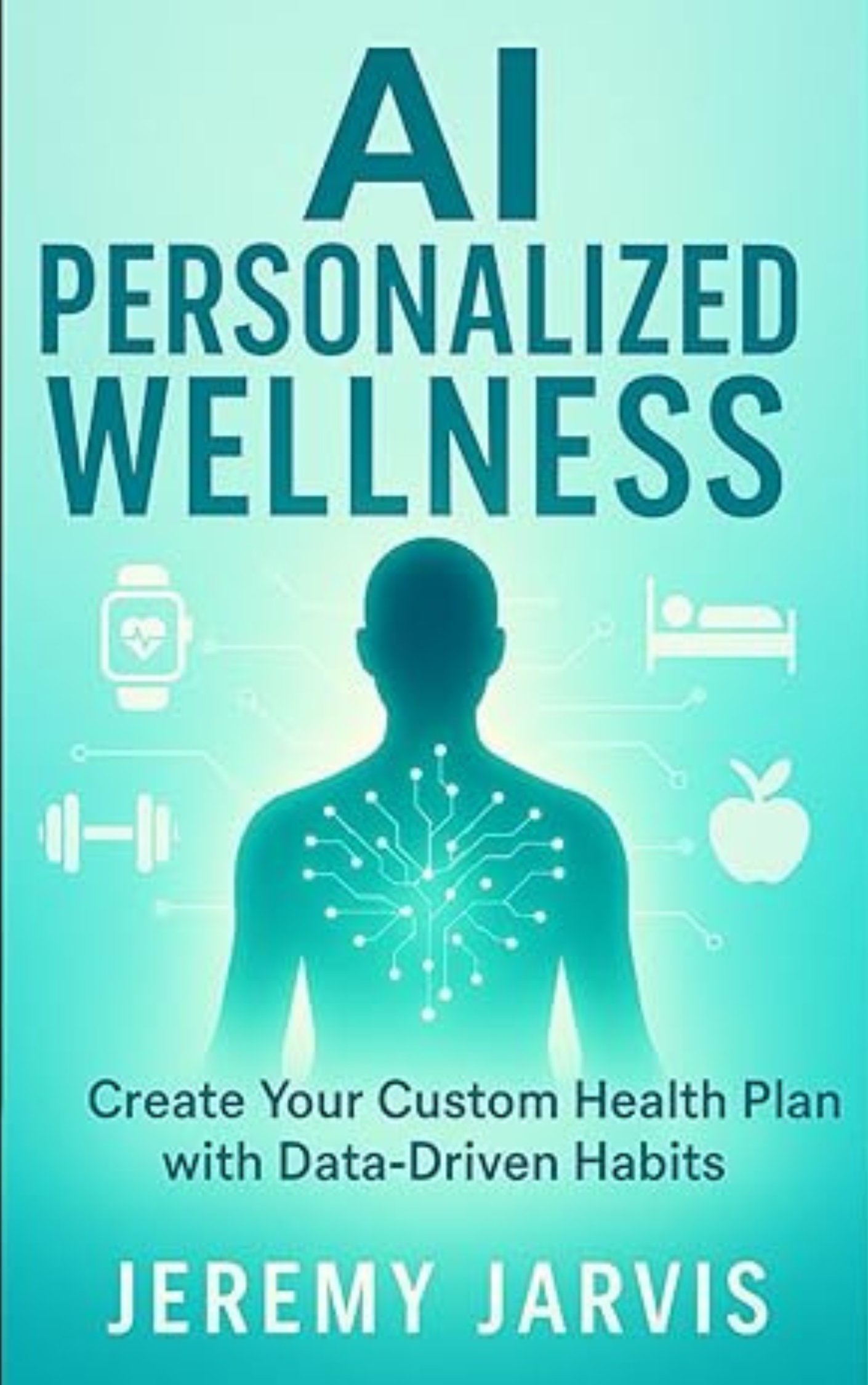
AI Personalized Wellness
Create your custom health plan with data-driven habits.
View book →

Everyday AI Made Easy
Use ChatGPT and smart tools to simplify life.
View book →

Money Mindfulness
A financial wellness guide for Gen Z & Millennials.
View book →
Startup Smarter with AI
ChatGPT strategies and tools to grow your business.
View book →
ChatGPT for Writers & Creators
Unlock AI-powered brainstorming, drafting & editing.
View book →