
The Neuroscience of Single-Tasking: Why Your Brain Loves Doing One Thing Well


Key takeaways: Why your brain prefers single-tasking
- Your attention system has a biological bottleneck: it can only process one effortful task stream at a time.
- What feels like multitasking is really rapid context switching, which increases errors and drains mental energy.
- Single-tasking reduces cognitive load, supports deeper encoding in memory, and calms your nervous system.
- You do not need a perfect life to single-task; small, protected focus blocks and boundaries can still rewire your habits.
Editor’s pick
Companion read: Attention Unleashed
For a deeper, step-by-step system to design single-tasking routines that fit real life, explore the book page for Attention Unleashed .
Why your brain quietly loves doing one thing at a time
If you live online, it can feel like multitasking is the only way to keep up. You hop between email, Slack, browser tabs, phone notifications and “quick checks” all day, then wonder why your brain feels fried by lunchtime. It is easy to assume this means you are not disciplined enough or not cut out for deep work.
However, the neuroscience story is very different. Under the hood, your brain has a limited-capacity attention system that is astonishingly good at doing one cognitively demanding thing at a time, and surprisingly bad at juggling several. What looks like multitasking is actually rapid context switching, with a hidden cost every time you shift.
In this guide, we will walk through what research says about single-tasking, why your prefrontal cortex prefers focus over fragmentation, and how to design realistic single-tasking blocks even in a busy, notification-heavy life. Along the way, you will see how this connects to earlier pieces like Why Can’t I Focus Anymore? and How Long Does It Take to Rewire Your Brain for Focus? .
The attention bottleneck: Your prefrontal cortex can’t actually multitask
When people talk about “multitasking,” they usually mean doing two complex things at once: listening in a meeting while replying to messages, or drafting a report while checking social media. Yet for most adults, the prefrontal cortex—the part of your brain that handles planning, decision-making, and working memory—works more like a single-lane bridge than a six-lane highway.
Incoming tasks need to take turns crossing that bridge. Visual processing, language, motor planning, emotional regulation, and memory encoding all draw on overlapping networks. When you ask your brain to handle two effortful streams at the same time, it does not truly run them in parallel. It rapidly toggles, dropping and re-loading context over and over.
This context switching is expensive. Each time you shift, your brain must re-activate the relevant task model, remember where you left off, and inhibit the last thing you were doing. That tiny reset cost might be tolerable once or twice, but multiplied across an entire morning it becomes one of the fastest ways to drain mental energy, increase errors, and feel like even simple work is strangely hard.
What really happens in your brain when you “multitask”
To understand why single-tasking feels different, it helps to make the invisible visible. Imagine you are writing an important email. Neural networks for language, memory, and executive function are humming along. Then a notification pops up. You glance at it, click through, and spend “just a minute” replying to a message.
In that brief swap, your brain has to deactivate the original task representation and spin up a new one. Your working memory gets repopulated with different details. Emotional tone and priorities shift. When you finally return to the email, there is a lag while your prefrontal cortex reconstructs what you were trying to say.
Studies on task switching show that even tiny lags of a few tenths of a second add up, especially when you pile notifications on top of each other. Error rates go up, completion times stretch, and subjective effort climbs. The result is a familiar pattern: you feel busy all day, yet struggle to point to a few things you actually finished. That “busy but unfinished” feeling is one of the core experiences people describe in digital fatigue .
How single-tasking lowers cognitive load and protects your energy
Single-tasking does not mean your life suddenly becomes simple. It means you commit, for a defined slice of time, to letting one meaningful task occupy that prefrontal “bridge” without constant competition. By reducing the number of active goals in working memory, you lower cognitive load—the amount of mental juggling your brain has to do just to keep track of everything.
Less load means more resources for deep processing. You encode information more deeply in memory, spot patterns more easily, and make fewer small mistakes. Decision fatigue also drops, because you are not continually asking yourself, “Should I check that notification?” or “Should I quickly reply to this?” There is already a plan: for now, you are doing this one thing.
Over time, this way of working changes your subjective experience of effort. Instead of feeling like you are constantly bracing for the next interruption, your nervous system can settle. You start to recognize that calm, sustained focus is not a rare accident; it is what your brain naturally gives you when you create conditions that match how attention actually functions.
Why your nervous system needs single-tasking to feel safe enough to focus
Focus is not just a cognitive skill; it is also a state of your nervous system. When you are constantly on alert for pings, crises, and new requests, your brain quietly shifts into a mild threat posture. You may not feel panicked, yet your body behaves as though something important could pop up at any moment.
In that state, deep work is hard. Your attention stays shallow and scattered because it is busy scanning for the next input. Single-tasking, especially when combined with notification boundaries, sends the opposite message: for the next 25–50 minutes, nothing else gets to claim top priority. That sense of safety allows your brain to go “offline” from the constant stream for a while and sink into one clear aim.
This is one reason routines like a Clarity Morning routine are so powerful. They teach your nervous system that there are predictable pockets of the day where you are not required to be on call. Over weeks, that repetition can soften the chronic hyper-vigilance that many people mistake for their “normal” baseline.
Designing realistic single-tasking blocks in a noisy digital day
Knowing that your brain loves single-tasking is one thing; building it into a real schedule is another. Very few people have the luxury of silent cabins and endless uninterrupted time. Fortunately, you do not need those extremes. You need small, repeatable agreements with yourself—and, when possible, with the people who rely on you.
A simple starting point is the “one protected block” rule. Once a day, you pick one task that matters and give it 25–50 minutes of near-undivided attention. During that block, you close extra tabs, silence non-urgent notifications, and make your intention visible—perhaps by writing the task on a sticky note next to your keyboard.
You can then gradually expand from there. Maybe a second block appears later in the day. Maybe you reserve mid-morning for deep work, nudging calls and meetings into the afternoon. In Focus Reset: How to Clear Mental Space in a Distracted Week , we dig into more practical scripts and boundary phrases you can use with colleagues so these blocks feel collaborative rather than rigid.
How single-tasking looks different for creative work, meetings, and admin
Single-tasking does not always look like the classic image of someone writing quietly for hours. It simply means doing one category of work at a time. For creative work—writing, designing, solving complex problems—that might be a longer deep-work block with your phone in another room. For meetings, it might mean closing extra windows and being fully present instead of half-listening while checking your inbox.
Even admin work benefits from this approach. Rather than sprinkling micro-tasks across the day, you can batch them: one block for email triage, one for quick approvals, one for invoices or scheduling. The brain loves predictability; when it knows “this is the hour we clear small tasks,” it spends less energy negotiating with itself all day.
Over time, you can experiment with different patterns and lengths. Some people thrive with longer 90-minute cycles; others do better with 30-minute sprints. The important part is not the exact duration, but the commitment to letting your attention land in one place long enough to do high-quality work.
Start where you are: Single-tasking in an imperfect, interruption-heavy life
It is easy to read about the neuroscience of single-tasking and feel discouraged: “My job is chaos. My kids interrupt constantly. My phone is how I stay connected.” The goal is not to create a museum-perfect schedule. The goal is to reclaim small parts of your day from fragmentation and prove to your brain that another pattern is possible.
You might begin with a single 20-minute block in the evening where you read one article all the way through. Or you might decide that the first half hour of work is for one meaningful task before you open communication apps. Over weeks, these modest experiments add up. Your attention circuits get more practice with staying put. Your nervous system learns that you can survive small windows of not being instantly available.
If you want a broader context for these shifts, you can pair this article with Why You Can’t Read Long Articles Anymore and The Modern Attention Diet & Dopamine Detox . Together, they sketch a full picture of how your environment trains your attention—and how single-tasking fits into a long-term reset.
Turning single-tasking into a daily focus practice
Once you have experimented with a few small blocks, the next step is to turn single-tasking into something your brain expects most days, not just on a perfect Sunday. That does not mean rigid timeboxing or color-coded calendars (unless you enjoy those). Instead, it means choosing one or two anchor moments that send a clear, repeated signal: “This is when we do one meaningful thing at a time.”
For many people, that anchor is the beginning of the workday. Before you open Slack, email, or social media, you spend 20–40 minutes on one important task. This might be outlining a proposal, sketching a strategy, or moving a creative project one step forward. In Focus Reset: How to Clear Mental Space in a Distracted Week , we walk through how even a single “first hour focus” habit can change the emotional tone of your entire day.
Another powerful anchor is the window right after lunch, when energy can dip and it is tempting to drift into endless tab-hopping. Instead of letting that period default to low-quality multitasking, you can reserve it for one clearly defined block: reviewing the morning’s work, writing up decisions, or doing one deep-reading session related to your field. Over time, your nervous system starts to recognize these anchors as familiar grooves, not heroic one-offs.
Using small constraints to protect your single-tasking blocks
Of course, intention alone is rarely enough. Your tools are designed to pull you back into context switching, so it helps to add a few gentle constraints that make single-tasking the default rather than the exception. You do not have to overhaul your entire tech stack. You only need a couple of friction points in the right places.
One simple constraint is a “focus-ready” browser profile or desktop. In that profile, you keep only the tabs and apps that support your current task. No social media shortcuts, no news, no extra inboxes. When it is time to single-task, you open that clean environment instead of your usual cluttered one. This reduces the number of temptations your prefrontal cortex has to inhibit, which lowers cognitive load and makes deep work feel more approachable.
You can also borrow ideas from research on attention and distraction. The American Psychological Association’s overview of attention highlights how environmental cues quietly shape what you notice. If your phone is on the desk, face-up, your brain has to keep monitoring it “just in case.” If it is in another room—or at least in a drawer during your focus block—your nervous system can relax. That small shift turns single-tasking from a constant act of self-control into something that feels more like the path of least resistance.
In addition, you can pre-decide where your attention goes when the block ends. For example, you might finish a 40-minute focus session and then spend the next 10 minutes checking messages and triaging quick tasks. Knowing that a catch-up window is coming makes it easier to ignore pings in the moment. You are not banning email or group chats; you are simply giving them a dedicated slot so they stop leaking into every other task.
Repairing your relationship with focus after years of multitasking
If you have spent years in multitasking mode, it is very normal to feel awkward, restless, or even anxious when you first try to single-task. Your reward system has been trained to expect constant micro-novelty. Quiet, sustained effort can feel strangely flat in comparison. This does not mean you are incapable of deep work. It simply means your brain needs a transition period while it relearns how to stay with one thing.
During that transition, it helps to lower the emotional stakes. Rather than telling yourself, “I must single-task perfectly from now on,” you can frame each block as an experiment: ten or twenty minutes of practice, not a verdict on your character. If you catch yourself tab-hopping, you simply notice it, close the extra window, and come back to the main task. That gentle, repeated return is the actual rewiring, as we explore in How Long Does It Take to Rewire Your Brain for Focus? .
It can also be helpful to choose focus tasks that feel genuinely meaningful, not just obligatory. Your brain is more willing to stay with one activity when it can clearly see why that activity matters. That might mean drafting an important email you have been avoiding, outlining a chapter of your own book, or finally reading a long-form article that connects directly to your work. In Mental Clarity for Creators , we look at how aligning your deep work with your values makes single-tasking feel less like punishment and more like self-respect.
If your attention has been especially scattered, you may also want to zoom out and examine your broader “attention diet.” Are you scrolling stimulating feeds late at night, then wondering why morning focus feels fragile? Are you flicking between apps every few minutes, even in off-hours? Articles like Is Dopamine Detox Real or Just Internet Myth? and Digital Overwhelm and the Neurology of Attention Hijacking can give you a clearer map of how those micro-habits shape your baseline, so that single-tasking is not fighting against an endless stream of high-stimulation inputs.
Letting small, consistent single-tasking wins compound over time
Finally, it is worth remembering that the benefits of single-tasking are rarely dramatic in one day. Instead, they tend to accumulate quietly. After a few weeks of daily focus blocks, you may notice that complex tasks feel less intimidating, that you finish more of what you start, and that your evenings feel lighter because fewer unresolved fragments are bouncing around in your head.
Over months, these small wins can ripple outward. You might find yourself reading longer again, enjoying hobbies without checking your phone, or feeling more present in conversations because your brain is no longer constantly scanning for the next input. This is the deeper promise of single-tasking: not just more productivity, but a calmer, more coherent experience of your own life.
If you would like ongoing prompts and ideas for designing a more focused, sustainable workday, you can explore more guides on Mind Clarity Hub or follow our experiments on Pinterest . However you begin, the important part is that you do not wait for perfect conditions. You start where you are, with one small block of your attention, and let your brain remember what it feels like to do one thing well.
FAQs: Single-tasking, multitasking, and your brain
Common questions about the neuroscience of single-tasking
Is multitasking ever good for your brain?
Multitasking is not always harmful. Light, automatic tasks—like folding laundry while listening to a podcast or walking while thinking—can pair well because they use different systems with low overlap. The trouble appears when you try to combine two effortful, prefrontal-heavy tasks, such as writing and checking email. In those moments, your brain pays a real switching cost every time you swap.
How long should a single-tasking block be?
Many people do well with 25–50 minutes at first, followed by a short recovery break. Over time, you can experiment with 60–90-minute cycles if your work allows for it. The key is consistency. One protected block most days beats a rare, heroic three-hour burst that leaves you exhausted and reluctant to try again.
What if my job is full of interruptions?
In interruption-heavy roles, single-tasking is more about micro-windows than perfect silence. You might aim for shorter, 15–25-minute focus sprints between predictable busy times, batch communication into specific check-in points, or negotiate one or two “do not disturb” blocks per day. Even small agreements can teach your brain that not every moment is up for grabs.
Does single-tasking make you slower?
Single-tasking usually feels slower at first because you are no longer skimming across the surface of several tasks. In reality, you often finish important work faster and with fewer errors. Instead of dragging one project across five fragmented days, you give it enough focused time to reach a real done point—and that saves mental energy in the long run.
Can single-tasking help with brain fog and digital fatigue?
Yes. Brain fog and digital fatigue often come from constant context switching and low-quality rest. Single-tasking lowers cognitive load and gives your nervous system a chance to settle. Combined with better sleep, movement, and an attention diet that includes offline time, it can be a powerful part of recovery.
Is single-tasking realistic for parents or caregivers?
Single-tasking looks different when you are caring for others, but it is still possible in small doses. You might work in shorter focus intervals when children are occupied, use nap times for one meaningful task, or reserve evenings for lower-stakes deep work when interruptions are less likely. The point is to look for pockets where you can gently reduce fragmentation, not to chase perfection.
Does a dopamine detox make single-tasking easier?
A well-designed, realistic dopamine detox can make single-tasking feel more accessible by lowering your baseline expectation for constant stimulation. However, the long-term benefit comes from what you do afterward: more single-task blocks, fewer frantic app switches, and an attention diet that favors depth over endless novelty.
What if I get bored when I single-task?
Boredom is common when you first start single-tasking because your brain has been trained to expect quick hits of novelty. Instead of seeing boredom as failure, you can treat it as a sign that your reward system is recalibrating. Shorter focus windows, a clear “why” for the task, and gentle accountability (like a timer or coworking session) can help you ride out that adjustment phase.
Can single-tasking help with ADHD?
Single-tasking principles can be helpful for some people with ADHD, especially when paired with structure, interest-based tasks, and external supports. However, ADHD is a neurodevelopmental condition, not just a habit issue. If you suspect ADHD, it is important to talk with a qualified professional about diagnosis and treatment options rather than relying on single-tasking alone.
Where should I start if my attention feels completely scattered?
A gentle starting point is to pick one important task each day and give it a short window of almost-full attention. Combine that with fewer notifications, a simple end-of-day shutdown routine, and one small form of analogue rest—like reading a few pages or taking a short walk. For a deeper reset, you might also explore guides like How to Rebuild Attention in a World of Distraction .
Further reading and next steps for your attention
If this article resonated, you might also like The Power of Clarity, Digital Clarity, and our practical breakdown of why focus feels so fragile right now . Each one builds on the same idea: your brain is not broken—it just needs a better agreement with your tools, your schedule, and your attention.
Explore the Mind Clarity Hub Library
Practical books on focus, digital habits, resilience, and building a calmer mind.
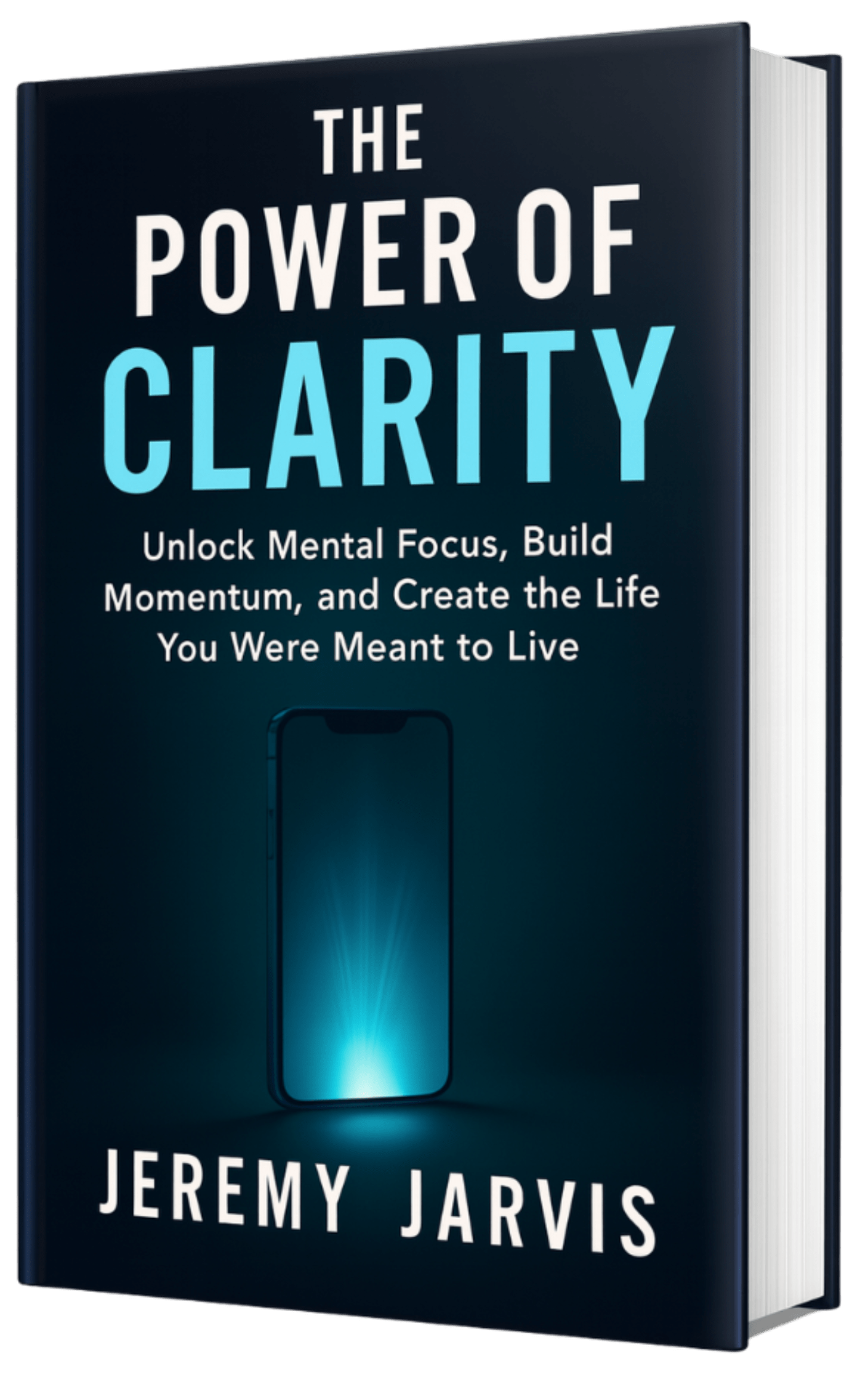
The Power of Clarity
Unlock mental focus, build momentum, and create the life you were meant to live.
View book →
AI & ChatGPT for Beginners
No PhD needed — a 2025 guide to AI, prompts, and productivity without coding.
View book →
Zen in the Digital Jungle
Mindfulness for a chaotic world.
View book →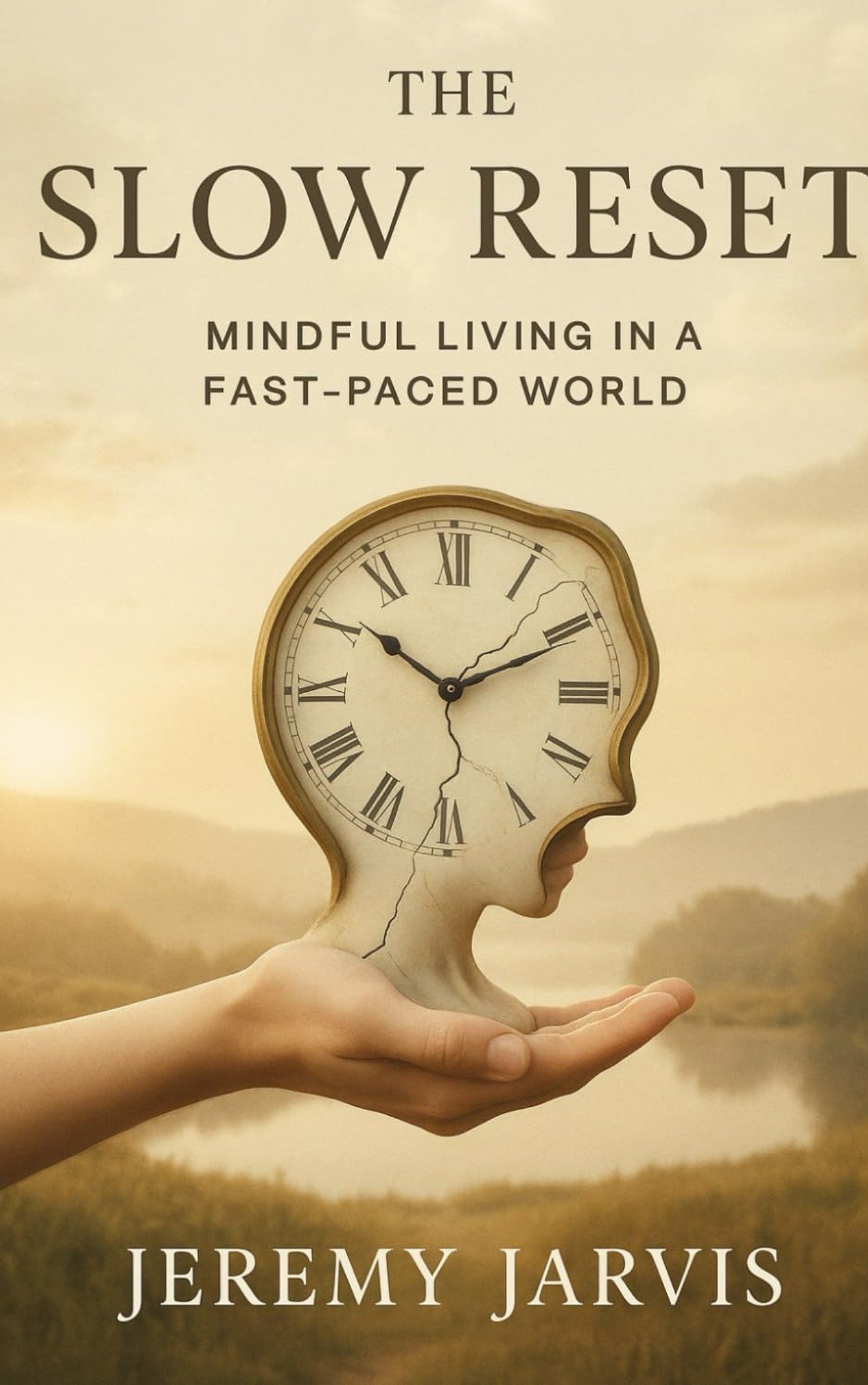
The Slow Reset
Mindful living in a fast-paced world.
View book →
Perfectly Imperfect
Stop self-criticism, set boundaries, and embrace the real you.
View book →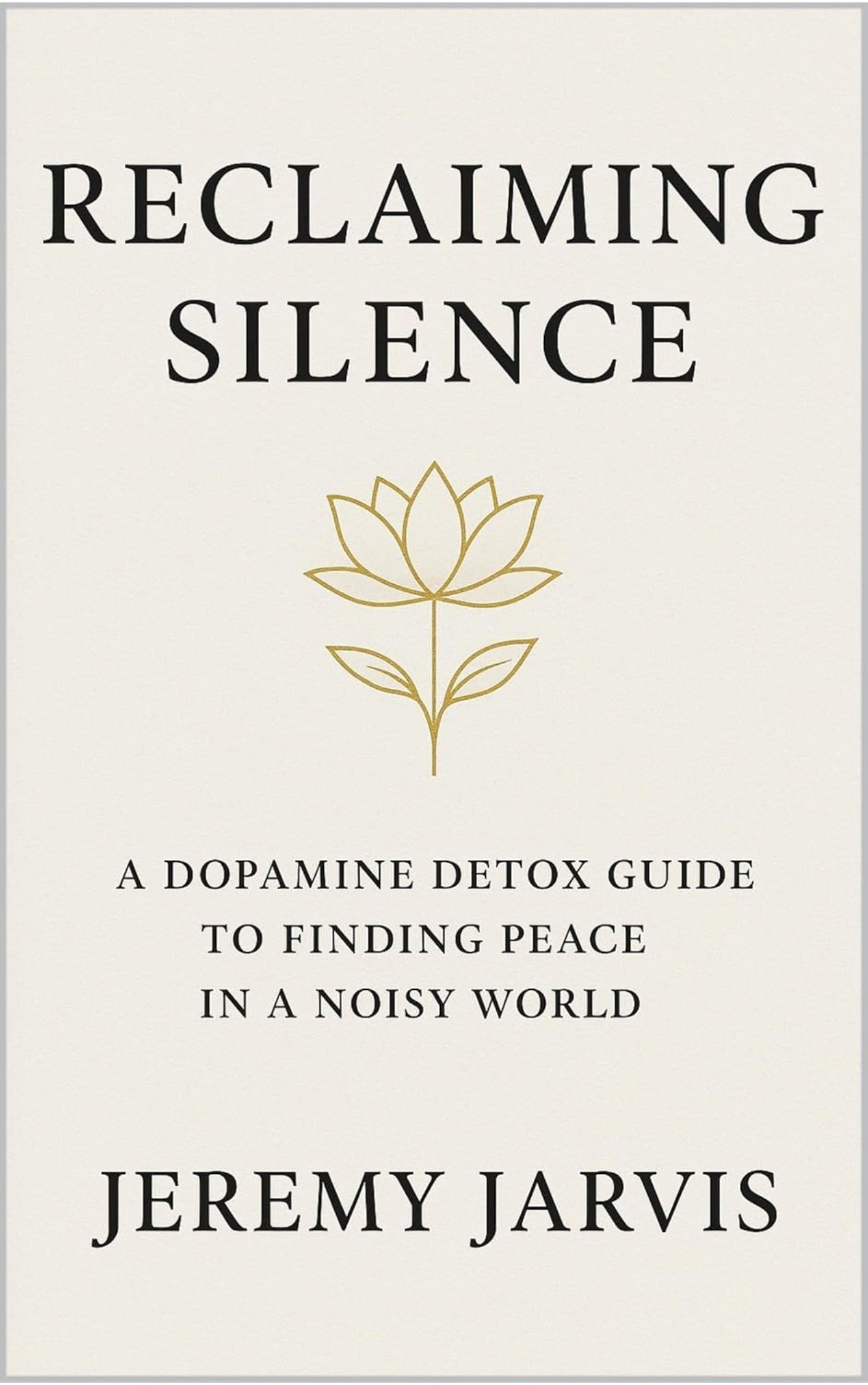
Reclaiming Silence
A dopamine detox guide to finding peace in a noisy world.
View book →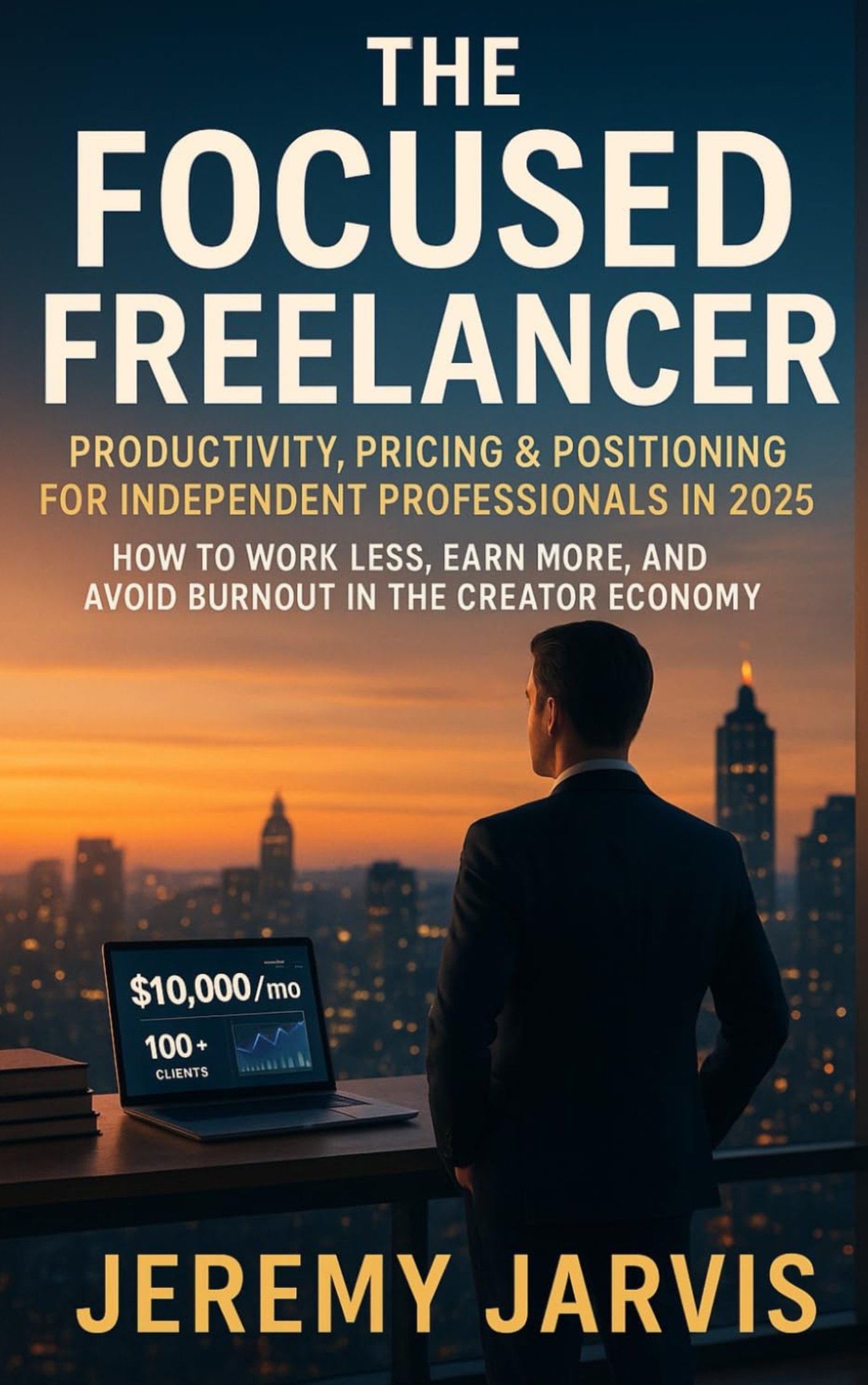
The Focused Freelancer
Productivity, pricing & positioning for independents in 2025.
View book →
ChatGPT Side Hustle System
Launch your AI-driven online business in 30 days.
View book →
Burnout, Interrupted
A proven path to restore energy and reclaim your life.
View book →
Attention Unleashed
Focus strategies for the distracted mind.
View book →
Side Hustle Launchpad
Your quick-start guide to extra income.
View book →
Digital Clarity
Rewire your brain, escape dopamine traps & regain focus.
View book →
Break the Scroll
Reduce screen time and take back control of your life.
View book →
Climate Compassion
Transform eco-anxiety into empowered action.
View book →
Village Mentality
The power of community for mental wellness.
View book →
Restful Nights
Overcoming sleep anxiety in a 24/7 world.
View book →
Connected Again
Combat loneliness and build meaningful relationships.
View book →
Focus Recharged
Mastering attention and productivity in the digital era.
View book →
Marketing Magic with ChatGPT
AI-powered content, campaigns, and copywriting to grow faster.
View book →
The 6-Figure Creator
Turn knowledge into passive income with books, courses & AI.
View book →
Burnout Breakthrough
Reset your work-life balance and thrive in 2025.
View book →
The Emotionally Intelligent Man
A modern guide to self-awareness and communication.
View book →
AI Personalized Wellness
Create your custom health plan with data-driven habits.
View book →
Everyday AI Made Easy
Use ChatGPT and smart tools to simplify life.
View book →
Money Mindfulness
A financial wellness guide for Gen Z & Millennials.
View book →
Startup Smarter with AI
ChatGPT strategies and tools to grow your business.
View book →
ChatGPT for Writers & Creators
Unlock AI-powered brainstorming, drafting & editing.
View book →