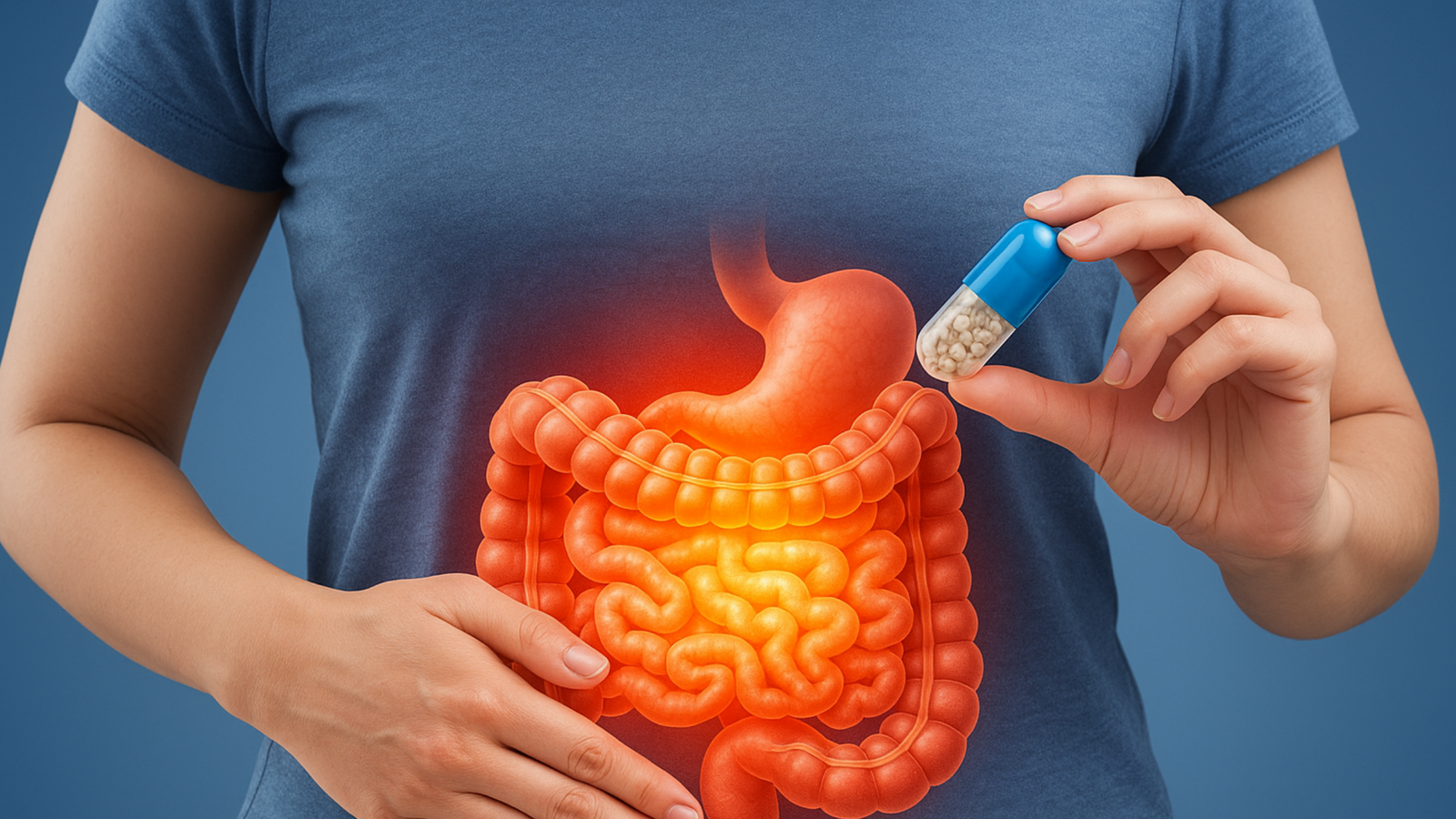
Probiotic Supplements for Gut Health: Are They Really Worth It in 2025?
A practical, evidence-based guide to when probiotics help, how they work, and how to choose wisely — aligned with our LeanBiome review 2025 for strain-specific insights.
Start ReadingRead this first
Key Takeaways: What to Know About Probiotic Supplements for Gut Health
- Probiotic Supplements for Gut Health can improve digestive comfort, reinforce the gut barrier, and support immune balance—especially after antibiotics or high stress.
- Results depend on strain specificity, dose, and delivery (e.g., delayed-release/enteric capsules) plus day-to-day consistency.
- Best outcomes happen when Probiotic Supplements for Gut Health are paired with prebiotic fiber, hydration, quality sleep, and regular movement.
- Choose products with named strains and transparent CFU counts at end of shelf life; avoid generic blends without evidence.
- For a strain-level example and real-world context, see our pillar review: LeanBiome Review 2025.
Disclosure: We may earn a commission if you buy through links on this page. Our reviews are independent and evidence-based.
Why Gut Health Deserves Your Attention
Your gut is far more than a digestive organ — it’s a complex neuro-immune hub that shapes how your body and mind function. Within it lives an intricate ecosystem of bacteria, yeast, and microorganisms that influence digestion, nutrient absorption, mood, immunity, and even cognitive performance. When this delicate environment falls out of balance, a condition called dysbiosis can occur, leading to bloating, fatigue, poor concentration, food sensitivities, and skin issues.
Because gut health connects so deeply with overall wellness, it’s no surprise that more people are turning to Probiotic Supplements for Gut Health. These supplements are designed to help repopulate beneficial bacteria, restore microbial balance, and improve the communication between your gut and brain. When chosen correctly — by strain, dosage, and delivery method — probiotics can support digestion, reduce inflammation, and enhance immune response.
What Makes Probiotic Supplements for Gut Health Actually Work?
Not all probiotic supplements deliver the same results. The difference between a gentle, gut-friendly formula and a disappointing one often comes down to three things: strain quality, survivability through the stomach, and how well the blend fits your existing microbiome. Effective probiotic supplements use clinically studied strains, protect them from stomach acid, and often include prebiotic support so those bacteria can colonize and thrive instead of passing straight through.
If you’re new to this topic, our introductory guide Guide to a Balanced Microbiome explains how gut flora, prebiotics, and fermented foods work together to support digestion, immunity, and regularity. For readers who want a more science-heavy overview of probiotic supplements for gut health, including specific strains and study references, Probiotics for Digestive Health walks through the research behind gas, bloating, constipation, and reflux relief.
Because gut health is also linked to mood, focus, and stress resilience, it’s worth understanding the mind–gut connection. Our article Probiotics & Mental Clarity shows how certain strains influence the gut–brain axis, serotonin production, and mental fog. Together, these resources help you evaluate whether a given probiotic formula is likely to support your microbiome, not just your expectations.
How Probiotic Supplements Actually Work in the Gut
High-quality probiotics introduce specific, living microorganisms that support microbiome balance, digestive comfort, and immune function. Common genera include Lactobacillus, Bifidobacterium, and the beneficial yeast Saccharomyces boulardii. These friendly microbes don’t “take over” your gut; they nudge the ecosystem toward more diversity, better resilience, and fewer symptoms like bloating, gas, and irregular bowel movements.
If you’d like a simple, reader-friendly explanation of how gut flora works day to day, Gut Flora & Probiotics breaks down concepts like beneficial bacteria, dysbiosis, and intestinal balance in plain language.
Key mechanisms behind probiotic benefits include:
- Competitive exclusion: helpful microbes crowd out gas-producing or pathogenic species, which can ease bloating and loose stools.
- SCFA production: metabolites such as butyrate nourish the gut lining, support immune tolerance, and help maintain comfortable motility.
- Mucosal barrier support: healthier tight junctions reduce “leaky gut” effects and lessen the chance of food particles triggering reactivity. Our article Probiotics for Leaky Gut offers a deeper look at this.
- Gut–brain signaling: some strains influence stress reactivity, sleep, and mood through the vagus nerve and neurotransmitter pathways.
Delivery matters as much as strain choice. Enteric-coated or delayed-release capsules and adequate CFUs help probiotic strains survive stomach acid and arrive in the intestines alive. If you’re comparing different gut-support strategies, including digestive enzymes and basic probiotics, our detailed explainer Digestive Enzymes vs Probiotics shows where each tool fits for digestion, nutrient absorption, and gas relief.
The Science Behind Probiotic Supplements for Gut Health (2025 Insights)
Between 2023 and 2025, research on probiotic supplements for gut health has shifted from generic “good bacteria” language toward a more precise picture of microbiome balance, gut barrier integrity, and whole-body wellness. Scientists now view the gut microbiota as a dynamic ecosystem that communicates with digestion, the immune system, and the brain. This shift helps explain why a targeted probiotic can influence not just bloating and bowel movements, but also energy, appetite, and mental clarity.
If you want a case study of how these ideas show up in a real formula, LeanBiome Review 2025 breaks down a multi-strain probiotic designed specifically for gut-driven weight gain, cravings, and metabolism. It explains how strains like Lactobacillus gasseri and Bifidobacterium lactis are being studied for belly-fat reduction, improved insulin sensitivity, and calmer digestion.
Microbiome Mapping, Dysbiosis, and Targeted Strains
Each person’s gut microbiota is as unique as a fingerprint. Some people struggle with low microbial diversity, while others have overgrowth of gas-producing or inflammatory species. When this imbalance—often called dysbiosis—sets in, symptoms such as bloating, constipation, loose stools, food reactions, and fatigue become more common. Our guide Probiotics for Dysbiosis explores how targeted strains can support rebalancing under professional guidance.
In more advanced settings, microbiome tests are used to identify which families are dominant or missing. While most people don’t need lab testing to benefit from probiotics, this research helps manufacturers choose strains that support gut barrier repair, immune tolerance, and metabolic comfort. For example, some Bifidobacterium strains are linked to calmer inflammation, while certain Lactobacillus strains support motility and help with occasional constipation.
Gut Health, Mental Wellness, and Everyday Energy
The gut does far more than digest food. It affects serotonin production, stress hormones, and even sleep–wake cycles. A disrupted microbiome can contribute to brain fog, low motivation, and mood swings—symptoms that many people don’t initially connect to digestion. In Probiotics & Mental Clarity , we break down how probiotics that support the gut–brain axis can improve focus, emotional resilience, and day-to-day energy alongside classic digestive benefits.
If your main concern is frequent bloating or an easily upset stomach, it may help to start with gentler strains and lower doses. Our article Probiotics for Upset Stomach covers strategies for sensitive digestion, including gradual titration, soothing foods, and timing tips that reduce discomfort while your microbiome adjusts.
Diet, Fiber, and the Role of Food-First Gut Support
Even the most advanced probiotic supplement can’t do all the work alone. Diversity in gut flora is strongly influenced by diet— especially fiber from whole foods such as oats, beans, vegetables, and fruit, plus fermented foods like yogurt, kefir, sauerkraut, and kimchi. These act as natural prebiotics, feeding beneficial microbes and helping them colonize more effectively. Our practical overview, Guide to a Balanced Microbiome , shows how to combine probiotic capsules with real-world eating patterns.
For many people, the most realistic plan is a synbiotic approach: pairing a probiotic supplement with prebiotic-rich foods or powders. This combination supports both the introduction of helpful strains and the environment they need to grow. If you’re curious about when to use enzymes versus probiotics, and when food-first strategies are enough, see Digestive Enzymes vs Probiotics for a side-by-side comparison.
Real-World Experience: LeanBiome and User Feedback
While lab studies are important, real-world experiences help you understand what consistent use actually feels like. Our collection of LeanBiome User Reviews highlights what people report after several weeks: less bloating, fewer sugar cravings, more regular bowel movements, and in some cases gentle changes in waistline measurements when paired with sensible eating.
For many readers, the takeaway is that a well-designed probiotic is less about “quick fat burning” and more about supporting the gut conditions where healthy weight and steady energy become easier to maintain. That systems-based view of gut health runs through all of our core guides— from LeanBiome Review 2025 to our articles on digestive comfort and microbiome balance.
Putting It All Together
In practical terms, what makes probiotic supplements for gut health actually work is the combination of the right strains, the right delivery system, and the right lifestyle context. Clinically studied bacteria, delayed-release capsules, and daily routines that include fiber, hydration, and movement give these supplements a chance to perform. If you want to explore this topic further in a structured way, the resources listed above—especially Probiotics for Digestive Health and Gut Flora & Probiotics —offer a complete, reader-friendly roadmap for supporting your gut in 2025 and beyond.
Ultimately, probiotic supplements for gut health are no longer just digestive aids. They represent an integrated approach to human biology — a partnership between microbes, nutrients, and neural pathways that can influence everything from focus to immunity. As the research matures, we’ll continue tracking peer-reviewed studies and consumer trials to separate hype from real, measurable outcomes.
What Clinical Studies Tell Us (and Don’t)
- IBS & bloating: strains such as B. infantis and L. plantarum show reduced abdominal discomfort in several trials.
- Post-antibiotic recovery: probiotics can shorten diarrhea duration and restore diversity more quickly.
- Mood & stress: early research on L. rhamnosus and B. longum suggests modest improvements in perceived stress and calm.
However, not all products are equal. Some blends use generic strains without strain-level evidence or underdose the CFUs. That’s why our LeanBiome review 2025 looks at strain specificity, delivery tech, and real-world user feedback—not just label promises.
When Probiotics Are Worth It
Smart Use Cases
- After antibiotics or GI illness
- Gas, bloating, irregularity not explained by red-flag symptoms
- High-stress periods or travel-related GI changes
- Dietary transitions (e.g., adding more fiber)
Less Likely to Help
- Already eating robust fermented foods daily
- Low-quality products with unspecified strains/low CFUs
- Expectations of rapid weight loss without lifestyle support
Bottom line: probiotics amplify what you’re already doing right—fiber, hydration, sleep, and movement.
Probiotics and the Microbiome in 2025: What’s Changed
The microbiome field has evolved rapidly. In 2025, the focus has shifted from generic probiotics to precision-targeted strains and data-driven personalization. Scientists now recognize that gut balance varies dramatically among individuals, which explains why results differ across probiotic users.
The latest probiotic research 2025 emphasizes strain-level specificity and the use of AI-based microbiome testing to match bacterial species with a person’s diet, stress level, and environment. This new generation of personalized probiotic plans uses sequencing data to identify missing microbial groups rather than relying on one-size-fits-all blends.
Another major innovation is the rise of postbiotics—non-living bacterial metabolites that provide many of the same benefits without the stability problems of live cultures. Postbiotics and symbiotics (probiotic + prebiotic formulas) are appearing in clinical trials focused on gut microbiome balance, inflammation reduction, and immune resilience.
From a consumer perspective, this evolution means better-targeted choices. People seeking digestive comfort or metabolic support can now select products verified for specific functions—such as L. plantarum for bloating or B. longum for stress relief—rather than generic labels. For a full breakdown of these strain-specific developments, see our updated LeanBiome Review 2025.
How to Choose the Right Probiotic (Quick Checklist)
| Decision Factor | What to Look For | Why It Matters |
|---|---|---|
| Strain specificity | Named strains (e.g., L. rhamnosus GG) | Evidence is strain-specific; genera alone aren’t enough |
| Delivery tech | Enteric/delayed-release | Improves survival through stomach acid |
| CFU & transparency | Real CFU count at end of shelf life | Ensures viable dose when you take it |
| Formula synergy | Prebiotics/polyphenols (when appropriate) | Feeds good microbes; supports resilience |
| Label clarity | Allergen info, vegan/non-GMO | Builds trust; avoids unwanted ingredients |
Want a concrete, research-driven example? Read our LeanBiome review 2025 where we evaluate strain choices, GreenSelect® polyphenols, user feedback, and value.
Who Should & Shouldn’t Use Probiotics (Safety First)
Most healthy adults tolerate probiotics well. Still, use common sense:
- Talk to your clinician if you’re immunocompromised, pregnant/nursing, or taking prescription meds.
- Start low, increase slowly; transient gas/bloating may occur in week one.
- Take on an empty stomach or as your label directs; consistency beats megadosing.
For foundational guidance, the NIH keeps a practical overview here: Office of Dietary Supplements. For ongoing microbiome science updates, see the Gut Microbiota for Health Foundation.
Editor’s Note & Next Steps
If you’re evaluating probiotics for metabolic support, our LeanBiome Review 2025 dives into strain evidence, delivery, and realistic outcomes so you can compare marketing claims with real science before you buy.
When you’re ready to see the current offer, you can visit the official LeanBiome website for details on pricing, bundles, and the money-back guarantee.
Affiliate disclosure: If you purchase through the official-site link, we may earn a small commission at no extra cost to you.
More from Our Gut Health Series
Frequently Asked Questions About Probiotic Supplements
What exactly are probiotics?
Live microorganisms that, when consumed in adequate amounts, confer a health benefit—primarily by supporting microbial balance, gut barrier integrity, and immune crosstalk.
Do probiotics survive stomach acid?
Some do, especially in delayed-release or enteric-coated capsules. Strain toughness and dosing also matter.
How long should I take probiotics for gut health?
Most users notice changes within 2–4 weeks. For ongoing benefits, daily use with supportive diet/lifestyle is typical.
Can probiotics cause side effects?
Temporary gas or bloating can occur as microbes rebalance. Taper or split the dose if needed; consult a clinician if symptoms persist.
Should probiotics be taken with or without food?
Common guidance: take on an empty stomach unless your label instructs otherwise. Consistency > timing.
🧠 Brain & Mood FAQs
Can probiotics improve mental clarity?
Early research on the gut–brain axis suggests some strains support calm and focus indirectly via neurotransmitter pathways.
What strains are most studied for stress/mood?
L. rhamnosus, B. longum, and L. helveticus appear in several trials; effects vary by individual and context.
Are refrigerated probiotics better?
Not necessarily. Many modern formulas are shelf-stable; refrigeration can extend life but isn’t a universal marker of quality.
Evidence & Sources — How We Review Supplements
Every review on Mind Clarity Hub is written using an evidence-based framework. We cross-reference product claims against PubMed clinical studies, evaluate ingredient transparency, and compare data with authoritative resources such as the NIH Office of Dietary Supplements.
For this probiotic analysis, our team reviewed peer-reviewed research, manufacturer testing disclosures, and consumer trial reports from 2024–2025. Additional background material was taken from:
References & Further Reading
Explore the Mind Clarity Hub Library
Practical books on focus, digital habits, resilience, and building a calmer mind.
The Power of Clarity
Unlock mental focus, build momentum, and create the life you were meant to live.
View book →
AI & ChatGPT for Beginners
No PhD needed — a 2025 guide to AI, prompts, and productivity without coding.
View book →
Zen in the Digital Jungle
Mindfulness for a chaotic world.
View book →
The Slow Reset
Mindful living in a fast-paced world.
View book →
Perfectly Imperfect
Stop self-criticism, set boundaries, and embrace the real you.
View book →
Reclaiming Silence
A dopamine detox guide to finding peace in a noisy world.
View book →
The Focused Freelancer
Productivity, pricing & positioning for independents in 2025.
View book →
ChatGPT Side Hustle System
Launch your AI-driven online business in 30 days.
View book →
Burnout, Interrupted
A proven path to restore energy and reclaim your life.
View book →
Attention Unleashed
Focus strategies for the distracted mind.
View book →
Side Hustle Launchpad
Your quick-start guide to extra income.
View book →
Digital Clarity
Rewire your brain, escape dopamine traps & regain focus.
View book →
Break the Scroll
Reduce screen time and take back control of your life.
View book →
Climate Compassion
Transform eco-anxiety into empowered action.
View book →
Village Mentality
The power of community for mental wellness.
View book →
Restful Nights
Overcoming sleep anxiety in a 24/7 world.
View book →
Connected Again
Combat loneliness and build meaningful relationships.
View book →
Focus Recharged
Mastering attention and productivity in the digital era.
View book →
Marketing Magic with ChatGPT
AI-powered content, campaigns, and copywriting to grow faster.
View book →
The 6-Figure Creator
Turn knowledge into passive income with books, courses & AI.
View book →
Burnout Breakthrough
Reset your work-life balance and thrive in 2025.
View book →
The Emotionally Intelligent Man
A modern guide to self-awareness and communication.
View book →
AI Personalized Wellness
Create your custom health plan with data-driven habits.
View book →
Everyday AI Made Easy
Use ChatGPT and smart tools to simplify life.
View book →
Money Mindfulness
A financial wellness guide for Gen Z & Millennials.
View book →
Startup Smarter with AI
ChatGPT strategies and tools to grow your business.
View book →
ChatGPT for Writers & Creators
Unlock AI-powered brainstorming, drafting & editing.
View book →