Published by: Mind Clarity Hub | Updated: October 29, 2025
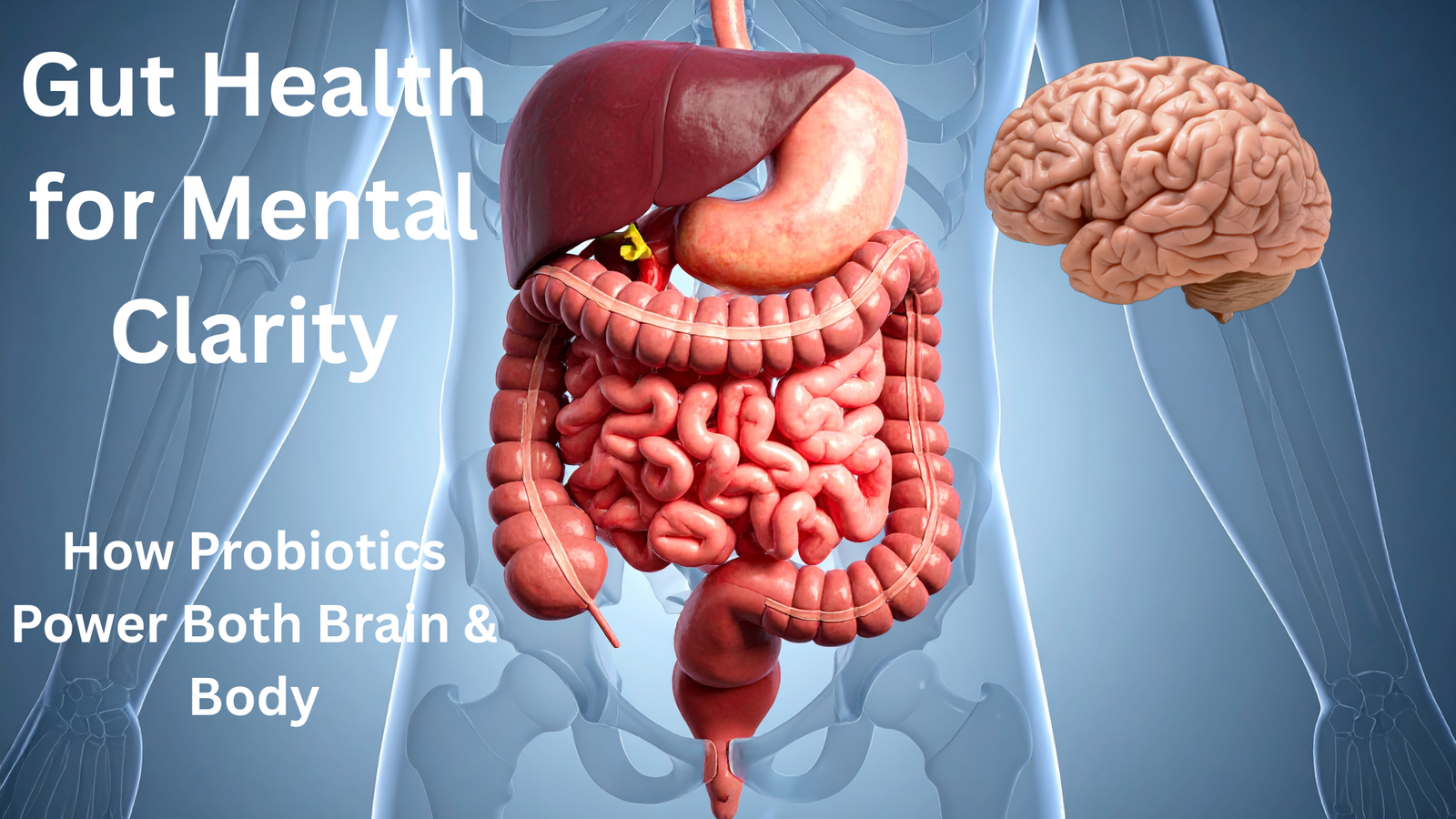
There’s a powerful link between your gut and your mind — one that scientists are only beginning to fully understand. Known as the gut-brain axis, this connection is driven by trillions of bacteria living in your digestive system. And probiotics — live, beneficial microorganisms — play a key role in keeping this communication network running smoothly.
📑 Table of Contents
The Gut-Brain Axis: What You Need to Know
Your gut and brain are connected by more than nerves — they share biochemical signals through the vagus nerve, the immune system, and microbial metabolites like short-chain fatty acids. This bidirectional pathway is known as the gut-brain axis.
When your gut microbiota is imbalanced, it can disrupt these signals — leading to inflammation, mood swings, foggy thinking, and even long-term cognitive decline. Probiotics may help by restoring balance to your gut ecosystem, supporting clearer communication between your digestive system and your brain.
How Probiotics Influence the Gut-Brain Connection
Probiotics influence the gut-brain axis by reducing inflammation, enhancing neurotransmitter production, and balancing your intestinal microbiome. This supports not just digestive function — but mental clarity and mood as well.
- Reduces inflammation: Certain strains like Lactobacillus plantarum reduce gut permeability and lower systemic inflammation.
- Supports serotonin production: Up to 90% of serotonin is produced in the gut.
- Boosts BDNF (Brain-Derived Neurotrophic Factor): Animal studies suggest probiotics may increase BDNF, supporting learning and memory.
- Improves gut integrity: A stronger gut barrier = fewer toxins reaching the brain.
Can Probiotics Really Improve Mental Clarity and Focus?
For many people, the answer is yes—at least as part of a broader gut–brain support plan. Probiotics are increasingly being studied not only for digestion and bloating but also for mental clarity, concentration, and stress resilience. In several clinical trials, participants taking strains such as Lactobacillus rhamnosus and Bifidobacterium longum reported less brain fog, steadier mood, and improved focus over a few weeks of consistent use.
If you’d like a deeper overview of how gut bacteria influence thinking, memory, and emotional balance, our guide Probiotics & Mental Clarity walks through the gut–brain axis in plain language—covering topics like neurotransmitters, stress hormones, and why an imbalanced microbiome can make you feel “off” even when your diet looks reasonable on paper.
At the same time, not every probiotic supplement for gut health is formulated with the brain in mind. Some blends are focused purely on occasional constipation or gas. Others, like those reviewed in LeanBiome Review 2025 and LeanBiome Real User Reviews , are designed around both gut comfort and healthy metabolism—with many users also reporting indirect benefits like more stable energy and better mental sharpness.
What the Latest Research Says About Probiotics and Mental Clarity
Probiotics are no longer just a niche wellness trend. They sit at the center of modern research on the gut–brain connection, cognitive performance, and emotional health. Scientists now recognize that gut microbes influence the production of key neurotransmitters—such as serotonin, dopamine, and GABA—as well as inflammatory signals that can affect concentration and mood.
In recent reviews, strains like Lactobacillus rhamnosus GG, Bifidobacterium bifidum, and Bifidobacterium longum have been associated with lower stress markers, improved working memory, and reduced cognitive fatigue when paired with a whole-food, fiber-rich diet. These “psychobiotic” strains don’t act like psychiatric medication, but they may help support a calmer, clearer baseline by improving gut integrity and reducing low-grade inflammation.
If you want to see how this science translates into an actual supplement formula aimed at digestion, weight balance, and everyday clarity, start with Are Probiotic Supplements Worth It? for a big-picture overview, then dive into our in-depth LeanBiome Review 2025 for a closer look at strain selection, delayed-release capsules, and realistic timelines for noticing changes.
Who Seems to Benefit Most from Gut–Brain Probiotic Support?
While anyone may benefit from a more balanced microbiome, research and real-world experiences suggest that certain groups often notice the clearest improvements in mental clarity and cognitive stamina:
People living with chronic stress or long workdays may find that a well-chosen probiotic helps soften the edges of tension and mid-afternoon crashes. Those recovering from antibiotics or gut infections often report better focus once their dysbiosis is gradually rebalanced . Students, knowledge workers, and busy parents sometimes notice fewer brain-fog episodes as their digestion and blood-sugar swings stabilize. And individuals with sensitive digestion or “nervous stomach” often discover that calming the gut brings a quieter mind.
For a deeper look at how probiotic therapy overlaps with digestion, reflux, and bowel regularity, see Digestive Health: What’s Proven? —a practical guide to what the evidence actually supports right now.
Real-World Experience: What a 30-Day Probiotic Trial Can Feel Like
Many readers are curious what actually happens when you add a high-quality probiotic to your daily routine for a month. While every gut is different, there are some common patterns. In the first week, the most noticeable shifts tend to be digestive: less heaviness after meals, gentler bloating, and more regular bowel movements as the microbiome begins to adjust.
By the second and third weeks, people often describe a subtle lift in mental energy and concentration. Afternoon sluggishness eases, sugar cravings start to level off, and it becomes easier to stay on track with nourishing meals instead of stress snacking. These effects are usually steady rather than dramatic—more like turning up the “clarity dial” a few notches than flipping a switch.
For a first-person style breakdown of how this can look with a weight-focused probiotic, our article LeanBiome Real User Reviews collects real-world experiences from people who tracked changes in bloating, cravings, energy, and mood over several weeks. It’s a helpful companion if you’re trying to decide whether to commit to a full bottle or simply experiment for 30 days.
Best Foods and Supplements for Gut–Brain Support
You don’t have to rely on capsules alone to nurture the gut–brain axis. A combination of probiotic-rich foods, prebiotic fibers, and a well-designed supplement can work together to support mental clarity and digestive comfort.
Everyday probiotic foods like kefir, plain Greek yogurt, raw sauerkraut, kimchi, miso, tempeh, and kombucha naturally provide live cultures that can help maintain a diverse microbiome. When these are paired with prebiotic foods—oats, onions, garlic, asparagus, bananas, beans, and other fiber-rich plants—you create a synbiotic environment where beneficial bacteria are both introduced and well fed.
For a practical overview of how to combine food-based strategies with supplements, see Balanced Microbiome: A Science-Backed Guide . If you’re working through issues like leaky gut, food sensitivity, or long-term bloating, it may also help to review Can Probiotics Help Leaky Gut? and Probiotics for Stomach Upset for gentler, step-by-step options.
If you’re comparing digestive enzymes vs probiotic supplements and wondering which makes more sense for gas, heaviness, or brain fog after meals, our breakdown Digestive Enzymes vs Probiotics explains when each tool is most useful—and when using both together can make sense.
For readers who want a research-backed, capsule-based option that supports both gut health and weight balance, our LeanBiome Review 2025 offers a full breakdown of one popular formula. If, after reviewing the science and user experiences, you decide LeanBiome fits your goals, you can explore the current offer on the official LeanBiome website to see the latest details on ingredients, bundles, and refund policy.
Affiliate disclosure: If you choose to purchase through the official-site link, we may earn a small commission at no extra cost to you.
5 Misconceptions About Probiotics You Shouldn’t Fall For
There’s a lot of hype around probiotics — and while many claims are legit, some are overblown. Here’s what the science actually says:
- ❌ Myth #1: “All probiotics are the same.”
➤ Fact: Every probiotic strain has different effects. Some help with immunity, others mood, others digestion. Multi-strain = more coverage, not more power. - ❌ Myth #2: “They work instantly.”
➤ Fact: Probiotics aren’t quick fixes. Most people need 2–4 weeks of daily use to notice real changes. - ❌ Myth #3: “Refrigerated is always better.”
➤ Fact: Many high-quality probiotics are now shelf-stable thanks to better encapsulation and formulation techniques. - ❌ Myth #4: “I don’t need them if I eat yogurt.”
➤ Fact: Some yogurts contain minimal live cultures — and few specific strains. Supplements offer clinically dosed strains with research-backed effects. - ❌ Myth #5: “If it causes gas, it’s bad.”
➤ Fact: Temporary bloating or gas is often a sign of microbial shift — your gut adjusting. This usually resolves in a few days.
Your Gut Feeds Your Brain — Literally
Science continues to uncover just how much our gut flora influences brain chemistry, stress levels, sleep quality, and even emotional resilience. Nurturing your microbiome is no longer just about digestion — it’s a powerful path toward clarity, energy, and wellness.
When Probiotics Might Not Work (and Why)
Despite all the proven benefits, not everyone responds to probiotics the same way. Here’s when they might not work — and what you can do:
Creating a Long-Term Gut Health Plan That Actually Works
Taking probiotics for a few weeks may improve symptoms, but for sustainable mental clarity and gut health, you need a long-term, evidence-based plan. That’s because your microbiome is dynamic — constantly shaped by your diet, stress levels, medications, sleep, and environment.
Here’s how to build a gut health strategy that goes beyond a supplement bottle — one that supports your body and brain for years to come.
1. Customize Your Probiotic Intake to Fit Your Life
Not everyone needs the same strains. If you’re seeking cognitive or mood support, prioritize strains like Lactobacillus rhamnosus GG, Bifidobacterium longum, and Lactobacillus helveticus. If digestion is your main issue, opt for Lactobacillus acidophilus or Streptococcus thermophilus.
Tip: Rotate your probiotics every 2–3 months, or use blends with diverse strains to mimic the natural variation found in healthy microbiomes.
2. Eat for Your Microbiome
Probiotics can’t do all the work. Feed them with prebiotic fibers that help them grow and thrive in your gut. Good prebiotic foods include:
- Oats, barley, and flaxseeds
- Garlic, leeks, onions
- Chicory root, Jerusalem artichokes
- Green bananas and apples (especially with skin)
- Cooked and cooled potatoes and rice (for resistant starch)
Regularly rotating your fiber sources helps foster microbial diversity — a key sign of gut resilience and overall wellness.
3. Watch for “Microbiome Disruptors”
Antibiotics, artificial sweeteners, alcohol, and ultra-processed foods can all damage your gut lining and reduce beneficial bacterial colonies. While occasional use isn’t harmful, chronic exposure is one of the leading causes of dysbiosis and inflammation.
Also watch out for chronic stress — one of the most overlooked enemies of your gut. High cortisol levels can alter the balance of your microbiota and increase gut permeability (aka “leaky gut”), which then feeds back into cognitive symptoms like brain fog and fatigue.
4. Sleep, Movement, and Mindfulness Matter Too
Research from Sleep Medicine Reviews (2022) shows that poor sleep reduces microbiome diversity in as little as 48 hours. Aim for 7–8 hours of deep, uninterrupted sleep to allow your gut bacteria time to recover and repair overnight.
Regular physical activity also helps regulate gut motility and boosts the production of short-chain fatty acids, like butyrate — which have anti-inflammatory and neuroprotective benefits. Even walking 20–30 minutes per day has been shown to benefit microbiota composition.
Mindfulness practices like meditation and breathwork help lower stress-induced dysbiosis and improve vagal tone — enhancing the gut-brain communication loop.
5. Consider Testing — and Targeted Support
If you’re struggling despite consistent efforts, consider microbiome testing from a functional medicine practitioner. Personalized insights can help you choose the best probiotic strains, avoid specific inflammatory triggers, and identify imbalances like yeast overgrowth or parasite infections.
Based on results, you may be advised to temporarily use gut-healing protocols that include:
- Glutamine, zinc carnosine, or marshmallow root (to support gut lining repair)
- Anti-microbial botanicals like berberine or oregano oil (if overgrowth is present)
- Specific prebiotics or targeted probiotics (such as spore-based strains)
These steps can create a stronger foundation for probiotic colonization and long-term results.
Science-Backed Insights on Probiotics and Gut Health
In the last few years, interest in probiotics and gut health has exploded—not just in wellness circles, but in clinical research on metabolism, immunity, and even mental clarity. Beneath the marketing buzz, there is a growing body of evidence showing that your gut microbiome plays a central role in how you digest food, manage inflammation, regulate mood, and maintain steady energy. The goal of this section is to translate that research into clear, practical steps you can use in daily life.
Why “Probiotics and Gut Health” Matter More Than Ever
The phrase probiotics and gut health is everywhere for a reason. Your digestive tract hosts tens of trillions of microbes that help break down fiber, synthesize vitamins, support immune defenses, and communicate with your nervous system. When this ecosystem is balanced, digestion feels smoother, your stomach is calmer, and your mind often feels clearer. Our overview Gut Flora & Digestive Harmony dives deeper into how this community of bacteria influences everything from nutrient absorption to inflammation.
When that delicate balance is disrupted—by ultra-processed food, chronic stress, antibiotics, or infections—dysbiosis can develop. This imbalance often shows up as bloating, irregular stools, “mystery” stomach discomfort, brain fog, and low energy. In those situations, targeted probiotics, plus diet and lifestyle changes, can help nudge the microbiome back toward a more resilient state. Our guide Rebalancing Dysbiosis with Probiotics explains how this process works and when to consider more personalized gut support.
The Real-World Benefits of a Balanced Gut
Clinical studies published in journals such as Nature Reviews Gastroenterology & Hepatology and the British Journal of Nutrition suggest that a well-supported microbiome can improve nutrient absorption, lower systemic inflammation, and support both digestive comfort and cognitive performance. Participants in several meta-analyses who used probiotics for eight weeks or longer reported better regularity, less abdominal discomfort, improved attention, and fewer episodes of brain fog.
If your primary concern is daily digestive comfort—constipation, loose stools, or cramping—start with Digestive Health: What’s Proven? , which separates hype from data on bloating, IBS, and gut sensitivity. For those dealing with nausea, queasiness, or a “nervous stomach,” Probiotics for Stomach Upset offers gentler strategies and strain suggestions that prioritize comfort.
Our article Probiotics & Mental Clarity explores how this same gut balance can support mood, focus, and stress resilience—making the case that caring for your microbiome is one of the most practical steps you can take for both body and mind.
How to Choose the Right Probiotic for Your Goals
Not all probiotic supplements are equal. The best results tend to come from products that use: clinically studied strains, adequate CFU counts, and delivery systems that help those strains survive stomach acid. Our in-depth guide Are Probiotic Supplements Worth It? walks through how to read a label, what CFU numbers actually mean, and how to avoid common marketing traps.
If you want a structured, step-by-step framework for supporting microbiome balance, start with Balanced Microbiome: A Science-Backed Guide . It explains how to match certain strains to common goals—such as easing gas and bloating, supporting immune health, or complementing a weight-management plan. For those specifically interested in gut-driven metabolism and cravings, our LeanBiome Review 2025 and LeanBiome Real User Reviews take a closer look at a multi-strain probiotic designed for digestion, weight balance, and bloating relief.
Supporting Gut Health with Lifestyle and Diet
Probiotics work best when you build a gut-friendly foundation around them. That means routinely eating prebiotic fiber (garlic, onions, asparagus, oats, flaxseed), staying hydrated, and limiting ultra-processed foods and additives that can irritate the gut lining. Stress management and quality sleep also matter; cortisol spikes and short nights can disrupt gut flora in just a few days.
If you’re trying to decide whether to start with digestive enzymes, probiotics, or both, our comparison Digestive Enzymes vs Probiotics explains how each tool fits into a complete gut-support plan. For those dealing with suspected barrier issues—like “leaky gut” or long-term sensitivity—see Can Probiotics Help Leaky Gut? , which outlines gentle, stepwise strategies to discuss with your clinician.
Further Reading, Testing, and Next Steps
If you want to go deeper into the evidence, the National Institutes of Health offers a balanced overview in Probiotics – What You Need to Know . For a more narrative, big-picture walkthrough with links to all of the guides above, you can browse our full gut-health collection starting from Gut Flora & Digestive Harmony .
If your digestive symptoms are persistent or complex, microbiome testing and a conversation with a knowledgeable practitioner may help you move from guesswork to a more tailored plan. From there, you can use resources like Rebalancing Dysbiosis with Probiotics and Digestive Health: What’s Proven? to choose strategies that align with your lab data and real-world experience.
Bottom line: probiotics are not magic, but when matched well to your needs and paired with supportive habits, they can play a meaningful role in restoring comfort, stabilizing energy, and strengthening the connection between your gut and brain.
More from Our Gut Health Series
- LeanBiome Review 2025
- Are Probiotic Supplements Worth It?
- Balanced Microbiome: A Science-Backed Guide
- Can Probiotics Help Leaky Gut?
- Digestive Health: What’s Proven?
- Digestive Enzymes vs Probiotics
- LeanBiome Real User Reviews
- Probiotics for Stomach Upset
- Gut Flora & Digestive Harmony
- Rebalancing Dysbiosis with Probiotics
Frequently Asked Questions
What is the gut-brain axis?
The gut-brain axis is the communication network that links your gut and brain through nerves, immune pathways, and neurotransmitters.
Can probiotics really help with mental clarity?
Yes. Certain strains support the gut-brain connection, which may reduce brain fog and improve focus by improving gut health and lowering inflammation.
How long before probiotics affect brain function?
It can take 2–4 weeks of consistent use to notice cognitive changes like better focus, improved mood, and reduced fatigue, depending on the strain and person.
Which probiotic strains are best for mood?
Strains like Lactobacillus rhamnosus, Bifidobacterium longum, and Lactobacillus helveticus have been studied for their effects on stress and mood regulation.
Is the brain really affected by gut bacteria?
Yes — the microbiome influences neurotransmitter production and inflammation, both of which directly affect mental clarity, stress resilience, and emotional balance.
🧪 Practical Use & Supplementation
Is it better to get probiotics from food or supplements?
Food-based probiotics offer diverse strains but in smaller amounts. Supplements provide specific strains in high doses. Ideally, combine both for a full-spectrum approach.
Should I take probiotics every day?
Daily use is recommended for consistent benefits. Skipping days can interrupt the rebalancing process of your microbiome.
What’s the best time of day to take probiotics?
Most probiotics are best taken on an empty stomach — 30 minutes before breakfast or 2 hours after eating — to maximize survival through stomach acid.
Do probiotics need refrigeration?
Some do, especially older formulas. Many modern probiotics are shelf-stable but should still be stored in a cool, dry place away from sunlight.
What if I feel worse after starting probiotics?
Mild gas or bloating is common during adjustment. If symptoms persist or worsen, stop use and consult a healthcare provider — you may need a different strain.
Want to learn more about the science of microbiome balance? Check out our in-depth guide: Probiotics for Dysbiosis: How to Rebuild from the Inside Out.
Final Thought
Gut health isn’t a one-size-fits-all destination — it’s a lifelong relationship. By supporting your microbiome consistently through diet, lifestyle, and smart supplementation, you can improve digestion while also unlocking more stable clarity, energy, and emotional resilience.
If you’d like to go deeper into how imbalances develop and how to rebuild from the inside out, read our in-depth guide Probiotics for Dysbiosis: How to Rebuild from the Inside Out .
Why Your Probiotic Might Not Be Working Yet
If you’ve tried a probiotic and felt underwhelmed, it doesn’t always mean probiotics “don’t work.” Often, one of these factors is in the way:
- You’re using the wrong strain: For brain and mood support, strains like Bifidobacterium longum or Lactobacillus helveticus are commonly studied. For everyday digestion, options such as Lactobacillus acidophilus are more typical.
- The dose is too low: Many store-bought probiotics contain only 1–2 billion CFU per serving. For meaningful digestive and gut-brain support, most research-backed formulas use at least 5–10 billion CFU daily from multiple strains.
- Your gut is inflamed or compromised: If you’re dealing with SIBO, leaky gut, or long-standing dysbiosis, you may need to calm inflammation and address the root issue first. Adding more bacteria too quickly can sometimes worsen gas, bloating, or discomfort.
- You’re missing prebiotics: Probiotics need fuel. Fibers from foods like chicory root, garlic, onions, oats, and bananas act as prebiotics that help beneficial strains colonize and stick around.
If you’re unsure where to start, working with a functional medicine practitioner or dietitian can help. Personalized gut testing can reveal which strains are most likely to help — and which you may want to avoid — so you can choose a targeted probiotic rather than guessing.
Sources & Scientific Backing
For an accessible, research-based overview of probiotics, see this NIH summary: Probiotics – What You Need to Know (NIH.gov) .
This article is for educational purposes only and is not intended to diagnose, treat, cure, or prevent any disease. Always consult a qualified healthcare provider before starting, changing, or stopping any supplement or medication.
“The gut microbiome is deeply connected to the central nervous system. Probiotics influence this connection and may impact cognition and emotion.”
— Dr. Michael Gershon, Author of The Second Brain
Want more science-backed ways to support your focus and gut health? Start with our detailed LeanBiome review to see how a multi-strain, green-tea–enhanced probiotic is designed for digestion, cravings, and metabolic support.
If, after reviewing the science and user experiences, you decide LeanBiome fits your goals, you can also visit the official LeanBiome website to check the latest formula details, bundles, and refund policy.
Affiliate disclosure: If you choose to purchase through the official-site link above, we may earn a small commission at no extra cost to you.
- You’re using the wrong strain: For brain support, look for Bifidobacterium longum or Lactobacillus helveticus. For digestion, try Lactobacillus acidophilus.
- The dose is too low: Many store-bought probiotics contain 1–2 billion CFU — often not enough. Aim for at least 5–10 billion daily.
- Your gut is inflamed or compromised: If you have SIBO, leaky gut, or chronic dysbiosis, you may need to treat underlying inflammation first. Adding more bacteria too early can worsen symptoms.
- You’re missing prebiotics: Probiotics need fuel — fiber from foods like chicory, garlic, or oats. Without it, many strains can’t colonize effectively.
If you’re unsure, consider working with a functional medicine doctor or dietitian. Personalized gut testing can reveal what strains you need — and what you should avoid.
Sources & Scientific Backing
For further reading, see this NIH summary of probiotic research: Probiotics – What You Need to Know (NIH.gov).
Explore the Mind Clarity Hub Library
Practical books on focus, digital habits, resilience, and building a calmer mind.
The Power of Clarity
Unlock mental focus, build momentum, and create the life you were meant to live.
View book →
AI & ChatGPT for Beginners
No PhD needed — a 2025 guide to AI, prompts, and productivity without coding.
View book →
Zen in the Digital Jungle
Mindfulness for a chaotic world.
View book →
The Slow Reset
Mindful living in a fast-paced world.
View book →
Perfectly Imperfect
Stop self-criticism, set boundaries, and embrace the real you.
View book →
Reclaiming Silence
A dopamine detox guide to finding peace in a noisy world.
View book →
The Focused Freelancer
Productivity, pricing & positioning for independents in 2025.
View book →
ChatGPT Side Hustle System
Launch your AI-driven online business in 30 days.
View book →
Burnout, Interrupted
A proven path to restore energy and reclaim your life.
View book →
Attention Unleashed
Focus strategies for the distracted mind.
View book →
Side Hustle Launchpad
Your quick-start guide to extra income.
View book →
Digital Clarity
Rewire your brain, escape dopamine traps & regain focus.
View book →
Break the Scroll
Reduce screen time and take back control of your life.
View book →
Climate Compassion
Transform eco-anxiety into empowered action.
View book →
Village Mentality
The power of community for mental wellness.
View book →
Restful Nights
Overcoming sleep anxiety in a 24/7 world.
View book →
Connected Again
Combat loneliness and build meaningful relationships.
View book →
Focus Recharged
Mastering attention and productivity in the digital era.
View book →
Marketing Magic with ChatGPT
AI-powered content, campaigns, and copywriting to grow faster.
View book →
The 6-Figure Creator
Turn knowledge into passive income with books, courses & AI.
View book →
Burnout Breakthrough
Reset your work-life balance and thrive in 2025.
View book →
The Emotionally Intelligent Man
A modern guide to self-awareness and communication.
View book →
AI Personalized Wellness
Create your custom health plan with data-driven habits.
View book →
Everyday AI Made Easy
Use ChatGPT and smart tools to simplify life.
View book →
Money Mindfulness
A financial wellness guide for Gen Z & Millennials.
View book →
Startup Smarter with AI
ChatGPT strategies and tools to grow your business.
View book →
ChatGPT for Writers & Creators
Unlock AI-powered brainstorming, drafting & editing.
View book →