
A neuroscience-backed framework for restoring deep focus, repairing attention fatigue, and reclaiming your mind from digital fragmentation.

Jeremy Jarvis — Founder, Mind Clarity Hub
Published • Last updated
Jeremy studies how digital environments shape attention, cognition, and emotional focus. His work blends neuroscience, behavioral psychology, and practical routines for cognitive stability.
Key Takeaways
- Your attention isn’t broken—it’s overloaded by an environment engineered for distraction.
- Modern distraction steals attention through dopamine-triggering micro-interruptions.
- Slow-focus rituals rebuild clarity faster than “productivity hacks.”
- Deep attention requires predictable rhythms, reduced novelty, and controlled stimulation.
Attention is the currency of 2025—and nearly every app, platform, and device is competing for it. For most people, this constant extraction results in fractured thinking, chronic distraction, and the sense that deep focus has become impossible. Yet attention is not a fixed trait. It is a trainable cognitive system that can be strengthened, repaired, and rebuilt with the right conditions.
This guide breaks down the latest 2025 research on attention restoration and outlines a step-by-step framework for reclaiming your cognitive bandwidth. You will learn why distraction is not a personal failure, how attention is hijacked biologically, and what practical strategies help rebuild focus in a world designed to fracture it.
Why Your Attention Breaks Easily in 2025
Humans evolved for slow, linear information intake. Modern digital environments deliver the opposite: fast, fragmented, novelty-rich stimulus loops. This mismatch strains the prefrontal cortex—the brain region responsible for focus, planning, and impulse control.
Cognitive scientists now identify three major causes of attention breakdown:
- Dopamine-driven novelty chasing from feeds, alerts, and micro-stimulation.
- Working-memory overload from excessive tabs, tasks, and unfinished loops.
- Attention residue left behind from frequent task switching.
These forces make sustained attention increasingly rare—and increasingly valuable. As the American Psychological Association notes, heavy context switching can reduce cognitive output by up to 40 percent, creating mental fatigue, fog, and emotional dysregulation.
How Dopamine Makes Distraction Feel Inevitable
Most digital platforms operate on a simple formula: trigger dopamine → create craving → increase engagement. Notifications, infinite scroll, likes, and micro-rewards all trigger small dopamine spikes. Over time, these spikes train your brain to crave novelty instead of focus.
Once dopamine becomes unstable, attention becomes scattered. Low baseline dopamine makes it difficult to engage in slow, effortful thinking—the core of deep focus. This is why many people feel restless, overstimulated, or mentally cloudy after long hours online.
You can learn more about dopamine balance in the related guide: How to Reset Your Dopamine for Focus & Clarity .
The Neuroscience of Novelty Addiction and Attention Breakdown
Modern digital environments expose the brain to constant novelty, and this repeated stimulation disrupts dopamine stability. When dopamine oscillates too quickly, the brain enters a loop known as novelty-driven attention cycling. In this state, the prefrontal cortex—the region responsible for planning, prioritizing, and sustained focus—remains overstimulated. Overstimulation weakens the brain’s ability to filter noise, hold information in working memory, and maintain clarity for longer than a few minutes.
Research from the Nature Research Group shows that continuous novelty reshapes attention-related neural pathways over time. The brain slowly begins prioritizing fast, shallow input over slow, meaningful thinking. This explains why long-form reading, deep problem-solving, or creative work feel more difficult in 2025—even for people who previously had strong attention stamina.
As this cycle continues, the nervous system becomes uncomfortable with stillness. That’s why many people refresh apps automatically or hop between tasks without intention. These behaviors reinforce distraction as a default state. Practical, low-stimulation routines—like those taught in Digital Clarity and the 3-Minute Sound Ritual—are among the best tools for rebalancing these pathways and restoring cognitive stability.
Why Attention Feels “Broken” Even When You’re Motivated
Many people assume lack of focus is a motivation issue. In reality, the challenge comes from reward-system dysregulation. When dopamine fluctuates sharply, the brain gravitates toward rapid, low-effort stimulation instead of deep work. As baseline dopamine drops, tasks that require patience or extended effort feel disproportionately difficult.
This is why people describe themselves as “scattered” or “mentally foggy,” even when the task in front of them matters. The urge to check messages, switch tabs, or seek novelty is not a failure of discipline—it’s the brain’s reward system trying to stabilize itself through quick stimulation.
The solution is not to push harder. Instead, attention must be rebuilt by restoring reward-system balance. Techniques like slow focus, reduced novelty, predictable morning rhythms, and controlled dopamine exposure all support healthier attention patterns. Many readers begin with structured rituals from Morning Routine Rewire Focus 2025, which help create the neural conditions needed for stable concentration and sustainable clarity.
How Reward Fatigue Breaks Attention (and How to Repair Executive Function)
As digital stimulation rises, many people experience a state known as reward fatigue. This condition develops when dopamine pathways fire too frequently, leaving the brain numb to normal rewards. Consequently, tasks that once felt engaging—reading, problem solving, creative work—now feel heavy or boring. Reward fatigue directly weakens executive function, which governs focus, planning, emotional regulation, and task sequencing.
Additionally, the prefrontal cortex becomes less responsive when it is flooded with novelty-driven spikes. As a result, your brain struggles to initiate, persist, and complete tasks that require effort. Instead, it gravitates toward simpler, fast-reward behaviors like scrolling, refreshing, or checking. These shifts mirror the patterns explored in your guide on future-of-work focus recovery strategies , which emphasize predictable routines and controlled stimulation.
Fortunately, reward fatigue is reversible. For example, reducing novelty, increasing “deep reward time,” and stabilizing dopamine cycles give your executive function room to recover. Moreover, embedding predictable morning rhythms—reinforced in Morning Mind Hacks for Focus —helps lift the brain out of high-noise, low-reward states. With consistent patterns, the prefrontal cortex becomes more resilient, enabling stronger decision-making and improved clarity.
The Hidden Role of Sensory Overload in Attention Breakdown
Sensory overload is one of the most overlooked drivers of modern distraction. Digital environments push rapid motion, sound cues, color saturation, pop-ups, and micro-alerts that overwhelm the brain’s sensory filters. Once these filters overload, the prefrontal cortex—the system responsible for planning, prioritizing, and regulating attention—must compensate. This drains mental energy, increases cognitive strain, and slows decision-making, even when tasks appear simple on the surface.
High sensory input also triggers a subtle vigilance response. This response elevates cortisol, accelerates mental fatigue, and reduces cognitive flexibility. It often explains why people feel irritable, forgetful, or mentally scattered after long stretches of digital stimulation. These patterns echo the findings discussed in The Science of Stillness , where lowering sensory input dramatically enhances cognitive endurance.
How Sensory Saturation Disrupts Executive Function
When sensory channels are saturated, the brain must divert processing power away from higher-order tasks. This shift weakens working memory, reduces emotional regulation, and disrupts goal-directed thinking. The prefrontal cortex becomes overloaded by competing inputs, leaving fewer mental resources available for deep, sustained attention. This is why individuals often struggle with clarity, even when they feel motivated.
Fortunately, the brain responds well to recalibration. Short low-stimulation breaks activate the restorative networks that executive function depends on. Tools like environmental simplification, analog tasks, and brief quiet moments help reestablish balance and minimize unnecessary neural interference.
Low-Stimulus Recovery Intervals: The Fastest Attention Reset
To recover from sensory overload, the brain needs predictable low-stimulus intervals. These intervals temporarily reduce sensory pressure, allowing the prefrontal cortex to recharge. This process increases attention bandwidth, improves clarity, and strengthens task engagement. Recovery can be simple—silent walking, deep breathing, dimming screen brightness, changing environments, or reading physical materials.
These low-stimulus resets also enhance the effectiveness of attention-renewal practices found in Rewire Your Brain for Calm Focus , where deliberate reduction of sensory noise helps rebuild neural pathways associated with calm, sustainable focus.
How Reducing Sensory Saturation Strengthens Long-Term Focus
Over time, consistent exposure to low-stimulus environments reshapes the brain’s attention networks. With fewer competing signals, the brain can strengthen structural pathways tied to sustained focus. This makes it easier to resist multitasking, stay grounded in a single task, and maintain clarity during demanding work sessions.
Many people find that as sensory saturation decreases, their cognitive endurance improves naturally. They experience fewer attention crashes, quicker task transitions, and more stable mental clarity throughout the day—clear evidence that reducing sensory noise is one of the most reliable ways to protect modern attention.
How Attention Restoration Theory Rebuilds Focus
Attention Restoration Theory (ART), developed by environmental psychologists Rachel and Stephen Kaplan, explains why the brain recovers attention more efficiently in low-stimulation environments. According to ART, directed attention becomes depleted when we force ourselves to manage digital noise, cognitive switching, and rapid novelty. As fatigue builds, the prefrontal cortex loses stability and distraction feels inevitable. However, ART shows that certain environments actively replenish focus.
Specifically, settings that evoke soft fascination—gentle, calming sensory input without constant demands—allow the brain’s executive systems to recover. Natural elements like water movement, soft greenery, or warm ambient light create the ideal balance. This concept connects closely with your post on stillness and brain performance , which demonstrates how low-noise environments improve cognitive clarity.
In contrast, high-stimulation spaces (fast social feeds, crowded dashboards, multitasking environments) produce mental fatigue far faster than we realize. By intentionally shifting to restorative settings—even for short breaks—you reduce neural strain and rebuild attentional endurance. As a result, your mind becomes more capable of maintaining deep, stable focus during the rest of the day.
Research Sources That Support How to Rebuild Attention in a World of Distraction
High-quality studies strengthen this guide and reinforce the neuroscience behind how we rebuild attention in a world of distraction. Because modern attention is shaped by cognitive load, dopamine cycles, and environmental stimulation, these peer-reviewed sources offer a trustworthy foundation for every concept discussed in this article.
- American Psychological Association — Research on attention switching, cognitive overload, and task interference https://www.apa.org
- MIT Neuroscience of Working Memory — Demonstrates the cognitive limits that worsen distraction and weaken sustained focus MIT Research
- Harvard Center for the Developing Child — Foundational work on executive function and self-regulation Harvard Executive Function Research
- Kaplan & Kaplan (Attention Restoration Theory) — Landmark environmental psychology showing how natural settings restore depleted attention systems
- Journal of Cognitive Neuroscience — Studies on dopamine regulation, reward-prediction error, and how digital novelty disrupts focus and increases reward-seeking behavior
Research Insights That Help You Rebuild Attention in a World of Distraction
These sources collectively support the neuroscience, environmental psychology, and executive-function frameworks used throughout this article. They help you understand not only why distraction is rising in 2025, but also how to rebuild attention in a world of distraction using research-based interventions.
A Practical Deep-Work Method to Rebuild Attention in a World of Distraction
Deep work continues to be one of the most reliable strategies for building long-term cognitive resilience. However, traditional deep-work systems were developed before digital overstimulation, algorithmic feeds, and real-time messaging reshaped how modern brains operate. To truly rebuild attention in a world of distraction, we need a model that aligns with today’s neurological and environmental demands.
A modern approach—known as structured deep-focus cycles—addresses reward fatigue, dopamine volatility, and the micro-interruptions that fracture attention. These cycles begin with a single, sharply defined objective. Instead of managing multiple tasks, you commit to one intention per cycle and reduce internal fragmentation.
Digital-Environment Simplification: A Core Strategy to Rebuild Attention in a World of Distraction
Next, you minimize external interference. That includes closing unnecessary tabs, muting notifications, reducing visual noise, and eliminating background novelty. This step mirrors the digital-environment simplification techniques taught in Digital Clarity , where fewer inputs lead to more neural stability and cleaner cognitive pathways.
You then move into timed focus blocks—usually 25–45 minutes—followed by a brief 3–5 minute reset. These intentional micro-recoveries reduce internal noise, stabilize dopamine, and prevent cognitive residue from accumulating. Over time, these cycles retrain your attention systems and make deep focus feel natural instead of effortful.
How Structured Focus Cycles Help Rebuild Attention in a World of Distraction
This method works because it aligns with how the modern reward system functions. Rather than forcing the brain into long, unrealistic focus marathons, it creates predictable rhythms that gently condition attention. With consistent practice, structured cycles help rebuild attention endurance, reduce overstimulation cravings, and strengthen the neural circuits responsible for sustained thought—key steps in learning how to rebuild attention in a world of distraction.
The Working-Memory Bottleneck
Working memory—the brain’s limited holding space—is incredibly fragile. MIT researchers confirm it can store only four items at once. Modern digital life routinely demands ten times more.
When working memory overflows, attention collapses. The result is:
- sluggish thinking
- difficulty holding steps of a task
- constant tab switching
- mental fog
This bottleneck explains why many people feel mentally “full” even when they haven’t done anything complex. The cognitive load is not from the depth of tasks—but from the frequency of switching.
The 2025 Attention-Rebuild Framework
Rebuilding attention doesn’t require quitting technology. It requires regulating stimulation, reducing novelty spikes, and protecting cognitive space. The framework below is grounded in current neurobehavioral research.
1. Reduce Novelty to Stabilize Dopamine
Your brain can’t enter deep focus when it’s primed for rapid stimulation. Start reducing novelty with small behavioral shifts:
- Disable 90% of notifications.
- Remove distracting widgets from your home screen.
- Limit high-dopamine apps to specific time slots.
2. Protect Your Morning Attention Window
Neuroscience research shows that the brain’s focus systems are strongest in the first 90 minutes of the day. Avoid high-stimulation inputs during this window.
Explore more structured routines here: Morning Routine Rewire Focus 2025 .
3. Use Slow-Focus Routines
Slow focus is the opposite of productivity pressure: it stabilizes attention through longer, uninterrupted blocks with minimal switching. This approach forms the foundation of The Power of Clarity.
4. Create “No-Input” Windows
A 10–15 minute period with zero digital inputs resets working-memory load. These windows are proven to restore clarity and reduce attention fragmentation.
Why Slow Focus Wins Over Fast Productivity
The productivity culture of the early 2020s emphasized speed—more output in less time. In 2025, research strongly favors a different model: slow focus.
Slow focus relies on consistency, environmental simplicity, predictable rhythms, and longer cognitive cycles. It stabilizes dopamine, reduces attention residue, and preserves emotional clarity. Professionals adopting this model report improved:
- task completion
- working-memory recall
- decision quality
- mental energy stability
This shift mirrors trends explored in Digital Clarity.
Advanced Attention Repair Backed by 2025 Research
Cognitive scientists highlight deeper forces tied to long-term attention repair:
- sensory load reduction — less background noise, fewer visual inputs
- executive function repair — predictable routines reduce cognitive strain
- reward stabilization — reduced novelty leads to stronger baseline motivation
- attention training — deliberate focus cycles strengthen neural pathways
These insights align with modern systems such as: The 3-Minute Sound Ritual.
The 5-Minute Attention Reset
Use this quick reset whenever your attention feels scattered or mentally cloudy. This method reduces cognitive noise and stabilizes internal rhythms.
Step-by-Step Reset
- Sit upright with your feet grounded.
- Reduce visual input by softening your gaze.
- Inhale slowly for 4 seconds, exhale for 6.
- Perform a single-orientation scan: name only the sounds you hear.
- Hold 30 seconds of stillness before returning to your task.
This reset works because it clears attention residue, calms the nervous system, and lowers working-memory load.
Want to Strengthen Your Focus Long-Term?
Explore the step-by-step cognitive frameworks in The Power of Clarity.
Frequently Asked Questions About Rebuilding Attention (2025)
Why is it so hard to focus in 2025?
Digital environments overload working memory and trigger dopamine-driven novelty chasing, making stable attention harder to maintain.
Does dopamine really impact attention?
Yes. Novelty spikes disrupt baseline dopamine, which reduces your ability to stay engaged with slow or effortful tasks.
Can anyone rebuild attention?
Absolutely. Attention is trainable, and the brain rewires through consistent slow-focus routines and reduced distraction.
How long until attention improves?
Most people notice improvements in 7–14 days of reducing novelty and practicing controlled focus cycles.
Is multitasking harmful?
Yes. Multitasking creates attention residue, which reduces clarity and working-memory capacity.
Does sleep affect attention?
Very much. Sleep restores neural pathways responsible for working memory, decision-making, and focus stability.
Can diet influence attention?
Blood-sugar stability and inflammation levels heavily impact cognitive performance and sustained attention.
Is deep work realistic for busy people?
Yes—when structured into predictable blocks instead of long, rigid sessions.
Why do small interruptions ruin focus?
Each interruption leaves attention residue, which reduces mental clarity and increases switching cost.
What’s the fastest focus-building habit?
A daily slow-focus block with zero switching. Even 10 minutes per day creates measurable improvements.
🧠 Focus Tools We Recommend






Explore the Mind Clarity Hub Library
Practical books on focus, digital habits, resilience, and building a calmer mind.
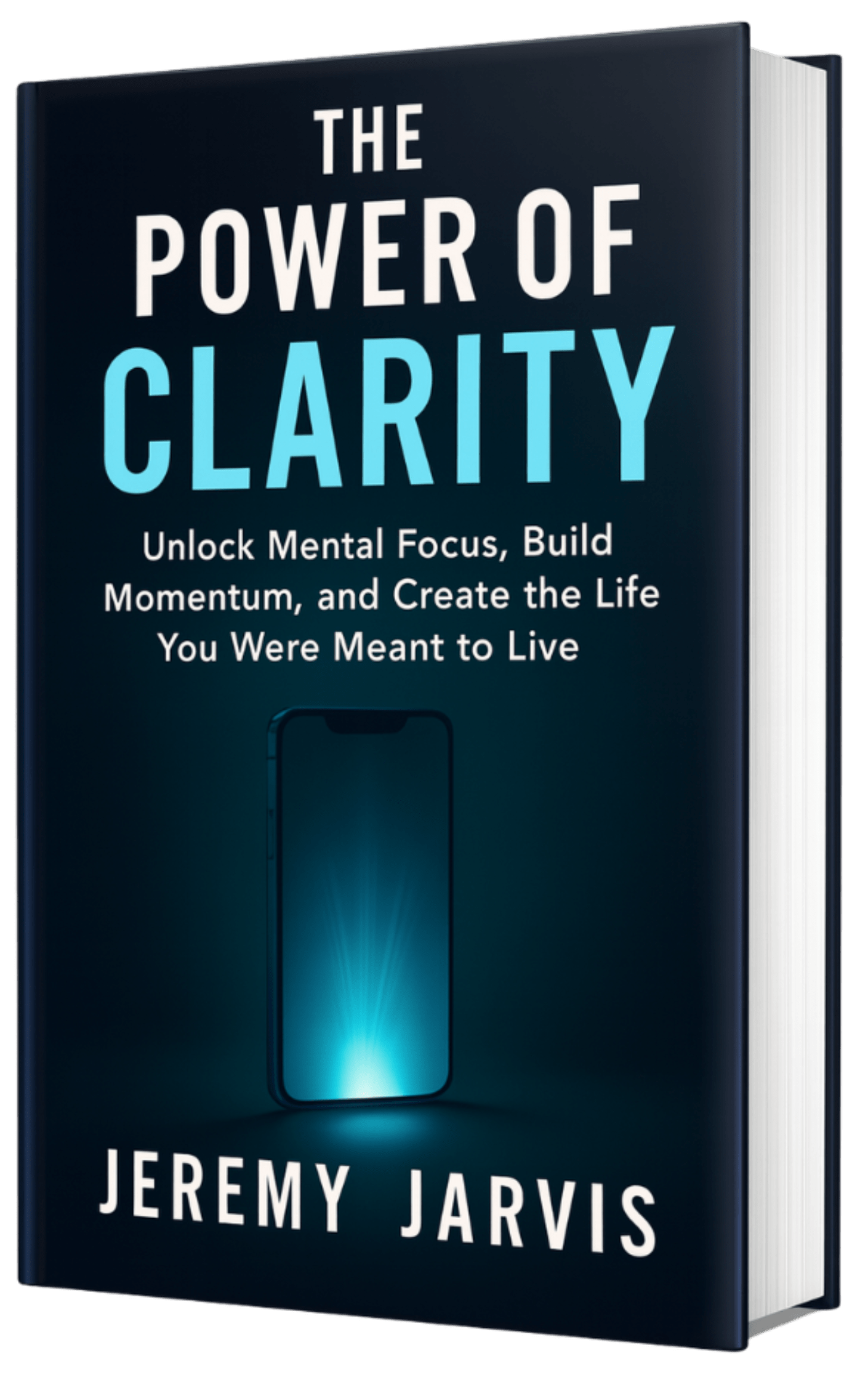
The Power of Clarity
Unlock mental focus, build momentum, and create the life you were meant to live.
View book →
AI & ChatGPT for Beginners
No PhD needed — a 2025 guide to AI, prompts, and productivity without coding.
View book →
Zen in the Digital Jungle
Mindfulness for a chaotic world.
View book →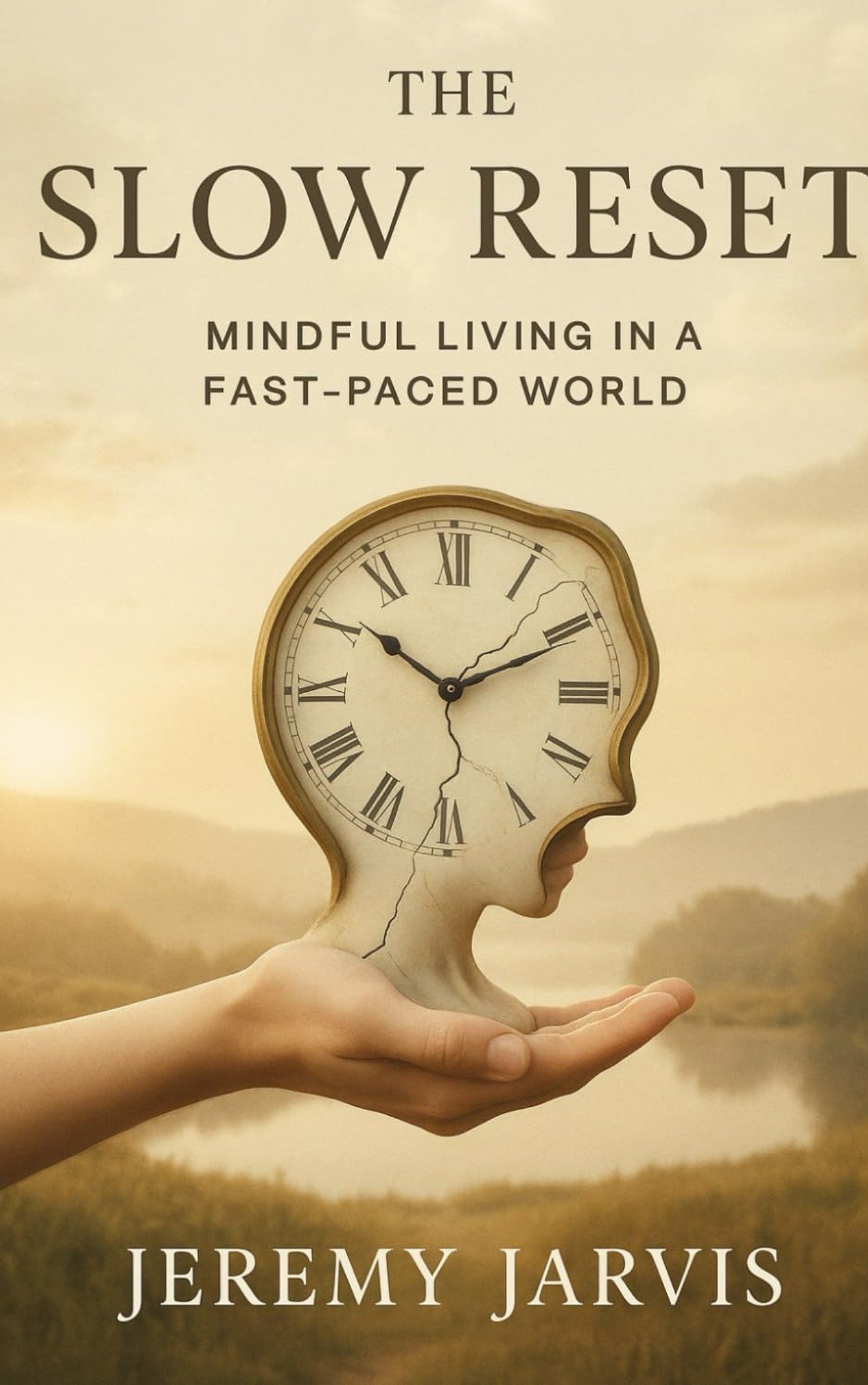
The Slow Reset
Mindful living in a fast-paced world.
View book →
Perfectly Imperfect
Stop self-criticism, set boundaries, and embrace the real you.
View book →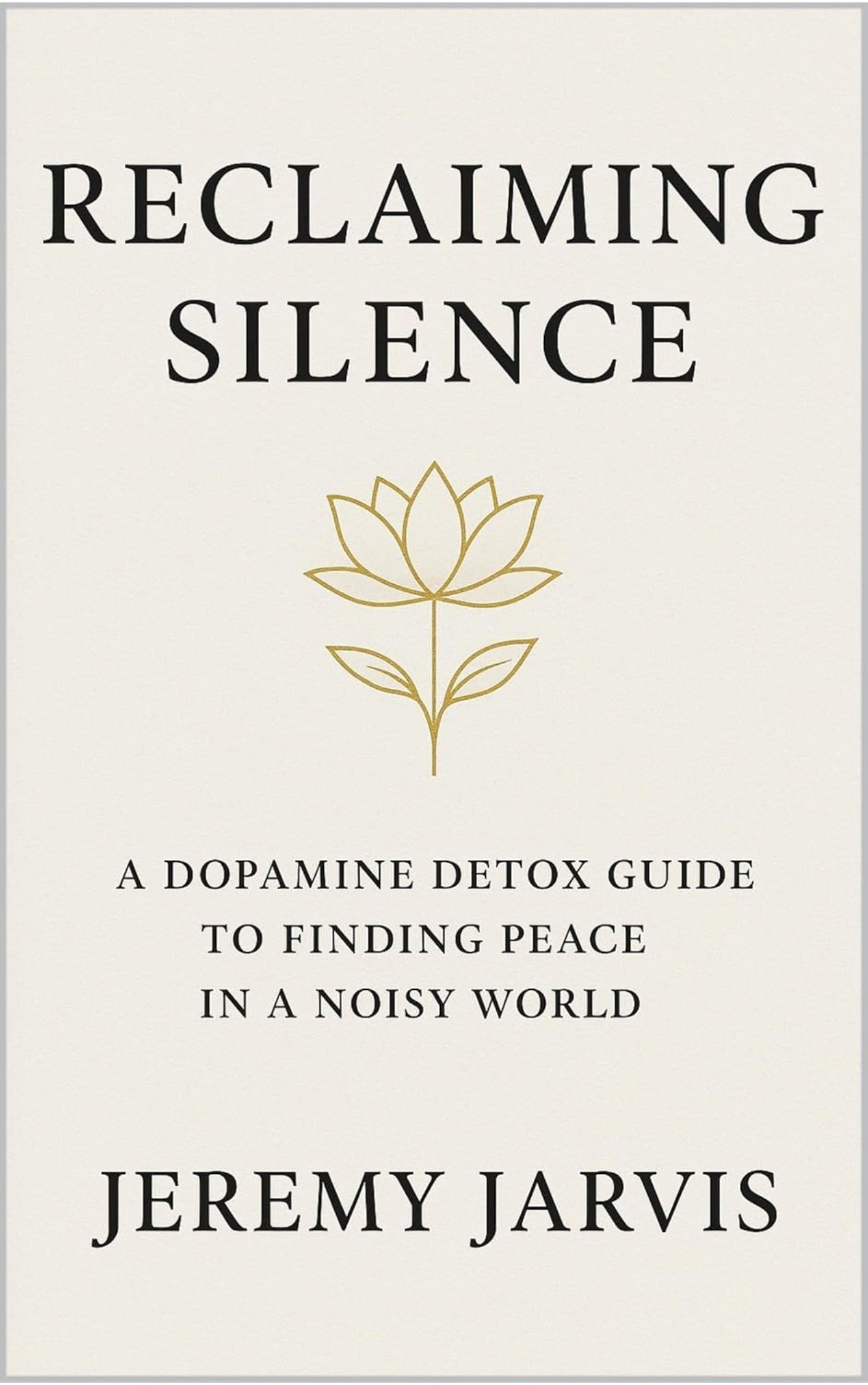
Reclaiming Silence
A dopamine detox guide to finding peace in a noisy world.
View book →
The Focused Freelancer
Productivity, pricing & positioning for independents in 2025.
View book →
ChatGPT Side Hustle System
Launch your AI-driven online business in 30 days.
View book →
Burnout, Interrupted
A proven path to restore energy and reclaim your life.
View book →
Attention Unleashed
Focus strategies for the distracted mind.
View book →
Side Hustle Launchpad
Your quick-start guide to extra income.
View book →
Digital Clarity
Rewire your brain, escape dopamine traps & regain focus.
View book →
Break the Scroll
Reduce screen time and take back control of your life.
View book →
Climate Compassion
Transform eco-anxiety into empowered action.
View book →
Village Mentality
The power of community for mental wellness.
View book →
Restful Nights
Overcoming sleep anxiety in a 24/7 world.
View book →
Connected Again
Combat loneliness and build meaningful relationships.
View book →
Focus Recharged
Mastering attention and productivity in the digital era.
View book →
Marketing Magic with ChatGPT
AI-powered content, campaigns, and copywriting to grow faster.
View book →
The 6-Figure Creator
Turn knowledge into passive income with books, courses & AI.
View book →
Burnout Breakthrough
Reset your work-life balance and thrive in 2025.
View book →
The Emotionally Intelligent Man
A modern guide to self-awareness and communication.
View book →
AI Personalized Wellness
Create your custom health plan with data-driven habits.
View book →
Everyday AI Made Easy
Use ChatGPT and smart tools to simplify life.
View book →
Money Mindfulness
A financial wellness guide for Gen Z & Millennials.
View book →
Startup Smarter with AI
ChatGPT strategies and tools to grow your business.
View book →
ChatGPT for Writers & Creators
Unlock AI-powered brainstorming, drafting & editing.
View book →