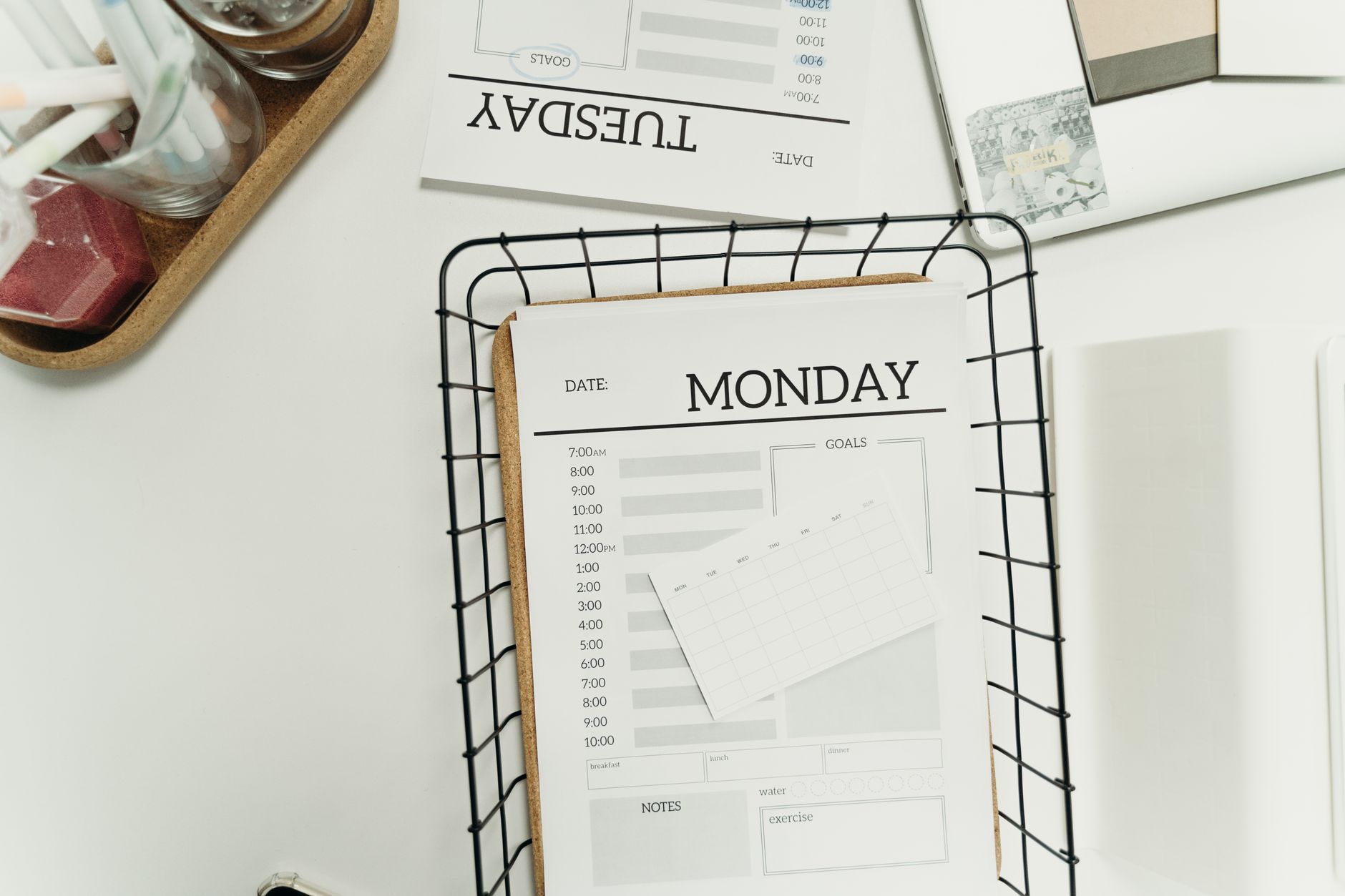
...

Tag: Planning

  • Monthly Reset Checklist: Home, Calendar, Money, and Mind

    Monthly Reset Checklist: Home, Calendar, Money, and Mind

    Monthly Reset Checklist: Home, Calendar, Money, and Mind

    Your month runs better when you reset on purpose. This practical monthly reset checklist gives you a calm, repeatable flow to tidy your space, clean up your calendar, review money, and clear your mind. You can finish the core reset in about 90 minutes, then go deeper if you want.

    Key takeaways

    • Use one simple monthly reset checklist to prevent decision fatigue and regain control of home, schedule, money, and headspace.
    • Time-box the reset in four blocks: Home (20–25 min), Calendar (20–25 min), Money (25–30 min), Mind (20–25 min).
    • Start light: quick wins first, then one deep task per area if time allows.

    What is a monthly reset checklist?

    A monthly reset checklist is a short, step-by-step list you follow once each month to close open loops and simplify the next four weeks. It covers your physical space, your time commitments, your finances, and your mental load. Because it repeats, it lowers friction. You do not need to remember everything. You just follow the path, check items off, and start the month fresh.

    Also, a consistent routine reduces context switching. Research shows switching tasks adds hidden costs and harms focus. The American Psychological Association notes that task switching creates time and accuracy penalties, even when you feel fast. See APA’s overview on multitasking for details and examples (APA: Multitasking and switching costs).

    Before you start: set scope, time, and tools

    Plan the reset as a friendly appointment with yourself. Because you time-box it, it will not sprawl.

    • Pick your timing: The last Friday of the month, the first Sunday morning, or the evening before a new month.
    • Set a 90-minute cap: Four 20–25 minute blocks with 2–3 minute transitions.
    • Gather tools: A timer, sticky notes, a pen, your phone or laptop, and a laundry basket for quick tidying.
    • Pick your checklist home: A paper planner page, a notes app, or a task app. Keep it in the same place every month.
    • Create a landing zone: Use a tray or box to collect stray papers, mail, receipts, and items to file.

    Therefore, you will move through each area with fewer stops and fewer choices.

    Monthly reset checklist: Home and space

    This first block clears friction in the places you use every day. This is not a full clean. Remove blockers instead. Set a calm baseline.

    • Do a fast 10-minute sweep of your main surfaces: desk, kitchen counters, dining table, and nightstand.
    • Empty your landing zone: recycle junk mail, file important papers, and put stray items back.
    • Reset your desk: dust, wipe, coil or clip cables, and remove one unused item.
    • Clear your bag or backpack: toss old receipts, consolidate notes, and restock pens and chargers.
    • Restock essentials: printer paper, sticky notes, envelopes, pantry basics, and light bulbs.
    • Choose one small maintenance task: tighten a loose handle, replace a worn sponge, or oil a squeaky hinge.
    • Refresh your entryway: put seasonal items in or out, and place a spare umbrella or tote.
    • Do a 5-minute laundry and dishes catch-up to avoid morning pile-ups.
    • Declutter your desktop (computer): create an β€œInbox YYYY-MM” folder, drag loose files in, and sort top priority only.
    • Archive last month’s phone photos to a folder named β€œYYYY-MM” and delete obvious duplicates.
    Home reset: quick wins vs deep dives
    Area Quick win (5–10 min) Deep dive (optional, 20–40 min)
    Desk Wipe, coil cables, remove one item Drawer clean-out and file system tweak
    Kitchen Clear counters, restock trash bags Fridge shelf clean and pantry audit
    Entryway Shoes and mail tray reset Hooks, bins, and seasonal gear swap
    Bag Receipts out, pens in Pocket-by-pocket reorg and checklist card
    Writing a monthly reset checklist for meals and home basics
    Use a single page for your home and meal mini-resets. Photo: Yaroslav Shuraev via Pexels.

    Pexels image by Yaroslav Shuraev. Source: https://www.pexels.com/photo/a-person-holding-a-black-pen-writing-on-white-paper-8844564/

    Monthly reset checklist: Calendar and time

    This second block gets your schedule aligned with what matters. It removes ghost meetings and protects deep work. Microsoft’s Work Trend Index reports persistent meeting overload and digital debt. A monthly view helps you right-size your schedule for the weeks ahead (Microsoft WorkLab: Work Trend Index).

    • Open a month view. Scan for heavy weeks. Add buffer days after travel or deadlines.
    • Cancel or decline meetings that no longer have a clear owner, agenda, or decision.
    • Batch recurring admin into one slot. For example, expenses on the 28th.
    • Time-block deep work for your top one or two goals. Protect at least two 90-minute blocks per week.
    • Schedule catch-up time after large meetings and at month midpoints.
    • Set one weekly review reminder and one mini-inbox clean reminder.
    • Note time-sensitive chores: filter swaps, renewals, travel prep, or school forms.
    • Share key dates with partners or teammates and confirm who owns what.

    Because you use intention and a wide view, you prevent overflow before it starts.

    Recurring commitments: keep, pause, or drop?
    Item Signal to keep Signal to pause Signal to drop
    Weekly meeting Decisions made and actions assigned No decisions for 2–3 weeks No owner, no agenda, no outcomes
    Class or club Energy and progress increase Neutral energy and schedule conflict Stress without benefit
    Newsletter Useful weekly signal Useful monthly only Never read; unsubscribe

    Want a deeper time-blocking guide? See how to protect deep work with calendar blocks.

    Monthly reset checklist: Money review

    This third block reduces money stress. It replaces vague worry with a simple review. You do not need a perfect system. You need one consistent routine. The Consumer Financial Protection Bureau offers straightforward budgeting tools and advice that you can adapt to your situation (CFPB: Budgeting tools and tips).

    • Reconcile accounts: match transactions and categorize the last month.
    • Schedule all known bills and add due-date reminders.
    • Check subscriptions. Cancel one you did not use.
    • Scan spending by category. Note one area to trim by a small amount next month.
    • Plan irregulars: gifts, travel, renewals, and annual services coming up in the next 90 days.
    • Transfer planned savings at the start of the month so you do not spend it by accident.
    • Capture money tasks in your system: claims to file, forms to sign, refunds to request.
    Money check cadence
    Task Monthly Quarterly Annually
    Reconcile & categorize Yes β€” β€”
    Subscriptions audit Quick scan Full review β€”
    Insurance/benefits check β€” Coverage skim Full policy review
    Tax prep folder clean Add docs Organize File/close

    For a simple budget starter, see Consumer.gov: Making a budget.

    Monthly reset checklist for your mind

    This final block clears mental clutter. It helps you end one chapter and start another. Keep it light, honest, and short. You are not writing a memoir. You are setting the next month up to work.

    • Write five wins from last month. They can be small.
    • Note three lessons. Keep each to one sentence.
    • List two things to continue and one to stop.
    • Pick one key theme for the new month. For example, β€œFinish and ship.”
    • Set two to four outcomes you can measure by month end.
    • Choose a quick digital declutter: mute one noisy chat, unfollow a stale feed, and trim one email newsletter.
    • Plan rest. Add one no-screen evening per week. Reducing task switching helps focus and reduces overload (APA on multitasking costs).

    Nielsen Norman Group has useful guidance on lists and task design that you can adapt to personal workflows (NN/g: To‑Do Lists and UX).

    Checklist boxes marked during a calm monthly reset checklist
    Short, clear steps beat long, vague lists. Photo: Nataliya Vaitkevich via Pexels.

    Pexels image by Nataliya Vaitkevich. Source: https://www.pexels.com/photo/close-up-photo-of-checklist-on-white-paper-6837789/

    Protect your data during the reset

    Also add a quick digital safety pass. It takes minutes and can prevent a month of headaches. The 3‑2‑1 backup strategy is a well-known baseline: keep three copies on two types of media with one offsite. See the U.S. CISA’s overview for a simple explanation (CISA: 3‑2‑1 backup strategy).

    • Back up your phone and laptop.
    • Export your password manager’s emergency kit (store securely).
    • Update your main apps and OS if pending.
    • Review recovery emails and phone numbers for key accounts.

    In addition, consider printing an access checklist for a trusted contact and storing it safely. A short note with where to find backups, how to reach your web host or bank, and what not to share can make a stressful day easier for everyone.

    How long should a monthly reset checklist take?

    Most people finish a core pass in 60–120 minutes. Start with 90 minutes. Because you will repeat it next month, you can leave deep tasks for later. If you are new, take two passes in the first cycle: one light, one deeper on the highest-friction area.

    Which tools should I use for the reset?

    Use whatever is fast for you. Some people like paper. Some like a notes or tasks app. Many do both: a one-page overview on paper and live tasks in an app. Keep your monthly list in the same place. Meanwhile, use a simple timer. Any phone timer works.

    Paper: One page per month in your planner or a printed sheet. Keep it visible where you actually start the reset.

    Apps: Use your calendar for events, a to‑do app for tasks, and a notes app for reflections. Create one tag or folder to group each month’s items.

    Storage: One folder per month labeled β€œYYYY‑MM,” with subfolders for finances, photos, and documents so you can file quickly during the session.

    Watch a monthly reset checklist walkthrough

    If the embed does not load, open the video here: Monthly Reset Checklist πŸ’œ Make one that works.

    Use this monthly reset checklist template

    Copy this structure into your planner or app. You can print it, too. Because it is short, you can see the whole month in one view.

    • Home: 10-minute sweep; landing zone; desk reset; restock; one fix; bag reset; quick dishes/laundry; desktop tidy; photo archive.
    • Calendar: Scan month; cancel or pause; batch admin; protect deep work; add buffers; weekly review; add time-sensitive chores; share dates.
    • Money: Reconcile; schedule bills; cancel one subscription; scan categories; plan irregulars; transfer savings; capture money tasks.
    • Mind: Five wins; three lessons; two continue; one stop; set theme; set outcomes; small digital declutter; plan rest.

    Monthly Reset Flow (90 minutes)

    Follow four calm blocks. Check the box, then move on.

    1. Home (20–25 min) β†’ surfaces, restock, one fix
    2. Calendar (20–25 min) β†’ cancel, block, buffer
    3. Money (25–30 min) β†’ reconcile, schedule, scan
    4. Mind (20–25 min) β†’ wins, theme, outcomes

    Tip: Play the same playlist each month to build a ritual.

    A 90‑minute reset, minute by minute

    00:00–03:00: Set the tone. Fill a water bottle, open your one‑page list, and start a calm playlist. A small ritual signals your brain that this is a focused session.

    03:00–10:00: Do the Home sweep. Clear the main surfaces you touch each day. Wipe, put away, and leave one small touchpoint better than you found it.

    10:00–15:00: Empty the landing zone to zero. Sort mail and receipts. Trash what you do not need. File what you must keep. Move at a steady, no‑drama pace.

    15:00–20:00: Reset the desk. Dust, manage cables, remove a single unused item. One less object equals one less distraction next week.

    20:00–25:00: Restock and fix one thing. Add printer paper, swap a sponge, or tighten a hinge. Quick maintenance prevents future friction.

    25:00–30:00: Transition. Stretch, breathe, and flip to Calendar. A brief pause keeps energy steady.

    Minutes 30–60: Calendar reset

    30:00–40:00: Scan a month view. Spot heavy weeks, travel, and deadlines. Add recovery buffers so the busy days do not spill into the next ones.

    40:00–45:00: Cancel and batch. Decline meetings without owners or agendas. Group admin into a single slot so small chores stop scattering your week.

    45:00–50:00: Protect deep work. Block two 90‑minute focus windows each week for your top goal. Name them so others see why they matter.

    50:00–55:00: Share the highlights. Send a short note or invite updates so partners or teammates know what changed.

    55:00–60:00: Transition. Stand, take a sip, and open your money tool of choice.

    Minutes 60–90: Money and mind reset

    60:00–70:00: Reconcile accounts. Categorize last month’s transactions and confirm balances. Close the loop while details are still fresh.

    70:00–75:00: Schedule bills and audit subscriptions. Add reminders and cancel one thing you didn’t use.

    75:00–80:00: Review categories. Pick one area to trim next month by a small, realistic amount. Small gains compound.

    80:00–85:00: Plan irregulars and move savings. Note gifts, renewals, or travel within 90 days and transfer planned savings now so it is not spent by accident.

    85:00–90:00: Mind reset. Write five wins, three lessons, and two to continue. Choose one theme and two to four measurable outcomes. Add one no‑screen evening for rest.

    Why this structure works

    This design reduces choices and batching costs. You do quick wins first so you feel lighter. Then you make one small improvement per area. Therefore you build momentum without burnout. Over time, the same monthly reset checklist compounds into cleaner spaces, better calendars, calmer budgets, and clearer minds.

    Common mistakes and easy fixes

    • Mistake: Trying to do a full deep clean. Fix: Keep a separate list for deep projects. Schedule one per month.
    • Mistake: Planning the perfect month. Fix: Add buffers and recovery time. Protect energy, not just hours.
    • Mistake: Skipping the money check. Fix: Set one small money win each month, like canceling one subscription.
    • Mistake: Writing vague goals. Fix: Set two to four outcomes you can measure by month end.
    • Mistake: Letting the list sprawl. Fix: Keep one page. If it does not fit, it does not ship.

    Deepen your reset (optional add‑ons)

    Home: If you have extra energy, do a 20‑minute pantry audit and a quick fridge shelf clean. This keeps food waste down and makes weekday meals simpler.

    Calendar: Run a brief meeting audit. Merge two touchpoints into one or shift a weekly to a biweekly if decisions are thin.

    Money: Draft a one‑page spending plan for the next quarter. Focus on three categories you can actually influence.

    Mind: Write a short month story: what happened, what mattered, and what is next. One paragraph is enough.

    Make it sticky: cues, rewards, and tracking

    Habits stick when the setup is obvious and the payoff feels good. First, create a visible cue: a calendar event on the last Friday or a printed card on your desk labeled β€œReset at 5 p.m.” Next, bundle a small reward: favorite tea or a playlist you only play during the session. Finally, track the streak. A simple checkbox or habit app builds momentum because you can see progress.

    If your month goes sideways, use an if‑then plan: β€œIf I miss Friday, then I’ll run a 60‑minute Saturday reset.” Friction is the enemy, so keep tools close: a labeled tray for mail, a notes template pinned in your app, and a saved calendar view for month scans. Environment beats willpower.

    Also, keep the checklist short. When it grows, decisions creep back in. Review quarterly, swap one weak item for one that removes a real blocker, and keep the core stable so you do not start from scratch each time.

    Run a light team reset without more meetings

    Teams can adapt the same rhythm in under 20 minutes. Share a one‑page doc with three prompts: what to stop, what to continue, and what to change next month. Each owner updates their section asynchronously before the last workday. Then a short stand‑up or comment thread handles conflicts and merges.

    For calendars, color‑code deep work blocks and agree on a default response for invites without agendas: tentative or decline. Keep a β€œparking lot” list for ideas that do not fit this month. If you must meet, schedule a single 15‑minute β€œCalendar Cleanup” and stick to decisions, not status updates.

    Finance‑wise, a shared checklist helps: invoice dates, expense deadlines, and renewals due. A consistent β€œbilling day” each month prevents end‑of‑quarter scrambles. The result is less thrash and more predictable weeks.

    Seasonal tweaks and life events

    Some months carry special weight. At quarter‑ends, add a slightly deeper money look: compare planned versus actual in two or three categories and adjust. During back‑to‑school, add forms, supplies, and carpool shifts to the calendar scan. Before major holidays, front‑load shipping dates and recovery buffers so rest actually happens.

    Travel‑heavy months benefit from extra buffers after flights and fewer recurring meetings in the middle weeks. Moving or renovation months call for a smaller core reset with a focus on documents, bills, and a tiny home surface you can control. The key is to keep the core identical while swapping one or two optional tasks that match the season.

    Even quiet months matter. Use them to simplify: unsubscribe from a stale newsletter, archive old project folders, or shorten a recurring meeting you now outgrew. Consistency, not intensity, builds the payoff.

    How do I keep my monthly reset checklist fresh?

    Review it quarterly. Replace any item you always skip with something you will actually do. In addition, you can rotate one deep task per area each month so you do not get stuck on the same problem. Keep the core short and stable.

    Will this work for families or teams?

    Yes. Share the list and give each person one clear role. For families, share calendar highlights and money tasks that affect everyone. For teams, adapt the list to shared calendars and recurring project reviews. Use the same rhythm to reduce uncertainty and last-minute rushes.

    Examples: three ways to run the reset

    Choose your reset style
    Style When How it feels Best for
    Solo sprint Sunday morning Quiet and focused Individuals with busy weekdays
    Partner power-hour Weeknight Short and social Shared homes, shared bills
    Team reset Last workday Aligned and clear Projects and small teams

    Frequently asked questions

    What should be on a monthly reset checklist?

    Include four parts: Home (quick tidy and restock), Calendar (scan and block), Money (reconcile and plan), and Mind (reflect and set outcomes). Keep the whole list on one page.

    How often should I update my monthly reset checklist?

    Update it quarterly or when life changes. Swap an item that does not help for one that removes a real blocker you noticed.

    Can I do the reset in two sessions?

    Yes. Do Home and Calendar in one 45-minute session, then Money and Mind in the next. Split across two days if that feels better.

    What if I fall behind?

    Do a β€œhalf reset.” Pick the one area that would make everything else easier. Finish that, then return to a full reset next month.

    Should I include health or fitness items?

    You can add non-medical planning items such as scheduling walks or blocking rest days. Keep medical guidance to your clinician’s advice.

    Next steps

    Save this page, copy the template, and schedule your first 90‑minute session. To keep momentum, explore these guides: Tips to reduce screen time for better focus, Protect deep work with smarter calendar blocks, Build a simple focus routine you can stick to, and Remote‑work productivity tips and techniques.

    Finally, make it yours. Adjust the monthly reset checklist after your first run. Keep what works. Remove the rest. Because it repeats, small gains add up month after month.

  • Brain Dump Checklist: Turn Mental Noise Into a Clear Next Step List

    Brain Dump Checklist: Turn Mental Noise Into a Clear Next Step List

    If your thoughts feel loud and scattered, this brain dump checklist will help you capture everything and turn it into a clear next-step list you can act on today. Because your head is not a storage unit, you need a simple flow: capture, clarify, organize, and review. As a result, youÒ€ℒll free up attention, reduce decision fatigue, and make steady progress without carrying it all in working memory.

    Brain Dump Checklist: Key Takeaways

    • A brain dump works because it offloads short-term memory and reduces mental friction so you can think and act with more clarity.
    • Use a repeatable checklist: Capture everything, Clarify meaning, Organize outcomes, Review next steps.
    • Start with a 10-minute timer, a trigger list, and a simple way to tag items as Next Action, Project, Calendar, Waiting, or Reference.

    What is a thought download checklist?

    A brain dump checklist is a short, structured set of prompts and steps you run every time you want to unload mental clutter. Instead of keeping tasks, worries, and ideas in your head, you put them in a trusted place. Then you clarify each one and sort them into the right bucket. Therefore, you finish with a tidy list of concrete next steps you can start now, not a chaotic wall of sticky notes.

    Many people meet this idea through the GTD mind sweep, Bullet Journal rapid logging, or a simple notepad. The method is flexible. However, the repeatable checklist is what ensures you capture everything, not just the easiest items.

    Why Does a Brain Dump Checklist Work?

    There are three helpful ideas behind this practice:

    • Cognitive offloading: When you record information outside your head, you free up limited working memory for problem-solving. Research on cognitive offloading explains why tools like lists and reminders reduce mental load and errors. See a review in Trends in Cognitive Sciences for a plain-language overview of how and why this works (Trends in Cognitive Sciences).
    • Working memory is limited: Your mind can only hold a handful of items at once. Writing things down removes that bottleneck so you can focus. The APAÒ€ℒs entry on working memory is a useful primer (American Psychological Association).
    • Zeigarnik effect: Unfinished tasks tend to stay mentally active. A clear capture-and-clarify loop reduces that nagging open loop. Britannica has a concise explanation (Encyclopaedia Britannica).

    Because of these factors, a consistent checklist becomes a light, reliable way to reduce cognitive load and get into focused work faster.

    The 4-step brain dump checklist

    Use this simple flow every time:

    1. Capture: Get everything out without judging. Words, fragments, tasks, worries, ideas.
    2. Clarify: Ask Ò€œWhat does this mean?Ò€ and Ò€œIs there a next step?Ò€ Keep it short.
    3. Organize: Sort into Next Action, Project, Calendar, Waiting For, or Reference.
    4. Review: Pick 1Γ’β‚¬β€œ3 next steps you will do today, and schedule the rest.

    Principles that keep the checklist light

    • Keep capture and clarify separate. Also, do not organize while you dump.
    • Use short, plain words. Because speed beats perfection in this step.
    • Set a timer to limit the session and avoid overthinking.
    A minimalist notebook ready for quick capture.
    Use a simple page to run your checklist. Photo by Nataliya Vaitkevich via Pexels.

    How Do You Run a Brain Dump Checklist in 10 Minutes?

    HereÒ€ℒs a quick-start you can run during a break or before you log off for the day. This 10-minute brain dump checklist acts like a reset button when you feel overloaded.

    1. Set a 3-minute timer for pure capture. Write everything, one line per thought. Do not sort yet.
    2. Set another 3-minute timer for clarify. Add a few words to each line so the meaning is obvious tomorrow.
    3. Set 2 minutes to star the 1Γ’β‚¬β€œ3 items you will do next. Keep it small.
    4. Use the last 2 minutes to move starred items to your Next list or todayÒ€ℒs calendar.

    Therefore, in 10 minutes you reset your head, pick a path, and prevent tomorrowÒ€ℒs you from starting in a fog.

    Brain Dump Checklist Trigger Prompts

    Trigger prompts help you remember what you would otherwise miss. The official GTD Mind Sweep Trigger List is a thorough starting point (GTD Trigger List PDF). Adapt it to your life using the prompts below.

    Trigger prompts by life area
    Area Prompt Examples
    Work Deadlines, meetings, stakeholders Prep Q3 brief; schedule 1:1s; send handoff email
    Home Repairs, supplies, routines Fix loose handle; order filters; laundry rhythm
    Admin Bills, renewals, paperwork Update license; expense receipts; renew domain
    Health & energy Sleep, meals, movement Plan grocery list; book a walk with a friend
    Learning Courses, books, skills Outline next module; capture reading notes
    Errands Stores, pickups, deliveries Pick up package; return item; buy stamps
    Waiting For Follow-ups and replies Reply from Alex; new laptop ETA; invoice status

    Because your life changes, your triggers should change. Add or remove prompts until your printable checklist makes you think Ò€œOh right, that!Ò€ two or three times each run.

    Turn a thought download checklist into next steps

    After the capture, move line by line and decide what each one is. Use the five simple outcomes below. This is adapted from GTDÒ€ℒs organize stage, which keeps your system tidy without overbuilding it.

    From raw thought to concrete outcome
    Raw thought Outcome bucket Example next step
    Ò€œTeam offsite?Ò€ Project Create doc: Offsite agenda draft
    Ò€œLeaky faucetÒ€ Next Action Text landlord photo of leak
    Ò€œDentist checkupÒ€ Calendar Book appointment for any weekday morning
    Ò€œWaiting on logo filesÒ€ Waiting For Ping Eliza: logo files status
    Ò€œInteresting AI bookÒ€ Reference / Someday Add to reading queue with a one-line note

    Therefore, you end with an actionable list, a short projects list, and fewer open loops. A small, steady routine ensures you always know what to do with what you captured.

    Avoid these mind sweep checklist mistakes

    • Sorting while you capture. Instead, finish capture, then clarify.
    • Writing vague lines. Also, add 3Γ’β‚¬β€œ6 words to make the meaning obvious.
    • Skipping the review. Finally, choose 1Γ’β‚¬β€œ3 next steps before you stop.

    Paper vs app: tools to run your mind sweep checklist

    Use whatever you will open daily. Because tools shape behavior, match them to your context.

    Paper and app options for your checklist
    Tool Best for Pros Consider
    Notebook + pen Quick capture anywhere Zero friction; no battery; natural Manual transfer to lists later
    Notes app (Apple/Google) Ubiquitous, simple Syncs across devices; fast Easy to clutter without tags
    Todoist/Things Action-focused people Quick next-step sorting; dates Projects view can tempt over-structure
    Notion Builders and documenters Flexible databases; tags; templates Setup time; keep the checklist short
    Obsidian Linked notes and ideas Backlinks; plain text; plugins Requires a light process to avoid sprawl

    If you prefer a one-page weekly database, create a Notion page that pairs your brain dump with a simple Next Actions gallery. For a ready pattern, see how we map a week in our planning articles, then adapt that simple shape to your own board. Also, if youÒ€ℒre rebuilding your deep work routine, you may like our guide on staying focused during intense reading; it shows how to protect attention once your list is clear (maintain deep focus while reading dense technical specs).

    Hand writing a checklist in a notebook to plan next steps.
    Keep the flow fast: capture now, clarify later. Photo by Jakub Zerdzicki via Pexels.

    Brain Dump Checklist Deep Dive: Capture to Review

    The four steps look simple. Yet each step hides small choices that make or break the session. Use the guidance below to keep momentum and avoid rework.

    Brain Dump Checklist Step 1: Capture

    • Write one short line per thought. Fragments are fine. Do not edit.
    • Prefer verbs. For example, write Ò€œEmail supplierÒ€ instead of Ò€œsupplier.Ò€
    • Use a timer. It creates a clear boundary and stops perfectionism.
    • Scan your inbox and calendar for 60 seconds. Add anything that tugs.
    • Close apps and tabs for this step. Fewer cues, cleaner dump.

    Tip: If your mind goes blank, use three quick lensesÒ€”work, personal, and adminÒ€”and list one thing for each. It will unstick the flow.

    Brain Dump Checklist Step 2: Clarify

    • Ask two questions: Ò€œWhat is this?Ò€ and Ò€œWhatÒ€ℒs the next visible step?Ò€
    • Keep next steps physically small (under 15Γ’β‚¬β€œ20 minutes when possible).
    • For a multi-step outcome, mark it as a Project and define the very first step.
    • For an item tied to a specific date or time, move it to your calendar.
    • When an item needs someone else first, move it to Waiting For and add a follow-up date.

    Good clarification converts fog into motion. It should take seconds per line, not minutes.

    Brain Dump Checklist Step 3: Organize

    1. Use five buckets: Next Action, Project, Calendar, Waiting For, Reference.

    2. Tag Next Actions with a context (e.g., @Laptop, @Errands, @Calls).

    3. Give Projects a clear outcome, a why, and the next visible step.

    4. Move Reference to its home (notes app, wiki, or a folder) the same day.

    5. Batch Waiting For items and review them at set times.

    Fewer buckets reduce thinking overhead. The buckets above cover nearly all cases without needing a complex system.

    Brain Dump Checklist Step 4: Review

    • Pick 1Γ’β‚¬β€œ3 Next Actions for today. Choose low-resistance items first.
    • Schedule or defer the rest. If it matters, give it a slot.
    • Close the loop. Put tools away and start the first chosen task.

    By ending with a short action list, you reduce choice overload and build trust in your system.

    Decision rules that remove friction

    When decisions are pre-made, you think less and move faster. Use the rules below whenever you sort items. A short set of rules keeps your brain dump checklist smooth under pressure.

    Simple decision rules for clarify and organize
    Rule Use it when… What to do
    Two-minute rule Task is tiny and clear Do it now instead of tracking it
    Single vs multi-step test You are unsure if it is a Project If more than one step, create a Project and define the first step
    Calendar test It must happen on a date/time Put it on the calendar or set a dated reminder
    Ownership check Someone else must act first Move to Waiting For and add a follow-up date
    Reference vs action test Information has no action File it in Reference and add a one-line note if needed
    Energy match Your energy is low Pick the easiest Next Action to create momentum

    Use contexts and energy tags

    Contexts tell you where a task fits best. Energy tags tell you when to do it. Together they stop you from staring at a long list.

    1. Contexts: @Laptop, @Phone, @Errands, @Home, @Office, @DeepWork.

    2. Energy: High, Medium, Low. Add a simple label after the task.

    3. Use cases: During a short break, filter to @Phone + Low and make two quick calls.

    As a result, you pick actions that fit the moment instead of forcing hard work at the wrong time.

    Make the thought download checklist a habit

    Habits form when the cue and the action are tight. Keep the ritual small and linked to an existing step.

    1. Cue: End of workday chime, first coffee, or opening your planner.

    2. Action: Start a 3-minute capture. Set a timer before writing.

    3. Reward: Tick a small Ò€œDoneÒ€ box, close your laptop, or play a short song.

    4. Environment: Keep your capture tool open by default.

    Because the ritual is short, you will use it even on busy days. Consistency is more valuable than a perfect session.

    What routine keeps your system working?

    A light weekly review maintains trust. Meanwhile, a short daily check keeps momentum without micromanaging life. A simple cadence keeps your brain dump checklist working week after week.

    Daily and weekly review rhythm
    Cadence Time Checklist
    Daily shutdown 10 minutes Run a mini brain dump; star 1Γ’β‚¬β€œ3; calendar check
    Weekly review 30Γ’β‚¬β€œ45 minutes Full brain dump; clarify; organize; plan next week
    Monthly reset 45Γ’β‚¬β€œ60 minutes Archive done; prune someday; refresh triggers

    Because remote work blurs edges, many readers stack a 5-minute capture before lunch and a 10-minute capture at shutdown. It pairs well with a short attention reset routine (try an attention reset) and a weekly planning pass (Notion weekly planner template ideas).

    Adapt the mind sweep checklist to your role

    Students

    1. Use course codes as tags (BIO201, HIST110). Add @Study, @Lab, @Group.

    2. During capture, scan your syllabus for due dates and add them to Calendar.

    3. Break large assignments into 20Γ’β‚¬β€œ30 minute chunks to avoid last-minute rush.

    Managers

    1. Split capture into People, Projects, Metrics. Add 1Γ’β‚¬β€œ2 items per person weekly.

    2. Batch Ò€œWaiting ForÒ€ follow-ups to two windows each day to cut context switching.

    3. Turn recurring 1:1 notes into a mini checklist so prep is quick and repeatable.

    Parents and caregivers

    1. Keep a shared family list for errands and appointments.

    2. Use @Phone + Low to make quick bookings while waiting in lines.

    3. Review the calendar with others once a week to reduce surprises.

    See a week-long experiment

    HereÒ€ℒs a short video diary where a creator tries a daily brain dump for a week. Watch how a simple list lowers friction and creates motion.

    Open the video in a new tab

    Copy-and-run brain dump checklist templates

    Use the templates below as a starting point. Then edit them to fit your day.

    Paper template (index card or A5)

    1. Header: Date and Ò€œBrain DumpÒ€

    2. Timer: 10 minutes total (3 capture + 3 clarify + 2 star + 2 move)

    3. Sections: Work / Home / Admin / Waiting / Ideas

    4. Footer: Ò€œChoose 1Γ’β‚¬β€œ3 nowÒ€ checkbox row

    App template (Notion/Todoist)

    1. Fields: Text, Tag, Outcome (Next, Project, Calendar, Waiting, Ref), Due

    2. Views: Inbox (unclear), Next (due soon), Waiting (follow-ups), Projects

    3. Automation: Today view filters Outcome = Next and Due Ò‰€ today+2

    Build it in your favorite app

    Notion setup in 5 minutes

    1. Create a database named Ò€œCapture.Ò€ Add properties: Tag (multi-select), Outcome (select), Due (date), Energy (select), Context (select).

    2. Add a Gallery view for Projects and a Table view for Next Actions.

    3. Create a filter for the Today view: Outcome is Next AND (Due is empty OR Due is within 2 days).

    4. Add a template button that pre-fills Outcome = Next and Energy = Medium.

    5. Save a Weekly Review template page with a short checklist and link your Capture database inside it.

    Once this is set, running the brain dump checklist takes less time than thinking about it. You press a template, type, sort, and start.

    Todoist or Things

    1. Create a Project called Ò€œInboxÒ€ for raw capture. Keep it at the top.

    2. Use Sections for Next, Waiting For, and Projects (or use labels like @waiting).

    3. Create filters: Ò€œToday+2Ò€ and Ò€œWaiting:overdueÒ€ for quick scans.

    4. Use the mobile widget so a new task is one tap away.

    5. During clarify, add one verb to each task so it is obvious later.

    Notes app

    1. Pin a single note called Ò€œCapture.Ò€

    2. Start lines with a hyphen and one verb. Keep it plain text.

    3. At review time, move actions to your calendar or task app. Archive the note weekly.

    How Do You Troubleshoot a Brain Dump Checklist?

    1. Ò€œI donÒ€ℒt know where to start.Ò€ Set a 2-minute timer and write three fragments. Momentum beats clarity at the start.

    2. Ò€œMy list is too long.Ò€ Limit daily picks to 1Γ’β‚¬β€œ3. Move the rest to Projects or Next without guilt.

    3. Ò€œI keep rewriting the same items.Ò€ Add a small why beneath the task or turn it into a calendar block.

    4. Ò€œI forget to review.Ò€ Tie review to a fixed cue (shutdown alarm, last meeting).

    5. Ò€œI overbuild the system.Ò€ Keep five buckets. If you add more, prune them during the monthly reset.

    Measure progress

    You do not need complex analytics. A few light metrics show whether the checklist helps.

    1. Daily picks: Did you choose 1Γ’β‚¬β€œ3 and do at least one? Yes/No.

    2. Review streak: How many days in a row did you run capture?

    3. Open loops: Count of Waiting For items. Is it shrinking weekly?

    4. Stress note: One line at shutdown: lower, same, or higher than yesterday.

    As the numbers stabilize, you will feel more in control. If they drift, simplify the flow.

    How remote workers can tune the mind sweep checklist

    1. Use work and personal sections so you can close the laptop cleanly.

    2. Batch Ò€œWaiting ForÒ€ items and follow-ups to two windows per day.

    3. Protect focus blocks. Also, reduce screen time during deep work (digital detox strategies).

    How we built this simple brain dump checklist

    We blended field-tested systems (GTDÒ€ℒs mind sweep and Bullet JournalÒ€ℒs rapid logging) with cognitive offloading research and kept only what helps in a busy digital day. For source materials, see the GTD Trigger List (official PDF), Bullet Journal basics (Bullet Journal Learn), a review of cognitive offloading (Trends in Cognitive Sciences), the APA on working memory (APA dictionary), and Britannica on the Zeigarnik effect (Britannica).

    Frequently asked questions

    What is the difference between this process and a to-do list?

    A brain dump checklist is a process for unloading and sorting everything in your head. It includes prompts and steps. A to-do list is the result of that process: clear, actionable items. Therefore, run the dump first, then shape a small list for today.

    How often should I run my brain dump checklist?

    Use a 5Γ’β‚¬β€œ10 minute version daily (often at shutdown) and a longer 30Γ’β‚¬β€œ45 minute version weekly. Also, run a quick capture any time you feel scattered. Because the checklist is short, it takes less time than wrestling with mental clutter.

    Can I do a mind sweep without GTD?

    Yes. You can use the same capture Ò†’ clarify Ò†’ organize Ò†’ review loop without adopting GTD wholesale. The checklist exists to give you a reliable routine, not to lock you into a complex system.

    What if my list gets too long?

    Limit outcomes. Move only 1Γ’β‚¬β€œ3 items to Ò€œToday,Ò€ park the rest on Next or Projects, and schedule when needed. In addition, prune your Ò€œSomeday/MaybeÒ€ list during the monthly reset so your system stays light.

    Is there a best time of day to run it?

    Two good slots are first thing in the morning and the daily shutdown. Morning sets direction. Shutdown clears leftovers and protects off-hours. Choose one and stick with it so the habit runs on autopilot.


    Next steps

    1. Print or save your own one-page brain dump checklist.

    2. Pick a 10-minute slot today and run it once. Then star 1Γ’β‚¬β€œ3 items.

    3. Protect two focus blocks this week. If you need help, try our deep focus guide.

    4. Reduce ambient noise in your day with a light digital detox strategy.

    5. Set up a simple weekly board: start with our Notion weekly planner template ideas.

    Finally, keep this thought: your brain is for thinking, not for storage. A small, steady brain dump checklist turns noise into motion.

    Helpful resources for your next step

    Affiliate disclosure: As an Amazon Associate, Mind Clarity Hub may earn from qualifying purchases at no extra cost to you. Use this link only if it genuinely helps your planning.

    If Brain Dump Checklist: Turn Mental Noise Into a Clear Next Step List is a routine you want to keep using, a simple workbook, planner, or desk tool can make the steps easier to repeat.

    Compare related planners, workbooks, and organization tools on Amazon.

  • One-Hour Life Admin Reset: Bills, Inbox, Calendar, and Next Steps

    One-Hour Life Admin Reset: Bills, Inbox, Calendar, and Next Steps

    If the loose ends of adult life keep stacking up, use this one hour life admin reset to clear bills, tame your inbox, audit your calendar, and set next steps you’ll actually keep. In 60 focused minutes, you’ll sweep the small but important tasks that steal attention and create a clean runway for your week.

    Key takeaways for your weekly life admin reset

    • Work in tight 10-minute blocks with a clear focus each block.
    • Use simple decision rules: delete, defer, do, delegate.
    • Separate β€œnext steps” from β€œnice-to-do” items to protect your future time.
    • End with 3-5 concrete follow-up appointments and reminders, not a long wish list.
    • Repeat the reset weekly or biweekly so mess never piles too high.

    What is a one hour life admin reset?

    A one hour life admin reset is a short, structured sprint to clear small tasks that weigh on your mind: unpaid bills, lingering emails, calendar conflicts, loose forms, and tiny fixes. It is not a marathon. It is a timed, practical sweep so you leave with fewer open loops and a light plan for what comes next.

    Because the window is short, you rely on rules more than willpower. You make quick calls, capture a few follow-ups, and protect your attention. This lowers decision fatigue and frees energy for the work that matters most. Research shows switching tasks comes with mental costs; fewer switches and clear rules reduce that friction (see APA on task switching and multitasking).

    In practice, it feels like clearing a jammed drawer. First, you surface what is on top. Next, you make simple β€œkeep or toss” calls. Finally, you put back only what supports the week ahead. Because the scope is small, you finish the hour with momentum rather than fatigue.

    Example: It’s Friday at 4:00 p.m. You pay two utility bills, archive 28 emails, send two quick replies, block 90 minutes Tuesday for the DMV, and set three follow-ups. You end with a lighter inbox, a settled calendar, and a dated note to handle the slower insurance claim.

    Why a 60-minute window works

    Short, time-boxed bursts help you focus and finish. You decide in advance what you will do in each block and when you will stop. This is a classic timeboxing move: define a task and bind it to a fixed, short block so you avoid perfection traps and endless rabbit holes.

    Also, constraints create clarity. When you only have 10 minutes, you stop polishing and start deciding. Because the finish line is near, it is easier to start and keep moving. You get a quick win, which builds momentum for the next block.

    In addition, β€œimplementation intentions” (the if-then plans of when and where you act) help turn intentions into actions. For example: β€œIf it’s Friday at 4:00 p.m., then I start my reset with bills.” Anchoring your reset to a cue improves follow-through. Likewise, ending with a brief β€œnext steps” ritual gives your brain closure so you can switch off more easily after work.

    Before you start: your reset kit

    Set the stage so your hour runs smooth. Silence notifications, clear your desk, and fill a glass of water. If possible, open a single browser window with only the tabs you need. Small setup moves reduce friction and help you stay on track when the timer is running.

    • Timer: set 6 blocks of 10 minutes each.
    • Short list: bills to check, inbox to triage, calendar to review, quick tasks basket.
    • Decision rules posted where you can see them.
    • Login details and 2-step verification ready for bill portals.
    • Notebook or notes app open for β€œNext Steps” and a β€œParking Lot.”
    Reset kit at a glance
    Item Why it helps Notes
    10-minute timer Creates urgency and focus Use a phone timer or a simple web timer
    Rules card Reduces decision fatigue Delete, Defer, Do, Delegate
    Secure logins Fast, safe bill management Enable 2-step verification where possible
    Notes app Capture next steps Keep β€œNext Steps” separate from β€œParking Lot”

    One hour life admin reset: 60-minute playbook

    Here is your minute-by-minute plan. Start your one hour life admin reset with a visible timer. Stop when the timer ends. If an item runs long, move on and place it in the Parking Lot with a date.

    Customize the blocks if you need to. For instance, if bills are quiet this week, shorten that block to five minutes and give the extra five to your inbox. Conversely, if your calendar is chaotic, extend the calendar audit and trim quick tasks. The rules stay the same: keep blocks short, make fast calls, and avoid rabbit holes.

    Suggested 60-minute block plan
    Minutes Focus Goal Examples
    0–5 Prep & rules Open tools, list targets, start timer Open bills, inbox, calendar tabs; rules card in view
    5–15 Bills sweep Pay/confirm 2–4 items Utilities, rent, subscriptions check, note due dates
    15–25 Inbox triage Clear 20–40 emails Delete, archive, 2-minute replies, flag 3 follow-ups
    25–35 Calendar audit Resolve conflicts and block key work Confirm meetings, add buffers, schedule errands
    35–50 Quick tasks Finish 5–10 tiny items Forms, renewals, address updates, password reset
    50–60 Next steps & close 3–5 dated follow-ups Create calendar holds and reminders, review wins

    Step 1 (0–5): Set rules and targets

    Write your top three areas: bills, inbox, calendar. Post your rules where you can see them. Decide now: when the timer buzzes, you move on. This tiny agreement with yourself keeps the hour from expanding and protects your attention.

    Step 2 (5–15): Bills sweepβ€”life admin power hour

    Open your bill accounts and recent statements. Pay or confirm what you can in this block. If a bill requires extra documents, note the item in Next Steps and move on.

    • Confirm due dates.
    • Check for surprise charges or duplicate subscriptions.
    • Set or review autopay and reminders for stable bills.

    Be careful with recurring payments. Free trials and auto-renewals can create unwanted charges if you forget to cancel. Set calendar reminders for trial end dates and review your subscriptions regularly.

    Step 3 (15–25): Inbox triage for your weekly life admin reset

    Move fast. Do not read every word of every message. Use the subject, sender, and first line to decide. Then apply your rules.

    Fast email decisions
    Action Trigger Example
    Delete Not needed, no action, or duplicate Expired sale, old newsletter, duplicate alert
    Defer Takes more than 2 minutes Form to complete, long request, research item
    Do Under 2 minutes Confirm, quick reply, file attachment
    Delegate Not yours to handle Forward with context to the right person

    For deferred emails, add a one-line next step to your list (e.g., β€œWed 10:00β€”send proof to Alex”). Then archive or snooze the message to the date you chose so it resurfaces when you can act. If you have a large backlog, search for easy wins first (for example, sort by sender or use a query like older_than:30d to archive stale notices quickly). Next, create a lightweight β€œVIP” filter so important senders never get lost.

    Step 4 (25–35): Calendar audit

    Scan the next two weeks. First, clear conflicts. Second, add buffers around demanding blocks. Third, time-box priority work and errands. Finally, confirm key meetings.

    • Block preparation time for any meeting that needs it.
    • Add 5–10 minute buffers between long calls to reset.
    • Bundle errands in one trip to avoid scattered drives.

    Time-boxing your day can help limit context switching. Short, named blocks for focused tasks protect attention and make completion likely. As you review, ask three questions: Can this be shorter? Can this move later? Can this be declined or replaced with an async update?

    Step 5 (35–50): Quick tasks

    Pull from your β€œtwo-minute” bin. Do not start anything that needs deep work. Keep items tiny. If a task grows, stop and park it with a date.

    • Renew a library card or membership.
    • Update a shipping address or profile.
    • Download and file a receipt.
    • Resend a calendar invite with the correct link.
    • Request a missing statement.

    Step 6 (50–60): Next steps and close for the one hour life admin reset

    End strong. Choose 3–5 concrete follow-ups and place them on dates and times. Then pick a day and time for your next one hour life admin reset. Take a breath. You are done.

    Two helpful add-ons: First, write a one-line summary of what you finished (this locks in the win). Second, leave yourself a short β€œstart here” note for the next session so future-you can jump in without hesitation.

    Decision rules you can trust

    Simple rules reduce mental strain. When you know the rule, you can act right away. Print this small table and keep it near your desk.

    Decision rules for life admin
    Rule Definition When to use it
    Delete Remove it permanently Not useful, not actionable, or out of date
    Defer Schedule it for the right time Needs more than 2–5 minutes or more info
    Do Finish now Under 2 minutes, low risk, high clarity
    Delegate Hand it to the right person Not your role or best done by someone else

    When in doubt, size the task. If it is under 2 minutes and low risk, do it now. If it needs thought, write a one-line next action and date it. Because the rule is simple, you avoid rethinking the same small choice over and over.

    What tools do you need?

    Use what you have. Keep it simple. A notes app for two pages (one for dated Next Steps and one for a Parking Lot), your email client with archive shortcuts and snooze, and your calendar showing the next two weeks will cover almost everything. If you prefer paper, keep a single page for Next Steps and a single page for the Parking Lot. For passwords, rely on a secure manager and turn on 2-step verification for bill sites. Above all, avoid changing tools during the reset itselfβ€”consistency beats novelty here.

    Brief desk reset during a 60-minute life admin reset: a person pauses at a laptop with notes and glasses nearby.
    Short breaks help you protect focus. Photo by www.kaboompics.com via Pexels.

    Source: Pexels. Photographer: www.kaboompics.com.

    How should you handle bills in your reset?

    Keep bill time short and secure. Pay or schedule what you can. If a site needs you to hunt through old paperwork, stop and schedule a 20-minute follow-up. Do not let a single complex bill eat your entire hour.

    • Use 2-step verification on bill portals for added safety.
    • Set calendar reminders for trial end dates and renewals.
    • Consider autopay for stable, predictable bills; still review monthly.

    Also, be cautious with free trials and subscriptions. Many renew by default, and forgetting to cancel can cost you. Put a reminder on the date you should review the charge.

    Autopay quick guide
    Bill type Stable? Suggested action Safety note
    Fixed utilities (internet, rent) Yes Enable autopay Set a monthly β€œreview charges” reminder
    Variable services (electricity) Sometimes Consider autopay + alert Enable usage alerts to catch spikes
    Free trials / promos No Avoid autopay Set a reminder before the renewal date

    How can you triage email faster without missing important messages?

    Work top-down and apply the rules. Start with obvious deletions. Then hit 2-minute replies. Finally, flag and defer 3–5 messages that deserve focus later. Use filters to keep newsletters out of your main inbox and send billing alerts to a folder you check in your reset.

    • Unsubscribe from content you no longer read.
    • Create a β€œWaiting” label for items that need someone else’s action.
    • Use snooze to bring a message back on the date you can respond.

    For noisy lists, auto-archive newsletters with a label so you can read them on your terms. Meanwhile, pin deadlines and approvals. Because the reset is short, capture a next action for anything complex and move on.

    How do you time-box calendar work without overfilling days?

    Be realistic. Name blocks by outcome, not by effort. β€œSubmit tax form” is clear. β€œTaxes???” is vague. Add buffers before and after intense blocks. Keep at least one open hour daily for the unexpected.

    • Rename blocks as verbs: β€œCall”, β€œDraft”, β€œSubmit”, β€œPay”.
    • Place deep work before noon if your energy is higher then.
    • Batch errands into a single window once per week.

    As you place holds, think in themes: admin, calls, errands, decision time. Grouping similar work reduces the cost of switching. If a day is already packed, move a non-urgent item to your next reset instead of cramming it in.

    Quick sizing: Do it now or schedule it?
    Item type Time needed Action
    Tiny confirmation Under 2 minutes Do now
    Short form or call 5–10 minutes Finish in Quick Tasks block
    Document hunt 15–30 minutes Schedule a dated follow-up
    Complex decision 30+ minutes Park it and plan a focused session

    When should you run a one hour life admin reset?

    Pick a consistent cue so it becomes automatic. For many, Friday afternoon works well. The week is fresh in mind, and you can roll into the weekend lighter. Others prefer Monday first thing or Sunday evening. The best time is the one you protect.

    As a result, the habit forms. A repeating slot prevents pile-ups. Your brain learns that loose ends get handled soon, which reduces background stress the rest of the week. If it helps, stack the reset with something you already do (for example, right after your weekly team wrap-up).

    If your one hour life admin reset doesn’t finish everything

    That is normal. The goal is not to clear every inbox or task. The goal is to reduce clutter, make fast calls, and date the few follow-ups that matter. Perfection is not needed. Progress is.

    Therefore, use your Parking Lot. Anything that does not fit goes there with a review date. In your next reset, start by skimming that list and pulling in what still matters.

    Use an β€œexit ramp” if you feel behind: in the last minute, stop doing and write three quick linesβ€”what you finished, what you will do next, and when. This keeps the reset contained and sets up a clean restart.

    Mistakes to avoid

    • Letting one tricky bill eat 30 minutes. Stop and schedule it.
    • Turning the inbox block into a reading session. Skim, then decide.
    • Overfilling your calendar with back-to-back blocks. Leave buffers.
    • Capturing 20 β€œmaybes” as Next Steps. Choose 3–5 real ones.
    • Switching tools mid-session. Use the same simple setup each week.

    Security and privacy basics for your reset

    • Use a password manager rather than reusing passwords.
    • Turn on 2-step verification for financial and billing portals.
    • Be cautious with links in emails; go directly to the site when paying.
    • Put trial renewals and subscription checks on your calendar.
    Timer for a 60-minute life admin reset on a clean desk.
    Short, named blocks keep your reset moving. Photo by Surja Raj via Pexels.

    Source: Pexels. Photographer: Surja Raj.

    Automation you can set in 10 minutes

    Do not automate everything at once. Start small. Pick one stable bill (such as internet) to put on autopay and add a monthly β€œreview charges” reminder. Set a simple email filter so newsletters skip the inbox into a β€œRead Later” label you check on your terms. Finally, create a recurring calendar reminder called β€œSubscriptions reviewβ€”15 minutes” so renewals never sneak past you. Because you are layering these automations over a weekly reset, they make life easier without hiding important details.

    Why a one hour life admin reset reduces stress

    Life admin tasks linger as mental tabs. When you sweep them quickly and place follow-ups on dates, you close loops and reduce background tension. Short, committed plans (if-then cues) increase the odds you act. Also, limiting context switching preserves energy for deeper work later. The point is not to do everything; it is to remove friction so the right things happen at the right time.

    Lightweight templates to copy

    Use these short lines during your reset and tweak as needed: Quick replyβ€”β€œThanks for this. I’ll review and get back to you by [day].”; Delegateβ€”β€œAdding [Name] here. They’re the best person to help with this.”; Confirmβ€”β€œConfirming [meeting] on [date/time]. See you then.” Saving a few simple scripts removes typing friction and keeps your tone consistent.

    Daily micro-reset vs the one hour life admin reset

    Many people like a 10-minute daily micro-reset. It is not a replacement for your weekly life admin reset, but it can keep small items from piling up. Use it to clear a handful of messages and check tomorrow’s calendar. Meanwhile, keep the deeper cleanup and decision-making in the weekly session where it fits best.

    Optional Amazon resources

    Affiliate disclosure: Some links in this guide may be affiliate links. If you buy through them, Mind Clarity Hub may earn a commission at no extra cost to you.

    If you like paper tools, a simple undated weekly planner or a small habit tracker can make your one hour life admin reset smoother. Choose clean layouts with space for 3–5 priorities.

    Browse undated weekly planners on Amazon

    One hour life admin reset: FAQs

    How often should a one hour life admin reset happen?

    Run it weekly or every other week. Consistency matters more than the exact day. Anchor it to the same cueβ€”like Friday at 4:00 p.m.β€”so it becomes automatic.

    What if I have only 30 minutes?

    Halve the plan. Do bills for 8–10 minutes, inbox for 10–12 minutes, and a 5–8 minute Next Steps block. Still end by dating 3 follow-ups.

    Can I share the reset with a partner or roommate?

    Yes. A joint session can align bills, schedules, and errands. Keep shared tasks in one list, agree on 3–5 follow-ups, and put holds on the calendar while you are together.

    What if new urgent items pop up during the hour?

    Capture them in the Parking Lot. Only break the block if the item is truly time-sensitive and cannot wait 30–40 minutes.

    How do I stop the one hour life admin reset from growing into a big cleanup project?

    Honor the timer. Move on when time is up. If you uncover a project (like changing banks), park it and schedule a separate focused session.

    Next steps you can take today

    • Pick your weekly cue and add your first one hour life admin reset to the calendar.
    • Print or save the decision rules table.
    • Set up 2-step verification on at least one bill account.

    Helpful sources

    More guides to support your plan

    Finally, book your first slot now. Then run your one hour life admin reset this week. You will finish lighter, clearer, and ready for the work that matters most.

  • How to Make Routines Stick Without Starting Over Every Week

    How to Make Routines Stick Without Starting Over Every Week

    Quick answer: To make routines stick, make the routine small, attach it to a stable cue, remove friction, rehearse the same first step, and review it weekly. A routine fails less often when it is built as a low-pressure system instead of a promise to become a different person overnight.

    Most people do not need a more intense routine. They need a routine that survives normal life. The useful question is not β€œHow do I become perfectly consistent?” It is β€œWhat version of this routine can I restart quickly after a busy day, low-energy morning, sick child, late meeting, or rough night of sleep?”

    This guide shows how to make routines stick without starting over every week. It is designed for readers who want calmer mornings, better focus, tidier evenings, and a realistic path back after missed days. It also connects naturally to the Mind Clarity Hub reading path, because routines become easier when your books, tools, and environment all point toward the same next action.

    What makes routines stick?

    Routines stick when they have a clear cue, a small enough action, a repeatable context, and a quick reward or relief signal. In plain terms, the routine needs an obvious starting bell, a first step you can do even when tired, and a reason your brain believes the action is worth repeating.

    The habit formation literature supports this practical pattern. A widely cited review in the British Journal of General Practice explains that repeating a chosen behavior in a consistent context helps a behavior become more automatic over time. That does not mean a routine becomes effortless in one week. It means repetition plus context gives the routine a better chance than motivation alone.

    A sticky routine is also specific. β€œBe more organized” is a hope. β€œAfter I pour coffee, I open my planner and choose one must-do task” is a routine. The second version has a cue, an action, and a finish line.

    Why do routines fall apart after a few days?

    Routines usually fall apart because they are too large, too vague, too dependent on mood, or too disconnected from the day you actually live. A perfect morning routine that needs ninety quiet minutes will not survive a home, commute, family, or workday that rarely offers ninety quiet minutes.

    Another common problem is hidden friction. The notebook is in another room. Workout clothes are in the laundry. A crowded app has too many screens. A vague task is written in a way that requires deciding again. Each tiny barrier makes the routine easier to skip.

    Stress also changes what people can execute. The CDC notes that work stress and mental health are shaped by demands, resources, and working conditions. A personal routine cannot fix every workload or life constraint. It can, however, reduce avoidable decisions and make the next step easier to find when capacity is limited.

    How to make routines stick in real life

    Start with the smallest version that still proves the identity of the routine. To build a reading routine, read one page. For a desk reset, clear only the cup, trash, and notebook. When planning is the goal, choose one task for tomorrow. Small routines matter because they protect the repetition before you expand the result.

    Use the same cue for at least two weeks. The cue can be time, place, or a prior action. After brushing teeth, open the book. Once work is logged off, clear the desk for three minutes. After dinner, put the phone on the charger. A stable cue reduces the need to negotiate with yourself each time.

    Then remove the first barrier. Put the book on the pillow, the planner beside the coffee maker, the shoes by the door, or the timer button on your phone home screen. The goal is to make starting the routine feel like the easiest available path.

    How to make routines stick with a short written checklist
    A routine is easier to repeat when the next step is visible. Photo by Lukas via Pexels.

    The how to make routines stick framework

    Use this five-part framework before blaming yourself for a routine that keeps breaking. Most routines need one small design repair, not a total restart. If you are learning how to make routines stick, work through the columns and fix the weakest part first.

    Part Question to ask Simple repair
    Cue What tells me to begin? Attach the routine to a stable action that already happens.
    Size Can I do the first version on a hard day? Shrink the routine until it takes five minutes or less.
    Friction What makes starting annoying? Put supplies in place before the cue arrives.
    Reward What relief do I notice after finishing? Name the benefit immediately: clearer desk, calmer morning, easier tomorrow.
    Review How will I adjust without quitting? Use a weekly check instead of daily self-criticism.

    This is intentionally plain. Complicated habit dashboards can be motivating for some people, but many readers need fewer moving parts. If tracking the routine becomes harder than doing the routine, track less.

    How long does it take for a routine to stick?

    There is no universal number of days. Habit formation depends on the behavior, person, context, and consistency. A 2024 systematic review and meta-analysis in Healthcare found that habit-based interventions vary widely, which is a better practical message than the old idea that every habit takes the same number of days.

    Use a two-week test for design and a two-month runway for automaticity. After two weeks, you can usually tell whether the routine is too large, badly timed, or missing a cue. After two months, you have more evidence about whether the context and reward are strong enough to keep repeating. That slower view is central to how to make routines stick without chasing a new method every Monday.

    Do not treat a missed day as proof that the routine failed. Missed days are data. When the cue was weak, strengthen the cue. If the routine was too long, shrink the minimum version. When the routine did not matter, replace it with one that solves a real problem.

    What is the best first routine to build?

    The best first routine is the one that makes tomorrow easier. For most people, that is a closing routine, not a dramatic morning routine. A five-minute evening close can set out supplies, choose the first task, and reduce morning decisions.

    If mornings are the main pain point, build a launch routine with only three pieces: wake cue, body cue, and first useful action. For example, drink water, open the curtains, and write the first task. Avoid adding exercise, journaling, reading, meditation, inbox review, cleaning, and meal prep all at once.

    If workdays are messy, choose a work-start or work-shutdown routine. Mind Clarity Hub already has a dedicated guide for an evening shutdown routine for remote workers, so this article focuses on the habit mechanics that help any routine survive.

    How can habit stacking help routines stick?

    Habit stacking means placing a new action next to an existing action. The existing action becomes the cue. The new routine borrows reliability from something you already do. This works best when the new action is tiny and the cue is stable.

    The American Psychological Association has summarized habit research around context, cues, and repeated behavior. The practical takeaway is simple: do not wait for a perfect mental state. Put the behavior where a reliable cue can find it.

    Habit stack examples

    • After I start the coffee, I open my planner and choose one must-do task.
    • Laptop charger cue: I clear my desk for three minutes.
    • Toothbrush cue: I read one page of a book.
    • Last-meeting cue: I write tomorrow’s first task.
    • Dinner cue: I put the phone outside the bedroom for the first hour of wind-down.

    Each example is small on purpose. You can always add more later. The first goal is not to impress yourself. The first goal is to create a repeatable path back. In practice, how to make routines stick often comes down to making the first step obvious enough to repeat.

    How to make routines stick on low-energy days

    Design every important routine with a minimum version. A minimum version is the smallest action that keeps the routine alive. It protects continuity when the full routine is not realistic.

    For a cleaning routine, the minimum may be clearing one surface. A reading routine may shrink to one page. Focus can begin by opening the task list and setting a ten-minute timer. Planning may mean writing tomorrow’s first task on a sticky note.

    Routine Full version Minimum version
    Morning reset Water, light, planner, movement, first task Water, light, one task
    Desk reset Clear desk, file notes, set tomorrow’s work Remove trash and place notebook beside laptop
    Reading Twenty minutes with notes One page with no notes
    Exercise Thirty-minute workout Shoes on and five minutes of movement
    Weekly planning Calendar, tasks, meals, budget, errands Calendar scan and three outcomes

    Minimum versions are not cheating. They are how a routine stays connected to real life. The more often you restart quickly, the less often you need a dramatic reset. If someone asks how to make routines stick during stressful weeks, the honest answer usually starts with the minimum version.

    What role does environment play in making routines stick?

    Environment shapes routines because cues often live outside your head. A stable place, time, object, or sequence can trigger the next action before you spend energy deciding. Research in Frontiers in Psychology has examined context stability and automaticity in intentional habit building, which fits the everyday idea that routines become easier when the setting is predictable.

    Change the room before you change the whole routine. Put the planner where you drink coffee. Keep the book where you sit at night. Move the charger outside the bedroom. Place a small basket by the door. The visible cue should make the next step obvious.

    Environment can also block the old pattern. If the phone is the problem, do not depend only on willpower. Move it, charge it elsewhere, turn on focus mode, or place a book in the spot where the phone usually lands.

    How to make routines stick with simple tracking

    Track the minimum signal that helps you learn. For many routines, a simple check mark is enough. If a tracker creates pressure, switch to a weekly review question: What helped this routine happen, and what got in the way?

    Use three labels if you need nuance: full, minimum, missed. A minimum day still counts because the routine stayed alive. A missed day counts as information. This prevents the all-or-nothing thinking that makes people abandon routines after one imperfect week.

    For readers who enjoy trackers, the guide to simple habit tracker ideas can help. Keep the tracker in service of the routine, not the other way around.

    How to make routines stick after missed days

    Restart with the next cue, not with a punishment plan. If you missed last night, use tonight’s cue. If you missed this morning, use tomorrow’s wake cue. Do not add extra work to β€œmake up” for the miss unless the task truly requires it.

    A restart script helps. Write one sentence before the miss happens: β€œWhen I miss a day, I do the minimum version at the next cue.” That sentence removes a future argument. You are not deciding whether you failed. You are following the restart rule. This is one of the most practical parts of how to make routines stick because it protects the second start.

    This is especially useful for routines tied to mental clarity. Stressful weeks can disrupt even well-designed systems. A routine that includes a built-in restart is more durable than a routine that depends on a perfect streak.

    What routines support books, focus, and deeper learning?

    A reading routine is one of the best ways to make self-improvement practical. Instead of collecting more advice, choose a small reading block and one place for notes. The Jeremy Jarvis books hub is the broad starting point if you want a guided path through focus, digital clarity, and practical self-improvement books.

    If your routine problem is digital distraction, Digital Clarity and Break the Scroll are better next steps than adding another app. If your routine problem is follow-through at work, Focus Recharged fits the reader who wants clearer priorities and fewer attention leaks.

    For product-style choices, such as planners, timers, lamps, or focus tools, use the reviews and science deep dives hub. A routine article should not force product decisions into the middle of habit design.

    Simple planning board for making routines stick in a busy week
    Shared routines need clear ownership, not just good intentions. Photo by fauxels via Pexels.

    How do you make family or shared routines stick?

    Shared routines need ownership and visible handoffs. A family routine, team routine, or household routine fails when everyone agrees in theory but no one knows who does the next visible action. Put names, times, and backup rules on the routine.

    For example, a school-night routine might include packing bags after dinner, checking tomorrow’s calendar, and placing shoes by the door. Each step needs one owner. A team shutdown routine might include updating the project board, naming the next blocker, and sending one handoff note before the day ends.

    Keep shared routines shorter than you think they should be. If a routine requires everyone to be patient, rested, and fully available, it is too fragile. The goal is a simple sequence that still works when people are distracted.

    What should you avoid when learning how to make routines stick?

    Avoid building a routine around guilt. Guilt can create a short burst of action, but it does not make the routine easier to repeat. The routine should solve a real friction point, not prove your worth.

    Avoid adding too many routines at once. One new routine that works is more valuable than six routines that collapse by Thursday. Once the cue and minimum version feel reliable, add one small layer.

    Avoid copying a routine without adapting it. A creator’s 5 a.m. routine, a CEO’s calendar block, or a wellness influencer’s reset may not fit your constraints. Borrow the design principle, not the entire schedule.

    A seven-day plan for how to make routines stick

    Use this seven-day plan as a low-pressure experiment. The plan is not meant to transform everything in a week. It helps you build one routine well enough to test.

    1. Day 1: Pick one routine and write the real problem it solves.
    2. Second day: Choose the cue and put the supplies where the cue happens.
    3. Third day: Do only the minimum version and stop while it still feels easy.
    4. Fourth day: Repeat the cue and minimum version. Notice friction without judging it.
    5. Fifth day: Add one small upgrade if the minimum version is stable.
    6. Sixth day: Practice the restart rule on purpose by naming the next cue.
    7. Seventh day: Review what helped, what blocked you, and what to shrink or move.

    This plan works because it treats routine design as a learning loop. You are not proving discipline. You are discovering the cue, size, and environment that make the behavior repeatable. That is how to make routines stick with evidence from your real week, not just advice from a template.

    How do you know a routine is finally sticking?

    A routine is sticking when starting takes less negotiation, missed days are easier to recover from, and the routine creates a real benefit you can feel. You may still need reminders. That is fine. The signal is that the routine has become easier to restart and less dependent on a big emotional push.

    Signal What it means Next adjustment
    You start with less debate The cue is working Keep the cue stable for another two weeks.
    You use the minimum version on hard days The routine can survive stress Protect the minimum version before expanding.
    You recover after missed days The restart rule is working Keep misses neutral and specific.
    The routine solves a real pain The reward is clear Name the benefit after each repetition.
    Tracking feels light The system supports action Avoid adding extra metrics too soon.

    If none of these signals appear, the routine may be too large, too vague, or attached to the wrong cue. Repair one part at a time. A routine that needs repair is not a failed routine. It is a draft.

    Frequently asked questions about making routines stick

    How do I make routines stick if I get bored quickly?

    Keep the cue stable but vary the optional layer. For example, keep the same reading cue, but choose different books. Keep the same desk-reset cue, but rotate music or timer length. Stability belongs in the start; variety belongs after the routine begins.

    Should I build a morning routine or evening routine first?

    Build the routine that removes the most friction from tomorrow. For many people, an evening close is easier because it prepares the morning. If mornings are chaotic, start with a three-step launch routine instead of a long ideal schedule.

    What if my routine depends on other people?

    Turn the routine into a visible handoff. Name the owner, time, and backup rule for each step. Shared routines need fewer assumptions and more visible signals.

    Do habit trackers help routines stick?

    Habit trackers help when they keep the routine visible and simple. They hurt when tracking becomes a second chore or creates all-or-nothing pressure. Track full, minimum, and missed days if a binary streak feels too harsh.

    Can AI help me make routines stick?

    AI can help turn a messy goal into a short checklist, suggest a minimum version, or summarize weekly patterns. Feed the result back into your normal planner or notes so the AI output does not become another place to manage.

    The bottom line on how to make routines stick

    The most reliable way to make routines stick is to design for repeatability before intensity. Choose one routine, attach it to a stable cue, shrink the first action, remove friction, and review it weekly. Keep a minimum version for hard days and a restart rule for missed days.

    Once the routine is stable, expand it slowly. Add a longer reading block, a fuller planning session, or a deeper desk reset only after the first step is easy to repeat. A routine that can restart quickly is more valuable than a routine that looks perfect and disappears by Friday.

    Helpful resources for your next step

    Affiliate disclosure: As an Amazon Associate, Mind Clarity Hub may earn from qualifying purchases at no extra cost to you. Use this link only if it genuinely helps your planning.

    If How to Make Routines Stick Without Starting Over Every Week is a routine you want to keep using, a simple workbook, planner, or desk tool can make the steps easier to repeat.

    Compare related planners, workbooks, and organization tools on Amazon.

  • Minimalist Productivity System: Fewer Tools, Better Follow-Through

    Minimalist Productivity System: Fewer Tools, Better Follow-Through

    Quick answer: A minimalist productivity system is a small set of trusted places for tasks, calendar commitments, notes, and review. It works because it reduces capture points, lowers switching, and makes the next action obvious without asking you to manage a complicated tool stack.

    A minimalist productivity system is not about doing less work that matters. It is about removing the extra decisions around the work. When every task lives in a different app, every reminder has a different rule, and every note has a different home, the system itself becomes another job. A lighter setup gives you one place to look, one way to choose, and one habit for closing the loop.

    This guide is for busy adults, remote workers, creators, students, and small teams who want better follow-through without rebuilding life around a new app. You will build a simple four-part system, test it for two weeks, and connect it to the broader Mind Clarity Hub reading path only where it helps. The goal is calm control, not a perfect dashboard.

    What is a minimalist productivity system?

    A minimalist productivity system is a repeatable workflow with the fewest tools needed to capture, decide, do, and review work. In practice, that usually means one calendar, one task list, one note home, and one short review ritual. Anything else has to earn its place by making decisions easier.

    The system should answer four questions quickly: What must happen on a specific day? What is the next action? Where are the supporting notes? When will I review open loops? If those answers are scattered, the setup is not minimalist yet, even if the interface looks clean.

    Research on attention supports the practical reason for this approach. The American Psychological Association explains task-switching costs and notes that moving between complex tasks can take a toll on productivity. A system with fewer places to check reduces avoidable switching before the work even begins.

    Who needs a minimalist productivity system most?

    You may need a minimalist productivity system if you keep improving your tools but still miss tasks, avoid planning, or feel tense when you open your dashboard. The problem may not be discipline. It may be tool sprawl. Each extra inbox, board, label, and automation asks for attention.

    This is especially common for people who read productivity advice often. A method sounds useful, so you add it. A template looks impressive, so you copy it. Another app promises focus, so you test it. After a while, your planning system has more moving parts than the week it was meant to support.

    • You capture tasks in messages, sticky notes, apps, notebooks, and memory.
    • You spend more time reorganizing tasks than completing them.
    • Your calendar and task list disagree about what matters today.
    • Project notes become hard to find.
    • Reviews feel too large to face.
    • A new app becomes tempting every few weeks.

    Why does a minimalist productivity system improve follow-through?

    A minimalist productivity system improves follow-through by making the next step easier to see. Follow-through often fails before the work starts. You open the laptop, look at five possible places, remember several half-finished plans, and lose energy deciding where to begin. A small system removes that first layer of friction.

    The workplace context matters too. CDC worker mental health guidance points to demands, resources, stress, and job conditions as real factors in burnout and strain. A personal system cannot fix every workload problem. Still, it can create clearer boundaries around what is yours, what is waiting, and what needs a conversation.

    The practical win is not aesthetic minimalism. It is trust. If your task list is short enough to review, your calendar is honest enough to protect time, and your notes are easy enough to find, you stop carrying every open loop in your head.

    Minimalist productivity system notebook with a small daily task list
    A small task list is easier to trust than a crowded dashboard. Photo by Lukas via Pexels.

    The four parts of a minimalist productivity system

    Keep the system to four homes: calendar, tasks, notes, and review. Each home has one job. The calendar holds time-specific commitments. The task list holds next actions. Notes hold reference material. The review catches loose ends before they become stress.

    Do not let one tool do every job unless it truly stays simple. Many people can keep tasks and notes in the same app, but the jobs should remain separate. A note about a project is not the same thing as the next action. A someday idea is not the same thing as a dated commitment.

    System part What belongs there What does not belong there
    Calendar Appointments, deadlines, focus blocks, review time Every possible task
    Task list Clear next actions you can finish or move Long reference notes
    Notes Project context, links, drafts, decisions Unprocessed obligations
    Review Loose ends, stalled work, cleanup choices A full life audit every day

    How do you build a minimalist productivity system in one hour?

    Build the first version quickly. A minimalist productivity system should start plain, because the first week is a test. You can make it prettier later if it keeps working. Set a timer for one hour and make decisions that are good enough to use tomorrow.

    Step 1: Pick one capture inbox

    Choose one place where new tasks go before they are sorted. It can be a notebook page, an app inbox, or a single document. The rule matters more than the tool: new obligations go there first. If something arrives by email or chat, convert it into the capture inbox when it becomes a real task.

    Step 2: Create three task lanes

    Use three lanes: today, this week, and later. Today should stay short. This week holds real commitments that are not due today. Later catches useful tasks that should not compete for current attention. More lanes may feel precise, but precision can become maintenance.

    Step 3: Make the calendar honest

    Put meetings, appointments, deadlines, and real focus blocks on the calendar. Add buffers if work often runs long. Microsoft Work Trend Index research on the infinite workday describes how meetings, messages, and after-hours work can fragment focus, so your calendar should protect work time instead of only recording meetings.

    Step 4: Choose one note home

    Pick one place for project notes and reference material. Use plain titles, such as β€œClient launch notes” or β€œHome office reset ideas.” Avoid building a complex taxonomy at the start. Search and a few simple names are usually enough for the first month.

    Step 5: Schedule one weekly review

    Add a 20-minute weekly review. The review clears the capture inbox, moves tasks between lanes, checks the calendar, and closes finished work. Without a review, even the cleanest system slowly becomes a storage closet.

    What should stay out of a minimalist productivity system?

    Keep out anything that creates more sorting than action. A system can become cluttered even when every piece is useful in theory. If a field, label, or automation does not help you choose the next action, remove it for now.

    • Status labels you rarely use.
    • Priority systems with more than three levels.
    • Separate apps for similar tasks.
    • Daily templates that take longer to fill out than to act on.
    • Automations you do not understand well enough to repair.
    • Habit trackers for habits you are not currently practicing.

    This is where minimalism becomes practical. The best system is not the one with the fewest features. It is the one with the fewest features that still handles your real life.

    Minimalist productivity system examples for different lives

    Your setup should match the kind of work you actually do. A freelancer, parent, manager, student, and creator may all use the same four-part structure, but their rules will differ. Start with the smallest version that protects the decisions you make most often.

    Situation Minimal setup Most important rule
    Remote worker Calendar, task app, weekly review note Protect two focus blocks before checking low-priority messages.
    Freelancer Client board, invoice reminder, project notes Every client task gets a next action and due date.
    Student Class calendar, assignment list, study notes Assignments enter the system the day they are assigned.
    Parent or caregiver Shared calendar, family admin list, simple notes Home tasks need owners, not just reminders.
    Creator Idea inbox, production list, publishing calendar Ideas do not become projects until they have a next action.

    Notice that each example avoids a giant command center. A minimalist productivity system works best when it fits into a normal week. The system should be visible enough to guide you and small enough to survive a busy day.

    How do you choose tools without overbuilding?

    Choose tools by friction, not reputation. A beautiful app is a poor fit if you avoid opening it. Paper is not outdated if it helps you think. Shared spreadsheets are not boring if they keep team work clear. The right tool is the one you trust under pressure.

    Use a three-question test before adding anything new. Does this tool remove a repeated decision? Does it replace an existing tool instead of adding another place to check? Will I still understand the system when I am tired? If the answer is no, wait.

    Paper, app, or hybrid?

    Paper works well for daily focus because it limits overediting. Apps work well for recurring reminders, search, and shared work. A hybrid setup can work if the boundary is clear. For example, use paper for today’s plan and an app for weekly tasks. Do not keep full duplicate lists in both places.

    What about AI tools?

    AI can help summarize notes, draft checklists, or turn a messy brain dump into categories. It should not become a second brain that you never review. If you use AI, feed the result back into your normal task, calendar, or note home. Otherwise, AI output becomes another loose end.

    How can a minimalist productivity system reduce mental load?

    A minimalist productivity system reduces mental load by replacing memory with trusted defaults. Instead of deciding where to put every task, you already know. Rather than rereading every note, you know which review will surface it. For options that are not active today, you park them outside the current field.

    The NIOSH Science Bulletin on workplace mental health summarizes research showing that chronic exposure to occupational stress can affect mental health. A simple personal system is not a treatment plan, and it cannot repair harmful work design by itself. It can, however, make workload visible enough to discuss, renegotiate, or reduce.

    That visibility is a form of relief. When commitments are written down, sorted, and reviewed, you can stop using worry as a reminder system.

    Simple team planning board for a minimalist productivity system
    Minimal systems still need clear ownership, especially when work is shared. Photo by fauxels via Pexels.

    What daily routine keeps the system working?

    Use a daily open and close. The open takes five minutes. Check the calendar, choose one must-do task, and pick two smaller actions if capacity allows. The close takes five minutes. Mark what finished, move what did not, and write the first task for tomorrow.

    Keep the routine short enough that it still works on tired days. A minimalist productivity system fails when the review ritual becomes too precious. If only two minutes are available, check the calendar and choose the next action. That still counts.

    1. Open: Check fixed commitments first.
    2. Choose: Pick one task that makes the day meaningful or lighter.
    3. Limit: Keep today’s list short enough to finish.
    4. Close: Move unfinished items without self-criticism.
    5. Prepare: Write tomorrow’s first action in plain words.

    What weekly review keeps a minimalist productivity system clean?

    The weekly review is the maintenance habit. It prevents the system from becoming a pile of good intentions. Set a 20-minute timer and move through the same checklist each week. Stop when the timer ends. A partial review done weekly is better than a perfect review you avoid.

    A 20-minute weekly review checklist

    • Clear the capture inbox into today, this week, later, or delete.
    • Scan the calendar for deadlines, meetings, travel, errands, and recovery time.
    • Choose three outcomes that would make the week feel stable.
    • Check stalled projects for a missing next action.
    • Archive notes that are no longer active.
    • Pick one system rule to simplify if the week felt heavy.

    The last item matters. A minimalist productivity system should get lighter as you learn. If a rule creates resistance, adjust it. Remove categories that never help. Add structure only to projects that truly need it.

    For shared work, add one extra review question: who owns the next visible action? Microsoft has also reported that inefficient meetings and unclear goals are common productivity disruptors in Work Trend Index research. A short ownership check can prevent a simple personal system from hiding team ambiguity.

    How do you avoid keyword and task cannibalization in your own system?

    Writers use the word cannibalization when pages compete for the same search intent. Personal systems can have a similar problem. Two lists compete for the same task. Two calendars compete for the same time. Three note apps compete for the same idea. The result is uncertainty.

    Fix overlap by assigning one job to one place. The calendar owns time. The task list owns next actions. Notes own support material. The review owns cleanup. When a new tool appears, ask which job it replaces. If it does not replace a job, it probably adds one.

    How should this connect to books and deeper learning?

    Use deeper reading when it supports a specific change. The Jeremy Jarvis books hub is the broadest starting point for Mind Clarity Hub readers. If your main problem is attention and follow-through, Focus Recharged is the cleaner next step. If the issue is digital noise, compare it with Digital Clarity or Break the Scroll.

    For tools, supplements, or product-style decisions, use the reviews and science deep dives hub instead of forcing product research into this setup guide. A minimalist productivity system should keep the next step clear, so each internal link should answer a real reader need.

    Common mistakes with a minimalist productivity system

    The first mistake is making the system too pretty before it proves useful. Good design can help, but decoration often hides uncertainty. Build the rule first, then improve the surface.

    The second mistake is confusing simple with vague. A short task such as β€œwebsite” is not a next action. Write β€œdraft intro for website page” or β€œsend homepage notes to designer.” Minimalism needs clarity, not shorthand that only makes sense when you are already calm.

    The third mistake is adding categories to avoid decisions. Tags can be useful, but they should not replace choosing. If everything is marked important, nothing is important. If every task has five labels, the labels are probably serving the system more than the user.

    How do you know the system is working?

    A minimalist productivity system is working when you can find the next action quickly, trust the calendar, review open loops without dread, and finish more of what matters without constantly changing tools. The signal is not that life becomes empty. The signal is that work feels easier to enter and easier to leave.

    Track a few light metrics for two weeks. Count how many days you used the open and close routine. Notice whether missed tasks declined. Ask whether your task list feels smaller at the end of the week. The best metric is honest follow-through, not the number of features used.

    Signal Good direction Adjustment if it stalls
    Daily list size Shorter and more realistic Move optional items to later.
    Task starts Less delay before beginning Rewrite tasks as smaller actions.
    Calendar trust Fewer surprise conflicts Add buffers and review deadlines weekly.
    Review habit More consistent Cut review time to 10 minutes for two weeks.
    Tool switching Less checking and copying Remove one duplicate capture point.

    FAQ about a minimalist productivity system

    How many tools should a minimalist productivity system use?

    Most people can start with two or three tools: a calendar, a task list, and a note home. Paper can replace the daily task list if you still keep one trusted place for weekly tasks.

    Is a minimalist productivity system enough for complex projects?

    Yes, if you add structure only where complexity exists. Keep the main system simple, then give large projects their own notes, milestones, or shared boards when needed.

    What is the best app for a minimalist productivity system?

    The best app is the one you already trust and can open quickly. Todoist, Apple Reminders, Google Tasks, Notion, Trello, a spreadsheet, or a notebook can all work if the rules stay clear.

    Should I track habits in the same system?

    Track only the habits you are actively practicing. Too many habit rows turn the system into a scoreboard. Start with one habit that supports follow-through, such as a daily close routine.

    How long should I test the system before changing it?

    Test it for two weeks before making major changes. Small fixes are fine, but constant redesign prevents trust. The system needs enough normal days to show what works.

    Minimalist productivity system bottom line

    A minimalist productivity system gives every commitment a clear home and every day a short starting point. Use one calendar, one task list, one note home, and one review ritual. Remove tools that duplicate decisions. Keep the system plain until it earns more structure. Better follow-through usually comes from less friction, not more control panels.

    If the first version feels too small, that may be a feature. Small systems reveal whether the rule works before you invest in a bigger structure. Once the habit is stable, you can add a project board, recurring checklist, or automation for one repeated pain point at a time.

    Helpful resources for your next step

    Affiliate disclosure: As an Amazon Associate, Mind Clarity Hub may earn from qualifying purchases at no extra cost to you. Use this link only if it genuinely helps your planning.

    If Minimalist Productivity System: Fewer Tools, Better Follow-Through is a routine you want to keep using, a simple workbook, planner, or desk tool can make the steps easier to repeat.

    Compare related planners, workbooks, and organization tools on Amazon.

  • Productivity Reset After Burnout: A Gentle Way to Restart

    Productivity Reset After Burnout: A Gentle Way to Restart

    Quick answer: A productivity reset after burnout should restart work at the smallest sustainable level. Begin with recovery, reduce commitments, choose one useful task, and rebuild capacity in short cycles instead of trying to earn your way back through pressure.

    If you are looking for a productivity reset after burnout, the goal is not to become a machine again. Start by treating exhaustion as useful information instead of a character flaw. Burnout can leave ordinary work feeling loud, slow, and oddly personal. A simple email can feel like a test. Even a small errand can feel like proof that you are behind. That is why the reset has to be practical and gentle at the same time.

    This guide is educational, not medical care. If burnout comes with panic, depression, unsafe thoughts, physical symptoms, or trouble functioning, professional support matters. For a lighter work-life reset, the method below gives you a clear path: stabilize your energy, shrink the task field, rebuild trust with one or two repeatable routines, and use Mind Clarity Hub book pages only when a deeper reader path helps.

    What is a productivity reset after burnout?

    A productivity reset after burnout is a short rebuilding plan that lowers demands before it raises output. It is not a catch-up sprint. It is a controlled restart that asks: What can I do without draining tomorrow? What must change so the same overload does not repeat? What is the next useful action, not the biggest possible action?

    The World Health Organization describes burnout as an occupational phenomenon linked to chronic workplace stress that has not been successfully managed. That distinction is important. Burnout is not a badge of dedication, and it is not just a private motivation problem. Workload, control, culture, fairness, unclear expectations, and lack of recovery can all shape the conditions around it.

    A good reset therefore has two layers. The personal layer protects sleep, food, movement, breaks, planning, and emotional bandwidth. The system layer reviews commitments, meetings, deadlines, boundaries, and expectations. If you only fix the personal layer, you may feel better for a few days and then hit the same wall.

    When do you need a productivity reset after burnout?

    You may need a productivity reset after burnout when your old methods still work on paper but no longer work in your body. The calendar looks familiar. Apps are still there. Your to-do list is full of tasks you understand. Yet the effort needed to begin has grown heavy, and the payoff from finishing feels small.

    Common signs include constant dread before routine tasks, longer recovery after meetings, avoidance of email, irritability over small requests, and a sense that every choice costs too much. The American Psychological Association notes that work stress can show up in sleep disturbance, difficulty concentrating, and a short temper, among other effects.

    • Planning repeats, but the same tasks still do not start.
    • Finished work brings little relief.
    • More stimulation is needed to begin, then energy drains quickly.
    • Messages get avoided because each one feels like a demand.
    • Free time turns into collapse instead of recovery.
    • Advice that sounds like β€œjust be disciplined” feels suspicious or useless.

    Those signals do not mean you are broken. They mean your system is overloaded. A reset works because it changes the load before it asks for more effort.

    Open notebook and laptop used for a gentle productivity reset after burnout
    Start with a short written reset, not a full life overhaul. Photo by Vlada Karpovich via Pexels.

    What should you do first in a productivity reset after burnout?

    Start with a 24-hour stabilization pass. Before you reorganize your whole life, protect the basics that make thinking possible. Drink water, eat a real meal, move lightly, get outside if you can, and choose a reasonable bedtime. This sounds simple because it is supposed to be simple. Burnout turns basic care into optional maintenance, so the first win is to make it visible again.

    The National Institute of Mental Health frames self-care as a support for mental health and recovery. That does not mean a bath or a walk can solve a toxic workload. It means your brain needs a minimum level of care before planning, prioritizing, or decision-making can feel realistic.

    A 20-minute restart script for the first day

    1. Clear one surface. Pick a desk corner, kitchen counter, or notebook page. Do not clean everything.
    2. Write a no-shame inventory. List open loops without ranking them.
    3. Circle only three items. Choose one urgent, one easy, and one recovery item.
    4. Send one expectation-setting message. Ask for a deadline, clarify scope, or say when you will respond.
    5. Schedule one real break. Put it on the calendar before another work block.

    This first productivity reset after burnout is not meant to impress anyone. It is meant to interrupt drift. If you finish the 20-minute pass and still feel tired, that does not mean it failed. It means the reset identified the right next priority: recovery before acceleration.

    How is burnout different from ordinary tiredness?

    Ordinary tiredness often improves after a night of sleep, a quiet weekend, or a change of pace. Burnout tends to be more stubborn. It can include emotional distance from work, reduced confidence, and a sense that effort no longer creates normal satisfaction. That is why advice built for a busy week often fails after burnout.

    A productivity reset after burnout should avoid two traps. The first trap is pretending the problem is only energy. The second trap is pretending the problem is only attitude. A useful reset respects both your nervous system and your work system.

    PatternBusy-week resetBurnout reset
    Main goalCatch up on tasksReduce load and rebuild capacity
    First stepMake a complete task listStabilize energy and pick one useful action
    Planning styleFull calendar reviewShort triage with fewer commitments
    Success signalMore completed workLess dread, clearer choices, steady follow-through
    RiskOverplanningReturning to the same overload too fast

    Why can a productivity reset after burnout fail if you push harder?

    Pushing harder can work for a short deadline when you are basically well. After burnout, it often teaches your brain that productivity equals danger. You open the laptop, remember the pressure, and your body prepares for more strain. Then you either overwork in a panic or avoid the task to protect yourself.

    That cycle is why this productivity reset after burnout uses small, visible commitments. The point is to rebuild trust. When you say, β€œI will work for 25 minutes and stop,” you have to actually stop. Promised breaks need to happen. Choose one priority without quietly adding six more. Follow-through on limits is part of recovery.

    The CDC guidance for worker mental health includes communicating about job stress, identifying factors that cause stress, and taking breaks to rest or check in with supportive people. Those are not luxuries. They are operating conditions for people who need to keep doing meaningful work without burning down their reserves.

    What metrics should a productivity reset after burnout track?

    Track signals that show steadiness, not just output. A burned-out person can sometimes produce a burst of work and still be moving in the wrong direction. Better metrics ask whether the workday is becoming more predictable, whether breaks are real, whether sleep is less disrupted, and whether tasks are easier to start without panic.

    Use a tiny scorecard for two weeks. Rate energy, dread, focus, and recovery from 1 to 5 at the end of the day. Add one sentence about what helped. This creates evidence without turning recovery into another performance dashboard. Patterns matter more than any single score.

    SignalHelpful directionWhat to adjust
    Morning dreadLower or less frequentReduce first-task friction and clarify deadlines.
    Break qualityMore real pausesBlock breaks before meetings and remove phone scrolling.
    Task startsEasier beginningsShrink the first step and use a fixed work window.
    Evening recoveryLess collapseEnd earlier, plan tomorrow, and protect sleep cues.
    Boundary follow-throughMore consistentUse written scripts and fewer exceptions.

    This is still a productivity reset after burnout, but the scorecard changes what counts as progress. A quieter evening, a clearer first task, and one honest boundary are not side benefits. They are proof that capacity is returning in a safer shape.

    The 7-day productivity reset after burnout plan

    Use this plan when you are ready to restart but not ready for a full productivity system. Each day has one main job. Keep it boring. If a step takes more than 30 minutes, shrink it. If your energy is low, do the minimum version and count it.

    Day 1: Stabilize your body before your backlog

    Take care of food, water, medication if prescribed, light movement, and sleep timing. Then write a plain list of open loops. Do not rank it yet. The list is only a container so your brain can stop holding every task at once.

    Day 2: Cut the task field in half

    Look at the list and mark items as now, later, delegate, delete, or clarify. This is where the reset becomes strategic. If everything remains active, nothing feels safe. Create a smaller field before you ask yourself to focus.

    Day 3: Rebuild one work block

    Choose a task that matters but does not require your best self. Work for 25 to 45 minutes, then stop. Write down what helped. The win is not the size of the output. The win is showing your brain that work can begin and end without a crash.

    Day 4: Repair one boundary

    Pick one boundary that would reduce repeat burnout. It might be no email before breakfast, a meeting-free focus block, a clearer deadline rule, or an end-of-day shutdown. Make it visible and specific. Quiet boundaries are easy to erase.

    Day 5: Add a recovery block

    Schedule recovery before the next push. Walk, stretch, sit outside, read, pray, meditate, cook, nap, or do another low-demand activity that truly lowers pressure. The CDC stress guidance includes deep breathing, stretching, meditation, journaling, time outdoors, and breaks from upsetting information.

    Day 6: Choose a tiny planning ritual

    Create a two-step ritual you can repeat. For example: write tomorrow’s top three, then close the laptop. Or review messages for 15 minutes, then pick the first morning task. Make the ritual too small to resist.

    Day 7: Review what not to rebuild

    Ask what you are tempted to bring back too soon. Old notification habits, unclear meetings, weekend catch-up, and constant availability can make the same overload return. A productivity reset after burnout is only complete when it protects you from the pattern that caused the reset.

    Person taking a quiet break away from work to recover energy
    Recovery blocks belong on the calendar before the next push. Photo by Andrea Piacquadio via Pexels.

    What should stay off your productivity reset after burnout list?

    A reset needs a stop-doing list as much as a to-do list. Burnout recovery gets harder when every improvement project returns at once. For two weeks, remove tasks that are mostly about proving you are back. You do not need a new app stack, a perfect morning routine, a color-coded dashboard, or a complete life redesign.

    • Skip complicated new productivity methods this week.
    • Avoid promising same-day replies if that was part of the overload.
    • Protect weekends from becoming the default catch-up buffer.
    • Keep recovery habits loose instead of turning every one into a streak.
    • Compare today’s capacity to today’s reality, not to peak crisis capacity.
    • Retire systems that were impressive but impossible to maintain.

    If you want a deeper reader path, Mind Clarity Hub keeps the broader book library at Jeremy Jarvis books. For burnout-specific reading, Burnout, Interrupted and Burnout Breakthrough are more relevant than general productivity titles. Use them as support, not as another assignment.

    How do you choose the first real task after burnout?

    Choose the task that lowers pressure without creating a new storm. The best first task is usually not the most ambitious one. It is a task with a clear finish line, a real benefit, and low emotional complexity. You want proof of motion, not proof of worth.

    Task typeGood first choice?Why
    Replying to one clear emailYesIt closes a loop and can be timeboxed.
    Rebuilding your entire project planNot yetIt invites overplanning before capacity returns.
    Booking a needed appointmentYesIt supports recovery and removes background stress.
    Starting a huge creative projectUsually noIt may be meaningful, but the scope can overwhelm the reset.
    Clarifying one deadlineYesIt reduces uncertainty and supports boundaries.

    Use the β€œclean handoff” test. If future you saw this task completed, would tomorrow feel easier? A clear yes puts it near the top. Tasks that only make you look busy can wait.

    How can managers or partners support a reset?

    Support works best when it reduces ambiguity. If you manage someone who is restarting after burnout, do not turn care into vague encouragement. Clarify priorities, remove low-value work, set response windows, and agree on what can wait. If you are a partner or friend, ask what would make the next 24 hours lighter.

    Useful language sounds like this: β€œWhich two things matter this week?” β€œWhat can we pause?” β€œWhat deadline needs renegotiation?” β€œDo you want help deciding, body-doubling, or just quiet time?” The reset becomes easier when support protects capacity instead of adding social pressure.

    What weekly routine supports a productivity reset after burnout?

    The best weekly routine after burnout is short, repeatable, and honest about capacity. Try a 30-minute Friday or Sunday reset. Review commitments, move anything that no longer fits, choose three anchors for the week, and schedule recovery before optional work. That order matters. Recovery is not the leftovers after ambition gets served.

    A simple weekly reset checklist

    • Clear your inbox only enough to find urgent items.
    • Review the calendar for overload, back-to-back meetings, and missing breaks.
    • Choose three outcomes that would make the week feel stable.
    • Block one recovery period before the week gets crowded.
    • Pick one boundary sentence you may need to send.
    • Write the first task for Monday in plain language.

    A productivity reset after burnout should make the week feel smaller, not more decorated. If your reset creates 30 new tasks, it has become another pressure machine.

    How do you prevent the same burnout pattern from returning?

    Prevention starts by naming the pattern. Was the main driver workload, unclear expectations, conflict, too much screen time, emotional labor, caregiving pressure, perfectionism, or a mix? Different causes need different fixes. A new planner cannot solve a role with impossible scope. Boundary scripts cannot replace sleep. One day off cannot repair constant after-hours availability unless the rule changes too.

    The American Psychiatric Association’s burnout prevention guidance emphasizes boundaries, self-care, help, breaks, and disconnecting. Those ideas become stronger when they are translated into plain rules you can keep: no meetings before 10 on recovery days, no unpaid weekend catch-up without a tradeoff, no new project without a next-action owner, no vague β€œASAP” deadline without clarification.

    What if the reset does not work?

    If the reset does not work, do not assume you failed. The load may still be too high, the recovery window may be too short, or the issue may need professional or workplace support. A productivity reset after burnout is a first-line structure, not a guarantee. It can reveal what is still unsustainable.

    Escalate support if you cannot sleep, cannot stop worrying, feel numb most of the time, have panic symptoms, feel hopeless, or cannot complete ordinary responsibilities. Also escalate if the workplace conditions remain unchanged. The honest lesson may be that your system needs negotiation, delegation, medical care, leave, a job change, or a different support plan.

    More guides for building your reading plan

    If you want to keep going, start with the Mind Clarity Hub books page and choose one reader path instead of browsing everything. For burnout and work-life balance, compare Burnout, Interrupted with Burnout Breakthrough. For product and tool comparisons, the reviews and science deep dives hub is the cleaner next step.

    FAQ about a productivity reset after burnout

    How long should a productivity reset after burnout take?

    Start with seven days, then repeat the lightest parts for two to four weeks. A reset is not a race back to maximum output. It is a way to rebuild trust, energy, and clarity without recreating the overload.

    Should I use a planner, app, or notebook?

    Use whichever tool creates the least friction. A notebook is often better for the first week because it is quiet and hard to over-engineer. An app is useful if reminders, recurring tasks, or shared work make your life easier.

    Can I be productive while recovering from burnout?

    Yes, but productivity may look smaller and more selective. The aim is useful progress with recovery built in. If output rises while sleep, mood, and attention keep falling, the reset is moving too fast.

    What is the biggest mistake after burnout?

    The biggest mistake is returning to the old pace as soon as you feel a little better. Feeling better is a signal to protect the new structure, not a signal to spend all your energy at once.

    When should I get outside help?

    Get help when symptoms disrupt daily life, when you feel unsafe, or when work conditions are beyond what personal habits can fix. A clinician, manager, HR contact, trusted mentor, or support person may help you create options that a private checklist cannot.

    Productivity reset after burnout bottom line

    A productivity reset after burnout is a gentler restart that treats energy as a real constraint. Stabilize first. Shrink the task field. Choose one useful action. Protect breaks. Then review the workload pattern that caused the crash. You are not trying to become your most intense self again. You are building a working rhythm that can last.

    Helpful next step: If this topic is something you want to keep practicing, compare simple tools that can support the routine.

    Affiliate disclosure: Mind Clarity Hub may earn a commission when you use qualifying partner links, at no extra cost to you. Recommendations are chosen for reader usefulness and fit.

    Compare useful tools and planners on Amazon

  • Simple Habit Tracker Ideas That Do Not Feel Overwhelming

    Simple Habit Tracker Ideas That Do Not Feel Overwhelming

    If you want a calmer way to build routines, this guide is for you. It collects simple habit tracker ideas that feel light, flexible, and easy to start today. You will find tiny formats, practical prompts, and quick weekly reviews you can keep up on busy days.

    However, the goal is not perfect streaks. Instead, it is a steady loop: choose one small habit, track it with a low‑friction tool, and adjust each week. Because small wins lift motivation, you will see progress without the pressure.

    So let’s keep things simple. You will pick one tiny action, make one fast mark, and learn from one short review. With that rhythm, your attention stays on the behavior that matters most.

    Key takeaways: simple habit tracker ideas

    • Start tiny. Tie a two‑minute habit to a daily anchor (for example, after coffee, stand up and stretch).
    • Use the least complex tracker that you will actually open. Paper, a single emoji in Notes, or one checkbox in an app are all enough.
    • Review weekly. Keep a light check‑in: what worked, what felt heavy, and one adjustment.
    • Protect your energy. Lower the bar on hard days and keep your identity as a person who shows up.
    • Prefer visible cues. Place the tracker at the point of performance so the next step is obvious.
    • Count half‑wins. If you do half your plan, mark it and move on; this keeps momentum without perfection pressure.

    Why some habit trackers feel overwhelming (and how simple habit tracker ideas fix it)

    Often, it is not the habit. It is the friction around tracking. For example, long spreads, too many colors, or a dozen daily metrics add overhead. In addition, strict streaks create all‑or‑nothing thinking. Therefore, we want small actions, single‑tap or single‑mark logging, and weekly resets rather than rigid streak goals.

    • Too many steps: if logging takes more than 10 seconds, it competes with the habit.
    • Invisible tools: hidden notebooks or buried apps do not cue action.
    • Fragile rules: one miss collapses a streak mindset, even when progress is fine.
    • Crowded goals: tracking five habits at once dilutes attention and energy.

    Evidence helps set expectations. A classic study on habit formation found it can take about 66 days on average to feel automatic, with a wide range of 18 to 254 days. The path is not linear, and missing days does not reset progress. See the European Journal of Social Psychology and UCL’s summary for context: UCL: How long does it take to form a habit? and the original paper reference via Wiley: Lally et al., 2009/2010.

    In short, simplify the log, lower the bar, and allow variability. That is how simple habit tracker ideas turn effort into a doable routine.

    How to choose simple habit trackers that you’ll use

    Use the β€œsmallest useful thing.” Choose the format that removes the most steps between you and one quick mark. For some, that is a sticky note with boxes. For others, it is a single checkbox widget on the phone’s home screen. Also, shape your action with an if‑then plan, known as an implementation intention: β€œAfter I [anchor], I will [tiny behavior].” See the Tiny Habits Toolkit (PDF) and APA: Implementation intention for a quick primer.

    • If you touch it daily, it can hold your log (fridge, kettle, desk, watch, phone home screen).
    • One habit first. Add a second only after two calm weeks with the first.
    • Make the mark obvious: a single box, a tick, an emoji, or an X.
    • Decide the reset cycle now: daily marks, weekly review, monthly archive.
    • Plan a β€œbad‑day” version in advance (half‑win counts).

    What are simple habit tracker ideas I can start today?

    Here are practical, low‑friction formats. These easy habit tracker ideas remove setup time so you can act in under a minute.

    Fast formats you can copy

    Simple habit tracker ideas you can set up in minutes
    Tracker idea How to use it Best fit
    One-line index card Write the habit at the top and add one tick per day. Desk, wallet, bedside table
    Sticky-note boxes Draw seven boxes for the week and keep the note beside the habit. Coffee, vitamins, water
    Emoji log in Notes Add one simple mark per day, such as done, skipped, or reduced. Phone-first tracking
    Wall calendar X Mark a small X on the date and keep the streak pressure low. Visible daily cues
    Dot grid row Draw one row of dots in a notebook and fill one dot daily. Planner users
    Phone widget checkbox Use one recurring checkbox on the home screen and tap once. Busy workdays
    Wearable tap Add one gentle daily reminder and tap done after the action. Movement, water, breathing
    Habit pair tally Track two linked habits in one short line, such as wind-down and lights off. Sleep or routine pairs
    Weekly 3-by-5 grid Track three habits across five weekdays and treat weekends as bonus space. Workweek habits
    Photo proof album Snap one fast photo of the book, shoes, glass, or cleared desk. Visual proof and memories

    Low-effort physical and shared trackers

    Simple habit tracker ideas for desks, kitchens, and bags
    Tracker idea How to use it Best fit
    Binder-clip flip Flip a small card after you act, then reset it at night. Monitor or kitchen counter
    Dot stickers Place one small dot on a planner date after the action. Paper planners
    Whiteboard tick line Add one tick in a kitchen or office line, then wipe it weekly. Shared spaces
    Pocket card Carry a small card and add one mark before lunch. Portable routines
    Keychain bead slider Slide a bead after the habit and slide it back at night. No-writing tracking
    Email draft ledger Keep a pinned draft titled β€œDaily ticks” and add one mark from any device. Cross-device access
    Fridge magnet row Use seven tiny boxes and move one magnet to done each day. Food, water, family habits

    Pick one option and try it for seven days. If it feels heavy, switch to a simpler mark rather than quitting the habit itself.

    Open the video on YouTube if the embed does not load.

    Paper, digital, or hybrid?

    Pick the one you will open without thinking. Paper sits in your environment and provides a tactile cue. Digital can reduce clutter and add reminders. Hybrid uses a tiny paper mark for the day and a weekly digital note for reflection.

    Quick comparison of tracking formats
    Format Best for Friction level Notes
    Paper (card, sticky) Visible cues, hands‑on people Very low Keep pen next to the habit location
    Notebook row One‑page weekly view Low Draw dots once; fill quickly each day
    Phone widget On‑the‑go, single tap Low One recurring checkbox only
    Wearable reminder Gentle nudges Low Use a single daily alert; avoid stacks
    Spreadsheet Monthly trends Medium Use keyboard shortcuts; one sheet per habit
    Hybrid (paper + digital) Daily speed + weekly reflection Low Make a tiny mark on paper, write one line in a weekly note

    Therefore, choose a starter format today and revise later. The tool should bend to you, not the other way around. This is how you keep using your simple habit tracker ideas when life gets busy.

    Which simple habit tracker ideas fit different goals?

    Match the format to the behavior and its context. Because context drives action, put the tracker where the habit lives.

    • Water or meds: Keep a sticky‑note boxes tracker on the fridge or cabinet door.
    • Stretching: Use an index card and pen by your mat; add one tally after 60 seconds.
    • Reading: Place a dot grid row inside your book cover; fill one dot per 5 minutes.
    • Sleep: Track two paired items (wind‑down start and lights off) on a bedside card.
    • Deep work: Tap one checkbox on a phone widget after your first 25‑minute block.
    • Language or practice reps: Add one emoji per session to a Notes line; keep the bar at 2 minutes.
    • Food prep: Place a single box list on the fridge; mark once when you chop or prep for tomorrow.
    • Finances: Keep a weekly β€œopened my budget app” tick to build the check‑in habit before analysis.

    Write tiny habits that match simple habit tracker ideas

    Use if‑then wording and keep it small. For example: β€œAfter I start the shower, I will do 10 seconds of deep breathing.” Then, log one small mark. This approach is supported by research on implementation intentions and tiny habits. See Tiny Habits Toolkit and APA Dictionary.

    • After I pour coffee, I will stretch for 60 seconds. Mark one box on the sticky.
    • After I open my laptop, I will type one sentence. Tap the checkbox widget.
    • After brushing teeth, I will fill my water bottle. Place a dot sticker on the planner.

    ADHD‑friendly tweaks for easy habit tracker ideas

    These adjustments can help you keep showing up with your simple habit tracker ideas even when focus or energy shifts.

    • One place, one pen: Store the tracker and pen where the habit happens. Fewer steps, more checks.
    • Use loud cues: Pair a tracker with a sound, timer, or visual pop (bright sticky note).
    • Make the first step physical: Put the book on your pillow or the water bottle on your desk.
    • Allow a half‑win: Count 50% as a win on tough days. Protect identity, not perfection.
    • Keep one daily focus: Track one habit for two weeks, then add another if the first feels automatic.
    • Use a single‑tap widget: If you like apps, keep it to one on your home screen. See our guide to the best free ADHD planning apps for adults for ideas.
    • Reset rules weekly: Let every Monday be a fresh start; this reduces all‑or‑nothing spirals.
    • Simplify visuals: Use one color and one mark so your brain does not stall on choices.

    Size your habit to fit minimal habit tracker ideas

    Start below your ambition. Because confidence grows from success, begin with a version you can do on a bad day. Use this quick calibrator to shrink goals to two minutes.

    Two‑minute habit calibrator
    Ambitious habit Two‑minute version Where to place tracker
    Run 5K daily Put on shoes and step outside Index card by shoes
    Read 30 minutes Open book and read one page Dot row inside cover
    Meditate 15 minutes Three breaths after sitting Sticky note on chair
    Write 1,000 words Open doc and type one sentence Phone checkbox widget
    Drink 8 glasses Fill bottle after breakfast Fridge sticky boxes
    Inbox zero Open email and archive one non‑critical message Desk card under keyboard
    Daily sketch Draw one line or shape Notebook on coffee table

    How often to log and review simple habit tracker ideas

    Log daily with one mark and review once per week. A light weekly check‑in turns data into small adjustments. Research on self‑monitoring shows that tracking itself supports behavior change when it stays simple. See this review of self‑monitoring and behavior change: Self‑monitoring and health behavior change (PMC).

    During the review, look for friction and remove one step. Because progress compounds, a tiny change each week is enough to keep moving.

    Five‑minute weekly review
    Prompt Example
    What worked? Phone checkbox kept me consistent before work
    What felt heavy? Evening reminder was too late
    One change Move reminder to 5 minutes after lunch
    Keep tiny Stick to one page read per day
    Celebrate 5/7 days done; still a win
    Re‑anchor Attach habit to β€œafter coffee” instead of late evening

    As a result, a five‑minute review keeps your loop alive and supports your simple habit trackers without adding load.

    Common mistakes that sabotage simple habit tracker ideas

    • Too many metrics: Track one thing first. Add a second only after two calm weeks.
    • Perfection pressure: Replace streak goals with weekly counts (for example, 4 of 7).
    • Hidden trackers: Make them visible at the point of performance.
    • Big first steps: Shrink to the two‑minute version. Consistency beats volume early.
    • Tool hopping: Keep the current tool for a full week, then review.
    • Late‑night logging: If you forget, move the mark to earlier in the day or attach it to a fixed anchor.

    Instead of chasing motivation, reduce steps and make a single clear mark. That is how you keep momentum with easy habit tracker ideas.

    Simple habit tracker ideas: examples you can copy this week

    Pick one from each row and start today.

    Starter menu
    Anchor Tiny behavior Tracker
    After brewing coffee Stretch 60 seconds Sticky‑note boxes on machine
    After opening your laptop Type one sentence Phone widget checkbox
    After brushing teeth Fill water bottle Fridge sticky boxes
    After lunch Walk 2 minutes Index card tally by door
    Before bed Read one page Dot row inside book cover
    After dinner Prep tomorrow’s outfit Wall calendar X
    Desk with a notepad and pen showing simple habit tracker ideas in a clean, one-line format.
    Keep the format tiny: one line, one mark. Photo by KawΓͺ Rodrigues via Pexels.

    Source: KawΓͺ Rodrigues on Pexels. Used under the Pexels License.

    Close-up of a hand checking a small box on a minimal habit card.
    Small marks beat big plans on busy days. Photo by Cottonbro Studio via Pexels.

    Source: Cottonbro Studio on Pexels. Used under the Pexels License.

    Where to place simple habit trackers for follow‑through

    Place it at the point of performance. If you want to stretch, keep the tracker and pen by the mat. If you want to read, tuck a dot row inside the book cover. Because visibility drives action, location choices often matter more than which tool you pick.

    • Kitchen: fridge, coffee maker, or a cabinet you open every morning.
    • Desk: under keyboard, monitor edge, or a sticky on the laptop lid.
    • Bedroom: bedside table card, lamp base, or book jacket.
    • Phone/watch: home screen widget or single recurring alert.

    How to use reminders without creating noise

    • Use one reminder per habit. Also, set it for when you can act within two minutes.
    • Pair with a visible tracker in the same spot (for example, fridge note plus phone ping).
    • Silence the reminder after you mark it done. Avoid stacking multiple alerts.
    • Shift time instead of adding more alerts if you miss it two days in a row.
    • Use labels like β€œtwo‑minute stretch now” so the next step is clear.

    Lightweight reflection prompts

    • What made today’s check easy?
    • Where did I get blocked for two minutes?
    • Which one change will remove that block tomorrow?
    • Name one small win I can note right now.

    Write your answers in the same place as your tracker. Because the context is the same, you will actually review it.

    Minimal to-do list with pens on a clean desk for a low-friction daily habit log.
    Minimal setup beats complex spreads for daily marks. Photo by RDNE Stock project via Pexels.

    Source: RDNE Stock project on Pexels. Used under the Pexels License.

    Optional printables and books

    You can stay 100% free with cards and notes. However, some readers like structured pages or bound planners for routine building. If that is you, explore our short list below.

    Browse the Mind Clarity Hub books page for planning and focus titles that pair well with a tiny tracking routine.

    Affiliate disclosure: Some links in this guide may be affiliate links. If you buy through them, Mind Clarity Hub may earn a commission at no extra cost to you.

    Mind Clarity Hub is a participant in the Amazon Services LLC Associates Program.

    • Prefer a bound tracker? Consider a simple weekly layout notebook with checkboxes and notes. For a plain, flexible option: A minimal habit tracker notebook. Use it with the two‑minute rule and your simple habit tracker ideas.

    FAQs about simple habit tracker ideas

    What are the best simple habit tracker ideas for beginners?

    Start with sticky‑note boxes, an index card tally, or a single phone checkbox widget. These easy habit tracker ideas take seconds to set up and seconds to log, which keeps you consistent.

    If I miss a day or two, what should I do?

    Nothing breaks. Habits form over weeks, not single days. Return to your tiny version and make one small change (time, location, or cue). A classic study found wide ranges for habit automaticity, so flexibility is normal. Shrink the behavior and move the anchor if needed.

    Should I track multiple habits at once?

    Begin with one. After two steady weeks, add a second if the first feels automatic. This reduces cognitive load and preserves attention for action. If you add a second, keep the marks identical to stay simple.

    How do I avoid perfection pressure?

    Use weekly counts (for example, 4 of 7) and celebrate half‑wins on tough days. Also, keep the track mark tiny so it does not become its own project. If a streak helps you, make a range goal (e.g., 4–6 days) rather than 7/7.

    Which weekly review routine works best?

    Spend five minutes: what worked, what felt heavy, one adjustment, and one small celebration. Keep notes on the same card or a single phone note. Then, reset the week and start fresh on Monday.

    Next steps: keep your simple habit tracker ideas going

    Choose one format from this page, tie it to a daily anchor, and make a mark today. Then, do a five‑minute review at the end of the week. If you want book‑length guidance and printable pages, see our books hub. With a tiny start, you can keep your simple habit tracker ideas working through real life.

  • Home Office Reset Checklist: Clear Your Desk, Mind, and Week

    Home Office Reset Checklist: Clear Your Desk, Mind, and Week

    You do not need a huge makeover to work with calm focus. You need one simple rhythm you can keep. This home office reset checklist gives you a fast, repeatable system to clear your desk, tune your setup, and plan your next week. It blends surface declutter, safe electronics care, ergonomic checks, quick digital hygiene, and a short planning ritual. Use it once a week. Keep it light. Then start Monday clear.

    Here is the promise: in 30 minutes you lower friction, see your next step, and remove the tiny snags that waste energy. The steps are short. The rules are simple. Because the order stays the same, your brain can cruise. Over time, the small wins add up to a desk that is ready and a mind that feels steady.

    Quick start: weekly home office reset (30 minutes)

    • Set a 30-minute timer. Put your phone on Do Not Disturb.
    • Clear surfaces with a two-box sort: keep here, move elsewhere.
    • Wipe dust safely, then check cables and tools.
    • Recheck ergonomics (chair, desk, monitor, keyboard, mouse).
    • Do a mini digital tidy: desktop, downloads, inbox, updates, backup.
    • Plan your week: review calendar, pick your Top 3, block time, add buffers.
    • Close with a reset ritual: lights, scent, music, and a one-line intention.

    Print this page or save it as a note. Then use this home office reset checklist every Friday or Monday for a clean slate.

    What is a home office reset checklist?

    A home office reset checklist is a short, repeatable set of actions that return your workspace to ready. It is not a deep clean. It is not a full rewire of your desk. Instead, it is a weekly sequence that removes friction you will feel Monday morning: clutter on surfaces, smudged screens, tangled cables, a chair that slowly sank, a desktop packed with screenshots, and a vague plan. Because the steps are the same each week, you spend less energy deciding and more energy doing. The result is a clear desk, a tuned setup, and a calm brain.

    Think of it as a preflight check. Pilots run the same order before every takeoff so nothing vital is missed. You will do the same for your week: clear, clean, check, tidy, plan, close. No drama. No dithering. Just a steady system that gets you to your first block of real work.

    Your home office reset checklist in 8 steps (30 minutes)

    Here is the exact flow. Follow it once a week. Adapt the times to fit a 15-, 30-, or 60-minute window. As you practice, it will get faster.

    Step 1: Prepare the space for your weekly home office reset (2 minutes)

    • Silence notifications. Turn on a short playlist.
    • Open a window if the weather allows. Fresh air helps you move.
    • Set a single timer for this run. When it ends, you stop. Done is better than perfect.

    Because this is a weekly task, keep it light. Your goal is flow, not perfection. If you are low on energy, tell yourself you are only doing the next two minutes. Often, momentum will carry you.

    Step 2: Clear surfaces fast with a two-box sort (6 minutes)

    Stand up. Sweep everything that does not belong on your main working surface into two containers:

    • Keep here: items you use daily (notebooks, pens, current project).
    • Move elsewhere: things that belong in other rooms, archives, or recycling.

    Return the daily items neatly. Stage the β€œmove elsewhere” box by your door. You will relocate it after the timer. This simple rule keeps the home office reset checklist from turning into house cleaning. If you find sentimental or tricky items, set them aside for a monthly block so today’s reset stays short.

    Step 3: Dust and clean electronics safely (workspace reset checklist) (6 minutes)

    Unplug what you can safely reach. Use a dry microfiber cloth to dust. For smudges, use 70% isopropyl alcohol wipes or a cloth lightly dampened with 70% alcohol. Avoid spraying liquid directly on screens or ports. Follow manufacturer instructions and let surfaces dry fully before powering on. The U.S. Centers for Disease Control and Prevention advises using alcohol-based wipes for electronics when appropriate and to follow device guidance for safe cleaning.

    • Monitor and laptop screens: gentle, circular motions; no harsh pressure.
    • Keyboard and mouse: tap debris out, then wipe tops and sides.
    • Desk: wipe where your wrists rest. Clean your phone case, too.

    Source guidance: see CDC cleaning advice for electronics and follow your device maker’s instructions for materials and moisture limits. Keep a small cloth in a drawer so future resets are faster.

    Step 4: Cable and tool check (desk reset checklist) (3 minutes)

    • Look for frayed cables. Replace any that show damage.
    • Coil slack with reusable ties. Keep one spare tie in a drawer.
    • Confirm surge protectors are on and not overloaded.
    • Return tools to a single zone: stapler, scissors, batteries, chargers.

    Small fixes prevent bigger issues. A one-minute cable tidy now saves minutes of snagging later. If you label one cable per week, you will have a clean cluster by the end of the quarter.

    Step 5: Ergonomic recheck (weekly home office reset) (5 minutes)

    A few millimeters of drift across a week can lead to tension. Recalibrate key points using trusted guidance from workplace ergonomics resources.

    • Chair: feet flat on the floor or a footrest; slight recline; lumbar support meets your lower back.
    • Desk: forearms roughly parallel to the floor when typing.
    • Monitor: top of the screen at or slightly below eye level; about an arm’s length away; center the content you view most.
    • Keyboard and mouse: keep them close and at the same level; keep wrists neutral.
    • Breaks: use micro-breaks and the 20-20-20 rule for eyes (every 20 minutes, look at something 20 feet away for 20 seconds).

    Occupational safety resources such as the OSHA Computer Workstations eTool outline practical guidance for desk, chair, keyboard, and mouse placement. The American Academy of Ophthalmology describes the 20-20-20 rule to reduce eye strain from screens. If you only change one thing, adjust monitor heightβ€”it pays off fast.

    Step 6: Digital tidy and backup (workspace reset checklist) (5 minutes)

    • Desktop and downloads: delete or file items into project folders.
    • Email: do an β€œinbox zero lite.” Archive. Star or flag the 3 messages that truly need action next week.
    • Updates: install pending OS and app updates.
    • Backup: confirm your 3-2-1 backup coverage (3 copies, 2 different media, 1 offsite). If you use a cloud backup, check the β€œlast successful backup” time.

    As part of your home office reset checklist, this two-to-five-minute pass prevents a slow creep of digital clutter. The U.S. Cybersecurity and Infrastructure Security Agency explains the 3-2-1 backup strategy as a simple, resilient way to protect your files. If you are tight on time, file only what sits on your desktop and queue the rest for a monthly sweep.

    Step 7: Plan your week with a short review (weekly home office reset) (5 minutes)

    • Calendar: scan the next two weeks. Add commute or prep buffers where needed.
    • Top 3 outcomes: name the three outcomes that would make the week a win.
    • Block time: put focused blocks on the calendar for the Top 3.
    • Admin batch: set one block for email, bills, or errands.
    • Protect energy: leave a daily catch-all buffer at the end of the day.

    Planning is short because doing is the goal. If your plan takes more than five minutes, simplify it next time. A clear β€œTop 3” helps you say no to extra inputs that do not fit.

    Step 8: Close with a reset ritual (weekly home office reset) (3 minutes)

    • Lights: set your light to a warm evening tone, or power off the bright lamp.
    • Scent or music: a short cue tells your brain β€œwe are done.”
    • One-line intention: write a sentence on a sticky note for next time: β€œStart with slide 3 edits.” Place it in the center of your desk.

    Rituals help you switch off and return ready. Small cues add up over time. If you share space, a closing photo of your ideal setup is a quick reset guide for next time.

    How long should a weekly home office reset take?

    Most people do well with 30 minutes. If you are new, allow 45–60 minutes for the first two runs. Then tighten to 30 or even 15 minutes as you build muscle memory. Use this table to right-size today’s session.

    Time budget Focus areas Notes
    15 minutes Surface sweep, quick wipe, pick Top 3 Skip deep digital tidy. Do a 60-minute reset monthly.
    30 minutes Full weekly run (8 steps) Recommended default for most weeks.
    60 minutes Weekly run + mini deep clean Dust under desk, vacuum, archive old notebooks, update labels.

    If the home office reset checklist feels long, choose the 15-minute version this week. Consistency matters more than completeness. Later, add a quarterly 60-minute tune-up to catch anything that slips.

    Home office reset checklist items on a desk with notebook and pens
    Simple tools, simple system. Photo credit: RDNE Stock project via Pexels.

    Supplies for your workspace reset checklist

    • Microfiber cloth and 70% isopropyl alcohol wipes for electronics (follow device guidance).
    • Reusable cable ties and a small cable box or sleeve.
    • Compressed air for keyboard crevices (optional; short bursts only).
    • Sticky notes or a small desk pad for your weekly Top 3.
    • Two containers or trays for the two-box sort.

    Keep these in one drawer or a small caddy. When tools live together, starting is easy. If you stock extrasβ€”like one spare cable and two fresh wipesβ€”you remove excuses and keep the reset on autopilot.

    Ergonomics check for a weekly home office reset

    Include an ergonomic check in your home office reset checklist. Use this table for a fast recheck.

    Element Quick target Why it helps
    Chair & feet Feet flat; slight recline; back support at lumbar Reduces lower-back strain and thigh pressure.
    Keyboard height Forearms near parallel to floor; wrists neutral Limits wrist extension and shoulder lift.
    Mouse position Close to keyboard; same level Avoids overreaching and shoulder rotation.
    Monitor height Top at or just below eye level Prevents neck flexion and eye strain.
    Monitor distance About an arm’s length Keeps text readable without leaning in.
    Eye breaks 20-20-20 rule Relaxes focusing muscles and reduces fatigue.

    Guidance informed by OSHA’s Computer Workstations eTool and the American Academy of Ophthalmology’s 20-20-20 rule. If glare is an issue, shift your monitor a few degrees or soften overhead light instead of increasing brightness.

    Clean electronics for your workspace reset checklist (and what to avoid)

    Always power down and unplug if possible before cleaning. Use 70% alcohol wipes or a cloth lightly dampened with 70% isopropyl alcohol, and never spray liquid directly on screens or into ports. Avoid bleach on electronics and skip paper towels on screens since they can scratch. Follow your device maker’s guidance first, and if you are unsure, test a small corner and let it dry fully before wider cleaning. CDC guidance notes that alcohol-based wipes can be used on electronics when appropriate; the theme is simple: less liquid, more caution.

    Friday or Monday? When to run your weekly home office reset

    Both work. Choose the one that reduces stress for you. Use this quick comparison to decide.

    Reset day Pros Cons
    Friday afternoon End the week clean; Monday starts fast Energy dip; risk of rushing
    Monday morning Fresh eyes; plan matches live calendar Delays deep work by 30 minutes
    Sunday evening Quiet time; sets calm tone May intrude on rest time

    Adapt the home office reset checklist to your calendar. If a week feels packed, do a shorter 15-minute version and move on. The point is rhythm, not rigid rules.

    Digital hygiene for your weekly home office reset

    Your files and login security deserve a regular glance. Keep it simple.

    • Password manager: store unique passwords; enable two-factor authentication where possible.
    • Software updates: set to automatic when you can. Check firmware updates quarterly.
    • 3-2-1 backups: 3 copies, 2 different media, 1 offsite. Test a restore monthly.
    • Power settings: set your computer and monitor to sleep after inactivity to save energy.

    The 3-2-1 model is described by CISA as a robust baseline. ENERGY STAR notes that power management modes reduce wasted energy and heat. A one-minute check now can spare you from data loss and fan noise later.

    Organized desk with keyboard and notebook ready for the weekly reset
    Lay out your next step where you can see it. Photo credit: Jakub Zerdzicki via Pexels.

    Monthly and quarterly extras for your weekly home office reset (optional)

    Keep the weekly run brief. Then add these less frequent tasks on a rotating schedule.

    • Monthly: vacuum under desk; wipe baseboards; deep-clean keyboard; review subscriptions.
    • Quarterly: re-route cables; review labels and folders; recycle old tech responsibly; test surge protectors; assess chair cushion and casters.

    Put a 30-minute block on the first Friday of the month for the monthly list. Add a 60-minute block per quarter for the bigger tune-ups. If time is tight, split the quarterly list over two weeks so the load stays light.

    Where to keep your weekly home office reset

    Visibility beats memory. Keep your checklist where you will see it at the right moment. A printed card taped inside a cabinet door is hard to miss when you reach for supplies. A pinned digital note in your phone or notes app travels with you and is easy to edit. A recurring calendar event with the steps in the description is best if you live by your calendar. Whichever format you choose, keep the sequence in the same order so it becomes automatic.

    Weekly home office reset: mistakes and fixes

    • Trying to do a full deep clean weekly. Fix: keep the weekly run at 15–30 minutes. Save deep cleaning for monthly or quarterly blocks.
    • Letting digital tasks eat the session. Fix: cap email to three starred items. File only what is on your desktop and in downloads.
    • Skipping ergonomics. Fix: run the 60-second cheat sheet each time. Your neck and back will thank you.
    • Rushing the close ritual. Fix: write one clear next-step note. This makes Monday smooth.

    Perfection is the enemy of a habit. If you overstuff the reset, you will avoid it. Keep it brief, pick one small improvement each week, and let wins compound.

    Declutter method to speed your weekly home office reset

    Here is a short, practical video on decluttering and organizing basics. Watch if you want extra ideas for your weekly sweep.

    Open the video on YouTube if the embed does not load.

    Timer plan for a weekly home office reset

    Use this as a training wheel while you build the habit. Adjust as you learn your pace.

    Minute Action Tip
    0–2 Prepare space Set DND; start music; open a window.
    2–8 Clear surfaces Two-box sort; stand while you sweep.
    8–14 Clean electronics Microfiber + 70% alcohol; unplug first.
    14–17 Cable and tool check Tie slack; spot frays; stage replacements.
    17–22 Ergonomic check Chair, desk, monitor, keyboard, mouse.
    22–27 Digital tidy Desktop, downloads, inbox star x3, updates.
    27–30 Plan + close ritual Top 3; time blocks; one-line intention.

    If your timer rings and you are mid-task, finish that line and stop. The point of the home office reset checklist is to reset, not to perfect. Next week, you will be faster.

    Energy and focus tips for your weekly home office reset

    Stand while you clear to add a little movement. Play a short, upbeat playlist that matches your session length so the music ends with your timer. Pair the reset with a small rewardβ€”tea or a short walkβ€”so your brain links the habit to something pleasant. Finally, set a visual cue for β€œdone,” like turning off your desk lamp or closing your notebook.

    Optional tools for your desk reset checklist

    Affiliate disclosure: Some links in this guide may be affiliate links. If you buy through them, Mind Clarity Hub may earn a commission at no extra cost to you.

    Prefer paper for weekly planning? A simple weekly desk pad planner gives you space for your Top 3 and time blocks. Keep it under your keyboard so it is always in reach. If you prefer digital, pin your Top 3 in a notes widget on your desktop for a similar always-visible effect.

    Missed your weekly home office reset? Start again fast

    It happens. If you skip a week, do a 10-minute mini reset right now: sweep surfaces into the two boxes, wipe your keyboard and mouse, and write a one-line next step. That is enough to unclog Monday. Next week, return to the full 30 minutes.

    If clutter has built up, do not wait for the β€œperfect” day. Set a 20-minute catch-up block midweek, do the steps in order, and stop on time. Progress beats perfection. Your system works because it is short and steady.

    Paper and notebook mini-rules for a tidy desk reset

    Paper piles grow when decisions stall. Use three quick rules: current paper lives in one tray, reference paper is scanned or filed once a week, and sticky notes hold only the very next action. If a note lasts more than a week, turn it into a calendar block or a task in your app.

    Notebooks work best when they are easy to find and easy to archive. Keep only one active notebook on your desk. When it fills, label the spine with dates and move it to a single shelf. This tiny habit keeps your desk clean and your past work searchable.

    Weekly home office reset: FAQs

    How often should I do a home office reset?

    Once a week is enough for most people. Run the short version if you are busy. Add a monthly deep clean to catch the rest. If your schedule shifts, move the resetβ€”do not skip it.

    Can I split the reset across two days?

    Yes. Do surfaces and cleaning on Friday. Do digital tidy and planning on Monday. The sequence still works because it is simple. Keep the same order each time so it stays automatic.

    What if I share a space?

    Use a caddy for your tools and cables. End with a quick photo of your ideal setup. Recreate it in two minutes when you return. If you must pack up daily, keep a small zipper pouch for keyboard and mouse.

    Will this help with focus on Monday?

    Yes. Clear surfaces, tuned ergonomics, and a short plan reduce friction. With this home office reset checklist, you remove guesswork and start with intent.

    What is the best time of day for the reset?

    When energy is steady and interruptions are rare. Friday late afternoon or Monday first thing both work well. Try one time for three weeks before switching.

    Do I need special cleaners?

    No. A microfiber cloth and 70% alcohol wipes cover most cases. Always follow your device maker’s guidance for materials and moisture. When in doubt, use less liquid.

    Sources for your workspace reset checklist

    OSHA Computer Workstations eTool β€” desks, chairs, keyboards, and monitors. American Academy of Ophthalmology β€” computer use and the 20-20-20 rule. CDC electronics cleaning guidance. CISA: The 3-2-1 backup strategy. ENERGY STAR: Power management.

    Next steps for your weekly home office reset

    Save this page and schedule your first 30-minute reset. If you want deeper help building personal systems, explore the book recommendations on our Books hub. Also, share this checklist with a teammate who works from home. Good systems spread. When this loop feels natural, add one small upgrade each monthβ€”like a cable label pass or a template for your Top 3.

    Finally, print the steps below as a one-page reference. Tape it inside a drawer, or pin it to your notes app. Then use your home office reset checklist every week so you always return to a desk that is ready for work.

  • Morning Reset Routine for Focus: A Gentle Start That Works

    Morning Reset Routine for Focus: A Gentle Start That Works

    A morning reset routine for focus is a short, repeatable sequence that helps you move from waking up to one clear first task without turning the morning into a performance project. The goal is not to create a perfect routine. The goal is to reduce early friction: hydrate, get light, empty your head, choose one useful priority, and begin with a small timed block.

    If your mornings often start with phone scrolling, scattered tasks, or a vague feeling that you are already behind, this guide gives you a calmer path. Use the full routine when you have 25 minutes. Use the shorter version when you have 7 minutes. Either way, the same order matters because your brain has fewer choices to negotiate.

    Quick answer: what is a morning reset routine for focus?

    A morning reset routine for focus is a low-friction checklist you complete before your first demanding task. It usually includes water, light exposure, a short brain dump, one priority decision, and a timed start. That sequence helps you shift from reactive inputs to intentional action.

    • Best length: 15 to 25 minutes on normal days.
    • Fast version: 7 minutes when the morning is compressed.
    • Best first task: one task that makes the rest of the day easier.
    • Best rule: no inbox, social feed, or news before the first chosen task starts.

    This article supports the Mind Clarity book path because it turns planning advice into a daily behavior. If you want a broader reading path after you build the routine, start with the Jeremy Jarvis books hub and the focus guides linked near the end.

    Why the first 30 minutes shape focus

    The first 30 minutes do not magically decide your whole day, but they often set the default direction. When your first inputs are alerts, unread messages, and other people's priorities, your attention starts in response mode. When your first inputs are water, light, a short plan, and one selected task, your attention starts with a clearer cue.

    Sleep researchers and public health sources consistently treat regular sleep timing, light, and screen boundaries as practical supports for alertness and sleep quality. The CDC sleep hygiene guidance recommends consistency, a good sleep environment, and reducing disruptive habits around sleep. The National Heart, Lung, and Blood Institute also notes that sleep deficiency can affect attention, decision-making, and performance.

    That does not mean a morning routine should make medical promises. It means the routine should respect the basics: wake your body gently, reduce avoidable noise, and make the first work decision before the day gets crowded.

    The five-step morning reset routine for focus

    Use this five-step morning reset routine for focus as your default. Keep the order stable for two weeks before changing it. A stable order is easier to repeat than a routine that changes every time you read a new productivity tip.

    Five step morning reset routine for focus checklist: water, light, capture, choose, and start.
    A five-step morning reset routine for focus: water, light, capture, choose, and start.

    1. Drink water before screens

    Start with water because it is simple, physical, and hard to overthink. Put a glass or bottle where you will see it. Drink before you check the phone. This tiny rule gives your morning one completed action before the first digital input arrives.

    You do not need a complicated hydration target in this routine. The focus benefit is partly behavioral: water becomes the cue that says, "I am beginning on purpose." If coffee is part of your morning, keep it. Just let water come first.

    2. Get light and orient your body

    Open curtains, step outside, or sit near a bright window. Morning light is a useful cue for the body's daily rhythm, and it also gives you a clean transition between sleep and work mode. If the weather is bad, use the brightest normal indoor light you have while you complete the next step.

    Add one minute of easy movement while you are there: shoulder rolls, a short walk through the room, or a few slow squats. The Physical Activity Guidelines for Americans support regular movement for health, and a small morning movement cue can help you feel less stuck before desk work.

    3. Capture every loose thought

    Next, write everything that is tugging at your attention. Use paper, a notes app, or a planner. Do not organize yet. Capture work tasks, errands, texts to send, household chores, worries, and "I should remember this" items. A brain dump works because it separates remembering from deciding.

    Keep this step under five minutes. If you write for too long, the routine becomes a journaling session instead of a launch sequence. When the list feels messy, that is fine. Messy capture is better than carrying the list in your head.

    4. Choose one priority that reduces friction

    Look at the list and ask one question: "Which task would make the rest of today easier?" Choose one. It may be a work deliverable, a bill, a message, a school task, or a 15-minute cleanup that removes visual stress. The right first task is not always the most impressive task. It is the task that lowers pressure.

    Write the task as a next action, not a project. "Open the draft and write the first 150 words" is better than "finish article." "Put laundry in the washer" is better than "fix the house." Clear language makes the start line visible.

    5. Start with a 15-minute container

    Set a timer for 15 minutes and begin the chosen task. The timer is not a race. It is a container. It tells your brain that you are not committing to an endless work block; you are only starting. When the timer ends, you can continue, pause, or plan the next block.

    This final step is what makes a morning reset routine for focus different from a pleasant morning ritual. The routine earns its place because it leads to action.

    Morning reset routine for focus: 7-minute, 15-minute, and 25-minute versions

    Your routine should survive real mornings. Use the version that fits the day instead of skipping the reset because you cannot do the ideal version.

    VersionUse it whenSequenceFinish line
    7 minutesYou are late or tired.Water, open light, write three loose thoughts, choose one task.Start the task for 5 minutes.
    15 minutesYou have a normal weekday morning.Water, light, short movement, brain dump, choose one task.Start the task for 10-15 minutes.
    25 minutesYou need a calmer reset after a hard night.Water, light, movement, brain dump, priority sort, workspace reset.Start one deep-work block.

    Notice that the routine does not expand into email, cleaning the whole house, or planning the entire week. Those may be useful later, but they are too large for the morning launch window.

    How do you stop the phone from taking over?

    The easiest phone rule is not "never use your phone." The better rule is: no feed, inbox, or news until the first chosen task has started. You can still use the phone for music, timer, weather, calendar, or an emergency message. The boundary is about input quality, not moral purity.

    • Charge the phone outside arm's reach when possible.
    • Put the timer app on the first screen and move social apps away from it.
    • Use a paper checklist if the phone keeps pulling you into other apps.
    • Write your first task the night before if mornings feel foggy.

    The point is to protect the first decision. Once your attention is already moving, you can decide when to check messages with more control.

    What should you write in the brain dump?

    Write any thought that is using mental space. Do not judge whether it is important. The list can include serious work, tiny chores, worries, reminders, ideas, and unfinished conversations. You are not promising to do everything. You are creating an external place to hold it.

    • Tasks: "send invoice," "outline meeting notes," "book dentist."
    • Home friction: "clear counter," "start laundry," "pack lunch."
    • People: "text Sam," "reply to teacher," "confirm Friday."
    • Mental loops: "worried about budget," "need decision on trip."

    After capture, circle only one starting task. If everything feels urgent, choose the item with the clearest next physical action. Clarity often returns after the first small completion.

    How this routine supports readers of Mind Clarity books

    Many focus systems fail because they stay abstract. A morning reset routine for focus turns the idea into a daily handoff: from sleep to light, from mental noise to a list, from list to one action. That makes it a natural companion to practical self-help reading.

    For a broader reading path, use the Mind Clarity Hub books collection. If your biggest blocker is burnout or work-life spillover, compare the routine with Burnout Breakthrough. If your biggest blocker is decision fog, pair it with The Power of Clarity.

    Common mistakes that make morning routines collapse

    Most routine failures are design failures, not character failures. The routine asks too much, starts too late, or depends on a mood that does not appear every morning.

    1. Starting with the hardest task. Begin with the most useful next action, not the most intimidating project.
    2. Adding too many wellness steps. Meditation, journaling, exercise, reading, and cleaning can all help, but they do not all belong in the launch sequence.
    3. Checking the inbox for direction. The inbox is useful after you choose your first task. Before that, it can replace your priorities with other people's urgency.
    4. Expecting the routine to fix sleep debt. A routine can support focus, but it cannot cancel chronic sleep loss. Treat poor sleep as useful information.
    5. Changing the routine too soon. Repeat the same version for two weeks before optimizing.

    Can a morning reset routine for focus help with stress?

    It can help reduce everyday friction, but it is not treatment for anxiety, depression, ADHD, or burnout. The practical value is that it gives you a predictable starting path when the day feels noisy. Predictability can lower the number of decisions you face before work begins.

    The American Psychological Association recommends practical stress steps such as movement, sleep, and support. A morning routine fits that style of advice when it stays realistic and does not promise clinical outcomes.

    A simple two-week practice plan

    Use this plan if you want the routine to become automatic. Do not track everything. Track the smallest behavior that proves the routine happened.

    • Start with days 1-3: water, light, and one written task.
    • Then use days 4-7: add a five-minute brain dump before choosing the task.
    • Next try days 8-10: add the 15-minute timer block.
    • Finally review days 11-14: notice which step breaks first and make that step easier.

    If you miss a day, restart with the 7-minute version. A flexible routine is more useful than a fragile ideal.

    What if mornings are chaotic?

    Chaotic mornings need a smaller routine, not a louder one. Prepare the first two cues the night before: put water where you will see it and write tomorrow's first possible task on a note. In the morning, your job is only to confirm or change the task.

    Parents, caregivers, shift workers, and people sharing small spaces may need to move the reset later. That still counts. The routine is a transition into focused work, not a rule that must happen at sunrise.

    How to personalize a morning reset routine for focus

    The best routine is the one you can repeat when energy is average. Personalize the sequence by changing the surface details, not the purpose of each step. Water can be tea if that is what you will actually prepare. Light can be a window, porch, balcony, or bright lamp. Capture can happen on a sticky note, index card, planner, or notes app. The routine stays intact as long as it moves from body cue to light cue to mental capture to one chosen start.

    If you work from home, add one environmental cue before the timer starts. Clear only the area your hands touch: keyboard, notebook, mouse, mug, and the one document you need. Do not reset the whole room. A full room cleanup can become a way to delay the work. A small desk reset gives your attention a clean landing zone without stealing the morning.

    If you commute, move the capture step earlier and the start step later. Write the brain dump before leaving. Choose one priority while you are still home. When you arrive, your first work block begins from a decision you already made instead of from a crowded inbox. This is especially helpful if your workday starts with meetings, because the routine gives you one private decision before the public schedule begins.

    If you are a student, make the first task smaller than a study goal. "Review the first page of notes" works better than "study biology." If you are a caregiver, make the first task something that can survive interruption. "Open the budget tab and mark three bills" works better than "finish finances." A morning reset routine for focus should respect the life it is entering.

    Morning reset routine for focus examples by goal

    Different goals need different first tasks. The reset sequence stays the same, but the final 15-minute container changes. Use these examples as starting points, then write your own version in plain language.

    GoalBetter first taskWhy it works
    Write or createOpen the draft and write 150 rough words.It removes blank-page pressure and creates visible progress.
    Clean up mental clutterSort the brain dump into today, later, and waiting.It turns worry into a list you can revisit.
    Handle adminPay one bill, send one form, or schedule one appointment.It lowers background pressure before the workday expands.
    StudyReview one page of notes and write three recall questions.It starts active learning without a long setup.
    Work remotelyChoose the first deliverable before opening chat.It keeps messaging from becoming the day's steering wheel.

    The pattern is simple: choose a task with a visible start line. If you cannot start it within two minutes, it is probably still a project. Break it down again. This keeps the morning reset routine for focus grounded in behavior instead of wishful planning.

    How to measure whether the morning reset routine for focus is working

    Do not measure the routine by whether every morning feels good. Some mornings will still feel slow, distracted, or emotionally heavy. Measure whether the routine helps you begin with less negotiation. A useful routine should make the first task clearer, reduce early phone drift, and leave fewer loose thoughts in your head.

    Use a tiny weekly review. On Friday or Sunday, answer three questions: Did I start one chosen task before reactive inputs on at least three days? Which step created the most friction? What can I make easier next week? The answer might be as small as placing the notebook beside the kettle or writing tomorrow's first task before closing the laptop.

    Avoid turning the review into a scorecard about personal discipline. The point is system design. When the routine fails, ask what cue was missing, what step was too large, or what obstacle appeared before you started. That question keeps the process practical and kinder than simply telling yourself to try harder.

    When to skip or shrink the routine

    Some mornings call for care before productivity. If you are sick, underslept, grieving, recovering from a hard event, or dealing with an urgent family need, shrink the routine to the smallest useful cue. Drink water, get light if possible, and write one next step. That is enough. The routine should support your capacity, not deny it.

    Also shrink it when the routine starts becoming another source of delay. If you notice that you keep adding perfect notebooks, long playlists, complicated trackers, or extra reading before the first task, return to the five-step checklist. The reset is a bridge into action. It is not the destination.

    More guides for building your focus plan

    After you test the morning reset routine for focus, build the rest of your system slowly. Read Digital Declutter Checklist if screens are the main distraction. Read Focus Routine for Remote Work if your workday needs stronger boundaries. Browse Mind Clarity Hub reviews and science deep dives when you want tools, books, and evidence checks before choosing what to try next.

    FAQ: morning reset routine for focus

    How long should a morning reset routine for focus take?

    Most people should keep it between 15 and 25 minutes. If the morning is rushed, use a 7-minute version with water, light, a three-line brain dump, and one chosen task.

    Should I meditate during the routine?

    Meditation can help some readers, but it is optional. If it makes the routine feel heavy, skip it and protect the core sequence: water, light, capture, choose, start.

    What is the best first task?

    The best first task is the one that makes the rest of the day easier. Choose a clear next action that can begin in 15 minutes, not a vague project.

    Can I use this routine on weekends?

    Yes. On weekends, swap the work task for a home, reading, planning, or recovery task. Keep the same order so the routine remains familiar.

    Editorial note: This guide is educational and practical, not medical advice. It was built from Mind Clarity Hub's focus and book-support cluster plan, current local Bing query signals, public sleep and stress guidance, and a Semrush-style SEO Booster brief. Last reviewed: June 29, 2026.

    Helpful resources for your next step

    Affiliate disclosure: As an Amazon Associate, Mind Clarity Hub may earn from qualifying purchases at no extra cost to you. Use this link only if it genuinely helps your planning.

    If Morning Reset Routine for Focus: A Gentle Start That Works is a routine you want to keep using, a simple workbook, planner, or desk tool can make the steps easier to repeat.

    Compare related planners, workbooks, and organization tools on Amazon.

  • A Calm Sunday Night Reset to Ease Monday Anxiety

    A Calm Sunday Night Reset to Ease Monday Anxiety

    Monday dread is real. A simple sunday night reset ritual to reduce monday anxiety can turn your weekend close into a calm launchpad. In twenty to thirty unrushed minutes, you can tidy the mental and physical clutter, review your week, pre-commit to small choices, soften your body with a short stretch, and set a clean tech boundary so your brain powers down. This guide gives you a steady flow you can keep even on busy weeks, with a printable checklist and a quick two-song timer version. When you repeat it, your brain learns the cues and settles faster.

    Key takeaways for your Sunday night reset to ease Monday anxiety

    • Use a sunday night reset ritual to reduce monday anxiety in 20-30 minutes: light tidy, calendar glance, outfit/meal pre-commit, gentle stretch, and a firm tech boundary.
    • Keep it light: you are closing a week, not cramming a whole life overhaul into Sunday night.
    • Pair it with a two-song timer on hectic weekends so you still get a quick win.
    • Add clear stop rules (5 minutes for tidy, 4 for plan) so perfectionism cannot take over.
    • Sleep and screen choices matter: dim lights, wind down, and cut blueΓƒΖ’Γ‚Β’ΓƒΒ’Γ’β‚¬Ε‘Γ‚Β¬ΓƒΒ’Γ’β€šΒ¬Γ‹Ε“light screens at least 30ΓƒΖ’Γ‚Β’ΓƒΒ’Γ’β‚¬Ε‘Γ‚Β¬ΓƒΒ’Γ’β€šΒ¬Γ…β€œ60 minutes before bed for better rest.
    • Print the checklist below and keep it where youÒÒҀő¬ÒҀžÂ’ll see it. Small consistency beats big perfection.

    Why does Monday create anxiety for many professionalsΓƒΖ’Γ‚Β’ΓƒΒ’Γ’β‚¬Ε‘Γ‚Β¬ΓƒΒ’Γ’β€šΒ¬Γ‚Βand how a Sunday night routine for Monday calm helps?

    For many knowledge workers, Monday stacks uncertainty (new tasks), social pressure (meetings), and time pressure (deadlines). Your brain tries to predict whatÒÒҀő¬ÒҀžÂ’s coming and, without a plan, fills the gap with worry loops. That mix can show up as restlessness on Sunday evening, a tight chest, or a jumpy mind that wonÒÒҀő¬ÒҀžÂ’t settle. Because your body links predictability with safety, even a small, predictable ritual reduces guesswork and builds a sense of control. Therefore, when you give your brain a short, soothing close to the week, it stops scanning for threats and starts trusting your plan.

    Choice overload feeds the problem. If you face a messy desk, a vague calendar, and a dozen open tabs, your working memory gets crowded. Light order and one clear ÒÒҀő¬ÅҀœfirst moveΓƒΖ’Γ‚Β’ΓƒΒ’Γ’β‚¬Ε‘Γ‚Β¬Γƒβ€šΓ‚Β free up attention so you can sleep. A tidy chair and a one-line plan are small, but they change the tone of Monday morning.

    Sleep also plays a role. LateΓƒΖ’Γ‚Β’ΓƒΒ’Γ’β‚¬Ε‘Γ‚Β¬ΓƒΒ’Γ’β€šΒ¬Γ‹Ε“night scrolling, bright light, or weekend schedule drift can delay melatonin and push your sleep later than usual. That makes Monday feel harsh. Simple windΓƒΖ’Γ‚Β’ΓƒΒ’Γ’β‚¬Ε‘Γ‚Β¬ΓƒΒ’Γ’β€šΒ¬Γ‹Ε“down cues (warm lamp, gentle movement, analog notes) help your brain switch modes. Evidence and expert guidance support these ideas. Clinicians note that the ÒÒҀő¬ÅҀœSunday scariesΓƒΖ’Γ‚Β’ΓƒΒ’Γ’β‚¬Ε‘Γ‚Β¬Γƒβ€šΓ‚Β often blend work stress with poor sleep habits; practical steps like planning and windΓƒΖ’Γ‚Β’ΓƒΒ’Γ’β‚¬Ε‘Γ‚Β¬ΓƒΒ’Γ’β€šΒ¬Γ‹Ε“down help break the cycle (Cleveland Clinic). Broad stress research shows that small, controllable actions ease perceived stress (American Psychological Association). Sleep experts advise reducing evening blueΓƒΖ’Γ‚Β’ΓƒΒ’Γ’β‚¬Ε‘Γ‚Β¬ΓƒΒ’Γ’β€šΒ¬Γ‹Ε“light exposure and keeping regular windΓƒΖ’Γ‚Β’ΓƒΒ’Γ’β‚¬Ε‘Γ‚Β¬ΓƒΒ’Γ’β€šΒ¬Γ‹Ε“down cues (Sleep Foundation; CDC).

    What is a sunday night reset ritual to reduce monday anxiety?

    Think of this sunday night reset ritual to reduce monday anxiety as a gentle weekly close. It is not a strict productivity boot camp. Instead, itÒÒҀő¬ÒҀžÂ’s a short flow that restores order, answers ÒÒҀő¬ÅҀœWhatÒÒҀő¬ÒҀžÂ’s first?ΓƒΖ’Γ‚Β’ΓƒΒ’Γ’β‚¬Ε‘Γ‚Β¬Γƒβ€šΓ‚Β and lets your nervous system know the week is under control. It mixes five moves: a light tidy, a fast calendar glance, a couple of small pre-commitments for tomorrow, a soothing stretch, and a clean tech boundary. As a result, you finish Sunday with less rumination and start Monday with less friction.

    Your 20-30 minute sunday night reset ritual to reduce monday anxiety

    Here is a sunday night reset ritual to reduce monday anxiety you can finish in under half an hour. Keep the tone calm and unhurried. Also, set a soft lamp, play a mellow playlist, and breathe deeply while you move. The phrase sunday night reset ritual to reduce monday anxiety sounds long, but the practice is deliberately short.

    Step 1 ΓƒΖ’Γ‚Β’ΓƒΒ’Γ’β‚¬Ε‘Γ‚Β¬ΓƒΒ’Γ’β€šΒ¬Γ‚Β Light tidy for your Sunday night reset (5 minutes)

    Use one basket or bag. Walk the three main areas youÒÒҀő¬ÒҀžÂ’ll see Monday morning (entry, desk, kitchen). Pick up only what is out of place and put it in the basket. Then make two microΓƒΖ’Γ‚Β’ΓƒΒ’Γ’β‚¬Ε‘Γ‚Β¬ΓƒΒ’Γ’β€šΒ¬Γ‹Ε“resets that matter most to ÒÒҀő¬ÅҀœMondayΓƒΖ’Γ‚Β’ΓƒΒ’Γ’β‚¬Ε‘Γ‚Β¬ΓƒΒ’Γ’β€šΒ¬Γ‹Ε“youΓƒΖ’Γ‚Β’ΓƒΒ’Γ’β‚¬Ε‘Γ‚Β¬Γƒβ€šΓ‚Β: clear your chair and wipe the desk. Because visible order lowers cognitive load, this single sweep cuts Monday friction.

    • Goal: remove obvious clutter from sightlines.
    • Stop rule: five minutes. Do not deep clean. You are setting a floor, not chasing a ceiling.
    • If you work onΓƒΖ’Γ‚Β’ΓƒΒ’Γ’β‚¬Ε‘Γ‚Β¬ΓƒΒ’Γ’β€šΒ¬Γ‹Ε“site: stage your bag, keys, and badge near the door.
    • If you work from home: clear your chair, close your laptop, and put the charger away so the desk looks ÒÒҀő¬ÅҀœdone.ΓƒΖ’Γ‚Β’ΓƒΒ’Γ’β‚¬Ε‘Γ‚Β¬Γƒβ€šΓ‚Β
    • With kids or roommates: do the sweep together for two minutes; set a timer and stop as a team.

    Step 2 ΓƒΖ’Γ‚Β’ΓƒΒ’Γ’β‚¬Ε‘Γ‚Β¬ΓƒΒ’Γ’β€šΒ¬Γ‚Β Calendar glance and one-line plan (4 minutes)

    Sit with your planner or calendar app open. Scan Monday and Tuesday. Also, note the one meeting or deliverable with the biggest stakes. Then write a one-line plan in simple language: ÒÒҀő¬ÅҀœStart report outline before 10 a.m.; slides after lunch.ΓƒΖ’Γ‚Β’ΓƒΒ’Γ’β‚¬Ε‘Γ‚Β¬Γƒβ€šΓ‚Β Because your brain loves specifics, this cuts vague dread.

    • Block your first 60ΓƒΖ’Γ‚Β’ΓƒΒ’Γ’β‚¬Ε‘Γ‚Β¬ΓƒΒ’Γ’β€šΒ¬Γ…β€œ90 minutes for deep work when possible.
    • Also write one sentence to mark a small, doable win for Monday: ÒÒҀő¬ÅҀœSend the kickoff email by 9:30.ΓƒΖ’Γ‚Β’ΓƒΒ’Γ’β‚¬Ε‘Γ‚Β¬Γƒβ€šΓ‚Β

    Examples by role (adapt as needed):

    • Manager: ÒÒҀő¬ÅҀœDraft 3 questions for 10 a.m. oneΓƒΖ’Γ‚Β’ΓƒΒ’Γ’β‚¬Ε‘Γ‚Β¬ΓƒΒ’Γ’β€šΒ¬Γ‹Ε“onΓƒΖ’Γ‚Β’ΓƒΒ’Γ’β‚¬Ε‘Γ‚Β¬ΓƒΒ’Γ’β€šΒ¬Γ‹Ε“one.ΓƒΖ’Γ‚Β’ΓƒΒ’Γ’β‚¬Ε‘Γ‚Β¬Γƒβ€šΓ‚Β
    • Designer: ÒÒҀő¬ÅҀœOpen Figma and outline hero section by 9:45.ΓƒΖ’Γ‚Β’ΓƒΒ’Γ’β‚¬Ε‘Γ‚Β¬Γƒβ€šΓ‚Β
    • Analyst: ÒÒҀő¬ÅҀœRun weekly revenue query; save results to dashboard.ΓƒΖ’Γ‚Β’ΓƒΒ’Γ’β‚¬Ε‘Γ‚Β¬Γƒβ€šΓ‚Β
    • Educator/Student: ÒÒҀő¬ÅҀœPrint lesson outline/pack laptop + charger.ΓƒΖ’Γ‚Β’ΓƒΒ’Γ’β‚¬Ε‘Γ‚Β¬Γƒβ€šΓ‚Β
    • Healthcare shift: ÒÒҀő¬ÅҀœCheck badge, water, and snacks; confirm start time.ΓƒΖ’Γ‚Β’ΓƒΒ’Γ’β‚¬Ε‘Γ‚Β¬Γƒβ€šΓ‚Β

    Step 3 ΓƒΖ’Γ‚Β’ΓƒΒ’Γ’β‚¬Ε‘Γ‚Β¬ΓƒΒ’Γ’β€šΒ¬Γ‚Β Outfit and meal pre-commit for the Sunday scaries reset (5 minutes)

    Decide once for tomorrow. Lay out your outfit down to socks. Then choose a simple breakfast and lunch. In addition, stage what you can now (oats soaking, leftovers portioned). Because decisions drain energy, removing two morning choices gives you a calmer start.

    • Keep a default pair: ÒÒҀő¬ÅҀœBlack pants, neutral top, flats.ΓƒΖ’Γ‚Β’ΓƒΒ’Γ’β‚¬Ε‘Γ‚Β¬Γƒβ€šΓ‚Β
    • Keep a default meal pair: ÒÒҀő¬ÅҀœOats + fruit; salad + protein.ΓƒΖ’Γ‚Β’ΓƒΒ’Γ’β‚¬Ε‘Γ‚Β¬Γƒβ€šΓ‚Β
    • OnΓƒΖ’Γ‚Β’ΓƒΒ’Γ’β‚¬Ε‘Γ‚Β¬ΓƒΒ’Γ’β€šΒ¬Γ‹Ε“site day: add transit pass, ID, and a snack to your bag now.
    • Remote day: set your water bottle and mug on the desk before lightsΓƒΖ’Γ‚Β’ΓƒΒ’Γ’β‚¬Ε‘Γ‚Β¬ΓƒΒ’Γ’β€šΒ¬Γ‹Ε“out.

    Step 4 ΓƒΖ’Γ‚Β’ΓƒΒ’Γ’β‚¬Ε‘Γ‚Β¬ΓƒΒ’Γ’β€šΒ¬Γ‚Β Gentle stretch and breath (5 minutes)

    Use a light sequence: neck rolls, shoulder circles, forward fold, hip opener, and a doorway chest stretch. Meanwhile, breathe in through the nose four counts, out six counts. Also, keep movements slow and pleasant. This signals safety to your body and calms the fightΓƒΖ’Γ‚Β’ΓƒΒ’Γ’β‚¬Ε‘Γ‚Β¬ΓƒΒ’Γ’β€šΒ¬Γ‹Ε“orΓƒΖ’Γ‚Β’ΓƒΒ’Γ’β‚¬Ε‘Γ‚Β¬ΓƒΒ’Γ’β€šΒ¬Γ‹Ε“flight response.

    • Option: lie down with legs up the wall for 1ΓƒΖ’Γ‚Β’ΓƒΒ’Γ’β‚¬Ε‘Γ‚Β¬ΓƒΒ’Γ’β€šΒ¬Γ…β€œ2 minutes to soothe the nervous system.
    • Stop if anything hurts. You are settling, not training.
    • Breath options: try box breathing (4ΓƒΖ’Γ‚Β’ΓƒΒ’Γ’β‚¬Ε‘Γ‚Β¬ΓƒΒ’Γ’β€šΒ¬Γ‹Ε“4ΓƒΖ’Γ‚Β’ΓƒΒ’Γ’β‚¬Ε‘Γ‚Β¬ΓƒΒ’Γ’β€šΒ¬Γ‹Ε“4ΓƒΖ’Γ‚Β’ΓƒΒ’Γ’β‚¬Ε‘Γ‚Β¬ΓƒΒ’Γ’β€šΒ¬Γ‹Ε“4) or lengthen exhale (4 in, 8 out) if you feel wired.

    Step 5 ΓƒΖ’Γ‚Β’ΓƒΒ’Γ’β‚¬Ε‘Γ‚Β¬ΓƒΒ’Γ’β€šΒ¬Γ‚Β Tech boundary in your Sunday night reset to ease Monday anxiety (1ΓƒΖ’Γ‚Β’ΓƒΒ’Γ’β‚¬Ε‘Γ‚Β¬ΓƒΒ’Γ’β€šΒ¬Γ…β€œ3 minutes)

    Decide your last screen time for the night. Then set your phone to Do Not Disturb; leave it charging outside the bedroom if you can. Also, dim lights and switch to analog windΓƒΖ’Γ‚Β’ΓƒΒ’Γ’β‚¬Ε‘Γ‚Β¬ΓƒΒ’Γ’β€šΒ¬Γ‹Ε“down (paper book, soft music, journaling). Research links blue light and lateΓƒΖ’Γ‚Β’ΓƒΒ’Γ’β‚¬Ε‘Γ‚Β¬ΓƒΒ’Γ’β€šΒ¬Γ‹Ε“night scrolling with poorer sleep and alertness the next day (Sleep Foundation), so this small boundary pays off on Monday.

    • Set a windΓƒΖ’Γ‚Β’ΓƒΒ’Γ’β‚¬Ε‘Γ‚Β¬ΓƒΒ’Γ’β€šΒ¬Γ‹Ε“down alarm 60ΓƒΖ’Γ‚Β’ΓƒΒ’Γ’β‚¬Ε‘Γ‚Β¬ΓƒΒ’Γ’β€šΒ¬Γ…β€œ90 minutes before bedtime.
    • Use grayscale or a minimalist home screen to cut doomscrolling.
    • Schedule Do Not Disturb/Focus Mode to turn on automatically every night.
    • If needed, move your charger to another room as a physical cue.

    Bonus ΓƒΖ’Γ‚Β’ΓƒΒ’Γ’β‚¬Ε‘Γ‚Β¬ΓƒΒ’Γ’β€šΒ¬Γ‚Β 3ΓƒΖ’Γ‚Β’ΓƒΒ’Γ’β‚¬Ε‘Γ‚Β¬ΓƒΒ’Γ’β€šΒ¬Γ‹Ε“minute microΓƒΖ’Γ‚Β’ΓƒΒ’Γ’β‚¬Ε‘Γ‚Β¬ΓƒΒ’Γ’β€šΒ¬Γ‹Ε“journal (optional)

    If your mind still hums, write two lines: ÒÒҀő¬ÅҀœWhat I did well this weekΓƒΖ’Γ‚Β’ΓƒΒ’Γ’β‚¬Ε‘Γ‚Β¬Γƒβ€šΓ‚Β¦ΓƒΖ’Γ‚Β’ΓƒΒ’Γ’β‚¬Ε‘Γ‚Β¬Γƒβ€šΓ‚Β and ÒÒҀő¬ÅҀœWhat IÒÒҀő¬ÒҀžÂ’m doing first tomorrowΓƒΖ’Γ‚Β’ΓƒΒ’Γ’β‚¬Ε‘Γ‚Β¬Γƒβ€šΓ‚Β¦ΓƒΖ’Γ‚Β’ΓƒΒ’Γ’β‚¬Ε‘Γ‚Β¬Γƒβ€šΓ‚Β Then close the notebook. As a result, you park the noise and step into evening calm.

    That is the core flow. In practice, this sunday night reset ritual to reduce monday anxiety takes about 22-25 minutes. However, even if it runs long one week, keep the gentle tone and the clear stop rules. Consistency beats scale: a quiet 10/10 on the two-song version will help more than a frantic 0/10 on the full flow you skipped.

    Tools for a sunday night reset ritual to reduce monday anxiety

    You do not need fancy gear. However, a few lowΓƒΖ’Γ‚Β’ΓƒΒ’Γ’β‚¬Ε‘Γ‚Β¬ΓƒΒ’Γ’β€šΒ¬Γ‹Ε“friction helpers make the habit stick. Use what you already own first.

    Item Why it helps Budget option
    Small basket or tote Speeds the tidy sweep without roomΓƒΖ’Γ‚Β’ΓƒΒ’Γ’β‚¬Ε‘Γ‚Β¬ΓƒΒ’Γ’β€šΒ¬Γ‹Ε“byΓƒΖ’Γ‚Β’ΓƒΒ’Γ’β‚¬Ε‘Γ‚Β¬ΓƒΒ’Γ’β€šΒ¬Γ‹Ε“room detours Grocery bag or backpack
    Analog notebook Parks thoughts without screens; anchors the one-line plan Folded paper or sticky notes
    Soft lamp or warm bulbs Signals windΓƒΖ’Γ‚Β’ΓƒΒ’Γ’β‚¬Ε‘Γ‚Β¬ΓƒΒ’Γ’β€šΒ¬Γ‹Ε“down; avoids harsh blue light Use a table lamp with a warm bulb
    Doorway hook PreΓƒΖ’Γ‚Β’ΓƒΒ’Γ’β‚¬Ε‘Γ‚Β¬ΓƒΒ’Γ’β€šΒ¬Γ‹Ε“stage Monday outfit where youÒÒҀő¬ÒҀžÂ’ll see it Back of chair or a hanger on a knob
    Simple timer or calming playlist Keeps steps short and steady; prevents overΓƒΖ’Γ‚Β’ΓƒΒ’Γ’β‚¬Ε‘Γ‚Β¬ΓƒΒ’Γ’β€šΒ¬Γ‹Ε“cleaning Phone timer or free playlist
    Phone Do Not Disturb schedule Automates the tech boundary every night BuiltΓƒΖ’Γ‚Β’ΓƒΒ’Γ’β‚¬Ε‘Γ‚Β¬ΓƒΒ’Γ’β€šΒ¬Γ‹Ε“in DND/Focus mode
    Analog alarm clock Lets you charge the phone outside the bedroom Inexpensive clock or repurpose an old one
    Sticky note or mini whiteboard Makes the one-line plan visible at your desk Index card taped near monitor
    Eye mask or darker curtains Reduces light, supporting easier sleep onset TΓƒΖ’Γ‚Β’ΓƒΒ’Γ’β‚¬Ε‘Γ‚Β¬ΓƒΒ’Γ’β€šΒ¬Γ‹Ε“shirt over eyes or clip curtain closed

    How a Sunday night routine for Monday calm helps sleep and focus

    By clearing visual clutter and naming a first task, you cut uncertainty. Therefore, your mind is less likely to spin on ÒÒҀő¬ÅҀœAm I forgetting something?ΓƒΖ’Γ‚Β’ΓƒΒ’Γ’β‚¬Ε‘Γ‚Β¬Γƒβ€šΓ‚Β As you dim lights and move your body gently, you cue a state change away from work arousal. In addition, by breaking with screens earlier, you reduce blueΓƒΖ’Γ‚Β’ΓƒΒ’Γ’β‚¬Ε‘Γ‚Β¬ΓƒΒ’Γ’β€šΒ¬Γ‹Ε“light exposure that can delay melatonin and disrupt sleep timing (Sleep Foundation). Also, regular windΓƒΖ’Γ‚Β’ΓƒΒ’Γ’β‚¬Ε‘Γ‚Β¬ΓƒΒ’Γ’β€šΒ¬Γ‹Ε“down routines support healthier sleep patterns (CDC: Sleep Hygiene), which improves Monday focus.

    Two more levers help: implementation intentions and friction cuts. When you write ÒÒҀő¬ÅҀœAt 9:15 p.m., IÒÒҀő¬ÒҀžÂ’ll set Do Not Disturb and put the phone on the kitchen charger,ΓƒΖ’Γ‚Β’ΓƒΒ’Γ’β‚¬Ε‘Γ‚Β¬Γƒβ€šΓ‚Β you reduce decisions at the moment of action. When you lay out an outfit and portion leftovers, you remove common snag points that slow mornings.

    Finally, predictable cues teach your brain to downshift. A lamp that switches on at the same time, the same two stretches, and the same notebook all signal safety. Over a few Sundays, those cues begin to calm you faster.

    Only have two songs? Try this Sunday scaries reset

    Busy Sunday? Use the two-song timer. Pick two calm tracks (6ΓƒΖ’Γ‚Β’ΓƒΒ’Γ’β‚¬Ε‘Γ‚Β¬ΓƒΒ’Γ’β€šΒ¬Γ…β€œ8 minutes total). Then do a compressed version: fast tidy in song one, quick calendar glance and pre-commit in song two, and one 60ΓƒΖ’Γ‚Β’ΓƒΒ’Γ’β‚¬Ε‘Γ‚Β¬ΓƒΒ’Γ’β€šΒ¬Γ‹Ε“second stretch before you cut screens. Even a microΓƒΖ’Γ‚Β’ΓƒΒ’Γ’β‚¬Ε‘Γ‚Β¬ΓƒΒ’Γ’β€šΒ¬Γ‹Ε“reset reduces friction and protects sleep.

    TwoΓƒΖ’Γ‚Β’ΓƒΒ’Γ’β‚¬Ε‘Γ‚Β¬ΓƒΒ’Γ’β€šΒ¬Γ‹Ε“song timer variant (simple pacing)
    Track Time Action
    Song 1 3ΓƒΖ’Γ‚Β’ΓƒΒ’Γ’β‚¬Ε‘Γ‚Β¬ΓƒΒ’Γ’β€šΒ¬Γ…β€œ4 min Basket tidy: desk, entry, kitchen; wipe desk
    Song 2 3ΓƒΖ’Γ‚Β’ΓƒΒ’Γ’β‚¬Ε‘Γ‚Β¬ΓƒΒ’Γ’β€šΒ¬Γ…β€œ4 min Glance Monday/Tuesday; write a one-line plan; choose outfit
    Final 60 sec (silence) 1 min One gentle stretch; set Do Not Disturb; lights down

    Can you still keep a sunday night reset ritual to reduce monday anxiety on the busiest weekends? Yes. Because the point is consistency, the two-song version keeps the habit alive without demanding extra time. Choose a playlist you like and reuse it so the cue becomes automatic.

    Common mistakes in a Sunday night reset to ease Monday anxiety

    • Going too big: Keep the tidy light. Also, stop when the timer ends.
    • Screen spiral: Decide the last screen time before you start, then set DND.
    • Unclear first task: Write one clear line you can act on without thinking.
    • Too late: Start the ritual 60ΓƒΖ’Γ‚Β’ΓƒΒ’Γ’β‚¬Ε‘Γ‚Β¬ΓƒΒ’Γ’β€šΒ¬Γ…β€œ90 minutes before bed so you end on a calm note.
    • AllΓƒΖ’Γ‚Β’ΓƒΒ’Γ’β‚¬Ε‘Γ‚Β¬ΓƒΒ’Γ’β€šΒ¬Γ‹Ε“orΓƒΖ’Γ‚Β’ΓƒΒ’Γ’β‚¬Ε‘Γ‚Β¬ΓƒΒ’Γ’β€šΒ¬Γ‹Ε“nothing thinking: If the full flow wonÒÒҀő¬ÒҀžÂ’t fit, run the two-song version.
    • Hidden clutter traps: If one area always eats time (junk drawer, inbox), skip it on Sundays and handle it another day.

    Quick reference for your Sunday night routine for Monday calm

    Element 20-30 minute flow TwoΓƒΖ’Γ‚Β’ΓƒΒ’Γ’β‚¬Ε‘Γ‚Β¬ΓƒΒ’Γ’β€šΒ¬Γ‹Ε“song timer
    Tidy 5 min basket sweep + desk wipe 3ΓƒΖ’Γ‚Β’ΓƒΒ’Γ’β‚¬Ε‘Γ‚Β¬ΓƒΒ’Γ’β€šΒ¬Γ…β€œ4 min basket sweep only
    Plan 4 min calendar glance + one-line plan 2 min glance + one line
    PreΓƒΖ’Γ‚Β’ΓƒΒ’Γ’β‚¬Ε‘Γ‚Β¬ΓƒΒ’Γ’β€šΒ¬Γ‹Ε“commit 5 min outfit + meal stage 2 min outfit only
    Stretch 5 min gentle flow + breath 60 sec favorite stretch
    Tech boundary DND + phone outside bedroom; dim lights DND + dim lights

    Photo examples to cue your Sunday night reset

    Weekly planner ready for a sunday night reset ritual to reduce monday anxiety
    Keep your calendar glance simple: two days, one clear first task. Photo by cottonbro studio via Pexels.

    Provenance: Pexels image ID 7428859 by cottonbro studio ΓƒΖ’Γ‚Β’ΓƒΒ’Γ’β‚¬Ε‘Γ‚Β¬ΓƒΒ’Γ’β€šΒ¬Γ‚Β source.

    Late Sunday desk with signs of overwork: a reminder to keep your reset short and gentle
    If your desk looks like this at 10 p.m., stop, breathe, and run the two-song version. Photo by cottonbro studio via Pexels.

    Provenance: Pexels image ID 9063392 by cottonbro studio ΓƒΖ’Γ‚Β’ΓƒΒ’Γ’β‚¬Ε‘Γ‚Β¬ΓƒΒ’Γ’β€šΒ¬Γ‚Β source.

    Sunday night reset questions to ask yourself

    • Name the single most important thing for Monday morning.
    • Pick two small decisions you can remove from tomorrow.
    • Choose a 5ΓƒΖ’Γ‚Β’ΓƒΒ’Γ’β‚¬Ε‘Γ‚Β¬ΓƒΒ’Γ’β€šΒ¬Γ‹Ε“minute tidy that MondayΓƒΖ’Γ‚Β’ΓƒΒ’Γ’β‚¬Ε‘Γ‚Β¬ΓƒΒ’Γ’β€šΒ¬Γ‹Ε“you will appreciate.
    • Decide when you will stop screens tonight and what youÒÒҀő¬ÒҀžÂ’ll do instead.

    Will this help even if my job is unpredictable?

    Yes. Because the ritual focuses on readiness, not on locking down every detail, it helps even when Monday can change. You are removing friction you can control and setting a clear ÒÒҀő¬ÅҀœfirst moveΓƒΖ’Γ‚Β’ΓƒΒ’Γ’β‚¬Ε‘Γ‚Β¬Γƒβ€šΓ‚Β you can adjust if needed.

    If your week starts on a different day or rotates, run the same steps the night before your workweek starts. Keep the order and stop rules; only the timing shifts.

    Optional addΓƒΖ’Γ‚Β’ΓƒΒ’Γ’β‚¬Ε‘Γ‚Β¬ΓƒΒ’Γ’β€šΒ¬Γ‹Ε“ons for your Sunday scaries reset

    Optional addΓƒΖ’Γ‚Β’ΓƒΒ’Γ’β‚¬Ε‘Γ‚Β¬ΓƒΒ’Γ’β€šΒ¬Γ‹Ε“ons can help, but only if they are truly easy:

    • Fill a water bottle and set it by your bag.
    • Write a quick ÒÒҀő¬ÅҀœnot doing this weekΓƒΖ’Γ‚Β’ΓƒΒ’Γ’β‚¬Ε‘Γ‚Β¬Γƒβ€šΓ‚Β line to protect focus.
    • Place one encouraging note on your desk for Monday morning.
    • Stage keys, transit card, and ID badge in one spot.

    Short video to support your Sunday night reset

    If the embed does not load, watch on YouTube: Experiencing Morning Anxiety? Listen Up.

    Who benefits most from a sunday night reset ritual to reduce monday anxiety?

    Professionals who juggle meetings and deep work, managers who carry the emotional tone for a team, and anyone who sleeps poorly on Sunday nights. Because this ritual is brief and nonΓƒΖ’Γ‚Β’ΓƒΒ’Γ’β‚¬Ε‘Γ‚Β¬ΓƒΒ’Γ’β€šΒ¬Γ‹Ε“perfectionist, it fits new parents, caregivers, and students as well.

    Obstacles and fixes

    Obstacle Why it happens Simple fix
    ÒÒҀő¬ÅҀœI forget on Sundays.ΓƒΖ’Γ‚Β’ΓƒΒ’Γ’β‚¬Ε‘Γ‚Β¬Γƒβ€šΓ‚Β No cue or visual trigger in your space Place the basket and notebook where you sit Sunday evening
    ÒÒҀő¬ÅҀœI get sucked into email.ΓƒΖ’Γ‚Β’ΓƒΒ’Γ’β‚¬Ε‘Γ‚Β¬Γƒβ€šΓ‚Β Screen opens too early in the ritual Do analog steps first; open calendar on paper or a lockΓƒΖ’Γ‚Β’ΓƒΒ’Γ’β‚¬Ε‘Γ‚Β¬ΓƒΒ’Γ’β€šΒ¬Γ‹Ε“screen widget only
    ÒÒҀő¬ÅҀœMy partner needs the living room.ΓƒΖ’Γ‚Β’ΓƒΒ’Γ’β‚¬Ε‘Γ‚Β¬Γƒβ€šΓ‚Β Competing routines at the same time Run the two-song timer in the bedroom or kitchen; stretch beside the bed
    ÒÒҀő¬ÅҀœI overΓƒΖ’Γ‚Β’ΓƒΒ’Γ’β‚¬Ε‘Γ‚Β¬ΓƒΒ’Γ’β€šΒ¬Γ‹Ε“clean and run late.ΓƒΖ’Γ‚Β’ΓƒΒ’Γ’β‚¬Ε‘Γ‚Β¬Γƒβ€šΓ‚Β Perfectionism and no stop rule Set a 5ΓƒΖ’Γ‚Β’ΓƒΒ’Γ’β‚¬Ε‘Γ‚Β¬ΓƒΒ’Γ’β€šΒ¬Γ‹Ε“minute timer and stop on the beep; leave the rest
    ÒÒҀő¬ÅҀœKidsÒÒҀő¬ÒҀžÂ’ bedtime runs long.ΓƒΖ’Γ‚Β’ΓƒΒ’Γ’β‚¬Ε‘Γ‚Β¬Γƒβ€šΓ‚Β Your start time slides past windΓƒΖ’Γ‚Β’ΓƒΒ’Γ’β‚¬Ε‘Γ‚Β¬ΓƒΒ’Γ’β€šΒ¬Γ‹Ε“down Shift the ritual earlier; use the two-song version if itÒÒҀő¬ÒҀžÂ’s already late
    ÒÒҀő¬ÅҀœI scroll in bed anyway.ΓƒΖ’Γ‚Β’ΓƒΒ’Γ’β‚¬Ε‘Γ‚Β¬Γƒβ€šΓ‚Β Phone within reach and no replacement habit Charge in another room; set a book or journal on the pillow as a cue
    ÒÒҀő¬ÅҀœI share a room/walls are thin.ΓƒΖ’Γ‚Β’ΓƒΒ’Γ’β‚¬Ε‘Γ‚Β¬Γƒβ€šΓ‚Β Noise and light make it hard to settle Use earplugs, a soft eye mask, and a lamp with a warm bulb
    ÒÒҀő¬ÅҀœI forget meals and buy fast food.ΓƒΖ’Γ‚Β’ΓƒΒ’Γ’β‚¬Ε‘Γ‚Β¬Γƒβ€šΓ‚Β No default choice and low energy in the morning Pick a standing pair (oats + fruit; salad + protein) every Sunday

    Can a sunday night reset ritual to reduce monday anxiety hurt sleep?

    It should help sleep, not hurt it. However, if you start too late or stare at screens during the plan, you may feel wired. Therefore, begin 60ΓƒΖ’Γ‚Β’ΓƒΒ’Γ’β‚¬Ε‘Γ‚Β¬ΓƒΒ’Γ’β€šΒ¬Γ…β€œ90 minutes before bed, keep lights warm, and shut screens when you hit your last step. Evidence links evening blueΓƒΖ’Γ‚Β’ΓƒΒ’Γ’β‚¬Ε‘Γ‚Β¬ΓƒΒ’Γ’β€šΒ¬Γ‹Ε“light exposure with sleep delays (Sleep Foundation), and general sleep hygiene supports a steady windΓƒΖ’Γ‚Β’ΓƒΒ’Γ’β‚¬Ε‘Γ‚Β¬ΓƒΒ’Γ’β€šΒ¬Γ‹Ε“down (CDC). If sleep is often poor, consider whether caffeine, late meals, or stress are factors and adjust gently.

    Printable checklist

    Print this section or copy it to a single page. Check each box on Sunday night. Keep it easy.

    • [ ] Start soft lamp; play a calm playlist
    • [ ] 5ΓƒΖ’Γ‚Β’ΓƒΒ’Γ’β‚¬Ε‘Γ‚Β¬ΓƒΒ’Γ’β€šΒ¬Γ‹Ε“minute basket tidy: entry, desk, kitchen
    • [ ] Wipe desk; clear chair for MondayΓƒΖ’Γ‚Β’ΓƒΒ’Γ’β‚¬Ε‘Γ‚Β¬ΓƒΒ’Γ’β€šΒ¬Γ‹Ε“you
    • [ ] Calendar glance: Monday + Tuesday
    • [ ] OneΓƒΖ’Γ‚Β’ΓƒΒ’Γ’β‚¬Ε‘Γ‚Β¬ΓƒΒ’Γ’β€šΒ¬Γ‹Ε“line Monday plan: __________________________
    • [ ] Outfit set (top to socks) on the hook/chair
    • [ ] Breakfast and lunch pre-commit
    • [ ] 5ΓƒΖ’Γ‚Β’ΓƒΒ’Γ’β‚¬Ε‘Γ‚Β¬ΓƒΒ’Γ’β€šΒ¬Γ‹Ε“minute gentle stretch + slow breath
    • [ ] Phone to Do Not Disturb; last screen time set
    • [ ] Optional 3ΓƒΖ’Γ‚Β’ΓƒΒ’Γ’β‚¬Ε‘Γ‚Β¬ΓƒΒ’Γ’β€šΒ¬Γ‹Ε“minute microΓƒΖ’Γ‚Β’ΓƒΒ’Γ’β‚¬Ε‘Γ‚Β¬ΓƒΒ’Γ’β€šΒ¬Γ‹Ε“journal

    Tip: Clip this to your fridge or place it on your desk. Because visibility drives behavior, a simple paper cue boosts followΓƒΖ’Γ‚Β’ΓƒΒ’Γ’β‚¬Ε‘Γ‚Β¬ΓƒΒ’Γ’β€šΒ¬Γ‹Ε“through.

    FAQ

    What if my Sunday evenings are already packed?

    Run the two-song timer. You will still get the biggest wins (a quick tidy, a one-line plan, and a phone boundary). Because consistency matters more than duration, the short version protects your Monday without stealing your evening.

    Does a sunday night reset ritual to reduce monday anxiety replace therapy or medical care?

    No. It is a practical routine for organization, sleepΓƒΖ’Γ‚Β’ΓƒΒ’Γ’β‚¬Ε‘Γ‚Β¬ΓƒΒ’Γ’β€šΒ¬Γ‹Ε“friendly choices, and stress reduction. If anxiety disrupts your life or sleep often, consider talking with a licensed clinician. In addition, use reputable health resources to learn more about stress and coping (APA: Stress).

    How long until I notice a difference?

    Many people feel lighter after the first run because clutter drops and the first task is clear. Also, after 2ΓƒΖ’Γ‚Β’ΓƒΒ’Γ’β‚¬Ε‘Γ‚Β¬ΓƒΒ’Γ’β€šΒ¬Γ…β€œ3 Sundays, you will likely notice calmer Monday mornings as the habit sticks and sleep improves.

    Should I avoid screens on Sunday night?

    As much as you can. Dim lights and switch to analog windΓƒΖ’Γ‚Β’ΓƒΒ’Γ’β‚¬Ε‘Γ‚Β¬ΓƒΒ’Γ’β€šΒ¬Γ‹Ε“down 60ΓƒΖ’Γ‚Β’ΓƒΒ’Γ’β‚¬Ε‘Γ‚Β¬ΓƒΒ’Γ’β€šΒ¬Γ…β€œ90 minutes before bed. Because blue light can suppress melatonin, this helps you fall asleep and wake more refreshed (Sleep Foundation).

    What if I work nonΓƒΖ’Γ‚Β’ΓƒΒ’Γ’β‚¬Ε‘Γ‚Β¬ΓƒΒ’Γ’β€šΒ¬Γ‹Ε“traditional hours?

    Shift the ritual to the night before your ÒÒҀő¬ÅҀœMondayΓƒΖ’Γ‚Β’ΓƒΒ’Γ’β‚¬Ε‘Γ‚Β¬Γƒβ€šΓ‚ΒΓƒΖ’Γ‚Β’ΓƒΒ’Γ’β‚¬Ε‘Γ‚Β¬ΓƒΒ’Γ’β€šΒ¬Γ‚Βwhatever day starts your workweek. Keep the same flow and stop rules; only the day changes.

    Putting it together tonight

    Choose your versionΓƒΖ’Γ‚Β’ΓƒΒ’Γ’β‚¬Ε‘Γ‚Β¬ΓƒΒ’Γ’β€šΒ¬Γ‚Βfull flow or two-song timerΓƒΖ’Γ‚Β’ΓƒΒ’Γ’β‚¬Ε‘Γ‚Β¬ΓƒΒ’Γ’β€šΒ¬Γ‚Βand pick a start time that ends at least 60 minutes before bed. Then follow the steps and stop on the timer. Finally, move to a calm, screenΓƒΖ’Γ‚Β’ΓƒΒ’Γ’β‚¬Ε‘Γ‚Β¬ΓƒΒ’Γ’β€šΒ¬Γ‹Ε“free windΓƒΖ’Γ‚Β’ΓƒΒ’Γ’β‚¬Ε‘Γ‚Β¬ΓƒΒ’Γ’β€šΒ¬Γ‹Ε“down. When you wake, you will have fewer choices to make and a clear first step.

    • IfΓƒΖ’Γ‚Β’ΓƒΒ’Γ’β‚¬Ε‘Γ‚Β¬ΓƒΒ’Γ’β€šΒ¬Γ‹Ε“then plan: ÒÒҀő¬ÅҀœIf itÒÒҀő¬ÒҀžÂ’s 8:45 p.m., then I start the reset.ΓƒΖ’Γ‚Β’ΓƒΒ’Γ’β‚¬Ε‘Γ‚Β¬Γƒβ€šΓ‚Β
    • Habit pair: attach the ritual to an existing cue (after dishes, before skincare).
    • Visible cue: place the basket and notebook in your favorite chair at noon on Sunday.
    • Floor version: when tired, do the two-song timer and stop.
    • Morning review: glance at your one-line plan with your first sip of coffee.

    Helpful next steps

    Sources and further reading


    Start your sunday night reset ritual to reduce monday anxiety tonight. Keep it short, kind, and consistent. Your future self will feel the difference Monday morning.

    Helpful resources for your next step

    Affiliate disclosure: As an Amazon Associate, Mind Clarity Hub may earn from qualifying purchases at no extra cost to you. Use this link only if it genuinely helps your planning.

    If A Calm Sunday Night Reset to Ease Monday Anxiety is a routine you want to keep using, a simple workbook, planner, or desk tool can make the steps easier to repeat.

    Compare related planners, workbooks, and organization tools on Amazon.