...

Tag: sleep hygiene

  • A Calm Sunday Night Reset to Ease Monday Anxiety

    A Calm Sunday Night Reset to Ease Monday Anxiety

    Monday dread is real. A simple sunday night reset ritual to reduce monday anxiety can turn your weekend close into a calm launchpad. In twenty to thirty unrushed minutes, you can tidy the mental and physical clutter, review your week, pre-commit to small choices, soften your body with a short stretch, and set a clean tech boundary so your brain powers down. This guide gives you a steady flow you can keep even on busy weeks, with a printable checklist and a quick two-song timer version. When you repeat it, your brain learns the cues and settles faster.

    Key takeaways for your Sunday night reset to ease Monday anxiety

    • Use a sunday night reset ritual to reduce monday anxiety in 20-30 minutes: light tidy, calendar glance, outfit/meal pre-commit, gentle stretch, and a firm tech boundary.
    • Keep it light: you are closing a week, not cramming a whole life overhaul into Sunday night.
    • Pair it with a two-song timer on hectic weekends so you still get a quick win.
    • Add clear stop rules (5 minutes for tidy, 4 for plan) so perfectionism cannot take over.
    • Sleep and screen choices matter: dim lights, wind down, and cut blueΓƒΖ’Γ‚Β’ΓƒΒ’Γ’β‚¬Ε‘Γ‚Β¬ΓƒΒ’Γ’β€šΒ¬Γ‹Ε“light screens at least 30ΓƒΖ’Γ‚Β’ΓƒΒ’Γ’β‚¬Ε‘Γ‚Β¬ΓƒΒ’Γ’β€šΒ¬Γ…β€œ60 minutes before bed for better rest.
    • Print the checklist below and keep it where youÒÒҀő¬ÒҀžÂ’ll see it. Small consistency beats big perfection.

    Why does Monday create anxiety for many professionalsΓƒΖ’Γ‚Β’ΓƒΒ’Γ’β‚¬Ε‘Γ‚Β¬ΓƒΒ’Γ’β€šΒ¬Γ‚Βand how a Sunday night routine for Monday calm helps?

    For many knowledge workers, Monday stacks uncertainty (new tasks), social pressure (meetings), and time pressure (deadlines). Your brain tries to predict whatÒÒҀő¬ÒҀžÂ’s coming and, without a plan, fills the gap with worry loops. That mix can show up as restlessness on Sunday evening, a tight chest, or a jumpy mind that wonÒÒҀő¬ÒҀžÂ’t settle. Because your body links predictability with safety, even a small, predictable ritual reduces guesswork and builds a sense of control. Therefore, when you give your brain a short, soothing close to the week, it stops scanning for threats and starts trusting your plan.

    Choice overload feeds the problem. If you face a messy desk, a vague calendar, and a dozen open tabs, your working memory gets crowded. Light order and one clear ÒÒҀő¬ÅҀœfirst moveΓƒΖ’Γ‚Β’ΓƒΒ’Γ’β‚¬Ε‘Γ‚Β¬Γƒβ€šΓ‚Β free up attention so you can sleep. A tidy chair and a one-line plan are small, but they change the tone of Monday morning.

    Sleep also plays a role. LateΓƒΖ’Γ‚Β’ΓƒΒ’Γ’β‚¬Ε‘Γ‚Β¬ΓƒΒ’Γ’β€šΒ¬Γ‹Ε“night scrolling, bright light, or weekend schedule drift can delay melatonin and push your sleep later than usual. That makes Monday feel harsh. Simple windΓƒΖ’Γ‚Β’ΓƒΒ’Γ’β‚¬Ε‘Γ‚Β¬ΓƒΒ’Γ’β€šΒ¬Γ‹Ε“down cues (warm lamp, gentle movement, analog notes) help your brain switch modes. Evidence and expert guidance support these ideas. Clinicians note that the ÒÒҀő¬ÅҀœSunday scariesΓƒΖ’Γ‚Β’ΓƒΒ’Γ’β‚¬Ε‘Γ‚Β¬Γƒβ€šΓ‚Β often blend work stress with poor sleep habits; practical steps like planning and windΓƒΖ’Γ‚Β’ΓƒΒ’Γ’β‚¬Ε‘Γ‚Β¬ΓƒΒ’Γ’β€šΒ¬Γ‹Ε“down help break the cycle (Cleveland Clinic). Broad stress research shows that small, controllable actions ease perceived stress (American Psychological Association). Sleep experts advise reducing evening blueΓƒΖ’Γ‚Β’ΓƒΒ’Γ’β‚¬Ε‘Γ‚Β¬ΓƒΒ’Γ’β€šΒ¬Γ‹Ε“light exposure and keeping regular windΓƒΖ’Γ‚Β’ΓƒΒ’Γ’β‚¬Ε‘Γ‚Β¬ΓƒΒ’Γ’β€šΒ¬Γ‹Ε“down cues (Sleep Foundation; CDC).

    What is a sunday night reset ritual to reduce monday anxiety?

    Think of this sunday night reset ritual to reduce monday anxiety as a gentle weekly close. It is not a strict productivity boot camp. Instead, itÒÒҀő¬ÒҀžÂ’s a short flow that restores order, answers ÒÒҀő¬ÅҀœWhatÒÒҀő¬ÒҀžÂ’s first?ΓƒΖ’Γ‚Β’ΓƒΒ’Γ’β‚¬Ε‘Γ‚Β¬Γƒβ€šΓ‚Β and lets your nervous system know the week is under control. It mixes five moves: a light tidy, a fast calendar glance, a couple of small pre-commitments for tomorrow, a soothing stretch, and a clean tech boundary. As a result, you finish Sunday with less rumination and start Monday with less friction.

    Your 20-30 minute sunday night reset ritual to reduce monday anxiety

    Here is a sunday night reset ritual to reduce monday anxiety you can finish in under half an hour. Keep the tone calm and unhurried. Also, set a soft lamp, play a mellow playlist, and breathe deeply while you move. The phrase sunday night reset ritual to reduce monday anxiety sounds long, but the practice is deliberately short.

    Step 1 ΓƒΖ’Γ‚Β’ΓƒΒ’Γ’β‚¬Ε‘Γ‚Β¬ΓƒΒ’Γ’β€šΒ¬Γ‚Β Light tidy for your Sunday night reset (5 minutes)

    Use one basket or bag. Walk the three main areas youÒÒҀő¬ÒҀžÂ’ll see Monday morning (entry, desk, kitchen). Pick up only what is out of place and put it in the basket. Then make two microΓƒΖ’Γ‚Β’ΓƒΒ’Γ’β‚¬Ε‘Γ‚Β¬ΓƒΒ’Γ’β€šΒ¬Γ‹Ε“resets that matter most to ÒÒҀő¬ÅҀœMondayΓƒΖ’Γ‚Β’ΓƒΒ’Γ’β‚¬Ε‘Γ‚Β¬ΓƒΒ’Γ’β€šΒ¬Γ‹Ε“youΓƒΖ’Γ‚Β’ΓƒΒ’Γ’β‚¬Ε‘Γ‚Β¬Γƒβ€šΓ‚Β: clear your chair and wipe the desk. Because visible order lowers cognitive load, this single sweep cuts Monday friction.

    • Goal: remove obvious clutter from sightlines.
    • Stop rule: five minutes. Do not deep clean. You are setting a floor, not chasing a ceiling.
    • If you work onΓƒΖ’Γ‚Β’ΓƒΒ’Γ’β‚¬Ε‘Γ‚Β¬ΓƒΒ’Γ’β€šΒ¬Γ‹Ε“site: stage your bag, keys, and badge near the door.
    • If you work from home: clear your chair, close your laptop, and put the charger away so the desk looks ÒÒҀő¬ÅҀœdone.ΓƒΖ’Γ‚Β’ΓƒΒ’Γ’β‚¬Ε‘Γ‚Β¬Γƒβ€šΓ‚Β
    • With kids or roommates: do the sweep together for two minutes; set a timer and stop as a team.

    Step 2 ΓƒΖ’Γ‚Β’ΓƒΒ’Γ’β‚¬Ε‘Γ‚Β¬ΓƒΒ’Γ’β€šΒ¬Γ‚Β Calendar glance and one-line plan (4 minutes)

    Sit with your planner or calendar app open. Scan Monday and Tuesday. Also, note the one meeting or deliverable with the biggest stakes. Then write a one-line plan in simple language: ÒÒҀő¬ÅҀœStart report outline before 10 a.m.; slides after lunch.ΓƒΖ’Γ‚Β’ΓƒΒ’Γ’β‚¬Ε‘Γ‚Β¬Γƒβ€šΓ‚Β Because your brain loves specifics, this cuts vague dread.

    • Block your first 60ΓƒΖ’Γ‚Β’ΓƒΒ’Γ’β‚¬Ε‘Γ‚Β¬ΓƒΒ’Γ’β€šΒ¬Γ…β€œ90 minutes for deep work when possible.
    • Also write one sentence to mark a small, doable win for Monday: ÒÒҀő¬ÅҀœSend the kickoff email by 9:30.ΓƒΖ’Γ‚Β’ΓƒΒ’Γ’β‚¬Ε‘Γ‚Β¬Γƒβ€šΓ‚Β

    Examples by role (adapt as needed):

    • Manager: ÒÒҀő¬ÅҀœDraft 3 questions for 10 a.m. oneΓƒΖ’Γ‚Β’ΓƒΒ’Γ’β‚¬Ε‘Γ‚Β¬ΓƒΒ’Γ’β€šΒ¬Γ‹Ε“onΓƒΖ’Γ‚Β’ΓƒΒ’Γ’β‚¬Ε‘Γ‚Β¬ΓƒΒ’Γ’β€šΒ¬Γ‹Ε“one.ΓƒΖ’Γ‚Β’ΓƒΒ’Γ’β‚¬Ε‘Γ‚Β¬Γƒβ€šΓ‚Β
    • Designer: ÒÒҀő¬ÅҀœOpen Figma and outline hero section by 9:45.ΓƒΖ’Γ‚Β’ΓƒΒ’Γ’β‚¬Ε‘Γ‚Β¬Γƒβ€šΓ‚Β
    • Analyst: ÒÒҀő¬ÅҀœRun weekly revenue query; save results to dashboard.ΓƒΖ’Γ‚Β’ΓƒΒ’Γ’β‚¬Ε‘Γ‚Β¬Γƒβ€šΓ‚Β
    • Educator/Student: ÒÒҀő¬ÅҀœPrint lesson outline/pack laptop + charger.ΓƒΖ’Γ‚Β’ΓƒΒ’Γ’β‚¬Ε‘Γ‚Β¬Γƒβ€šΓ‚Β
    • Healthcare shift: ÒÒҀő¬ÅҀœCheck badge, water, and snacks; confirm start time.ΓƒΖ’Γ‚Β’ΓƒΒ’Γ’β‚¬Ε‘Γ‚Β¬Γƒβ€šΓ‚Β

    Step 3 ΓƒΖ’Γ‚Β’ΓƒΒ’Γ’β‚¬Ε‘Γ‚Β¬ΓƒΒ’Γ’β€šΒ¬Γ‚Β Outfit and meal pre-commit for the Sunday scaries reset (5 minutes)

    Decide once for tomorrow. Lay out your outfit down to socks. Then choose a simple breakfast and lunch. In addition, stage what you can now (oats soaking, leftovers portioned). Because decisions drain energy, removing two morning choices gives you a calmer start.

    • Keep a default pair: ÒÒҀő¬ÅҀœBlack pants, neutral top, flats.ΓƒΖ’Γ‚Β’ΓƒΒ’Γ’β‚¬Ε‘Γ‚Β¬Γƒβ€šΓ‚Β
    • Keep a default meal pair: ÒÒҀő¬ÅҀœOats + fruit; salad + protein.ΓƒΖ’Γ‚Β’ΓƒΒ’Γ’β‚¬Ε‘Γ‚Β¬Γƒβ€šΓ‚Β
    • OnΓƒΖ’Γ‚Β’ΓƒΒ’Γ’β‚¬Ε‘Γ‚Β¬ΓƒΒ’Γ’β€šΒ¬Γ‹Ε“site day: add transit pass, ID, and a snack to your bag now.
    • Remote day: set your water bottle and mug on the desk before lightsΓƒΖ’Γ‚Β’ΓƒΒ’Γ’β‚¬Ε‘Γ‚Β¬ΓƒΒ’Γ’β€šΒ¬Γ‹Ε“out.

    Step 4 ΓƒΖ’Γ‚Β’ΓƒΒ’Γ’β‚¬Ε‘Γ‚Β¬ΓƒΒ’Γ’β€šΒ¬Γ‚Β Gentle stretch and breath (5 minutes)

    Use a light sequence: neck rolls, shoulder circles, forward fold, hip opener, and a doorway chest stretch. Meanwhile, breathe in through the nose four counts, out six counts. Also, keep movements slow and pleasant. This signals safety to your body and calms the fightΓƒΖ’Γ‚Β’ΓƒΒ’Γ’β‚¬Ε‘Γ‚Β¬ΓƒΒ’Γ’β€šΒ¬Γ‹Ε“orΓƒΖ’Γ‚Β’ΓƒΒ’Γ’β‚¬Ε‘Γ‚Β¬ΓƒΒ’Γ’β€šΒ¬Γ‹Ε“flight response.

    • Option: lie down with legs up the wall for 1ΓƒΖ’Γ‚Β’ΓƒΒ’Γ’β‚¬Ε‘Γ‚Β¬ΓƒΒ’Γ’β€šΒ¬Γ…β€œ2 minutes to soothe the nervous system.
    • Stop if anything hurts. You are settling, not training.
    • Breath options: try box breathing (4ΓƒΖ’Γ‚Β’ΓƒΒ’Γ’β‚¬Ε‘Γ‚Β¬ΓƒΒ’Γ’β€šΒ¬Γ‹Ε“4ΓƒΖ’Γ‚Β’ΓƒΒ’Γ’β‚¬Ε‘Γ‚Β¬ΓƒΒ’Γ’β€šΒ¬Γ‹Ε“4ΓƒΖ’Γ‚Β’ΓƒΒ’Γ’β‚¬Ε‘Γ‚Β¬ΓƒΒ’Γ’β€šΒ¬Γ‹Ε“4) or lengthen exhale (4 in, 8 out) if you feel wired.

    Step 5 ΓƒΖ’Γ‚Β’ΓƒΒ’Γ’β‚¬Ε‘Γ‚Β¬ΓƒΒ’Γ’β€šΒ¬Γ‚Β Tech boundary in your Sunday night reset to ease Monday anxiety (1ΓƒΖ’Γ‚Β’ΓƒΒ’Γ’β‚¬Ε‘Γ‚Β¬ΓƒΒ’Γ’β€šΒ¬Γ…β€œ3 minutes)

    Decide your last screen time for the night. Then set your phone to Do Not Disturb; leave it charging outside the bedroom if you can. Also, dim lights and switch to analog windΓƒΖ’Γ‚Β’ΓƒΒ’Γ’β‚¬Ε‘Γ‚Β¬ΓƒΒ’Γ’β€šΒ¬Γ‹Ε“down (paper book, soft music, journaling). Research links blue light and lateΓƒΖ’Γ‚Β’ΓƒΒ’Γ’β‚¬Ε‘Γ‚Β¬ΓƒΒ’Γ’β€šΒ¬Γ‹Ε“night scrolling with poorer sleep and alertness the next day (Sleep Foundation), so this small boundary pays off on Monday.

    • Set a windΓƒΖ’Γ‚Β’ΓƒΒ’Γ’β‚¬Ε‘Γ‚Β¬ΓƒΒ’Γ’β€šΒ¬Γ‹Ε“down alarm 60ΓƒΖ’Γ‚Β’ΓƒΒ’Γ’β‚¬Ε‘Γ‚Β¬ΓƒΒ’Γ’β€šΒ¬Γ…β€œ90 minutes before bedtime.
    • Use grayscale or a minimalist home screen to cut doomscrolling.
    • Schedule Do Not Disturb/Focus Mode to turn on automatically every night.
    • If needed, move your charger to another room as a physical cue.

    Bonus ΓƒΖ’Γ‚Β’ΓƒΒ’Γ’β‚¬Ε‘Γ‚Β¬ΓƒΒ’Γ’β€šΒ¬Γ‚Β 3ΓƒΖ’Γ‚Β’ΓƒΒ’Γ’β‚¬Ε‘Γ‚Β¬ΓƒΒ’Γ’β€šΒ¬Γ‹Ε“minute microΓƒΖ’Γ‚Β’ΓƒΒ’Γ’β‚¬Ε‘Γ‚Β¬ΓƒΒ’Γ’β€šΒ¬Γ‹Ε“journal (optional)

    If your mind still hums, write two lines: ÒÒҀő¬ÅҀœWhat I did well this weekΓƒΖ’Γ‚Β’ΓƒΒ’Γ’β‚¬Ε‘Γ‚Β¬Γƒβ€šΓ‚Β¦ΓƒΖ’Γ‚Β’ΓƒΒ’Γ’β‚¬Ε‘Γ‚Β¬Γƒβ€šΓ‚Β and ÒÒҀő¬ÅҀœWhat IÒÒҀő¬ÒҀžÂ’m doing first tomorrowΓƒΖ’Γ‚Β’ΓƒΒ’Γ’β‚¬Ε‘Γ‚Β¬Γƒβ€šΓ‚Β¦ΓƒΖ’Γ‚Β’ΓƒΒ’Γ’β‚¬Ε‘Γ‚Β¬Γƒβ€šΓ‚Β Then close the notebook. As a result, you park the noise and step into evening calm.

    That is the core flow. In practice, this sunday night reset ritual to reduce monday anxiety takes about 22-25 minutes. However, even if it runs long one week, keep the gentle tone and the clear stop rules. Consistency beats scale: a quiet 10/10 on the two-song version will help more than a frantic 0/10 on the full flow you skipped.

    Tools for a sunday night reset ritual to reduce monday anxiety

    You do not need fancy gear. However, a few lowΓƒΖ’Γ‚Β’ΓƒΒ’Γ’β‚¬Ε‘Γ‚Β¬ΓƒΒ’Γ’β€šΒ¬Γ‹Ε“friction helpers make the habit stick. Use what you already own first.

    Item Why it helps Budget option
    Small basket or tote Speeds the tidy sweep without roomΓƒΖ’Γ‚Β’ΓƒΒ’Γ’β‚¬Ε‘Γ‚Β¬ΓƒΒ’Γ’β€šΒ¬Γ‹Ε“byΓƒΖ’Γ‚Β’ΓƒΒ’Γ’β‚¬Ε‘Γ‚Β¬ΓƒΒ’Γ’β€šΒ¬Γ‹Ε“room detours Grocery bag or backpack
    Analog notebook Parks thoughts without screens; anchors the one-line plan Folded paper or sticky notes
    Soft lamp or warm bulbs Signals windΓƒΖ’Γ‚Β’ΓƒΒ’Γ’β‚¬Ε‘Γ‚Β¬ΓƒΒ’Γ’β€šΒ¬Γ‹Ε“down; avoids harsh blue light Use a table lamp with a warm bulb
    Doorway hook PreΓƒΖ’Γ‚Β’ΓƒΒ’Γ’β‚¬Ε‘Γ‚Β¬ΓƒΒ’Γ’β€šΒ¬Γ‹Ε“stage Monday outfit where youÒÒҀő¬ÒҀžÂ’ll see it Back of chair or a hanger on a knob
    Simple timer or calming playlist Keeps steps short and steady; prevents overΓƒΖ’Γ‚Β’ΓƒΒ’Γ’β‚¬Ε‘Γ‚Β¬ΓƒΒ’Γ’β€šΒ¬Γ‹Ε“cleaning Phone timer or free playlist
    Phone Do Not Disturb schedule Automates the tech boundary every night BuiltΓƒΖ’Γ‚Β’ΓƒΒ’Γ’β‚¬Ε‘Γ‚Β¬ΓƒΒ’Γ’β€šΒ¬Γ‹Ε“in DND/Focus mode
    Analog alarm clock Lets you charge the phone outside the bedroom Inexpensive clock or repurpose an old one
    Sticky note or mini whiteboard Makes the one-line plan visible at your desk Index card taped near monitor
    Eye mask or darker curtains Reduces light, supporting easier sleep onset TΓƒΖ’Γ‚Β’ΓƒΒ’Γ’β‚¬Ε‘Γ‚Β¬ΓƒΒ’Γ’β€šΒ¬Γ‹Ε“shirt over eyes or clip curtain closed

    How a Sunday night routine for Monday calm helps sleep and focus

    By clearing visual clutter and naming a first task, you cut uncertainty. Therefore, your mind is less likely to spin on ÒÒҀő¬ÅҀœAm I forgetting something?ΓƒΖ’Γ‚Β’ΓƒΒ’Γ’β‚¬Ε‘Γ‚Β¬Γƒβ€šΓ‚Β As you dim lights and move your body gently, you cue a state change away from work arousal. In addition, by breaking with screens earlier, you reduce blueΓƒΖ’Γ‚Β’ΓƒΒ’Γ’β‚¬Ε‘Γ‚Β¬ΓƒΒ’Γ’β€šΒ¬Γ‹Ε“light exposure that can delay melatonin and disrupt sleep timing (Sleep Foundation). Also, regular windΓƒΖ’Γ‚Β’ΓƒΒ’Γ’β‚¬Ε‘Γ‚Β¬ΓƒΒ’Γ’β€šΒ¬Γ‹Ε“down routines support healthier sleep patterns (CDC: Sleep Hygiene), which improves Monday focus.

    Two more levers help: implementation intentions and friction cuts. When you write ÒÒҀő¬ÅҀœAt 9:15 p.m., IÒÒҀő¬ÒҀžÂ’ll set Do Not Disturb and put the phone on the kitchen charger,ΓƒΖ’Γ‚Β’ΓƒΒ’Γ’β‚¬Ε‘Γ‚Β¬Γƒβ€šΓ‚Β you reduce decisions at the moment of action. When you lay out an outfit and portion leftovers, you remove common snag points that slow mornings.

    Finally, predictable cues teach your brain to downshift. A lamp that switches on at the same time, the same two stretches, and the same notebook all signal safety. Over a few Sundays, those cues begin to calm you faster.

    Only have two songs? Try this Sunday scaries reset

    Busy Sunday? Use the two-song timer. Pick two calm tracks (6ΓƒΖ’Γ‚Β’ΓƒΒ’Γ’β‚¬Ε‘Γ‚Β¬ΓƒΒ’Γ’β€šΒ¬Γ…β€œ8 minutes total). Then do a compressed version: fast tidy in song one, quick calendar glance and pre-commit in song two, and one 60ΓƒΖ’Γ‚Β’ΓƒΒ’Γ’β‚¬Ε‘Γ‚Β¬ΓƒΒ’Γ’β€šΒ¬Γ‹Ε“second stretch before you cut screens. Even a microΓƒΖ’Γ‚Β’ΓƒΒ’Γ’β‚¬Ε‘Γ‚Β¬ΓƒΒ’Γ’β€šΒ¬Γ‹Ε“reset reduces friction and protects sleep.

    TwoΓƒΖ’Γ‚Β’ΓƒΒ’Γ’β‚¬Ε‘Γ‚Β¬ΓƒΒ’Γ’β€šΒ¬Γ‹Ε“song timer variant (simple pacing)
    Track Time Action
    Song 1 3ΓƒΖ’Γ‚Β’ΓƒΒ’Γ’β‚¬Ε‘Γ‚Β¬ΓƒΒ’Γ’β€šΒ¬Γ…β€œ4 min Basket tidy: desk, entry, kitchen; wipe desk
    Song 2 3ΓƒΖ’Γ‚Β’ΓƒΒ’Γ’β‚¬Ε‘Γ‚Β¬ΓƒΒ’Γ’β€šΒ¬Γ…β€œ4 min Glance Monday/Tuesday; write a one-line plan; choose outfit
    Final 60 sec (silence) 1 min One gentle stretch; set Do Not Disturb; lights down

    Can you still keep a sunday night reset ritual to reduce monday anxiety on the busiest weekends? Yes. Because the point is consistency, the two-song version keeps the habit alive without demanding extra time. Choose a playlist you like and reuse it so the cue becomes automatic.

    Common mistakes in a Sunday night reset to ease Monday anxiety

    • Going too big: Keep the tidy light. Also, stop when the timer ends.
    • Screen spiral: Decide the last screen time before you start, then set DND.
    • Unclear first task: Write one clear line you can act on without thinking.
    • Too late: Start the ritual 60ΓƒΖ’Γ‚Β’ΓƒΒ’Γ’β‚¬Ε‘Γ‚Β¬ΓƒΒ’Γ’β€šΒ¬Γ…β€œ90 minutes before bed so you end on a calm note.
    • AllΓƒΖ’Γ‚Β’ΓƒΒ’Γ’β‚¬Ε‘Γ‚Β¬ΓƒΒ’Γ’β€šΒ¬Γ‹Ε“orΓƒΖ’Γ‚Β’ΓƒΒ’Γ’β‚¬Ε‘Γ‚Β¬ΓƒΒ’Γ’β€šΒ¬Γ‹Ε“nothing thinking: If the full flow wonÒÒҀő¬ÒҀžÂ’t fit, run the two-song version.
    • Hidden clutter traps: If one area always eats time (junk drawer, inbox), skip it on Sundays and handle it another day.

    Quick reference for your Sunday night routine for Monday calm

    Element 20-30 minute flow TwoΓƒΖ’Γ‚Β’ΓƒΒ’Γ’β‚¬Ε‘Γ‚Β¬ΓƒΒ’Γ’β€šΒ¬Γ‹Ε“song timer
    Tidy 5 min basket sweep + desk wipe 3ΓƒΖ’Γ‚Β’ΓƒΒ’Γ’β‚¬Ε‘Γ‚Β¬ΓƒΒ’Γ’β€šΒ¬Γ…β€œ4 min basket sweep only
    Plan 4 min calendar glance + one-line plan 2 min glance + one line
    PreΓƒΖ’Γ‚Β’ΓƒΒ’Γ’β‚¬Ε‘Γ‚Β¬ΓƒΒ’Γ’β€šΒ¬Γ‹Ε“commit 5 min outfit + meal stage 2 min outfit only
    Stretch 5 min gentle flow + breath 60 sec favorite stretch
    Tech boundary DND + phone outside bedroom; dim lights DND + dim lights

    Photo examples to cue your Sunday night reset
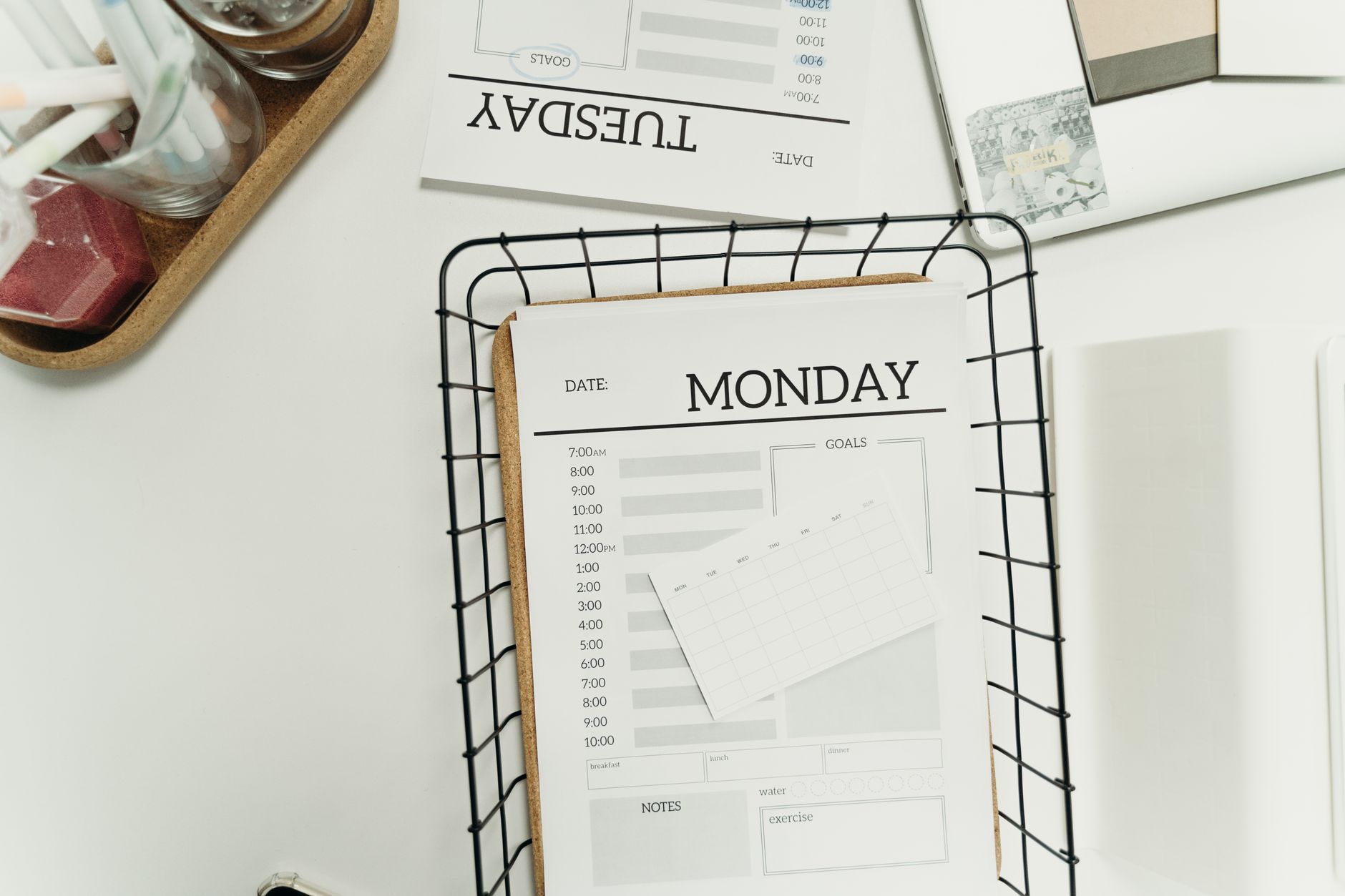
    Weekly planner ready for a sunday night reset ritual to reduce monday anxiety
    Keep your calendar glance simple: two days, one clear first task. Photo by cottonbro studio via Pexels.

    Provenance: Pexels image ID 7428859 by cottonbro studio ΓƒΖ’Γ‚Β’ΓƒΒ’Γ’β‚¬Ε‘Γ‚Β¬ΓƒΒ’Γ’β€šΒ¬Γ‚Β source.

    Late Sunday desk with signs of overwork: a reminder to keep your reset short and gentle
    If your desk looks like this at 10 p.m., stop, breathe, and run the two-song version. Photo by cottonbro studio via Pexels.

    Provenance: Pexels image ID 9063392 by cottonbro studio ΓƒΖ’Γ‚Β’ΓƒΒ’Γ’β‚¬Ε‘Γ‚Β¬ΓƒΒ’Γ’β€šΒ¬Γ‚Β source.

    Sunday night reset questions to ask yourself

    • Name the single most important thing for Monday morning.
    • Pick two small decisions you can remove from tomorrow.
    • Choose a 5ΓƒΖ’Γ‚Β’ΓƒΒ’Γ’β‚¬Ε‘Γ‚Β¬ΓƒΒ’Γ’β€šΒ¬Γ‹Ε“minute tidy that MondayΓƒΖ’Γ‚Β’ΓƒΒ’Γ’β‚¬Ε‘Γ‚Β¬ΓƒΒ’Γ’β€šΒ¬Γ‹Ε“you will appreciate.
    • Decide when you will stop screens tonight and what youÒÒҀő¬ÒҀžÂ’ll do instead.

    Will this help even if my job is unpredictable?

    Yes. Because the ritual focuses on readiness, not on locking down every detail, it helps even when Monday can change. You are removing friction you can control and setting a clear ÒÒҀő¬ÅҀœfirst moveΓƒΖ’Γ‚Β’ΓƒΒ’Γ’β‚¬Ε‘Γ‚Β¬Γƒβ€šΓ‚Β you can adjust if needed.

    If your week starts on a different day or rotates, run the same steps the night before your workweek starts. Keep the order and stop rules; only the timing shifts.

    Optional addΓƒΖ’Γ‚Β’ΓƒΒ’Γ’β‚¬Ε‘Γ‚Β¬ΓƒΒ’Γ’β€šΒ¬Γ‹Ε“ons for your Sunday scaries reset

    Optional addΓƒΖ’Γ‚Β’ΓƒΒ’Γ’β‚¬Ε‘Γ‚Β¬ΓƒΒ’Γ’β€šΒ¬Γ‹Ε“ons can help, but only if they are truly easy:

    • Fill a water bottle and set it by your bag.
    • Write a quick ÒÒҀő¬ÅҀœnot doing this weekΓƒΖ’Γ‚Β’ΓƒΒ’Γ’β‚¬Ε‘Γ‚Β¬Γƒβ€šΓ‚Β line to protect focus.
    • Place one encouraging note on your desk for Monday morning.
    • Stage keys, transit card, and ID badge in one spot.

    Short video to support your Sunday night reset

    If the embed does not load, watch on YouTube: Experiencing Morning Anxiety? Listen Up.

    Who benefits most from a sunday night reset ritual to reduce monday anxiety?

    Professionals who juggle meetings and deep work, managers who carry the emotional tone for a team, and anyone who sleeps poorly on Sunday nights. Because this ritual is brief and nonΓƒΖ’Γ‚Β’ΓƒΒ’Γ’β‚¬Ε‘Γ‚Β¬ΓƒΒ’Γ’β€šΒ¬Γ‹Ε“perfectionist, it fits new parents, caregivers, and students as well.

    Obstacles and fixes

    Obstacle Why it happens Simple fix
    ÒÒҀő¬ÅҀœI forget on Sundays.ΓƒΖ’Γ‚Β’ΓƒΒ’Γ’β‚¬Ε‘Γ‚Β¬Γƒβ€šΓ‚Β No cue or visual trigger in your space Place the basket and notebook where you sit Sunday evening
    ÒÒҀő¬ÅҀœI get sucked into email.ΓƒΖ’Γ‚Β’ΓƒΒ’Γ’β‚¬Ε‘Γ‚Β¬Γƒβ€šΓ‚Β Screen opens too early in the ritual Do analog steps first; open calendar on paper or a lockΓƒΖ’Γ‚Β’ΓƒΒ’Γ’β‚¬Ε‘Γ‚Β¬ΓƒΒ’Γ’β€šΒ¬Γ‹Ε“screen widget only
    ÒÒҀő¬ÅҀœMy partner needs the living room.ΓƒΖ’Γ‚Β’ΓƒΒ’Γ’β‚¬Ε‘Γ‚Β¬Γƒβ€šΓ‚Β Competing routines at the same time Run the two-song timer in the bedroom or kitchen; stretch beside the bed
    ÒÒҀő¬ÅҀœI overΓƒΖ’Γ‚Β’ΓƒΒ’Γ’β‚¬Ε‘Γ‚Β¬ΓƒΒ’Γ’β€šΒ¬Γ‹Ε“clean and run late.ΓƒΖ’Γ‚Β’ΓƒΒ’Γ’β‚¬Ε‘Γ‚Β¬Γƒβ€šΓ‚Β Perfectionism and no stop rule Set a 5ΓƒΖ’Γ‚Β’ΓƒΒ’Γ’β‚¬Ε‘Γ‚Β¬ΓƒΒ’Γ’β€šΒ¬Γ‹Ε“minute timer and stop on the beep; leave the rest
    ÒÒҀő¬ÅҀœKidsÒÒҀő¬ÒҀžÂ’ bedtime runs long.ΓƒΖ’Γ‚Β’ΓƒΒ’Γ’β‚¬Ε‘Γ‚Β¬Γƒβ€šΓ‚Β Your start time slides past windΓƒΖ’Γ‚Β’ΓƒΒ’Γ’β‚¬Ε‘Γ‚Β¬ΓƒΒ’Γ’β€šΒ¬Γ‹Ε“down Shift the ritual earlier; use the two-song version if itÒÒҀő¬ÒҀžÂ’s already late
    ÒÒҀő¬ÅҀœI scroll in bed anyway.ΓƒΖ’Γ‚Β’ΓƒΒ’Γ’β‚¬Ε‘Γ‚Β¬Γƒβ€šΓ‚Β Phone within reach and no replacement habit Charge in another room; set a book or journal on the pillow as a cue
    ÒÒҀő¬ÅҀœI share a room/walls are thin.ΓƒΖ’Γ‚Β’ΓƒΒ’Γ’β‚¬Ε‘Γ‚Β¬Γƒβ€šΓ‚Β Noise and light make it hard to settle Use earplugs, a soft eye mask, and a lamp with a warm bulb
    ÒÒҀő¬ÅҀœI forget meals and buy fast food.ΓƒΖ’Γ‚Β’ΓƒΒ’Γ’β‚¬Ε‘Γ‚Β¬Γƒβ€šΓ‚Β No default choice and low energy in the morning Pick a standing pair (oats + fruit; salad + protein) every Sunday

    Can a sunday night reset ritual to reduce monday anxiety hurt sleep?

    It should help sleep, not hurt it. However, if you start too late or stare at screens during the plan, you may feel wired. Therefore, begin 60ΓƒΖ’Γ‚Β’ΓƒΒ’Γ’β‚¬Ε‘Γ‚Β¬ΓƒΒ’Γ’β€šΒ¬Γ…β€œ90 minutes before bed, keep lights warm, and shut screens when you hit your last step. Evidence links evening blueΓƒΖ’Γ‚Β’ΓƒΒ’Γ’β‚¬Ε‘Γ‚Β¬ΓƒΒ’Γ’β€šΒ¬Γ‹Ε“light exposure with sleep delays (Sleep Foundation), and general sleep hygiene supports a steady windΓƒΖ’Γ‚Β’ΓƒΒ’Γ’β‚¬Ε‘Γ‚Β¬ΓƒΒ’Γ’β€šΒ¬Γ‹Ε“down (CDC). If sleep is often poor, consider whether caffeine, late meals, or stress are factors and adjust gently.

    Printable checklist

    Print this section or copy it to a single page. Check each box on Sunday night. Keep it easy.

    • [ ] Start soft lamp; play a calm playlist
    • [ ] 5ΓƒΖ’Γ‚Β’ΓƒΒ’Γ’β‚¬Ε‘Γ‚Β¬ΓƒΒ’Γ’β€šΒ¬Γ‹Ε“minute basket tidy: entry, desk, kitchen
    • [ ] Wipe desk; clear chair for MondayΓƒΖ’Γ‚Β’ΓƒΒ’Γ’β‚¬Ε‘Γ‚Β¬ΓƒΒ’Γ’β€šΒ¬Γ‹Ε“you
    • [ ] Calendar glance: Monday + Tuesday
    • [ ] OneΓƒΖ’Γ‚Β’ΓƒΒ’Γ’β‚¬Ε‘Γ‚Β¬ΓƒΒ’Γ’β€šΒ¬Γ‹Ε“line Monday plan: __________________________
    • [ ] Outfit set (top to socks) on the hook/chair
    • [ ] Breakfast and lunch pre-commit
    • [ ] 5ΓƒΖ’Γ‚Β’ΓƒΒ’Γ’β‚¬Ε‘Γ‚Β¬ΓƒΒ’Γ’β€šΒ¬Γ‹Ε“minute gentle stretch + slow breath
    • [ ] Phone to Do Not Disturb; last screen time set
    • [ ] Optional 3ΓƒΖ’Γ‚Β’ΓƒΒ’Γ’β‚¬Ε‘Γ‚Β¬ΓƒΒ’Γ’β€šΒ¬Γ‹Ε“minute microΓƒΖ’Γ‚Β’ΓƒΒ’Γ’β‚¬Ε‘Γ‚Β¬ΓƒΒ’Γ’β€šΒ¬Γ‹Ε“journal

    Tip: Clip this to your fridge or place it on your desk. Because visibility drives behavior, a simple paper cue boosts followΓƒΖ’Γ‚Β’ΓƒΒ’Γ’β‚¬Ε‘Γ‚Β¬ΓƒΒ’Γ’β€šΒ¬Γ‹Ε“through.

    FAQ

    What if my Sunday evenings are already packed?

    Run the two-song timer. You will still get the biggest wins (a quick tidy, a one-line plan, and a phone boundary). Because consistency matters more than duration, the short version protects your Monday without stealing your evening.

    Does a sunday night reset ritual to reduce monday anxiety replace therapy or medical care?

    No. It is a practical routine for organization, sleepΓƒΖ’Γ‚Β’ΓƒΒ’Γ’β‚¬Ε‘Γ‚Β¬ΓƒΒ’Γ’β€šΒ¬Γ‹Ε“friendly choices, and stress reduction. If anxiety disrupts your life or sleep often, consider talking with a licensed clinician. In addition, use reputable health resources to learn more about stress and coping (APA: Stress).

    How long until I notice a difference?

    Many people feel lighter after the first run because clutter drops and the first task is clear. Also, after 2ΓƒΖ’Γ‚Β’ΓƒΒ’Γ’β‚¬Ε‘Γ‚Β¬ΓƒΒ’Γ’β€šΒ¬Γ…β€œ3 Sundays, you will likely notice calmer Monday mornings as the habit sticks and sleep improves.

    Should I avoid screens on Sunday night?

    As much as you can. Dim lights and switch to analog windΓƒΖ’Γ‚Β’ΓƒΒ’Γ’β‚¬Ε‘Γ‚Β¬ΓƒΒ’Γ’β€šΒ¬Γ‹Ε“down 60ΓƒΖ’Γ‚Β’ΓƒΒ’Γ’β‚¬Ε‘Γ‚Β¬ΓƒΒ’Γ’β€šΒ¬Γ…β€œ90 minutes before bed. Because blue light can suppress melatonin, this helps you fall asleep and wake more refreshed (Sleep Foundation).

    What if I work nonΓƒΖ’Γ‚Β’ΓƒΒ’Γ’β‚¬Ε‘Γ‚Β¬ΓƒΒ’Γ’β€šΒ¬Γ‹Ε“traditional hours?

    Shift the ritual to the night before your ÒÒҀő¬ÅҀœMondayΓƒΖ’Γ‚Β’ΓƒΒ’Γ’β‚¬Ε‘Γ‚Β¬Γƒβ€šΓ‚ΒΓƒΖ’Γ‚Β’ΓƒΒ’Γ’β‚¬Ε‘Γ‚Β¬ΓƒΒ’Γ’β€šΒ¬Γ‚Βwhatever day starts your workweek. Keep the same flow and stop rules; only the day changes.

    Putting it together tonight

    Choose your versionΓƒΖ’Γ‚Β’ΓƒΒ’Γ’β‚¬Ε‘Γ‚Β¬ΓƒΒ’Γ’β€šΒ¬Γ‚Βfull flow or two-song timerΓƒΖ’Γ‚Β’ΓƒΒ’Γ’β‚¬Ε‘Γ‚Β¬ΓƒΒ’Γ’β€šΒ¬Γ‚Βand pick a start time that ends at least 60 minutes before bed. Then follow the steps and stop on the timer. Finally, move to a calm, screenΓƒΖ’Γ‚Β’ΓƒΒ’Γ’β‚¬Ε‘Γ‚Β¬ΓƒΒ’Γ’β€šΒ¬Γ‹Ε“free windΓƒΖ’Γ‚Β’ΓƒΒ’Γ’β‚¬Ε‘Γ‚Β¬ΓƒΒ’Γ’β€šΒ¬Γ‹Ε“down. When you wake, you will have fewer choices to make and a clear first step.

    • IfΓƒΖ’Γ‚Β’ΓƒΒ’Γ’β‚¬Ε‘Γ‚Β¬ΓƒΒ’Γ’β€šΒ¬Γ‹Ε“then plan: ÒÒҀő¬ÅҀœIf itÒÒҀő¬ÒҀžÂ’s 8:45 p.m., then I start the reset.ΓƒΖ’Γ‚Β’ΓƒΒ’Γ’β‚¬Ε‘Γ‚Β¬Γƒβ€šΓ‚Β
    • Habit pair: attach the ritual to an existing cue (after dishes, before skincare).
    • Visible cue: place the basket and notebook in your favorite chair at noon on Sunday.
    • Floor version: when tired, do the two-song timer and stop.
    • Morning review: glance at your one-line plan with your first sip of coffee.

    Helpful next steps

    Sources and further reading


    Start your sunday night reset ritual to reduce monday anxiety tonight. Keep it short, kind, and consistent. Your future self will feel the difference Monday morning.

    Helpful resources for your next step

    Affiliate disclosure: As an Amazon Associate, Mind Clarity Hub may earn from qualifying purchases at no extra cost to you. Use this link only if it genuinely helps your planning.

    If A Calm Sunday Night Reset to Ease Monday Anxiety is a routine you want to keep using, a simple workbook, planner, or desk tool can make the steps easier to repeat.

    Compare related planners, workbooks, and organization tools on Amazon.

  • After-School Transition Routine for Neurodivergent Kids

    After-School Transition Routine for Neurodivergent Kids

    School asks a lot from kids. When your child walks in the door, the switch to home can be the hardest part. This guide gives you an after-school transition routine for neurodivergent kids that lowers stress and fits real life. You will set up a gentle landing, meet sensory needs, and still make room for homework, play, and sleep.

    Quick answer and key takeaways

    • Start with planned sensory decompression. A calm landing prevents the afternoon β€œcollapse.”
    • Use a simple snack–hydrate–move sequence before any demands.
    • Create visual schedule cards so the plan is predictable and easy to follow.
    • Pick a homework start time that matches your child’s regulation window, not a one-size-fits-all rule.
    • Keep transitions short, clear, and consistent with first–then cues and timers.

    Why do kids fall apart after school?

    Many families see a late-day β€œcrash” when kids get home. Understood.org calls this restraint collapse and recommends a planned break before any demands. This is not β€œbad behavior.” It is the nervous system asking for recovery after hours of effort, masking, noise, and social load. A planned landing is kinder and more effective than lectures or consequences.

    Learn more about restraint collapse and why a buffer helps at Understood: Restraint collapse: Why kids fall apart after school.

    after-school transition routine for neurodivergent kids starting from the school hallway walk
    After a full day, the hallway walk from school to home is often the most fragile window. Photo: Norma Mortenson via Pexels.

    How to build an after-school transition routine for neurodivergent kids

    Think of your plan as a repeatable sequence, not a rigid schedule. The goal is to reduce demands at first, meet core needs, and then add structure. Your after-school transition routine for neurodivergent kids should be short, visible, and co-created with your child when possible. Because you will test and adjust, it can stay flexible and humane.

    Step 1: Create a predictable arrival anchor for your after-school routine for neurodivergent children

    Set a small, consistent ritual the moment you meet your child. For example: β€œHi, I’m glad you’re here. Shoes in the bin, backpack on the hook, then water.” Use the same words each day. Also, try a β€œdoor-to-core” path: door β†’ hook β†’ bathroom β†’ cozy corner. Use one micro-task at a time instead of multi-step directions; keep your voice warm, choices simple, and pace slow; and when your child is dysregulated, skip open-ended questions and give clear, kind prompts. This steady arrival cue helps your after-school transition routine for neurodivergent kids begin on rails.

    Step 2: Sensory decompression in your after-school transition plan for neurodivergent kids

    Plan 10–30 minutes where there are no demands, no homework talk, and no problem-solving. This is a reset window to meet sensory and nervous system needs. Understood.org highlights decompression as a first-line support after school because many kids have held it together for hours. Offer a quieter or low-stimulation space with softer light and reduced noise, provide a small kit (headphones, preferred fidgets, a weighted lap pad, or a favorite book or show with a pre-set timer), allow stimming and movement as self-regulation, and show the break’s start and end with a visual. These fast tweaks keep your after-school transition routine for neurodivergent kids from stalling at the very first step.

    For evidence on visual supports that make transitions safer and easier, see the AFIRM module: Visual Supports.

    Step 3: Use the snack–hydrate–move sequence in the after-school routine for neurodivergent children

    After decompression, meet basic needs in a simple three-part routine. Blood sugar, hydration, and proprioceptive input can change the rest of the day. A short series like this is quick, predictable, and effective.

    Snack–Hydrate–Move menu (mix and match 10–20 minutes total)
    Step Options Notes
    Snack Yogurt and fruit; cheese and crackers; hummus with pita; nut/seed butter toast; crunchy veggies and dip Pair protein with carbs for steadier energy. Keep choices narrow (2 options).
    Hydrate Water; seltzer; milk; herbal iced tea Offer a favorite cup or straw. Put water where it’s easy to see and grab.
    Move 10 jump-jacks; wall push-ups; animal walks; mini-trampoline; short scooter or swing Use proprioceptive (β€œheavy work”) input to settle the nervous system.

    Keep it light. Do not add conversation about the school day unless your child invites it. If you need to know something urgent, wait until after movement. With this simple trio, the after-school transition routine for neurodivergent kids becomes easier to enter and to sustain.

    Step 4: Pick the right homework timing for the after-school transition plan for neurodivergent kids

    There is no single best time to start homework for every child. CHADD notes that some kids do best after a short break, while others need a longer gap or a start-before-dinner slot. The American Academy of Pediatrics also suggests families test different start times and keep the one that leads to the least friction and most follow-through.

    See CHADD’s school toolkit: A Back-to-School Toolkit, and AAP’s homework habits: Developing Good Homework Habits.

    Homework start-time options: compare and choose
    Option Best when… Watch-outs
    Immediate (within 10–15 min of snack) Your child warms up quickly after a brief reset and prefers β€œdone-then-play.” Skip this if your child is still dysregulated or hungry/tired.
    After a 30–45 min break You see restraint collapse and need a fuller decompression and movement window. Set a visible start cue to avoid drifting past the window.
    Before dinner Afternoons are packed and regulation rises again at this time. Plan for a short session and a small reset before the meal.
    After dinner Evening is calmer and your child focuses better later. Guard sleep. Keep this slot short and wrap at least one hour before bedtime.

    Whichever timing you choose, lead with a micro-task to build momentum: open backpack, lay out materials, or answer one warm-up problem. Then alternate 10–15 minutes of work with 2–5 minute movement or sensory breaks. In practice, this keeps the after-school transition routine for neurodivergent kids doable on busy days.

    Step 5: Build a visual schedule with simple cards for an after-school routine for neurodivergent children

    Visuals reduce anxiety and working-memory load. They show what is happening now and what is next without extra talking. The AFIRM visual supports module recognizes visuals as an evidence-based practice for autistic learners, and many families see the same benefits at home. Make 6–10 reusable cards (Arrive, Decompress, Snack, Hydrate, Move, Plan, Homework, Play, Reset, Wind Down), use pictures or plain text with a small checkbox, show only the next 2–3 steps at once, and pair the strip with a friendly timer and first–then language. When visuals are simple, your after-school transition routine for neurodivergent kids becomes more predictable and less confrontational.

    Tip: Print cards on thick paper or use sticky notes on a whiteboard. Your after-school transition routine for neurodivergent kids works best when it is visible and flexible.

    Step 6: Make transitions short and kind in an after-school transition plan for neurodivergent kids

    Every handoff is a stress point, so use the smallest helpful prompt with a warm tone. Try first–then cues (β€œFirst shoes, then water”), offer two simple options when possible (β€œBlue timer or green?”), give concrete countdowns (β€œIn 3 we switch to snack… 1, 2, 3”), and co-regulate with slow breaths and a calmer voice. Gentle scaffolds like these keep your after-school transition routine for neurodivergent kids moving without power struggles.

    How long should decompression last in your after-school transition routine for neurodivergent kids?

    Start with 10–15 minutes and test your child’s zone. Some kids need a full 30 minutes. Keep the end visible with a card and timer. If your child is still struggling at the end, add a short movement burst before the next step.

    What if school days change or there is an activity in the after-school routine for neurodivergent children?

    Keep the sequence, flex the timing. On club or therapy days, shorten decompression to 10 minutes and favor movement. Use a travel version of the plan with a water bottle, portable snack, and one movement option (e.g., wall push-ups or a short walk) before you head out again. A simple two-step visual (First-Then) taped to the car seat back can help.

    When should you talk about the day in an after-school transition plan for neurodivergent kids?

    Save β€œhow was your day?” for later unless your child brings it up. Try a feelings scale at dinner or bedtime instead, when your child has recovered. For example, β€œThumb scale from 1 to 5: how was your day?” Attach no pressure to share more.

    Use this 60–90 minute template for your after-school transition routine for neurodivergent kids

    As a starting point, try this flow: 0–10 minutes arrive, greet, and sip water; 10–30 minutes sensory decompression with a clear timer; 30–45 minutes snack–hydrate–move in quick succession; 45–60 minutes plan the next block with two choices; 60–90 minutes a short, focused work or play block with micro-breaks. Adjust durations to your child and your weekday. The more predictable the sequence, the fewer prompts you will need.

    How to set up the environment for success in your after-school routine for neurodivergent children

    Shape the space so regulation is easier: soften lighting and reduce background noise, offer headphones, and give a comfy-change option like soft socks or sweats. Set up a backpack station (hook + bin + paper tray) for one motion per item, place two ready snacks at eye level to cut decision fatigue, mark a small movement corner (yoga mat, resistance band, or mini-trampoline), and mount a visual hub (whiteboard or magnetic strip) where schedule cards and timers live. With the setting aligned, your after-school transition routine for neurodivergent kids will feel smoother before you even start.

    How to choose a homework slot that actually works in an after-school transition plan for neurodivergent kids

    Use a short trial week. Note behavior and ease of starting at each time. Then pick the lowest-friction slot. Your after-school transition routine for neurodivergent kids is a living plan: change it when new data appears. Because you are testing, not guessing, buy-in rises and arguments fall.

    One-week homework timing experiment
    Day Slot tried Ease of start (1–5) Focus (1–5) Mood after (1–5) Notes
    Mon After 30-min break
    Tue Immediate after snack
    Wed Before dinner
    Thu After dinner
    Fri No academic work; long play
    Children playing chess during a calm, focused after-school block
    A calm, short focus block after a reset often beats a long, forced session. Photo: Anastasia Shuraeva via Pexels.

    What if a meltdown happens anyway?

    Plan for it so you are not surprised. Lower demands, protect safety, and co-regulate. When calm returns, repair connection. Skip lectures. Later, adjust the routine: longer decompression, a different homework slot, or a simpler visual plan. This stance keeps your after-school transition routine for neurodivergent kids compassionate and steady even when a day goes sideways.

    If the embed is blocked, watch on YouTube: Managing Child Meltdowns & Tantrums.

    Evening wind-down matters for tomorrow

    Good sleep starts in the afternoon. The CDC recommends school-age children get 9–12 hours and teens get 8–10 hours of sleep. A consistent bedtime routine helps. Dim lights 1–2 hours before bed, limit intense screens late, and use the same two to three wind-down steps every night. Better sleep makes the next day’s after-school transition routine for neurodivergent kids easier to follow.

    See CDC guidance: How Much Sleep Do I Need?

    Sample scripts you can try today

    • Arrival: β€œHi! I’m glad you’re home. Shoes in bin, backpack on hook, then water.”
    • Decompress: β€œTimer for 15. Cozy corner or headphonesβ€”your pick.”
    • Snack–hydrate–move: β€œFirst snack or water? Then 10 jumps.”
    • Homework: β€œWe’ll do 10 minutes, then 2-minute break. You choose marker or pencil.”
    • Wind down: β€œFirst teeth, then book, then lights. I’ll sit by you while you settle.”

    Visual schedule cards: a quick DIY

    Make a one-page strip or individual cards. Keep text short and readable. The AFIRM resource shows how to design and teach visuals step-by-step. Test your set for one week and revise.

    Card text ideas for a home after-school strip
    Card Icon/picture idea Notes
    Arrive Door or backpack β€œShoes β†’ Hook β†’ Water”
    Decompress Headphones or cozy chair β€œTimer 15”
    Snack Apple or bowl Two options only
    Hydrate Water bottle Keep at eye level
    Move Jumping icon 10 reps
    Plan Checklist Pick next block
    Homework Pencil 10–15 min + break
    Play Blocks or game Set a timer
    Reset Breath icon 2–5 min
    Wind Down Moon/book Bedtime strip next

    How to adapt the plan to your child in an after-school routine for ADHD and autistic kids

    For kids who need more movement in the after-school routine for ADHD and autistic kids

    Double the movement block and shorten snack time, fold in β€œheavy work” chores like carrying laundry or pushing a vacuum, and alternate seated work with standing or floor options. When the body feels settled, the brain follows.

    For kids who avoid demands when anxious in the after-school transition plan for neurodivergent kids

    Lean on first–then language with two choices, start with one tiny task to lower threat and build confidence, and use visual timers so the end is clear. Small wins stack up and reduce avoidance next time.

    For attention and executive function challenges in an after-school routine for neurodivergent children

    Externalize each step with visible cards and checkboxes, stage materials first (open backpack, find planner, lay out supplies), and use short sprints with micro-breaks while praising starts and restarts. Clarity plus pace beats long, vague blocks.

    For sensory sensitivity in the after-school routine for ADHD and autistic kids

    Adjust light, sound, and textures; soft clothes can help regulation. Offer noise-reducing headphones and a grounding seat option. Keep smells gentle at snack time and avoid overwhelming flavors if needed. Sensory comfort lowers pushback across the whole flow.

    How we keep the routine humane and durable in your after-school transition routine for neurodivergent kids

    Co-create the plan when everyone is calm and revisit it weekly. Measure success by easier starts and better mood, not just minutes worked. When life changes (a new activity or teacher), update the schedule cards to match. This shared, iterative approach keeps the plan resilient.

    Common pitfalls and simple fixes in your after-school transition routine for neurodivergent kids

    A few traps show up often: starting homework talk at the door (decompress first); offering too many choices (limit to two); running long work blocks (use short sprints with set micro-breaks); keeping the plan invisible (post schedule cards where your child looks); and working too late (end academics at least one hour before bed to protect sleep). Tuning these five areas usually brings fast relief.

    Do you need teacher or team input for your after-school transition routine for neurodivergent kids?

    Sometimes, yes. If afternoons are very hard, ask the teacher about end-of-day supports. A calmer backpack pack-up, fewer last-minute demands, or a visual exit plan can help. Align your home plan with the IEP/504 so expectations match across settings and your child feels the same β€œflow” from school to home.

    How to review and iterate weekly on the after-school transition routine for neurodivergent kids

    Set a 10-minute Sunday check-in. Ask what felt easy and hard, swap one card if needed (for example, longer move, shorter snack), reset the visual strip, prep snacks and water bottles, and confirm the homework slot for each day. Change one variable at a time so you can see what worked.

    What data should you track quickly in an after-school transition plan for neurodivergent kids?

    Keep tiny notes on ease of start (1–5), regulation before and after (1–5), number of adult prompts, and total minutes in meltdown or conflict. Two weeks of simple scores often reveal the best homework slot and which supports matter most.

    Where to get more practical tools for your after-school transition routine for neurodivergent kids

    For deeper strategy checklists and caregiver-friendly tools, see our Books Hub. We highlight practical reads and tools you can use today. Also, visit our Reviews Hub for hands-on summaries and selection criteria that save time.

    Will this plan still work on β€œoff” days? Your after-school transition routine for neurodivergent kids

    Yes, with grace and trimming. On rough days, use only three steps: Decompress β†’ Snack/Hydrate/Move β†’ Wind Down. Save homework for the best window of the week. Your after-school transition routine for neurodivergent kids is a guide, not a test.

    FAQ: Caregiver questions about the after-school transition routine for neurodivergent kids

    How long should a full routine take?

    Plan 60–90 minutes from arrival through the first work or play block. Shorten on activity days. The right length keeps everyone calm and protects sleep.

    What if my child refuses the visual schedule?

    Start smaller. Show only two steps at a time. Let your child choose the card order for the next block. Praise using the cards, not perfect results.

    Can siblings follow the same flow?

    Yes. Share the same big steps but give each child two personal choices (snack option, movement pick, focus tool). Predictability helps everyone.

    How do I explain this to teachers?

    Share a one-page summary: decompression, snack-hydrate-move, homework slot, visuals used. Ask if an end-of-day visual and calmer pack-up can match at school.

    Is more homework always better?

    No. AAP suggests balanced expectations and quality over quantity. A short, calm session beats a long, tense one. Protect sleep and connection.

    Summary: Keep your after-school transition routine for neurodivergent kids visible, short, and kind

    Calmer afternoons start with a humane plan. Use decompression first, then the snack–hydrate–move trio, and keep a visible schedule. Choose homework timing by data, not habit, and review weekly. With small, steady tweaks, your after-school transition routine for neurodivergent kids will feel lighter for the whole family.

    Helpful resources for your next step

    Affiliate disclosure: As an Amazon Associate, Mind Clarity Hub may earn from qualifying purchases at no extra cost to you. Use this link only if it genuinely helps your planning.

    If After-School Transition Routine for Neurodivergent Kids is a routine you want to keep using, a simple workbook, planner, or desk tool can make the steps easier to repeat.

    Compare related planners, workbooks, and organization tools on Amazon.

  • Create a Sleep Sanctuary: Declutter Plan for Small Bedrooms

    Create a Sleep Sanctuary: Declutter Plan for Small Bedrooms

    Want faster, deeper rest without moving walls? This sleep sanctuary declutter plan for small bedrooms shows you exactly what to do in one focused hour, plus how to keep it tidy for good. You will clear surfaces, set rules for under-bed storage, reduce light and noise, and shape a room that signals sleep on sight.

    Because space is tight, every move must count. You will start with the bed, stage a fast closet sweep, reset the nightstand, and finish with light, noise, and air tweaks that support healthy sleep. Also, you will get checklists, a 60-minute walkthrough, and simple rules to keep clutter gone.

    Key takeaways from a small bedroom sleep sanctuary plan

    • Start with the bed and floor, then work clockwise in zones to avoid backtracking.
    • Use a strict in-or-out rule for the nightstand and under-bed items.
    • Block light and dull noise to help your brain link the room with sleep.
    • Keep temperature cool and textiles dust-safe to support easier breathing.
    • Label one home for each item so resets take under five minutes.

    What is a sleep sanctuary declutter plan for small bedrooms?

    It is a short, clear sequence that removes visual noise, trims belongings to essentials, and sets environmental cues that support sleep. In a small room, you do not have space to β€œstash and hope.” Instead, you reduce the total item count, then give each item one labeled home. As a result, your room looks calm and stays that way with quick daily resets.

    Health guidance supports the approach. CDC guidance advises a quiet, relaxing, and cool bedroom for better sleep (CDC). Sleep Foundation notes that many adults sleep best near 65Β°F (18Β°C) (Sleep Foundation). WHO (Europe) recommends very low bedroom noise at night (aim under 30 dB) (WHO Europe). You will apply these ideas as you declutter.

    Fast start: 60-minute small bedroom sleep sanctuary plan

    Use this sleep sanctuary declutter plan for small bedrooms when you want results today. Set a timer and follow the timeline. Keep one laundry bag for trash, one for donate, and one box for β€œre-home elsewhere.”

    One-hour small bedroom reset
    Time Task Goal
    00–10 min Make the bed tight. Pull anything off the bed and floor into staging piles (bed, donate, trash, elsewhere). Instant order and clear work zone.
    10–20 min Nightstand sweep. Keep lamp, water, book, sleep mask, and charger only. Remove cosmetics, paperwork, and snacks. Cut visual noise by half.
    20–30 min Closet first pass. Pull obvious non-seasonal or unused items. Bag donate/elsewhere. Free 15–20% hanging space.
    30–40 min Under-bed rules. Remove loose items. Load only sealed, labeled bins (seasonal, spare linens, keepsakes). Dust-safe storage and easy cleaning.
    40–48 min Surface reset. Clear dresser top to three items max. Hang hooks for daily bag/robe if needed. Flat, calm sightlines.
    48–55 min Light + noise. Close blackout curtains, place draft stoppers, set white-noise level. Darker, quieter room.
    55–60 min Final sweep. Vacuum paths, empty trash, place donate bag near the door. Clean finish and exit plan.

    Pro tip: stage donate and trash outside the room at the 30-minute mark. That small move prevents backsliding and keeps the path clear.

    Zone-by-zone sleep sanctuary declutter plan for small bedrooms

    Work clockwise so you only touch each spot once. Keep decisions fast and simple.

    Zone 1: The bed is your anchor

    • Make it first. A tight bed gives you a clear table-height surface to sort.
    • Use one duvet, two pillows for sleepers, and one accent at most.
    • Store spare sets in a single under-bed bin labeled β€œLinens.”

    For allergy relief, wash sheets weekly in hot water (at least 130Β°F/54Β°C) and consider mattress and pillow encasements. Mayo Clinic and AAAAI both note these steps can help control dust-mite exposure (Mayo Clinic; AAAAI).

    Contemporary small bedroom with calm surfaces following a sleep sanctuary declutter plan for small bedrooms
    Clear surfaces and simple lines help your brain link the room with sleep. Photo: Pixabay via Pexels.

    Media provenance: Contemporary bedroom decor with blue tones, modern furniture, and bright lighting. Source: Pexels. Photographer: Pixabay.

    Zone 2: Nightstand essentials only

    • Keep: lamp, a book or e-reader, water, sleep mask, charger.
    • Remove: mail, meds not used nightly, makeup, cords, snacks.
    • Use a shallow tray to corral tiny items. Label the drawer dividers.

    Blue light from phones can delay melatonin. Therefore, try a 30–60 minute screen curfew. See Harvard Health for why blue light at night can disrupt sleep.

    Zone 3: Closet first pass, then refine

    • Pull anything you have not worn in 12 months unless it is formal wear.
    • Group by use: sleepwear, work, workout, outerwear.
    • Use slim hangers and one small bin for accessories.

    Because space is finite, set a cap per category. For example, limit sleep tees to five. Label each shelf or bin so the limit is clear.

    Zone 4: Under-bed storage

    • Only sealed bins. No loose bags or piles.
    • Categories allowed: off-season clothes, linens, keepsakes.
    • Front labels large enough to read while standing.

    In your sleep sanctuary declutter plan for small bedrooms, treat the under-bed like a mini-closet. If you would not store it in a closet, it probably does not belong here either.

    Zone 5: Dresser top and wall hooks

    • Maximum three items on the dresser top (for example, lamp, plant, tray).
    • Mount one or two hooks behind the door for a robe or bag.
    • Do not start a β€œchair pile.” If it touches the chair, it must be hung or washed.

    Zone 6: Windows, light, and airflow

    • Hang blackout curtains or a tight-fitting shade.
    • Use a draft stopper to reduce outside noise and keep the room cool.
    • Open windows during the day for fresh air if outdoor air is clean.

    CDC suggests a quiet, relaxing, cool room. Blackout and mild white noise can help you hit those marks without a remodel.

    Under-bed storage rules for a small bedroom sleep sanctuary plan

    This section sets simple, durable rules you can follow without thinking. A sleep sanctuary declutter plan for small bedrooms depends on low-friction habits like these.

    1. Only sealed containers go under the bed.
    2. Every bin gets one large exterior label.
    3. Categories must be single-purpose per bin.
    4. Quarterly review: pull bins, vacuum, re-label if needed.
    5. One-in, one-out: if a bin is full, remove something before adding.
    Under-bed container options and best uses
    Container Best for Why it works Watch-outs
    Low-profile lidded bin Linens, off-season clothes Seals dust, slides easily Measure bed clearance first
    Soft zippered storage bag Bulky textiles Flexible and lightweight Less rigid; avoid overstuffing
    Rolling drawer Daily-use shoes Quick access Needs a stop so it does not roll out
    Vacuum-seal bag in bin Rarely used clothing Maximizes space Not ideal for frequent access

    Measurement tip: measure the bed from floor to rail in three places. Use the smallest number and subtract 1 inch (2.5 cm). That is your max bin height.

    Cut light and noise fast in your small bedroom sleep sanctuary plan

    Light and sound shape how alert you feel. A sleep sanctuary declutter plan for small bedrooms must control both.

    • Blackout: Choose lined curtains or cellular shades that fit tight. Seal side gaps with magnetic tape or side tracks.
    • Noise: Set white noise to a steady, low volume. WHO (Europe) notes bedrooms should be very quiet at night; keep the machine just loud enough to mask sudden sounds.
    • Tech curfew: Dim screens and stop 30–60 minutes before bed. Harvard Health explains how blue light can shift circadian timing.
    • Temperature: Sleep Foundation reports many sleep best around 65Β°F (18Β°C). Adjust bedding layers, not just the thermostat.

    Best temperature for a small bedroom sleep sanctuary plan

    Most adults sleep best near 65Β°F (18Β°C), with a common comfort range from about 60–67Β°F (15.5–19.5Β°C). If your room runs warm, use lighter bedding and a breathable mattress protector. If it runs cool, add a light layer you can shed at night. See the Sleep Foundation guidance for details.

    Air and allergens in a small bedroom sleep sanctuary plan

    Dust and allergens affect comfort and can disturb sleep. Weekly hot washes of sheets and encasing pillows and the mattress can help reduce exposure. The Mayo Clinic and AAAAI offer bedroom-focused tips.

    Simple bedroom textile care schedule
    Item Frequency Notes
    Sheets + pillowcases Weekly Hot water β‰₯130Β°F (54Β°C)
    Duvet cover Every 2–4 weeks Check care label
    Blankets/throws Monthly Hot wash when safe
    Pillow + mattress encasements Quarterly Zip fully after wash
    Rug (if any) Weekly vacuum Skip rugs in very small rooms if possible

    Tiny bedroom declutter in 60 minutes: sleep-focused small bedroom declutter

    Follow the hour plan above, and set strict limits. Use a timer for each zone. Make yes/no decisions only; no β€œmaybe” pile. Finally, walk the donate bag to the door so it leaves the home this week.

    Tools that support your small bedroom sleep sanctuary plan

    We focus on low-cost, durable, and multi-use tools that keep the room dark, quiet, cool, and dust-safe without adding clutter. We avoid hype and pick based on function and fit in small spaces.

    • Blackout curtains or cellular shades with tight side seals.
    • Low-profile under-bed lidded bins that fit your bed clearance.
    • A compact, steady white-noise machine with volume memory.
    • Labels you can read while standing.

    Note: For sleep-hygiene ideas and quick environment changes, MedlinePlus offers practical tips (like eye masks and earplugs) that can complement decluttering.

    Under-bed storage that fits a small bedroom sleep sanctuary plan

    Choose rigid lidded bins for a cleaner seal and easier sliding. Bags work for bulky textiles but can snag and shift. Always label and keep categories simple so you can return items fast. If you reach for something weekly, consider moving it to the closet instead.

    Calm bed surface that supports a sleep sanctuary declutter plan for small bedrooms
    Flat, clear surfaces make daily resets fast and help your mind downshift. Photo: Kaboompics via Pexels.

    Media provenance: A minimalist scene of a laptop on a textured bed with pillows, capturing a relaxed and modern atmosphere. Source: Pexels. Photographer: www.kaboompics.com.

    Light-blocking options for a small bedroom sleep sanctuary plan

    Ways to darken a small bedroom
    Option Install complexity Light-blocking Best for
    Blackout curtains Low High Renters; quick wins
    Cellular blackout shade Medium High Tight window frames
    Side tracks + shade Medium Very high Bright streetlights
    Eye mask Zero Varies Travel or extra backup

    Mistakes that break a small bedroom sleep sanctuary plan

    • Storing open baskets under the bed (dust magnets).
    • Stacking decorative pillows you move every night.
    • Buying bins before you measure bed clearance.
    • Using the chair as a hamper stand-in.
    • Keeping more than three items on any surface.
    • Skipping labels. Skipping labeling can break a sleep sanctuary declutter plan for small bedrooms.

    White noise choices for your small bedroom sleep sanctuary plan

    You can test with a phone first to learn your preferred sound and volume. Then, if it helps, choose a small dedicated unit without notifications or ads. Keep volume steady and low. The goal is to mask peaks in noise, not to blast the room.

    Small-room makeover for sleep sanctuary ideas

    If the embed does not load, watch here: EXTREME SMALL BEDROOM MAKEOVER: Boho to Minimal.

    Layout and flow for a small bedroom sleep sanctuary plan

    Good flow reduces friction at night and in the morning. Aim for one clear path from the door to the bed, then to the closet. If possible, leave at least 24 inches (61 cm) of walking space along one bed side. When that is not possible, clear the foot of the bed and keep the path straight.

    Measure first, then choose storage

    • Door swing: open your bedroom and closet doors and note where handles land. Keep those arcs clear.
    • Bed height: measure floor to rail and floor to mattress top. Pick bins that fit under the rail, not just the mattress.
    • Drawer reach: open any dresser drawers. If they hit the bed, slide the dresser two inches and re-test.

    Clear sightlines and calm color

    • Keep tall items off the nightstand. Short and simple looks calmer.
    • Limit art above the bed to one piece. Choose soft tones or a plain textile.
    • Use one accent color around the room to tie things together.

    Single-purpose zones beat multi-use

    • Desk in the bedroom? Keep it paper-free after 7 pm. Put a cover or cloth over it at night.
    • Workout gear? Store in one bin, not on the floor. Pull it out in the morning only.
    • Hobby items? Move to a shared area if possible; if not, limit to one labeled box.

    7-day micro-resets to lock in gains

    Short daily moves will protect your one-hour reset. Each takes five minutes or less and pairs well with brushing your teeth or setting an alarm.

    • Day 1: Nightstand tray reset. Remove any extras, wipe, and relabel.
    • Day 2: Dresser top. Return items to the three-item limit.
    • Day 3: Closet edit. Remove two items you never wear.
    • Day 4: Under-bed audit. Slide out bins, vacuum edges, and re-stack.
    • Day 5: Light and noise check. Adjust curtain gaps and verify noise level.
    • Day 6: Bedding refresh. Swap pillowcases or air out pillows by a window.
    • Day 7: Mini floor sweep. Pick up anything out of place and put it home.

    Repeat weekly. You can also schedule a calendar reminder titled β€œ5-minute sleep sanctuary reset.” It keeps the habit visible.

    Troubleshooting: tiny bedroom declutter for better sleep

    No closet at all

    • Use a small wardrobe rack with a fabric cover to block light and dust.
    • Hang only the current week’s outfits. Store the rest in under-bed bins.
    • Place shoes in a shallow lidded bin to keep floors clear.

    Platform or loft bed

    • Platform drawers? Assign one per category (linens, off-season, keepsakes).
    • Loft? Use a curtain or fabric panel to hide visual noise below.
    • Add a stick-on LED under the loft to reduce nighttime stumbles.

    Shared studio

    • Use a curtain or bookcase as a soft divider. Keep the sleep side minimal.
    • Routines matter more. Do the five-minute reset before bed every night.
    • Choose a white-noise machine with a narrow sound profile to avoid masking alarms.

    Window light leaks

    • Close side gaps with adhesive side tracks or magnetic tape.
    • Add a tension rod above the shade to hold a blackout valance.
    • As backup, keep a comfortable eye mask by the nightstand.

    Thin walls or hallway noise

    • Seal door gaps with a draft stopper. Add weatherstripping if allowed.
    • Place a soft rug or runner to dampen footstep echoes.
    • Set white noise just high enough to mask sudden peaks, not constant hums.

    When issues stack up, return to basics. Your sleep sanctuary declutter plan for small bedrooms works best when surfaces are clear, bins are sealed, and the room goes dark and quiet on demand.

    Budget checklist: use what you have first

    • Repurpose shoe boxes inside drawers as dividers. Label the fronts.
    • Use binder clips to hold curtain edges tight against the wall at night.
    • Fold a towel as a temporary draft stopper at the door base.
    • Make large labels with masking tape and a bold marker. Upgrade later.
    • Turn a spare pillowcase into a dust cover for a small rack.

    Spend only after you measure. A well-fitted $12 bin beats a fancy $40 bin that does not slide.

    Printable checklist: one-hour plan on one page

    Copy this list into your notes app or print it. It is the same sleep sanctuary declutter plan for small bedrooms, condensed for quick action:

    1. Make bed tight. Stage keep/donate/trash/elsewhere piles.
    2. Nightstand: keep five essentials; remove the rest.
    3. Closet: pull obvious no’s; bag and label.
    4. Under-bed: sealed bins only; label big and clear.
    5. Dresser: three items max on top; hang one or two hooks.
    6. Blackout and white noise; set cool temperature.
    7. Vacuum, empty trash, set donate by the door.

    Maintenance calendar: weekly, monthly, seasonal

    Sleep sanctuary upkeep at a glance
    When Task Why
    Nightly (5 min) Clear nightstand, clothes away, curtains closed Fast reset maintains calm cues
    Weekly (15–20 min) Hot-wash sheets, quick under-bed vacuum edge Cleaner air and easier breathing
    Monthly (20–30 min) Dresser/closet micro-edit; replace worn labels Stops build-up before it starts
    Quarterly (30–45 min) Pull all under-bed bins; re-sort and relabel Keeps storage honest and dust-safe
    Seasonal (45–60 min) Swap capsule clothing; clean curtains/shades Right items in reach; better blackout

    Noise masking: pick the right tool for the job

    Common noise issues and simple fixes
    Noise source Fix Notes
    Street traffic Heavier curtains + low white noise Close window gaps; keep machine steady
    Neighbors talking Door draft stopper + bookshelf by wall Add soft items to absorb sound
    Footsteps above Rug or runner Soft surfaces reduce echoes
    Early birds at home Eye mask + phone do-not-disturb Curfew helps keep screens quiet too

    Case example: from busy to calm in 60 minutes

    Example reset: a 9Γ—10 foot room with a full bed and a small closet. At minute 10, the bed is made and floors are cleared into four piles. By minute 20, the nightstand holds only five items and a tray. Around minute 30, the closet has 15% more space after a first-pass edit. At minute 40, two sealed bins go under the bed: linens and off-season clothes. Before minute 55, blackout curtains close and a draft stopper seals the door gap; white noise is set to a low, steady sound. The final five minutes handle vacuum and trash. The room now cues sleep on sight and takes under five minutes to reset each night.

    FAQ: small bedroom sleep sanctuary plan answers

    What is the fastest sleep sanctuary declutter plan for small bedrooms?

    The fastest sleep sanctuary declutter plan for small bedrooms is the one-hour sweep: make the bed, clear floor and nightstand, edit the closet, set under-bed bins, then block light and start white noise. Each step has a tight time box so you do not stall.

    How many under-bed bins should I use?

    Use as few as possible, usually two to four. One for spare linens, one for off-season clothes, and one optional keepsake bin. If you need more, remove something before adding.

    What should be on my nightstand?

    Limit it to a lamp, water, one current book or e-reader, a sleep mask, and one charger. Everything else gets a labeled home elsewhere.

    How dark and quiet should my room be?

    Make it as dark as you can. Keep noise low and steady. WHO (Europe) aims for very low indoor night noise, and the CDC highlights quiet, cool rooms for better sleep.

    Do I need blackout if I already use an eye mask?

    Masks help, yet room-level darkness also cues your brain for sleep and helps if the mask slips. Use both when streetlights are bright.

    What if I cannot drill into walls?

    Try tension rods for curtains, adhesive side tracks for shades, and removable hooks. These renter-friendly tools avoid damage and still improve sleep cues.

    Evidence-backed tips and sources

    Next steps to keep momentum

    Put a five-minute reset on your evening checklist: clear the nightstand, put clothes away, and pull the curtains. Also, schedule a 15-minute review every quarter to edit the closet and under-bed bins. Finally, if you want deeper habit help and practical tactics, explore the Mind Clarity Hub books hub and scan the latest reviews to find a method that fits you.

    Wrap-up

    This sleep sanctuary declutter plan for small bedrooms is simple by design: one hour, clear rules, and small tweaks that aid sleep. Save this sleep sanctuary declutter plan for small bedrooms and repeat it seasonally. As a result, your tiny room can feel restful every night without adding new furniture.

    Helpful resources for your next step

    Affiliate disclosure: As an Amazon Associate, Mind Clarity Hub may earn from qualifying purchases at no extra cost to you. Use this link only if it genuinely helps your planning.

    If Create a Sleep Sanctuary: Declutter Plan for Small Bedrooms is a routine you want to keep using, a simple workbook, planner, or desk tool can make the steps easier to repeat.

    Compare related planners, workbooks, and organization tools on Amazon.

  • Mental Fog Recovery Habits

    Mental Fog Recovery Habits

    If your thoughts feel slow and scattered, use mental fog recovery habits to clear the haze with small, steady steps. This guide keeps it simple. You will build a short daily loop for sleep, light movement, water, and focus that restores a calm, clear head without medical jargon or risky claims.

    Key takeaways

    • Start with a stable sleep window and morning light. That anchors your body clock.
    • Drink water early and often. Mild dehydration can dull thinking.
    • Move gently every day. Short walks and mobility work help focus.
    • Use 25–45 minute focus sprints with short breaks.
    • Wind down at night. Dim light, lower stimulation, and set tomorrow’s first task.

    >m>Last reviewed: . This article is educational and not medical advice.

    Quick self-check for today

    • Did you sleep within the same 8-hour window last night?
    • Drank 500–750 ml of water since waking?
    • Got outside or stood by a bright window for 5–10 minutes?
    • Took a 10-minute brisk walk or stretch break?
    • Is one small task picked for your next focus sprint?

    Which mental fog recovery habits work fastest?

    When your mind feels slow, you need low-effort moves that pay off fast. Start with these five. They are simple, repeatable, and compound over days.

    1. Light and breath in the first hour: Step into daylight or sit at a bright window for 5–10 minutes while taking slow nasal breaths.
    2. Water before caffeine: Drink 300–500 ml of water. Add a pinch of salt or lemon for taste if helpful.
    3. 10-minute walk: Stroll outside or pace your hallway. Keep it easy.
    4. One-page brain sweep: Write every open loop on paper. Star one small next step.
    5. 25-minute focus sprint: Set a timer. Close extra tabs. Do only the starred step.
    A short desk break supports mental fog recovery habits with water, tissues, and a quiet pause.
    Short, kind breaks beat all-day strain. Photo by Kaboompics (Pexels).

    What causes that hazy feel during the day?

    Mental fog has many everyday drivers. It is often a mix of low sleep quality, long stress, dehydration, too little movement, and choppy attention. You can shift each one with small steps.

    • Short or irregular sleep: Sleep loss blunts thinking and mood. A regular sleep schedule helps your brain process memory and attention.CDC
    • Mild dehydration: Even small fluid loss may affect alertness and tasks like short-term memory.NIH/NCBI
    • High, steady stress: Ongoing stress can pull focus and raise fatigue. Mindfulness and breaks can buffer that load.APA
    • Low daylight and little movement: Light anchors your body clock. Light exercise improves mood and thinking skills.Harvard Health
    • Late caffeine and bright screens: Caffeine too late and bright blue light at night can delay sleep.Sleep Foundation, Harvard Health

    These everyday levers are the focus of the habits below. You can steer them without complex tools.

    Build your daily loop for a clear head

    Here is a simple, repeatable loop you can run every day. These mental fog recovery habits stack into a stable routine you can keep even on busy weeks.

    Morning clarity ritual (10–25 minutes)

    • Light first: Step outside or sit by a bright window for 5–10 minutes.
    • Water then coffee: Drink 300–500 ml of water before caffeine.
    • Gentle movement: Two sets of 10 air squats and arm circles, or a 10-minute walk.
    • One-page plan: List tasks, star one. That is your first focus sprint.
    • Focus sprint: 25–45 minutes on the starred task. No apps or tabs beyond what you need.

    Midday rescue (10–20 minutes)

    • Box breathing: Inhale 4, hold 4, exhale 4, hold 4. Repeat 4 rounds.
    • Water break: 300 ml of water, plus a snack with protein and fiber if hungry.
    • Short sunlight + walk: 5–10 minutes if possible.
    • Second sprint: One more 25-minute block on a single task.

    Evening wind-down (30–60 minutes)

    • Screen dim and phone parking: Lower brightness. Park your phone away from bed.
    • Light stretch or tidy: 5–10 minutes to tell your brain the day is done.
    • Set tomorrow’s first step: Write one small task for the morning.
    • Consistent lights-out: Aim for the same time each night.

    How much sleep do you need to clear the fog?

    Most adults do best with 7–9 hours in a stable window. A fixed wake time is the anchor. Also, a pre-bed wind-down helps your brain shift into sleep. Simple sleep hygiene routines work well for many people.CDC, AASM

    Step What to choose Why it helps
    Wake time Pick a time you can hold 7 days Trains your body clock
    Sleep window 7–9 hours based on your needs Gives your brain cleanup time
    Wind-down 30–60 minutes, same order nightly Signals β€œday is done”
    Light at night Dim screens or use night shift Protects melatonin timing

    Among mental fog recovery habits, a stable sleep window is the anchor habit that makes other steps easier.

    When should you stop caffeine for a clearer mind?

    A good rule is to stop caffeine 8–10 hours before bed. For a 10:30 p.m. bedtime, try a 12:30–2:30 p.m. cutoff. You still enjoy the lift, yet it is less likely to disrupt sleep later.Sleep Foundation

    One of the mental fog recovery habits is a firm caffeine cutoff that you can keep most days. Pair it with a water refill for an easy win.

    Does light movement sharpen thinking?

    Yes, for many people. Light to moderate exercise can boost mood and improve memory and thinking skills. You do not need a long workout. A 10–20 minute walk, stair laps, or mobility flow is enough to lift alertness.Harvard Health

    Gentle movement is a core part of mental fog recovery habits. Keep it short and repeatable so you can do it daily.

    Hydration that helps without fuss

    Start with 300–500 ml of water on waking. Then drink a glass with each meal and focus sprint. If you sweat, add more. Mild dehydration can affect attention for some people, so small, steady sips work better than chugging once.NIH/NCBI

    Your 7-day reset plan

    This 7-day reset layers mental fog recovery habits in a calm order. You do not need perfection. Aim for consistency and build momentum.

    Day Focus Small commitments
    Day 1 Light + Water 10 min daylight; 1 glass on waking
    Day 2 Sleep window Pick wake time; 30 min wind-down
    Day 3 Movement 10–15 min walk
    Day 4 Focus One 25–45 min sprint
    Day 5 Stress buffer 4 rounds of box breathing
    Day 6 Nutrition basics Protein + fiber at first meal
    Day 7 Maintenance Plan next week’s windows

    The clear-head cycle at a glance

    >m>Core mental fog recovery habits in a tidy loop you can repeat daily.

    Quick wins vs. longer rebuilds

    Both matter. Quick wins buy clarity now. Longer rebuilds change your baseline over weeks.

    Quick wins (minutes) Longer rebuilds (weeks)
    10-minute walk Consistent 7–9 hour sleep window
    300–500 ml water Regular exercise plan
    5–10 min daylight Reducing late-night screen time
    25-minute focus sprint Habitual morning routine
    4 rounds box breathing Stable caffeine cutoff

    How to use this advice

    • Go tiny: Shrink each step until it feels easy, then add time.
    • Track the loop: Check off sleep, light, move, water, focus, wind-down each day.
    • Adjust: If a step fails 3 days in a row, lower the bar and try again.
    • Avoid extremes: Skip all-nighters, crash diets, or mega workouts. Steady wins.
    • Get help when needed: If fog is severe, long-lasting, or worrying, consider talking with a qualified clinician.
    A short pause during work can reset attention when brain fog rises.
    Pause, breathe, reset. Short rests protect focus. Photo by Edward Jenner (Pexels).

    What should you do when a foggy crash hits mid-task?

    Stop for two minutes. Close your eyes. Do four rounds of box breathing. Stand up, drink water, and step into daylight or a bright space for five minutes. Take a short walk, then restart with a 10-minute micro-sprint on a single step. Small resets beat pushing through.

    Why do routines beat willpower?

    Routines remove choice. Your body clock loves rhythm, and your mind loves fewer decisions. A short, repeatable loop wins more often than a big, irregular push. That is why we lean on routines as the backbone of all the steps here.

    Common mistakes to avoid

    • Chasing hacks while skipping sleep.
    • Drinking coffee first, water never.
    • Forcing long workouts you will not keep.
    • Starting ten tasks instead of finishing one.
    • Bright screens in bed while hoping for great sleep.

    Small tools that help you stay on track

    • Timer app: Any phone timer works for sprints and short breaks.
    • Paper checklist: One page per day for the loop.
    • Eye mask: If your room is bright, a simple mask can help.
    • Refillable bottle: Keep it in sight.

    Fit the loop to your kind of day

    The same mental fog recovery habits can fit many schedules. Use these quick templates and swap steps as needed.

    Work-from-home day

    • Open with light and water. Step to a doorway or balcony if time is tight.
    • Place your first 25–45 minute focus sprint before checking email.
    • Use a 10–15 minute mobility flow between video calls.
    • Take a short outdoor lap after your last call to reset.
    • Begin a 30-minute wind-down one hour before bed. Keep the same order nightly.

    Office commute day

    • Get daylight on the way in. Walk the last block if safe.
    • Batch messages twice: late morning and late afternoon.
    • Hold one 25-minute desk sprint before lunch. Use headphones to block noise.
    • Drink a glass of water with each meeting handoff.
    • Start wind-down soon after arriving home. Dim lights early.

    Parenting-heavy evening

    • Take light and water in the first 10 minutes after waking.
    • Run one short sprint while kids nap or at school. Keep it single-task.
    • Choose a 10-minute walk with a stroller or an indoor step loop.
    • Shrink the wind-down to 10–15 minutes if evenings are full.
    • Set tomorrow’s first step on a sticky note by the kettle.

    Shift-work day

    • Anchor a consistent sleep window that fits your shift pattern.
    • Use bright light soon after waking, even if it is evening.
    • Schedule a focus sprint when your energy is highest in the shift.
    • Hold a firm caffeine cutoff 8–10 hours before your sleep window.
    • Keep a short wind-down with dim light before bed, regardless of clock time.

    Nutrition basics for steadier energy

    Food needs vary. Still, some simple patterns help many people keep steady focus without heavy rules.

    • Build most meals with protein, fiber, and color. For example: eggs or yogurt; whole grains or beans; fruit or veg.
    • Time meals you can keep. A small breakfast works for some; a later first meal works for others. Notice which timing supports clear focus.
    • Pair snacks: protein + fiber. Try nuts and fruit, yogurt and berries, or hummus and carrots.
    • Avoid long stretches without fuel if they leave you irritable or unfocused. A small snack can prevent a crash.
    • Plan a glass of water with each meal and each focus sprint.
    • After big meals, take a 10-minute walk. It feels good and can help you re-focus.

    You can also stack meals with your routine. For example, prep a simple first meal at night so the morning stays calm. Then, right after eating, start your sprint. In short, mental fog recovery habits work best as a set that you can repeat.

    Caffeine and nap playbook

    • Stop caffeine 8–10 hours before your target bedtime. Hold that line most days.
    • If you are sensitive, keep total intake low and move to decaf after late morning.
    • Use a short nap early afternoon if you can. Aim for 10–20 minutes, not longer.
    • Try a β€œcoffee then nap” only if it fits you: sip a small coffee, nap 10–15 minutes, then wake as caffeine starts. Skip this late in the day.
    • Combine any nap with light movement after waking to avoid grogginess.

    Make one choice and keep it for a week. That is how you see the effect. One of the mental fog recovery habits is a clear rule about when your last caffeine happens.

    Workspace tweaks that cut mental noise

    • Light up your work area. Face a window when possible, or add a bright, indirect lamp.
    • Quiet the room. Use earplugs or headphones. Play soft, low-lyric sound if it helps.
    • Set your phone far from your hands during sprints. Turn on Do Not Disturb.
    • Make cues visible: place your water bottle within reach and your walking shoes near the door.
    • Reduce friction. Keep a one-page checklist on your desk. Pre-load the next task the night before.

    Place cues for mental fog recovery habits where you work. Small, obvious prompts help you act without extra thought.

    Advanced focus sprint skills

    • One-line start: Write the first action in seven words or fewer. Example: β€œOpen doc and outline three points.”
    • Finish-line ritual: At the timer, stop, log what you did, and write the next tiny step for later.
    • If–then rescue: β€œIf I get stuck, then I write the obstacle and do a 2-minute action.”
    • Distraction parking lot: Keep a margin for ideas that pop up. Parking them keeps your sprint clean.
    • Micro-closure: Save and close the file you used. Put tools back where they live.
    • Weekly deep session: Book one 60–90 minute block when you feel sharpest. Guard it like a meeting.

    These moves make sprints calmer and easier to repeat. Stack mental fog recovery habits onto these skills so your routine runs on rails.

    Weekly review: protect the basics

    A short review helps you adjust without stress. Do it once each week, ideally on the same day.

    • Check five numbers: nights in your sleep window; minutes of daylight; number of walks; glasses of water; focus sprints done.
    • Pick one blocker to solve. Lower the bar or move the step earlier in the day.
    • Book your anchor times: wake time, first sprint, wind-down.
    • Lay out cues: fill the bottle, place shoes near the door, prep a to-do card.
    • Apply the two-strike rule: if you miss twice, make the step smaller.

    Troubleshooting by symptom

    If mornings feel flat

    • Get bright light within an hour of waking, even at a window.
    • Drink water first, then coffee 60–90 minutes after waking.
    • Do a 5–10 minute brisk walk or mobility flow.

    If afternoons crash

    • Add a protein + fiber snack and water.
    • Take a sunlight break and a short walk.
    • Run a 10-minute micro-sprint to regain momentum.

    If bedtime slips later

    • Start wind-down earlier and keep the same order.
    • Park your phone outside the bedroom.
    • Dim lights 60–90 minutes before bed.

    If cravings spike

    • Check sleep first. Then add a protein + fiber snack.
    • Drink a glass of water and take a 5-minute walk.
    • Reduce long gaps between meals that leave you edgy.

    If stress surges

    • Use four rounds of box breathing.
    • Write the worry on paper, then write a 2-minute next step.
    • Take a brief walk or stretch and return to one task.

    What not to expect

    • No instant cure. Results build with consistency over days and weeks.
    • No one-size-fits-all. Adjust timing and steps to your life.
    • No medical claims. If symptoms are severe or worrying, consider professional care.

    Use mental fog recovery habits as daily supports, not as a diagnosis or treatment.

    A short explainer you can watch today

    If the embed does not load, open the video here: Watch on YouTube.

    More guides for building your reading plan

    Want a deeper dive on sleep, stress, and clarity? See our curated books hub for better sleep and calm focus. Also explore our reviews hub for balanced takes on popular titles. For a printable evening routine, try our sleep hygiene checklist.

    Answers to common questions

    What are the best mental fog recovery habits to start this week?

    Pick two: a fixed wake time and a 10-minute morning light walk. Add water before coffee. These set up better energy and focus for most people.

    How long until I notice a difference?

    Many people feel small gains within 2–3 days of consistent light, water, and earlier wind-down. Deeper shifts in sleep and steady focus often take 2–4 weeks.

    Do I need supplements?

    Not to start. Most gains come from basics: sleep, light, water, movement, and focused work blocks. If you consider supplements, talk with a qualified clinician.

    Can I do this with a shift-work schedule?

    Yes. Hold a consistent sleep window that fits your shifts, use bright light on wake, and keep your wind-down routine. A regular caffeine cutoff still helps.

    What if my evenings are chaotic?

    Shrink wind-down to 10 minutes. Dim lights, park your phone, and write one small task for tomorrow. Consistency beats length.

    Is a blue-light filter enough at night?

    It helps a bit, but dimming screens and room lights works better. Try to combine both when possible.

    How long should my walks be?

    Start with 10 minutes. If you feel good, stretch to 20. Short and daily beats long and rare.

    Do weekends change the plan?

    Hold your wake time if you can. Keep light, water, and one sprint. Flex the rest.

    Trusted sources and further reading

    Final thought

    Start with two mental fog recovery habits today: light and water. Add a 10-minute walk and a small wind-down. Keep going for one week. Small, repeatable steps build a clear, steady mind.

    Helpful resources for your next step

    Affiliate disclosure: As an Amazon Associate, Mind Clarity Hub may earn from qualifying purchases at no extra cost to you. Use this link only if it genuinely helps your planning.

    If Mental Fog Recovery Habits is a routine you want to keep using, a simple workbook, planner, or desk tool can make the steps easier to repeat.

    Compare related planners, workbooks, and organization tools on Amazon.

  • How Often Should I Change My Pillow for Better Sleep?

    How Often Should I Change My Pillow for Better Sleep?

    Affiliate Disclosure: Please note that some links in this article are affiliate links. If you make a purchase through them, we may earn a small commission at no extra cost to you. This helps support our work in creating evidence-based content.

    Here’s the honest, simple answer: you should change your pillow every 1 to 2 years. This isn’t just about fluffiness. It’s a non-negotiable part of sleep hygiene that directly impacts your mental performance. An old, worn-out pillow can quietly sabotage your rest, leaving you foggy and unfocused.

    Your Pillow’s Hidden Expiration Date: How Often to Replace

    It helps to see your pillow as a high-performance tool for your brain. Night after night, it acts like a sponge. It absorbs an invisible mix of sweat, body oils, dead skin cells, and dust mites. Over time, this buildup can trigger allergies. It also disrupts the deep, restorative sleep stages your brain needs to function.

    When you don’t get that deep sleep, your brain’s cleanup process is compromised. Behavioral research shows that poor sleep quality directly impacts mood, focus, and cognitive function. The next day, you might experience brain fog, a shorter fuse, and trouble concentrating. This guide explains why changing your pillow is a simple, powerful way to protect your sleep and energy.

    How often should I change my pillow: a person sleeping on a fresh white pillow on a neatly made bed.

    Why the 1-2 Year Rule Matters for Your Sleep

    That one-to-two-year replacement rule isn’t just a random number. It’s grounded in how pillow materials break down and how hygiene affects sleep. For instance, over two years, your pillow can absorb roughly 17 gallons of sweat. This creates a perfect home for allergens and bacteria.

    While nearly 70% of people agree a comfortable pillow is critical, many of us hold onto ours too long. According to Robert Oexman, DC, of the Sleep to Live Institute, pillows are not built to last. Because they absorb so much grime, they need frequent replacement. This is especially true if you have allergies.

    This invisible buildup does more than stuff up your sinuses. It can subtly fragment your sleep. This chips away at time spent in the most restorative stages. If you want to understand what you’re missing, our guide on core sleep vs deep sleep breaks it down.

    The Connection Between Your Pillow and Daily Performance

    A fresh, supportive pillow is one of the simplest tools for upgrading your daily life. The benefits go way beyond just avoiding a stiff neck.

    • Improved Sleep Quality: Proper neck and head support keeps your spine aligned. This means less tossing and turning, leading to more high-quality sleep.
    • Reduced Allergy Symptoms: A new pillow cuts your exposure to dust mites and other allergens. These can cause nighttime congestion and breathing disruptions.
    • Enhanced Cognitive Function: This is the big one. Better sleep directly translates to sharper focus, better memory, and more mental clarity the next day.

    A mindset shift is the most important step. See your pillow as a disposable performance tool, not a keepsake. It’s a small investment in protecting your brain’s health and productivity. For those struggling with sleep, a helpful tool can be a sunrise alarm clock to regulate your wake cycle naturally.

    The True Cost of an Old Pillow on Your Brain and Body

    That flat, unsupportive pillow does more than just give you a stiff neck. It quietly sabotages your sleep quality. This creates a ripple effect that drains your brainpower the next day. A worn-out pillow forces your head and neck into poor alignment. This is a direct trigger for disrupting your natural sleep cycles.

    These nightly disruptions can keep your brain from spending enough time in deep sleep. This is the only time the glymphatic systemβ€”your brain’s cleanup crewβ€”can really get to work. It clears out metabolic waste and toxins that build up while you’re awake.

    When sleep is fragmented, this vital cleanup is cut short. You wake up feeling like you never truly rested. This often shows up as persistent brain fog, irritability, and a drop in focus. It’s a subtle but powerful tax on your mental resources. If you’re looking to improve your focus, you might find value in my book, The Power of Clarity.

    The Neurological Impact of Poor Sleep Support

    The link between physical support at night and brain performance is clear. A lack of proper spinal alignment creates low-grade physical stress. Your brain registers this even if you don’t wake up. This leads to micro-arousals that pull you out of deep sleep.

    This constant interruption robs your brain of the chance to consolidate memories. It also prevents it from processing emotions effectively. It’s like trying to run a software update on a computer that keeps getting unplugged. Over time, the cumulative effect can leave you feeling drained and mentally sluggish.

    Neuroscience Nugget: During deep sleep, your brain cells actually shrink by up to 60%. This allows cerebrospinal fluid to wash through and clear out waste products like beta-amyloid. Fragmented sleep from a bad pillow directly interferes with this essential nightly detox.

    If you often struggle with mental haze, exploring the root causes of brain fog can offer more insight. A good night’s rest, starting with the right pillow, is your first line of defense.

    The Hidden Health Burden in Your Pillow

    Beyond a lack of support, an old pillow becomes a hygiene issue. Many are unaware of what their pillow collects. For example, the average person in the UK holds onto their pillow for 3.2 years. This is far longer than experts recommend. Read the full findings on pillow hygiene from The Independent.

    This extended use lets pillows get heavy with sweat, oils, and hair products. The buildup can trigger skin irritation and breakouts. This adds another layer of sleep-disrupting discomfort.

    Imagine a freelance designer battling fatigue, a stiff neck, and skin issues. The hidden culprit could be their worn-out pillow. It silently chips away at their well-being and performance. To combat this, some find a white noise machine helpful for creating a serene sleep environment.

    Investing in proper sleep support isn’t a luxury. It’s a direct investment in your daily mental clarity and mood stability.

    How to Choose the Right Pillow for Your Sleep Style

    If you wake up with a stiff neck, your pillow is probably the culprit. Picking a pillow feels personal, but it’s also a science. The wrong one doesn’t just feel uncomfortable; it can actively mess with your sleep.

    Think of your pillow’s main job: to hold your head and neck in a straight, neutral line. When that alignment is off, you get strain. When it’s right, your body can truly rest and repair.

    Your sleeping position is the number one factor. A side sleeper needs a firm, high pillow to bridge the gap between their ear and shoulder. A back sleeper needs something with medium height. It supports the natural curve of their neck without jutting the chin forward. Stomach sleepers need a very soft, low-profile pillow to keep their neck from twisting.

    Once you’ve decided it’s time for a change, learn How to Choose the Right Pillow. This small change can make a world of difference. You can compare options there to find your best fit.

    Best Pillow Materials for Your Sleep Position

    The height and firmness of a pillow matter, but its material is just as critical. Different fillings offer completely different feels and lifespans. Understanding them is key to making a choice that lasts. While most experts agree on a 1-2 year replacement, the material can change that timeline.

    Here’s a quick breakdown of what you’ll find:

    • Memory Foam: Famous for contouring to your head and neck, providing incredible support. It’s a fantastic match for side and back sleepers. A good one will last you 2-3 years.
    • Latex: Known for being bouncy and durable, latex gives responsive support. It’s also naturally hypoallergenic and sleeps cooler. The lifespan is often 2-4 years.
    • Down and Feather: These pillows feel soft and luxurious. They’re a classic choice for stomach sleepers. However, they need regular fluffing. Expect a lifespan of 1-3 years.
    • Polyester/Down Alternative: A budget-friendly and hypoallergenic option. The downside? These pillows flatten and get lumpy much faster. You’ll likely replace them every 6 months to 2 years.

    This decision tree shows what’s at stake with an old, unsupportive pillow.

    A decision tree showing that an old pillow leads to poor sleep, neck pain, or brain fog, and the solution is to get a new pillow.

    As you can see, a worn-out pillow is a direct path to poor sleep, neck pain, and even brain fog. All roads lead to the same solution: a new pillow.

    What to Buy: A Quick Comparison

    With so many options, it’s easy to feel overwhelmed. Here is a quick comparison to help you choose.

    Pillow MaterialAverage LifespanBest ForKey Feature
    Memory Foam2–3 yearsSide & Back SleepersContouring pressure relief
    Latex2–4 yearsSide & Back SleepersResponsive, durable, & cooling
    Down/Feather1–3 yearsStomach & Back SleepersSoft, light, and moldable
    Polyester6 months–2 yearsAll SleepersAffordable & hypoallergenic

    Ultimately, finding the right pillow is a personal journey. The goal is to find the perfect combination of material, height, and firmness. This will cradle your head and keep your spine happy all night.

    If you want to dig deeper into building a better sleep routine, our guide on how to get some rest is the perfect next step.

    Clear Signs It Is Time to Replace Your Pillow

    Beyond the one-to-two-year rule, your pillow will give you clear signals when its supportive days are over. You just need to know what to look for.

    Paying attention is crucial because a failing pillow can disrupt your sleep. It’s like using an ergonomic keyboard all day to protect your wrists, only to spend eight hours with your neck bent at a weird angle. A good pillow is the nighttime equivalent of your ergonomic workspace.

    How often should I change my pillow: a man’s hands hold a dirty pillow with β€œFOLD TEST” text overlay.

    The Simple Pillow Fold Test

    One of the most reliable ways to check your pillow’s health is the fold test. It’s a quick check that reveals if the internal structure has broken down.

    1. Place your pillow on a flat surface.
    2. Fold it in half, squeezing out the air.
    3. Let go and watch what happens.

    A healthy pillow will spring back to its original shape almost immediately. If it stays folded or only slowly unfolds, its support structure is gone. It can no longer hold your head and neck in proper alignment. It’s time for a replacement.

    Visual and Sensory Clues You Cannot Ignore

    Your eyes and nose are also excellent detectors of a pillow’s demise. These signs point to a loss of support and a serious hygiene issue.

    • Persistent Yellow Stains: These stains come from sweat, body oils, and saliva. Even with washing, these oils can penetrate deep into the fill.
    • Noticeable Lumps or Bumps: Feel your pillow. Is the filling clumpy, uneven, or flat? This means the fill has compressed and shifted, creating an inconsistent surface.
    • A Musty Odor: If your pillow smells funky even after washing, it’s a sign of mildew or bacteria. This is a clear signal that the pillow is unhygienic.

    How Your Body Tells You It’s Time

    Sometimes, the most telling signs come from how you feel each morning. Your body keeps a score. If your pillow is failing, you’ll feel the effects. Waking up with discomfort is a strong indicator.

    If you consistently wake up feeling worse than when you went to bed, your pillow is a likely culprit. Pay attention to morning-specific symptoms that fade as the day goes on.

    Specifically, watch for:

    • Waking up with a stiff neck or headaches: This is the most common symptom, indicating poor spinal alignment.
    • Increased sneezing or allergy symptoms at night: An old pillow is a hotbed for dust mites and allergens.
    • Tossing and turning more than usual: You may be trying to find a comfortable position that your flat pillow can no longer provide.

    If these symptoms sound familiar, especially restlessness and worry at night, it might be helpful to explore strategies for dealing with anxiety at bedtime. A new pillow can be a great first step in creating a more calming sleep environment.

    How to Extend Your Pillow’s Lifespan with Proper Care

    While every pillow has an expiration date, you are not powerless. With a few simple habits, you can keep your pillow fresh and supportive. This small routine pays huge dividends for your sleep quality.

    The single most effective thing is using a zippered pillow protector. Think of it as a barrier. It stops most sweat, body oils, and allergens from reaching the pillow’s core.

    Get in the habit of washing this protector frequentlyβ€”at least once a month. Wash it more often if you struggle with allergies. Just toss it in the wash with your pillowcases.

    A Simple Cleaning Routine for Every Pillow Type

    Cleaning the pillow itself is essential, but the method depends on what it’s made of. Always check the care label first. Machine washing the wrong type of pillow can instantly ruin its structure.

    • For Machine-Washable Pillows (Polyester, Down, Feather): Most down, feather, and polyester pillows can go in the washing machine. Use a gentle cycle with warm water and a small amount of mild detergent. Then, dry them thoroughly on low heat with dryer balls to break up clumps.

    • For Spot-Clean-Only Pillows (Memory Foam, Latex): Never submerge a memory foam or latex pillow in water. Soaking them can cause the material to degrade. Instead, spot-clean stains with a cloth, mild soap, and water. Then, let the pillow air-dry completely.


    Creating a Calm and Clean Sleep Sanctuary

    A clean sleep space is foundational to restful nights. This is especially true for anyone who struggles with sleep anxiety. The simple act of maintaining your bedding creates a sense of order and calm.

    This habit works even better with other sleep-friendly tools. For example, wearing a sleep mask blackout can block out light. This signals to your brain that it’s time to unwind.

    A clean, fresh-smelling bed isn’t just a comfortβ€”it’s a psychological cue. Behavioral research shows our environment strongly influences our habits and mood. A hygienic sleep space can reduce underlying stress and make your bedroom a true sanctuary for rest.

    For many, creating this clean environment is the first step toward better sleep. If worries still creep in, you may need more targeted strategies. To learn more about tackling sleep anxiety, start with this chapter in our book, Restful Nights.

    Editor’s Take: What Actually Works for Pillow Replacement

    Let’s be honest: the 1-2 year replacement rule is a solid guideline for most people. If you have allergies or wake up with a stiff neck, it’s non-negotiable. The key is to stop seeing your pillow as a sentimental keepsake. Instead, view it as a performance tool for your sleep.

    This advice is perfect for busy professionals, students, or anyone who knows quality sleep is foundational for success. It’s a practical, high-leverage investment in your health and focus.

    The Realistic Caveat

    But a new pillow alone can’t fix poor sleep habits. It’s a powerful component, but just one piece of the puzzle. For the best results, you must pair a great pillow with a consistent bedtime. Also, practice a real digital detox before turning in.

    Creating a restful environment is everything. Some people, for instance, find taking a magnesium glycinate supplement helps them relax before bed. It can support the body’s natural sleep processes.

    A mid-range pillow you replace regularly is far better for your health than a premium one you keep for five years. This approach delivers the best value by consistently guaranteeing proper hygiene and spinal support.

    Ultimately, your goal is a supportive and clean sleep surface. You can explore our guide comparing magnesium malate vs glycinate for more insights. Knowing how often to change your pillow is the first step toward better rest.

    Key Takeaways: How Often Should I Change My Pillow?

    Let’s bring it all together into a few core ideas you can act on tonight. If you’re nodding along to these points, it’s a clear signal that it’s time for an upgrade.

    • Stick to the 1-2 Year Rule: This is the most reliable guideline for maintaining proper support and hygiene before materials break down and allergens build up.
    • Trust the Physical Signs: Is your pillow lumpy, discolored, or flat? Does it fail the fold test? These are clear indicators that the pillow no longer provides the structural support your head and neck need.
    • Prioritize Maintenance from Day One: Use a pillow protector. It’s your first line of defense against sweat, oils, and dust mites. Wash your protector and pillowcases regularly.
    • Connect Sleep Quality to Your Pillow: If you’re waking up with neck pain, stiffness, or headaches, your pillow is a likely culprit. A good pillow is a performance tool for your focus, mood, and mental clarity.

    Disclaimer: This article is for educational purposes only and is not a substitute for medical or psychological advice. It may contain affiliate links, where we earn a small commission at no extra cost to you. Always consult with a qualified professional for health concerns or before making any changes to your sleep routine.

    FAQ: Your Pillow Questions Answered

    Let’s tackle some of the most common questions about replacing and caring for your pillows. Getting these details right can make all the difference.

    Can I just toss any pillow in the washing machine?

    No, and this is a big one. While most polyester and down-filled pillows can handle a gentle machine wash, you must check the care label first. Memory foam and latex pillows are different. Machine washing will break down their supportive structure. For these, you should only ever spot-clean them.

    How can I tell if my pillow is the reason my neck hurts?

    If you regularly wake up with a stiff neck and the pain fades as your day goes on, your pillow is the prime suspect. A good pillow’s job is to keep your head, neck, and spine in a neutral, straight line. If your head is tilting too high or dipping too low, it’s not giving you the support you need. That strain is what you feel in the morning.

    Do pillow protectors actually make a difference?

    Absolutely. Think of a zippered pillow protector as an essential first line of defense. It blocks sweat, oils, dust mites, and other allergens from getting into the pillow itself. Using one will extend the life and improve the hygiene of your pillow. However, it only delays the inevitableβ€”it doesn’t mean you can keep the pillow forever. For a deeper look, you can explore insights on how often you should buy new pillows.

    Is a more expensive pillow automatically a better pillow?

    Not at all. The best pillow isn’t the one with the highest price tag; it’s the one that fits you. The right choice depends on your sleeping position, body size, and comfort preferences. Material and construction are far more important than price. A well-suited, mid-range pillow will serve you much better than a costly one that doesn’t match your needs.

    What’s the quickest way to break in a new pillow?

    For a new memory foam pillow, the goal is to get rid of the initial β€œoff-gassing” smell. The fastest way is to air it out in a well-ventilated room for 24 to 48 hours. Some people also find it helps to knead or press down on the foam to soften its structure. For most other pillow types, like down or polyester, there’s no special trick. Just sleeping on it for a few nights is usually all it takes.

    Free download: 7-Day Mind Clarity Reset preview

    Free download: 7-Day Mind Clarity Reset

    A short daily reset you can actually stick with (no fluff).

    Helpful resources for your next step

    Affiliate disclosure: As an Amazon Associate, Mind Clarity Hub may earn from qualifying purchases at no extra cost to you. Use this link only if it genuinely helps your planning.

    If How Often Should I Change My Pillow for Better Sleep is a routine you want to keep using, a simple workbook, planner, or desk tool can make the steps easier to repeat.

    Compare related planners, workbooks, and organization tools on Amazon.