


The Emotionally Intelligent Man: A Modern Guide to Self-Awareness & Communication
Last updated: December 24, 2025
The emotionally intelligent man builds calm confidence through self-awareness, emotional regulation, and clear communication. Instead of reacting on autopilot, he uses emotional intelligence for men as a practical skill to strengthen relationships, leadership, and everyday focus.
To make that transformation realistic, this page breaks the book down into usable frameworks, daily practices, and relationship-safe language. As a result, you can start small, stay consistent, and still see meaningful change.
Why the Emotionally Intelligent Man Wins in 2025
Emotional intelligence as a real-life advantage
In a world that rewards speed, an emotionally intelligent man stands out because he can slow down internally while staying effective externally. Consequently, he makes better decisions, communicates with fewer assumptions, and rebuilds trust faster after mistakes.
Why many men feel “fine” but still struggle
Often, men were never taught emotional literacy. Therefore, stress gets translated into irritability, busyness, or shutdown. However, the book offers an alternative: self-awareness first, regulation second, and communication strategies that turn insight into action.
A quick definition of emotional intelligence for men
Emotional intelligence for men is the ability to notice what you feel, understand why you feel it, regulate your response, and express it in a way that creates clarity. As a result, you become steadier under pressure and more consistent in relationships.
Inside The Emotionally Intelligent Man Book
How the book is structured
Think of it as a guided toolkit. First, you learn to spot emotional patterns with clarity. Next, you practice regulation tools that work in real time. Finally, you build communication habits that strengthen relationships without turning conversations into power struggles.
Part 1: Self-awareness tools for the emotionally intelligent man
Clarity comes before control. You’ll learn to name what’s happening internally without being pushed around by it. For example, you can separate frustration from fear, and disappointment from shame; consequently, your responses become accurate instead of intense.
Part 2: Emotional regulation strategies (stress, anger, shutdown)
Getting back to center is a trainable skill. While you can’t prevent every spike, you can shorten recovery time with nervous-system tools and practical resets. As a result, conflict becomes safer and your body stops driving the conversation.
Part 3: Communication skills that build trust
This is where emotional intelligence shows up. Instead of arguing to win, you communicate to understand. Therefore, you’ll practice cleaner language: what happened, what you felt, what you need, and what you’re willing to do next.
Part 4: Emotional maturity, boundaries, and repair
Consistency is the real upgrade. You’ll learn to repair quickly after mistakes, take accountability without self-attack, and lead with steadiness. Consequently, you become more trustworthy at home and more effective at work.
For complementary focus skills, read The Power of Clarity and The Neuroscience of Single-Tasking.
Skills the Emotionally Intelligent Man Builds (Step by Step)
Skill 1: Emotional literacy (naming what’s real)
Start with better labels. By widening your emotional vocabulary beyond “fine,” “angry,” or “stressed,” you can identify disappointment, insecurity, grief, resentment, or overwhelm—and then respond with precision instead of intensity.
Skill 2: Self-awareness (spotting patterns early)
Notice the pattern before the spiral. When you can spot your triggers early, you pause sooner; consequently, you choose a response that fits your values and protects your relationships.
Skill 3: Emotional regulation (steady without shutdown)
Stay steady without going numb. Instead of “never feeling,” regulation means feeling deeply while staying grounded; therefore, recovery time shortens and your communication stays clear under pressure.
Skill 4: Boundaries (clear limits, less resentment)
Make expectations visible. Healthy boundaries aren’t walls—they’re clarity; as a result, you reduce resentment, prevent slow burnouts, and create emotional safety in both work and relationships.
Skill 5: Conflict repair (trust rebuilt through action)
Repair is where trust is earned. The emotionally intelligent man learns to apologize without excuses, validate without surrendering, and rebuild connection through consistent follow-through.
The Emotionally Intelligent Man in Relationships
How emotional intelligence changes the tone at home
In relationships, emotional intelligence shows up as reliability. For example, you stop making your partner decode your silence. Instead, you communicate your internal state with respect and clarity. As a result, emotional safety increases.
Communication skills that create emotional safety
Intimacy is not only physical; it’s emotional access. Therefore, when you talk about stress, fear, or uncertainty without turning it into blame, closeness grows. Additionally, your partner experiences you as present, not guarded.
When you feel triggered: a simple three-step reset
When you feel triggered, the goal is not to “win.” Instead, the goal is to stay connected. So you pause, name what’s happening, and choose a clean next sentence. Consequently, escalation drops and respect rises.
For more relationship-centered support, see Connected Again.
The Emotionally Intelligent Man at Work and in Leadership
Why emotional intelligence improves decision-making
In leadership, emotional intelligence is a multiplier. Because you regulate stress better, you make clearer decisions. Furthermore, you handle conflict without turning it into a personal attack. Consequently, trust increases.
Emotional intelligence for men in modern careers
Modern work requires collaboration, negotiation, and focus. Therefore, emotional intelligence becomes a real advantage. To strengthen attention and follow-through, read Rewire Your Brain for Focus and Executive Function Repair.
Research-friendly starting points (follow links)
If you want broader context, start with the American Psychological Association emotions hub. In addition, the World Health Organization’s mental health at work page explains why regulation skills matter in modern workplaces.
For a quick overview of the term and citations you can follow, see Emotional intelligence.
A 7-Day Practice Plan to Become a More Emotionally Intelligent Man
Day 1–2: Increase self-awareness without overthinking
First, track your emotional shifts for two days. Specifically, notice what happens right before you get sharp, quiet, or distracted. Then, write a short label for the feeling (frustrated, anxious, disappointed, overwhelmed). As a result, you build awareness without spiraling into analysis.
Day 3–4: Build emotional regulation in real time
Next, practice a 10-second downshift: exhale slowly, drop your shoulders, and unclench your jaw. After that, choose a response that fits your values. Consequently, you shorten the gap between trigger and reaction.
Day 5–6: Upgrade communication skills with one clean sentence
Then, practice one sentence that states reality without blame. For example: “I’m feeling stressed, and I need ten minutes to reset.” Alternatively: “I’m disappointed, and I want to understand what happened.” Over time, this reduces conflict because your message stays clear.
Day 7: Learn repair (the fastest trust-builder)
Finally, practice a simple repair: “You’re right—I came in too hot. I’m sorry. Here’s what I meant, and here’s what I’ll do next time.” Because repair is action-focused, trust rebuilds faster and resentment stays lower.

A practical emotionally intelligent man framework
Start with self-awareness. Next, build regulation. Then, practice communication skills that create trust. Over time, these habits become your new baseline.
Become a More Emotionally Intelligent Man—Starting Today
Start with fewer reactive moments. Then, add clearer communication. Finally, practice repair until it feels natural. Over time, emotional intelligence becomes your baseline.
View on Amazon →Emotionally Intelligent Man FAQ (Self-Awareness + Communication)
These quick answers include transition-rich explanations and keyword-supportive phrasing for Yoast.
1) What does “emotionally intelligent man” mean in daily life?
It means you notice emotions early, regulate reactions, and communicate clearly. As a result, you become steadier, more accountable, and easier to trust in relationships and leadership.
2) Is emotional intelligence for men a skill you can train?
Yes. Although personality influences habits, emotional intelligence is trainable. Therefore, consistent practice usually matters more than “natural” talent.
3) Can this help if I shut down during conflict?
Yes. It teaches “pause without disappearing” tools. Additionally, it offers repair steps so you can re-enter conversations calmly and clearly.
4) Does the book teach communication skills for relationships?
Yes. It covers listening without fixing, expressing needs without blame, and setting boundaries respectfully. Consequently, arguments become shorter and safer.
5) What’s the fastest first step toward emotional maturity?
Start by naming the emotion before you speak. Then slow your body down with one long exhale. Finally, choose a clean sentence that describes reality instead of accusation.
Emotional Intelligence and Confidence: Why “Soft Skills” Create Real Strength
6) Is emotional intelligence “soft,” or does it build confidence?
It builds confidence. Because you handle discomfort without collapsing or attacking, you become calmer, steadier, and more trustworthy under pressure.
7) Does it help with anger and stress regulation?
Yes. It teaches regulation strategies for stress and anger. As a result, recovery time shortens and communication stays more respectful.
8) Can emotional intelligence improve leadership at work?
Yes. Leaders with emotional intelligence handle conflict better and communicate more clearly. Therefore, trust grows and teams collaborate more effectively.
9) What relationship benefits can I expect over time?
Typically, you’ll see fewer escalations, faster repair, and deeper communication. Moreover, self-respect increases because actions align with values.
10) Where can I read more from Jeremy Jarvis?
Explore The Power of Clarity, Focus Recharged, and Village Mentality.
Explore the Mind Clarity Hub Library
Practical books on focus, digital habits, resilience, and building a calmer mind.
The Power of Clarity
Unlock mental focus, build momentum, and create the life you were meant to live.
View book →
AI & ChatGPT for Beginners
No PhD needed — a 2025 guide to AI, prompts, and productivity without coding.
View book →
Zen in the Digital Jungle
Mindfulness for a chaotic world.
View book →
The Slow Reset
Mindful living in a fast-paced world.
View book →
Perfectly Imperfect
Stop self-criticism, set boundaries, and embrace the real you.
View book →
Reclaiming Silence
A dopamine detox guide to finding peace in a noisy world.
View book →
The Focused Freelancer
Productivity, pricing & positioning for independents in 2025.
View book →
ChatGPT Side Hustle System
Launch your AI-driven online business in 30 days.
View book →
Burnout, Interrupted
A proven path to restore energy and reclaim your life.
View book →
Attention Unleashed
Focus strategies for the distracted mind.
View book →
Side Hustle Launchpad
Your quick-start guide to extra income.
View book →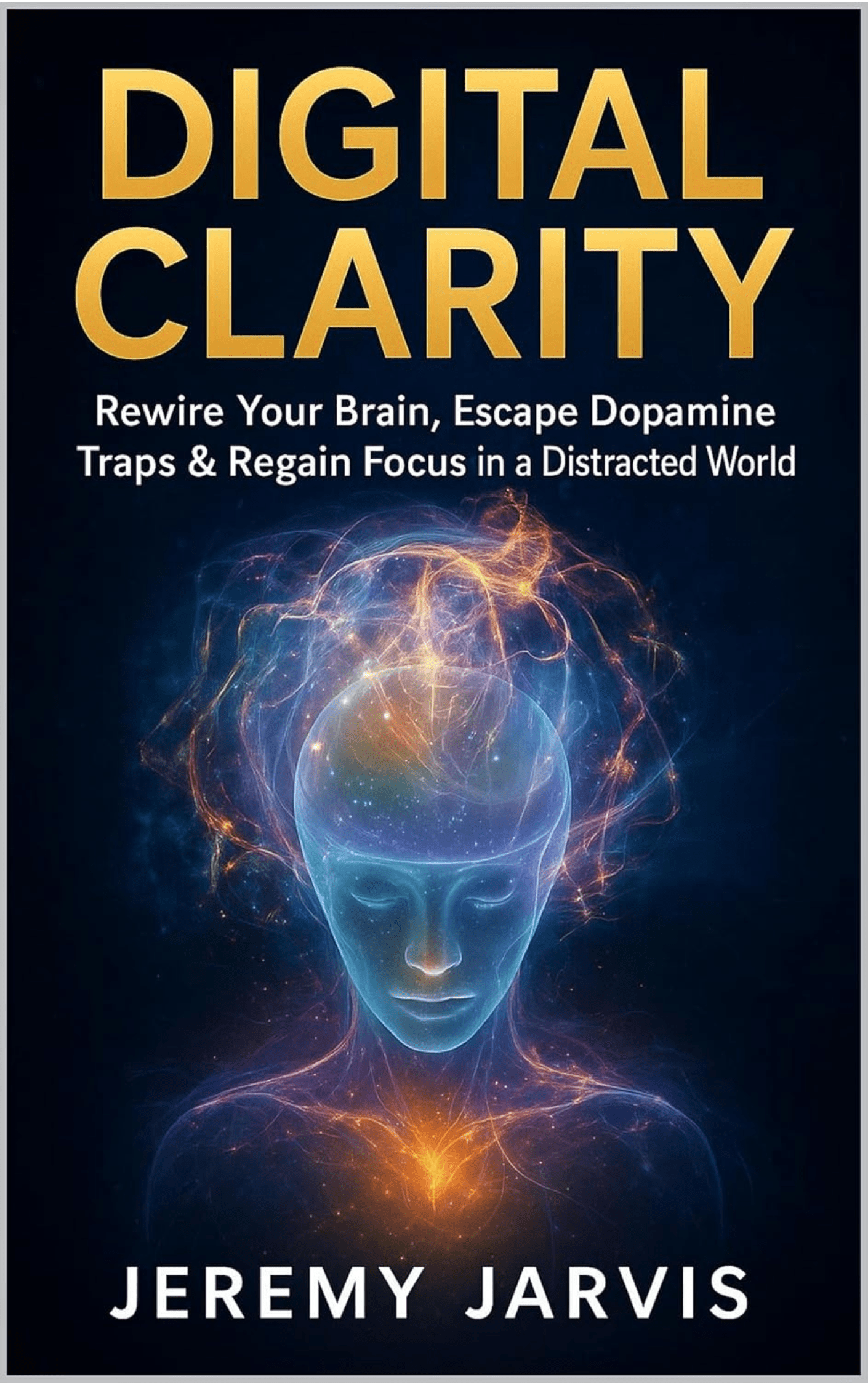
Digital Clarity
Rewire your brain, escape dopamine traps & regain focus.
View book →
Break the Scroll
Reduce screen time and take back control of your life.
View book →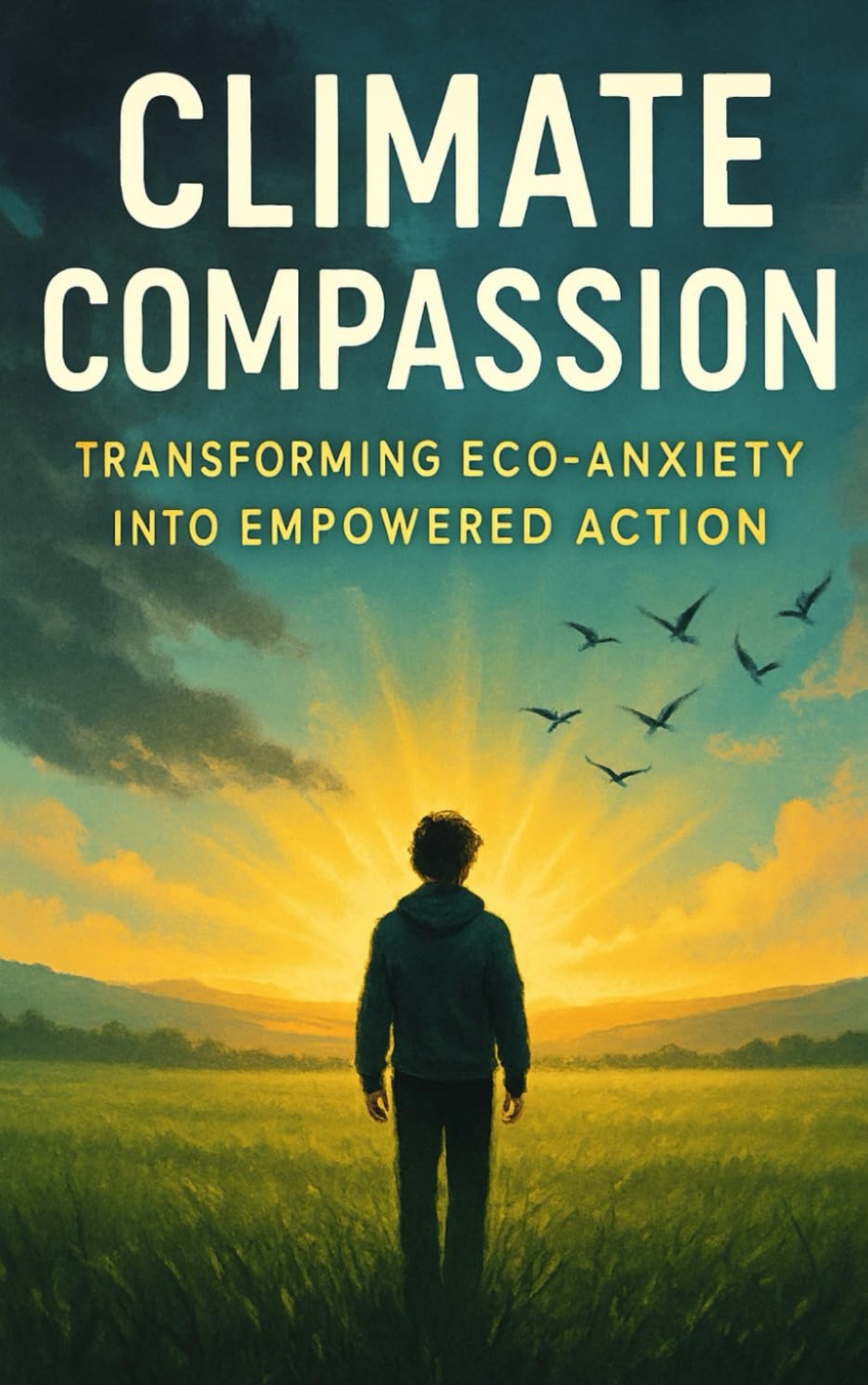
Climate Compassion
Transform eco-anxiety into empowered action.
View book →
Village Mentality
The power of community for mental wellness.
View book →
Restful Nights
Overcoming sleep anxiety in a 24/7 world.
View book →
Connected Again
Combat loneliness and build meaningful relationships.
View book →
Focus Recharged
Mastering attention and productivity in the digital era.
View book →
Marketing Magic with ChatGPT
AI-powered content, campaigns, and copywriting to grow faster.
View book →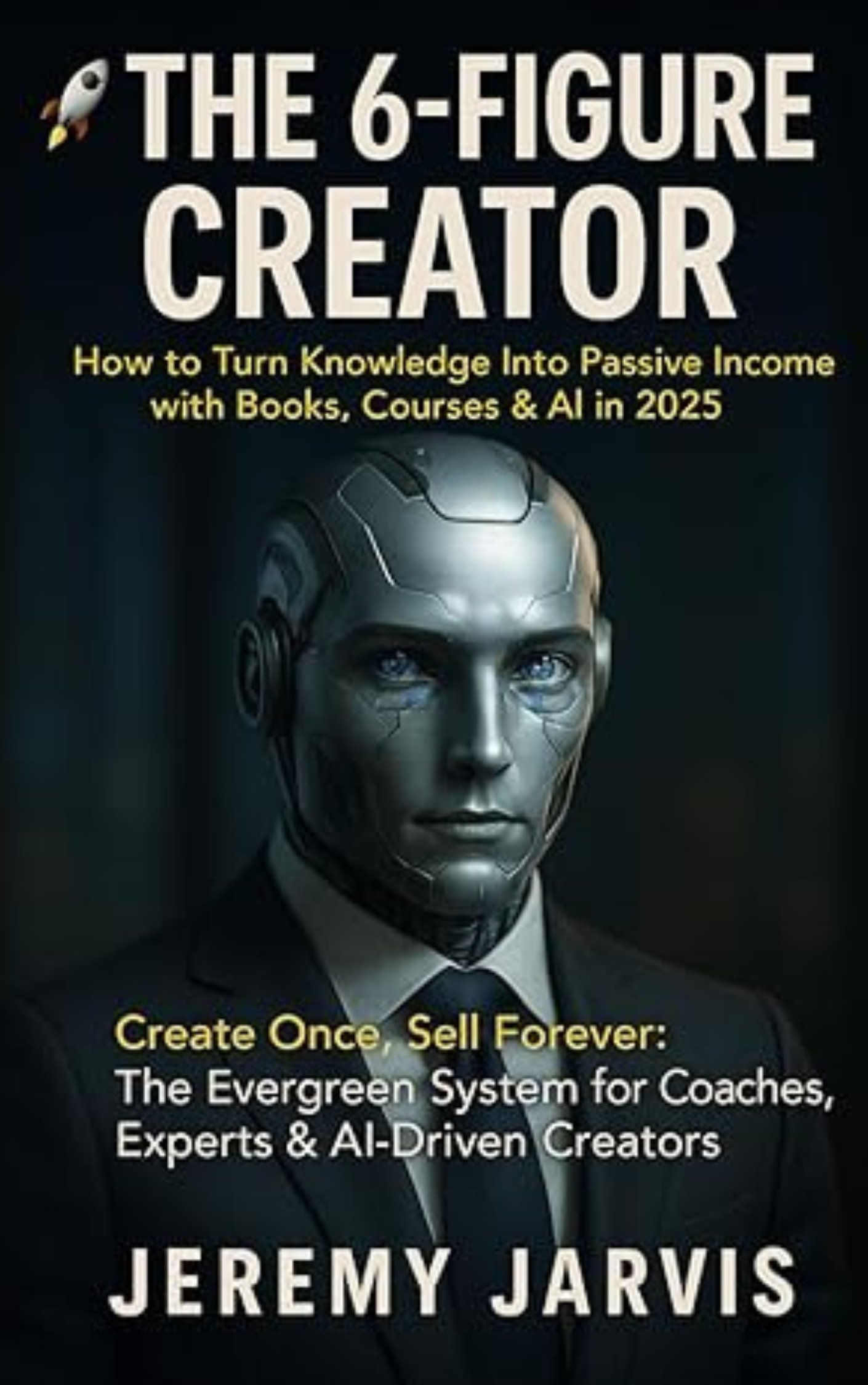
The 6-Figure Creator
Turn knowledge into passive income with books, courses & AI.
View book →
Burnout Breakthrough
Reset your work-life balance and thrive in 2025.
View book → The Emotionally Intelligent Man
A modern guide to self-awareness and communication.
View book →
AI Personalized Wellness
Create your custom health plan with data-driven habits.
View book →
Everyday AI Made Easy
Use ChatGPT and smart tools to simplify life.
View book →
Money Mindfulness
A financial wellness guide for Gen Z & Millennials.
View book →
Startup Smarter with AI
ChatGPT strategies and tools to grow your business.
View book →
ChatGPT for Writers & Creators
Unlock AI-powered brainstorming, drafting & editing.
View book →