

Restful Nights: Overcoming Sleep Anxiety in a 24/7 World
Break the cycle of nighttime worry, reclaim your rest, and wake up restored. Discover how to calm your mind and regain balance in Restful Nights by Jeremy Jarvis.
View on Amazon →Affiliate Disclosure: This page contains affiliate links. If you purchase through these links, Mind Clarity Hub may earn a small commission at no extra cost to you. These commissions support our research, writing, and community wellness initiatives.
📘 Author: Jeremy Jarvis
Publication Date: July 2 2025 | Print Length: 245 pages
ISBN-13: 979-8290597683 | Language: English
Dimensions: 6 × 0.56 × 9 inches
Understanding Sleep Anxiety in the Modern World
Sleep can feel simple—until it becomes something you start chasing. In a nonstop society, many people struggle not because they “can’t sleep,” but because they fear not sleeping. That fear is sleep anxiety, and it creates a loop that keeps the brain alert when it should be winding down. Restful Nights sleep anxiety book meets that loop with empathy and precision, showing how modern lifestyles, digital habits, and overstimulation quietly train the nervous system to stay on guard.
Instead of blaming willpower, Jeremy Jarvis explains what’s actually happening under the hood: when your mind treats bedtime as a test, your body responds like it’s under threat. As a result, you get racing thoughts at night, tension in the chest, and that familiar “please fall asleep” pressure that makes rest even harder. Most importantly, the goal of Restful Nights sleep anxiety book is to replace fear-based nights with a calmer, repeatable process that restores trust in your body.
Breaking the Cycle of Nighttime Overthinking
Nighttime overthinking is rarely random. Often, it’s a predictable pattern: one thought sparks a second, and soon your mind is rehearsing tomorrow, replaying yesterday, or scanning for what could go wrong. Restful Nights uses proven principles from Cognitive Behavioral Therapy for Insomnia (CBT-I), gentle mindfulness, and attention training to help you interrupt that momentum before it turns into a full spiral.
Rather than forcing sleep, the book teaches you how to shift the relationship you have with your thoughts. For example, you’ll learn how to “name” a worry without wrestling it, how to redirect attention back to breath or body sensations, and how to use simple cues that signal safety. Over time, those small shifts reduce bedtime anxiety and rebuild the internal message your brain needs most: “It’s okay to let go now.”
The Hidden Role of Technology and Lifestyle in Sleep Anxiety
Technology connects us, yet it can also keep the nervous system overstimulated long after the day ends. Blue-light exposure, late-night scrolling, and constant novelty suppress melatonin, push bedtime later, and keep the brain in a “daytime alert” mode. Because of that, Restful Nights sleep anxiety book emphasizes boundary-setting that feels realistic—not extreme—so readers can step away from stimulation without feeling deprived.
Additionally, the book frames digital habits as part of a broader rhythm: caffeine timing, evening stress carryover, irregular schedules, and the hidden pressure of “perfect sleep.” If you’ve also been working on attention and screen boundaries, pairing this with Break the Scroll: Digital Detox and Digital Clarity can help you reduce the inputs that silently fuel nighttime restlessness.
Designing a Bedroom That Calms the Nervous System
Your environment shapes biology. When the bedroom feels like a workspace, a scrolling zone, or a stress reminder, your brain learns to associate the space with alertness. Restful Nights encourages transforming your room into a “sleep sanctuary” using small, high-impact cues: softer lighting, cooler temperatures, breathable fabrics, and a layout that reduces stimulation.
Even subtle changes—like shifting harsh overhead light to warm lamps, keeping the phone across the room, or using gentle sound—can lower arousal. In other words, you’re not just decorating; you’re retraining your brain to recognize bedtime as safety. That’s a core theme throughout Restful Nights sleep anxiety book: calm is a signal you can design.
The 30-Day Sleep Reset Plan
Big change sticks when it feels achievable. That’s why the book includes a 30-day sleep reset built around one manageable adjustment at a time. One evening might focus on a “digital sunset,” another might introduce a brief worry-dump journal, and another might add a slow breathing pattern that lowers heart rate.
As the days stack, the plan becomes a gentle structure—not a rigid program. Consequently, readers stop measuring success by perfect nights and start tracking something more powerful: reduced sleep pressure, fewer spirals, and quicker returns to calm. If you want a daytime foundation that supports nighttime rest, The ‘Clarity Morning’ routine complements these tools by stabilizing attention and stress from the first hour of the day.
Mind–Body Connection and the Science of Rest
When anxiety is chronic, the body can stay in fight-or-flight even when life is “fine.” Cortisol rises, the mind scans for problems, and deep sleep becomes harder to access. Restful Nights explains this clearly, then gives practical ways to regulate the system: body-based downshifts, predictable cues, and recovery routines that calm the stress response.
Importantly, the book doesn’t treat sleep like a hack. Instead, it treats sleep as a relationship with your nervous system—one you can repair. If you’ve felt mentally overloaded or overstimulated during the day, exploring Science of Stillness and Focus Reset: Mental Space can deepen the daytime calm that supports nighttime restoration.
When Quick Fixes Fall Short
Many people try supplements, trackers, or bedtime apps that promise instant relief. Sometimes they help; often they backfire by turning sleep into a performance metric. Ironically, tracking every minute can increase sleep anxiety because it keeps attention locked on “results.” In contrast, Restful Nights sleep anxiety book teaches a return to intuitive rest: using structure as support while letting go of obsessive monitoring.
That shift matters because the long-term goal isn’t a perfect sleep score. The real win is rebuilding trust in your body’s ability to rest—even after a rough night. If anxiety shows up in other areas of life, Quiet Crisis offers a supportive companion read for understanding the emotional layer beneath chronic overwhelm.
Real-World Tools You Can Use Tonight
Every chapter moves from insight to action. You’ll find practical methods such as progressive muscle relaxation, visualization, gentle stretching, and “micro-rituals” that cue safety. Along the way, Jarvis includes reflection prompts that help you identify the real drivers of insomnia—stress carryover, perfectionism, avoidance, or unresolved worry—so the solution fits your life instead of fighting it.
- CBT-I-informed thought shifts for bedtime anxiety and rumination
- Nervous system regulation practices that reduce nighttime alertness
- Sleep hygiene basics without rigid rules or shame
- Digital boundaries that protect melatonin and circadian rhythm
- Mindfulness for sleep that calms the mind without forcing it blank
Transforming the Bedtime Mindset
Bedtime changes when it stops being a battle. Instead of “trying to sleep,” the book invites you to practice a calmer posture: soften the day, release the checklist, and treat rest as self-care rather than a test. Over time, acceptance reduces pressure, which is exactly what the anxious brain needs to let sleep arrive naturally.
For readers who also want stronger emotional connection and support (which significantly affects stress and sleep quality), Connected Again and Village Mentality expand the conversation into belonging, calm, and shared resilience.
Integrating Rest Into Daily Life
Better sleep is rarely built only at night. Daytime stress, constant stimulation, and scattered attention all leak into bedtime. Because of that, Restful Nights sleep anxiety book connects the dots between your day rhythm and your night rhythm—showing how slowing down, reducing digital overload, and building small recovery pockets can make bedtime feel safer.
If you want a broader clarity foundation, The Power of Clarity supports the same core theme: protect attention, reduce mental noise, and build habits that keep your mind from revving at the wrong time.
Research Grounding Behind Restful Nights
The behavioral approach in this book aligns with widely accepted sleep guidance and insomnia treatment principles. For a plain-language overview of sleep hygiene, circadian rhythm basics, and evidence-informed insomnia strategies, see the Sleep Foundation’s resource hub here: SleepFoundation.org.
Your Next Step Toward Calmer Nights
If you’re tired of dreading bedtime, this is the shift Restful Nights sleep anxiety book was written to create: less fear, fewer spirals, and a steadier path back to natural rest. The tone stays practical, the strategies stay realistic, and the goal stays honest—help you sleep better without turning sleep into another thing to “perform.”
Explore more Mind Clarity Hub resources in our Articles Library, browse the full collection at Jeremy Jarvis Books, and continue building calm with Why Can’t I Focus Anymore? and Executive Function Repair.
Ready to start the reset? Visit the book listing and see formats, pricing, and reader details: View Restful Nights on Amazon →
Frequently Asked Questions
What makes Restful Nights unique?
Unlike typical sleep books, it centers on anxiety itself, offering CBT-I and mindfulness tools that address emotional triggers behind insomnia.
Is there a program to follow?
Yes, the 30-day Sleep Reset Plan provides gradual, evidence-based steps for realistic progress.
Will it help chronic insomnia?
Absolutely. While not medical treatment, the strategies complement therapy and build self-regulation skills.
Are supplements required?
No. All recommendations are behavioral and natural, focusing on retraining the mind–body connection.
How soon are results noticeable?
Many readers report calmer nights within the first week; consistent practice deepens results over time.
Can young adults benefit?
Yes, especially those experiencing digital overstimulation, social-media fatigue, or study stress.
Where can I learn more?
Visit Mind Clarity Hub for related articles and updates.
Explore the Mind Clarity Hub Library
Practical books on focus, digital habits, resilience, and building a calmer mind.
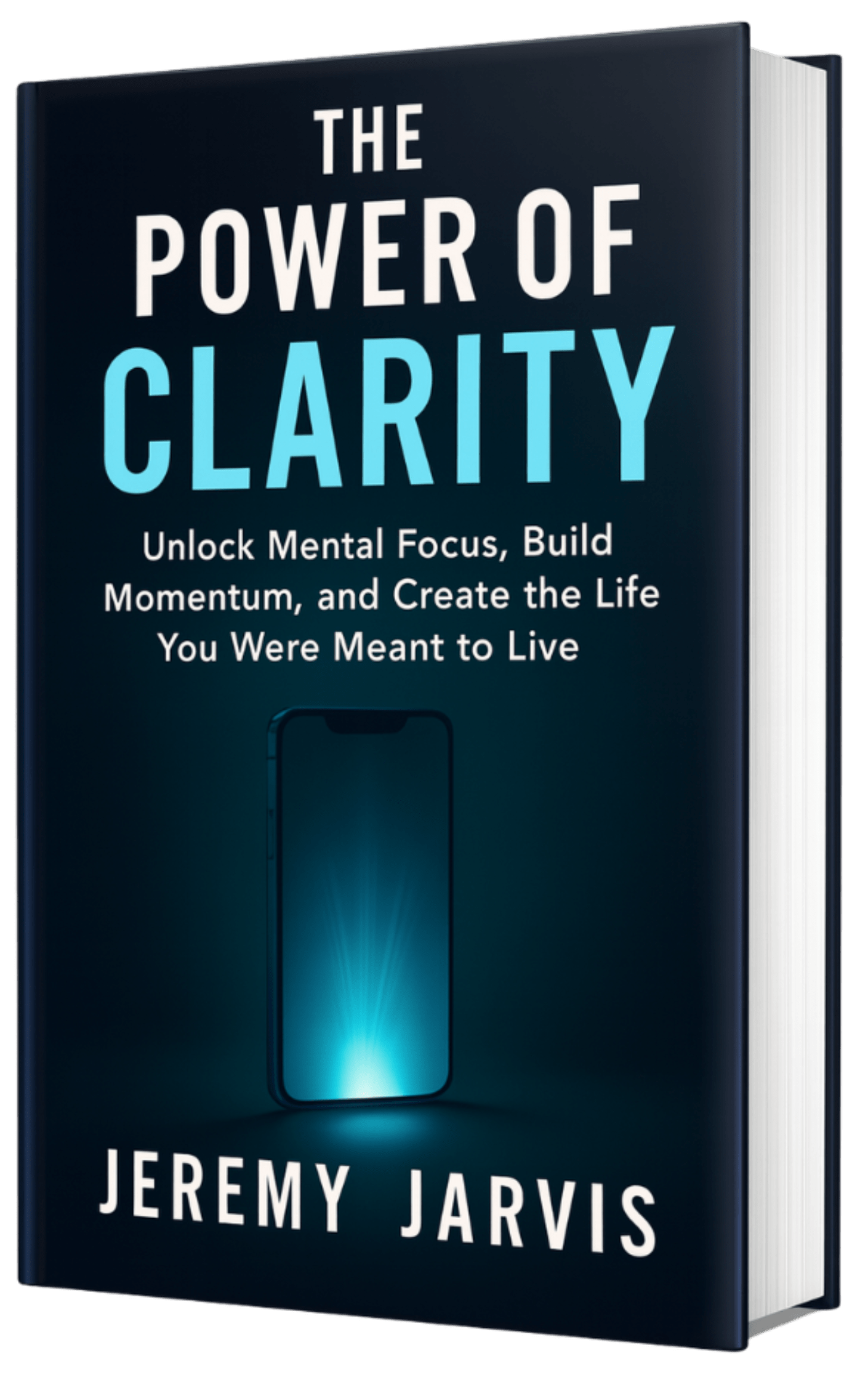
The Power of Clarity
Unlock mental focus, build momentum, and create the life you were meant to live.
View book →
AI & ChatGPT for Beginners
No PhD needed — a 2025 guide to AI, prompts, and productivity without coding.
View book →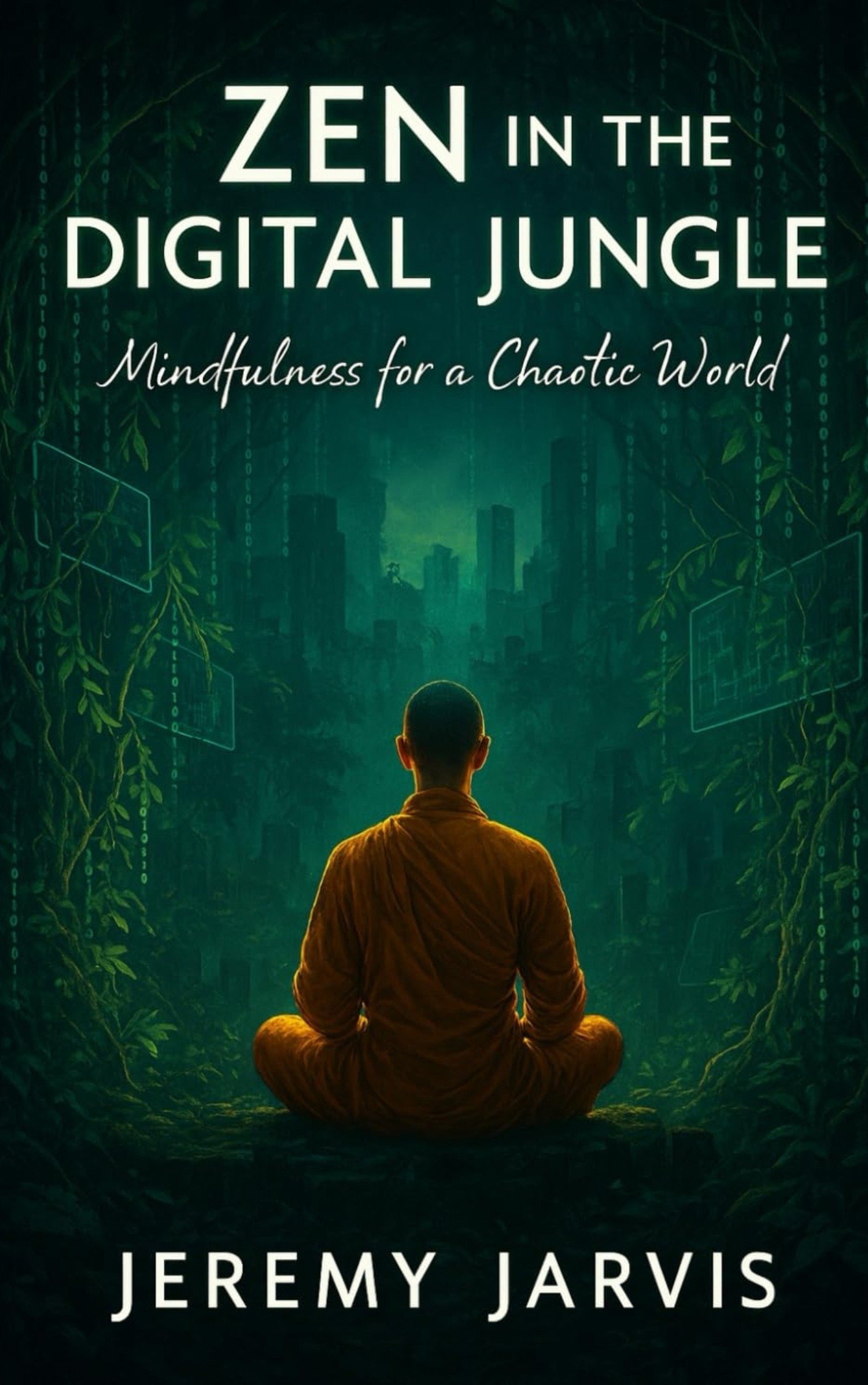
Zen in the Digital Jungle
Mindfulness for a chaotic world.
View book →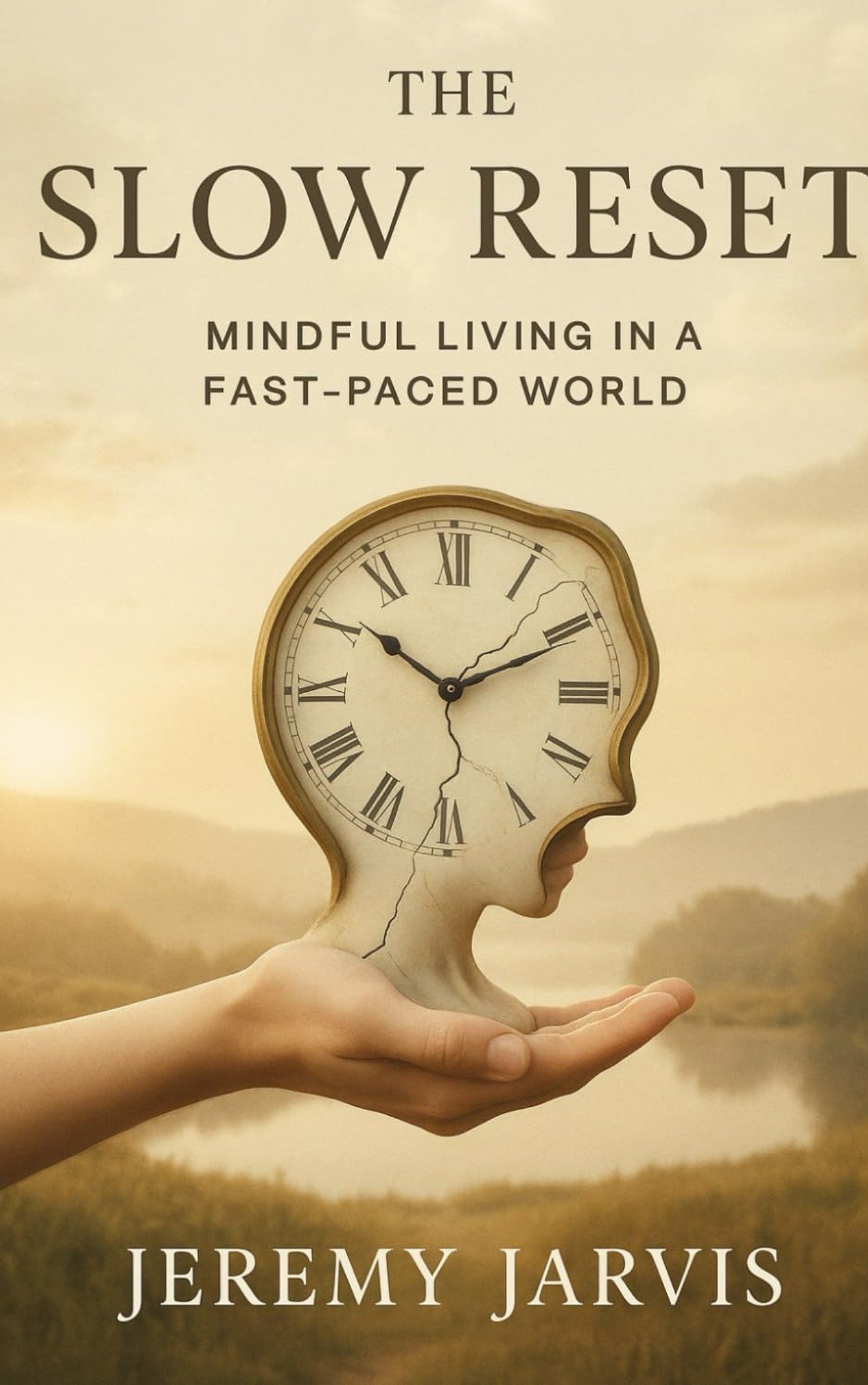
The Slow Reset
Mindful living in a fast-paced world.
View book →
Perfectly Imperfect
Stop self-criticism, set boundaries, and embrace the real you.
View book →
Reclaiming Silence
A dopamine detox guide to finding peace in a noisy world.
View book →
The Focused Freelancer
Productivity, pricing & positioning for independents in 2025.
View book →
ChatGPT Side Hustle System
Launch your AI-driven online business in 30 days.
View book →
Burnout, Interrupted
A proven path to restore energy and reclaim your life.
View book →
Attention Unleashed
Focus strategies for the distracted mind.
View book →
Side Hustle Launchpad
Your quick-start guide to extra income.
View book →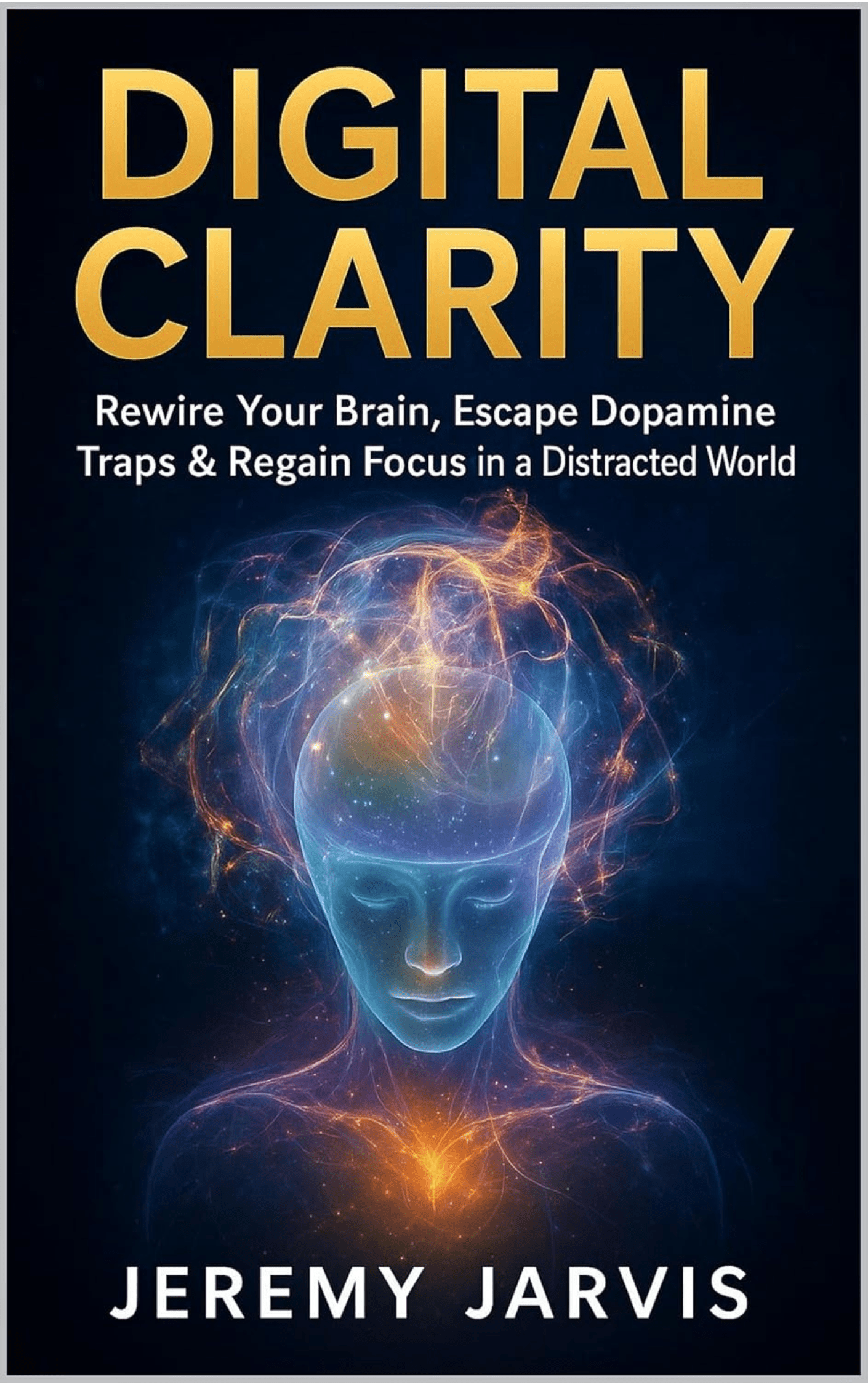
Digital Clarity
Rewire your brain, escape dopamine traps & regain focus.
View book →
Break the Scroll
Reduce screen time and take back control of your life.
View book →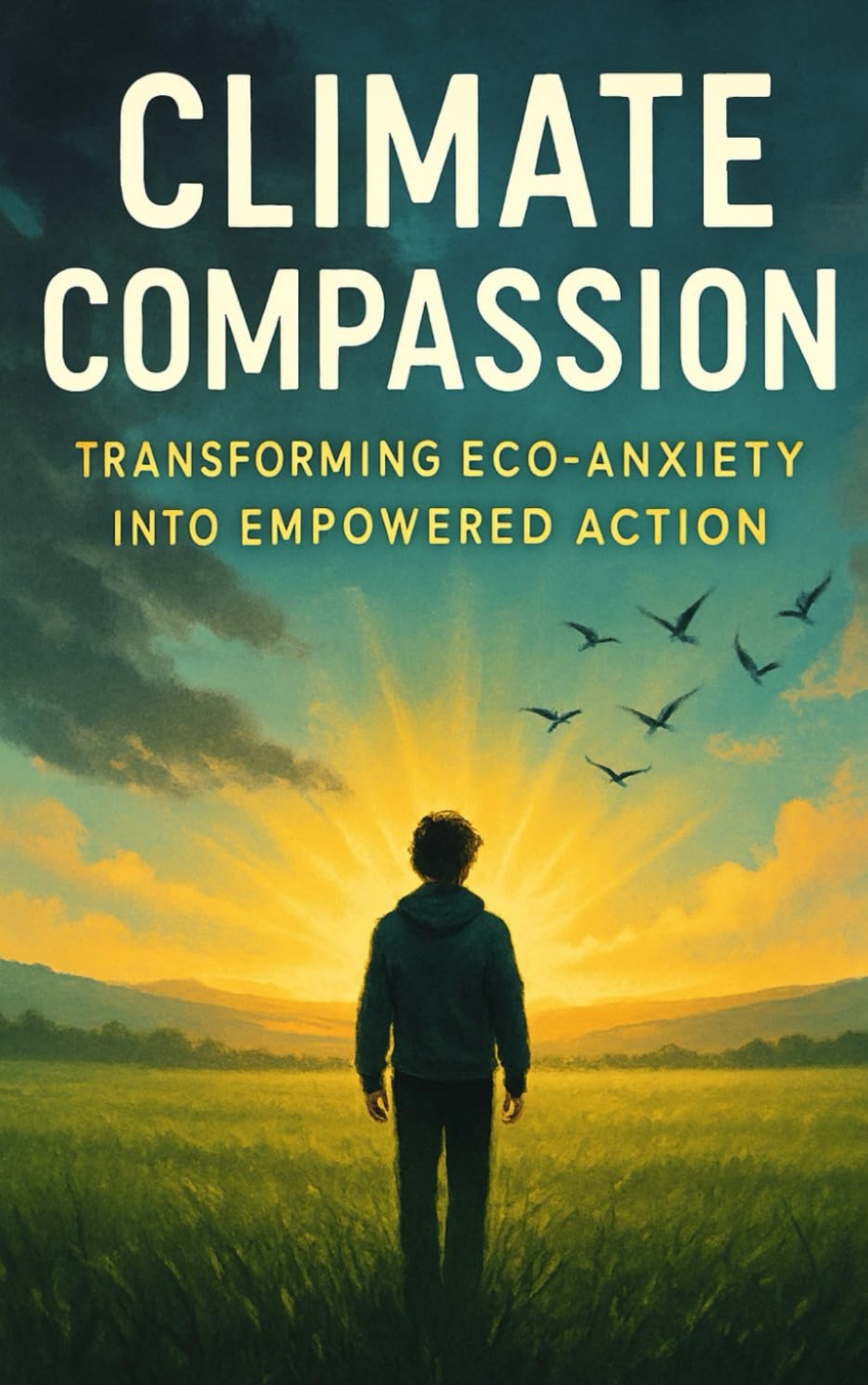
Climate Compassion
Transform eco-anxiety into empowered action.
View book →
Village Mentality
The power of community for mental wellness.
View book →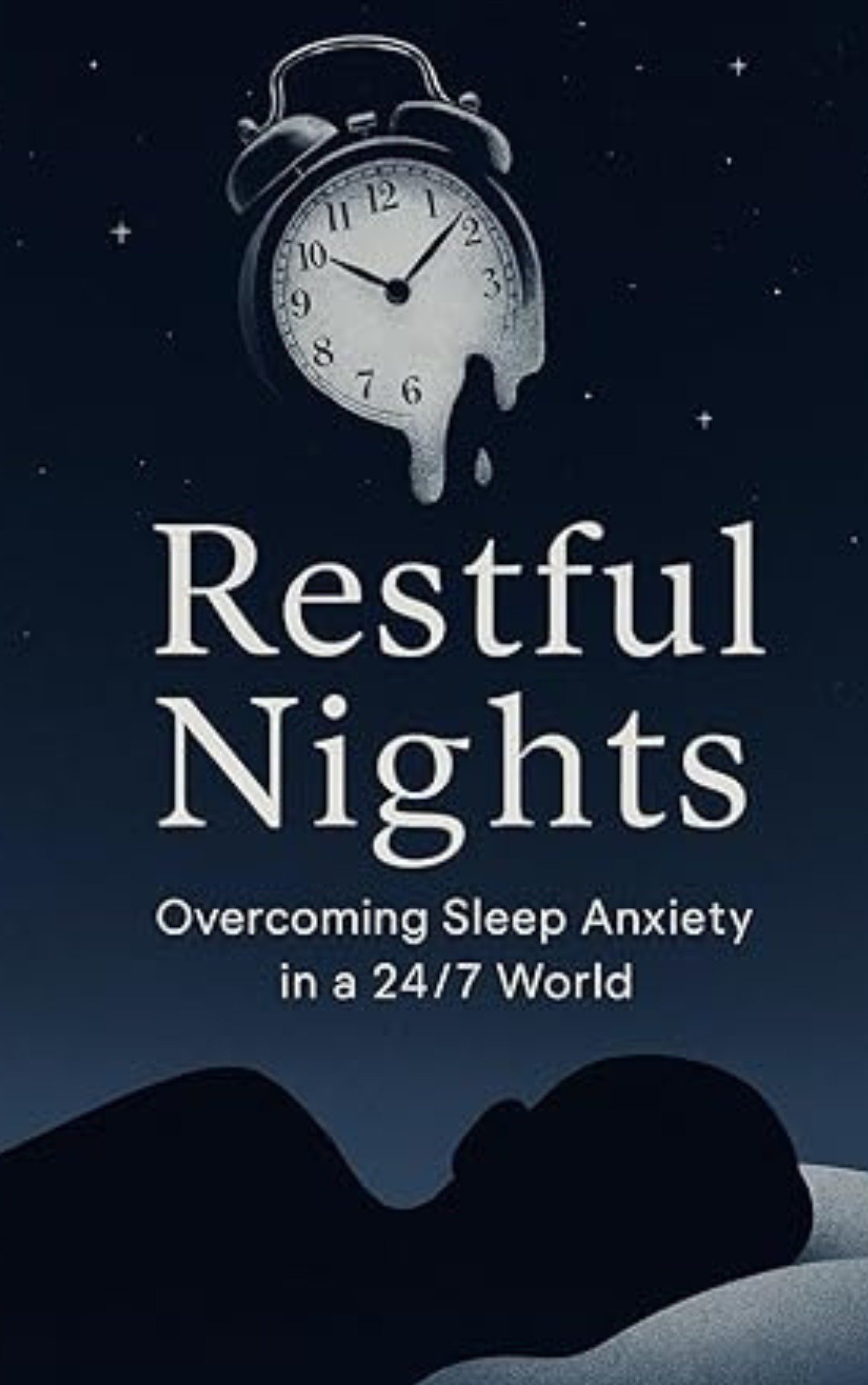
Restful Nights
Overcoming sleep anxiety in a 24/7 world.
View book →
Connected Again
Combat loneliness and build meaningful relationships.
View book →
Focus Recharged
Mastering attention and productivity in the digital era.
View book →
Marketing Magic with ChatGPT
AI-powered content, campaigns, and copywriting to grow faster.
View book →
The 6-Figure Creator
Turn knowledge into passive income with books, courses & AI.
View book →
Burnout Breakthrough
Reset your work-life balance and thrive in 2025.
View book →
The Emotionally Intelligent Man
A modern guide to self-awareness and communication.
View book →
AI Personalized Wellness
Create your custom health plan with data-driven habits.
View book →
Everyday AI Made Easy
Use ChatGPT and smart tools to simplify life.
View book →
Money Mindfulness
A financial wellness guide for Gen Z & Millennials.
View book →
Startup Smarter with AI
ChatGPT strategies and tools to grow your business.
View book →
ChatGPT for Writers & Creators
Unlock AI-powered brainstorming, drafting & editing.
View book →