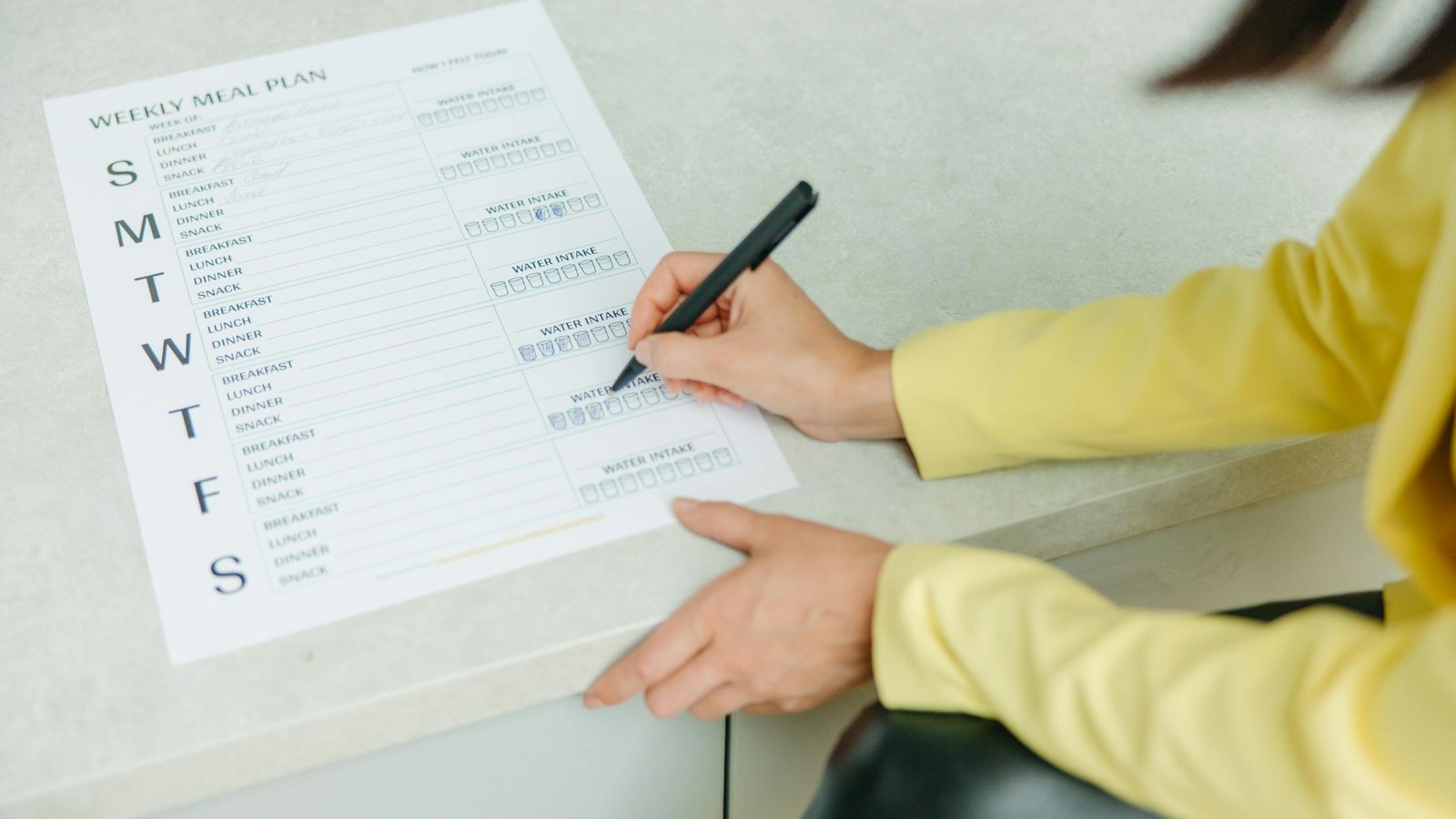
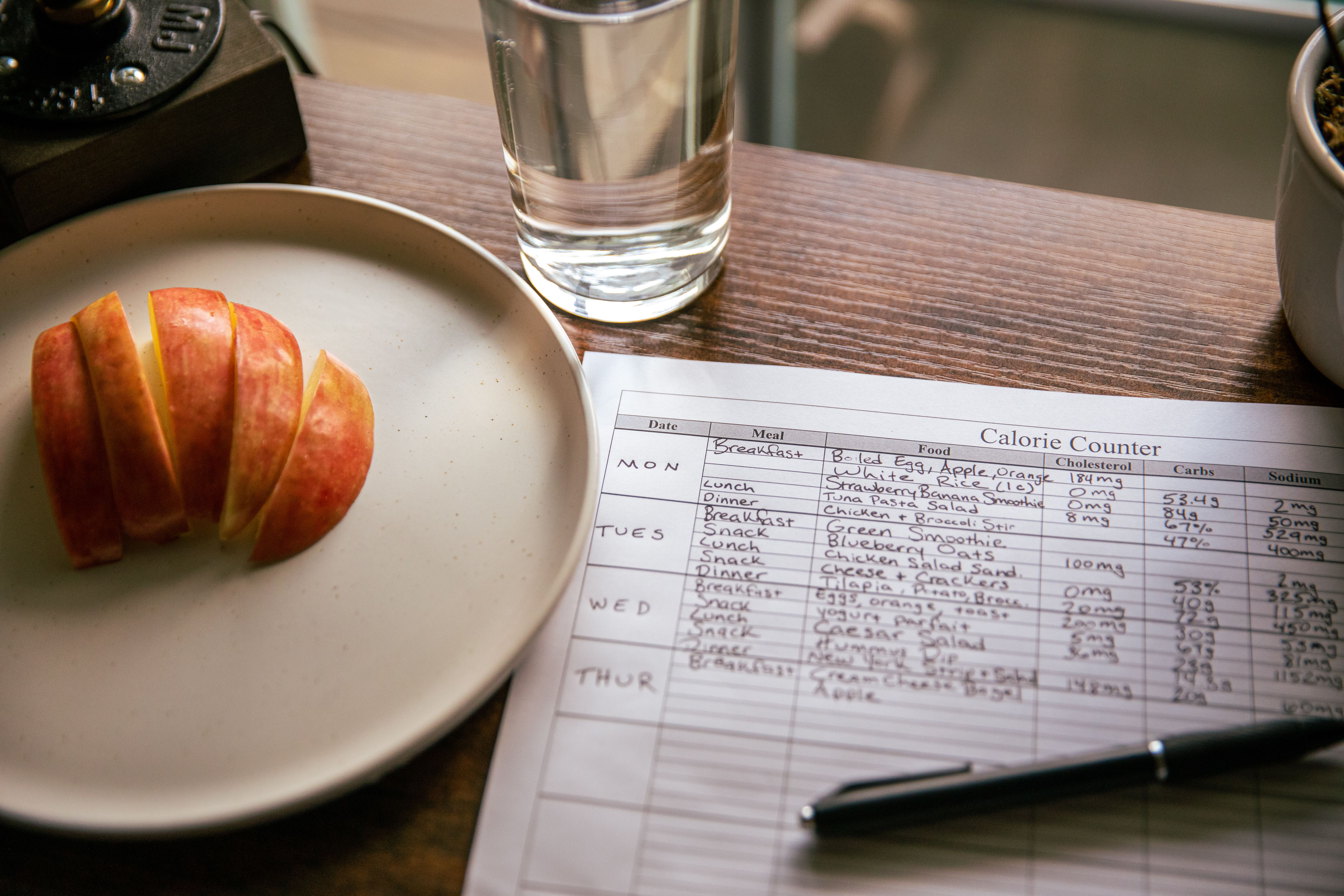
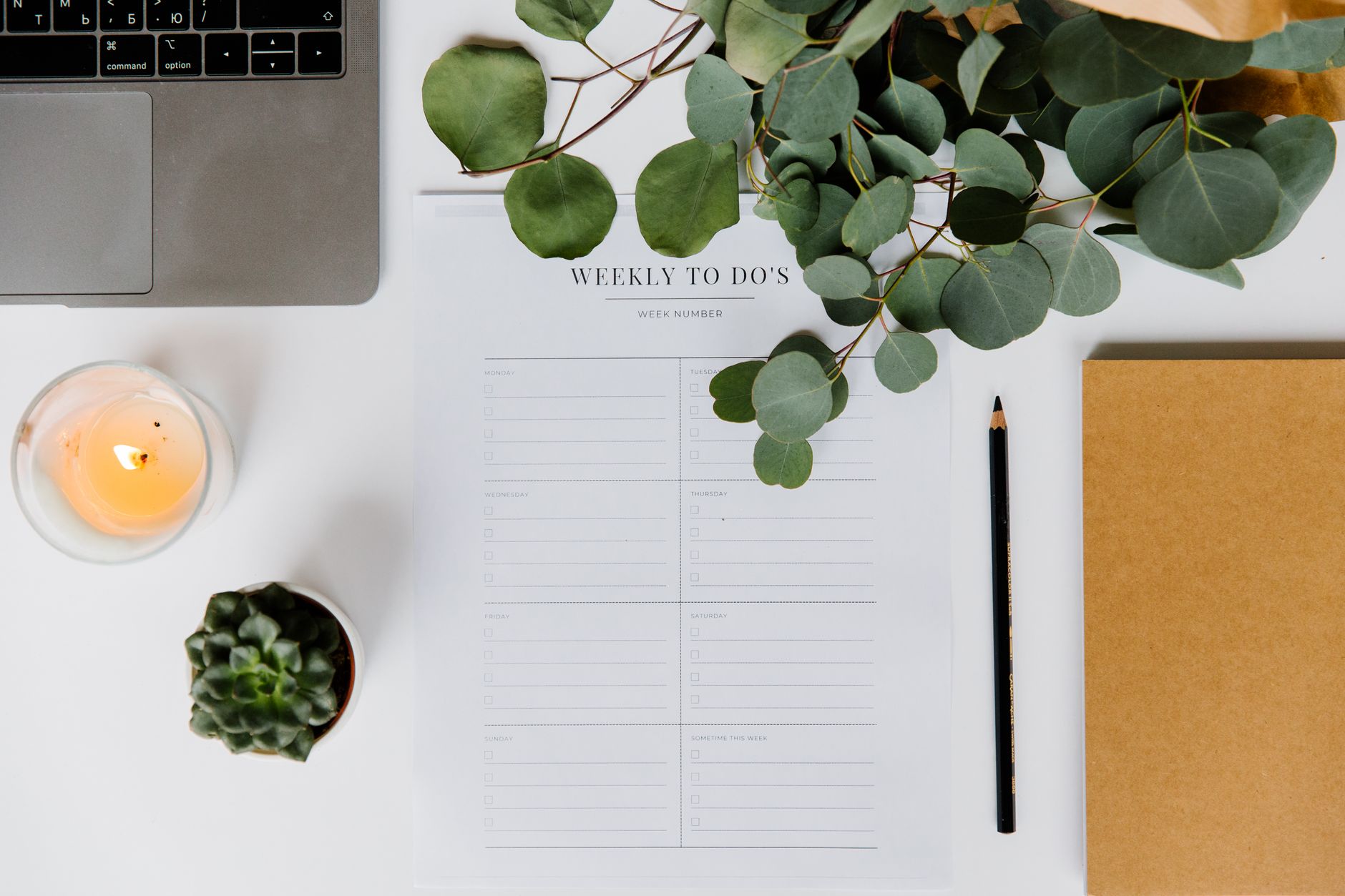
If dinner feels like a daily quiz you never studied for, you are not alone. A simple weekly meal planning routine removes dozens of tiny choices from your week. You make one clear plan, shop once, and glide through weekday meals with less stress.
Because you decide in one short block, your brain rests the rest of the week. Also, you save time, money, and food. Finally, you get back your evenings.
Key takeaways
Here is how a simple weekly meal planning routine helps. Skim this list, then put it to work.
- Use this weekly routine to batch meal decisions in 20–30 minutes.
- Start with what you already have, then build a short grocery list by store section.
- Repeat breakfasts and lunches; save variety for dinners with theme nights.
- Plan leftovers on purpose and label one “flex†meal for busy days.
- Keep a small capsule pantry to assemble fast, balanced meals.
- Light prep (10–20 minutes) on the weekend makes weeknights smoother.
- Match meals to your calendar, not the other way around.
- Set realistic portions and reuse components to reduce waste.
What is a simple weekly meal planning routine?
It is a short, repeatable workflow you run once per week to decide what you will eat and what you need to buy. Instead of picking meals each night, you batch those choices at one time. That reduces decision fatigue and the mental load that comes from constant on-the-fly planning. It also helps you shop with intent, which can reduce waste and extra trips.
Authoritative guidance backs this approach. The USDA’s MyPlate suggests planning before you shop, organizing your list by store section, and buying for the week to save time and money (MyPlate: Plan Your Weekly Meals). The CDC notes that preparing more meals at home helps you make better food choices overall (CDC: Healthy Meals & Snacks). And the EPA links planning with preventing wasted food at home (EPA: Preventing Wasted Food at Home).
In practice, three pillars make the process work week after week:
- Fit to schedule. Plan meals around busy nights first so effort matches energy.
- Capsule pantry. Keep a short list of staples so the same parts combine many ways.
- One efficient shop. Group your list by store section so you move once through the aisles.

Why this reduces decision fatigue
Every choice costs mental energy. When you decide what to cook while hungry and tired, the cost goes up. When you plan once, you create a default for each night. Because that default is visible and ready, you avoid last‑minute debates and unplanned takeout. In other words, a simple weekly meal planning routine offloads the micro-decisions that drain your evenings.
Also, planning upfront helps you use leftovers on purpose, match meals to your calendar, and buy only what you need. As MyPlate’s tip sheet explains, shopping with a plan and using leftovers are reliable time- and money-savers (MyPlate Meal Planning Tip Sheet (PDF)).
Think of it like laying out clothes the night before. You still get to choose, but you choose when your brain is fresh. Then you follow through when life is busier. That gap is where the stress drops.
How to run your simple weekly meal planning routine in 30 minutes
Set a timer. This routine fits into 20–30 minutes once you practice it a few times. After two runs, your simple weekly meal planning routine will feel smooth and natural.
- Check your calendar (3 minutes).
- Mark busy nights, meetings, practices, and late workdays.
- Assign one “leftovers†night. Pick one “flex†slot in case plans change.
- Note who will be home each night so portions match people.
- Inventory your kitchen (5 minutes).
- Scan fridge, freezer, and pantry; list items that need to be used soon.
- Group finds into quick pairs (e.g., rice + frozen veggies + eggs = fried rice).
- The EPA recommends using what you already have to prevent waste (EPA guidance).
- Pick dinner anchors with theme nights (7 minutes).
- Choose 4–5 simple anchors (pasta, tacos, stir-fry, sheet pan, soup/salad).
- Match each anchor to a night based on time available.
- Plan at least one fast fallback (eggs on toast; tortellini + jarred sauce).
- Repeat breakfast and lunch (3 minutes).
- Pick 1–2 breakfasts and 2 easy lunches for the week.
- Rotate choices every week or two for easy variety.
- Use the same shopping staples across meals to save money.
- Build a grocery list by store section (5 minutes).
- Add only what bridges your inventory to your meals.
- Group by Produce, Meat/Seafood, Dairy/Eggs, Pantry, Frozen, Bakery.
- MyPlate recommends organizing lists this way to save time in store (MyPlate).
- Do 10–20 minutes of light prep (optional).
- Wash greens, chop onions, cook a pot of grains, or marinate protein.
- Label containers by day/meal. Put the first two dinners at eye level.
- Stop when the timer goes off. Good enough beats perfect.
Breakfast and lunch rotations that work
Keep daytime meals simple so evenings can shine. Try one set for two weeks, then swap.
- Breakfast set A: Oats with fruit; eggs and toast; yogurt with granola.
- Breakfast set B: Smoothie; peanut-butter banana wrap; cottage cheese and berries.
- Lunch set A: Grain bowl (rice, beans, salsa, greens); turkey or tofu wrap.
- Lunch set B: Leftover soup with salad; pasta salad with veggies and cheese.
Prep one base (grains or chopped veggies) each weekend. That five minutes can save twenty during the week.
Example week at a glance
Use this as a template. Swap parts to match your calendar and ingredients.
| Day | Theme | Dinner idea | Make‑ahead tip |
|---|---|---|---|
| Mon | Meatless | Chickpea pasta with spinach, lemon, parmesan | Cook pasta in advance; zest lemon |
| Tue | Taco | Turkey tacos, salsa, slaw | Mix spice blend; slice cabbage |
| Wed | Stir‑Fry | Tofu, broccoli, peppers over rice | Cook rice; whisk sauce |
| Thu | Sheet Pan | Chicken thighs, potatoes, green beans | Marinate chicken; chop potatoes |
| Fri | Soup + Salad | Lentil soup with side salad | Chop mirepoix; rinse lentils |
| Sat | Flex | Leftovers or quick omelet | — |
| Sun | One‑Pot | Skillet gnocchi with veggies | Wash greens; grate cheese |
Print your plan or post it on the fridge. Small visibility changes prevent 5 p.m. second‑guessing.
Build a capsule pantry for your weekly meal plan routine
A capsule pantry is a short list of workhorse items that combine into fast meals. Keep it tight so decisions stay easy.
| Category | Essentials |
|---|---|
| Grains & starch | Rice, pasta, tortillas, quick‑cook grains, potatoes |
| Proteins | Canned beans, eggs, tofu, canned tuna/salmon, frozen chicken |
| Vegetables | Onions, carrots, celery, frozen mixed veg, spinach |
| Flavor & sauce | Olive oil, soy sauce, salsa, tomato paste, curry paste, broth |
| Herbs & spices | Salt, pepper, garlic, cumin, chili powder, Italian blend |
| Extras | Lemon, vinegar, grated cheese, almonds or walnuts, sunflower or pumpkin seeds |
Because these are flexible, you can assemble dozens of meals without a recipe. For example, cook a pot of grains, sauté any veggie mix, add a protein, and finish with a sauce.
Smart swaps and storage tips
- Swap grains freely: rice ↔ quinoa ↔ couscous based on cook time.
- Use frozen vegetables when produce is pricey or time is tight.
- Keep small jars of sauce bases (tomato paste, curry paste) to build flavor fast.
- Label leftovers with name and date; place near the front so they get used.
Organize your grocery list by store section
- Produce: romaine, apples, carrots, onion, bell peppers, spinach
- Meat/Seafood: chicken thighs, ground turkey, tofu (in refrigerated case)
- Dairy/Eggs: milk, yogurt, eggs, shredded cheese
- Pantry: rice, pasta, tortillas, canned beans, salsa, broth
- Frozen: mixed vegetables, broccoli florets, berries
- Bakery: sandwich bread, rolls
Group items under these headings. Therefore, you move through the store once, avoid backtracking, and shorten your trip. This supports your simple weekly meal planning routine and keeps shopping stress low.
Budget savers that add up
- Plan two dinners that share an ingredient (e.g., spinach in pasta and omelets).
- Buy store brands for staples; save name-brand splurges for sauces you love.
- Check the freezer and pantry before you shop to avoid duplicates.
- Cook once, use twice: roast extra veggies for bowls and wraps.
Theme nights make decisions faster
Theme nights reduce choice overload. In your simple weekly meal planning routine, they act like prompts so you never start from zero.
| Week | Mon | Tue | Wed | Thu | Fri |
|---|---|---|---|---|---|
| 1 | Meatless | Taco | Stir‑Fry | Sheet Pan | Soup+Salad |
| 2 | Pasta | Bowls | Grill/Skillet | One‑Pot | Pizza‑ish |
| 3 | Seafood | Taco | Curry | Sheet Pan | Sandwiches |
| 4 | Meatless | Burgers | Stir‑Fry | Roast | Soup+Salad |
Rotate these each month. Or swap nights as your calendar changes.
- Meatless: Lentil bolognese; veggie omelets; bean and rice bowls.
- Taco: Ground turkey, black beans, or fish; tortillas; slaw; salsa.
- Sheet pan: Chicken + potatoes + green beans; sausage + peppers.
- Soup + salad: Tomato basil; chicken noodle; minestrone with greens.

How long should an easy weekly meal planning system take?
Expect 20–30 minutes for the core planning and 10–20 minutes for optional prep. With practice, you will move even faster. As a result, this routine will feel natural after two or three weeks.
Tip: Tie planning to a cue you already do—Sunday coffee, after the weekly calendar check, or right before making your grocery order. Habit pairing makes it stick.
Light prep that supports your weekly meal plan routine
- Cook a pot of rice or quinoa.
- Chop onions, carrots, and peppers for two meals.
- Wash and spin salad greens.
- Whisk one stir‑fry sauce or taco seasoning jar.
- Marinate one protein in a zip bag.
Label containers by day. Also, put the first two meals at eye level in the fridge so you do not forget them. If time is short, do just one thing that helps tomorrow.
Quick troubleshooting for your easy weekly meal planning system
What if I hate leftovers?
Make extra components instead of full servings. For example, cook extra rice or extra roasted veggies, then build a new bowl the next day with different sauce and protein.
What if I get bored?
Keep breakfasts and lunches stable, but vary sauces and sides at dinner. Also, use the theme night framework to rotate cuisines: taco, curry, Italian, noodle bowls.
What if I overspend?
Plan from your pantry first. Choose versatile ingredients that work across two meals (e.g., a bag of spinach in pasta and omelets). Shop with a list organized by store section, a method MyPlate recommends for saving time and money (MyPlate).
What if I do not have time to prep?
Skip prep and lean on convenience: pre‑washed greens, frozen rice, rotisserie chicken, or precut veggies. The plan still pays off because you already chose what to make.
What if someone eats the planned ingredients early?
Park dinner‑critical items in a bin labeled “For dinners.†Add a note on the plan so everyone knows what is spoken for.
What if my schedule changes mid‑week?
Use your “flex†slot and leftovers night. Swap meals between days if needed. Because your ingredients are ready, it is simple to choose a faster dinner on a busy evening. This routine is a guide, not a contract.
Adapt the routine to any diet and preferences
Keep the structure and swap components. For example, taco night can be turkey, tofu, beans, or fish. Pasta night can be whole‑grain, gluten‑free, or veggie noodles. Because the routine is flexible, you do not need to change the process—only the ingredients.
For balanced meals, follow official guidelines and your own needs. MyPlate offers a simple plate model you can adapt to most meals (What is MyPlate?). If you have medical or clinical nutrition questions, talk with a qualified professional.
Batch‑cook vs. assemble‑only: which fits you?
| Approach | Pros | Cons | Best for |
|---|---|---|---|
| Batch‑cook | Fewer weeknight tasks; big time savings | Repetition; storage space needed | Very busy weeks; families |
| Assemble‑only | Freshly cooked; flexible nights | More weeknight prep | Small households; variety lovers |
| Hybrid | Prep components (grains, sauces) for fast builds | Some weeknight cooking still needed | Most people most weeks |
Pick one for this week and adjust next week. Instead of aiming for perfect, aim for repeatable.
Tools that help your easy weekly meal planning system
- One visible planner: a paper notepad, fridge whiteboard, or a simple phone note.
- Reusable grocery list template grouped by store section.
- Clear food containers and a marker for labels and dates.
Use what you already have. The best tool is the one you will see and use.
See the 30‑minute meal planning routine in action
Watch this clear walkthrough for ideas you can borrow. Then map them to your calendar and ingredients.
If the embed does not load, use this link: Watch on YouTube.
Common mistakes that break a weekly meal plan routine
- Planning dishes, not nights. Always check your calendar first.
- Skipping inventory. You buy duplicates and waste food.
- Too many new recipes. Try at most one new thing per week.
- No leftovers plan. Plan them on purpose.
- Over‑planning lunches. Keep them repeatable.
- Forgetting the “flex†slot. Life happens; plan for it.
- Complicating the system. Keep it simple so it sticks.
The 30‑minute meal planning routine loop (visual guide)
30‑minute meal planning routine loop
- Calendar check
- Kitchen inventory
- Pick theme nights
- Build grocery list
- Light prep
- Post plan where you see it
Tip: If time is tight, do steps 1–4. Add light prep later.
Frequently asked questions: your easy weekly meal planning system
Can I plan every two weeks instead of weekly?
You can, but produce freshness and schedule shifts may make it harder. A weekly cycle is short, flexible, and easier to sustain.
Do I need a meal‑planning app?
No. A paper note, whiteboard, or any notes app is enough. The value is in batching decisions. If an app helps, great—but your simple weekly meal planning routine will work with low‑tech tools.
How do I plan for one or two people?
Cook normal recipes and portion leftovers for lunches. Or halve recipes and rely on your capsule pantry to assemble quick bowls. The structure stays the same; only quantities change.
How do I plan with picky eaters?
Use a build‑your‑own format one or two nights per week: tacos, pasta bowls, or baked potatoes with toppings. Offer two veggie options and one protein base so everyone assembles a plate they like.
How do I include more vegetables without overthinking it?
Add one bag of frozen mixed vegetables to your list each week and toss it into stir‑fries, soups, or egg dishes. Keep washed salad greens for quick sides. Simple changes add up.
How many dinners should I plan?
Four or five is enough for most weeks. Leave space for leftovers, a flex night, and one easy win like breakfast‑for‑dinner.
What if I share cooking with a partner or roommate?
Assign theme nights to each person. Keep one shared grocery list so ingredients overlap. Post the plan where everyone sees it.
More small upgrades that pay off
- Post your plan where you can see it—fridge, calendar, or home screen widget.
- Assign a theme to each weeknight so you never start from a blank page.
- Keep 2–3 “lifesaver†meals in the freezer (soup, chili, marinated chicken).
- Write a done list at week’s end to note wins and ideas to repeat.
Next step: start your simple weekly meal planning routine
Open your calendar and your fridge. Pick four dinner anchors and two repeatable breakfasts. Build a short grocery list by section. Then do 10 minutes of light prep. Your simple weekly meal planning routine will free up your evenings this week, and even more next week when it feels natural.
More guides for calmer weeks
Try these next steps from Mind Clarity Hub:
- Weekly planning checklist for mapping your calendar before meals.
- What decision fatigue looks like and how to shrink daily choices.
- Build a capsule pantry that supports easy meals.
References and useful guides
- USDA MyPlate: Plan Your Weekly Meals
- MyPlate Meal Planning Tip Sheet (PDF)
- CDC: Healthy Meals & Snacks
- EPA: Preventing Wasted Food at Home
Simple follow-through check for simple weekly meal planning routine
Before you turn this advice into a new system, choose one small action that can be repeated on a normal day. The best clarity tools are the ones that still work when the calendar is full, energy is low, or the workspace is imperfect. For simple weekly meal planning routine, start with the lowest-friction step, then notice whether it makes the next task easier to begin.
Keep the routine visible and easy to reset. A short checklist, a labeled folder, a planning page, or a single reminder can do more than a complicated setup that only works once. If the process feels heavy, reduce the number of steps until it becomes something you can trust again tomorrow.
How can you make simple weekly meal planning routine easier to keep?
A helpful routine should reduce friction rather than become another task to manage. Start by deciding where the action will happen, what cue will start it, and what counts as enough on a low-energy day. This keeps the plan grounded in real life. It also prevents the common mistake of building a system that only works when everything is quiet.
Use source-backed claims carefully. Everyday planning, sleep, stress, and focus habits can support wellbeing, but they are not medical treatment. If a symptom is severe, persistent, or unsafe, professional support matters. For ordinary habit design, the practical goal is smaller: create a repeatable cue, remove one avoidable barrier, and give yourself a way to restart without shame.
| Check | What to confirm | Best next step |
|---|---|---|
| Energy | Choose one low-friction step that works on a normal weekday. | Shorten the routine before adding tools. |
| Environment | Check whether the setup works in the real room, desk, or schedule you use. | Move the cue into sight and remove one barrier. |
| Evidence | Use credible health or productivity sources for claims. | Avoid treatment promises and keep advice practical. |
| Follow-through | Decide how you will reset after a missed day. | Use a two-minute restart instead of an all-or-nothing plan. |
Which sources can keep the advice grounded?
- CDC mental health living-well guidance for everyday coping and support basics.
- NIMH mental health care guidance for non-clinical self-care and when to seek help.
- American Psychological Association stress resources for practical stress context.
- Sleep Foundation sleep hygiene guidance for routines that support rest.
What should you test this week?
- Pick one cue that already happens daily, such as opening a laptop, making coffee, or closing a notebook.
- Choose a version of the habit that takes two minutes or less.
- Write the restart rule before you miss a day.
- Review after seven days and remove the step that caused the most friction.
This simple review turns simple weekly meal planning routine from a vague intention into a small operating loop. You are not trying to prove discipline. You are trying to make the next useful action easier to notice and easier to repeat.
Helpful resources for your next step
Affiliate disclosure: As an Amazon Associate, Mind Clarity Hub may earn from qualifying purchases at no extra cost to you. Use this link only if it genuinely helps your planning.
If Simple Weekly Meal Planning Routine for Less Decision Fatigue is a routine you want to keep using, a simple workbook, planner, or desk tool can make the steps easier to repeat.
Compare related planners, workbooks, and organization tools on Amazon.