...

Tag: study habits

  • Summarize Book Chapters: Boost Your Retention and Understanding

    Summarize Book Chapters: Boost Your Retention and Understanding

    Disclosure: Some links in this article are affiliate links, meaning we may earn a commission if you purchase through them, at no extra cost to you.

    To get the most out of any book, the first step is a mental one: you have to switch from being a passive reader to an active one. The goal isn’t just to make the text shorter. It’s to wrestle with the ideas, figure out what matters, and hold onto the core concepts so you can actually use them later. This simple shift turns reading from a chore into a seriously powerful learning tool.

    Why Summarizing Chapters Unlocks Deeper Learning

    Ever finish a chapter, close the book, and realize you can’t remember a single key point? It’s a frustratingly common feeling. This happens because passively letting your eyes glide over words doesn’t build strong neural connections in your brain. True learning requires more effort.

    When you make yourself summarize what you just read, you force your brain into a process called active recall. Instead of just recognizing the author’s words, you have to dig into your memory and pull out the information. Then you must decide what’s important and put it all back together in your own words. This process is crucial for memory formation.

    summarize book chapters: Handwriting notes in a small notebook beside an open book, glasses, and sticky notes for quick chapter summaries.

    That mental workout is everything. From a neuroscience perspective, it signals to your brain, β€œHey, this stuff matters,” which strengthens the synaptic connections that form a memory. Think of it like watching someone else exercise versus doing the workout yourself. Only the person actually doing the reps is building muscle. Active recall is your brain’s equivalent of lifting weights.

    From Passive Reading to Active Understanding of Book Chapters

    The simple act of summarizing completely changes the game. It forces you to:

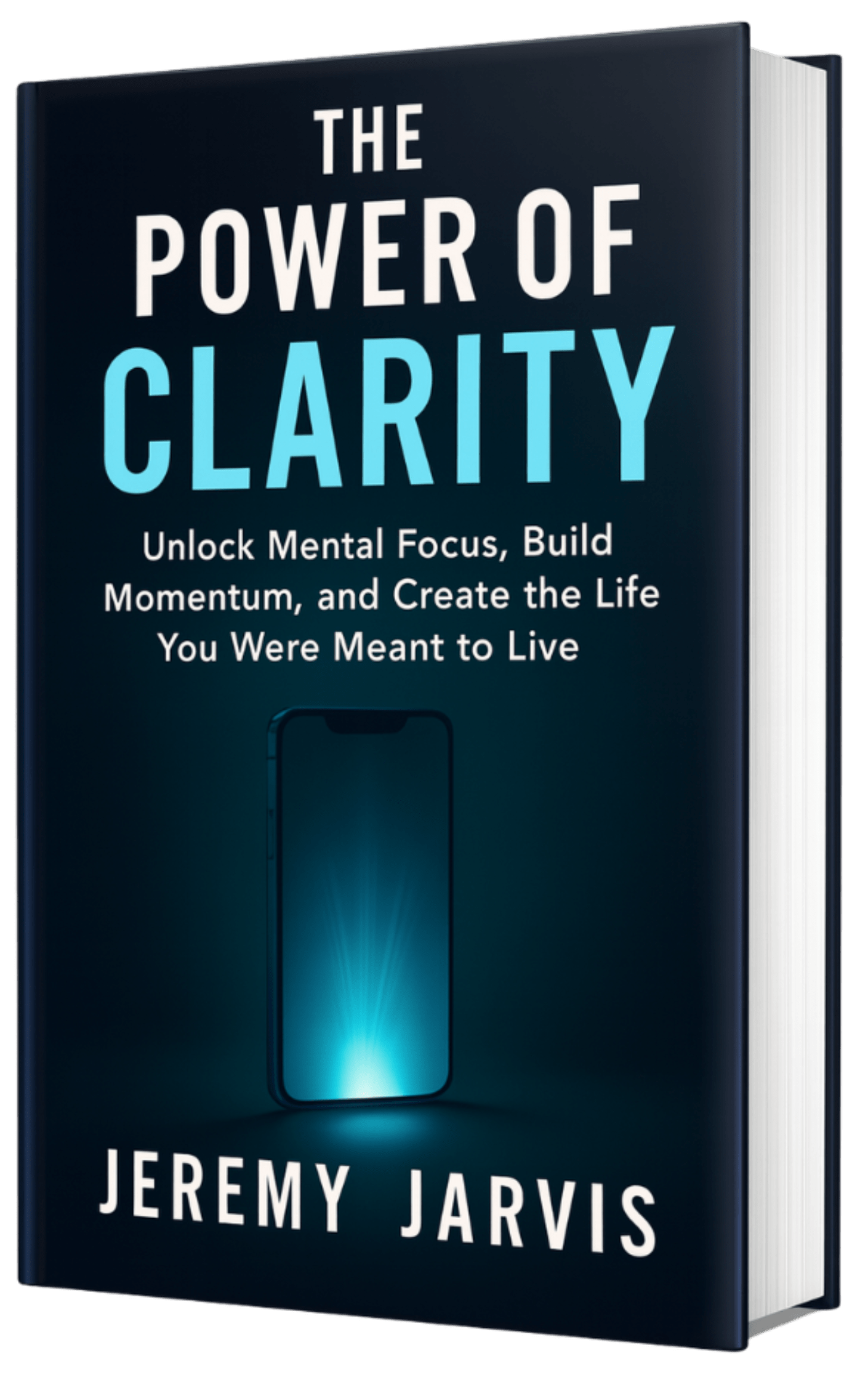
    • Identify Core Ideas: You get much better at filtering out the fluff to find the author’s main argument. This skill is critical when reading practical guides like The Power of Clarity, where each concept builds on the last.
    • Connect Concepts: Summarizing makes you see how different points in a chapter link together. This helps you build a coherent mental map of the material, which is a key function of the hippocampus in memory consolidation.
    • Encode Information: When you translate complex topics into your own language, you encode that knowledge much more deeply. This makes it far easier to remember and apply later on.

    This drive for accessible knowledge is everywhere. The global self-improvement industry is projected to grow from $46.1 billion in 2025 to over $90.9 billion by 2034, largely because digital formats and summaries are making big ideas easier for busy people to grasp.

    A Practical Scenario for Summarizing Chapters

    Let’s make this real. Imagine a project manager reading a book on team productivity who is struggling with focus at work. Instead of just highlighting a few passages, she pauses after each chapter. She writes a quick three-sentence summary in her productivity journal. She jots down the main technique, its key benefits, and one action she can try in her next team meeting.

    A week later, she doesn’t just remember the book’s title. She recalls the specific strategies and has already started using them. That’s the power of summarizing. By investing just a few extra minutes per chapter, she turned passive information into actionable wisdom.

    If you want to go even deeper on this, our guide on how to retain more of what you read is a game-changer for building knowledge that actually sticks.

    Read with Purpose Before You Summarize Book Chapters

    A great summary doesn’t start with writing. It starts with reading intentionally. Just letting your eyes glide across the page is a recipe for poor retention and vague notes. To pull out the real gold from a chapter, you have to read with a clear goal from the very beginning.

    This is where a simple mental workflow I call β€˜Scan-Read-Reflect’ makes all the difference. It’s a small shift that stops you from mindlessly turning pages. Instead, it primes your brain to spot what actually matters. When you know why you’re reading, your brain’s reticular activating system (RAS) helps filter out noise and focus on relevant information.

    Scan to Create a Mental Map

    Before you even touch that first paragraph, take 60 seconds to scan the entire chapter. Your only goal here is to build a quick mental framework of what’s coming.

    Look at the chapter title, the subheadings, and the first and last paragraphs. This quick preview acts like a roadmap, giving your brain the lay of the land before you dive into the details. From a psychological perspective, this creates a structure to hang new information on. Instead of getting a flood of random facts, your brain actively slots them into the map you just created. This makes everything feel more organized and easier to recall.

    β€œYour brain loves structure. By scanning a chapter first, you’re giving it the context it needs to make sense of the details, which dramatically improves comprehension and retention.”

    Read for Focused Comprehension When Summarizing

    Alright, now it’s time to actually read. With that mental map in place, your focus shifts to understanding the core arguments and key ideas.

    This is where concentration is everything. Distractions are the enemy of good comprehension. Find a quiet spot or throw on a pair of noise canceling headphones. To keep your focus sharp, try breaking your session into short, timed bursts. The Pomodoro Techniqueβ€”using a pomodoro timer for 25 minutes of focused readingβ€”is a game-changer. It creates a gentle sense of urgency that trains your brain to stay on task, preventing the mental fatigue that leads to passive, zoned-out reading. For more on this, check out our full guide to active reading techniques.

    Reflect to Pinpoint the Core Message

    Don’t just close the book the second you finish the last sentence. The final, and maybe most important, step is to reflect.

    Pause for just a moment and ask yourself one simple question: β€œWhat was the single most important message of this chapter?”

    This forces you to synthesize everything you just absorbed and boil it down to its absolute essence. It’s the crucial bridge between reading the words and actually creating a summary that means something.

    A Real-World Scenario

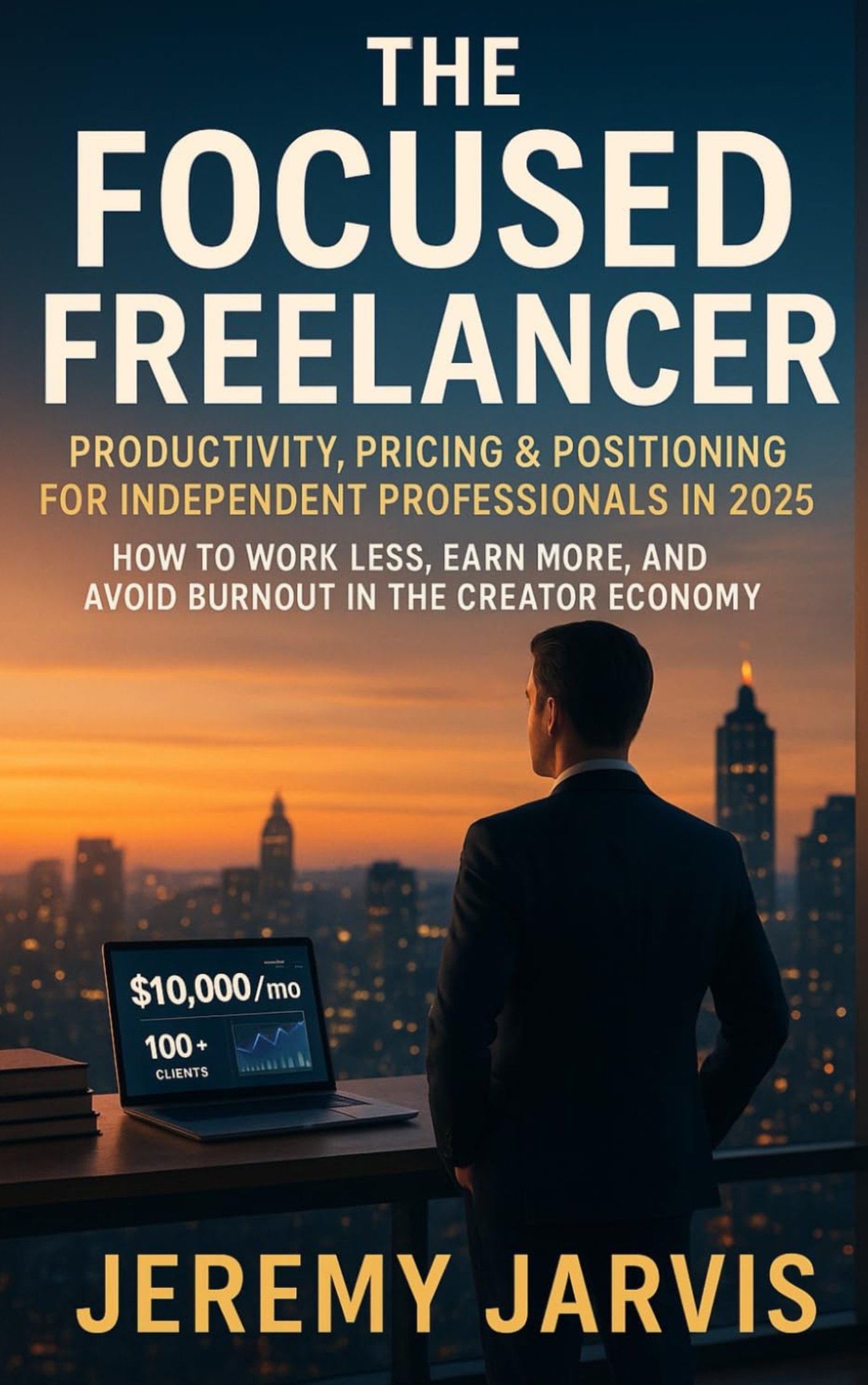
    Imagine a freelancer reading a business book like The Focused Freelancer, hoping to find new marketing strategies.

    • Scan: She quickly scans a chapter titled β€œLeveraging Social Proof.” She sees subheadings about testimonials, case studies, and user reviews. Her mental map is built.
    • Read: She sets her timer for 25 minutes. She reads with one specific goal: find one new, actionable idea she can implement this week.
    • Reflect: Afterward, she pauses and concludes the core message is that authentic customer stories are far more powerful than generic ads. Her resulting one-sentence summary is immediately useful and ready to be put into action.

    A Practical Template to Summarize Book Chapters

    Having a repeatable structure is the key to creating consistently useful summaries. If you go in without a plan, your notes often become rambling, unfocused, and just a collection of random facts. It’s easy to get lost in the details.

    This simple, three-part framework fixes that. It’s designed to make sure every chapter summary you write is concise, clear, and actually geared toward practical application. It’s a shift from just recording information to creating a genuine tool for action.

    First, let’s look at the big picture. Great summaries are built on a foundation of purpose-driven reading. It’s a simple flow that keeps you intentional from start to finish.

    Infographic illustrating purpose-driven reading steps: Unlock Your Potential, Scan, Read, and Reflect.

    This simple Scan-Read-Reflect model makes sure you’re approaching each chapter with a clear goal in mind. This makes the summarizing part much faster and more effective.

    Part 1: The Core Argument

    Your first job is to distill the entire chapter down to its absolute essence. I mean itβ€”one single sentence. Ask yourself, β€œIf I could only remember one thing from this entire chapter five years from now, what would it be?”

    This forces you to cut through the noise, ignore the secondary details, and pinpoint the central theme. It’s the most critical part of your summary and acts as the north star for everything else.

    Part 2: Key Supporting Ideas

    With your core argument locked in, you can now flesh it out. Your goal here is to list the main pillars that hold up that core argument.

    Identify 3 to 5 key supporting ideas, pieces of evidence, or powerful examples the author used. Using bullet points for this section is a game-changer. It makes your summary instantly scannable and easy to review later.

    These points should directly reinforce the core argument you just wrote. Think of them as the β€œhow” or the β€œwhy” behind the main idea. For a deeper dive into this, our article on how to take effective notes from a book offers more detailed strategies.

    Part 3: Your Actionable Takeaway

    This is where the magic happens. You need to connect the chapter’s ideas directly to your own life. The goal is to write one clear, practical step you can take based on what you’ve just learned.

    This is what transforms your summary from a passive document into an active tool for growth.

    The question to ask here is simple but powerful: β€œWhat is one small thing I can do differently tomorrow because of what I just read?” This relentless focus on application is what separates a good summary from a great one.

    Example Summary of a Chapter from Focus Recharged

    • Core Argument: The key to finally overcoming procrastination is to break down overwhelming tasks into tiny, manageable β€œmicro-habits” that are almost too small to resist.
    • Key Supporting Ideas:
      • The brain’s amygdala triggers a β€œfight or flight” response when faced with large, intimidating tasks, which leads directly to avoidance.
      • Micro-habits (like β€œwrite for just five minutes”) bypass this fear response by making the task seem completely non-threatening.
      • Building consistency with these small habits creates real momentum, making it far easier to tackle larger projects over time.
    • Actionable Takeaway: Tomorrow morning, I will use my time blocking planner to schedule a single 15-minute block to work on the big project I’ve been avoiding.

    Two Approaches to Summarizing Book Chapters

    To see why this framework is so effective, it helps to contrast it with the way most of us were taught to summarize in school. The traditional method often misses the point. A purpose-driven approach turns reading into a catalyst for real change.

    FeatureTraditional SummarizingPurpose-Driven Summarizing
    Primary GoalTo record and remember information for later recall.To extract actionable insights for immediate application.
    FocusCapturing as many details as possible; comprehensive coverage.Identifying the core argument and its most crucial supporting points.
    StructureOften unstructured, linear, or follows the author’s flow.Follows a repeatable 3-part template (Argument, Ideas, Action).
    OutputA dense, text-heavy document that can be hard to review.A concise, scannable, and practical tool for personal or professional growth.
    End ResultA passive archive of what you’ve read.An active roadmap for what you’ll do.

    Ultimately, the purpose-driven method respects your time. It assumes you aren’t reading just for the sake of it. You read because you want to get smarter, work better, or live differently. This template is designed to make that happen.

    Time-Saving Workflows for Faster Chapter Summaries

    For most of us, finding the time to summarize every single chapter can feel like a luxury we just don’t have. But with the right workflow, you can speed up the process dramatically without sacrificing the core insights. The goal isn’t just to be fast; it’s to be efficient. That means using smart tools and a repeatable system to make summarizing a natural part of your reading habit, not another chore on the to-do list.

    We’ll walk through two powerful approaches here. First, a Manual-Efficient method for those who prefer a more hands-on approach. Second, an AI-Assisted workflow for when you really need to move quickly. Both are designed to get you clear, actionable summaries in a fraction of the time it would normally take.

    summarize book chapters: Modern workspace with a laptop, smartphone, tomato timer, and notebook on a sunlit desk for focused chapter summaries.

    The Manual-Efficient Method for Summarizing Chapters

    This approach is all about pairing our three-part summary template with a solid digital note-taking tool. Use apps like Notion, Evernote, or OneNote. The real key here is to streamline the physical act of writing so you can focus entirely on the ideas.

    Forget juggling physical notebooks. A digital system makes your summaries instantly searchable, organized, and accessible from anywhere. Over time, you can even build your own personal database of insightsβ€”a concept we explore in our guide to the Second Brain method.

    Here’s what this workflow looks like in practice:

    • Set Up Your Template: Inside your favorite app, create a new note and title it something like β€œChapter Summary Template.” Then, pre-populate it with our three main headings: Core Argument, Key Supporting Ideas, and Actionable Takeaway.
    • Read and Type Directly: As soon as you finish a chapter, pull up your template and type your summary right into the fields. This is miles faster than handwriting and keeps everything perfectly organized.
    • Tag It for the Future: Use tags to categorize your summaries as you go (e.g., #productivity, #marketing, #leadership). This simple habit transforms your notes from a random collection of thoughts into a powerful knowledge base you can actually use later.

    The AI-Assisted Workflow for Summarizing Book Chapters

    Tools like ChatGPT can be incredible assistants for summarizing, but they are not a replacement for your own thinking. The secret to using them well is giving them clear instructions and then critically editing what they spit out. This is all about using AI as a partner, not a crutch.

    The global self-publishing market, which hit $1.85 billion in 2024, is booming precisely because authors can deliver practical guides to busy readers who depend on efficient learning methods like this. With 300 million self-published books sold in the U.S. in 2023 alone, the demand for workflows that distill complex ideas into usable steps has never been higher.

    To use AI responsibly, you need to start with a precise prompt. Forget a lazy β€œsummarize this” command. Instead, guide the AI with a structured request that mirrors our template.

    AI Prompt Template You Can Copy and Paste:

    β€œAct as an expert analyst. I am providing you with the text of a book chapter. Please summarize it for me by following this exact three-part structure:

    1. Core Argument: A single sentence that captures the chapter’s main point.
    2. Key Supporting Ideas: 3-5 bullet points that explain the evidence or examples used to support the core argument.
    3. Potential Actionable Takeaway: One practical, concrete step a reader could take based on the chapter’s ideas.”

    Your job doesn’t end there. Once you get the output, you need to read it, check it against the actual text for accuracy, andβ€”most importantlyβ€”rewrite the β€œActionable Takeaway” to make it personal and relevant to your own goals. The skillset is similar across different media; just as we learn to condense books, knowing how to turn a podcast transcript into an executive summary demonstrates the same ability to pull out key insights with a little help from technology.

    Editor’s Take: What Really Works for Summarizing

    Let’s be honest: the β€œbest” way to summarize book chapters completely depends on why you’re doing it in the first place. There’s no single right answer.

    If your goal is deep learning and long-term retentionβ€”like for a student or a researcherβ€”the manual, purpose-driven method is unbeatable. You simply cannot replace the mental work of wrestling with ideas and putting them into your own words. Behavioral research is clear that this active engagement is what builds strong neural pathways. Technology can’t do that for you.

    But for busy professionals who just need the core, actionable insights from a business book? The AI-assisted workflow is a lifesaver. It absolutely slashes the time it takes to get to the main point. The trick, though, is that the real value only comes when you critically review, edit, and personalize what the AI gives you. For a deeper dive on that, you can check out our guide on how to use AI effectively for writing.

    The biggest mistake you can make is passive highlighting. Real value comes from actively reformulating ideas in your own words.

    Ultimately, this whole approach is for anyone feeling buried by their reading list who wants to turn that information into knowledge they can actually use. It’s about making your reading count, whether you’re working with a simple notebook or a smart AI assistant. Building this into a routine is key, and a good habit tracker journal can really help make that happen.

    Key Takeaways: How to Summarize Book Chapters Effectively

    • Switch to Active Recall: Don’t just read; engage with the text. The act of summarizing forces your brain to retrieve and re-organize information, which is scientifically proven to strengthen memory.
    • Use the Scan-Read-Reflect Method: Before reading, scan the chapter to create a mental map. Read with focused intention. Afterward, reflect on the single most important message to distill the core idea.
    • Follow a 3-Part Template: For every chapter, identify the Core Argument (1 sentence), the Key Supporting Ideas (3-5 bullet points), and your personal Actionable Takeaway (1 specific action).
    • Choose the Right Workflow: Use a manual, digital note-taking method for deep learning. Employ an AI-assisted workflow for speed, but always edit and personalize the output to make it your own.
    • Focus on Application: The ultimate goal of a summary is not just to remember, but to do. Always ask, β€œHow can I use this?” to turn knowledge into real-world change.

    Wrapping Up: Making Your Chapter Summaries Stick

    If there’s one thing to take away from all this, it’s that summarizing a book chapter well isn’t about passively pulling out facts. It’s an active process. You’re shifting from just consuming information to building a mental library of actionable knowledge. This knowledge serves you long after you’ve put the book down.

    Here’s a quick rundown of the core ideas we’ve covered:

    • Read With a Goal: Don’t just open the book and start reading. Go in with a clear purpose. Using the Scan-Read-Reflect method forces you to actively hunt for the big ideas instead of just flipping pages.
    • Stick to a Simple Template: A consistent framework is your best friend. Our Core Argument, Key Ideas, and Actionable Takeaway structure keeps your notes sharp, focused, and immediately useful.
    • Use Tech as a Smart Assistant: AI tools are fantastic for speeding things up, but they can’t replace your own judgment. Think of them as a capable internβ€”great for the first draft, but you’re still the one who needs to do the critical thinking.
    • Hunt for the β€œSo What?”: A summary’s real power is in what it helps you do. Always end by asking yourself, β€œNow what?” That’s how you turn abstract concepts into real-world change.

    Of course, the whole process rests on the quality of your summaries. It’s one thing to pull out ideas, but it’s another to distill them accurately and without your own biases creeping in. Truly understanding the principles of writing clear, unbiased summaries is what separates a decent set of notes from a genuinely powerful learning tool.


    Disclaimer: This article contains affiliate links, which may generate a small commission at no extra cost to you. The content provided is for educational purposes only. It is not a substitute for professional medical or psychological advice, diagnosis, or treatment. Always seek the advice of a qualified health provider with any questions you may have regarding a medical or mental health condition.


    Frequently Asked Questions About Summarizing Book Chapters

    Once you start summarizing your reading, a few practical questions always pop up. Here are some straightforward answers to help turn this habit into a real-world advantage.

    1. How long should a chapter summary be?

    There’s no magic word count. A good rule of thumb is to aim for a summary that’s about 10-15% of the original chapter’s length. However, your purpose matters more than the percentage. If you’re a student digging deep for an exam, your summary might be longer. If you’re a busy professional hunting for actionable insights, the three-part template is all you need. The real goal is clarity and usefulness, not hitting an arbitrary number.

    2. Is using AI to summarize book chapters cheating?

    This comes down to how you use the tool. If you just copy-paste a chapter and take the output as gospel, you’re cheating yourself out of the learning process. You skip the mental work that builds real knowledge. But if you use AI as a smart assistant to generate a first draft? That’s an incredibly efficient workflow. The key is that you remain the editor. Your brain still has to engage with the material to check the AI’s accuracy and translate the ideas into a context that means something to you.

    3. What is the difference between taking notes and summarizing?

    Think of it like cooking. Note-taking is collectionβ€”gathering ingredients. You jot down interesting quotes, specific stats, or standout details as you read. Summarizing, on the other hand, is synthesis. You have to process all those ingredients, figure out how they fit together, and then create something new: a condensed version of the chapter’s main point, written in your own words. The summary is the finished dish.

    4. How can I effectively summarize fiction book chapters?

    Summarizing fiction plays by slightly different rules. You’re not looking for arguments and takeaways, but for the mechanics of the story. For each chapter, try to zero in on these elements:

    • Plot Advancement: What key events pushed the story forward?
    • Character Development: Did a character reveal something new, face a challenge, or change their perspective?
    • Key Themes or Symbols: Did any recurring ideas, motifs, or important symbols make an appearance?
      This approach helps you keep a clear map of the narrative.

    5. How often should I review my chapter summaries?

    To make knowledge stick, you need to review it. This is grounded in a psychological principle called spaced repetition. Instead of cramming, you revisit information at increasing intervals. A simple, effective rhythm is to review your summaries 24 hours after writing them, again after one week, and a final time after one month. This process signals to your brain that this information is important, helping move it from short-term memory into long-term storage. You can set a reminder on an old-school analog alarm clock to build this habit.


    At Mind Clarity Hub, we’re dedicated to providing you with science-backed strategies to reclaim your focus and build a more intentional life. For a deep dive into mastering your attention and achieving your most important goals, explore Jeremy Jarvis’s bestselling book, The Power of Clarity.
  • How to Improve Focus While Studying A Practical Guide

    How to Improve Focus While Studying A Practical Guide

    How to Improve Focus While Studying A Practical Guide

    Jeremy Jarvis β€” Mind Clarity Hub founder
    Mind Clarity Hub β€’ Research-aware focus & digital wellness

    Having a hard time staying locked in on a textbook? The real secret to how to improve focus while studying is to work with your brain’s natural wiring, not fight against it. According to behavioral science, focus isn’t about raw willpower. Instead, it’s about managing your brain’s limited attention and creating an environment where concentration can actually happen. This guide will walk you through practical, science-backed strategies to do just that.

    Affiliate Disclosure: This article may contain affiliate links. If you make a purchase through these links, we may earn a small commission at no extra cost to you. We only recommend products we trust.

    How to improve focus while studying when distractions like smartphones trigger attention residue and mental overload.

    Why Your Brain Fights Focus (And How to Work With It)

    Ever sit down to study, full of good intentions, only to find your mind drifting off within minutes? You’re not alone, and it’s certainly not a personal failure. The real culprit is the intricate wiring of your brain. Your prefrontal cortexβ€”the command center for planning, decision-making, and concentrationβ€”is in a constant battle with distractions. Consequently, this part of your brain works incredibly hard to keep you on task, but it’s running on a finite battery. Every notification, every random thought, and every little interruption drains that precious resource, making focus feel like an impossible uphill climb.

    The True Cost of a β€œQuick Glance” at Your Phone

    That β€œquick” check of your phone is far more damaging than you think. Neuroscience research points to a phenomenon called attention residue. In short, even after you put the phone down, part of your brain’s processing power remains stuck on what you just sawβ€”that text, that social media post, that news alert. This mental leftover makes it incredibly difficult to regain deep concentration.

    Field studies have shown that even a brief smartphone check can shatter your focus for up to 20-25 minutes. This happens because your brain doesn’t switch tasks seamlessly; it pays a heavy performance penalty. Ultimately, multitasking isn’t a skillβ€”it’s a drain that can slow you down by 20-40% and spike your error rate.

    Key Takeaway: Your focus is a finite resource managed by your prefrontal cortex. Every time you switch tasks, you pay a β€œcognitive tax” that depletes this resource, making it harder and harder to get back to what matters.

    Common Focus Killers and Their Solutions

    Before diving into deeper strategies, it’s helpful to spot the everyday culprits that drain your mental battery. This table breaks down the most common focus killers, explains what they’re doing to your brain, and gives you a simple, actionable fix you can use right away.

    Focus KillerImpact on Your BrainQuick Fix Solution
    Phone NotificationsTriggers a dopamine-driven novelty response, creating attention residue and making deep work feel β€œboring.”Turn your phone on silent and place it face down, out of your direct line of sight.
    Cluttered WorkspaceCreates visual noise that overwhelms your prefrontal cortex, increasing cognitive load before you even start studying.Take 2 minutes to clear your desk. Keep only what you need for the current task.
    No Clear GoalLeaves your brain without a specific target, making it easy for your mind to wander in search of a more engaging stimulus.Write down one specific, achievable goal for your study session on a sticky note (e.g., β€œRead Chapter 4 and summarize it in 3 bullet points”).
    Background NoiseForces your brain to constantly filter out irrelevant sounds, draining the mental energy needed for concentration.Use noise-canceling headphones or play instrumental focus music (like lo-fi or classical) at a low volume.

    By tackling these common issues first, you’re setting the stage for more effective, sustainable focus. You’re removing the low-hanging fruit of distraction, giving your brain a fighting chance.

    Stop Fighting Your Brainβ€”Start Working With It

    So, how do you win this neurological battle? It starts with acknowledging a simple truth: your brain is optimized for survival, which means it’s hardwired to notice novelty and potential threats. In our modern world, that translates to pings, notifications, and breaking news alerts.

    Instead of trying to crush this impulse with sheer willpower (a losing game), you can build a system that makes focus the path of least resistance. This means intentionally shaping your environment and your internal state to support deep concentration.

    Here are the foundational pillars we’re going to build on:

    • Engineering Your Environment: Creating a physical and digital space that sends a clear signal to your brain: β€œIt’s time to focus.”
    • Building Bulletproof Routines: Using structured methods to manage your energy and attention, so you’re not relying on motivation alone.
    • Fueling Your Cognitive Engine: Understanding the non-negotiable roles that sleep, nutrition, and exercise play in your ability to learn.

    By making deliberate choices about where, when, and how you study, you reduce the mental load on your prefrontal cortex. You free it up to do what it does best: learn, solve problems, and make meaningful connections. This is the core principle behind overcoming that scattered, overwhelmed feeling, a topic we explore further in our guide on the science of mental fog and how to overcome it.

    Crafting Your Ultimate Distraction-Free Study Zone

    Your physical environment sends some of the most powerful cues to your brain. This isn’t just about having a desk; it’s about deliberately engineering a space that tells your mind, β€œWhen I’m here, it’s time to focus.” Getting this right turns concentration into a habit, not a constant, uphill battle.

    A cluttered desk is more than just a messβ€”it’s a cognitive burden. Neuroscience research is clear: excessive visual stimuli compete for your brain’s limited attention. In short, every out-of-place book, old coffee mug, and stack of papers is a tiny distraction that eats up your mental energy before you even start studying.

    Your Study Zone as a Focus Trigger

    The real magic happens when you create a dedicated β€˜study-only’ space. When you consistently use a specific areaβ€”even just one corner of your roomβ€”exclusively for deep work, your brain forms a powerful contextual link. Over time, simply sitting down in that spot will act as a trigger, helping you shift into a focused mindset much more quickly and automatically.

    Think of it like a light switch for your concentration. Flipping it on becomes effortless when the wiring is dedicated to a single purpose.

    Real-World Scenario: The Study Nook Transformation
    Meet Alex, a student whose desk was also their dining table, gaming station, and laundry pile. To sharpen their focus, Alex designated the left side of the desk for coursework only. They cleared everything non-essential, added a small desk lamp, and made a rule: no phone, no food, no social media on that side. Within a week, the simple act of moving to that β€œzone” made it noticeably easier to start and maintain focus on assignments.

    Engineering Your Sensory Environment

    Beyond visual clutter, your light and sound environment play a massive role. Unexpected noises force your brain to constantly filter out irrelevant sounds, draining the very energy you need for concentration.

    • Sound Control: Use noise-canceling headphones to block out chatter or a roommate’s TV. If total silence feels unsettling, experiment with ambient sounds like soft rain or instrumental lo-fi music. These can provide a consistent audio backdrop that masks distractions without pulling your attention.
    • Light It Right: Position your desk to get as much natural light as possible, as it’s known to boost alertness and mood. For evening sessions, use a dedicated desk lamp to prevent eye strain and keep your energy levels from dipping.

    By controlling these sensory inputs, you create a stable, predictable environment. This simple act reduces the cognitive effort needed to tune out distractions, freeing up more brainpower for what truly mattersβ€”learning. You can dive deeper into how these factors influence your mind in our detailed guide on how light and sound affect cognitive performance.

    Building Powerful Study Routines to Sharpen Your Focus

    Let’s be honest: motivation is a terrible study partner. Some days it shows up, but most days it ghosts you right when you need it most. That’s why relying on systems and routines is a much smarter play for anyone wondering how to improve focus while studying. Routines build a structure that props you up and gets you working, even when you don’t feel like it.

    Instead of staring down a huge, scary goal like β€œstudy for finals,” structured methods chop it into small, manageable pieces. This approach works with your brain’s natural rhythms, not against them, helping you dodge the burnout that always follows those long, chaotic cramming sessions. Consequently, the aim here is consistent progress, not some heroic, all-night feat of willpower.

    The Power of Timed Intervals: The Pomodoro Technique

    One of the most battle-tested systems out there is the Pomodoro Technique. It’s brilliant in its simplicity: you commit to a focused 25-minute sprint on a single task, followed by a mandatory 5-minute break. After four of these cycles, you take a longer break of 15–30 minutes.

    This technique works because it turns your study session into a game and respects your brain’s limits. That 25-minute timer creates just enough urgency to get you started. Furthermore, those scheduled breaks aren’t an excuse to quit. They’re essential for letting your prefrontal cortex rest and recharge, which is the key to maintaining high-quality focus for hours.

    Research has shown that students who use structured intervals like this can boost their on-task time by 20–40% compared to just winging it. These short, intense bursts are a perfect way to make every minute of your study time count.

    This whole process starts before the timer even begins, by setting up a space that tells your brain it’s time to focus.

    As you can see, a tidy space, a dedicated zone, and blocking distractions are the foundational moves you make before starting any timed study session.

    Deep Work for Your Biggest Projects

    For the heavy hittersβ€”like outlining a term paper, coding a big project, or grinding through dissertation researchβ€”you’ll need longer stretches of pure, uninterrupted focus. This is where the idea of Deep Work comes in. It’s all about scheduling solid blocks of 90-120 minutes dedicated to a single, high-stakes task.

    Real-World Scenario: Combining Techniques
    Let’s say you have a dense, 30-page chapter to get through. You could use two Pomodoro sessions (just under an hour) to tackle the initial reading and take rough notes. The next day, you could schedule a 90-minute Deep Work block to synthesize those notes into a detailed essay outline.

    Deep work means you’re all-in on one thing. No notifications, no email, no jumping over to another task for β€œjust a second.” This allows you to hit that state of flow where you make real, meaningful progress. This intense focus on a single activity is crucial, and you can learn more about the powerful brain science behind it in our guide on the neuroscience of single-tasking.

    Fueling Your Brain for Peak Cognitive Performance

    Mental clarity and your physical health are deeply intertwined. It’s easy to forget, but the choices you make for your body have a direct, measurable impact on your ability to learn and hold your concentration.

    Think of your brain less like a mysterious black box and more like a biological organ with very specific needs for fuel, rest, and maintenance.

    how to improve focus while studying with brain-fueling snacks like berries, almonds, and steady hydration for clearer concentration.

    Once you understand how sleep, food, and movement affect your cognitive engine, you can stop fighting against your own biology. This isn’t about a massive lifestyle overhaul. It’s about small, intentional tweaks that deliver huge returns in your ability to focus while studying.

    Prioritize Sleep to Solidify Learning

    Sleep isn’t just downtime; it’s one of the most active and critical processes for your brain. While you’re asleep, your brain is busy running a nightly maintenance routine, clearing out metabolic waste that builds up during the day.

    More importantly, this is when your brain consolidates memories, shifting new information from fragile short-term storage into more stable long-term memory. Pulling an all-nighter to cram is one of the most counterproductive things you can do.

    The research is crystal clear on this. Sleep deprivation has an immediate, negative effect on attention and learning. One meta-analysis found that total sleep loss can tank sustained attention by 20–30%, while getting proper rest can boost retention by as much as 20–40% compared to staying awake. You can find more data on the link between student well-being and academic outcomes in this detailed 2025 landscape report.

    Actionable Tip: Get on a consistent sleep schedule, even on weekends. Going to bed and waking up around the same time helps regulate your body’s internal clock, which improves sleep quality and makes it easier to feel sharp when it’s time to study.

    Feed Your Brain for Stable Energy

    What you eat has a direct and surprisingly fast effect on your energy levels and focus. Sugary snacks might give you a quick jolt, but it’s always followed by an inevitable crash that leaves you feeling sluggish and mentally foggy.

    Your brain doesn’t want that rollercoaster. It thrives on a steady, reliable supply of energy.

    To power through long study sessions, pick foods that release glucose slowly and consistently.

    • Brain-Boosting Snacks: Keep smart options nearby, like almonds, walnuts, berries, or an apple. These deliver a mix of complex carbs, healthy fats, and antioxidants that support brain function without the crash.
    • Stay Hydrated: Even mild dehydration can mess with your cognitive functions, including your attention span and memory. Keep a water bottle on your desk and make a habit of sipping from it throughout your study block.

    Making smarter food choices is a straightforward way to give your brain the fuel it needs to perform. It’s also a key step in learning how to improve your mental clarity for studying and everything else.

    Use Movement to Re-Engage Your Mind

    Sitting still for hours is a recipe for mental fatigue. Your brain just wasn’t built for it. Physical movement is one of the fastest ways to wake it back up.

    Moving your body increases blood flow to the brain, delivering a fresh supply of oxygen and nutrients. It also gives you a little boost of key neurotransmitters like dopamine and norepinephrine, which are crucial for focus and motivation.

    You don’t need a full-blown workout to get these benefits. Short, simple β€œmovement breaks” can make all the difference.

    • Mini-Scenario: You’re deep into a study session and feel your attention drifting. You’ve reread the same sentence three times. Instead of forcing it, set a timer for five minutes. Get up, do some stretches, walk around the room, or even do a few jumping jacks. When you sit back down, you’ll feel more alert and ready to dive back in.

    Editor’s Take: What Actually Works for Improving Focus

    After digging through the research and strategies, let’s get straight to the point. If you’re a student drowning in a sea of digital pings and a mind that just won’t stay put, the biggest wins come from mastering two core areas: your digital environment and your time management system.

    This advice is best for students and learners who feel generally overwhelmed by distractions but do not have a diagnosed attention disorder. The strategies are practical and behavioral, meaning they work best when applied consistently as new habits. However, they are not a quick fix; they require conscious effort to implement.

    The Two Most Powerful Levers You Can Pull for Better Focus

    While every tip in this guide has its place, these two pillars are where you’ll see the most significant and immediate improvements. Think of them as the foundation for everything else.

    • Pillar 1: Build Your Digital Fortress. This isn’t about raw willpower; it’s about making distraction inconvenient. Use app blockers like Freedom or Cold Turkey to physically wall off temptations. When you do this, you give your prefrontal cortex a fighting chance to stay locked in on what matters.

    • Pillar 2: Structure Your Time. Find a method that clicks with you, like the Pomodoro Technique. There’s a reason it’s so popular: working in focused 25-minute bursts with scheduled breaks is a brilliant way to prevent burnout and make huge tasks feel less daunting. It essentially gamifies your study sessions and respects your brain’s natural rhythm.


    Final Thought: Consistency will always crush perfection. Don’t try to change everything overnight. Just pick one new habitβ€”like using Pomodoros for a single study blockβ€”and try it this week. Once that feels normal, you can layer on something else.

    This advice is designed for general productivity and learning how to improve focus while studying. If you suspect an underlying condition like ADHD or you’re battling severe burnout or anxiety, this article is not a substitute for professional care. Please reach out to a healthcare professional for guidance tailored to you.

    Important Disclaimer

    The content in this article is for educational and informational purposes only and should not be considered a substitute for professional medical or psychological advice, diagnosis, or treatment. This post may also contain affiliate links, which means we might earn a small commission if you make a purchase through them, at no extra cost to you.

    Frequently Asked Questions on How to Improve Focus While Studying

    We’ve walked through a ton of the science and strategy behind sharpening your concentration. Now, let’s get into the questions I hear most often from students trying to dial in their focus. This is where we fine-tune the approach and tackle the hurdles that pop up in the real world.

    What Is the Best Music for Studying?

    Finding the right soundtrack can be a total game-changer, but it’s incredibly personal. Research in psychology suggests that music can enhance mood and alertness, which is great for learning. The trick is finding something that helps without getting in the way.

    For most people, instrumental music is the safest bet. As soon as lyrics enter the picture, they start competing for your brain’s language-processing resources, making it harder to read and actually understand what you’re studying.

    Here are a few genres that are consistently effective:

    • Classical Music: Look for compositions with a tempo around 60-70 beats per minute. This speed is known to encourage a state of relaxed alertnessβ€”perfect for absorbing information.
    • Lo-fi Hip Hop: There’s a reason this genre is so popular for studying. Its mellow, steady beats are literally designed to fade into the background.
    • Ambient or Nature Sounds: Things like rain, a flowing stream, or even simple white noise are fantastic for masking distracting background sounds without demanding any of your attention.

    The real goal here is to use sound as a tool to build a consistent, predictable study bubble.

    How Long Can You Realistically Study Without a Break?

    Forget the myth of the heroic, multi-hour study marathon. It just doesn’t work. Your brain’s prefrontal cortex, the part in charge of focus, runs on a limited battery. If you push it for too long without a rest, you hit a point of diminishing returns fast, leading to mental fog and burnout.

    A solid rule of thumb is to work in focused bursts of 25 to 50 minutes, then take a short 5 to 10-minute break. This is the heart of methods like the Pomodoro Technique. These little pauses aren’t lazyβ€”they are neurologically critical. They give your brain the space it needs to recharge and consolidate everything you just learned.

    Key Insight: A series of short, consistent study sessions will always beat one long, draining one. The quality of your focused time is so much more important than the raw number of hours you spend at your desk.

    How Can You Stop Your Mind from Wandering?

    First, know this: mind-wandering is a natural brain function, not a personal flaw. Your brain is wired to scan the environment for new information. The secret isn’t to crush this tendency but to learn how to gently and consistently guide your attention back home.

    When you catch your mind drifting, try this simple three-part reset:

    1. Acknowledge: Without any judgment, just silently note where your thoughts went. (β€œOkay, I’m thinking about what’s for dinner.”)
    2. Breathe: Take a single, slow, deep breath. Think of it as a mental reset button that breaks the chain of wandering thoughts.
    3. Reset: Gently bring your focus back to the exact sentence or problem you were working on.

    The more you practice this little routine, the quicker you’ll get at catching distractions and getting right back on track.

    Is It a Good Idea to Do a Dopamine Detox?

    The whole β€œdopamine detox” concept has blown up, and for good reason. The idea is to take a temporary break from high-stimulation activitiesβ€”think social media, video games, junk foodβ€”to give your brain’s reward system a chance to reset. By doing this, you can make lower-dopamine activities, like studying, feel more engaging and less like a chore.

    While the name can be a bit of a misnomer, the core behavioral principle is solid. Cutting back on constant, cheap dopamine hits absolutely helps improve your ability to focus on tougher tasks. It’s a powerful strategy for anyone feeling like their attention span has been hijacked. To go deeper on the science, check out our guide that explores whether a dopamine detox is real or just a myth.


    Ready to go deeper and reclaim your focus for good? The Mind Clarity Hub offers a complete library of science-backed books and guides designed to help you build powerful habits, shut down digital distractions, and achieve a state of calm, effective productivity. Explore our resources today and start your journey toward a clearer mind.

    For more visual inspiration on building a focused lifestyle, check out our curated resources on Pinterest: https://www.pinterest.com/JeremyJarvisOfficial/. Our boards are a great way to discover new strategies and quick tips on everything from digital wellness to mindful productivity.

    Explore the Mind Clarity Hub Library

    Practical books on focus, digital habits, resilience, and building a calmer mind.

    The Power of Clarity β€” book cover

    The Power of Clarity

    Unlock mental focus, build momentum, and create the life you were meant to live.

    View book β†’
    AI & ChatGPT for Beginners β€” book cover

    AI & ChatGPT for Beginners

    No PhD needed β€” a 2025 guide to AI, prompts, and productivity without coding.

    View book β†’
    Zen in the Digital Jungle β€” book cover

    Zen in the Digital Jungle

    Mindfulness for a chaotic world.

    View book β†’
    The Slow Reset β€” book cover

    The Slow Reset

    Mindful living in a fast-paced world.

    View book β†’
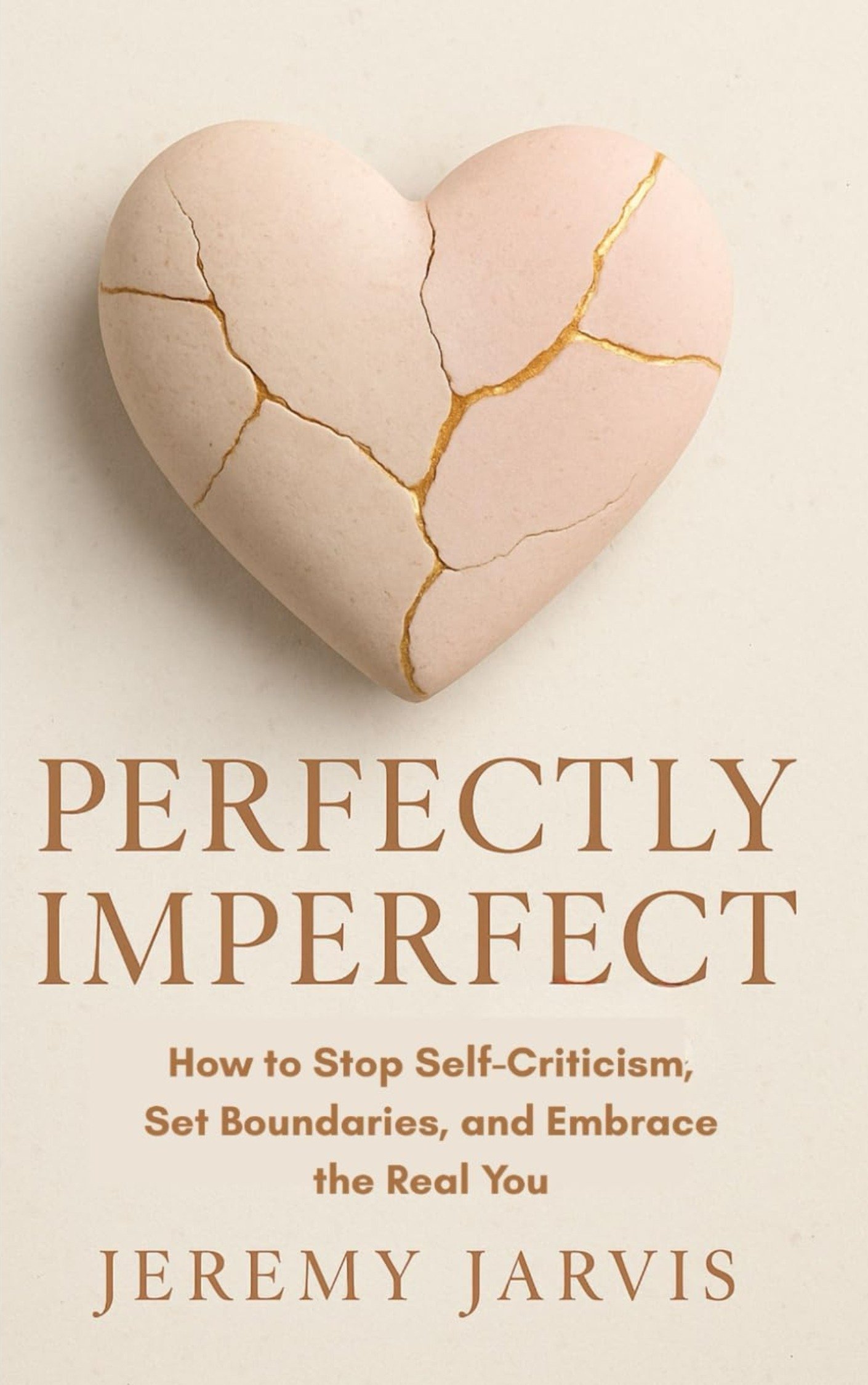
    Perfectly Imperfect β€” book cover

    Perfectly Imperfect

    Stop self-criticism, set boundaries, and embrace the real you.

    View book β†’
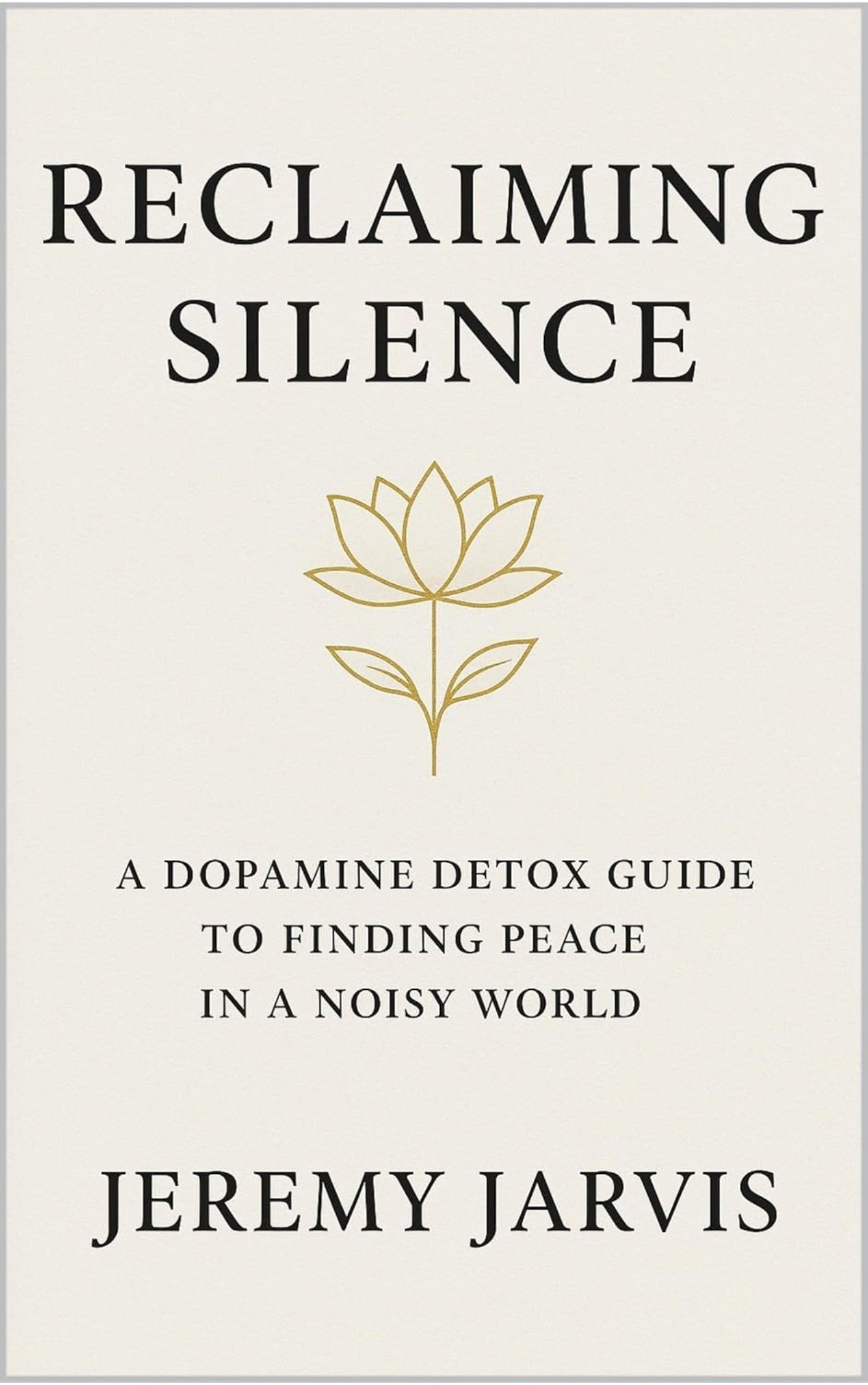
    Reclaiming Silence β€” book cover

    Reclaiming Silence

    A dopamine detox guide to finding peace in a noisy world.

    View book β†’
    The Focused Freelancer β€” book cover

    The Focused Freelancer

    Productivity, pricing & positioning for independents in 2025.

    View book β†’
    ChatGPT Side Hustle System β€” book cover

    ChatGPT Side Hustle System

    Launch your AI-driven online business in 30 days.

    View book β†’
    Burnout, Interrupted β€” book cover

    Burnout, Interrupted

    A proven path to restore energy and reclaim your life.

    View book β†’
    Attention Unleashed β€” book cover

    Attention Unleashed

    Focus strategies for the distracted mind.

    View book β†’
    Side Hustle Launchpad β€” book cover

    Side Hustle Launchpad

    Your quick-start guide to extra income.

    View book β†’
    Digital Clarity β€” book cover

    Digital Clarity

    Rewire your brain, escape dopamine traps & regain focus.

    View book β†’
    Break the Scroll β€” book cover

    Break the Scroll

    Reduce screen time and take back control of your life.

    View book β†’
    Climate Compassion β€” book cover

    Climate Compassion

    Transform eco-anxiety into empowered action.

    View book β†’
    Village Mentality β€” book cover

    Village Mentality

    The power of community for mental wellness.

    View book β†’
    Restful Nights β€” book cover

    Restful Nights

    Overcoming sleep anxiety in a 24/7 world.

    View book β†’
    Connected Again β€” book cover

    Connected Again

    Combat loneliness and build meaningful relationships.

    View book β†’
    Focus Recharged β€” book cover

    Focus Recharged

    Mastering attention and productivity in the digital era.

    View book β†’
    Marketing Magic with ChatGPT β€” book cover

    Marketing Magic with ChatGPT

    AI-powered content, campaigns, and copywriting to grow faster.

    View book β†’
    The 6-Figure Creator β€” book cover

    The 6-Figure Creator

    Turn knowledge into passive income with books, courses & AI.

    View book β†’
    Burnout Breakthrough β€” book cover

    Burnout Breakthrough

    Reset your work-life balance and thrive in 2025.

    View book β†’
    The Emotionally Intelligent Man β€” book cover

    The Emotionally Intelligent Man

    A modern guide to self-awareness and communication.

    View book β†’
    AI Personalized Wellness β€” book cover

    AI Personalized Wellness

    Create your custom health plan with data-driven habits.

    View book β†’
    Everyday AI Made Easy β€” book cover

    Everyday AI Made Easy

    Use ChatGPT and smart tools to simplify life.

    View book β†’
    Money Mindfulness β€” book cover

    Money Mindfulness

    A financial wellness guide for Gen Z & Millennials.

    View book β†’
    Startup Smarter with AI β€” book cover

    Startup Smarter with AI

    ChatGPT strategies and tools to grow your business.

    View book β†’
    ChatGPT for Writers & Creators β€” book cover

    ChatGPT for Writers & Creators

    Unlock AI-powered brainstorming, drafting & editing.

    View book β†’