...

Tag: stress management

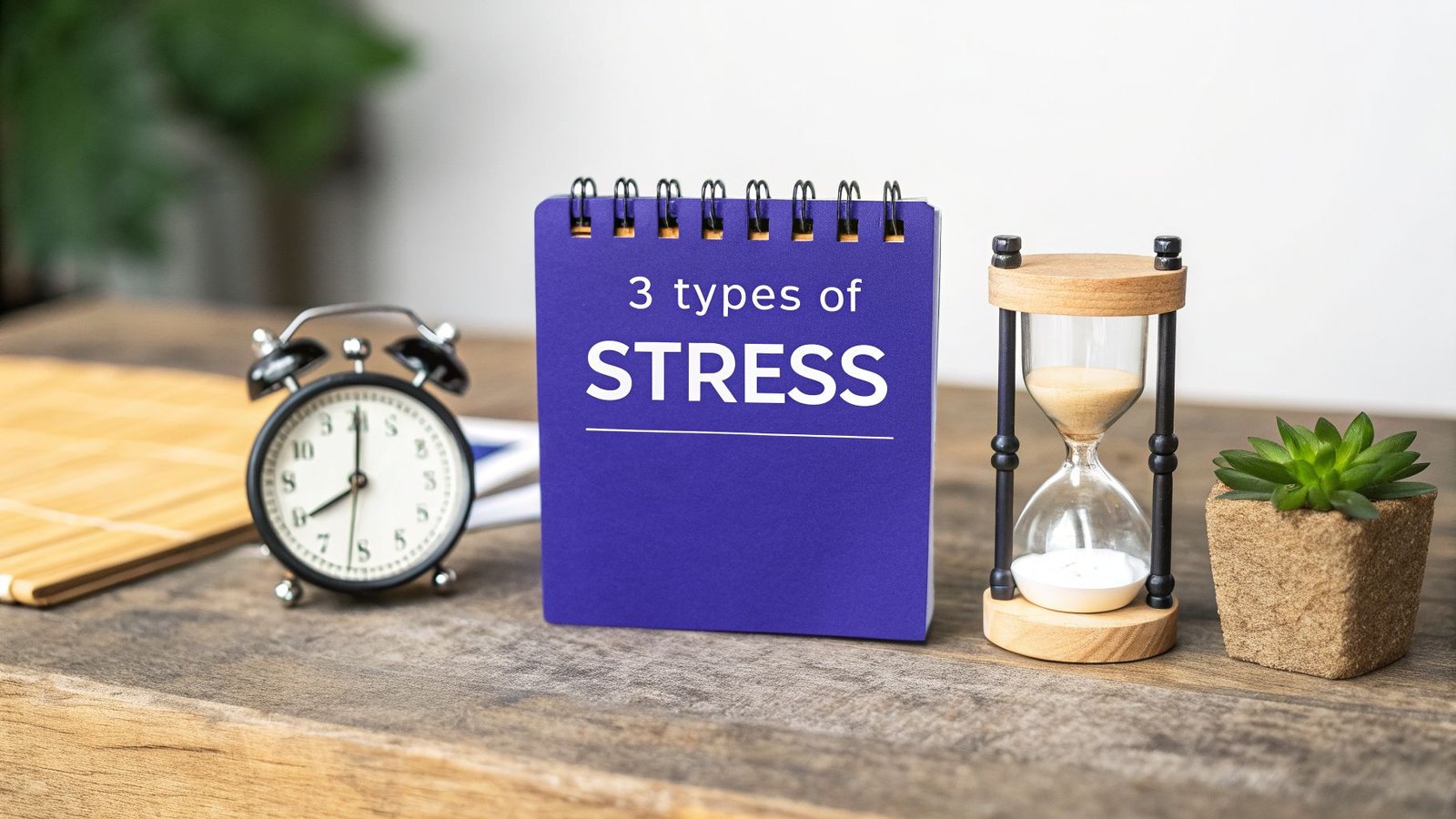
  • Feeling Overwhelmed? Understand the 3 Types of Stress to Regain Control

    Feeling Overwhelmed? Understand the 3 Types of Stress to Regain Control

    Affiliate Disclosure: Purchases made through links in this article may generate a small commission for us at no extra cost to you. We only recommend products we trust.

    Stress is a universal human experience, but not all stress is created equal. The vague feeling of being “stressed out” can stem from very different sources. Each one affects your brain, body, and productivity in unique ways. Understanding the specific type of stress you’re facing is the first step toward effectively managing it. Without this clarity, you might apply the wrong solution to the wrong problem. This leads to more frustration and potential burnout. If you’re feeling the weight of the world, it’s helpful to know what to do when feeling overwhelmed and regain calm.

    This guide moves beyond generic advice. It provides a clear breakdown of the common forms of stress impacting busy professionals. We will explore the distinct characteristics of acute, episodic acute, and chronic stress. For each type, you’ll learn its symptoms and its impact on cognitive functions. More importantly, we provide actionable strategies to manage each one. You’ll find specific tips, such as using a time blocking planner to regain control of your schedule. This article is your roadmap to identifying the 3 types of stress accurately. It helps you respond with targeted techniques that restore your mental clarity.

    Disclaimer: This article is for educational purposes only. It is not a substitute for professional medical or psychological advice, diagnosis, or treatment. Always seek the advice of your physician or other qualified health provider with any questions you may have regarding a medical or mental health condition.

    1. Acute Stress: The Immediate Challenge Response

    Acute stress is your body’s most common and immediate reaction to a new challenge. It’s the intense, short-lived feeling of pressure that helps you navigate specific threats. This concept is rooted in Walter Cannon’s “fight-or-flight” framework. This type of stress isn’t inherently bad; in fact, it’s a vital survival mechanism. A surge of adrenaline and cortisol sharpens your focus and boosts your energy. It prepares you to act decisively. For knowledge workers, this often translates to a sudden burst of productivity right before a deadline.

    A businessman working on a laptop, illustrating one of the 3 types of stress: acute stress.

    The problem arises when these intense episodes occur too frequently without adequate recovery.

    • Mini-Scenario: Imagine you’re a freelancer and a client requests urgent revisions on a Friday afternoon. Your heart rate increases, and your brain diverts resources toward immediate problem-solving. This is acute stress in action. While effective in the moment, living in this state of high alert can be draining. Your sympathetic nervous system is triggered, making it hard to relax afterward.

    The Neuroscience Behind This Type of Stress and Your Focus

    When you experience acute stress, your brain’s amygdala, the “threat detector,” signals the hypothalamus. This sets off a chain reaction, flooding your body with hormones like adrenaline. This neurochemical surge is what gives you that feeling of being “on.” It enhances short-term memory and alertness. However, the prefrontal cortex, responsible for complex decision-making, can become impaired. You become reactive, not strategic. This is a normal brain response, but it’s designed for short-term use.

    Practical Strategies to Manage Acute Stress

    Managing acute stress is not about eliminating it. It is about controlling the response and ensuring quick recovery. This prevents it from escalating into more damaging stress types.

    Strategy 1: Develop an Acute Stress Protocol

    Don’t wait for a crisis to decide how you’ll handle it. Create a simple checklist of actions to take when you feel overwhelmed.

    • Your Protocol Might Include:
      • Acknowledge the feeling without judgment (“I am feeling stressed by this deadline.”).
      • Stand up and take three deep breaths using the box breathing technique.
      • Drink a glass of cold water to ground yourself.
      • If possible, take a five-minute walk to another room.

    Strategy 2: Implement Post-Stress Recovery Rituals

    After a high-stakes meeting, your nervous system needs to downshift. Build in immediate recovery time. Schedule a 15-minute buffer in your calendar after a major presentation. Use that time to stretch or listen to a calming song. This signals to your body that the threat has passed. It allows your parasympathetic (rest-and-digest) system to take over. Learning effective techniques is a valuable skill. For an in-depth guide, explore our resources on how to calm your nervous system.

    Best Option for Busy Professionals: Optimizing Your Workflow

    Your environment plays a significant role in managing the 3 types of stress.

    • Create Boundaries: Physically separate your work and personal spaces if you can. This creates a psychological barrier that helps you disconnect.
    • Time-Block Demanding Tasks: Use a dedicated time blocking planner to group intense tasks. This allows you to mentally prepare for high-demand periods.
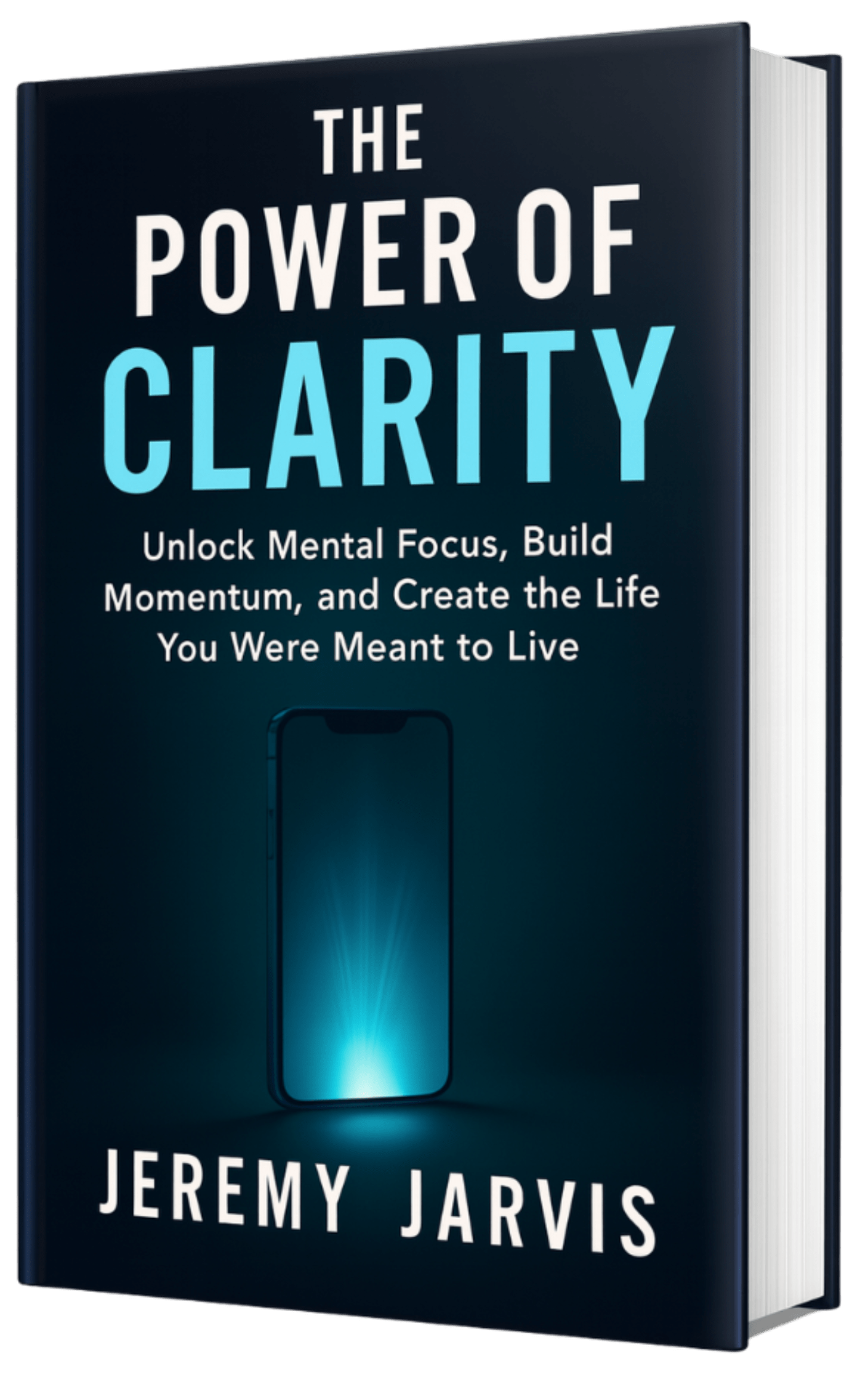
    • Automate Decisions: Use digital tools to handle routine tasks like scheduling. This frees up mental bandwidth to manage unexpected stressors. This is a core principle in The Power of Clarity, which focuses on building systems to protect your attention. See the book that fits your goal.

    2. Episodic Acute Stress: The Cycle of Perpetual Urgency

    Episodic acute stress happens when acute stress becomes a recurring pattern. It’s the experience of living in a state of perpetual urgency. You lurch from one crisis to the next without a chance to fully recover. Burnout experts Christina Maslach and Michael Leiter identify it as a key driver of exhaustion. This type of stress is common for entrepreneurs and freelancers. It happens when systems for managing work aren’t well-defined. This leads to a relentless cycle of firefighting.

    A cluttered desk with sticky notes, illustrating one of the 3 types of stress: episodic acute stress.

    This state is characterized by frequent, self-inflicted crises.

    • Mini-Scenario: A startup founder is managing funding pressures, product development, and team issues all at once. The nervous system remains partially activated between these high-pressure events. Full recovery is blocked. This leads to persistent anxiety, irritability, and a steady erosion of your ability to handle new challenges.

    The Neuroscience Behind This Type of Stress and Your Focus

    When you repeatedly trigger the acute stress response, your body doesn’t have time to return to its baseline. Your amygdala stays on high alert. Your system is continually primed with low levels of cortisol and adrenaline. This keeps your brain in a reactive mode. It makes it difficult to engage the prefrontal cortex for deep, strategic thinking. Over time, this chronic activation can impair memory and lead to decision fatigue. Even small choices feel overwhelming.

    Practical Strategies to Manage Episodic Acute Stress

    Managing this form of stress requires shifting from a reactive mindset to a proactive one. It’s about breaking the cycle of constant emergencies.

    How to Choose Your First Step

    To break the cycle, you need to regain control. Start by either auditing your tasks or creating better boundaries.

    FeatureUrgency AuditBuilding Boundaries
    Main GoalIdentify what’s truly urgent vs. what’s not.Reclaim control over your time and attention.
    Best ForProfessionals who feel “busy” but not productive.People who feel constantly interrupted and available.
    First ActionLog every “urgent” task for one week.Designate specific times for checking email/Slack.
    Tool SuggestionA simple notebook or productivity app.A phone lock box timer to enforce digital rules.

    Strategy 1: Conduct an ‘Urgency Audit’

    Most things labeled “urgent” are not true emergencies. Track every task you classify as urgent for one week.

    • Your Audit Protocol:
      • Use a notebook to log each “urgent” item.
      • Note the actual consequence of not doing it immediately.
      • At the end of the week, review the list. Use this data to separate truly urgent tasks from merely important ones.

    Strategy 2: Build Buffers and Boundaries

    Constant availability fuels episodic acute stress. Reclaim control by creating intentional buffers.

    • Build Time Buffers: Add a 25% time buffer to all project estimates. If a task takes four hours, schedule five.
    • Set Communication Boundaries: Designate specific times for checking email. Turn off notifications outside these windows. A phone lock box timer can be a great tool to enforce these digital boundaries.

    Strategy 3: Systematize Your Workflow

    Reduce cognitive load by creating systems that automate decisions.

    • Automate and Delegate: Use AI tools for routine tasks. Delegate work that doesn’t align with your core priorities. This is a central theme in The Power of Clarity.
    • Establish a Shutdown Ritual: End your workday with a 15-minute routine to review progress and plan the next day. This signals to your brain that the workday is over. Building this habit is crucial for long-term well-being and building resilience at work.

    3. Chronic Stress: The Long-Term Overload

    Chronic stress is the relentless, grinding pressure that persists for weeks, months, or even years. Unlike the other types of stress, it often arises from ongoing situations with no clear end. Research by neuroscientist Bruce McEwen has shown how this sustained pressure reshapes the brain and body. For knowledge workers, it’s the quiet hum of overload from a toxic work environment or persistent financial strain.

    The danger of chronic stress lies in its insidiousness. The body’s stress response system remains in a low-grade activated state.

    • Mini-Scenario: A remote worker with blurred work-life boundaries works 10+ hours daily. They feel constantly tired but accept it as “normal.” Over time, this leads to significant health issues, cognitive decline, or total burnout.

    The Neuroscience Behind This Type of Stress and Your Focus

    With chronic stress, the continuous release of cortisol begins to damage the very systems designed for survival. Bruce McEwen’s research on “allostatic load” explains this wear and tear. Elevated cortisol can shrink the hippocampus, an area critical for learning and memory. It also impairs the prefrontal cortex, leading to poor judgment and impulsivity. You become forgetful and indecisive because your brain’s hardware is under siege.

    Practical Strategies to Manage Chronic Stress

    Managing chronic stress requires a deliberate, long-term approach focused on recovery and boundary-setting.

    Best for Beginners: Start with a Stressor Audit

    You cannot manage what you do not measure. A stressor audit helps you identify the sources of your chronic load.

    • Your Audit and Boundary Plan:
      • List every ongoing stressor in your work and personal life.
      • Categorize them: Controllable, Influenceable, or Uncontrollable.
      • For controllable stressors, create firm boundaries. Examples include non-negotiable work hours or a “no email” time after 6 PM.
      • For uncontrollable stressors, focus on acceptance and emotional processing. A productivity journal can be an excellent tool for this.

    Strategy 2: Prioritize Daily Recovery and Deep Sleep

    Your body cannot heal from chronic stress without adequate rest. Recovery isn’t a luxury; it’s a biological necessity.

    • Build in Recovery: Schedule at least 30 minutes of calming activity daily, like a walk in nature or gentle yoga.
    • Make Sleep Priority #1: Chronic stress is nearly impossible to overcome without 7-9 hours of quality sleep. A sleep mask blackout and a consistent bedtime can significantly improve sleep architecture.

    Strategy 3: Simplify Your Environment and Seek Support

    Chronic stress often leads to isolation. Simplifying your digital life and strengthening social connections are powerful antidotes.

    • Reduce Decision Fatigue: Use the frameworks in The Power of Clarity to automate low-stakes decisions. Browse the library for more on this.
    • Strengthen Social Buffers: Schedule regular time with supportive friends or family. Connection is a primary stress buffer.
    • Seek Professional Help: A therapist can provide tools to reframe negative thought patterns. For deep-seated stress, consider if systemic change is necessary. For a complete guide, explore our resources on how to manage chronic stress and find relief.
    A business professional at a desk with 'Stress Accumulation' folder, illustrating one of the 3 types of stress.

    What About Positive Stress?

    Not all stress is harmful. Eustress is the beneficial stress that comes from facing a meaningful challenge. It’s the “good stress” that motivates growth and sharpens performance.

    • Mini-Scenario: A creator publishing their first book feels a mix of excitement and pressure. This is a challenging but manageable task that builds confidence and provides a sense of accomplishment.

    When you perceive a challenge as positive, your brain releases dopamine alongside adrenaline. This enhances motivation and learning. Your prefrontal cortex remains online, supporting strategic thinking. The key is to cycle between these challenges and periods of deep recovery. Aligning your work with your core values, as detailed in The Power of Clarity, is essential for cultivating this positive stress. Using tools like noise canceling headphones can help create the focused environment needed to tackle these meaningful challenges.

    Editor’s Take

    Understanding the 3 types of stress is powerful, but let’s be honest: real-world application is what counts. Acute stress is unavoidable, so the most effective strategy is a pre-planned, 2-minute “reset” ritual (like box breathing). For episodic acute stress, the game-changer is an “urgency audit.” Most people find that 80% of their “crises” are manufactured. This audit is best for overwhelmed professionals who feel busy but unproductive. Finally, tackling chronic stress requires major changes, not quick fixes. Prioritizing 7-9 hours of sleep and scheduling daily recovery time are non-negotiable. These strategies are not a cure for conditions like anxiety or burnout but are foundational habits for anyone looking to build resilience.

    Key Takeaways

    • Three Main Types: Stress is not monolithic. It’s crucial to distinguish between acute (short-term), episodic acute (recurring), and chronic (long-term) stress to manage it effectively.
    • Neuroscience Matters: Each type of stress has a different impact on your brain. Acute stress can sharpen focus briefly, while chronic stress degrades memory and decision-making by altering brain structures like the hippocampus.
    • From Reactive to Proactive: The key to managing all types of stress is shifting from a reactive “firefighting” mode to a proactive one by building systems, setting boundaries, and auditing stressors.
    • Recovery is Not Optional: Your brain and body cannot handle sustained pressure without deliberate recovery. Scheduling daily rest, prioritizing sleep, and implementing shutdown rituals are essential for preventing burnout.
    • Positive Stress (Eustress) is a Goal: The ultimate aim isn’t to eliminate stress but to cultivate eustress—positive, motivating challenges that foster growth. This requires aligning work with values and ensuring challenges are manageable.

    Final Thoughts: Mastering the 3 Types of Stress

    Navigating the demands of modern life means stress is a certainty. The key is to understand its language. By learning to distinguish between the 3 types of stress, you gain a powerful advantage. You move from being a passive recipient of pressure to an active manager of your own well-being.

    This article has armed you with knowledge and practical, neuroscience-backed strategies. These are concrete actions you can take today.

    Your Action Plan for Stress Mastery

    1. Start with Identification: For one week, log your stress responses in a notebook. Ask: Is this acute, episodic, or chronic? Labeling it creates psychological distance.
    2. Implement One Micro-Routine: Pick one small strategy from this guide. Maybe it’s a two-minute breathing exercise or using a phone lock box timer for one hour. Small wins build momentum.
    3. Integrate Movement: Incorporating mindful movement practices can be a powerful way to release physical tension where stress is often stored.
    4. Review and Refine: At the end of the week, look at your log. What were the triggers? Which strategies helped? This proactive approach is central to preventing stress from escalating.

    Mastering the 3 types of stress is about shortening your recovery time. The goal is to build resilience, allowing you to bounce back faster from challenges. This preserves your energy for the deep, meaningful work that truly matters.


    Disclaimer & Disclosure: The content in this article is for educational and informational purposes only and does not constitute medical or psychological advice. Always consult a qualified professional for health concerns. This post may contain affiliate links, meaning we may earn a commission if you purchase through them, at no extra cost to you.

    Frequently Asked Questions (FAQ)

    1. What are the 3 main types of stress?
    The three main types of stress are acute stress (a short-term reaction to a specific event), episodic acute stress (frequent, recurring episodes of acute stress), and chronic stress (long-term, sustained pressure from an ongoing situation). Understanding which type you’re experiencing is key to managing it.

    2. Is all stress bad for you?
    No, not all stress is bad. Eustress, or “positive stress,” is beneficial. It comes from facing a meaningful and manageable challenge. It can motivate you, enhance performance, and lead to a sense of accomplishment. The key is that the stressor is perceived as an opportunity, not a threat.

    3. How does chronic stress affect the brain?
    Chronic stress keeps cortisol levels consistently high, which can damage the brain over time. According to neuroscience research, it can shrink the hippocampus (affecting memory and learning) and impair the prefrontal cortex (hindering decision-making and emotional regulation), making you more reactive and forgetful.

    4. What is the single most effective strategy for managing episodic acute stress?
    The most effective starting point is often an “urgency audit.” This involves tracking all “urgent” tasks for a week to identify which are true emergencies versus manufactured crises. This helps you break the cycle of constant firefighting by revealing where your time and energy are really going.

    5. When should I seek professional help for stress?
    You should seek professional help if stress is interfering with your daily life, work, or relationships. If you experience persistent symptoms of anxiety, depression, burnout, or sleep problems, or if you feel you cannot cope on your own, it’s important to consult a doctor, therapist, or other qualified healthcare provider. This article is for educational purposes and is not a substitute for professional care.

  • Understanding a Nervous Breakdown and How to Recover

    Understanding a Nervous Breakdown and How to Recover

    Let’s get clear on what a nervous breakdown actually means. It’s not an official medical diagnosis you’ll find in a textbook. However, it’s a powerful, all-too-real way to describe a moment of intense mental distress. It’s the feeling that you simply cannot cope anymore. This isn’t a sign of weakness. It’s an acute stress reaction where your capacity to handle pressure has been completely maxed out.

    Affiliate Disclosure: This article may contain affiliate links. If you make a purchase through these links, we may earn a small commission at no extra cost to you.

    This article is for educational purposes only and is not a substitute for professional medical or psychological diagnosis, treatment, or advice. If you are experiencing symptoms of anxiety, depression, burnout, or acute stress, please consult a qualified healthcare provider.

    What Is a Nervous Breakdown in 2026?

    The term “nervous breakdown” might bring to mind dramatic scenes from old black-and-white films. But in 2026, it describes a modern crisis point many of us recognize. Think of it like a laptop that’s been running too many demanding programs for far too long. Eventually, the system just freezes, becoming totally unresponsive.

    That “freeze” is your brain and body hitting their operational limit. It’s an acute stress reaction. It is a signal that the combined weight of work deadlines and personal pressures has become too much. This isn’t a personal failure. Instead, it’s a deeply human response to being pushed past your breaking point.

    A distressed young American person holding their head at a desk with a laptop, showing 'MENTAL OVERLOAD' text, a visual of experiencing a nervous breakdown.

    The Neuroscience Behind Experiencing a Nervous Breakdown

    So what’s happening in your brain during a nervous breakdown? From a neuroscience perspective, this breaking point is what happens when your sympathetic nervous system gets stuck in the “on” position. This is your “fight or flight” response. Chronic stress keeps your body flooded with hormones like cortisol and adrenaline. Over time, this just depletes your mental and physical batteries.

    Eventually, this state impairs your prefrontal cortex. That’s the part of the brain that handles logical thinking, decision-making, and emotional control. As a result, you might suddenly find it impossible to concentrate or make simple choices. You may also struggle to keep your emotions in check. It’s not that you won’t, but that you can’t.

    For instance, a project manager might spend months juggling tight deadlines and team conflicts. One morning, she might find herself physically unable to open her email. The very thought feels paralyzing. Her system hasn’t just slowed down; it’s been pushed beyond its capacity to function. You can learn more about how to manage chronic stress in our detailed guide.

    A Growing Modern Challenge

    This feeling of being at a breaking point isn’t new. However, it’s becoming alarmingly common in our always-on culture. Historical data shows that the reported prevalence of nervous breakdowns in America saw a significant rise. One analysis found a 43% increase in the adjusted rate between 1957 and 1996.

    You can dive into the historical trends in this APA research paper on mental health. This trend underscores why understanding stress and building real resilience are more critical than ever. Seeing a nervous breakdown for what it is—a biological response to overload—is the first, most crucial step toward recovery.

    Recognizing the Warning Signs of a Nervous Breakdown

    So, how can you tell if you’re heading for a complete shutdown? The key is learning to recognize the early signs of a nervous breakdown. These symptoms are your body’s and mind’s alarm bells. They signal that your stress levels are becoming unmanageable.

    A so-called “nervous breakdown” doesn’t just materialize out of thin air. It’s almost always the climax of a long, slow burn of mounting stress. By learning to spot the warning signs, you can take meaningful action before things escalate. These signs usually fall into three distinct buckets: emotional, physical, and behavioral.

    Emotional Warning Signs of a Nervous Breakdown

    Your emotions are often the first place the strain of chronic stress becomes obvious. Under prolonged pressure, your brain’s emotional regulation centers start to work less effectively. The amygdala and prefrontal cortex are key areas involved. This can trigger noticeable shifts in your mood and outlook.

    Common emotional symptoms include:

    • Intense anxiety or worry that feels constant and completely out of your control.
    • Sudden mood swings or emotional outbursts that feel jarring and out of character.
    • Feelings of detachment, almost like you’re watching your own life from a distance (derealization).
    • A sense of hopelessness or profound sadness about your life and the future.

    Picture a successful graphic designer who, out of nowhere, finds herself crying during a routine team call. She feels a growing, physical sense of dread every time she opens her project management app. This isn’t a sign of unprofessionalism. It’s a clear emotional signal that her system is completely overwhelmed by stress.

    Physical Symptoms of a Nervous Breakdown to Watch For

    Your body always keeps the score. When you’re stuck in a state of chronic stress, your nervous system’s “fight or flight” response gets locked in the “on” position. This floods your body with cortisol. Over time, this constant state of high alert takes a serious physical toll.

    You might start to experience symptoms like:

    • Profound fatigue that no amount of sleep seems to fix.
    • Gastrointestinal issues, such as persistent stomachaches, nausea, or major changes in appetite.
    • Unexplained aches and pains, including frequent tension headaches or sore, tight muscles.
    • A racing heart or a feeling of being physically restless and unable to settle down.

    Think of a freelance writer who, despite hitting every deadline, starts suffering from daily stomach cramps. He can’t even enjoy his meals anymore. He might try a new ergonomic keyboard or force himself to take more breaks. However, the physical discomfort just won’t go away. His body is physically manifesting the extreme stress, a classic precursor to a breakdown.

    Changes in Behavior Before a Nervous Breakdown

    Behavioral changes are often the most visible warning signs to the people around you. When you’re struggling to cope, your daily routines and social habits can start to fall apart. This happens because the mental energy required for basic self-care is consumed by managing stress.

    Key behavioral red flags to look out for include:

    • Social withdrawal: Actively avoiding colleagues, friends, and even family members you’re close to.
    • Decline in personal hygiene or letting your living or workspace fall into disarray.
    • Difficulty concentrating: Being unable to focus on work tasks, follow conversations, or even read a book.
    • Missing obligations: Suddenly failing to show up for meetings, missing deadlines, or bailing on social plans.

    Consider a dedicated manager who was once always the first person to arrive at the office. Now, she starts ghosting team meetings and lets her emails pile up. Her team notices she looks disheveled and tired on video calls. This kind of dramatic shift in behavior is a powerful indicator that she is approaching a breaking point.

    Recognizing these patterns is the first step toward getting help. You can learn more about the 12 key signs of mental fatigue you shouldn’t ignore in our related guide.

    Nervous Breakdown vs. Burnout vs. Depression

    In everyday conversation, “nervous breakdown,” “burnout,” and “depression” are often used interchangeably. But they describe very different experiences. Knowing the difference is the first step toward having a clear conversation with a doctor. It helps you find the right way to feel better.

    Think of it this way: a nervous breakdown is like a circuit breaker flipping off. It’s a sudden, acute crisis where the sheer volume of stress becomes too much to handle. This leads to a temporary inability to function. It’s an event.

    Burnout, by contrast, builds gradually over time. It shows up as ongoing emotional, physical, and mental exhaustion. The cause is sustained stress in a work environment. It doesn’t happen all at once.

    And depression is like a dense fog that rolls in and colors everything gray. It’s a persistent, pervasive low mood that seeps into all corners of life, not just work. It’s a clinical state.

    The Core Differences Unpacked

    A person having what’s called a nervous breakdown feels like they’ve hit a wall. Suddenly, even basic daily tasks feel impossible. The primary feeling isn’t just sadness or fatigue. It’s being completely overwhelmed to the point of collapse. This acute stress reaction is usually triggered by a “final straw” event on top of a heavy load of life stress.

    Burnout is almost always tied to your job. It’s a gradual creep of exhaustion, cynicism, and detachment from your work. You might feel like you’re running on empty, but the feeling is centered on your professional life. It’s less of an “I can’t function” moment and more of an “I just don’t care anymore” exhaustion. If that sounds familiar, you might find our guide on how to recover from burnout helpful.

    Clinical depression, or Major Depressive Disorder, is a formal mood disorder. The key here is its pervasive nature. Unlike burnout, depression casts a shadow over your mood, thoughts, and ability to enjoy anything. The core feeling isn’t just being overwhelmed. It’s a deep, unshakable hopelessness that things will never get better.

    A Clearer View of the Signs

    To help you get a better handle on the differences, tools can offer personal insight. The Burnout Index can offer insight into your work-related stress levels. Seeing the signs of acute stress laid out visually can also make things clearer. The intense pressure that can lead to a breaking point doesn’t just live in your head. It shows up in your body and your behavior, too.

    Diagram showing acute stress signs of a nervous breakdown, categorized into emotional (anxiety, irritability, difficulty concentrating), physical, and behavioral symptoms.

    This diagram shows how emotional strain, physical symptoms, and changes in behavior are all connected when your system is overloaded. This isn’t about self-diagnosing. Instead, it’s about finding the right language to describe what you’re experiencing. A clear understanding helps you seek the right kind of support. If you’re feeling hopeless, speaking with a professional is the most important move you can make.

    How to Choose: Comparing Your Experience

    FeatureNervous Breakdown (Acute Stress)BurnoutDepression (MDD)
    Primary FeelingOverwhelmed, unable to functionExhaustion, cynicism, detachmentPersistent sadness, hopelessness
    OnsetOften sudden, triggered by a final strawGradual, develops over timeCan be gradual or triggered by an event
    Main ContextCan be triggered by any major life stressorPrimarily work-relatedPervasive across all life areas
    FunctionalityTemporary inability to perform daily tasksReduced professional efficacySignificant impairment in social/occupational functioning

    Seeing these distinctions can help you articulate your experience. Getting this clarity is the first real step toward seeking the right kind of support. The Power of Clarity can offer frameworks for understanding your mental state.

    How to Choose the Right Support After a Nervous Breakdown

    When you’re standing in the aftermath of what feels like a nervous breakdown, figuring out where to get help can feel like one more impossible task. But you don’t have to navigate this alone. This is your moment to build a support system that actually works. This guide will walk you through your options so you can make a clear, informed choice about your care.

    Finding your way back to solid ground means knowing who to call. The world of mental health can be confusing. Different professionals play specific roles. Understanding who does what is the first step in deciding who can help you most right now.

    Professionals Who Can Help With a Nervous Breakdown

    When your coping skills are completely depleted, professional guidance isn’t a luxury—it’s essential. Each type of professional offers a different piece of the recovery puzzle. Your brain and body need different things at different times. Knowing who provides what makes the process less intimidating.

    Here are the key players:

    • Therapists (e.g., Psychologists, Counselors, Social Workers): These are the specialists in talk therapy. They help you unpack your thought patterns, build concrete coping skills, and get to the root of the stressors that pushed you to a crisis point. Think of therapy as the foundational work for long-term resilience.
    • Psychiatrists: These professionals are medical doctors who specialize in mental health. They’re the ones who can diagnose conditions, prescribe and manage medication, and provide medical oversight for your recovery. They are crucial if you suspect a biological component is at play and medication might be needed.
    • Primary Care Physicians (PCPs): Your family doctor is often the best first call you can make. They can run tests to rule out any underlying physical issues causing your symptoms. They can also give you a trusted referral to a mental health specialist and help coordinate your care.

    Think of it like this: a therapist is your strategist, teaching you new plays for the game of life. A psychiatrist is the team doctor, addressing the biological side of things. Your PCP is the general manager, making sure you get to the right specialist.

    Best Option for Getting Started After a Nervous Breakdown

    So, who do you call first after a potential nervous breakdown? It really depends on how you’re feeling right now. This quick comparison can help you decide where to begin.

    Best for Immediate SupportBest for Long-Term Skills
    A crisis line or your Primary Care Physician. A crisis line offers immediate, confidential support when you’re in acute distress. Your PCP can quickly assess your situation and connect you with the right local resources.A therapist or counselor. If your situation feels overwhelming but not life-threatening, starting with a therapist is a great move. They’ll help you build the coping strategies you need for a lasting recovery.

    Best for Busy Professionals

    For busy professionals, finding time for care is a huge hurdle. Telehealth therapy is an excellent option. It offers flexibility to fit sessions into your packed schedule. Additionally, using a productivity journal can help you structure your days. It allows you to carve out time for self-care without feeling like you’re falling behind at work. This helps manage the stressors that may have contributed to your breakdown. You can browse the library to find other resources that fit your goals.

    Self-Guided Resources as a Complement to Care

    Professional care is critical, but it’s only one part of the equation. Self-guided resources are powerful tools that can support your recovery journey. For example, using a habit tracker journal can give you a tangible sense of progress. It helps your brain see small wins and build momentum.

    Books can also offer structured, practical frameworks for the specific issues you’re facing.

    For instance, if work stress was a major contributor, a book like Burnout Interrupted can give you real systems for creating healthier boundaries. If your sleep has been a mess, Restful Nights offers strategies designed to calm sleep anxiety.

    Beyond your own efforts, it’s vital to understand how friends and family can help. Learning about how to support someone with depression can be invaluable for the people who care about you. Your support network is a huge part of your healing.

    Your Recovery Roadmap for Building Resilience

    Recovery from a mental health crisis isn’t about “bouncing back” to the person you were before. It’s about building a stronger, more resilient foundation for your future. This roadmap is organized around three pillars: Mind, Body, and Environment. It will help you move forward with more awareness and strength.

    A flat lay of desk essentials including a plant, alarm clock, notebook, pen, and a "RECOVERY ROADMAP" banner for a nervous breakdown.

    Think of this as a journey, not a race. If you’re going through this, you are far from alone. In fact, mental health challenges are a nearly universal part of being human. Nearly half of all people—46.4%—will experience some form of mental health disorder in their lifetime. You can read more about these insights on mental health prevalence. This data shows why proactive mental clarity strategies are essential long before a crisis ever hits.

    Pillar 1: Fortifying Your Mind

    After a period of intense stress, your brain can get stuck in a negative loop. This isn’t a character flaw; it’s a biological response. Stress strengthens the neural pathways tied to threat and worry. It makes them your brain’s default setting. Your first step is to gently rewire those patterns.

    Cognitive techniques are your best friends here. It starts with noticing your negative thoughts without judgment. Then, you can gently question if they’re actually true. For example, if your mind says, “I’ll never handle this pressure again,” challenge it. Try saying, “This is a difficult time, but I am learning new ways to cope.”

    This very approach is a central theme in The Power of Clarity, which offers a step-by-step framework for reclaiming your focus. It’s about building mental structures that support you, especially when you feel completely overwhelmed.

    Pillar 2: Regulating Your Body

    Your mind and body are not separate entities; they are deeply intertwined. You can’t heal your mental state without also tending to your physical well-being. A nervous system that’s been thrown into overdrive needs consistent, gentle care. This helps it find its way back to balance.

    Focus on these non-negotiable physical foundations:

    • Sleep: Prioritize a consistent sleep schedule above all else. A simple but surprisingly effective tool is a sunrise alarm clock. It uses gradually increasing light to wake you gently. This helps regulate your body’s natural circadian rhythm, which stress often disrupts.
    • Nutrition: Focus on nutrient-dense foods. Chronic stress literally burns through essential vitamins and minerals. Eating regular, balanced meals is a practical way to restore your physical foundation.
    • Movement: Start with gentle physical activity, like a slow walk or simple stretching. Movement helps your body process stress hormones like cortisol. It also releases endorphins, which have natural mood-boosting effects.

    Pillar 3: Redesigning Your Environment

    Your surroundings can either add to your stress or support your recovery. Creating an environment that promotes calm is a critical part of building resilience. This means setting firm boundaries and curating your physical and digital spaces.

    Start with practical strategies that give you back a sense of control. Using a time blocking planner, for instance, isn’t just about productivity. It’s a powerful tool for scheduling mandatory downtime. Block out non-negotiable time for rest and protect it fiercely.

    Don’t forget to manage your digital environment, too. Turn off non-essential notifications. Set time limits for social media apps. Create a calm, uncluttered workspace. These small changes reduce the constant stimuli that can tax a frayed nervous system. You can explore more strategies for building resilience at work in our dedicated guide.

    Immediate Grounding Steps During a Mental Health Crisis

    When you feel like you’re spiraling and about to have a nervous breakdown, your only job in that moment is to create safety. Think of this section as a first-aid kit for an acute stress flare-up. The goal is to interrupt the overwhelm. It gives your nervous system a chance to come back online.

    First, step away from the immediate stressor. This isn’t about avoidance; it’s about triage. It could mean physically closing your laptop or leaving the room. Creating a little physical distance helps create the mental distance you need to regain a foothold.

    A woman with an eye mask meditating with her hand on her chest, practicing grounding steps to manage a nervous breakdown.

    Activate Your Body’s “Rest and Digest” System

    In a crisis, your sympathetic nervous system—the “fight or flight” response—has the controls. Your job is to manually activate its counterpart: the parasympathetic nervous system. This is also known as the “rest and digest” system. The fastest way to do this is through your breath.

    The 4-7-8 breathing technique is a simple, research-backed method to calm a frantic nervous system. Here’s how it works:

    1. Exhale completely through your mouth with a soft whoosh sound.
    2. Close your mouth and inhale quietly through your nose to a mental count of four.
    3. Hold your breath for a count of seven.
    4. Exhale completely through your mouth, making that whoosh sound again, for a count of eight.
    5. That’s one full breath. Inhale again and repeat the cycle three more times.

    This pattern isn’t just a distraction. It physically forces a slower heart rate. It also sends a direct signal to your brain that the immediate danger has passed. It’s a powerful tool for regaining a sense of calm. For more techniques, learn more about how to calm down in our article.

    Psychological distress has been rising steadily. One decade-long study showed that very high psychological distress in the adult population jumped by 54%. You can read the full research about these psychological distress trends to understand the data. This suggests that without proactive intervention, distress can build, making early action essential.

    Reduce Sensory Input and Break Isolation

    Next, try to reduce the amount of sensory information bombarding your brain. An overstimulated nervous system simply can’t regulate itself. If you can, find a quiet, dimly lit space. Using something like a sleep mask blackout can instantly create a pocket of darkness and calm. It gives your mind a desperately needed break from input.

    Finally, and this is crucial, break the feeling of isolation. Overwhelm can make you feel utterly alone, which only magnifies the crisis. Reach out to a trusted friend or family member. Even a quick text can make a difference. If that doesn’t feel possible right now, call a crisis hotline. These services are free, confidential, and available 24/7.

    National Crisis Hotlines for Immediate Support:

    • 988 Suicide & Crisis Lifeline: Call or text 988 anytime in the US and Canada.
    • Crisis Text Line: Text HOME to 741741.

    It’s critical to remember these are immediate coping tools, not a cure for a nervous breakdown. They are here to help you get through a crisis moment safely. Your most important next step is to reach out for professional help.

    Editor’s Take

    Let’s be honest: when you’re facing a crisis that feels like a nervous breakdown, the single most effective action is to seek professional help. Self-help strategies are powerful supports, but they are not a substitute for medical or psychological care. The advice in this article is best for busy professionals who recognize the warning signs of extreme stress and need a clear, actionable plan. The goal is progress, not perfection. Healing is a process with ups and downs. Remember that and be kind to yourself.

    Key Takeaways on Understanding a Nervous Breakdown

    • A nervous breakdown is not a clinical diagnosis but an acute stress reaction. It happens when stress overwhelms your ability to cope.
    • Warning signs are crucial. Look for emotional (anxiety, mood swings), physical (fatigue, stomach issues), and behavioral (social withdrawal, poor focus) changes.
    • It’s different from burnout (work-related exhaustion) and depression (a pervasive low mood). Understanding this helps in seeking the right support.
    • Recovery is a journey, not a quick fix. It involves fortifying your mind, regulating your body, and redesigning your environment to reduce stress.
    • Immediate grounding steps like the 4-7-8 breathing technique can help manage a crisis moment, but professional help is the essential next step.

    Final Disclaimer

    This article is for educational purposes and should not be considered a substitute for professional medical or psychological advice, diagnosis, or treatment. Always seek the advice of your physician or other qualified health provider with any questions you may have regarding a medical condition. This post may also contain affiliate links, which means we may earn a commission if you make a purchase through our links, at no extra cost to you.

    Your Questions About Nervous Breakdowns, Answered

    When you’re in the middle of a crisis, questions come up fast. Here are some straightforward answers to the most common ones we hear about what a “nervous breakdown” is and what the path to recovery looks like.

    Can you fully recover from a nervous breakdown?

    Yes, absolutely. Not only is full recovery from a nervous breakdown possible, it’s the expected outcome with the right support. For many people, recovery isn’t just about getting back to who you were before. It’s an opportunity to build much stronger coping skills and a deeper sense of self-awareness. This process often leads to a more sustainable sense of well-being than you had before.

    How long does a nervous breakdown last?

    There’s no single timeline, as it varies from person to person. The most intense, acute phase might last from a few hours to several days. The full recovery process depends on the cause of the stress and your support system. It can take several weeks, months, or sometimes longer to feel genuinely stable and resilient again.

    Is a nervous breakdown the same as a panic attack?

    No, they are very different experiences. A panic attack is a sudden, intense, and short-lived wave of fear that usually peaks within ten minutes. In contrast, the term “a nervous breakdown” describes a much longer period of severe mental distress. It’s a crisis state where you feel unable to function in daily life due to unmanageable stress.

    What is the best first step for a friend having a nervous breakdown?

    If you think a friend is having a nervous breakdown, approach them with gentle, non-judgmental concern. Your main job is to listen more than you talk. Create a safe space for them to open up. The next crucial step is to encourage them to talk to a professional. Offering practical support, like helping them find a therapist, can be incredibly meaningful.

    Can I prevent a nervous breakdown?

    You can absolutely reduce your risk. Prevention really comes down to proactive and consistent stress management. This means setting firm boundaries (especially around work) and making rest a non-negotiable priority. Building a strong social support network is also key. Most importantly, learn to seek professional help early, as soon as you feel persistently overwhelmed.

  • Building Resilience at Work to Thrive Under Pressure

    Building Resilience at Work to Thrive Under Pressure

    Building resilience at work isn’t about ignoring problems or developing a tough exterior. It’s the psychological and emotional muscle you build to adapt to workplace stressors, navigate adversity, and bounce back from challenges. Think of it less as avoiding difficulty and more as learning how to move through it effectively. This approach helps you come out stronger on the other side. Ultimately, it is your best defense against burnout and a huge boost to your overall well-being.

    As an Amazon Associate, I earn from qualifying purchases. This means if you click a link and make a purchase, I may receive a small commission at no extra cost to you.

    Understanding Workplace Resilience and Why It Matters Now

    The modern workplace can feel like a pressure cooker. It is often filled with crushing deadlines and sudden project pivots. Therefore, it’s easy to get overwhelmed. Workplace resilience is the skill of navigating these pressures without feeling completely depleted. In essence, it’s your capacity to recover, adapt, and even thrive when you hit professional roadblocks.

    This isn’t about pretending challenges don’t exist. It’s the opposite. It’s about acknowledging them and processing what’s happening in a constructive way. Then, you can move forward with a sense of purpose. From a neuroscience perspective, this is crucial. Chronic stress can impair the prefrontal cortex—the part of your brain in charge of decision-making and emotional regulation. Building resilience is how you actively counteract that effect.

    The Science of Bouncing Back

    Here’s the great news: resilience isn’t a fixed trait you’re born with. It’s a skill, and like any skill, it can be developed. This is thanks to a concept called neuroplasticity. This is your brain’s incredible ability to reorganize itself by forming new neural connections. Every time you practice a resilient behavior, you are literally rewiring your brain. For instance, reframing a negative thought or taking a mindful break helps you handle stress better in the future.

    And the need for these skills has never been more urgent. We’re facing a resilience crisis in the modern workplace. Global data reveals that only 30% of workers are genuinely resilient. This leaves a staggering 70% vulnerable to stress and burnout. Here in the U.S., the situation is even more concerning. In fact, 81% of workers fall into the less resilient or vulnerable categories.

    Why Resilience Is a Business Imperative for Building Success at Work

    Fostering a resilient workforce isn’t just a “nice-to-have.” It’s a strategic necessity. When leaders implement effective employee wellbeing strategies, they’re investing in their greatest asset. Resilient people are more engaged, innovative, and collaborative. Consequently, they create a healthier, more positive work environment that benefits everyone.

    For the organization, this translates directly into tangible results:

    • Improved Employee Engagement: Resilient employees can stay focused and motivated, even when things get tough.
    • Reduced Burnout and Turnover: A team equipped to handle pressure is far less likely to burn out. This means lower turnover costs.
    • Enhanced Problem-Solving: The ability to stay calm under pressure allows for clearer, more creative thinking when you need it most.

    Ultimately, building resilience is a proactive investment in both your personal health and the long-term health of your organization. You can explore more strategies in our guide to workplace stress management techniques.

    Disclaimer: This article is for educational purposes only. It is not a substitute for professional medical or psychological advice, diagnosis, or treatment. Always seek the advice of a qualified health provider with any questions you may have regarding a medical condition.

    Adopting a Resilient Mindset for Workplace Challenges

    The way you think about challenges fundamentally shapes how you experience them. Resilience isn’t just about bouncing back. It’s about how you frame situations in your mind before they knock you over. Learning to build this mental muscle allows you to navigate setbacks without getting completely derailed. Think of your mindset as the internal filter through which you see every deadline and difficult conversation. By consciously adjusting this filter, you can start turning obstacles into opportunities. Let’s walk through three powerful, psychology-backed mindset shifts that form the bedrock of workplace resilience.

    Embrace a Growth Mindset

    A growth mindset is the core belief that your abilities can be developed through dedication and hard work. It stands in stark contrast to a fixed mindset, which assumes your skills are innate and unchangeable. Adopting a growth mindset is critical for resilience. It reframes failure as a learning opportunity, not a final verdict on your capabilities. From a behavioral science standpoint, people with a growth mindset are far more likely to persevere through difficulty. They see effort as the path to mastery and are more open to hearing and acting on constructive feedback.

    Real-World Scenario: Imagine you receive tough feedback on a major project. A fixed mindset reaction might be, “I’m just not good at this.” However, a growth mindset response sounds more like, “This feedback is hard to hear. But what can I learn from it to make the next version better?” That simple shift changes the entire emotional and cognitive experience.

    Practice Genuine Self-Compassion

    Many high-achievers are their own harshest critics. While that inner critic can feel motivating, research consistently shows it backfires. It increases stress and the fear of failure. Self-compassion, on the other hand, is about treating yourself with the same kindness you’d offer a friend. This isn’t about making excuses. It’s about acknowledging that making mistakes is a universal part of being human. This practice helps regulate your emotional response to setbacks. It prevents you from spiraling into negative self-talk that drains your mental energy. If you find yourself stuck in these patterns, understanding how to deal with anxiety at work can offer extra strategies.

    Real-World Scenario: You miss a deadline because of an unforeseen issue. Instead of berating yourself (“I’m so disorganized!”), self-compassion sounds like this. “That was a frustrating outcome. I did my best with the information I had. What can I do now to move forward?”

    Cultivate Cognitive Flexibility

    Cognitive flexibility is the mental skill of adapting your thinking as new information or challenges pop up. Think of it as the ability to “zoom out” when you feel stuck. When you’re hyper-focused on a problem, your thinking can become rigid and narrow. This can block you from seeing other solutions. This mental agility allows you to pivot your approach when your initial plan isn’t working. It’s a cornerstone of creative problem-solving and a powerful tool for resilience. To manage this effectively, it’s crucial to know how to prioritize tasks at work.

    Here are a few ways to practice zooming out:

    • Ask “what if”: What if I approached this from a completely different angle?
    • Seek another perspective: How would my mentor or a colleague see this situation?
    • Change your environment: Step away from your desk. Go for a short walk to clear your head.

    A simple productivity journal can become a powerful tool for practicing all three of these mindsets. You can use it to challenge fixed-mindset thoughts, write down self-compassionate phrases, or brainstorm new solutions by zooming out on a problem.

    Daily Habits That Strengthen Your Resilience at Work

    Big, dramatic gestures can feel inspiring for a moment. However, real, lasting resilience isn’t built overnight. It’s forged in the small, consistent things you do every single day. Think of these habits as foundational blocks that reinforce your mental and physical stamina. They help you manage your energy, keep your focus sharp, and handle stress without getting derailed.

    From a neuroscience perspective, these habits give your brain and body the regular recovery periods they desperately need. When you’re in a constant high-alert state, your cognitive resources get depleted fast. This leaves you reactive and frazzled. Small, intentional habits interrupt this cycle. They allow your prefrontal cortex—the part of your brain handling focus and emotional regulation—to actually recharge.

    Master Your Energy with Structured Breaks

    One of the most powerful shifts you can make is to start managing your energy, not just your time. Your brain simply wasn’t built for eight straight hours of intense focus. It works in natural cycles of high and low energy. Learning to work with these rhythms instead of fighting them is a game-changer. This is where structured break techniques, tracked with a visual timer for desk, come in. They’re designed to prevent cognitive fatigue by forcing you to step away before you feel that familiar brain drain.

    The Pomodoro Technique is a classic for a reason: you work in focused 25-minute sprints, then take a mandatory five-minute break. It’s simple, effective, and keeps you from hitting a wall.

    Real-World Scenario: Sarah, a graphic designer, used to feel completely wiped out by 3 p.m. every day. She started using the Pomodoro method with a simple pomodoro timer. She’d stand up, stretch, or just stare out the window. That small change was enough to keep her energy levels stable all day.

    Incorporate Mindful Micro-Resets

    You don’t need an hour for meditation to get the benefits of mindfulness. Micro-resets are your secret weapon. These are brief, one- to three-minute exercises that can quickly calm your nervous system. They are incredibly effective at lowering cortisol, your body’s primary stress hormone. One of the simplest and most powerful techniques is “box breathing.” You can do it right at your desk.

    • Inhale slowly through your nose for a count of four.
    • Hold your breath for a count of four.
    • Exhale slowly through your mouth for a count of four.
    • Hold again for a count of four.

    Repeat this cycle for just two minutes between meetings. These tiny resets activate your parasympathetic nervous system (your body’s “rest and digest” mode). This is the perfect antidote to the fight-or-flight response that stress triggers. For more ideas on starting your day with intention, check out our guide on how to create a morning routine.

    Design a Resilient Workday Structure

    A lack of structure can be a massive, hidden source of stress. When your day is a chaotic mess of competing priorities, you’re forced to constantly make decisions. This leads directly to decision fatigue, which saps your mental reserves. Creating a structured workday helps you proactively allocate your time and energy. Time blocking is a fantastic way to do this. You divide your day into dedicated blocks for specific activities. This approach reduces the cognitive load of a messy to-do list and creates clear boundaries for your focus.

    It’s also crucial to remember that physical discomfort is a quiet drain on your mental resilience. An uncomfortable workspace creates a low-grade, chronic stress. Simple ergonomic tweaks—like using a laptop stand for desk to get your screen at eye level or switching to an ergonomic keyboard—can reduce physical strain and free up precious mental energy.

    The Four Pillars of Daily Resilience

    To bring these ideas together, think of your daily habits as supporting four core pillars. Each one contributes to a more robust and sustainable sense of well-being at work.

    Pillar of ResilienceDaily Practice ExampleNeuroscience Benefit
    Energy ManagementUse the Pomodoro Technique (25 min work, 5 min break)Prevents prefrontal cortex fatigue by working with the brain’s natural ultradian rhythms.
    Mindful RecoveryPractice 2 minutes of box breathing between meetingsActivates the parasympathetic nervous system, reducing cortisol levels and calming the stress response.
    Cognitive StructureTime block your day for specific tasks (e.g., Deep Work 9-11 AM)Reduces decision fatigue and cognitive load, conserving mental energy for high-priority work.
    Physical FoundationDo a 5-minute stretch or walk during a breakReleases endorphins and reduces muscle tension, which can otherwise contribute to mental stress.

    By intentionally nurturing each of these pillars with small, daily actions, you’re not just getting through the day. You’re actively building a stronger foundation that can withstand the inevitable pressures of modern work.

    Fostering Team Resilience in a Hybrid Workplace

    Individual resilience is a great starting point. However, it truly takes off when it becomes a team-wide habit. A resilient workplace is one where people feel connected, supported, and safe to take risks. This is especially true when navigating hybrid work dynamics. It’s about building a culture where the team, as a unit, can absorb shocks and adapt to change.

    This kind of collective strength doesn’t just happen. It’s built, conversation by conversation, by managers and teammates. The key ingredients are straightforward communication and a shared sense of purpose. Most importantly, it requires psychological safety. This is the unspoken agreement that it’s okay to ask a question or admit a mistake. When you have that foundation, failures stop being something to hide and start becoming something to learn from.

    Building Psychological Safety to Enhance Resilience at Work

    From a brain-science perspective, psychological safety is non-negotiable because it keeps us out of “threat mode.” When we feel psychologically threatened, our prefrontal cortex—the part of the brain for rational thought—goes offline. A manager who cultivates safety keeps their team in a state where they can think clearly and creatively. This is true even when the pressure is on.

    Real-World Scenario: Alex’s team just blew a major project deadline. Instead of pointing fingers, Alex’s manager, Maria, kicked off the debrief by saying this. “Okay, that wasn’t the outcome we wanted. Let’s walk through what happened so we can learn from it.” By framing failure as a collective learning moment, Maria lowers fear and encourages honesty. This makes the whole team better equipped for the next challenge.

    Leveraging the Hybrid Model for Resilience

    While hybrid work has its headaches, it also offers unique upsides for building resilience. In fact, remote work seems to be a powerful tool for well-being. A 2023 report found that people working from home report the highest levels of overall resilience. They also maintain healthier habits around sleep and work-life boundaries. This points to a clear link between autonomy and our ability to handle stress. You can dig into the data in The Wellbeing and Resilience Report 2023.

    The trick is to be intentional about how you do hybrid. This means getting practical about:

    • Creating Clear Communication Norms: Set real expectations for response times and which channel to use for what.
    • Protecting Focus Time: Encourage the team to use tools that signal when they’re in deep work. In a busy office, a good pair of noise-canceling headphones can be the difference between a productive day and a frustrating one.
    • Fostering Real Connection: Schedule regular, informal virtual hangouts to keep social bonds from fraying.

    For leaders looking to build stronger, more connected teams, our book Connected Again is packed with strategies for navigating the social side of modern work. And for more ideas on optimizing your remote setup, you might find our guide to remote work best practices useful.

    Key Takeaways for Building Resilience at Work

    • Resilience Is a Skill: Thanks to neuroplasticity, your brain can adapt. Consistent, small actions can rewire your brain to handle stress more effectively.
    • Mindset Is Foundational: A growth mindset, self-compassion, and cognitive flexibility are crucial. They help turn setbacks into learning opportunities.
    • Daily Habits Matter: Micro-habits like structured breaks and mindful resets create lasting change. A time blocking planner can help structure your day for success.
    • Team Support Amplifies Resilience: Collective strength is built on psychological safety and clear communication. This creates a workplace where everyone can thrive.
    • Prioritize Recovery: True resilience requires periods of rest. Ensure you’re getting quality sleep and taking time to disconnect completely.

    Editor’s Take: What Actually Works for Resilience

    So, what’s the real bottom line?

    From my experience, true workplace resilience doesn’t come from heroic efforts during a crisis. It’s quietly built through small, consistent habits that you can actually maintain when you’re tired. Things like a daily mindset check-in using a habit tracker journal or strategically taking micro-breaks feel small. However, they are far more powerful in the long run than a one-off wellness seminar.

    This advice is best for people who are already thinking about their well-being. It is for those ready to put a few new routines into practice. But it’s critical to be honest about the limits. Individual resilience strategies can only take you so far in a toxic workplace. No amount of personal effort can fully override a dysfunctional organizational culture.

    Ultimately, think of these strategies as powerful tools for taking back control. They give you a solid foundation to handle pressure and navigate challenges. However, they are most effective when your workplace is doing its part, too.

    Frequently Asked Questions About Building Resilience at Work

    Navigating professional life takes a strong set of mental and emotional tools. As you start putting these resilience strategies into practice, questions are bound to come up. This section tackles some of the most common ones with practical answers.

    1. What’s the first step I should take to build resilience?

    The most effective starting point is self-awareness. Before you can build anything, you have to know your foundation. For one week, observe your reactions to stress without judgment. Notice what triggers you and how you feel physically. A simple habit tracker journal can be a fantastic tool here. It helps you spot patterns you might otherwise miss. This awareness makes all other strategies click.

    2. How long does it take to see a real difference?

    Resilience isn’t a switch you flip; it’s a muscle you build. You can feel immediate, short-term benefits from practices like mindful breathing in as little as five minutes. However, for lasting change, consistency is everything. Most people start to notice a tangible difference in their ability to handle pressure after consistently applying these strategies for 4 to 6 weeks.

    3. Can I build resilience if I’m already feeling burned out?

    Yes, but the approach needs to be gentle. When you’re already burned out, the top priority is recovery and replenishment. Start with low-effort habits that focus on calming your nervous system. This might mean getting serious about your sleep. Using a sleep mask blackout can improve its quality. Or you could take short, five-minute walks outside. If you’re struggling with burnout, our book Burnout Breakthrough offers a structured path back to solid ground.

    4. Is resilience just about managing stress better?

    Managing stress is a huge piece of the puzzle, but true resilience goes deeper. It’s also about your capacity to find meaning in challenges and maintain a sense of purpose. It is about fostering strong connections with your colleagues. Resilience is proactive. It involves building the mental and emotional resources you need before the storm hits. For deeper insights, my book The Power of Clarity can help you define that purpose.

    5. How can I encourage resilience in my team without overstepping?

    As a leader or colleague, your best tool is to model the behavior yourself. Create a safe environment for others. You can foster team resilience by:

    • Promoting Psychological Safety: Talk openly about mistakes as learning opportunities.
    • Respecting Boundaries: Avoid sending after-hours emails and encourage your team to disconnect.
    • Acknowledging Effort: Recognize hard work and progress, not just successful outcomes.

    This approach creates a culture where people feel supported enough to build their own resilience skills.

    Daily Strategies for Building Resilience at Work

    6. What are some simple habits for building resilience at work?

    The most effective habits are the ones you can actually stick with every day. A great place to start is by incorporating structured breaks using a pomodoro timer to manage your focus. Another powerful habit is ending your workday with a two-minute reflection. Jot down one thing that went well and one thing you learned. This simple practice trains your brain to seek out positives.

    7. Does my physical workspace affect my resilience?

    Absolutely. Your physical environment sends constant signals to your brain. A cluttered, uncomfortable workspace creates a low-grade, chronic stressor that quietly drains your mental energy. Simple changes can make a surprising difference. Using an ergonomic mouse can reduce wrist strain, and adding a monitor light bar can reduce eye fatigue during long days.

    8. How do I maintain resilience when dealing with difficult coworkers?

    Dealing with difficult colleagues is a major energy drain. A key resilience skill here is learning to set emotional boundaries. This means recognizing that you cannot control their behavior. However, you can control your reaction. Practice cognitive distancing—observing their behavior without absorbing the negativity yourself. A few mindful breaths before and after tough interactions can also help you stay centered.

    9. What’s the link between sleep and workplace resilience?

    The link is direct and profound. During sleep, your brain clears out metabolic waste and consolidates memories. A lack of quality sleep impairs your prefrontal cortex. This governs emotional regulation, problem-solving, and focus. Prioritizing sleep is one of the most high-impact things you can do for your resilience. If you struggle with noise, a white noise machine can be a game-changer.

    10. Can technology help or hurt my resilience?

    Technology is a double-edged sword. Constant notifications can fragment your attention and increase stress. However, when used intentionally, it can be a powerful ally. Apps for meditation, digital planners, and even a simple visual timer for desk can provide support. The key is to manage your technology, not let it manage you. For a deep dive into this, check out our book, Digital Clarity.


    Disclaimer: This article is for educational purposes and is not a substitute for professional medical or psychological advice. This post may contain affiliate links, meaning we may earn a commission if you purchase through them, at no extra cost to you.

    At Mind Clarity Hub, we are dedicated to providing you with science-backed, actionable strategies to improve your focus, productivity, and overall well-being. Explore our full library of books to find the perfect guide for your journey toward greater mental clarity.

    Browse the Full Mind Clarity Hub Library

  • How to Manage Chronic Stress for a Calmer, More Productive Life

    How to Manage Chronic Stress for a Calmer, More Productive Life

    How to Manage Chronic Stress for a Calmer, More Productive Life

    Jeremy Jarvis — Mind Clarity Hub founder
    Mind Clarity Hub • Research-aware focus & digital wellness

    Tackling chronic stress isn’t about finding one magic fix. It’s about building a practical, two-part toolkit: one set of tools for immediate relief when you’re overwhelmed, and another for building long-term resilience through daily habits. This dual approach helps you calm your nervous system in the moment and lower your baseline stress over time.

    This guide will walk you through exactly how to build that toolkit, from quick, neuroscience-based techniques to a sustainable framework for lasting well-being.

    (Note: This article may contain affiliate links. Purchases made through these links may earn us a small commission at no extra cost to you.)

    A neatly arranged wooden desk with a grey stress ball, notebook, clock, water bottle, and earphones, illustrating tools for how to manage chronic stress.

    Why You Need a Mix of Strategies to Manage Chronic Stress

    Think about it like your physical health. When you have a headache, you might take a pain reliever for immediate relief. But you also focus on long-term wellness through good nutrition and regular exercise. Learning how to manage chronic stress works the exact same way. You need quick interventions for acute moments and consistent routines that prevent stress from piling up in the first place.

    This approach is grounded in neuroscience. Prolonged exposure to stress hormones like cortisol can impair everything from memory to focus. Behavioral research shows that when your brain’s “fight-or-flight” response is constantly activated, it weakens the prefrontal cortex, the area responsible for focus and decision-making. By implementing small, consistent habits, you help regulate your nervous system and train it to return to a calm baseline more quickly.

    By understanding both your immediate needs and long-term goals, you can create a personalized system that addresses stress from all angles, promoting both immediate calm and lasting resilience.

    Immediate Vs. Long-Term Chronic Stress Management Strategies

    To make this practical, it helps to see how different strategies fit into your day. Some are designed for quick resets, while others are foundational practices that build your capacity to handle stress over weeks and months. This table gives you a quick overview of the two types of tools we’ll be building.

    Strategy TypeTechniqueBest ForTime Commitment
    Immediate ReliefDeep Breathing (Box Breathing)Calming panic or sudden anxiety1-5 minutes
    Immediate Relief5-4-3-2-1 GroundingInterrupting racing thoughts2-3 minutes
    Immediate ReliefProgressive Muscle RelaxationReleasing physical tension5-10 minutes
    Long-Term HabitDaily Mindfulness PracticeBuilding emotional regulation10-20 minutes daily
    Long-Term HabitRegular Physical ActivityReducing cortisol levels30+ minutes, 3-5x/week
    Long-Term HabitConsistent Sleep HygieneRestoring cognitive function7-9 hours nightly

    This isn’t an exhaustive list, but it illustrates the core idea: you need both types of tools. An in-the-moment breathing exercise is perfect for a sudden stressful email, while consistent sleep is what prevents that email from completely derailing your week.

    Building Your Personal Framework to Manage Chronic Stress

    Our goal here is to explore a variety of proven methods. Your job is to identify your unique stress triggers and then hand-pick the strategies that actually fit your life. This isn’t about piling more onto your to-do list; it’s about making smarter, more protective choices for your mental energy. By focusing on managing your energy, not just your time, you create a much more sustainable path to both productivity and peace.

    This article is for educational purposes only and does not constitute medical or psychological advice. If you are experiencing severe stress, anxiety, depression, or burnout, please consult with a qualified healthcare professional.

    For those situations where chronic stress has tipped into something more severe, it’s crucial to have the right resources. If you’re feeling the effects of long-term depletion, consider exploring a practical guide to recovering from burnout for more intensive strategies.

    The Science Behind Chronic Stress: What’s Happening in Your Brain and Body

    To truly understand how to manage chronic stress, you first have to understand what’s happening under the hood. This isn’t about just feeling “stressed out.” It’s a biological process driven by your brain and nervous system.

    Think of it this way: acute stress is like a smoke alarm that goes off when there’s a real fire. It’s sharp, useful, and designed to save you. Chronic stress, on the other hand, is that same alarm blaring 24/7, even when there’s no smoke. Your nervous system gets stuck in “fight-or-flight,” a state governed by the sympathetic nervous system, and that’s where the trouble begins.

    This constant state of high alert floods your body with stress hormones, especially cortisol. In short bursts, cortisol is your friend—it sharpens your focus and gives you a jolt of energy. But when it never lets up, it starts to wreak havoc on nearly every system in your body. This is the neuroscientific “why” behind that feeling of being foggy, exhausted, and emotionally spent after weeks of tight deadlines and an endless stream of notifications.

    The Brain on Overload: A Neuroscience Perspective

    When cortisol levels stay high for too long, your brain takes a direct hit. One of the first areas to feel the strain is the hippocampus, a region critical for memory consolidation and learning. Psychological research has shown that excess cortisol can weaken the connections between neurons in this area, making it harder to form new memories.

    This is why you struggle to remember details or find the right word when you’re burned out. That “brain fog” so many professionals talk about? It’s not just a feeling—it’s a real, measurable effect of stress on your brain’s hardware.

    At the same time, your brain’s threat-detection center, the amygdala, becomes overactive. It starts seeing threats everywhere, even in harmless emails or neutral comments. This is what fuels that constant, low-grade anxiety and the feeling of being perpetually on edge. It’s a nasty feedback loop: stress makes your brain more sensitive to threats, which in turn creates more stress. Our guide on how limbic system retraining can help calm this overactive response offers a deeper dive into breaking this cycle.

    From Mental Drain to Physical Symptoms

    The damage doesn’t stop at brain fog and anxiety. The constant demand on your body’s resources kicks off a cascade of physical problems. This isn’t theory; the mind-body connection here is incredibly well-documented.

    A key takeaway from behavioral research is that an overactive stress response directly contributes to inflammation, disrupts sleep cycles, and compromises your immune system, making you more susceptible to illness.

    This has become a massive global health issue. Between 2008 and 2021, psychological stress got worse in about 85% of countries around the world. In the U.S. alone, roughly 76% of workers say that job stress is a major problem for them. The stakes are high: people dealing with long-term workplace stress have a 50% higher risk of cardiovascular disease.

    What This Looks Like in Your Daily Life: A Mini-Scenario

    Let’s ground this science in a real-world scenario. Picture a project manager juggling tight deadlines, team conflicts, and demanding clients. Their day might look like this:

    • Morning: They wake up already feeling drained. High cortisol levels from the day before disrupted their deep sleep cycle. They immediately grab their phone, see an urgent email, and boom—the amygdala fires, kicking off the day with a jolt of anxiety.
    • Afternoon: They’re trying to concentrate on a complex report, but their mind keeps drifting. That’s the hippocampus struggling under the cognitive load of sustained stress. They make small mistakes, which only adds to their frustration.
    • Evening: Instead of winding down, their mind is racing, replaying the day’s unresolved issues. Their nervous system is still stuck in high-alert mode, making it almost impossible to relax, connect with family, or get to sleep at a decent hour.

    This cycle shows exactly why “just relax” is such useless advice. To truly manage chronic stress, you need intentional strategies that get to the physiological and neurological roots of the problem. For a closer look at how stress affects physical health, especially metabolism, check out this excellent resource on understanding the link between stress and belly fat, along with practical stress management tips.

    Techniques to Calm Your Nervous System Right Now

    When your heart is pounding and your thoughts are racing, you don’t need a long-term wellness plan. You need an emergency brake. A huge part of learning how to manage chronic stress is having a toolkit for these exact moments—simple, fast-acting techniques that can pull your nervous system out of high alert.

    These aren’t just “calm down” tricks; they’re grounded in neuroscience. By intentionally changing your breathing or shifting your focus, you send powerful safety signals to your brain, interrupting the fight-or-flight response right in its tracks.

    A businesswoman with eyes closed, hands on stomach, meditating or relaxing in an office chair, showing how to manage chronic stress in the moment.

    Use the Physiological Sigh to Reset Your Brain

    One of the quickest and most effective methods is the physiological sigh, a breathing pattern studied extensively by neuroscientists. It’s a specific sequence of inhales and a long exhale that offloads carbon dioxide efficiently and signals calm to your brain.

    Here’s the simple neuroscience behind it: your lungs are filled with millions of tiny sacs called alveoli. When you’re stressed, these sacs can collapse, reducing oxygen exchange. A double inhale forces them to pop back open, while the long, slow exhale slows your heart rate via the vagus nerve—your body’s main relaxation pathway.

    How to Do It:

    • Take a deep breath in through your nose.
    • Without fully exhaling, take a second, sharper breath in through your nose to completely fill your lungs.
    • Exhale slowly and fully through your mouth, making the exhale longer than both inhales combined.
    • Repeat one to three times. That’s usually all it takes.

    Real-World Example: You’ve just received a blunt, critical email from a client. Before you even think about replying, close your office door (or find a quiet corner) and do three physiological sighs. This quick reset can stop you from firing off a reactive, emotional response.

    Ground Yourself with the 5-4-3-2-1 Method

    When stress sends your thoughts spinning, your mind gets stuck in a loop of worry about the past or future. The 5-4-3-2-1 grounding technique yanks your attention back to the present moment by methodically engaging all your senses. This process forces the thinking part of your brain (the prefrontal cortex) to focus on concrete, neutral information, which helps quiet the overactive amygdala.

    This technique isn’t about ignoring stress; it’s about proving to your brain that you are physically safe right now, which is often enough to dial down the immediate panic.

    How to Practice It:

    • 5 Things You Can See: Look around and name five objects. Notice details. “I see my blue coffee mug, the steam rising from it, the scratch on my desk, the green plant on the windowsill, and the light reflecting off my monitor.”
    • 4 Things You Can Feel: Tune into physical sensations. “I can feel the smooth texture of my desk, the fabric of my chair against my back, my feet flat on the floor, and the weight of my watch on my wrist.”
    • 3 Things You Can Hear: Listen for sounds you might normally tune out. “I hear the hum of the computer, the distant sound of traffic, and the quiet rhythm of my own breathing.”
    • 2 Things You Can Smell: What scents are in the air? “I can smell the faint scent of coffee and the hand soap from the restroom.”
    • 1 Thing You Can Taste: Focus on the taste in your mouth. “I can taste the lingering hint of mint from my toothpaste.”

    Real-World Example: Let’s say you’re about to walk into a nerve-wracking performance review. While waiting outside the conference room, run through the 5-4-3-2-1 method. It gives your brain a specific, neutral task, preventing you from catastrophizing about what might happen inside.

    Quick Stress Relief Techniques and When to Use Them

    Knowing which technique to grab in the moment can make all the difference. Here’s a quick guide to match the right tool to the right scenario for how to manage chronic stress.

    ScenarioRecommended TechniqueWhy It Works (Simple Science)Time Required
    Just got a stressful email or messagePhysiological SighDirectly slows heart rate via the vagus nerve and improves oxygen exchange.Under 30 seconds
    Feeling overwhelmed by a long to-do list5-4-3-2-1 GroundingPulls attention from future worries to the present sensory environment, calming the amygdala.1-2 minutes
    About to enter a high-stakes meetingPhysiological SighQuickly reduces physical symptoms of anxiety (racing heart, shallow breathing).Under 30 seconds
    Mind is racing and you can’t focus5-4-3-2-1 GroundingForces the prefrontal cortex to focus on concrete details, interrupting thought loops.1-2 minutes
    Feeling anxious in a crowded or noisy space5-4-3-2-1 GroundingCreates an “internal anchor” by focusing on your own sensory experience instead of external chaos.1-2 minutes

    Think of these as your first-aid kit for stress. They’re not a cure-all, but they are incredibly effective at stopping a stress response from escalating. These immediate techniques are crucial, but they work best when paired with proactive habits that lower your overall stress load. A major source of modern stress is the constant digital barrage we face. For practical steps on creating a calmer digital space, explore our guide on effective digital detox tips to reclaim your focus. Combining in-the-moment relief with a less stressful environment is a powerful one-two punch against chronic stress.

    Building a Resilient Daily Routine to Manage Chronic Stress

    While in-the-moment relief techniques are your emergency brake for acute stress, long-term resilience is built differently. It’s forged not in grand, sweeping gestures but in the small, consistent habits that quietly shape your day. A resilient daily routine acts as a buffer, proactively managing your energy and nervous system so that everyday challenges don’t automatically spiral into overwhelming stress.

    Morning routine with coffee, a timer for 5-minute habits, and a yoga mat, key for building habits on how to manage chronic stress.

    The idea is to create a structure that supports your brain, not drains it. We know from behavioral science that our brains actually love predictability because it lowers cognitive load. When you automate positive behaviors, you conserve precious mental energy for high-value tasks, making you far less susceptible to the draining effects of chronic stress.

    Start Your Day with Intention, Not Notifications

    How you begin your morning sets the tone for everything that follows. If the first thing you do is grab your phone, you’re basically handing over control of your mood and focus to your inbox and social media. This immediately jolts your brain into a reactive, threat-scanning mode. Instead, try carving out a screen-free “first hour” dedicated to intentional, calming activities.

    • Hydrate First: Before you even think about coffee, drink a full glass of water. It’s a simple win that rehydrates your body and brain after a night’s sleep.
    • Move Gently: Just five minutes of light stretching is enough to boost blood flow to the brain and release endorphins, which naturally improves your mood.
    • Practice Mindfulness: A five-minute meditation works wonders. So does simply sitting with your coffee and focusing on your breathing. The goal is to ground yourself in the present moment.

    Real-World Example: Sarah used to wake up and immediately scroll through work emails, which left her feeling anxious before her feet even hit the floor. She implemented a new rule: no phone for the first 30 minutes. Now, she spends 15 minutes stretching and 15 minutes journaling. This small change has transformed her mood, allowing her to approach her workday with a clear mind rather than a reactive one.

    Make Changes Stick with Habit Stacking

    Let’s be honest: creating new habits is hard. That’s why leveraging a principle from behavioral science called habit stacking is such a game-changer. The concept is simple: you anchor a new, desired behavior to an existing, automatic one.

    Real-World Example: Instead of a vague promise to “meditate more,” you link it directly to your morning coffee. Your new rule becomes: “After I pour my morning coffee, I will sit and do five minutes of guided breathing.” Your coffee is the existing habit (the trigger), and the meditation is the new habit you’re building. This creates a neurological link that makes the new behavior feel more automatic and less like a chore.

    Fuel Your Brain and Body Strategically

    The food you eat has a direct impact on your brain chemistry and ability to manage stress. A diet high in processed foods and sugar can trigger energy crashes and mood swings, leaving you more vulnerable to stress. On the other hand, nutrient-dense foods can actively support cognitive function and emotional stability.

    Try to focus on incorporating these stress-reducing foods:

    • Omega-3 Fatty Acids: Found in salmon and walnuts, these are critical for brain health and have been shown to help reduce symptoms of anxiety.
    • Magnesium: Often called the “calming mineral,” magnesium helps regulate cortisol. Find it in leafy greens like spinach, almonds, and dark chocolate.
    • Complex Carbohydrates: Foods like oats and quinoa provide a steady supply of energy, preventing the blood sugar spikes and crashes that can wreak havoc on your mood.

    Establish a Non-Negotiable Shutdown Ritual

    Just as important as how you start your day is how you end it. Without a clear boundary, the workday bleeds into your personal time, preventing your brain from ever truly disconnecting and recovering. A “shutdown ritual” is a short, consistent routine that signals the end of your professional obligations for the day.

    This ritual can be incredibly simple:

    1. Final Review: Spend five minutes looking over your to-do list and jotting down your top priorities for tomorrow. This gets nagging tasks out of your head.
    2. Tidy Your Workspace: A quick declutter of your desk creates a powerful sense of closure.
    3. Verbal or Physical Cue: Say a phrase out loud, like, “Work is now done,” or physically close your laptop and put it away. This simple action reinforces the transition.

    This deliberate disengagement is vital for preventing the kind of chronic stress that leads to exhaustion and burnout. For a deeper look at what happens when these boundaries dissolve, you might find our guide on how to recover from burnout helpful. This is especially critical for mid-career professionals, a group facing a sharp rise in health issues. The American Psychological Association’s 2023 report revealed that for adults aged 35 to 44, chronic illness prevalence jumped from 48% to 58% between 2019 and 2023. You can discover more insights about these stress trends from the APA.

    Redesign Your Environment to Reduce Stress Triggers

    Your environment—both physical and digital—is a massive, often invisible force shaping your stress levels. Every ping, notification, and piece of clutter demands a tiny slice of your mental energy. Over a day, these small demands add up to a significant cognitive drain. Taking back control over these environmental inputs is a non-negotiable part of managing chronic stress.

    A clean white desk with a closed MacBook, smartphone displaying 'Do Not Disturb', plant, and lit lamp, an optimized setup for how to manage chronic stress.

    The constant connectivity of modern work is a huge part of this. A 2023 global survey named stress the third-biggest health problem societies face. For knowledge workers, this digital overwhelm disrupts sleep, shatters focus, and slowly erodes the quality of our decisions. You can see the full research on global stress perceptions on Statista.com.

    Tame Your Digital Environment First

    For most of us, the real source of environmental stress is digital. From a neuroscience perspective, every unexpected alert triggers a minor release of cortisol as your brain scrambles to figure out if it’s a threat. A “notification audit” is one of the single most powerful changes you can make.

    • Kill all non-human notifications. Turn off all banners, sounds, and badge icons for everything that isn’t a direct message from another person.
    • Schedule “Do Not Disturb” hours. Use your phone’s built-in focus modes to automatically silence everything during deep work blocks and in the evening.
    • Move distracting apps off your home screen. Shove social media and news apps into a folder on your second or third screen. That tiny bit of friction is often enough to break the cycle of mindless, stress-inducing scrolling.

    By curating your digital inputs, you reclaim your attention and dramatically lower the number of micro-stressors you face each day. It’s about making your technology serve you, not the other way around.

    Optimize Your Physical Workspace for Calm

    Your physical surroundings send subtle signals to your brain. A cluttered, chaotic workspace can elevate stress, while an organized, calming one promotes focus. You don’t need a huge office makeover; small tweaks can make a world of difference.

    Real-World Example: Imagine a freelance writer, Alex, whose desk is buried under old papers and tangled cords. Every time Alex sits down to work, their brain is subconsciously processing this visual noise, making it harder to focus. To fix this, Alex spends just 15 minutes decluttering. The papers get filed and the cords get wrangled. They add a small plant and adjust the desk lamp for softer light. The next morning, sitting down to work feels calmer and more inviting, lowering the mental barrier to getting started. For a deeper dive, check out our guide on specific workplace stress management techniques.

    Implement Systems to Protect Your Focus

    Beyond just tidying up, you need systems to manage the flow of information. An “always-on” approach to communication is a surefire recipe for chronic stress. Two of the most effective systems you can implement are email batching and using focus tools.

    1. Email Batching: Stop checking your email constantly. Instead, pick two or three specific times per day to process your inbox (say, 10 AM, 1 PM, and 4 PM).
    2. Focus Blockers: Use an app or browser extension (like Freedom or Cold Turkey) to block distracting websites and apps during your planned work periods.

    Editor’s Take

    Let’s be honest: learning how to manage chronic stress isn’t a one-time fix. It’s a daily practice. The single biggest factor that separates what works from what doesn’t is consistency. Quick-fix breathing exercises are lifesavers in a pinch, but the real, lasting change comes from weaving small, stress-reducing habits into your day.

    This guide is best for busy professionals who feel overwhelmed by digital noise and want to reclaim some mental space. It’s less suited for anyone in an acute mental health crisis—in that case, professional support is the essential first step.

    The most important takeaway is to pinpoint your specific triggers. A notification audit might be a game-changer for one person, while another desperately needs scheduled time outdoors. One size never fits all. Treat this guide as a menu, not a rigid prescription. Experiment with a few strategies, see what genuinely lowers your shoulders and quiets your mind, and then double down on those.


    Disclaimer: This article contains affiliate links, which means we may earn a small commission if you make a purchase at no extra cost to you. The content provided here is for educational and informational purposes only and is not a substitute for professional medical or psychological advice, diagnosis, or treatment. Always seek the advice of your physician or other qualified health provider with any questions you may have regarding a medical condition.


    Frequently Asked Questions About How to Manage Chronic Stress

    Here are answers to some of the most common questions about managing long-term stress.

    1. What are the first physical signs of chronic stress?
    Early warning signs often include persistent headaches, muscle tension (especially in the neck and shoulders), digestive issues, and a deep fatigue that sleep doesn’t seem to fix. These are your body’s signals that its stress-response system is overworked.

    2. How is chronic stress different from burnout?
    Think of chronic stress as being in a prolonged state of high alert—you feel over-engaged, anxious, and constantly “on.” Burnout is the result of unmanaged chronic stress, characterized by emotional exhaustion, cynicism, and a feeling of ineffectiveness.

    3. Can I really manage chronic stress without medication?
    For many people, yes. Lifestyle strategies like mindfulness, exercise, nutrition, and setting firm boundaries are incredibly powerful. However, for severe stress, or if it’s co-occurring with anxiety or depression, medication and therapy may be essential. It is not a substitute for medical care.

    4. How long does it take for stress management techniques to work?
    Immediate techniques like the physiological sigh can provide relief in under a minute. Long-term strategies, like building a morning routine, are about building resilience over time. You might notice small improvements in a few weeks, with more significant changes appearing after a few months of consistent practice.

    5. When should I see a doctor about my stress?
    You should consult a doctor or mental health professional if your stress feels unmanageable, interferes with your daily life, or is accompanied by physical symptoms like chest pain. Do not wait until you reach a breaking point.

    How to manage chronic stress: What’s the biggest mistake people make when trying to manage stress?

    6. What is the biggest mistake people make when trying to manage stress?
    The most common mistake is looking for a single “magic bullet” solution. Effective stress management relies on building a personalized toolkit of different strategies—some for immediate relief and others for long-term resilience.

    7. Can a better diet really help with chronic stress?
    Absolutely. From a biological standpoint, foods rich in omega-3s, magnesium, and complex carbs help regulate cortisol and support neurotransmitter function. Conversely, a diet high in sugar and processed foods can exacerbate mood swings and energy crashes, making you more vulnerable to stress.

    8. Is “brain fog” from stress a real thing?
    Yes, it’s a real neurobiological phenomenon. Chronic stress and high cortisol levels can impair the function of the hippocampus and prefrontal cortex, the brain regions responsible for memory, focus, and executive function.

    9. How does technology contribute to chronic stress?
    Constant notifications, the pressure to be always available, and the endless stream of information keep our nervous systems in a perpetual state of low-grade alert. Each notification can trigger a small cortisol release, contributing to a significant cumulative stress load over time.

    10. What’s one simple habit I can start today?
    Implement a “shutdown ritual” at the end of your workday. Spend five minutes tidying your desk and writing down tomorrow’s top three priorities. Then, close your laptop and physically put it away. This simple action creates a powerful psychological boundary between work and rest.


    At Mind Clarity Hub, we build practical, science-backed guides to help you reclaim your focus and create a calmer, more productive life. You can explore our full library of books on everything from mindful productivity to digital clarity.

    Find your next guide at Mind Clarity Hub.

    Explore the Mind Clarity Hub Library

    Practical books on focus, digital habits, resilience, and building a calmer mind.

    The Power of Clarity — book cover

    The Power of Clarity

    Unlock mental focus, build momentum, and create the life you were meant to live.

    View book →
    AI & ChatGPT for Beginners — book cover

    AI & ChatGPT for Beginners

    No PhD needed — a 2025 guide to AI, prompts, and productivity without coding.

    View book →
    Zen in the Digital Jungle — book cover

    Zen in the Digital Jungle

    Mindfulness for a chaotic world.

    View book →
    The Slow Reset — book cover

    The Slow Reset

    Mindful living in a fast-paced world.

    View book →
    Perfectly Imperfect — book cover

    Perfectly Imperfect

    Stop self-criticism, set boundaries, and embrace the real you.

    View book →
    Reclaiming Silence — book cover

    Reclaiming Silence

    A dopamine detox guide to finding peace in a noisy world.

    View book →
    The Focused Freelancer — book cover

    The Focused Freelancer

    Productivity, pricing & positioning for independents in 2025.

    View book →
    ChatGPT Side Hustle System — book cover

    ChatGPT Side Hustle System

    Launch your AI-driven online business in 30 days.

    View book →
    Burnout, Interrupted — book cover

    Burnout, Interrupted

    A proven path to restore energy and reclaim your life.

    View book →
    Attention Unleashed — book cover

    Attention Unleashed

    Focus strategies for the distracted mind.

    View book →
    Side Hustle Launchpad — book cover

    Side Hustle Launchpad

    Your quick-start guide to extra income.

    View book →
    Digital Clarity — book cover

    Digital Clarity

    Rewire your brain, escape dopamine traps & regain focus.

    View book →
    Break the Scroll — book cover

    Break the Scroll

    Reduce screen time and take back control of your life.

    View book →
    Climate Compassion — book cover

    Climate Compassion

    Transform eco-anxiety into empowered action.

    View book →
    Village Mentality — book cover

    Village Mentality

    The power of community for mental wellness.

    View book →
    Restful Nights — book cover

    Restful Nights

    Overcoming sleep anxiety in a 24/7 world.

    View book →
    Connected Again — book cover

    Connected Again

    Combat loneliness and build meaningful relationships.

    View book →
    Focus Recharged — book cover

    Focus Recharged

    Mastering attention and productivity in the digital era.

    View book →
    Marketing Magic with ChatGPT — book cover

    Marketing Magic with ChatGPT

    AI-powered content, campaigns, and copywriting to grow faster.

    View book →
    The 6-Figure Creator — book cover

    The 6-Figure Creator

    Turn knowledge into passive income with books, courses & AI.

    View book →
    Burnout Breakthrough — book cover

    Burnout Breakthrough

    Reset your work-life balance and thrive in 2025.

    View book →
    The Emotionally Intelligent Man — book cover

    The Emotionally Intelligent Man

    A modern guide to self-awareness and communication.

    View book →
    AI Personalized Wellness — book cover

    AI Personalized Wellness

    Create your custom health plan with data-driven habits.

    View book →
    Everyday AI Made Easy — book cover

    Everyday AI Made Easy

    Use ChatGPT and smart tools to simplify life.

    View book →
    Money Mindfulness — book cover

    Money Mindfulness

    A financial wellness guide for Gen Z & Millennials.

    View book →
    Startup Smarter with AI — book cover

    Startup Smarter with AI

    ChatGPT strategies and tools to grow your business.

    View book →
    ChatGPT for Writers & Creators — book cover

    ChatGPT for Writers & Creators

    Unlock AI-powered brainstorming, drafting & editing.

    View book →
  • How to Avoid Burnout at Work Proven Strategies to Reclaim Your Energy

    How to Avoid Burnout at Work Proven Strategies to Reclaim Your Energy

    Jeremy Jarvis — Mind Clarity Hub founder
    Mind Clarity Hub • Research-aware focus & digital wellness

    To sidestep burnout, you have to get intentional about managing your workload, building in real recovery time, and staying connected to why your work matters in the first place. This isn’t about white-knuckling it or pushing harder. It’s about working smarter and creating sustainable rhythms that protect your mental and emotional energy.

    Disclosure: This article may contain affiliate links. If you make a purchase through them, we may earn a small commission at no extra cost to you.

    Recognizing Burnout Before It Takes Over

    The modern workplace often feels like a relentless sprint, leaving countless professionals feeling depleted, cynical, and less effective than they used to be. If that sounds painfully familiar, it’s not a sign you’ve failed. It’s a bright, flashing signal that you might be on the fast track to burnout—a state of chronic emotional, physical, and mental exhaustion fed by prolonged, unmanaged stress.

    A man sits at his desk with hands on his temples beside a laptop and coffee, showing stress and mental fatigue—an everyday moment of **how to avoid burnout at work**.

    Knowing the difference between everyday work pressure and genuine burnout is the first, most crucial step toward pulling yourself back. From a psychological perspective, stress often involves a sense of urgency and over-engagement; you feel like if you could just get on top of things, you’d be okay. Burnout is the opposite. It’s defined by disengagement and emotional exhaustion. When burnout takes hold, you often feel empty, hollowed out, and beyond the point of caring.

    This guide provides a practical, research-backed framework to help you navigate this. Important Disclaimer: This article is for educational purposes only and is not a substitute for professional medical or psychological advice from a qualified healthcare provider. If you are experiencing symptoms of burnout, anxiety, or depression, please consult a professional.

    The Real Cost of an Unchecked Workload

    Burnout isn’t just a buzzword; it’s a widespread crisis with heavy consequences. Globally, almost 50% of workers across major economies report feeling burned out. This isn’t a problem that more grit or willpower can solve. Behavioral research consistently ties it back to systemic issues like crushing hours and unmanageable workloads.

    In fact, recent data shows that 58% of employees point to long hours as a primary driver. Avoiding burnout demands a structural change, not just a personal one. It requires setting firm boundaries, capping your work hours, and building dedicated recovery windows directly into your schedule.

    Real-World Example: Consider a graphic designer who consistently works 12-hour days to meet tight deadlines. At first, she feels a rush from the challenge. But after months, she feels constantly drained, makes simple design mistakes, and starts dreading opening her laptop. Her unchecked workload has moved her from productive stress into a state of burnout.

    Early Warning Signs of burnout at work You Can’t Afford to Ignore

    Catching burnout early means tuning in to the subtle shifts in your mood, your behavior, and even your physical health. From a neuroscience perspective, a key factor is the persistent feeling of being mentally drained—a state of deep mental exhaustion where even simple tasks feel like climbing a mountain. This is often linked to an overwhelmed prefrontal cortex, the part of your brain responsible for executive functions. You can learn more about the mechanics behind this feeling in our guide on what is cognitive overload.

    Keep an eye out for these common red flags:

    • Chronic Fatigue: A bone-deep exhaustion that sleep and weekends no longer seem to fix.
    • Increased Cynicism: Feeling detached, irritable, or developing a deeply negative outlook toward your job, colleagues, or the entire industry.
    • Reduced Performance: Finding it incredibly difficult to concentrate, make decisions, or stay productive, even on tasks you once found engaging.
    • Physical Symptoms: Frequent headaches, stomach problems, or significant changes in your sleep patterns are often your body’s way of sounding the alarm.

    Burnout vs Stress Key Differences to Recognize

    It’s easy to confuse chronic stress with the early stages of burnout, but they are not the same. Stress can be a motivator in short bursts, but when it becomes relentless, it paves the way for burnout. This table breaks down the key distinctions to help you identify what you’re really experiencing.

    Symptom AreaNormal StressBurnout Warning Sign
    EngagementOver-engaged, urgent, hyperactiveDisengaged, detached, apathetic
    Emotional StateAnxious, irritable, heightened emotionsEmotionally blunted, feeling empty or numb
    MotivationStill believe you can regain controlFeel helpless, hopeless, and see no way out
    Physical ImpactEnergy spikes and crashes, tensionChronic fatigue, persistent exhaustion
    OutlookSense of urgency, can still find some enjoymentPervasive negativity, cynicism, and dread

    Recognizing your experience in the “Burnout” column is a clear signal that it’s time to take immediate, deliberate action. The strategies that work for managing normal stress are often not enough to reverse the deep-seated exhaustion that comes with burnout.

    Building Your Daily Burnout Protection Shield

    The best way to handle burnout isn’t to wait until you’re exhausted and then try to recover. It’s to proactively build a set of daily habits that guard your mental and emotional energy before they get depleted. This goes way beyond vague advice like “take more breaks.” It’s about creating a defense system, one small, science-backed habit at a time.

    A clean, sunlit desk with a closed laptop, white headphones, a notebook, and water by a window—an inviting reset space for **how to avoid burnout at work**.

    One of the most powerful things you can do is create a shutdown ritual. This is just a consistent series of small actions you take at the end of every workday to signal to your brain that it’s time to stop. Without a clear boundary, your brain stays in “work mode,” endlessly chewing on tasks and stressors, which torpedoes any chance of real psychological recovery.

    The Power of a Shutdown Ritual

    Your shutdown ritual doesn’t need to be complicated. It could be as simple as clearing your desk, writing down your top three priorities for tomorrow, closing your laptop, and saying a phrase out loud like, “And now, work is done.” This creates a strong psychological cue that helps you fully transition into your personal life, shutting down the low-grade stress that fuels burnout.

    Real-World Example: A project manager, instead of just slamming her laptop shut, spends five minutes reviewing what she actually got done that day. Then she closes all her work tabs, puts her work phone in a drawer, and walks out of her home office. That small routine creates a definitive end, allowing her brain to truly rest. Over time, this trains your brain to let go—a skill that’s absolutely vital for long-term resilience. We dive much deeper into this in our guide on managing energy, not time, which is all about sustainable productivity.

    Restore Focus with Micro-Breaks to avoid burnout

    Another key strategy is weaving Cognitive Recovery Micro-Breaks into your day. The part of your brain that handles focus and decision-making—the prefrontal cortex—gets tired just like a muscle. Pushing through for hours on end is the fastest way to fatigue it. Behavioral research shows that short, frequent breaks of just 5-10 minutes are far more effective at restoring its function.

    These aren’t just moments to scroll on your phone. True cognitive recovery involves stepping away from screens entirely. Look out a window, stretch, or simply close your eyes and breathe.

    Non-Sleep Deep Rest for a Midday Reset

    For a deeper reset, especially during that post-lunch slump, try Non-Sleep Deep Rest (NSDR). This is a practice, often a 10-minute guided meditation or body scan, that helps your brain hit a state of deep relaxation without you actually falling asleep.

    From a neuroscience standpoint, NSDR is incredibly effective for replenishing dopamine levels—the neurotransmitter tied to motivation and focus. It gives you a clean energy boost for the afternoon, without the jitters of another coffee. For anyone looking to build a more robust toolkit, there are many effective strategies to beat burnout that include similar restorative practices.

    Setting Boundaries to Avoid Burnout Without Guilt

    A calendar jam-packed with other people’s priorities is one of the fastest ways to burn out. Learning how to protect your time and energy isn’t selfish; it’s a non-negotiable part of professional self-care and a core strategy for avoiding burnout at work.

    This is all about moving from a reactive stance, where you say yes to everything that comes your way, to a proactive one where you manage your workload with genuine intention.

    A focused businesswoman places a yellow sticky note on a wall calendar, planning her week and prioritizing recovery habits for **how to avoid burnout at work**.

    This doesn’t have to be a big confrontation. In fact, the most effective boundaries feel collaborative. They’re built on clear, respectful communication that keeps professional relationships strong while protecting your most valuable resource—your focus.

    How to Negotiate Your Workload Collaboratively

    When a new, urgent task lands on your already-full plate, the default reaction is often to just absorb it and work late. But there’s a more sustainable way.

    Instead of silently taking on the extra stress, open up a conversation about priorities. This simple shift reframes the situation from “I can’t do this” to “Help me understand where this fits.”

    Try this simple, collaborative script:

    “I’m happy to take that on. To make sure it gets the attention it deserves, could you help me clarify priorities? Right now, I’m focused on Project X and the Q3 report. Which of these should I shift to make room for this new task?”

    This approach shows you’re committed and engaged, but it also makes your current workload visible. It turns a source of personal stress into a shared, strategic decision. This is a vital skill for anyone trying to figure out how to balance life and work without letting their responsibilities spiral out of control.

    Protecting Your Digital Boundaries to avoid burnout

    In our always-on work culture, digital boundaries are just as critical as the ones you set in person. Constant pings and after-hours emails create a state of chronic, low-level stress, keeping your nervous system activated and preventing any real psychological recovery.

    Here are a few practical ways to build a digital fence around your focus and time:

    • Use the “Send Later” Function: If you work odd hours, schedule your emails to arrive during your recipient’s business hours. This small step prevents creating an expectation of an immediate, late-night reply.
    • Set Communication Hours: Clearly state your available hours in your email signature or team chat status. A simple line like, “I respond to messages between 9 AM and 5 PM,” sets a powerful expectation.
    • Turn Off Non-Urgent Notifications: Not every ping requires an instant response. Be ruthless about disabling notifications for non-essential apps to reclaim your focus.

    These digital guardrails are especially crucial for younger and remote workers. Recent global surveys show that Gen Z and millennials are hitting “peak burnout” around age 25, with remote employees facing a 20% higher burnout risk.

    With factors like long hours (58%) and heavy workloads (35%) fueling this trend, setting these boundaries is no longer optional—it’s a primary tool for a sustainable career. You can discover more insights in this in-depth research on workplace burnout.

    Finding Your Purpose to Counteract Cynicism

    Burnout isn’t just about feeling exhausted; it’s often a deeper crisis of meaning. That cynical, detached feeling that creeps in is a classic sign that your work has become disconnected from your personal values. Pushing back against that emotional exhaustion means rebuilding the connection to your “why.”

    A person writing and doodling in a notebook on a sunlit kitchen counter beside a coffee mug and small plant, illustrating **how to avoid burnout at work** with a calm reset ritual.

    When your daily tasks start to feel pointless, your brain’s motivation systems—fueled by the neurotransmitter dopamine—begin to power down. Finding a sense of purpose again helps reignite that internal drive, making work feel less like a constant drain and more like a meaningful contribution.

    Reshape Your Role with Job Crafting

    You don’t always need a new job to find new meaning. A powerful technique from behavioral psychology called job crafting lets you actively reshape your existing role to better align with your passions, strengths, and values. It’s about making small, intentional tweaks to your tasks and relationships.

    Here’s how it works:

    • Task Crafting: This involves altering the number or type of tasks you do. A marketing specialist getting burned out by endless analytics could propose starting a mentorship program, carving out a small part of her week for an activity that feels more fulfilling.
    • Relationship Crafting: This means changing who you interact with at work. An introverted engineer might find large group sessions draining, so they could choose to collaborate more through focused, one-on-one meetings instead.

    This proactive approach puts you back in control, turning a rigid job description into something more flexible and engaging.

    By consciously mapping your daily contributions to a larger, meaningful outcome, you can rewire the cynical narrative that burnout creates. This isn’t about ignoring problems but about finding pockets of purpose even on difficult days.

    Conduct a Values Alignment Check-In

    A powerful way to guard against burnout is to periodically check if your role still lines up with what you truly care about. A simple, guided journaling prompt can help you assess this honestly and spot opportunities for small, positive changes.

    Set aside 15 minutes and answer these questions in a notebook:

    1. What are my top three core values? (e.g., creativity, helping others, stability)
    2. Which parts of my current job actually honor these values?
    3. Which parts conflict with them?
    4. What is one small change I could make this month to bring my work more into alignment?

    This exercise isn’t just self-reflection; it’s a diagnostic tool. It helps you pinpoint the real sources of your cynicism and dissatisfaction. And while you’re at it, cultivating an attitude of gratitude for the parts that do align can give you an immediate emotional lift.

    This sense of agency is critical. Recent data shows that nearly half of U.S. workers report significant burnout symptoms, with a toxic culture being a key driver. When you feel empowered to make changes, you’re building the psychological safety needed to admit you’re struggling and seek solutions—which directly counters the biggest burnout triggers.

    Editor’s Note: What Actually Works to Avoid Burnout at Work?

    Let’s cut right to it: learning how to sidestep burnout isn’t a one-and-done solution. It’s an ongoing practice. While all the personal strategies in the world are helpful, they can feel like trying to bail out a sinking boat with a teaspoon when you’re up against a toxic culture or a truly impossible workload.

    Who This Advice Is Best For: For knowledge workers who have a decent amount of control over their day, a few tactics consistently deliver the biggest impact. I’m talking about a non-negotiable shutdown ritual, having proactive conversations about your workload before you start drowning, and aggressively scheduling unplugged time to recover. These are the habits that build a real, sustainable wall between your work and your life.

    These strategies work best when you have some autonomy and can pair them with solid workplace stress management techniques. They give you the tools to manage your own energy, even when the demands outside of you are high.

    Important Caveat: However, if you’re stuck in a high-pressure role with very little say over your schedule or tasks, the game changes. Your immediate focus has to be on protecting your mental health with whatever agency you do have, while you start realistically planning an exit. Sometimes, the environment itself is the core of the problem.

    The key thing to remember is that personal responsibility has its limits. Real burnout prevention is almost always a mix of building your own resilience while also advocating for healthier conditions—or finding a place where those conditions are the default. Self-care can’t fix a broken system, but it can give you the strength you need to navigate it… or leave it.

    Disclaimer: This article is for informational purposes only and does not constitute medical advice. The content is not intended to be a substitute for professional medical advice, diagnosis, or treatment. This site may contain affiliate links.

    FAQ: Your Top Questions on How to Avoid Burnout at Work

    When you’re wading through the fog of burnout, it’s natural to have a lot of questions. Let’s clear up some of the most common ones with direct, practical answers.

    1. What are the top 3 signs of burnout?

    The three universally recognized signs of burnout are:

    1. Exhaustion: A profound physical and emotional fatigue that isn’t fixed by rest.
    2. Cynicism/Detachment: A feeling of negativity or distance from your job, clients, and colleagues.
    3. Reduced Efficacy: A sense of incompetence and a lack of achievement in your work.

    2. Can you recover from burnout without quitting your job?

    Yes, absolutely, provided the work environment isn’t fundamentally toxic. Recovery involves actively implementing strategies like setting firm boundaries, renegotiating your workload, finding meaning in your tasks (job crafting), and prioritizing restorative practices like micro-breaks and a daily shutdown ritual.

    3. How do I start a conversation with my manager about burnout?

    Frame it collaboratively, not confrontationally. Schedule a private meeting and focus on workload and effectiveness. Try saying, “I’m committed to doing great work, but I’ve been feeling stretched lately. Could we review my priorities to ensure my energy is focused on what matters most?” This opens the door for a productive discussion.

    4. Is burnout a real medical condition?

    The World Health Organization (WHO) classifies burnout as an “occupational phenomenon,” not a medical condition. It defines it as a syndrome resulting from chronic workplace stress that has not been successfully managed. This recognition validates it as a serious, work-related issue.

    5. What is the fastest way to recover from burnout?

    There is no “fast” way, as deep recovery takes time. However, the most impactful first step is to create space through time off. A real, unplugged vacation or a few mental health days can break the cycle of stress and give you the clarity needed to implement long-term changes and new habits.

    6. Are some personality types more prone to burnout?

    Yes. Individuals who are perfectionists, high-achievers, or have people-pleasing tendencies can be at higher risk. However, it’s crucial to remember that burnout is primarily caused by systemic factors like excessive workload and lack of support, not personal failings.

    7. How does a “shutdown ritual” help prevent burnout?

    A shutdown ritual creates a clear psychological boundary between your work life and your personal life. Simple actions like tidying your desk, listing tomorrow’s priorities, and closing your laptop signal to your brain that the workday is over. This prevents the constant, low-level stress that comes from always being “on.”

    8. What’s the difference between stress and burnout?

    Stress is characterized by over-engagement, urgency, and a feeling that you can still get things under control if you just push harder. Burnout is the opposite; it’s characterized by disengagement, emotional exhaustion, helplessness, and a sense of being “done.”

    9. Can I help a colleague who seems burned out?

    Yes, with empathy. Start a gentle, private conversation like, “Things have been intense lately. How are you holding up?” Offer to help with a small task if you have the capacity, or simply encourage them to take a real break. Sometimes just feeling seen and supported can make a huge difference.

    10. Besides setting boundaries, what else really works?

    Reconnecting with your “why.” Burnout thrives on a sense of meaninglessness. Actively find ways to connect your daily tasks to a larger purpose or value that you care about. This can be done through “job crafting” or simply by reflecting on how your work helps others, even in a small way.


    At Mind Clarity Hub, we provide science-based books and guides designed to help you reclaim your focus, manage your energy, and build sustainable work habits. Explore our library to find practical roadmaps for overcoming digital burnout and achieving mindful productivity.

    Explore the Mind Clarity Hub Library

    Practical books on focus, digital habits, resilience, and building a calmer mind.

    The Power of Clarity — book cover

    The Power of Clarity

    Unlock mental focus, build momentum, and create the life you were meant to live.

    View book →
    AI & ChatGPT for Beginners — book cover

    AI & ChatGPT for Beginners

    No PhD needed — a 2025 guide to AI, prompts, and productivity without coding.

    View book →
    Zen in the Digital Jungle — book cover

    Zen in the Digital Jungle

    Mindfulness for a chaotic world.

    View book →
    The Slow Reset — book cover

    The Slow Reset

    Mindful living in a fast-paced world.

    View book →
    Perfectly Imperfect — book cover

    Perfectly Imperfect

    Stop self-criticism, set boundaries, and embrace the real you.

    View book →
    Reclaiming Silence — book cover

    Reclaiming Silence

    A dopamine detox guide to finding peace in a noisy world.

    View book →
    The Focused Freelancer — book cover

    The Focused Freelancer

    Productivity, pricing & positioning for independents in 2025.

    View book →
    ChatGPT Side Hustle System — book cover

    ChatGPT Side Hustle System

    Launch your AI-driven online business in 30 days.

    View book →
    Burnout, Interrupted — book cover

    Burnout, Interrupted

    A proven path to restore energy and reclaim your life.

    View book →
    Attention Unleashed — book cover

    Attention Unleashed

    Focus strategies for the distracted mind.

    View book →
    Side Hustle Launchpad — book cover

    Side Hustle Launchpad

    Your quick-start guide to extra income.

    View book →
    Digital Clarity — book cover

    Digital Clarity

    Rewire your brain, escape dopamine traps & regain focus.

    View book →
    Break the Scroll — book cover

    Break the Scroll

    Reduce screen time and take back control of your life.

    View book →
    Climate Compassion — book cover

    Climate Compassion

    Transform eco-anxiety into empowered action.

    View book →
    Village Mentality — book cover

    Village Mentality

    The power of community for mental wellness.

    View book →
    Restful Nights — book cover

    Restful Nights

    Overcoming sleep anxiety in a 24/7 world.

    View book →
    Connected Again — book cover

    Connected Again

    Combat loneliness and build meaningful relationships.

    View book →
    Focus Recharged — book cover

    Focus Recharged

    Mastering attention and productivity in the digital era.

    View book →
    Marketing Magic with ChatGPT — book cover

    Marketing Magic with ChatGPT

    AI-powered content, campaigns, and copywriting to grow faster.

    View book →
    The 6-Figure Creator — book cover

    The 6-Figure Creator

    Turn knowledge into passive income with books, courses & AI.

    View book →
    Burnout Breakthrough — book cover

    Burnout Breakthrough

    Reset your work-life balance and thrive in 2025.

    View book →
    The Emotionally Intelligent Man — book cover

    The Emotionally Intelligent Man

    A modern guide to self-awareness and communication.

    View book →
    AI Personalized Wellness — book cover

    AI Personalized Wellness

    Create your custom health plan with data-driven habits.

    View book →
    Everyday AI Made Easy — book cover

    Everyday AI Made Easy

    Use ChatGPT and smart tools to simplify life.

    View book →
    Money Mindfulness — book cover

    Money Mindfulness

    A financial wellness guide for Gen Z & Millennials.

    View book →
    Startup Smarter with AI — book cover

    Startup Smarter with AI

    ChatGPT strategies and tools to grow your business.

    View book →
    ChatGPT for Writers & Creators — book cover

    ChatGPT for Writers & Creators

    Unlock AI-powered brainstorming, drafting & editing.

    View book →
  • 10 Research-Backed Burnout Prevention Strategies That Work in 2026

    10 Research-Backed Burnout Prevention Strategies That Work in 2026

    10 Research-Backed Burnout Prevention Strategies That Work in 2026

    Jeremy Jarvis — Mind Clarity Hub founder
    Mind Clarity Hub • Research-aware focus & digital wellness

    In a culture that relentlessly champions productivity, burnout has become a pervasive, silent epidemic. It transcends simple fatigue, manifesting as a state of chronic physical and emotional exhaustion that can critically undermine your health, well-being, and professional life. The typical advice to ‘just relax’ or ‘take a bubble bath’ often falls short because it fails to address the systemic roots of the problem. True prevention requires a more robust and strategic toolkit.

    What You’ll Learn in This Guide: 10 Science-Backed Burnout Prevention Strategies That Protect Your Focus and Nervous System

    This comprehensive guide moves beyond generic tips to offer ten actionable, science-backed burnout prevention strategies you can integrate into your life immediately. We will explore practical systems for managing your digital environment, structuring your workday, and aligning your tasks with your core values. Each strategy is grounded in neuroscience, psychology, and behavioral research, but explained in plain language rather than heavy jargon. We will explain not just what to do, but why it works to safeguard your cognitive resources and regulate your nervous system against chronic stress.


    Affiliate Disclosure: This post may contain affiliate links. If you make a purchase through these links, we may earn a small commission at no extra cost to you. We only recommend products we trust and believe in.


    You won’t find vague suggestions here. Instead, you’ll get step-by-step instructions, real-world examples, and helpful resources to build a sustainable defense against exhaustion. We will cover everything from dopamine detox protocols and async-first communication to mindful movement and AI-enabled productivity hacks. This is your practical roadmap to reclaiming your energy, focus, and sense of purpose before burnout takes hold.

    Key Takeaways:

    • Burnout is a systemic issue, not a personal failing, often driven by chronic overstimulation, a lack of clear boundaries, and a disconnect from meaningful work.
    • Effective burnout prevention strategies involve a multi-faceted approach, targeting your daily routines, work environment, digital habits, and nervous system regulation.
    • Neuroscience-backed tactics like dopamine detox, structured breaks, and sleep optimization are foundational for restoring cognitive and emotional resilience.
    • Important Disclaimer: This article is for informational and educational purposes only and is not a substitute for professional medical or psychological advice. If you are struggling with severe burnout, anxiety, depression, ADHD, or sleep problems, please consult a qualified healthcare provider for diagnosis and treatment.

    1. Using Dopamine Detox as a Burnout Prevention Strategy

    Constant digital connection creates a state of chronic overstimulation. Every notification, ping, and social media scroll triggers a small release of dopamine, the neurotransmitter associated with reward and motivation. According to behavioral psychology research, this creates a variable reward schedule, similar to a slot machine, which makes it highly addictive. Over time, our brains adapt, requiring higher levels of stimulation to feel pleasure and focus. This cycle leads directly to attention fatigue, reduced motivation for less-stimulating (but more meaningful) work, and is a significant driver behind modern burnout. A dopamine detox, a core concept in digital minimalism, is a structured approach to resetting this sensitivity.

    By intentionally reducing high-dopamine activities, you allow your brain’s reward pathways to recalibrate. This isn’t about eliminating technology entirely; it’s about reclaiming control.

    Real-World Example: Alex, a marketing manager, noticed their focus was shattered by constant Slack notifications. They implemented “phone-free mornings,” dedicating the first 90 minutes of their day to deep, uninterrupted work on a campaign strategy. By preventing dopamine-triggering inputs, their focus improved, and the strategic work felt more rewarding. This is one of the most effective burnout prevention strategies for knowledge workers whose attention is their primary asset.

    Why It Works for Burnout Prevention

    This strategy directly counteracts the exhaustion from being “on.” When you reduce compulsive digital checking, your brain regains its ability to sustain focus on complex tasks. Behavioral research shows this recalibration of your brain’s reward system can decrease mental friction, as your baseline dopamine levels stabilize, making normal work activities feel more engaging again.

    Quick Implementation Steps

    • Start with a ‘Digital Sunset’: Power down all screens at least one hour before bed to improve sleep quality and reduce nighttime stimulation.
    • Use App Blockers: Install tools like Freedom or Cold Turkey on your devices to block distracting websites and apps during your peak work hours.
    • Schedule an Analog Swap: Replace 30 minutes of daily social media scrolling with an analog activity like reading a physical book, journaling, or taking a walk without your phone.
    • Track Your Focus: Use a Pomodoro timer to work in focused 25-minute sprints, which helps train your attention span and provides measurable progress. For those seeking a deeper dive, there are many effective ways to reduce screen time that can guide a more structured detox.

    2. Structured Breaks and Pomodoro: A Key Strategy to Prevent Exhaustion

    Sustained mental effort without recovery is a direct path to cognitive exhaustion. Neuroscience research on ultradian rhythms shows the human brain operates in natural cycles of peak focus and rest, typically lasting around 90-120 minutes. Pushing past these natural limits creates “attention residue,” where thoughts from a previous task linger and disrupt your current focus, diminishing performance and accelerating burnout. Structured break methodologies, like the Pomodoro Technique, are designed to work with this biological reality, not against it.

    By deliberately alternating focused work sprints with short, mandatory breaks, you create a sustainable rhythm for high-quality output. This isn’t just about taking time off; it’s a strategic approach to managing your cognitive resources.

    Real-World Example: A remote software development team implemented “focus blocks” using Pomodoro principles. They set a rule that during these 45-minute coding sprints, Slack statuses were automatically set to “Focusing – will reply later.” This simple protocol protected their intervals, leading to fewer bugs and a shared sense of calm. This practice acknowledges that consistent, predictable recovery is a core component of professional productivity and a key burnout prevention strategy.

    A tomato-shaped Pomodoro timer beside a smartphone, notebook, pen, and succulent on a white desk, illustrating **burnout prevention strategies** for better focus and healthy work rhythms.

    Why It Works for Burnout Prevention

    This method directly targets cognitive fatigue by building recovery directly into your workflow. Instead of waiting until you feel completely drained, you proactively recharge your mental batteries. Psychologically, this prevents the cumulative exhaustion that defines burnout, stabilizes energy levels throughout the day, and improves the quality of your focus during work intervals. The enforced breaks also reduce the mental strain of task-switching, leading to less friction and a greater sense of control over your workload.

    Quick Implementation Steps

    • Experiment with Intervals: The classic 25/5 minute Pomodoro is a starting point. If it feels too short, try a 45/15 or 90/20 cycle to align with your personal focus rhythms.
    • Make Breaks Analog: Use your break time to move, not to scroll. Step away from your desk, stretch, walk around, or get a glass of water to give your eyes and brain a true rest from screens.
    • Plan a Longer Reset: After completing four consecutive work sprints (or “pomodoros”), take a longer, more substantial break of 20-30 minutes to facilitate deeper mental recovery.
    • Utilize Focus Tools: Apps like Forest gamify the process by growing a virtual tree during your focus session, which dies if you leave the app. This creates a tangible commitment to staying on task.

    3. Creating Boundaries with Async Communication to Avoid Burnout

    The modern workplace often operates under an implicit assumption of constant availability. This “always on” culture, fueled by instant messaging, forces continuous context switching and fragments attention. From a cognitive psychology perspective, this directly contributes to cognitive overload and burnout. An async-first communication protocol is a systematic approach to reclaiming your focus by prioritizing asynchronous channels (email, project updates, recorded videos) over synchronous, immediate demands (unscheduled calls, instant messages).

    This model fundamentally shifts expectations from immediate response to thoughtful contribution. It establishes clear boundaries that protect deep work and essential recovery time, which is critical for sustainable performance.

    Real-World Example: A global marketing agency adopted an async-first policy. Instead of daily stand-up meetings, each team member posted a written update in a dedicated channel by 10 AM in their local time zone. This eliminated scheduling chaos across time zones and gave everyone an uninterrupted morning for focused work. This is one of the most powerful burnout prevention strategies for distributed teams.

    Why It Works for Burnout Prevention

    This strategy directly attacks the chronic stress caused by the pressure to be constantly responsive. By setting clear communication boundaries and defaulting to asynchronous methods, you create predictable blocks of uninterrupted time for deep work. This reduces the mental tax of constant task-switching, lowers anxiety tied to notification alerts, and empowers you to manage your energy and attention more effectively, leading to a greater sense of control and accomplishment.

    Quick Implementation Steps

    • Establish a ‘No-Meeting Day’: Designate one day a week, such as Wednesday, for focused, meeting-free work. If successful, you can expand this to more days or specific blocks of time.
    • Use Tools for Async Updates: Instead of a status update meeting, use a tool like Loom to record a short screen-share video explaining your progress. This allows team members to review and comment on their own schedule.
    • Create a Communication Protocol: Draft a simple document for your team outlining which channel to use for what purpose (e.g., Slack for quick, non-urgent questions; email for formal requests; project management tool for task updates; meetings for complex problem-solving only).
    • Batch-Process Your Inbox: Set up filters and labels to organize incoming messages automatically. Dedicate two specific, focused windows each day to process email, which can drastically improve your ability to manage email overload and prevent it from dictating your schedule.

    4. How Mindful Movement Serves as a Burnout Prevention Strategy

    Chronic stress keeps the body in a prolonged state of fight-or-flight, flooding the system with cortisol and adrenaline. Neuroscience shows this physiological tension is a core component of burnout, leading to physical exhaustion, muscle aches, and a dysregulated nervous system. Mindful movement and somatic practices, such as yoga or body scans, directly interrupt this stress-response cycle. They work by shifting focus from external stressors to internal bodily sensations, activating the parasympathetic nervous system, which is responsible for “rest and digest.”

    This approach signals safety to the brain and allows stress hormones to normalize.

    Real-World Example: A customer service representative who spends all day on calls schedules a five-minute stretching routine between intense calls. They focus on releasing tension in their neck and shoulders, consciously breathing into the tight areas. This small act prevents the physical manifestation of stress from accumulating throughout the day. This conscious engagement with the body is one of the most effective burnout prevention strategies because it addresses the physical source of stress, not just the mental symptoms.

    A young woman performs a yoga pose on a mat in a sunlit room, showcasing **burnout prevention strategies** through mindful movement and stress relief.

    Why It Works for Burnout Prevention

    This strategy directly calms a hyper-aroused nervous system, the physiological engine of burnout. By engaging in gentle, body-focused movement, you reduce cortisol levels and decrease muscle tension. From a neuroscience perspective, this creates a powerful feedback loop: a calmer body sends signals of safety to the brain, which in turn reduces mental anxiety and rumination, restoring a sense of equilibrium and control.

    Quick Implementation Steps

    • Start with a ‘Body Scan’: Before work or after a stressful event, take five minutes to sit quietly and mentally scan your body from head to toe, noticing sensations without judgment. Apps like Insight Timer can guide you.
    • Schedule ‘Movement Snacks’: Integrate short 5-10 minute movement breaks into your calendar. A brief walk, a simple yoga flow from an app like Down Dog, or a few qigong exercises can reset your state.
    • Practice ‘Walking Meditation’: During a short walk, focus entirely on the physical sensation of your feet hitting the ground, the air on your skin, and the movement of your body.
    • Explore Guided Practices: Use resources to help establish a routine. To further deepen your awareness and integrate physical and mental well-being, explore a practical guide to mind-body connection exercises.

    5. Strategic Prioritization and Energy-Based Burnout Prevention

    Traditional productivity systems often push us to tackle tasks based on external deadlines or arbitrary urgency, ignoring our internal biological rhythms. This mismatch between task demand and cognitive capacity is a direct path to mental exhaustion. Energy-based task sequencing is a strategic approach that flips this model, aligning your most demanding work with your natural peaks in energy and focus, which is a powerful burnout prevention strategy.

    This methodology involves identifying your chronotype (your natural inclination for activity at certain times) and mapping your daily energy cycles. By understanding when you are most alert, you can schedule work accordingly.

    Real-World Example: A freelance writer identifies their peak creative “genius hours” from 8 AM to 11 AM. They ruthlessly protect this block for high-value client work. Administrative tasks like invoicing and responding to non-urgent emails are scheduled for the post-lunch energy dip around 2 PM. This simple shift maximizes output while minimizing perceived effort and cognitive strain.

    Why It Works for Burnout Prevention

    This strategy directly addresses the cognitive fatigue from forcing your brain to perform high-level work when it lacks resources. From a behavioral science standpoint, working with your body’s natural energy flow reduces mental friction and preserves willpower. This leads to a greater sense of control and accomplishment, as you complete important tasks more efficiently, preventing the slow-burning drain that characterizes burnout.

    Quick Implementation Steps

    • Chart Your Energy: For one week, track your energy and focus on a 1-10 scale at hourly intervals. Note the times you consistently feel sharp and the times you feel sluggish.
    • Identify Critical Tasks: Each week, determine the 2-3 most important tasks that require deep thinking. Schedule these exclusively within your identified peak energy windows.
    • Batch Low-Energy Work: Group administrative, repetitive, or less demanding tasks (like answering emails or organizing files) to handle during your energy troughs.
    • Build in Buffers: Schedule short 10-15 minute breaks between high-demand tasks to allow your brain to recover, preventing consecutive mental exhaustion. To go deeper, consider managing energy, not time as your core productivity principle.

    6. Nature Exposure as a Core Strategy to Prevent Workplace Burnout

    Humans are not wired for sterile, indoor environments, yet modern work often confines us to them. This disconnect from the natural world contributes to mental fatigue and stress. Incorporating nature into the workday, whether through outdoor work sessions or scheduled green breaks, leverages our innate biophilia. This approach is grounded in Attention Restoration Theory from environmental psychology, which suggests that natural settings provide “soft fascination,” allowing our capacity for directed, focused attention to recover without effort.

    This isn’t just about a change of scenery; it’s a powerful physiological reset.

    Real-World Example: A project manager, feeling drained by back-to-back video calls, decides to take their one-on-one “walking meetings” in a nearby park. The combination of gentle movement and a natural environment reduces the mental strain of the calls and leaves them feeling more refreshed and creative afterward. These practices are effective burnout prevention strategies because they combat the cognitive exhaustion endemic to office-based work.

    A silver laptop beside a coffee cup on a wooden park bench under green trees, illustrating burnout prevention strategies through outdoor work breaks and nature time.

    Why It Works for Burnout Prevention

    Exposure to natural environments has been shown to lower cortisol levels, reduce blood pressure, and improve mood. It directly counteracts the physiological stress response that fuels burnout. By providing a restorative setting, nature allows the prefrontal cortex, the brain region responsible for focusing and decision-making, to rest and recharge. The result is improved cognitive function, decreased irritability, and a greater sense of calm, building resilience against chronic workplace stress.

    Quick Implementation Steps

    • Schedule ‘Nature Transitions’: Intentionally take a 10-minute walk outside between major work blocks to clear your head and reset your focus.
    • Identify Your Green Zone: Locate a nearby park, garden, or quiet outdoor space. Start by taking low-demand tasks there, like checking emails or planning your day, to get comfortable.
    • Combine Nature with Movement: Use your phone for walking meetings or take calls while pacing in a green area. This stacks the benefits of physical activity and nature exposure.
    • Bring Nature Indoors: If outdoor access is limited, place plants on your desk, use a high-quality nature soundscape as background audio, or set your computer background to a dynamic, high-resolution nature scene.

    7. Sleep Optimization and Circadian Rhythm Burnout Prevention Strategies

    Sleep is not a passive state; it is the brain’s foundational recovery process. During sleep, your brain consolidates memories, clears metabolic waste like beta-amyloid, and regulates emotions. Chronic sleep deprivation directly degrades cognitive function, emotional stability, and stress resilience, making it a primary physiological pathway to burnout. Optimizing sleep involves aligning your sleep-wake cycle with your natural circadian rhythm, ensuring you consistently get the right quantity (7-9 hours for most adults) and quality of sleep.

    This strategy is about treating sleep with the same importance as a critical work project.

    Real-World Example: A manager experiencing decision fatigue started by setting a non-negotiable “sleep window” from 10:30 PM to 7:00 AM in their calendar. They also implemented a “power-down hour” at 9:30 PM where all screens were turned off. Within two weeks, they noticed improved mood and clearer thinking during the workday. This reframes sleep from a luxury to a non-negotiable biological necessity for peak performance and is one of the most potent burnout prevention strategies.

    Why It Works for Burnout Prevention

    This strategy directly restores the neurological and hormonal systems that protect against burnout. Quality sleep lowers cortisol (the primary stress hormone), improves prefrontal cortex function for better executive decision-making, and enhances emotional regulation. When you are well-rested, you have a greater capacity to manage workplace stressors, maintain focus, and engage in creative problem-solving, preventing the downward spiral of exhaustion and cynicism.

    Quick Implementation Steps

    • Establish a Baseline: Track your sleep for one week using a wearable device or a simple journal to understand your current patterns and deficits.
    • Anchor Your Rhythm: Get 10-30 minutes of bright light exposure within 30 minutes of waking. This signals your internal clock, stabilizing your sleep-wake cycle.
    • Implement a ‘Caffeine Curfew’: Avoid caffeine after 2 PM. With a half-life of 5-6 hours, an afternoon coffee can significantly disrupt your ability to fall asleep.
    • Create a ‘Power-Down’ Hour: Set a strict screen cutoff 60-90 minutes before bed. Blue light from devices suppresses melatonin production, delaying sleep onset. Replace screens with relaxing analog activities like reading or gentle stretching.

    8. Meaningful Work Alignment: A Strategy to Prevent Burnout from Within

    Burnout often has an existential component, stemming from a deep disconnect between what you do every day and what you truly value. This misalignment drains intrinsic motivation, making even simple tasks feel like a monumental effort. Meaningful work alignment is a proactive strategy focused on identifying your core personal and professional values and then intentionally shaping your work to honor them. It transforms work from an obligation into a source of purpose and energy.

    This process involves an honest audit of your current role and responsibilities.

    Real-World Example: An employee working in a large corporation valued mentorship but had no formal opportunity to practice it. They proposed and launched a pilot “buddy program” for new hires, dedicating 10% of their time to the project. This small change restored a profound sense of meaning to their job, boosting their overall engagement and energy levels. This is one of the most profound burnout prevention strategies because it addresses the “why” behind your work, not just the “what” or “how.”

    Why It Works for Burnout Prevention

    This strategy directly combats cynicism and inefficacy, two core dimensions of burnout. Psychological research on self-determination theory shows that when daily tasks connect to a larger purpose you believe in, your resilience to stress increases. You are no longer just depleting energy reserves; you are investing them in something meaningful. This restores a sense of autonomy and personal accomplishment, making you less susceptible to emotional exhaustion.

    Quick Implementation Steps

    • Identify Your Core Values: Use a guided exercise like a ‘values card sort’ to identify your top 3-5 core values (e.g., creativity, security, community, autonomy).
    • Conduct a Weekly Alignment Audit: At the end of each week, briefly reflect in a journal: which tasks energized you and felt meaningful? Which tasks felt hollow and draining?
    • Create a ‘Values Statement’: Write 2-3 sentences that define your personal mission. Use this statement as a filter when making decisions about projects, jobs, or opportunities.
    • Initiate Alignment Conversations: Use one-on-one meetings or performance reviews to discuss how your role could be adjusted to better align with your values and the company’s mission. A core component of restoring your energy involves implementing effective actionable tips for getting more deep sleep to maximize recovery for these important discussions.

    9. Social Connection as a Buffer: A Key Burnout Prevention Tactic

    Chronic isolation is a powerful accelerant for burnout. When we lack genuine human connection, the emotional weight of professional and personal challenges multiplies. Deliberately cultivating a community built on authentic connection and vulnerability acts as a critical buffer against this stress. This isn’t about superficial networking; it’s about building a trusted circle where you can share struggles, not just successes.

    This strategy involves intentionally seeking out and maintaining relationships that provide emotional and psychological support.

    Real-World Example: A freelance graphic designer joined a private Slack community for creative professionals. Instead of just discussing tools and trends, the group had a dedicated channel called #the-struggle-is-real where members could openly discuss client challenges, creative blocks, and feelings of isolation. This peer support system became a vital resource for navigating the emotional ups and downs of freelance life.

    Why It Works for Burnout Prevention

    This approach directly combats the emotional exhaustion and cynicism that characterize burnout. From a social psychology perspective, sharing your struggles with trusted peers normalizes the experience, reducing the shame and isolation that often accompany feeling overwhelmed. This sense of belonging strengthens emotional resilience, provides fresh perspectives on problems, and reinforces that you are not alone in your challenges, making this one of the most effective burnout prevention strategies for long-term well-being.

    Quick Implementation Steps

    • Schedule Connection: Book recurring (weekly or bi-weekly) 1-on-1 calls or meetings with 2-3 trusted peers or mentors specifically to discuss challenges.
    • Practice Specificity: Instead of saying “I’m stressed,” try naming the specific struggle: “I’m feeling overwhelmed by my Q3 sales target and it’s impacting my sleep.”
    • Join or Create a Peer Group: Seek out professional mastermind groups, industry-specific forums (like Indie Hackers), or even local meetups focused on shared challenges rather than just networking.
    • Normalize Vulnerability: When you connect with your community, make a point to share a current struggle before sharing a recent win. This sets a tone of authenticity and encourages others to do the same. For those struggling with isolation, there are actionable steps for how to deal with loneliness that can help build these foundational connections.

    10. Using Skill Development to Manage Cognitive Load and Prevent Burnout

    Burnout often stems from a dual problem: stagnation and overwhelm. Stagnation occurs when work becomes repetitive, leading to disengagement, while overwhelm happens when mental resources are depleted by excessive information. This strategy tackles both by pairing intentional skill growth with the systematic reduction of mental clutter. By actively learning, you stay engaged. Simultaneously, by offloading cognitive tasks to external systems, you free up mental bandwidth.

    This combined approach creates a powerful, sustainable work cycle.

    Real-World Example: A marketing analyst felt bored with their routine reporting tasks (stagnation) but overwhelmed by the manual data-pulling process (cognitive load). They dedicated time to learning Python for data automation. This not only made their reporting process faster (reducing cognitive load) but also added a valuable new skill, making their work more engaging and opening up new career opportunities. Adopting these burnout prevention strategies ensures that your energy is invested in growth, not just maintenance.

    Why It Works for Burnout Prevention

    This method directly addresses a lack of autonomy and chronic cognitive overload. Behavioral research shows that building new skills increases your sense of competence and control, a powerful psychological buffer against stress. At the same time, managing cognitive load reduces the low-level stress of trying to remember everything, which preserves your executive function for work that truly matters. The result is a more engaging, less draining professional life where challenges feel exciting rather than exhausting. For a deeper understanding of how mental overwhelm impacts performance, you can explore the principles of what cognitive overload is and how to manage it.

    Quick Implementation Steps

    • Create a 6-Month Learning Plan: Identify one high-impact skill you want to develop. Dedicate a specific time block each week (e.g., 3 hours on Friday) to focused learning activities.
    • Seek ‘Stretch Projects’: Volunteer for tasks that are just outside your current comfort zone, ideally with a mentor or supportive team. This ensures you are challenged but not overwhelmed.
    • Adopt a ‘Trusted System’: Choose a single digital tool (like Asana or Notion) to capture all tasks, ideas, and reminders. Commit to using it exclusively for 30 days to offload your working memory.
    • Identify and Delegate One Task: Pinpoint one low-value, repetitive task you currently handle. Create a plan to delegate it to a colleague, hire a virtual assistant, or automate it within the next month.

    Editor’s Take: What Actually Works for Preventing Burnout

    These ten strategies are powerful, but trying to implement them all at once is a recipe for overwhelm. So what actually works?

    For most people struggling with the early signs of burnout—feeling constantly wired, tired, and distracted—the highest-impact starting points are #7 Sleep Optimization and #1 Dopamine Detox. Why? Because they directly address the physiological and neurological foundations of burnout. You can’t out-strategize a sleep deficit or a brain hijacked by notifications. Fixing your sleep and reclaiming your focus provides the stable ground needed for everything else to work.

    This advice is best for: Knowledge workers, remote employees, and anyone whose job demands high levels of focus and screen time. If your burnout is more physical (e.g., from manual labor or healthcare), starting with #4 Mindful Movement and #6 Nature Exposure might provide more immediate relief.

    Important Caveat: These strategies are for prevention and managing moderate stress. They are not a cure for clinical burnout, depression, or severe anxiety. If you feel deeply cynical, emotionally numb, or completely detached from your work and life, that is a signal to seek professional help from a therapist or medical doctor immediately. These tools are supplements to, not replacements for, professional care.


    Disclaimer: The information in this article is for educational and informational purposes only and is not intended as medical or psychological advice. This content should not be used as a substitute for professional diagnosis or treatment. The article may contain affiliate links, meaning we may earn a commission if you purchase through our links, at no cost to you.


    Frequently Asked Questions (FAQ) about Burnout Prevention Strategies

    1. What are the earliest warning signs of burnout?
    Early signs often include persistent fatigue that isn’t relieved by rest, increased cynicism or irritability toward your job, feeling less effective or accomplished, and physical symptoms like headaches or sleep disturbances.

    2. How long does it take for burnout prevention strategies to work?
    The timeline varies. Physiological strategies like improving sleep can yield noticeable benefits within a week. Behavioral changes like setting boundaries or digital detoxing may take 3-4 weeks to feel impactful as new habits form. The key is consistency.

    3. Can I be burned out from something other than my job?
    Yes. Burnout can stem from any role that involves chronic, overwhelming stress without adequate recovery. This includes caregiver burnout, parental burnout, and academic burnout. The same principles of setting boundaries, managing energy, and seeking support apply.

    4. Which burnout prevention strategy is the most important?
    While all are interconnected, sleep optimization is arguably the most foundational. Quality sleep is essential for regulating the hormones, brain functions, and emotional resilience needed to implement any of the other strategies effectively.

    5. How do I talk to my manager about feeling burned out?
    Frame the conversation around solutions and observations, not just complaints. For example, say “I’ve noticed our team’s meeting schedule is impacting my ability to do focused work. Could we try a ‘no-meeting Wednesday’ to improve productivity?” This focuses on workflow rather than personal feelings alone.

    Burnout Prevention Strategies FAQ: How to Spot Early Signs, Set Boundaries, and Recover Before It Gets Worse

    6. Is a vacation a good strategy for burnout?
    A vacation can provide temporary relief and is an excellent circuit breaker, but it’s not a long-term solution. If you return to the same conditions that caused the burnout, the symptoms will likely reappear. True prevention requires changing daily habits and systems.

    7. How is burnout different from stress?
    Stress is characterized by over-engagement, urgency, and hyperactivity. Burnout, in contrast, is characterized by disengagement, helplessness, and emotional exhaustion. Think of it as the difference between feeling frantic and feeling empty.

    8. Can technology help prevent burnout?
    Yes, if used intentionally. Tools for blocking distractions (Freedom), managing tasks (Asana, Notion), guiding meditation (Insight Timer), and tracking sleep (Oura Ring) can be powerful allies. However, unintentional technology use (constant notifications, social media) is a major cause of burnout.

    9. What if I don’t have time to implement these strategies?
    Start incredibly small. The goal is not to add more to your plate but to change how you manage it. Begin with a “movement snack” (5 minutes of stretching), a “digital sunset” (turning off your phone 30 minutes before bed), or saying “no” to one small request. Small, consistent actions build momentum.

    10. Are these burnout prevention strategies a substitute for professional help?
    Absolutely not. This article is for educational purposes. If you are experiencing severe symptoms of burnout, depression, anxiety, or other mental health concerns, it is crucial to consult with a qualified therapist, psychologist, or medical doctor for proper diagnosis and treatment.

  • 10 Science-Backed Workplace Stress Management Techniques

    10 Science-Backed Workplace Stress Management Techniques

    10 Science-Backed Workplace Stress Management Techniques

    Jeremy Jarvis — Mind Clarity Hub founder
    Mind Clarity Hub • Research-aware focus & digital wellness

    Workplace stress is more than just a bad day; it’s a persistent drain on your energy, focus, and overall well-being that can lead to chronic burnout. The constant pressure of deadlines, overflowing inboxes, and navigating complex team dynamics can feel overwhelming, leaving you feeling reactive rather than in control. While eliminating all workplace pressure is impossible, learning to manage it effectively is a critical skill for sustainable high performance and mental clarity. This isn’t about generic advice like “just relax.” It’s about building a practical, evidence-based toolkit of workplace stress management techniques you can deploy strategically to regain control.

    This comprehensive guide moves beyond surface-level tips to provide a roundup of actionable strategies grounded in neuroscience and behavioral psychology. You will discover how to implement deep work blocks to protect your focus, use cognitive reframing to change your response to stressors, and set firm digital boundaries to prevent burnout. We will cover everything from simple breathing exercises that regulate your nervous system to communication frameworks for setting healthier boundaries with colleagues. Each technique is presented with step-by-step implementation details and real-world scenarios to ensure you have everything needed to build a more resilient and focused professional life. For additional perspectives, these 10 Effective Workplace Stress Management Strategies offer further valuable insights.

    Disclosure: This article may contain affiliate links. If you purchase a product through one of our links, we may receive a small commission at no extra cost to you. This helps support our work in creating evidence-backed content.

    1. Mindfulness & Meditation: A Key Workplace Stress Management Technique

    Mindfulness is the practice of maintaining a nonjudgmental, present-moment awareness of your thoughts, feelings, bodily sensations, and surrounding environment. This technique trains your brain’s prefrontal cortex, the area responsible for executive functions like emotional regulation, to anchor itself in the “now” rather than getting lost in rumination about the past or anxiety about the future. Research from institutions like Johns Hopkins has shown that even brief daily meditation sessions can lower cortisol (the primary stress hormone) and improve emotional regulation, making it one of the most effective workplace stress management techniques available.

    Real-World Scenario: Imagine you just received a blunt, critical email from a senior manager. Your immediate reaction is a spike of anxiety and defensiveness. Instead of reacting, you use a mindfulness technique. You close your eyes for two minutes, focus only on your breath, and acknowledge the feeling of anxiety without judgment. This brief pause allows your nervous system to calm down, enabling you to draft a calm, professional response instead of an emotional one.

    Asian businessman in a suit meditating on a bright windowsill, promoting workplace stress management techniques and wellness.

    This approach is not just a trend; it’s a proven strategy adopted by major corporations. Google’s “Search Inside Yourself” program, for example, combines mindfulness with emotional intelligence training. Similarly, companies like Patagonia provide dedicated meditation rooms, and Microsoft offers employees access to the Headspace app to encourage mental well-being breaks throughout the day.

    How to Implement Mindfulness at Work

    Getting started with mindfulness doesn’t require a silent retreat or hours of practice. Consistency is more important than duration.

    • Start with Guided Apps: Don’t try to go it alone at first. Use apps like Headspace, Calm, or Insight Timer, which provide structured, guided meditations for beginners.
    • Anchor the Habit: Behavioral psychology shows that linking a new habit to an existing one increases success. For instance, meditate for five minutes right after your morning coffee or during your scheduled lunch break.
    • Use the 5-Minute Rule: Commit to a minimum of just five minutes a day. This low barrier to entry makes it easier to build a consistent habit without feeling overwhelmed.
    • Track Your Progress: Use an app or a simple journal to track your streak. Seeing your progress can provide the motivation needed to continue, especially on difficult days.

    Practicing mindfulness is a powerful tool to use when you feel overwhelmed by a high-pressure deadline or after a difficult meeting. It helps reset your nervous system, allowing you to approach challenges with a clearer, more focused mind. Learning how to be fully present can fundamentally change how you experience and manage workplace stress.

    2. Deep Work Blocks: A Workplace Stress Management Technique for Focus

    Time blocking is a productivity method that involves dedicating specific, uninterrupted blocks of time to cognitively demanding tasks. Popularized by Cal Newport in his book “Deep Work,” this strategy directly counters the stress caused by constant multitasking and notification overload. By scheduling focused work sessions, you eliminate the cognitive strain of context-switching. Cognitive psychology research shows that this “monotasking” reduces the brain’s cortisol production and conserves mental energy, making it one of the most powerful workplace stress management techniques for professionals in roles requiring deep concentration.

    Real-World Scenario: A project manager needs to create a complex project plan for the next quarter. Instead of trying to chip away at it between meetings and emails, she blocks out a 90-minute “Deep Work” session in her calendar, turns off all notifications, and puts on noise-canceling headphones. During this protected time, she makes significant progress, reducing the anxiety of a looming deadline and producing a higher-quality plan.

    A person wearing headphones works on a laptop at a desk with an alarm clock and a 'busy' sign, demonstrating focused workplace stress management techniques.

    This proactive scheduling isn’t just for individuals; it’s a strategic move by high-performing companies. Basecamp is known for its “no-meeting Thursdays,” while Atlassian implements “Focus Fridays” where meetings are avoided before noon. These initiatives recognize that protecting employees’ focus is key to reducing burnout and increasing high-quality output.

    How to Implement Deep Work Blocks at Work

    You don’t need a complete schedule overhaul to start. The goal is to intentionally create and protect pockets of deep focus, starting small and building from there.

    • Schedule Your Focus: Treat deep work like an important meeting. Block out 60-90 minute slots in your calendar during your peak cognitive hours, which for most people are between 9 a.m. and noon.
    • Use Visual Cues: Signal to your colleagues that you are in a focused state. Put on headphones (even without music), set your status to “Busy” or “Do Not Disturb,” or place a small sign on your desk or door.
    • Batch Your Shallow Tasks: Group all administrative tasks like checking emails, responding to messages, and filling out reports into one or two dedicated blocks. This prevents them from fragmenting your focus throughout the day.
    • Start with the Pomodoro Technique: If a 90-minute block feels intimidating, start with the Pomodoro Technique. Work in focused 25-minute sprints with a 5-minute break in between.

    Using deep work blocks helps you regain control over your day, preventing the feeling of being pulled in multiple directions. You can explore how to use AI for productivity to further streamline your administrative tasks and protect your focus time.

    3. Digital Boundaries: A Modern Workplace Stress Management Technique

    A “dopamine detox” is a structured approach to reducing reliance on high-stimulation digital inputs like social media feeds and constant notifications. The goal is to reset your brain’s baseline dopamine sensitivity. Neuroscience explains that constant overstimulation can desensitize your reward pathways, leading to anxiety and a reduced ability to focus. By creating deliberate digital boundaries, you can restore your attention span and reduce the compulsive need to check devices, making this one of the most relevant workplace stress management techniques for the modern professional.

    Real-World Scenario: A marketing specialist finds herself compulsively checking Slack and email notifications even after work hours, feeling anxious about missing something. She implements a “digital sunset” rule, turning off all work-related notifications on her phone after 6 PM. The first few days are difficult, but within a week, her evening anxiety subsides, and she returns to work the next day feeling more rested and focused.

    This concept, popularized by figures like Cal Newport in “Digital Minimalism,” is not about abandoning technology but about reclaiming control over it. Tech leaders and companies are increasingly recognizing its importance; some teams implement “no-meeting” days, which inherently reduce digital chatter, while others encourage “tech sabbaths” where employees fully disconnect over a weekend. These practices are designed to combat digital burnout.

    How to Implement Digital Boundaries at Work

    Starting a dopamine detox doesn’t mean you have to go completely offline. It’s about being intentional with your digital consumption.

    • Audit Your Notifications: The first step is to silence the noise. Go into your phone and computer settings and disable all non-essential notifications. Create a system where only truly urgent communications can break through.
    • Schedule “Checking” Windows: Instead of reacting to every new email, set specific times to check your inbox, for example, at 10 AM and 3 PM. This batching approach prevents constant context-switching and preserves your mental energy.
    • Create a “Digital Sunset”: Commit to putting all screens away at a specific time each evening, such as 7 PM. This helps your brain wind down, improves sleep quality, and reduces next-day stress levels.
    • Use Grayscale Mode: A simple but effective trick is to switch your smartphone’s display to grayscale. This makes the screen less visually appealing and reduces the dopamine-driven reward you get from colorful icons and notifications.

    Using these strategies helps you regain control over your attention. Exploring a full range of digital detox tips can provide even more tools to build a healthier relationship with your technology.

    4. Breathing Techniques: A Physiological Workplace Stress Management Technique

    Breathing techniques are physiological tools that directly influence your nervous system’s stress response. Practices like box breathing work by intentionally slowing your respiration, which activates the vagus nerve and stimulates the parasympathetic nervous system (the body’s “rest and digest” mode). From a neuroscience perspective, this process rapidly lowers heart rate and cortisol levels, providing an immediate antidote to acute stress. These are powerful workplace stress management techniques because they are discreet, require no equipment, and can be used anywhere.

    Real-World Scenario: Moments before a major presentation, a sales executive feels his heart racing and his thoughts scattering. He discreetly practices “box breathing” for one minute while waiting for the meeting to start: inhaling for four seconds, holding for four, exhaling for four, and holding for four. This simple act slows his heart rate, clears his mind, and allows him to begin his presentation with calm confidence.

    This approach is validated by its use in high-performance environments. The U.S. Navy SEALs use box breathing to maintain calm during life-or-death missions. Stanford neuroscientist Andrew Huberman has popularized the “physiological sigh” as a fast-acting tool to reduce stress. These methods are now being integrated into corporate wellness programs to give employees a practical tool for managing pressure.

    How to Implement Breathing Techniques at Work

    The key to making these techniques effective during stress is to practice them during moments of calm, building the muscle memory for when you truly need it.

    • Master Box Breathing: This simple method is easy to remember. Inhale for a count of four, hold your breath for four, exhale for four, and hold again for four. Repeat for 1-2 minutes.
    • Set Micro-Break Reminders: Use your phone or calendar to set three daily reminders for a two-minute breathing break. This builds a consistent habit of resetting your nervous system.
    • Pair Breathing with Grounding: As you practice your breathing, consciously feel your feet on the floor and place your hands on your desk or lap. This physical grounding enhances the calming mental effect.
    • Use During Transitions: Make it a habit to practice a few rounds of deep breathing before joining a video call, after sending a difficult email, or while walking to your next meeting.

    These techniques are your first line of defense when you feel a surge of anxiety or frustration. To delve further, consider exploring these powerful vagus nerve stimulation techniques that expand on these foundational principles.

    5. Movement Integration: An Active Workplace Stress Management Technique

    Integrating physical activity into your workday is a powerful biological tool for managing stress. Movement reduces stress hormones like cortisol and adrenaline while boosting mood-enhancing endorphins. Neuroscientifically, it also increases blood flow to the brain, improving cognitive function. For desk-bound knowledge workers, even brief “movement snacks” every hour can significantly lower stress levels and restore focus. This makes consistent movement one of the most accessible workplace stress management techniques.

    Real-World Scenario: An analyst is stuck on a complex data problem, feeling increasingly frustrated and mentally blocked. Instead of forcing it, she takes a brisk 10-minute walk outside. The change of scenery and physical activity clears her head. When she returns to her desk, she sees the problem from a fresh perspective and quickly finds the solution.

    A person uses a balance board at a standing desk, actively working on a computer with a plant nearby, illustrating workplace stress management techniques in action.

    This approach is championed by leading companies that recognize the direct link between physical activity and employee performance. Google famously equips its campuses with gyms and movement spaces, while other organizations promote the use of standing desks. Remote-friendly companies are increasingly adopting walking meetings and offering stipends for wellness apps or equipment, turning movement into a cultural norm.

    How to Implement Movement at Work

    The key to success is to weave movement into your existing schedule rather than viewing it as a separate, time-consuming task.

    • Start with “Movement Snacks”: Set a timer to stand up and stretch for just two minutes every hour. This simple act breaks up sedentary periods and re-energizes your brain and body.
    • Convert Meetings to Walking Meetings: One-on-one calls or creative brainstorms are perfect candidates for a walk. This not only gets you moving but can also spark new ideas.
    • Schedule Exercise as Non-Negotiable: Block out time for a workout in your calendar just as you would for an important meeting. Treat it with the same level of commitment.
    • Find an Activity You Enjoy: Sustainability is crucial. If you dislike running, don’t force it. Explore other options like dancing, climbing, or swimming to find what truly motivates you.

    Using movement as a tool is especially effective when you feel mentally stuck or overwhelmed. A short walk or a few stretches can act as a mental reset, allowing you to return to your work with a refreshed perspective.

    6. Cognitive Reframing: A Mental Workplace Stress Management Technique

    Cognitive reframing is a psychological technique, rooted in Cognitive-Behavioral Therapy (CBT), for identifying and challenging unhelpful thought patterns. This method teaches you to re-examine and reinterpret stress-inducing thoughts, reducing their emotional impact. The goal isn’t to suppress negative feelings but to change the underlying narrative that amplifies external pressures. This is one of the most powerful workplace stress management techniques because it tackles the internal source of stress, which is particularly effective for those who struggle with perfectionism or imposter syndrome.

    Real-World Scenario: After a project launch, a team leader focuses on one minor piece of negative customer feedback, thinking, “The launch was a failure.” Using cognitive reframing, she challenges this thought: “The launch had a 95% success rate, and this feedback is a valuable data point for improvement, not a sign of total failure.” This shift in perspective changes her mood from despair to proactive problem-solving.

    This method is a core component of many corporate wellness programs designed to build mental resilience. For example, startup cultures often encourage reframing “failure” as “learning” to foster innovation. Similarly, leaders are trained to help their teams separate constructive performance feedback from personal self-worth. The work of researchers like Albert Ellis has popularized these concepts, showing how our internal stories shape our professional reality.

    How to Implement Cognitive Reframing at Work

    Putting thought work into practice requires conscious effort. Consistency is key to making this a default response.

    • Keep a Thought Journal: For one week, write down stressful situations and the automatic thoughts that follow. This helps you recognize recurring negative patterns, like catastrophizing or all-or-nothing thinking.
    • Use the ABCDE Model: Practice Albert Ellis’s model: Activating event (e.g., a critical email), Belief (“I’m failing at my job”), Consequence (anxiety), Dispute (challenge the belief with evidence), and Energization (the new, more balanced feeling).
    • Focus on Controllable Factors: When a project goes wrong, reframe your thoughts from the uncontrollable outcome (“The client hated it”) to your controllable effort (“I learned how to manage project scope better”).
    • Externalize Your Reframe: Share your reframed thought with a trusted colleague or mentor. Saying it aloud can help solidify the new perspective.

    Use this technique when you feel yourself spiraling after receiving negative feedback or when facing a daunting deadline. It helps you take control of your internal narrative, allowing you to respond to challenges with resilience.

    7. Boundary Setting: A Proactive Workplace Stress Management Technique

    Boundary setting is the practice of establishing clear limits around your work hours, availability, and task scope. Much of modern workplace stress originates from ambiguous boundaries, leading to “always-on” expectations and burnout. Research in organizational psychology highlights that clear role boundaries are directly linked to lower levels of job-related strain. By defining what you will and won’t do, you reduce both your actual workload and the psychological stress of unpredictability, making this one of the most crucial workplace stress management techniques for sustainable performance.

    Real-World Scenario: A designer is consistently asked for “quick” last-minute changes that derail her planned work. She implements a new boundary by creating a formal request process. When a colleague asks for a change via chat, she politely replies, “Happy to look at that for you. Can you please submit it through the project board so I can prioritize it with my other tasks?” This small change restores control over her workflow and manages others’ expectations.

    This philosophy is championed by forward-thinking companies. Basecamp’s communication policies explicitly discourage after-hours contact, and Patagonia has a deeply ingrained culture that values employee recovery time. On a national level, France’s “right to disconnect” law protects employees from work-related communication outside of office hours. These examples demonstrate a growing recognition that strong boundaries are a prerequisite for focused, high-quality work.

    How to Implement Boundaries at Work

    Setting effective boundaries is a skill that requires clear communication and consistent practice. Start small and build from there.

    • Define Your Personal Policies: Begin by setting limits for yourself. Block your calendar after your designated work hours and silence notifications on your phone.
    • Communicate Expectations Proactively: Use tools to manage others’ expectations. An email auto-responder can state, “Thank you for your message. I check email at 10 AM and 4 PM to maintain focus on deep work.”
    • Use Simple Scripts: Prepare and practice simple, polite phrases to decline requests. For example, “That’s not something I can take on this week, but I can add it to my list for next week. Will that work?”
    • Reframe Boundaries as a Benefit: When discussing boundaries with a manager, frame them as a strategy for improving productivity. Explain that protecting your recovery time allows you to return to work more focused.

    This technique is most powerful when you feel your workload becoming unmanageable. By clearly communicating your limits, you regain control over your time and mental energy, preventing burnout before it starts.

    8. Social Connection: A Supportive Workplace Stress Management Technique

    Social connection is the intentional cultivation of supportive workplace relationships. Humans are inherently social, and positive connections trigger the release of oxytocin, a hormone that counteracts the effects of cortisol. Behavioral research consistently shows that a strong sense of belonging and psychological safety at work can reduce stress hormones and improve resilience. This makes fostering connection one of the most vital workplace stress management techniques, especially in remote or hybrid settings where isolation can become a significant stressor.

    Real-World Scenario: A fully remote employee is feeling isolated and disconnected from her team, which is increasing her stress levels. She proposes a 15-minute optional “virtual coffee chat” every Monday morning with no work agenda. The team agrees. Over time, these informal chats build camaraderie and trust, making it easier for her to ask for help and feel like part of a supportive team.

    This approach is championed by thought leaders like Amy C. Edmondson, whose work on psychological safety highlights how trust and mutual respect enable teams to thrive under pressure. Companies like Buffer and Zapier have embedded this into their remote cultures through rituals like scheduled social hours and peer mentoring channels. These are strategic initiatives that build the social fabric necessary for mental well-being and preventing isolation.

    How to Implement Social Connection at Work

    Building genuine team support requires deliberate effort, particularly when colleagues are not physically in the same space.

    • Schedule Non-Work Interactions: For remote or hybrid teams, dedicate 15-30 minutes for recurring, optional video calls with no agenda other than casual conversation.
    • Implement a Buddy System: Pair new hires with seasoned employees for their first 90 days. This provides immediate support and helps integrate them into the company’s social structure.
    • Model Vulnerability: Leaders should openly share their own challenges and learning moments. This creates psychological safety and encourages team members to be honest and seek help when needed.
    • Celebrate Wins Publicly: Create a dedicated Slack channel or a recurring agenda item in team meetings to share and celebrate individual and team accomplishments.

    These strategies transform a group of individuals into a cohesive, supportive team. Learning how to deal with feelings of loneliness is a critical skill for navigating the modern workplace.

    9. Burnout Recovery: A Workplace Stress Management Technique for Exhaustion

    When chronic workplace stress goes unmanaged, it can lead to burnout, a state of emotional, physical, and mental exhaustion. Rather than simply pushing through, a structured recovery protocol involves true disconnection and restoration. Research highlights that extended breaks, like sabbaticals, significantly decrease perceived stress and increase psychological well-being. These structured pauses are crucial workplace stress management techniques for high-achievers, as they provide a necessary “pattern interrupt” to reset unsustainable habits. Please note: Burnout can overlap with conditions like depression and anxiety. This information is for educational purposes and is not a substitute for professional medical or psychological care.

    Real-World Scenario: An executive, facing deep exhaustion and cynicism about her job, negotiates a one-month sabbatical. Before leaving, she creates a detailed handover plan. During her time off, she completely disconnects from work and focuses on restorative activities like hiking and reconnecting with family. She returns with renewed energy and a clear plan to delegate more tasks and set firmer boundaries to prevent a relapse.

    This approach is more than just a long vacation; it’s a deliberate recovery architecture. Companies like Adobe recognize this by offering paid sabbaticals after a certain tenure, understanding that employee restoration is a long-term investment. The goal is not just to stop work but to actively engage in restorative activities that rebuild depleted mental and emotional resources.

    How to Implement a Burnout Recovery Protocol

    A successful recovery sabbatical requires careful planning before, during, and after the break.

    • Plan Your Disconnection: Plan your time off well in advance. Delegate all responsibilities, set firm out-of-office boundaries, and communicate that you will be unreachable.
    • Architect Your Restoration: Don’t leave your recovery to chance. Schedule activities that are genuinely restorative for you, such as spending time in nature, reconnecting with hobbies, or focusing on relationships.
    • Re-Engage Gradually: Avoid jumping back into a 100% workload. Plan a phased return, starting with a 50% workload the first week. This prevents an immediate relapse into overwhelm.
    • Implement Prevention Systems: Use your time away to reflect on what led to burnout. Before returning, implement new systems like firm boundaries or a “not-to-do” list to prevent repeating the cycle.

    A recovery protocol is an essential tool when you feel depleted. Understanding how to recover from burnout is a critical skill for long-term career resilience.

    10. Ruthless Prioritization: A Strategic Workplace Stress Management Technique

    Much of workplace stress stems not from the volume of work, but from unclear priorities and a fragmented focus. This technique involves strategically identifying what truly matters and ruthlessly eliminating low-impact activities. Behavioral research on decision fatigue shows that by creating explicit priority frameworks and cutting non-essential tasks, you conserve mental energy and restore a powerful sense of control over your workload. This makes it one of the most effective workplace stress management techniques for overwhelmed professionals.

    Real-World Scenario: A product team is trying to build ten new features at once, causing everyone to feel stressed and behind schedule. The team lead facilitates a priority-setting session. They decide to pause work on seven features and focus all their energy on the top three most impactful ones. The team’s stress level drops immediately, and they deliver the three core features with higher quality and on time.

    This “less but better” philosophy is a cornerstone of high-performing individuals and organizations. Apple’s legendary turnaround was driven by Steve Jobs eliminating dozens of products to focus on just a few. Popularized by thinkers like Greg McKeown (Essentialism), this approach shifts your mindset from “How can I do it all?” to “What is truly worth doing?”

    How to Implement Ruthless Prioritization at Work

    Adopting this mindset requires a disciplined, systematic approach to how you evaluate and accept tasks.

    • Apply the 80/20 Rule: Conduct a quick analysis of your tasks. Identify the 20% of activities that are driving 80% of your most valuable results and focus your energy there.
    • Create a Weekly Priority Statement: At the start of each week, define your top three objectives. This simple statement becomes your North Star, helping you filter out distractions.
    • Use a Decision Framework: Before saying yes to a new task, ask yourself, “Does this directly align with my top priorities?” If the answer is no, it’s a candidate for elimination or delegation.
    • Practice Saying No Gracefully: Develop go-to phrases to decline requests without causing friction, such as, “That’s not a priority for me right now, but let’s revisit it next quarter.”

    This technique is most powerful when you feel pulled in a million directions. By ruthlessly eliminating the trivial, you create the space and mental clarity needed to excel at the work that truly moves the needle.

    Editor’s Take

    While all ten techniques are valuable, the most effective stress management system combines a proactive strategy with a reactive one. For immediate, in-the-moment relief from acute stress (like right before a big presentation), Breathing Techniques are unmatched for their speed and physiological impact. For long-term prevention of chronic stress and burnout, Boundary Setting and Ruthless Prioritization are the most powerful. These two address the root causes of overload by giving you control over your time and focus. This advice is best for knowledge workers and professionals who have some autonomy over their schedule. For those in highly structured or reactive roles, starting with Mindfulness and Movement Integration may be more realistic and accessible first steps. The key limitation is that individual techniques can only go so far in a dysfunctional or toxic work environment; systemic organizational change is often the ultimate solution.


    Disclaimer: This article may contain affiliate links, meaning we may earn a small commission on purchases made through our links, at no extra cost to you. The content provided here is for informational and educational purposes only and is not intended as a substitute for professional medical advice, diagnosis, or treatment. Always seek the advice of your physician or other qualified health provider with any questions you may have regarding a medical or psychological condition.

    Frequently Asked Questions (FAQ)

    1. What are the most effective workplace stress management techniques for beginners?
    For beginners, the most accessible and effective techniques are Mindfulness & Meditation (starting with 5-minute guided sessions on an app) and Movement Integration (taking short 2-minute stretch breaks every hour). They are easy to implement and provide noticeable benefits quickly.

    2. How can I manage stress when I have a very demanding boss?
    Boundary Setting and Ruthless Prioritization are key. Communicate your workload and capacity clearly and professionally. Use scripts like, “I can do A or B this week. Which is the higher priority for you?” This shifts the conversation from your limitations to strategic choices.

    3. Do these stress management techniques work for remote employees?
    Absolutely. Techniques like Digital Boundaries, Deep Work Blocks, and proactive Social Connection (scheduling virtual coffees) are especially crucial for remote workers to combat digital burnout and isolation.

    4. What is the fastest way to reduce stress during a crisis at work?
    Breathing Techniques like Box Breathing or the Physiological Sigh offer the fastest relief. They directly activate your parasympathetic nervous system, slowing your heart rate and calming your physiological stress response within minutes.

    5. How does cognitive reframing help with workplace stress?
    Cognitive reframing helps you challenge and change the negative thought patterns that amplify stress. Instead of thinking “I failed,” you reframe it as “I learned a valuable lesson.” This shifts your internal narrative from a source of anxiety to one of empowerment and resilience.

    What a “Dopamine Detox” Really Means (Without Quitting Social Media)

    6. Is a “dopamine detox” the same as quitting social media?
    Not necessarily. It’s about reducing your dependency on constant, low-value digital stimulation to reset your brain’s reward system. This might mean disabling notifications, scheduling “checking” times, and using social media intentionally rather than quitting it entirely.

    7. How can I convince my team to adopt these practices?
    Lead by example. Start implementing Deep Work blocks and communicating your boundaries. Share your positive results. You can also suggest small team experiments, like a “no-meeting” afternoon or starting meetings with a one-minute mindfulness exercise.

    8. What’s the difference between stress and burnout?
    Stress is characterized by over-engagement, urgency, and hyperactivity. Burnout is the opposite, characterized by disengagement, helplessness, and emotional exhaustion. Stress management techniques are preventative, while burnout recovery often requires significant rest and systemic changes.

    9. Can these techniques help with work-related anxiety or sleep problems?
    Many of these techniques, especially mindfulness, breathing exercises, and digital boundaries (like a “digital sunset”), can improve symptoms of anxiety and promote better sleep hygiene. However, this article is for educational purposes only. If you are struggling with persistent anxiety, sleep problems, or other mental health concerns, it is crucial to consult a medical or psychological professional.

    10. What is the single most important habit for long-term stress management?
    Consistency. The most important “habit” is choosing one or two techniques from this list and practicing them consistently, even on days you don’t feel stressed. Proactive, regular practice builds the mental and physiological resilience needed to handle pressure when it inevitably arrives.

    Explore the Mind Clarity Hub Library

    Practical books on focus, digital habits, resilience, and building a calmer mind.

    The Power of Clarity — book cover

    The Power of Clarity

    Unlock mental focus, build momentum, and create the life you were meant to live.

    View book →
    AI & ChatGPT for Beginners — book cover

    AI & ChatGPT for Beginners

    No PhD needed — a 2025 guide to AI, prompts, and productivity without coding.

    View book →
    Zen in the Digital Jungle — book cover

    Zen in the Digital Jungle

    Mindfulness for a chaotic world.

    View book →
    The Slow Reset — book cover

    The Slow Reset

    Mindful living in a fast-paced world.

    View book →
    Perfectly Imperfect — book cover

    Perfectly Imperfect

    Stop self-criticism, set boundaries, and embrace the real you.

    View book →
    Reclaiming Silence — book cover

    Reclaiming Silence

    A dopamine detox guide to finding peace in a noisy world.

    View book →
    The Focused Freelancer — book cover

    The Focused Freelancer

    Productivity, pricing & positioning for independents in 2025.

    View book →
    ChatGPT Side Hustle System — book cover

    ChatGPT Side Hustle System

    Launch your AI-driven online business in 30 days.

    View book →
    Burnout, Interrupted — book cover

    Burnout, Interrupted

    A proven path to restore energy and reclaim your life.

    View book →
    Attention Unleashed — book cover

    Attention Unleashed

    Focus strategies for the distracted mind.

    View book →
    Side Hustle Launchpad — book cover

    Side Hustle Launchpad

    Your quick-start guide to extra income.

    View book →
    Digital Clarity — book cover

    Digital Clarity

    Rewire your brain, escape dopamine traps & regain focus.

    View book →
    Break the Scroll — book cover

    Break the Scroll

    Reduce screen time and take back control of your life.

    View book →
    Climate Compassion — book cover

    Climate Compassion

    Transform eco-anxiety into empowered action.

    View book →
    Village Mentality — book cover

    Village Mentality

    The power of community for mental wellness.

    View book →
    Restful Nights — book cover

    Restful Nights

    Overcoming sleep anxiety in a 24/7 world.

    View book →
    Connected Again — book cover

    Connected Again

    Combat loneliness and build meaningful relationships.

    View book →
    Focus Recharged — book cover

    Focus Recharged

    Mastering attention and productivity in the digital era.

    View book →
    Marketing Magic with ChatGPT — book cover

    Marketing Magic with ChatGPT

    AI-powered content, campaigns, and copywriting to grow faster.

    View book →
    The 6-Figure Creator — book cover

    The 6-Figure Creator

    Turn knowledge into passive income with books, courses & AI.

    View book →
    Burnout Breakthrough — book cover

    Burnout Breakthrough

    Reset your work-life balance and thrive in 2025.

    View book →
    The Emotionally Intelligent Man — book cover

    The Emotionally Intelligent Man

    A modern guide to self-awareness and communication.

    View book →
    AI Personalized Wellness — book cover

    AI Personalized Wellness

    Create your custom health plan with data-driven habits.

    View book →
    Everyday AI Made Easy — book cover

    Everyday AI Made Easy

    Use ChatGPT and smart tools to simplify life.

    View book →
    Money Mindfulness — book cover

    Money Mindfulness

    A financial wellness guide for Gen Z & Millennials.

    View book →
    Startup Smarter with AI — book cover

    Startup Smarter with AI

    ChatGPT strategies and tools to grow your business.

    View book →
    ChatGPT for Writers & Creators — book cover

    ChatGPT for Writers & Creators

    Unlock AI-powered brainstorming, drafting & editing.

    View book →
  • Your Guide to Limbic System Retraining for Focus and Calm

    Your Guide to Limbic System Retraining for Focus and Calm

    Your Guide to Limbic System Retraining for Focus and Calm

    Jeremy Jarvis — Mind Clarity Hub founder
    Mind Clarity Hub • Research-aware focus & digital wellness

    Think of your brain’s limbic system as its emotional alarm. After a period of intense stress or burnout, that alarm can become way too sensitive, triggering a huge reaction to something small. Limbic system retraining is a collection of practices designed to turn down the sensitivity on that alarm system, using your brain’s incredible ability to rewire itself.

    A quick heads-up: This post may contain affiliate links. If you make a purchase through one of our links, we may earn a small commission at no extra cost to you. We only recommend products we trust.

    Your Brain’s Emotional Alarm System

    Ever found yourself completely losing it over a minor setback? Maybe a slightly critical email sends your heart pounding, or a last-minute change of plans leaves you feeling a wave of anxiety that just feels… disproportionate.

    That’s not a personal failure. In neuroscience terms, it’s often a sign that your limbic system has become sensitized.

    This deep-seated network of brain structures, including the amygdala and hippocampus, is basically your emotional headquarters. Behavioral research shows it’s in charge of processing feelings, filing away memories, and kicking off your fight-or-flight response. When you go through prolonged stress, trauma, or burnout, this system can get stuck on high alert.

    What Happens When the Alarm Is Stuck On

    A hyper-reactive limbic system feels like an internal smoke detector that goes off every time you toast a piece of bread. Even when there’s no real fire, the alarm is blaring. From a psychological perspective, this state of constant alert can show up in a few key ways:

    • Heightened Emotional Reactions: Small triggers lead to big feelings.
      • Real-World Example: You misplace your keys and feel a surge of intense frustration that ruins your morning, rather than just a moment of annoyance.
    • Persistent Anxiousness: A low-grade hum of worry or unease that follows you around all day.
      • Real-World Example: You’re constantly replaying conversations in your head, worrying about what you said or how others perceived you, even when there’s no logical reason to.
    • Difficulty Focusing: Your brain is so busy scanning for threats that it struggles to concentrate on the task at hand. This is a huge contributor to what most of us call mental fog. You can find a deeper dive on this in our guide to the science of mental fog.
    • Physical Symptoms: The chronic stress from a nervous system stuck in overdrive can lead to fatigue, sleep problems, and even digestive issues.

    Important Note: This article is for educational purposes and is not a substitute for professional medical or psychological advice. If you’re struggling with symptoms related to anxiety, depression, burnout, ADHD, or sleep problems, please consult a qualified healthcare provider for diagnosis and treatment.

    How Retraining Rewires Your Brain

    The whole point of limbic system retraining isn’t to stuff your emotions down—it’s to change your brain’s automatic reaction to them. It works because of neuroplasticity, a core concept in neuroscience that describes the brain’s amazing capacity to reorganize itself by forming new connections.

    Think of it like forging a new path in a dense forest. The old, well-worn path (your reactive habit) is easy to slip back into. But if you intentionally start clearing a new trail, it takes conscious effort at first. With enough repetition, that new path becomes the default, and the old one slowly gets overgrown from disuse.

    Limbic system retraining visualization — glowing brain hovering above a tidy workspace, representing reduced stress reactivity and improved emotional regulation

    This isn’t just a nice metaphor; it’s grounded in biology. Neuroimaging studies show that persistent stress can physically ramp up activity in limbic areas like the amygdala. But those same studies are also showing that targeted practices can create measurable changes, calming that reactivity back down.

    By consistently engaging in specific exercises, you can literally teach this ancient part of your brain to respond with more calm and less alarm. You’re not broken—your alarm system just needs a tune-up.

    The Four Pillars of Your Retraining Practice

    Limbic system retraining isn’t about memorizing a rigid set of complicated rules. It’s much more practical than that. The whole practice is built on a foundation of four core pillars that work together in a continuous cycle based on principles of behavioral psychology.

    Think of these not as strict steps you follow in order, but as a framework that gives you a repeatable process for consciously guiding your brain’s reactions.

    A row of wooden blocks showing the Limbic System Retraining cycle: Awareness, Interruption, Replacement, Repetition.

    This framework gives you something tangible to lean on when you’re dealing with triggers—from small, daily annoyances to major, life-altering stressors. Once you understand how each pillar works, you can start applying these ideas in your own life, right away.

    Awareness: The Art of Noticing

    The first and most crucial pillar is Awareness. This is simply the practice of spotting the exact moment your internal alarm system gets tripped. It’s about learning to recognize the subtle physical and mental cues that signal a limbic response is kicking in, long before it snowballs into a full-blown reaction.

    This isn’t about judging yourself; it’s pure, curious observation. Your only job here is to become a scientist of your own inner world.

    So, what does this actually look like? You might notice:

    • A physical sensation: That sudden tightness in your chest, a familiar knot in your stomach, or your shoulders tensing up toward your ears.
    • An emotional shift: A quick flash of irritation when someone cuts you off, a wave of dread before a meeting, or a surge of defensiveness during a conversation.
    • A recurring thought: “I can’t handle this,” “They’re going to be so angry,” or “This is guaranteed to be a disaster.”

    Real-World Example: You’re a freelancer and an email from a big client lands in your inbox with the subject line “Urgent feedback.” Before you even open it, you feel your heart pick up speed and a sense of dread wash over you. That moment—of simply noticing the physical and emotional shift—is Awareness in action.

    Interruption: Creating a Conscious Pause

    Once you’re aware that a trigger has set off your internal alarm, the next pillar is Interruption. This is where you deliberately create a pause—a tiny wedge of space—between the trigger and your automatic reaction. The whole point is to stop the old, well-worn neural pathway from firing on autopilot.

    An interruption doesn’t need to be dramatic. It’s often just a simple, conscious action that breaks the pattern and yanks you back into the present moment.

    Effective interruption techniques can be:

    • Verbal: Silently or audibly saying a simple word like “Pause,” “Stop,” or “Hold.” This acts as a clear command to your brain to halt the automatic process.
    • Physical: Clenching and unclenching your fists, pressing your feet firmly into the floor, or taking a single, slow, deep breath. These actions ground you in your body.
    • Mental: Visualizing a big red stop sign in your mind’s eye or picturing a gate closing on that reactive thought pattern.

    Real-World Example: After noticing the dread from the client email (Awareness), you deliberately place your hand on your desk and take one slow, deep breath before clicking to open it. This tiny action breaks the immediate panic response and gives you a split second of control.

    Replacement: Choosing a New Response

    After you’ve successfully interrupted the old pattern, you arrive at the third pillar: Replacement. This is the most creative and empowering part of the process. In that moment of choice you just created, your task is to intentionally select a new, more constructive thought, feeling, or behavior.

    This isn’t about forced positivity or pretending a problem doesn’t exist. It’s about consciously choosing a response that serves your well-being better than the old, reactive one did. You are actively laying the groundwork for a brand-new neural pathway.

    The old automatic thought might be, “This client is going to tear my work apart. I’m going to lose this contract.”

    A new replacement thought could be, “This is just feedback. It’s a normal part of the creative process and will help me deliver an even better final product.”

    Real-World Example: Instead of opening the email with a feeling of doom, you consciously think, “Okay, feedback is how I improve. I’m ready to learn.” This shifts your mental state from threat to opportunity before you’ve even read the first word.

    Repetition: Making the New Path Stick

    The final pillar, Repetition, is what makes this entire practice work for the long haul. A single conscious choice is a fantastic start, but true, lasting change comes from repeating the new pattern over and over again until it becomes your new default.

    This is neuroplasticity in its most practical form. Every single time you move through the cycle of Awareness, Interruption, and Replacement, you strengthen the new neural connection. You are, quite literally, carving a new, healthier path in your brain.

    Real-World Example: Every time you receive a potentially stressful email, you repeat the cycle: notice the feeling, take a breath, and reframe your mindset before opening it. After a few weeks, you notice the initial jolt of panic is much weaker because the new, calmer response is becoming your brain’s new habit.

    For more on building habits that support this kind of sustainable change, check out our guide on the 7 powerful habits to reset your brain.

    Building a Retraining Routine That Actually Sticks

    The whole point of limbic retraining is to reduce stress, not add another overwhelming task to your to-do list. Success here isn’t about intensity; it’s about sustainability. We’re aiming to weave tiny, powerful practices into the fabric of your day until they feel as natural as brushing your teeth.

    When you start small and make consistency the priority, you build a practice that genuinely supports you instead of feeling like a chore.

    Steaming coffee mug beside a smartphone and Limbic System Retraining “Morning Mindset” notebook on a sunlit kitchen counter.

    This is about lowering the barrier to entry so low that you can still do it on your worst days. It’s the gentle, repeated effort that slowly carves out new neural pathways and makes a lasting difference in how your brain responds to the world.

    The Power of Habit Stacking

    One of the smartest ways to make a new behavior stick is habit stacking. The idea, popularized by author James Clear, is brilliantly simple: you link your new, tiny retraining exercise to a habit you already do on autopilot. This hijacks an existing neural superhighway to build your new one.

    You’re not trying to magically find more time in your day. You’re just attaching a new micro-habit to an old one, turning otherwise dead moments into opportunities for intentional change.

    Here’s what this looks like in the real world:

    • While your coffee brews: Instead of letting your mind race ahead to the day’s anxieties, intentionally bring to mind one thing you’re grateful for.
      • Real-World Example: As you wait for your morning tea, you think, “I’m grateful for this quiet moment before the day starts.”
    • While you brush your teeth: Stand firmly and just notice the sensation of your feet on the floor. This simple act of grounding can interrupt an anxious thought loop and pull you right back into the present moment.
      • Real-World Example: As you brush, you focus entirely on the feeling of the bristles and the taste of the toothpaste, giving your brain a two-minute break from worrying.
    • Before you check your phone: Just before you unlock the screen to start scrolling, take one single, conscious breath.
      • Real-World Example: Your hand reaches for your phone, but you pause, inhale slowly, and ask, “Am I checking this with intention, or just out of habit?”

    Sample Routines You Can Adapt

    Remember, consistency beats intensity every single time. It’s better to do two minutes every day than 30 minutes once a month. Having a few go-to mini-routines gives you structure without feeling rigid. Think of these as flexible templates you can adjust to your energy and schedule.

    The Five-Minute Morning Mindset

    Starting your day with intention can set the tone for everything that follows. Before you even think about emails or news, dedicate just five minutes to calibrating your nervous system for calm.

    1. Hydrate and Breathe: As you drink your first glass of water, take three slow, deep breaths. Feel the air fill your lungs and then leave your body. This anchors you in the here and now.
    2. Set One Gentle Intention: Ask yourself, “What feeling do I want to cultivate today?” Maybe it’s calm, maybe it’s focus, or maybe it’s just patience. This isn’t a goal to achieve; it’s an emotional state to return to.
    3. Positive Recall: Bring to mind one small thing you are genuinely looking forward to today. It could be a cup of tea, a conversation, or five minutes of sunshine. This shifts your brain from anticipatory anxiety to positive expectation.

    The Evening Wind-Down for Screen Fatigue

    In our digitally wired world, the transition from “on” to “off” is a huge challenge. All that screen time can keep your nervous system in a state of low-grade agitation, wrecking your ability to get restorative sleep. An evening wind-down signals to your brain that it’s safe to power down.

    • Tech Transition: Set an alarm for 30-60 minutes before you want to sleep. When it rings, all screens go away. This creates a non-negotiable boundary between the day’s stimulation and your mind’s need for rest.
    • Somatic Scan: Lie down and bring a gentle awareness to your body. Without judgment, just notice any areas of tension—your jaw, your shoulders, your hands—and consciously invite them to soften.
    • Gratitude Reflection: Mentally list three specific things that went well during your day, no matter how tiny. This practice is scientifically shown to counteract the brain’s negativity bias, which gets louder when we’re tired.

    If you find yourself really struggling with digital overload, creating these intentional breaks is crucial. We have a full guide with more practical digital detox tips to help you reclaim your focus and quiet the mental noise.

    These techniques aren’t just theory. Early participant-reported data from one self-directed program showed an average ~25% reduction in anxiety and a ~36% improvement in energy and cognition within the first six weeks. While this isn’t from a controlled clinical trial, it gives a sense of the real-world improvements people are finding. You can read more about these preliminary findings from self-directed neuroplasticity programs from LymeDisease.org.

    How to Track Your Progress and Stay Motivated

    When you start a journey like limbic system retraining, it’s a real commitment. So how do you actually know if all that effort is paying off? The key isn’t to get bogged down in complicated metrics. It’s about simple, consistent observation.

    Tracking your progress gives you tangible proof that change is happening. That proof is absolutely essential for staying motivated, especially when the work feels tough.

    An open Limbic System Retraining notebook tracking “Progress,” “Date,” and “Reactivity Score,” with a pen, succulent, and a small glitter star on a clean white desk.

    Instead of chasing some perfect score, the real goal is to notice the small, subtle shifts over time. Honestly, this practice of self-awareness is a huge part of the retraining process itself.

    Simple and Effective Tracking Methods

    You really don’t need a fancy app or a complicated spreadsheet. A simple notebook or even a note on your phone is all it takes to build a feedback loop that reinforces your progress. From my experience, the most effective methods are always the ones that are easiest to stick with.

    Here are two practical ways to monitor your journey:

    • The Reactivity Score: Before you begin an interruption exercise, quickly rate the intensity of your emotional or physical reaction on a scale of 1 to 10. After the exercise, rate it again. Seeing a drop from a 7 to a 5 is a huge win. It’s concrete evidence that you just successfully shifted your own state.
      • Real-World Example: You get a stressful text and rate your anxiety an 8. You take three deep breaths (interrupt), then remind yourself you can handle it (replace). You re-rate your anxiety and find it’s now a 6. That’s a measurable victory.
    • The Focus Journal: At the end of each day, take just two minutes. Jot down any moments where you felt genuinely present or focused. It could be a five-minute conversation where you didn’t get distracted or a brief window of deep work. This practice helps you start noticing positive changes that are otherwise easy to overlook.
      • Real-World Example: You write: “Today, I read three whole pages of a book without checking my phone. Felt good.”

    Navigating Plateaus and Frustration

    There will absolutely be days when you feel stuck, frustrated, or like you’re taking a step backward. This is a normal and expected part of any deep behavioral change. A “bad day” doesn’t erase your progress; in fact, it’s often a sign that your brain is hard at work, adapting.

    When you hit a plateau, resist the urge to just push harder or judge yourself. Instead, get curious.

    • Were there new stressors? A lack of sleep or a really busy week can temporarily make your system more sensitive. That’s okay.
    • Is your practice feeling stale? Sometimes, just trying a different replacement thought or a new interruption technique is all it takes to reignite your momentum.
    • Are you celebrating the small wins? Acknowledging even the most minor victories is crucial for long-term motivation.

    Remember, the goal isn’t perfection; it’s persistence. Each time you return to your practice after a difficult moment, you are strengthening the neural pathways of resilience itself.

    The Power of Celebrating Small Victories

    Motivation is fueled by evidence of success. With limbic retraining, the most important successes are often the smallest and most internal. They won’t earn you a promotion or applause from others, but they are the bedrock of lasting change.

    What does a small victory actually look like?

    • Catching a negative thought before it spirals out of control.
    • Remembering to take a deep breath when you feel your shoulders tense up.
    • Choosing to go for a walk instead of doomscrolling when you feel overwhelmed.

    These moments are where the real work happens. Every single one is a rep for your brain, strengthening the new, desired response. Keep a running list of these small wins in your journal. On days when you feel discouraged, reading through that list will be a powerful reminder of just how far you’ve already come.

    Editor’s Take: What Really Works with Limbic System Retraining

    Let’s be perfectly clear: limbic system retraining isn’t a magic pill. It’s a dedicated practice that demands patience, a good dose of self-compassion, and, most importantly, consistency. The real power isn’t in some expensive, branded course, but in the simple, daily work of applying its core principles.

    Who it’s best for: This approach is most effective for individuals dealing with general stress, high emotional reactivity, or mild burnout who are ready for a structured, self-guided method to build resilience. It’s for people who want a practical toolkit to manage their reactions in the moment.

    What actually works: The true change happens in the consistent, sometimes tedious, work of noticing your patterns and consciously choosing a different response. Small, repeatable actions—like a single deep breath before answering a stressful email—are far more impactful than one intense session a week. Habit stacking is your best friend here.

    Important caveats: This is not a substitute for professional therapy, especially for trauma, severe anxiety, or depression. While the principles are sound, the formal scientific evidence is still emerging. A 2023–2024 synthesis of research on neuroplasticity interventions from this academic review noted that while many studies show promise, they often have small sample sizes and need more long-term follow-up. Think of this as a powerful set of skills to complement, not replace, professional care.
    When to Seek Professional Support

    The self-guided practices in this guide are powerful tools for building emotional resilience, but it’s just as important to understand their limits.

    The techniques here are designed to help you manage everyday emotional reactivity and build a stronger foundation for focus and calm. They are not intended to diagnose, treat, or cure any medical or mental health condition like clinical anxiety, depression, ADHD, or PTSD.

    Knowing the Difference Between Self-Help and Treatment

    Think of limbic system retraining like nutrition or exercise—it’s a foundational practice for well-being. It can be a fantastic complement to a professional treatment plan, but it should never replace one.

    It’s crucial to consult with a qualified professional if you’re experiencing symptoms that significantly get in the way of your daily life, relationships, or ability to function. Pay close attention if you notice:

    • Persistent feelings of sadness, hopelessness, or emptiness.
    • Overwhelming anxiety, panic attacks, or chronic worry you can’t seem to shake.
    • Intrusive memories or flashbacks related to a traumatic event.
    • An inability to cope with daily stress, leading to conditions like burnout.

    A licensed therapist, psychologist, or medical doctor can give you an accurate diagnosis and create a comprehensive treatment strategy tailored to your specific needs. They can help you understand the root cause of your symptoms and recommend evidence-based therapies, medication, or other interventions that go beyond what self-guided work can do.

    When Professional Guidance Is a Must

    If your symptoms are severe, persistent, or seem to be getting worse, seeking professional help is the most important step you can take. A healthcare provider can help you navigate complex conditions where self-guided methods alone just aren’t enough.

    For instance, while these exercises might help manage the stress that comes with burnout, they don’t replace the need for a structured recovery plan. For a deeper look at this, our guide explains in detail how to recover from burnout with professional input.

    Ultimately, your well-being is the top priority. Using these retraining techniques alongside professional support can create a powerful, well-rounded approach to improving your mental and emotional health. Please don’t delay seeking help if you feel you need it.


    Disclaimer: The information in this article is for educational and informational purposes only and is not intended to be a substitute for professional medical or psychological advice, diagnosis, or treatment. Always seek the advice of your physician or other qualified health provider with any questions you may have regarding a medical condition. This article may also contain affiliate links, which means we may earn a small commission if you make a purchase at no extra cost to you.

    FAQ: Common Questions About Limbic System Retraining

    How long does limbic system retraining take to work?

    There’s no set timeline, as it depends on consistency. Many people report noticing small, subtle shifts—like catching a reactive thought faster—within 2 to 4 weeks of daily practice. More significant, lasting changes in mood and behavior often take several months of dedicated effort. The key is consistent, gentle repetition, not intensity.

    Is limbic retraining just a different name for mindfulness?

    No, though they are related. Mindfulness is primarily about observing your thoughts and feelings without judgment. Limbic system retraining is a more active process: after observing a trigger (Awareness), you deliberately Interrupt the automatic reaction and Replace it with a new, chosen response. Mindfulness is a great tool for the awareness step, but retraining focuses on actively rewiring specific patterns.

    Can I use these techniques if I’m in therapy?

    Absolutely. Limbic retraining can be an excellent practical tool to complement the work you’re doing with a licensed therapist or psychologist. It provides in-the-moment strategies for managing the reactions you might be exploring in therapy. However, it is essential to discuss any new self-help practices with your healthcare provider to ensure they are appropriate for your specific situation. This guide is for educational purposes only and is not medical advice.

    What’s the best time of day to practice?

    The best time is whenever you will actually do it. Many people find success with “habit stacking”—linking a small practice to an existing daily habit. For example, practicing a one-minute breathing exercise while your coffee brews or doing a brief gratitude reflection after brushing your teeth. Consistency is more important than the specific time of day. For some, a big part of creating that space involves reducing digital noise, a concept explored in discussions about whether a doping detox is real or just a myth.


    The journey to a calmer, more focused mind is a personal one, and the tools in this guide are designed to support you every step of the way. For more science-backed guides on focus, burnout recovery, and mindful productivity, explore our resources at Mind Clarity Hub.

    Explore the Mind Clarity Hub Library

    Practical books on focus, digital habits, resilience, and building a calmer mind.

    The Power of Clarity — book cover

    The Power of Clarity

    Unlock mental focus, build momentum, and create the life you were meant to live.

    View book →
    AI & ChatGPT for Beginners — book cover

    AI & ChatGPT for Beginners

    No PhD needed — a 2025 guide to AI, prompts, and productivity without coding.

    View book →
    Zen in the Digital Jungle — book cover

    Zen in the Digital Jungle

    Mindfulness for a chaotic world.

    View book →
    The Slow Reset — book cover

    The Slow Reset

    Mindful living in a fast-paced world.

    View book →
    Perfectly Imperfect — book cover

    Perfectly Imperfect

    Stop self-criticism, set boundaries, and embrace the real you.

    View book →
    Reclaiming Silence — book cover

    Reclaiming Silence

    A dopamine detox guide to finding peace in a noisy world.

    View book →
    The Focused Freelancer — book cover

    The Focused Freelancer

    Productivity, pricing & positioning for independents in 2025.

    View book →
    ChatGPT Side Hustle System — book cover

    ChatGPT Side Hustle System

    Launch your AI-driven online business in 30 days.

    View book →
    Burnout, Interrupted — book cover

    Burnout, Interrupted

    A proven path to restore energy and reclaim your life.

    View book →
    Attention Unleashed — book cover

    Attention Unleashed

    Focus strategies for the distracted mind.

    View book →
    Side Hustle Launchpad — book cover

    Side Hustle Launchpad

    Your quick-start guide to extra income.

    View book →
    Digital Clarity — book cover

    Digital Clarity

    Rewire your brain, escape dopamine traps & regain focus.

    View book →
    Break the Scroll — book cover

    Break the Scroll

    Reduce screen time and take back control of your life.

    View book →
    Climate Compassion — book cover

    Climate Compassion

    Transform eco-anxiety into empowered action.

    View book →
    Village Mentality — book cover

    Village Mentality

    The power of community for mental wellness.

    View book →
    Restful Nights — book cover

    Restful Nights

    Overcoming sleep anxiety in a 24/7 world.

    View book →
    Connected Again — book cover

    Connected Again

    Combat loneliness and build meaningful relationships.

    View book →
    Focus Recharged — book cover

    Focus Recharged

    Mastering attention and productivity in the digital era.

    View book →
    Marketing Magic with ChatGPT — book cover

    Marketing Magic with ChatGPT

    AI-powered content, campaigns, and copywriting to grow faster.

    View book →
    The 6-Figure Creator — book cover

    The 6-Figure Creator

    Turn knowledge into passive income with books, courses & AI.

    View book →
    Burnout Breakthrough — book cover

    Burnout Breakthrough

    Reset your work-life balance and thrive in 2025.

    View book →
    The Emotionally Intelligent Man — book cover

    The Emotionally Intelligent Man

    A modern guide to self-awareness and communication.

    View book →
    AI Personalized Wellness — book cover

    AI Personalized Wellness

    Create your custom health plan with data-driven habits.

    View book →
    Everyday AI Made Easy — book cover

    Everyday AI Made Easy

    Use ChatGPT and smart tools to simplify life.

    View book →
    Money Mindfulness — book cover

    Money Mindfulness

    A financial wellness guide for Gen Z & Millennials.

    View book →
    Startup Smarter with AI — book cover

    Startup Smarter with AI

    ChatGPT strategies and tools to grow your business.

    View book →
    ChatGPT for Writers & Creators — book cover

    ChatGPT for Writers & Creators

    Unlock AI-powered brainstorming, drafting & editing.

    View book →
  • How to Recover from Burnout: A Science-Backed Guide

    How to Recover from Burnout: A Science-Backed Guide

    How to Recover from Burnout: A Science-Backed Guide

    Jeremy Jarvis — Mind Clarity Hub founder
    Mind Clarity Hub • Research-aware focus & digital wellness

    Published: December 14, 2025

    Recovering from burnout isn’t a marathon you start running on day one. It begins with an immediate, intentional stop. The goal is to halt the cycle of exhaustion before you even think about rebuilding.

    This first, crucial phase is about creating psychological distance from your stressors, prioritizing real rest over cheap distractions, and simplifying your world to lower your cognitive load. Think of it as triage for your nervous system—stabilize first, then heal. This approach is grounded in behavioral science, which shows that interrupting stress cycles is the essential first step toward recovery.

    Your First 72 Hours of Burnout Recovery

    how to recover from burnout: A serene home office scene with a laptop, plant, and an “out of office” sign on a desk.

    When you finally hit the burnout wall, your nervous system is stuck in overdrive. From a neuroscience perspective, your brain’s prefrontal cortex—the part that handles decision-making, emotional control, and planning—is running on fumes. This is why even simple choices feel monumental and your gut instinct might be to just keep pushing through the fog.

    Don’t.

    The only goal for the next three days is to interrupt the momentum of depletion. You’re putting out the fire, not rebuilding the house. This initial period is all about creating a buffer between you and the demands that drained you, giving your mind and body the space to finally downshift.

    For a quick-reference guide, the table below outlines the immediate, science-backed actions you can take to start stabilizing right now.

    Immediate Burnout Stabilization Actions

    This table provides a snapshot of the most effective first steps for burnout recovery, breaking down what to do, why it’s scientifically sound, and how it looks in the real world.

    ActionWhy It Works (The Science)Practical Example
    Set a Protective “Out of Office”Offloads the mental burden of incoming requests, signaling to your brain that it’s safe to disengage from work-related threats.“Thank you for your message. I am out of office until [Date] with limited access to email. For urgent matters, please contact [Colleague].”
    Delegate One Critical TaskReduces immediate stress and cognitive load, providing an instant sense of relief and control by shrinking your mental to-do list.Ask a coworker: “Could you please cover the 10 AM client check-in for me? I’d appreciate the help.” At home: “I don’t have the capacity to handle school drop-off this week, can you take it?”
    Silence All Work NotificationsLowers the constant state of hyper-vigilance by cutting off digital alerts that keep your stress-response system (the amygdala) activated.Go into your phone’s settings and turn off all banners, sounds, and badge notifications for email, Slack, Teams, and any other work app. No exceptions for 72 hours.
    Engage in Active RestGentle, low-impact activities like walking in nature actively lower cortisol levels and engage the parasympathetic nervous system (the “rest and digest” state).Take a slow, 20-minute walk without your phone. Notice the sounds, the air, the feeling of your feet on the ground. This isn’t exercise; it’s sensory engagement.
    Simplify Your EnvironmentReduces sensory input and decision fatigue, lowering the overall cognitive load on your already-depleted brain.Tidy one small, chaotic space, like your nightstand or kitchen counter. Eat simple, pre-prepared meals (soup, salad, yogurt). Wear comfortable clothes that require no thought.

    These actions aren’t about long-term solutions; they are about immediate relief. They create the quiet space needed for the deeper work of recovery to begin.

    Create Immediate Psychological Distance

    Your first move is to send a clear signal to your brain: it’s safe to stand down. This means creating a hard boundary between you and your primary stressors, which for most of us is work.

    • Set a protective “out of office” message. Don’t just flip the switch. Craft a message that actively manages expectations and protects your time off. This simple act of communication offloads the mental weight of worrying about what’s piling up.
    • Delegate one critical task. Look at your to-do list and find the single most stressful item on it. Now, hand it off. Asking a coworker to cover a meeting or telling your partner you just can’t manage a certain chore provides an immediate sense of relief.
    • Silence all notifications. This is non-negotiable. Research from institutions like the American Psychological Association confirms that constant digital pings keep our stress-response system on high alert. Turn off every work-related alert on your phone and computer. The silence is the point.

    Prioritize True Rest Over Distraction

    When you’re burned out, your brain craves the easy, high-dopamine hits from scrolling social media or binge-watching a show. While it feels like rest, it’s usually just a form of numbing that fails to replenish your cognitive batteries.

    The key is to distinguish between passive consumption and active restoration. Scrolling social media can keep your brain in a state of agitated distraction, while a gentle walk in nature actively lowers cortisol levels and promotes recovery.

    Instead of grabbing your phone, aim for activities that are genuinely restorative and require almost zero mental effort.

    • Active Rest: This involves gentle activities that engage your body without taxing your mind. Think slow walks in a park, light stretching, listening to calming music without lyrics, or just sitting by a window watching the clouds.
    • Passive Rest: This is about letting your mind go completely blank. Lie on the couch with your eyes closed (no pressure to sleep), take a warm bath, or just stare out a window. Many people feel mentally exhausted after doing nothing precisely because their “rest” is packed with digital noise, not true stillness.

    Simplify Your Environment

    Cognitive load is the total amount of mental work your brain is doing at any given moment. Burnout shrinks this capacity to almost nothing. To help your brain recover, you need to reduce the number of decisions you have to make and the amount of sensory information it has to process.

    For the next 72 hours, make your world as simple as possible.

    Eat simple meals. Wear comfortable clothes. Tidy one small space that feels chaotic. This isn’t about productivity. It’s about creating a calm, low-demand environment that gives your fried nervous system a chance to heal.

    Identifying Your Personal Burnout Profile

    Before you can create a recovery plan that actually works, you have to get clear on the specific flavor of burnout you’re experiencing. Think of it like a doctor diagnosing an illness before writing a prescription; a generic approach won’t get you very far. A targeted one will.

    Burnout isn’t just one feeling—it’s a syndrome with distinct dimensions. Leading behavioral research, including foundational work by psychologists like Christina Maslach, consistently points to three core components. By figuring out which one is most prominent for you, you can focus your energy where it will make the biggest impact.

    The Three Faces of Burnout

    Burnout usually shows up as some combination of emotional exhaustion, cynicism, and a reduced sense of professional efficacy. While most people feel a bit of all three, one dimension often feels louder than the others.

    See if you can recognize yourself here:

    • Emotional Exhaustion: This is the symptom most people know. It’s that profound, bone-deep tiredness that a good night’s sleep doesn’t seem to touch. Your emotional and physical batteries are completely drained, leaving you with nothing left for your job, your colleagues, or even your family at the end of the day.

    • Cynicism and Detachment (Depersonalization): This is the emotional distance you create to protect yourself. You start feeling negative, irritable, or overly critical about your work and the people involved. A creeping sense of detachment makes you feel like you’re just going through the motions, a disconnected observer of your own life.

    • Reduced Professional Efficacy: This is the nagging feeling that you’re just not good at your job anymore. You doubt your abilities, feel like your contributions don’t matter, and wrestle with a sense of failure. It’s especially damaging because it chips away at your professional identity and self-worth.



    A quick note: This self-assessment is for educational purposes to help you gain clarity and is not a substitute for a professional diagnosis from a qualified healthcare provider. If your symptoms feel severe or persistent, please seek professional support, as burnout can co-occur with conditions like anxiety and depression.

    What Does Your Burnout Look Like in Real Life?

    Abstract definitions are one thing, but the daily reality of burnout is another. Let’s translate these ideas into real-world scenarios to help you pinpoint your primary struggle.

    Scenario 1: Emotional Exhaustion

    You’re a project manager who used to thrive on juggling deadlines. Now, the thought of opening your email in the morning fills you with a sense of dread. After work, you have zero energy for hobbies or seeing friends, often canceling plans just to lie on the couch. You might even find yourself getting tearful over small frustrations because your emotional reserves are just gone.

    Scenario 2: Cynicism and Detachment

    You work in a customer-facing role you once enjoyed. Lately, you find yourself using sarcastic humor when talking about clients with coworkers. You inwardly roll your eyes during team meetings and feel a growing resentment toward your manager’s “pep talks.” You’ve stopped joining team lunches, preferring to eat at your desk to avoid small talk. The passion is gone, replaced by a shield of indifference.

    At its core, cynicism is a defense mechanism. When your work environment consistently demands more emotional energy than you have, your brain starts to disconnect to protect itself. This detachment can feel like a loss of your former self.

    Scenario 3: Reduced Professional Efficacy

    As a graphic designer, you used to be proud of your creative solutions. Now, you stare at a blank screen, convinced every idea you have is terrible. You second-guess every decision, spend hours on tasks that used to be simple, and feel a pang of imposter syndrome when you get positive feedback, thinking, “They just don’t know I’m faking it.” No matter how hard you work, you feel like you’re falling behind.

    By identifying whether you are primarily exhausted, detached, or feeling ineffective, you can start to tailor your recovery. For a deeper look into the patterns that lead to these states, our guide on what happens when your burnout is interrupted offers further insights. Understanding the root cause is the first step toward reclaiming your well-being.

    Rebuilding Your Foundation with Restorative Sleep

    how to recover from burnout: A cozy bedroom with a bed, pillow, book, sleep mask, lavender, lamp, and smartphone.

    Let’s be blunt: you cannot recover from burnout without repaying your sleep debt. It’s a physiological impossibility. Chronic stress doesn’t just make you feel tired; it fundamentally disrupts your sleep architecture, making deep, restorative rest feel completely out of reach.

    Here’s the science in simple terms: when you’re burned out, your body’s stress-response system is stuck in the “on” position. It floods your system with cortisol, the primary stress hormone, at all the wrong times.

    High cortisol levels at night are the enemy of good sleep. They actively block your brain from dropping into the deep, slow-wave sleep cycles where the real physical and mental repair work happens. Your goal isn’t just more hours in bed, but more quality hours. This means intentionally creating the right conditions for your nervous system to finally downshift.

    Why a Single Vacation Often Fails

    So many of us pin our hopes on a week-long vacation to fix everything, only to come back feeling just as drained. A short break simply isn’t enough time to reset a chronically activated stress system.

    A vacation might offer a temporary escape from the immediate stressors, but it doesn’t touch the underlying physiological disruption or the daily habits that got you here.

    True, sustainable recovery comes from building restorative practices into your daily and weekly routines. In fact, comprehensive workplace data from sources like CignaGlobal.com shows that employees who take regular, fully unplugged breaks are significantly less likely to experience burnout symptoms. The takeaway is clear: consistent rest beats a frantic, one-off escape every time.

    Designing a Cortisol-Lowering Wind-Down Routine

    To get that deep, restorative sleep, you have to actively signal to your body that the day is over and it’s safe to power down. This calls for a deliberate “wind-down” routine that kicks off 60-90 minutes before you even think about getting into bed. The entire point is to systematically lower cortisol and quiet your mind.

    Think of it as a sequence of calming, low-stimulation activities.

    • Dim the Lights: Bright light—especially the blue light from screens—suppresses the production of melatonin, your natural sleep hormone. Lower the lights in your home, switch all your devices to “night mode,” or better yet, put them away completely.
    • Lower Your Body Temperature: A slight drop in your core body temperature is a powerful biological trigger for sleep. A warm bath or shower about an hour before bed does this perfectly; as your body cools down afterward, you’ll start to feel naturally drowsy.
    • Do a ‘Brain Dump’: A racing mind is one of the biggest sleep thieves. Spend ten minutes with a pen and paper and write down everything that’s swirling around in your head—worries, to-do lists, random thoughts. Getting it out of your brain and onto the page offloads the mental burden.

    Burnout recovery hinges on shifting from a mindset of ‘crashing’ into bed to one of ‘landing’ gently. Your pre-sleep routine is the runway you build each night to ensure a smooth descent into deep rest.

    Optimizing Your Sleep Environment for True Recovery

    Your bedroom needs to be a sanctuary for sleep, not a multi-purpose extension of your office or living room. Every single element should support the goal of deep, uninterrupted rest.

    Here are a few evidence-backed adjustments you can make tonight:

    1. Keep it Cool: The consensus from sleep research suggests a room temperature between 60-67°F (15-19°C) is ideal. A cooler room helps your body achieve the natural drop in temperature it needs to initiate and maintain sleep.
    2. Make it Dark: I mean really dark. Total darkness is crucial for optimal melatonin production. Invest in blackout curtains, cover or remove any electronics with glowing lights, and don’t underestimate the power of a comfortable sleep mask.
    3. Keep it Quiet: Unpredictable noises can easily pull you out of deep sleep, even if you don’t fully wake up. A good pair of earplugs or a white noise machine can create a consistent, peaceful soundscape that masks disruptions.

    If you find that racing thoughts and anxiety are the main things keeping you awake night after night, you may need more targeted strategies. For a deeper dive, our guide to getting a restful night’s sleep despite anxiety can help. But these foundational sleep hygiene practices are the non-negotiable first step for anyone serious about how to recover from burnout.

    Reconnect with Your Life Outside of Work

    Burnout has a clever way of shrinking your world until your job title feels like your entire identity. Over time, the things that once brought you joy—hobbies, friendships, time to just be—get pushed to the margins. Eventually, only work and exhaustion remain.

    This part of your recovery is all about intentionally rebuilding those lost connections. It’s not about adding more obligations to an already depleted schedule. Instead, it’s about rediscovering meaning and play outside the context of productivity, reminding your brain that your value isn’t tied to your output.

    The Neuroscience of Play and Recovery

    When you’re burned out, your brain’s reward system is running on empty. The neurotransmitter dopamine, which governs motivation and pleasure, becomes dysregulated from the constant stress and lack of reward, making it hard to feel excited about anything.

    This is where “play” comes in. Engaging in activities done purely for their own sake, with no goal in mind, helps replenish this system. Neuroscientific studies show that intrinsically rewarding activities, whether it’s picking up a guitar or trying a new board game, can help build new neural pathways. This process restores a sense of agency and reminds your brain how to experience genuine satisfaction again.

    The goal is to schedule moments of “unproductive” joy. This deliberate act is a powerful signal to your nervous system that it’s safe to disengage from the constant pressure to achieve.

    Small Steps to Reclaim Your Identity

    Rebuilding your life outside of work can feel daunting, so the key is to start small. Choose low-effort, high-reward activities that feel restorative, not draining.

    Here are a few practical, low-pressure ideas to get you started:

    • Reconnect with one person. Don’t try to revitalize your entire social life at once. Just send a simple text to one friend you trust, suggesting a low-key coffee or a walk. For example: “Hey, it’s been a while. Would you be free for a quiet coffee sometime next week? No pressure if not.” The aim is connection, not elaborate planning.
    • Revisit a forgotten hobby for 15 minutes. Did you used to draw, play an instrument, or garden? Set a timer for just 15 minutes and dive in without any expectation of producing something great. The process is the point.
    • Inject a dose of curiosity. Go to a library or bookstore and just browse a section you know nothing about. Listen to a podcast on a completely random topic. Curiosity is the antidote to the cynicism burnout breeds, and it helps re-engage the parts of your brain that have gone quiet.

    Rebuilding Relationships and Social Support

    Burnout almost always leads to isolation. When you’re emotionally and physically exhausted, the natural instinct is to withdraw. But strong social connections are one of the most significant protective factors against the long-term effects of chronic stress, according to a large body of psychological research.

    Reaching out can feel like a monumental effort, but it’s a crucial part of recovery. If you’re struggling with feelings of detachment, you’re not alone. Our book offers a deeper look at the link between loneliness and well-being, providing actionable steps to help you feel connected again when relationships feel strained. Rebuilding this support network isn’t just a nice-to-have; it’s a vital part of learning how to recover from burnout for good.

    How to Return to Work Without Relapsing

    Stepping back into work after burnout isn’t about picking up where you left off. Think of it as starting a new job—one with a fresh set of rules designed to protect your well-being. Lasting recovery depends on changing the very conditions that burned you out, which means you have to become the number one advocate for your own sustainable pace.

    This isn’t a plunge back into the deep end; it’s a phased, strategic return. Trying to just “be more resilient” is a surefire recipe for relapse. The real goal is to reshape your entire relationship with your work, your workload, and your workplace culture.

    This timeline captures the essential mindset shifts. You’re moving from a state of pure exhaustion toward intentional engagement, using play, connection, and curiosity as your guides.

    Timeline for reconnecting featuring three stages: Play (Nov 2023), Connect (Dec 2023), and Curious (Jan 2024).

    Think of this as a process, not an event. Reconnecting with yourself is the non-negotiable first step before you can re-engage with work in a healthy, sustainable way.

    Get Brutally Honest About Your Core Workplace Stressors

    Before you can build better defenses, you need to know exactly what you’re fighting. Burnout rarely comes from a single source. It’s usually a toxic cocktail of several factors brewing over time. Was it the sheer volume of tasks? The constant feeling of being undervalued? Or a total lack of control over your own projects?

    Take a moment to pinpoint your specific triggers. Get granular.

    • Excessive Workload: Were you consistently logging late nights or trying to juggle an impossible number of projects?
    • Lack of Autonomy: Did you feel micromanaged into oblivion or powerless to make decisions about your own work?
    • Values Mismatch: Did the company’s mission or the daily grind feel completely disconnected from what you actually care about?
    • Unsupportive Environment: Was there a toxic lack of community, genuine recognition, or psychological safety?

    Identifying these root causes is everything. If an unsustainable workload drove you to burnout, your recovery plan must center on workload management—no amount of mindfulness practice alone will fix that.

    Set Sustainable Workplace Boundaries

    This is where the real work begins. Boundaries are the guardrails that protect your time and energy. They aren’t about being difficult or uncooperative; they’re about being clear, predictable, and sustainable. For many of us, this is the hardest part of returning because it forces us to communicate our needs directly and hold the line, even when it feels uncomfortable.

    A little preparation goes a long way. Having a few simple, polite scripts in your back pocket can feel much less confrontational than fumbling for the right words in a stressful moment.

    Here’s a quick comparison of common burnout triggers and the boundaries you can set to counteract them.

    Burnout TriggerBoundary to SetExample Communication Script
    “Urgent” after-hours emails and messages.Protect your non-working hours by setting a clear communication cut-off time.“I’ll be offline after 6 PM to recharge, but I’ll be sure to review this first thing in the morning with fresh eyes.”
    Being pulled into every meeting and project.Protect your focus by politely declining non-essential commitments.“Thank you for thinking of me for this. My plate is full with my core priorities right now, so I’ll have to pass to ensure they get the attention they need.”
    Unrealistic deadlines and scope creep.Protect your workload by clarifying expectations and negotiating timelines upfront.“I can definitely get that done. To do it well, I’ll need to shift the deadline for Project X to Friday. Does that work for you?”

    Consistently setting these boundaries helps repair your executive function, which often takes a serious hit during burnout. For a deeper dive into rebuilding your brain’s management system, our step-by-step guide to executive function repair for overwhelmed adults offers more targeted strategies.

    Strategically Manage Your Workload and Energy

    Once you’re back, you simply cannot operate at the same pace or with the same habits as before. Your brain and body won’t allow it. You need a system—a filter—for deciding where your limited energy goes. One of the most effective frameworks is the “Four D’s.”

    It forces you to be ruthless and intentional with your to-do list:

    1. Delete: What tasks are on your list out of habit but are actually unnecessary? Example: That weekly status report that no one actually reads.
    2. Delegate: What can you hand off to someone else who is better suited for the task? Example: Ask a junior team member to pull the initial data for a report.
    3. Defer: What can be postponed to a later, less critical time without causing problems? Example: Move that “nice-to-have” brainstorming session to next quarter.
    4. Do: What truly requires your direct and immediate attention? Example: Prepare for the major client presentation that’s two days away.

    This method prevents that slow, insidious creep of overwhelm that leads straight back to burnout. It’s a proactive defense, not a reactive scramble. This is especially critical because real recovery takes time. Clinical and workplace studies show it often requires weeks or months, not just a long weekend.

    A common recovery window involves 4–12 weeks of a reduced workload or formal leave. Why? Because research shows that returning too quickly without making significant adjustments dramatically increases the risk of relapse.

    By structuring your day around your energy—hitting complex tasks when you’re sharp and saving routine stuff for lulls—you create a sustainable rhythm. This isn’t a temporary fix. It’s how you learn to manage your workload for the long haul.

    When to Seek Professional Support

    While this guide offers a framework for recovery, self-help strategies can only take you so far. Sometimes, you need to bring in a professional. Knowing when to make that call is a crucial part of taking care of yourself.

    If feelings of exhaustion, cynicism, or hopelessness have been stuck on a loop for weeks despite your best efforts, it’s probably time to talk to someone. The same goes if your symptoms are starting to seriously strain your relationships or make it hard to just get through the day.

    How a Therapist Can Help

    Therapies like Cognitive Behavioral Therapy (CBT) are incredibly effective for burnout. A good therapist can help you spot and reframe the thought patterns that keep the burnout cycle going—things like perfectionism or all-or-nothing thinking. It’s a confidential space to build real resilience and develop coping skills that actually fit your life.

    Don’t forget to check in with a medical doctor, too. They can rule out underlying health issues like thyroid problems or vitamin deficiencies, which often masquerade as burnout.

    Ultimately, the best approach is a layered one. Research from reputable sources consistently shows that combining therapy with practical changes at work and a strong support system gives you the best shot at a lasting recovery.


    Disclaimer: This article is for informational purposes only and is not a substitute for professional medical advice, diagnosis, or treatment. Always seek the advice of your physician or another qualified health provider with any questions you may have regarding a medical condition.

    FAQs: Your Questions About Burnout Recovery Answered

    If you’re wondering how to recover from burnout, you’re not alone. The path isn’t always clear, and it’s normal to have questions. Here are some straightforward answers based on behavioral research and psychology.

    How Long Does Burnout Recovery Take?

    There’s no magic number. Recovery depends on the severity of the burnout and the changes you’re able to implement. It’s a process of weeks or months, not days. Some psychological studies point to an initial window of 4–12 weeks of reduced workload for meaningful improvement to even begin. Rushing back into the same environment that burned you out is a recipe for relapse. Patience is non-negotiable.

    What Is the First Step I Should Take?

    The single most critical first step is to create psychological distance from your primary stressors. This isn’t about solving everything at once. It’s about stopping the cycle of depletion. Take a deliberate break, even if it’s just for 72 hours. During this initial pause, your only job is to simplify:

    • Disconnect completely. Turn off all work notifications. No exceptions.
    • Rest deeply. Prioritize restorative sleep and low-effort activities.
    • Reduce cognitive load. Minimize decisions, chores, and mental clutter.

    This initial break isn’t about fixing the problem; it’s about creating the mental and physical space you need for the real work of recovery to begin.

    Can I Recover from Burnout While Still Working?

    Yes, but it demands serious, non-negotiable changes to your work habits and environment. If taking extended time off isn’t an option, your recovery hinges on aggressively protecting your energy while you’re on the clock. This means you have to get serious about:

    • Setting firm boundaries around your work hours and sticking to them.
    • Strategically managing your workload with a system like the “Four D’s” (Delete, Delegate, Defer, Do).
    • Scheduling non-negotiable micro-breaks throughout the day to decompress.

    Recovering while you’re still working is almost always a slower path. It requires constant vigilance to avoid slipping back into old patterns. This isn’t just about enduring your job; it’s about fundamentally changing your relationship with it.


    Ready to build a more resilient and focused life? The books at Mind Clarity Hub offer science-backed, step-by-step guides to help you overcome burnout, reclaim your attention, and create sustainable productivity systems. Explore the full library of guides on Mind Clarity Hub.

    Explore the Mind Clarity Hub Library

    Practical books on focus, digital habits, resilience, and building a calmer mind.

    The Power of Clarity — book cover

    The Power of Clarity

    Unlock mental focus, build momentum, and create the life you were meant to live.

    View book →
    AI & ChatGPT for Beginners — book cover

    AI & ChatGPT for Beginners

    No PhD needed — a 2025 guide to AI, prompts, and productivity without coding.

    View book →
    Zen in the Digital Jungle — book cover

    Zen in the Digital Jungle

    Mindfulness for a chaotic world.

    View book →
    The Slow Reset — book cover

    The Slow Reset

    Mindful living in a fast-paced world.

    View book →
    Perfectly Imperfect — book cover

    Perfectly Imperfect

    Stop self-criticism, set boundaries, and embrace the real you.

    View book →
    Reclaiming Silence — book cover

    Reclaiming Silence

    A dopamine detox guide to finding peace in a noisy world.

    View book →
    The Focused Freelancer — book cover

    The Focused Freelancer

    Productivity, pricing & positioning for independents in 2025.

    View book →
    ChatGPT Side Hustle System — book cover

    ChatGPT Side Hustle System

    Launch your AI-driven online business in 30 days.

    View book →
    Burnout, Interrupted — book cover

    Burnout, Interrupted

    A proven path to restore energy and reclaim your life.

    View book →
    Attention Unleashed — book cover

    Attention Unleashed

    Focus strategies for the distracted mind.

    View book →
    Side Hustle Launchpad — book cover

    Side Hustle Launchpad

    Your quick-start guide to extra income.

    View book →
    Digital Clarity — book cover

    Digital Clarity

    Rewire your brain, escape dopamine traps & regain focus.

    View book →
    Break the Scroll — book cover

    Break the Scroll

    Reduce screen time and take back control of your life.

    View book →
    Climate Compassion — book cover

    Climate Compassion

    Transform eco-anxiety into empowered action.

    View book →
    Village Mentality — book cover

    Village Mentality

    The power of community for mental wellness.

    View book →
    Restful Nights — book cover

    Restful Nights

    Overcoming sleep anxiety in a 24/7 world.

    View book →
    Connected Again — book cover

    Connected Again

    Combat loneliness and build meaningful relationships.

    View book →
    Focus Recharged — book cover

    Focus Recharged

    Mastering attention and productivity in the digital era.

    View book →
    Marketing Magic with ChatGPT — book cover

    Marketing Magic with ChatGPT

    AI-powered content, campaigns, and copywriting to grow faster.

    View book →
    The 6-Figure Creator — book cover

    The 6-Figure Creator

    Turn knowledge into passive income with books, courses & AI.

    View book →
    Burnout Breakthrough — book cover

    Burnout Breakthrough

    Reset your work-life balance and thrive in 2025.

    View book →
    The Emotionally Intelligent Man — book cover

    The Emotionally Intelligent Man

    A modern guide to self-awareness and communication.

    View book →
    AI Personalized Wellness — book cover

    AI Personalized Wellness

    Create your custom health plan with data-driven habits.

    View book →
    Everyday AI Made Easy — book cover

    Everyday AI Made Easy

    Use ChatGPT and smart tools to simplify life.

    View book →
    Money Mindfulness — book cover

    Money Mindfulness

    A financial wellness guide for Gen Z & Millennials.

    View book →
    Startup Smarter with AI — book cover

    Startup Smarter with AI

    ChatGPT strategies and tools to grow your business.

    View book →
    ChatGPT for Writers & Creators — book cover

    ChatGPT for Writers & Creators

    Unlock AI-powered brainstorming, drafting & editing.

    View book →