...

Tag: student productivity

  • How to Concentrate While Studying Even When You Don’t Want To

    How to Concentrate While Studying Even When You Don’t Want To

    Learning how to concentrate while studying isn’t about brute force or sheer willpower. It’s about building a simple, repeatable system that works with your brain’s natural rhythmsβ€”not against them. The secret is using timed, focused sprints followed by short breaks to keep your mind sharp and retrain your attention span from the ground up.

    Disclosure: This article may contain affiliate links. If you make a purchase, we may earn a small commission at no extra cost to you.

    Your Foundation for Unbreakable Study Focus

    We’ve all been there. You sit down to study, full of good intentions, but the world is buzzing with distractions. Before you know it, an hour has vanished with almost nothing to show for it. This isn’t a failure of effort; it’s what happens when you don’t have a reliable framework. If you experience challenges with focus that feel overwhelming, please note this article is for educational purposes only and not a substitute for medical or psychological care.

    This is where a structured approach becomes your biggest ally. Instead of fighting your brain, you can give it the clear signals it needs to lock in. It all starts with building a foundationβ€”a simple routine that tells your mind, β€œOkay, it’s time to learn.”

    The Power of the Pomodoro Technique

    One of the best places to start is with the Pomodoro Technique. This isn’t just some productivity trend; it’s a method grounded in behavioral psychology and the mechanics of how our brains manage attention. The idea is simple: you break your study time into focused 25-minute intervals, each separated by a 5-minute break, using a simple pomodoro timer.

    From a neuroscience perspective, these short sprints are incredibly effective because they prevent cognitive overload. Your prefrontal cortexβ€”the part of your brain handling focus and decision-makingβ€”works best in short bursts. Trying to force it to grind for hours straight leads to mental fatigue, making it nearly impossible to concentrate. Those scheduled breaks act like a cognitive reset button.

    For example, a student named Sarah used to try studying for three hours straight for her chemistry final. By the second hour, her mind wandered, and she wasn’t retaining anything. By switching to 25-minute sprints with 5-minute breaks to stretch or grab water, she found her focus remained sharp throughout the entire study period.

    Setting a Clear Intention Before You Start

    Just as important as how you work is knowing what you’re working on. Before you hit start on that timer, take just 60 seconds to define exactly what you want to accomplish in the upcoming session. This small act of setting a clear goal serves as a powerful cognitive anchor.

    Instead of a vague plan like β€œstudy biology,” get specific: β€œRead and summarize Chapter 4, Section 2, and complete the first five practice problems.” This removes all the ambiguity and gives your brain a clear target, cutting down the mental friction that so often leads to procrastination. You can learn more about improving focus and concentration in our full guide.

    To get you started right away, here’s a quick-start guide that boils these foundational principles down into actionable steps.

    Your Quick-Start Guide to an Effective Study Session

    This table breaks down the three core pillars you need to kick off a truly focused study session. Think of it as your cheat sheet for getting started immediately.

    PillarCore PrincipleFirst Action Step
    Time ManagementWork in focused, timed intervals to prevent cognitive fatigue and burnout.Set a visual timer for desk for 25 minutes. Commit to working on just one thing during that block.
    Goal ClarityDefine a specific, achievable outcome for the session to direct your focus.Write down one clear, measurable goal for your 25-minute sprint on a sticky note.
    Environmental CuesSignal to your brain that it’s time to work by creating a consistent routine.Clear your desk of everything except the essential materials needed for your defined goal.

    This process helps you build a strong foundation for focus, but sometimes it also requires unlearning old habits. For a different perspective on building effective study systems, this guide on how to study as a medical student has some brilliant strategies that apply to any subject.

    By combining a clear intention with a structured technique like Pomodoro, you create a powerful one-two punch against distraction, setting the stage for deeper, more effective learning.

    Engineer Your Environment to Eliminate Distractions

    Your study space is much more than just a place to put your books. Behavioral psychology research shows it constantly sends signals to your brain that either support concentration or actively sabotage it. When you build a true β€œfocus sanctuary,” you’re consciously taking control of those environmental cues.

    Think about it: your brain is wired to respond to its surroundings. A cluttered, chaotic desk forces your mind to work overtime just to filter out the mess, eating up the exact mental energy you need for studying.

    When your desk is clear and organized, your brain doesn’t have to waste that precious energy. It frees up mental bandwidth, making it far easier to slip into a state of deep focus. If you’re looking for practical ways to get started, our guide on home office organizing ideas can help you build the perfect study zone from the ground up.

    Taming Your Digital Environment

    A clean desk is a great start, but let’s be honestβ€”the biggest focus-killers today are digital. Every notification, whether it’s a text, an email, or a social media alert, is a tiny interruption engineered to hijack your attention.

    From a neuroscience perspective, these alerts trigger a quick release of dopamine, the brain chemical involved in reward and motivation. This creates a powerful, often subconscious, urge to check your device. Your brain quickly learns to crave these little dopamine hits, making it incredibly difficult to resist the pull of your phone, a concept I explore in my book, Attention Unleashed.

    A 2018 study from the University of California highlighted just how costly these interruptions are. Researchers found that smartphone interruptions can slash your concentration by a staggering 40% per session. Even worse? It takes the average person up to 23 minutes to fully regain their focus after each distraction.

    Let that sink in. If you glance at your phone every 10 minutes during a two-hour study block, you’ve essentially wasted over 90 minutes of effective work.

    From Chaos to a Focus-Ready Workspace

    Let’s walk through a common scenario. Picture a student, Alex, trying to study at a messy desk. The lighting is bad, the chair is uncomfortable, and a phone is buzzing every few minutes. Alex feels scattered and unproductive, unable to make any real progress.

    Now, let’s see how Alex can re-engineer this space for peak concentration.

    • Declutter the Desk: First, Alex removes everything not essential for the current task. This simple action immediately reduces the visual noise competing for attention.
    • Upgrade Ergonomics: Next, Alex gets a good laptop stand for desk and an ergonomic keyboard. Good ergonomics aren’t a luxury; they prevent physical discomfort from becoming a mental distraction.
    • Control the Sound: To block out household noise, Alex puts on a pair of noise canceling headphones. This creates a personal bubble of quiet, signaling to the brain that it’s time to focus. Shared spaces can be tricky, but you can find more tips for office cubicle privacy for better focus that apply to any workspace.
    • Optimize the Light: A dim room can make you feel sleepy. Alex adds a monitor light bar to illuminate the workspace without causing screen glare, keeping energy levels up.
    • Remove the Biggest Distraction: Finally, and most importantly, Alex places their smartphone in a phone lock box timer, setting it for 90 minutes. This β€œout of sight, out of mind” approach is the single most effective way to eliminate the temptation of digital interruptions.

    The key takeaway here is intentionality. Everything in the redesigned space is there to support one goal: focused studying. By transforming the environment, Alex has made concentration the path of least resistanceβ€”a strategy far more effective than trying to fight off distractions with willpower alone.

    Master Your Mind with Brain-Friendly Habits

    Sustainable concentration isn’t just a mental game; it’s a biological one. Your ability to lock in and learn is directly tied to the physical state of your brain. To really master how to concentrate while studying, you have to start treating your brain like the high-performance organ it isβ€”giving it the fuel, rest, and care it needs to fire on all cylinders.

    This is what a brain-friendly morning looks like. It’s not about hustling the second your eyes open. It’s about setting the stage with rest and hydration before you even think about cracking a book.

    Prioritize Sleep for Cognitive Clarity

    Think of sleep as your brain’s nightly maintenance crew. It’s anything but a passive activity. While you’re resting, your brain’s glymphatic system is hard at work, flushing out metabolic waste that builds up during a day of thinking. Cut that process short, and you wake up with that familiar β€œbrain fog,” making it nearly impossible to sustain any real focus.

    A consistent sleep schedule is non-negotiable. Hitting the sack and waking up around the same timeβ€”yes, even on weekendsβ€”calibrates your internal clock, or circadian rhythm. This consistency not only makes it easier to fall asleep but dramatically improves the quality of your rest. Little upgrades, like using a sunrise alarm clock, can make waking up feel gentle and natural instead of jarring.

    The connection between sleep and academic performance is crystal clear. A landmark 2020 NIH study of 10,000 U.S. college students found that those getting a solid 7-9 hours of sleep scored a whopping 25% higher on focus-intensive exams. Even more, their memory consolidation jumped by 32% compared to their sleep-deprived peers. If sleep problems persist, this article is not a substitute for medical advice; please consult a professional.

    The Surprising Power of Hydration and Movement

    Dehydration is a notorious focus-killer. Even mild dehydration can impair cognitive function, bringing on fatigue, headaches, and that frustrating inability to lock in. One of the simplest and most effective things you can do? Keep a water bottle on your desk and sip from it all day long.

    Movement is another game-changer. When you feel your attention starting to drift, don’t just try to power through the fog. Instead, take a quick 5-10 minute break. Walk around, do some stretches, or even a few minutes on an under desk walking pad.

    This isn’t just about waking yourself up. Exercise boosts blood flow straight to your brain, specifically to the prefrontal cortex. That’s your command center for focus, planning, and decision-making. That quick walk is like a factory reset, delivering a fresh shot of oxygen and glucose that reboots your concentration.

    A Real-World Example in Action

    Let’s talk about Maya. She used to be a classic late-night crammer, running on caffeine and fumes. Her focus was scattered, and she felt constantly exhausted and frustrated. She knew something had to change, so she started building some brain-friendly habits.

    • Before: Maya would study until 2 AM, wake up exhausted, and stumble through morning classes in a complete haze.
    • After: Now, she has a strict 11 PM bedtime and uses a sleep mask blackout and a white noise machine to get deep, uninterrupted rest. She’s up at 7 AM, immediately drinks a full glass of water, and takes a 15-minute walk before even starting her first study block.

    The shift was dramatic. Maya found she could focus for longer, remembered what she studied, and her stress levels plummeted. She learned that working with her biology instead of fighting it was the real secret to unlocking consistent focus. This is the same principle explored in deep-focus guides like The Neuroscience of Single-Tasking, which show how our brains thrive when we honor their built-in needs.

    Build Workflows and Mindsets for Sustained Motivation

    Great techniques are only as good as the system they live in. Individual hacks might get you through a tough day, but sustainable workflows are what build long-term success. Now, we’re shifting from isolated tips to building a reliable system that keeps you motivated and on track, week after week.

    This is where you stop reacting to distractions and start proactively designing your study life. It’s about creating a structure that makes focus feel almost automatic, rather than like a constant battle of willpower.

    Build Your Week with Time Blocking

    One of the most powerful behavioral strategies is time blocking. Instead of just staring at a massive to-do list, you treat your study periods like non-negotiable appointments. You literally schedule them into your calendar, assigning specific tasks to specific blocks of time.

    This works because it kills the decision fatigue that drains your mental energy. When your calendar says, β€œ9:00 AM – 10:30 AM: Draft History Essay Outline,” you don’t have to waste brainpower wondering what to do next. You just do it. Using a dedicated time blocking planner can make this process feel incredibly simple and satisfying.

    A person using a planner to organize their week and stay focused on how to concentrate while studying.

    This image perfectly captures the sense of clarity that comes from mapping out your work. It creates a visual roadmap that guides your focus and cuts down on the mental friction that leads to procrastination.

    Hack Your Habits with the Cue-Routine-Reward Loop

    Ever wonder why some behaviors feel so automatic while others require so much effort? The answer is the habit loop, a neurological pattern our brains use to automate actions. As explained by behavioral scientists, it has three simple parts: a cue, a routine, and a reward.

    The good news is, you can consciously design this loop to make studying feel less like a chore.

    • The Cue: This is the trigger that tells your brain it’s time to start. It could be the alarm on your analog alarm clock, the act of sitting down at your cleared desk, or opening a specific textbook.
    • The Routine: This is the action itselfβ€”your 25-minute Pomodoro sprint or that 90-minute deep work block.
    • The Reward: This is what reinforces the habit, telling your brain, β€œHey, that was good. Let’s do it again.” It’s a small, immediate payoff.

    The reward doesn’t have to be massive. It could be five minutes of stretching, listening to a favorite song, or enjoying a cup of tea. The key is that it’s something you genuinely enjoy and that it comes immediately after the routine is complete. This process is deeply connected to how our brains process motivation, a topic you can explore further in our guide on dopamine and motivation.

    A Real-World Workflow in Action

    Let’s look at a student named Ben, who used these ideas to finally conquer his procrastination. He started by using his syllabus to map out his entire week in his planner.

    He scheduled two β€œdeep work” blocks of 90 minutes each day for his toughest subjects. His cue was simple: put on his blue light blocking glasses and start a focus playlist. After each 90-minute block, his reward was a 15-minute walk outside while listening to a podcastβ€”no exceptions. For smaller tasks, he used 25-minute Pomodoros with a 5-minute reward of scrolling through sports highlights.

    This system completely changed his relationship with studying. He was no longer waiting around for motivation to strike. Instead, he was following a pre-planned workflow that guided his focus and rewarded his effort, making it easier to just get started and keep going. This proactive approach is a central theme in my book, The Power of Clarity, which shows how building these kinds of systems frees up your mental energy for what truly matters.

    Key Takeaways: How to Concentrate While Studying

    • Create a Distraction-Free Zone: Your environment signals to your brain. A clean, organized desk and a silenced phone in a phone lock box timer are crucial first steps to minimize cognitive load.
    • Use Timed Intervals: Techniques like Pomodoro (25 minutes on, 5 off) work with your brain’s natural attention span, preventing burnout and keeping focus sharp.
    • Prioritize Brain Health: Consistent sleep (7-9 hours), hydration, and short movement breaks are non-negotiable. They are the biological foundation for sustained concentration.
    • Build a System, Not Just Habits: Use time blocking to schedule study sessions like appointments. This removes decision fatigue and makes it easier to start.
    • Leverage the Habit Loop: Pair a consistent cue (like sitting at your desk) with your study routine, followed by an immediate, small reward to reinforce the behavior.

    This simple workflow is a great visual reminder: Plan your sessions, block out the dedicated time, and always reward your effort.

    Here’s the key insight: focus isn’t a magical, random event. It follows a clear, structured process that you can actually design and control.


    Disclaimer: This article may contain affiliate links. Purchases made through these links may earn a small commission at no extra cost to you. The content provided is for educational and informational purposes only and is not a substitute for professional medical or psychological advice, diagnosis, or treatment.

    Editor’s Take on What Really Works

    Let’s be honest. While every strategy in this guide has its place, if I had to bet on what moves the needle most for students, it comes down to two things.

    First, you have to get ruthless about your digital world. Turn off the notifications. All of them. Second, you need to consistently use a timed work system like the Pomodoro Technique. A simple pomodoro timer isn’t a gimmick; for many people, it’s the tool that finally makes focus feel possible.

    This combination is most powerful for self-directed learners who have some control over their schedule and environment. It demands a bit of discipline to set up, but the payoff in sustained concentration is huge. Once you pair a distraction-free space with structured work sprints, you’re building a reliable system for getting into deep focus.

    Crucial Caveat: If your struggle to concentrate feels severe, or if it comes with persistent anxiety, low mood, or symptoms of ADHD, please talk to a medical professional. These strategies are for optimizing focus, not for treating underlying conditions like anxiety, depression, or burnout.

    For a much deeper dive into reclaiming your attention from digital noise, my book Digital Clarity lays out a full system. The content here is for educational purposes and is never a substitute for professional careβ€”these tips are designed to build better habits, not to diagnose or treat any condition.

    A group of people collaborating and looking at a tablet, demonstrating how to concentrate while studying in a group setting.

    Frequently Asked Questions About How to Concentrate While Studying

    Even with the best game plan, tricky questions and unique roadblocks are going to pop up. This section is all about tackling the most common hurdles students run into when trying to build and maintain focus. Think of it as a troubleshooting guide for your brain.

    1. How Long Does It Realistically Take to Build a Study Habit?

    Let’s be honest: building a new habit isn’t an overnight thing. Behavioral science shows it can take anywhere from 18 to 254 days for a new behavior to feel automatic. The average? Right around 66 days.

    The goal here is consistency, not perfection. Start with something ridiculously small, like a single 25-minute Pomodoro session each day. Track it in a habit tracker journal. The real habit you’re building is just showing up.

    2. What’s the Best Way to Deal with Noisy Roommates?

    When you can’t control the environment, you have to control your own sensory bubble. A good pair of noise-canceling headphones is one of the best investments a student can make. Seriously.

    You can pair them with instrumental music, ambient sounds, or a white noise machine to create a predictable audio backdrop that drowns out sudden, disruptive noises. It also doesn’t hurt to share your study schedule with roommates to set some clear expectations.

    3. Do These Focus Techniques Work for All Subjects?

    They absolutely do, but you’ll want to adapt them. For memorization-heavy subjects like biology or history, the Pomodoro Technique is perfect for focused reading and note-taking sprints.

    For problem-solving subjects like math or physics, you might find that longer, 90-minute deep work blocks are better. They give you the uninterrupted time you need to really sink into a complex problem. The core principleβ€”intentionally managing your attentionβ€”is universal.

    4. Is It Actually Bad to Listen to Music While Studying?

    It really depends on the music and on you. For a lot of people, instrumental tracks, classical music, or ambient soundscapes are fantastic for blocking out distractions and getting in the zone.

    But music with lyrics is a different story. It often competes for your brain’s language-processing bandwidth, which can make it much harder to focus on reading or writing. The safest bet is to experiment, but lyric-free music is usually the way to go.

    5. How Can I Stay Focused on Boring or Really Difficult Material?

    This is where motivation takes a nosedive, and it’s the perfect time to lean on the cue-routine-reward loop. Your job is to break the material into the smallest possible chunks you can imagine.

    Then, attach a small, immediate reward to finishing each one. For example, after grinding through a tough chapter, give yourself five minutes to watch a funny video or grab a snack. This strategy helps your brain start associating the hard work with a little hit of pleasure.

    How to concentrate while studying when you’re feeling overwhelmed

    6. What Should I Do if I’m Totally Burnt Out and Can’t Focus at All?

    If you’re hitting a wall of burnout, trying to force yourself to study is like pushing a car uphill. It’s counterproductive. True burnout needs rest and recovery, not more grit.

    Step away completely for a day or two if you can. Fill that time with restorative activities: get a full night’s sleep, go for a walk in nature, connect with friends, or do something you genuinely love. My book, Burnout Breakthrough, lays out a full recovery plan for this exact situation. (This is educational advice; for persistent burnout, it’s always best to consult a healthcare professional.)

    7. How Do I Get Back on Track After I Get Distracted?

    First, don’t beat yourself up. It happens to everyone. The β€œ2-Minute Rule” is a lifesaver here: just commit to getting back to your task for two minutes. That’s it. More often than not, that’s enough to break through the initial resistance.

    It also helps to take a second to figure out why you got distracted. Was it a notification on your phone? An internal worry? Acknowledging the trigger is the first step in preparing for it next time.

    8. Can My Diet Really Affect My Concentration?

    Absolutely. Your brain is an energy hogβ€”it uses about 20% of your body’s calories. A diet loaded with processed foods and sugar will send your energy levels on a rollercoaster, and your focus will crash right along with it.

    Try to build your meals around complex carbs, lean proteins, and healthy fats. Foods like blueberries, nuts, and leafy greens are famous for supporting cognitive function. Some people find that a magnesium glycinate supplement can support relaxation and sleep, but always talk to a doctor before starting any supplement. If you’re dealing with constant mental fogginess, our guide on what causes brain fog has some insights that might help.

    9. How Can I Possibly Concentrate with Multiple Deadlines Looming?

    When overwhelm hits, the first step is to get everything out of your head and onto paper. Use a productivity journal to dump every single task and deadline.

    Next, prioritize them. A system like the Eisenhower Matrix (sorting by urgent/important) works wonders. Break the top-priority items into tiny, manageable steps and schedule them into your calendar with time blocks. This process restores a sense of clarity and control when things feel chaotic.

    10. Are Gadgets Like an Ergonomic Mouse or Laptop Stand Worth It?

    They aren’t essential, but they can be incredibly helpful for reducing physical distractions. An ergonomic mouse and keyboard can prevent the nagging wrist and back pain that constantly pulls your focus away.

    Optimizing your physical comfort is a surprisingly powerful way to support sustained mental focus.


    At Mind Clarity Hub, we’re dedicated to providing science-backed strategies to help you reclaim your focus and build a more intentional life. Explore our full library of books for deep dives into productivity, digital wellness, and mental clarity.
    Find your next read at https://mindclarityhub.com.

  • How to Improve Focus While Studying A Practical Guide

    How to Improve Focus While Studying A Practical Guide

    How to Improve Focus While Studying A Practical Guide

    Jeremy Jarvis β€” Mind Clarity Hub founder
    Mind Clarity Hub β€’ Research-aware focus & digital wellness

    Having a hard time staying locked in on a textbook? The real secret to how to improve focus while studying is to work with your brain’s natural wiring, not fight against it. According to behavioral science, focus isn’t about raw willpower. Instead, it’s about managing your brain’s limited attention and creating an environment where concentration can actually happen. This guide will walk you through practical, science-backed strategies to do just that.

    Affiliate Disclosure: This article may contain affiliate links. If you make a purchase through these links, we may earn a small commission at no extra cost to you. We only recommend products we trust.

    How to improve focus while studying when distractions like smartphones trigger attention residue and mental overload.

    Why Your Brain Fights Focus (And How to Work With It)

    Ever sit down to study, full of good intentions, only to find your mind drifting off within minutes? You’re not alone, and it’s certainly not a personal failure. The real culprit is the intricate wiring of your brain. Your prefrontal cortexβ€”the command center for planning, decision-making, and concentrationβ€”is in a constant battle with distractions. Consequently, this part of your brain works incredibly hard to keep you on task, but it’s running on a finite battery. Every notification, every random thought, and every little interruption drains that precious resource, making focus feel like an impossible uphill climb.

    The True Cost of a β€œQuick Glance” at Your Phone

    That β€œquick” check of your phone is far more damaging than you think. Neuroscience research points to a phenomenon called attention residue. In short, even after you put the phone down, part of your brain’s processing power remains stuck on what you just sawβ€”that text, that social media post, that news alert. This mental leftover makes it incredibly difficult to regain deep concentration.

    Field studies have shown that even a brief smartphone check can shatter your focus for up to 20-25 minutes. This happens because your brain doesn’t switch tasks seamlessly; it pays a heavy performance penalty. Ultimately, multitasking isn’t a skillβ€”it’s a drain that can slow you down by 20-40% and spike your error rate.

    Key Takeaway: Your focus is a finite resource managed by your prefrontal cortex. Every time you switch tasks, you pay a β€œcognitive tax” that depletes this resource, making it harder and harder to get back to what matters.

    Common Focus Killers and Their Solutions

    Before diving into deeper strategies, it’s helpful to spot the everyday culprits that drain your mental battery. This table breaks down the most common focus killers, explains what they’re doing to your brain, and gives you a simple, actionable fix you can use right away.

    Focus KillerImpact on Your BrainQuick Fix Solution
    Phone NotificationsTriggers a dopamine-driven novelty response, creating attention residue and making deep work feel β€œboring.”Turn your phone on silent and place it face down, out of your direct line of sight.
    Cluttered WorkspaceCreates visual noise that overwhelms your prefrontal cortex, increasing cognitive load before you even start studying.Take 2 minutes to clear your desk. Keep only what you need for the current task.
    No Clear GoalLeaves your brain without a specific target, making it easy for your mind to wander in search of a more engaging stimulus.Write down one specific, achievable goal for your study session on a sticky note (e.g., β€œRead Chapter 4 and summarize it in 3 bullet points”).
    Background NoiseForces your brain to constantly filter out irrelevant sounds, draining the mental energy needed for concentration.Use noise-canceling headphones or play instrumental focus music (like lo-fi or classical) at a low volume.

    By tackling these common issues first, you’re setting the stage for more effective, sustainable focus. You’re removing the low-hanging fruit of distraction, giving your brain a fighting chance.

    Stop Fighting Your Brainβ€”Start Working With It

    So, how do you win this neurological battle? It starts with acknowledging a simple truth: your brain is optimized for survival, which means it’s hardwired to notice novelty and potential threats. In our modern world, that translates to pings, notifications, and breaking news alerts.

    Instead of trying to crush this impulse with sheer willpower (a losing game), you can build a system that makes focus the path of least resistance. This means intentionally shaping your environment and your internal state to support deep concentration.

    Here are the foundational pillars we’re going to build on:

    • Engineering Your Environment: Creating a physical and digital space that sends a clear signal to your brain: β€œIt’s time to focus.”
    • Building Bulletproof Routines: Using structured methods to manage your energy and attention, so you’re not relying on motivation alone.
    • Fueling Your Cognitive Engine: Understanding the non-negotiable roles that sleep, nutrition, and exercise play in your ability to learn.

    By making deliberate choices about where, when, and how you study, you reduce the mental load on your prefrontal cortex. You free it up to do what it does best: learn, solve problems, and make meaningful connections. This is the core principle behind overcoming that scattered, overwhelmed feeling, a topic we explore further in our guide on the science of mental fog and how to overcome it.

    Crafting Your Ultimate Distraction-Free Study Zone

    Your physical environment sends some of the most powerful cues to your brain. This isn’t just about having a desk; it’s about deliberately engineering a space that tells your mind, β€œWhen I’m here, it’s time to focus.” Getting this right turns concentration into a habit, not a constant, uphill battle.

    A cluttered desk is more than just a messβ€”it’s a cognitive burden. Neuroscience research is clear: excessive visual stimuli compete for your brain’s limited attention. In short, every out-of-place book, old coffee mug, and stack of papers is a tiny distraction that eats up your mental energy before you even start studying.

    Your Study Zone as a Focus Trigger

    The real magic happens when you create a dedicated β€˜study-only’ space. When you consistently use a specific areaβ€”even just one corner of your roomβ€”exclusively for deep work, your brain forms a powerful contextual link. Over time, simply sitting down in that spot will act as a trigger, helping you shift into a focused mindset much more quickly and automatically.

    Think of it like a light switch for your concentration. Flipping it on becomes effortless when the wiring is dedicated to a single purpose.

    Real-World Scenario: The Study Nook Transformation
    Meet Alex, a student whose desk was also their dining table, gaming station, and laundry pile. To sharpen their focus, Alex designated the left side of the desk for coursework only. They cleared everything non-essential, added a small desk lamp, and made a rule: no phone, no food, no social media on that side. Within a week, the simple act of moving to that β€œzone” made it noticeably easier to start and maintain focus on assignments.

    Engineering Your Sensory Environment

    Beyond visual clutter, your light and sound environment play a massive role. Unexpected noises force your brain to constantly filter out irrelevant sounds, draining the very energy you need for concentration.

    • Sound Control: Use noise-canceling headphones to block out chatter or a roommate’s TV. If total silence feels unsettling, experiment with ambient sounds like soft rain or instrumental lo-fi music. These can provide a consistent audio backdrop that masks distractions without pulling your attention.
    • Light It Right: Position your desk to get as much natural light as possible, as it’s known to boost alertness and mood. For evening sessions, use a dedicated desk lamp to prevent eye strain and keep your energy levels from dipping.

    By controlling these sensory inputs, you create a stable, predictable environment. This simple act reduces the cognitive effort needed to tune out distractions, freeing up more brainpower for what truly mattersβ€”learning. You can dive deeper into how these factors influence your mind in our detailed guide on how light and sound affect cognitive performance.

    Building Powerful Study Routines to Sharpen Your Focus

    Let’s be honest: motivation is a terrible study partner. Some days it shows up, but most days it ghosts you right when you need it most. That’s why relying on systems and routines is a much smarter play for anyone wondering how to improve focus while studying. Routines build a structure that props you up and gets you working, even when you don’t feel like it.

    Instead of staring down a huge, scary goal like β€œstudy for finals,” structured methods chop it into small, manageable pieces. This approach works with your brain’s natural rhythms, not against them, helping you dodge the burnout that always follows those long, chaotic cramming sessions. Consequently, the aim here is consistent progress, not some heroic, all-night feat of willpower.

    The Power of Timed Intervals: The Pomodoro Technique

    One of the most battle-tested systems out there is the Pomodoro Technique. It’s brilliant in its simplicity: you commit to a focused 25-minute sprint on a single task, followed by a mandatory 5-minute break. After four of these cycles, you take a longer break of 15–30 minutes.

    This technique works because it turns your study session into a game and respects your brain’s limits. That 25-minute timer creates just enough urgency to get you started. Furthermore, those scheduled breaks aren’t an excuse to quit. They’re essential for letting your prefrontal cortex rest and recharge, which is the key to maintaining high-quality focus for hours.

    Research has shown that students who use structured intervals like this can boost their on-task time by 20–40% compared to just winging it. These short, intense bursts are a perfect way to make every minute of your study time count.

    This whole process starts before the timer even begins, by setting up a space that tells your brain it’s time to focus.

    As you can see, a tidy space, a dedicated zone, and blocking distractions are the foundational moves you make before starting any timed study session.

    Deep Work for Your Biggest Projects

    For the heavy hittersβ€”like outlining a term paper, coding a big project, or grinding through dissertation researchβ€”you’ll need longer stretches of pure, uninterrupted focus. This is where the idea of Deep Work comes in. It’s all about scheduling solid blocks of 90-120 minutes dedicated to a single, high-stakes task.

    Real-World Scenario: Combining Techniques
    Let’s say you have a dense, 30-page chapter to get through. You could use two Pomodoro sessions (just under an hour) to tackle the initial reading and take rough notes. The next day, you could schedule a 90-minute Deep Work block to synthesize those notes into a detailed essay outline.

    Deep work means you’re all-in on one thing. No notifications, no email, no jumping over to another task for β€œjust a second.” This allows you to hit that state of flow where you make real, meaningful progress. This intense focus on a single activity is crucial, and you can learn more about the powerful brain science behind it in our guide on the neuroscience of single-tasking.

    Fueling Your Brain for Peak Cognitive Performance

    Mental clarity and your physical health are deeply intertwined. It’s easy to forget, but the choices you make for your body have a direct, measurable impact on your ability to learn and hold your concentration.

    Think of your brain less like a mysterious black box and more like a biological organ with very specific needs for fuel, rest, and maintenance.

    how to improve focus while studying with brain-fueling snacks like berries, almonds, and steady hydration for clearer concentration.

    Once you understand how sleep, food, and movement affect your cognitive engine, you can stop fighting against your own biology. This isn’t about a massive lifestyle overhaul. It’s about small, intentional tweaks that deliver huge returns in your ability to focus while studying.

    Prioritize Sleep to Solidify Learning

    Sleep isn’t just downtime; it’s one of the most active and critical processes for your brain. While you’re asleep, your brain is busy running a nightly maintenance routine, clearing out metabolic waste that builds up during the day.

    More importantly, this is when your brain consolidates memories, shifting new information from fragile short-term storage into more stable long-term memory. Pulling an all-nighter to cram is one of the most counterproductive things you can do.

    The research is crystal clear on this. Sleep deprivation has an immediate, negative effect on attention and learning. One meta-analysis found that total sleep loss can tank sustained attention by 20–30%, while getting proper rest can boost retention by as much as 20–40% compared to staying awake. You can find more data on the link between student well-being and academic outcomes in this detailed 2025 landscape report.

    Actionable Tip: Get on a consistent sleep schedule, even on weekends. Going to bed and waking up around the same time helps regulate your body’s internal clock, which improves sleep quality and makes it easier to feel sharp when it’s time to study.

    Feed Your Brain for Stable Energy

    What you eat has a direct and surprisingly fast effect on your energy levels and focus. Sugary snacks might give you a quick jolt, but it’s always followed by an inevitable crash that leaves you feeling sluggish and mentally foggy.

    Your brain doesn’t want that rollercoaster. It thrives on a steady, reliable supply of energy.

    To power through long study sessions, pick foods that release glucose slowly and consistently.

    • Brain-Boosting Snacks: Keep smart options nearby, like almonds, walnuts, berries, or an apple. These deliver a mix of complex carbs, healthy fats, and antioxidants that support brain function without the crash.
    • Stay Hydrated: Even mild dehydration can mess with your cognitive functions, including your attention span and memory. Keep a water bottle on your desk and make a habit of sipping from it throughout your study block.

    Making smarter food choices is a straightforward way to give your brain the fuel it needs to perform. It’s also a key step in learning how to improve your mental clarity for studying and everything else.

    Use Movement to Re-Engage Your Mind

    Sitting still for hours is a recipe for mental fatigue. Your brain just wasn’t built for it. Physical movement is one of the fastest ways to wake it back up.

    Moving your body increases blood flow to the brain, delivering a fresh supply of oxygen and nutrients. It also gives you a little boost of key neurotransmitters like dopamine and norepinephrine, which are crucial for focus and motivation.

    You don’t need a full-blown workout to get these benefits. Short, simple β€œmovement breaks” can make all the difference.

    • Mini-Scenario: You’re deep into a study session and feel your attention drifting. You’ve reread the same sentence three times. Instead of forcing it, set a timer for five minutes. Get up, do some stretches, walk around the room, or even do a few jumping jacks. When you sit back down, you’ll feel more alert and ready to dive back in.

    Editor’s Take: What Actually Works for Improving Focus

    After digging through the research and strategies, let’s get straight to the point. If you’re a student drowning in a sea of digital pings and a mind that just won’t stay put, the biggest wins come from mastering two core areas: your digital environment and your time management system.

    This advice is best for students and learners who feel generally overwhelmed by distractions but do not have a diagnosed attention disorder. The strategies are practical and behavioral, meaning they work best when applied consistently as new habits. However, they are not a quick fix; they require conscious effort to implement.

    The Two Most Powerful Levers You Can Pull for Better Focus

    While every tip in this guide has its place, these two pillars are where you’ll see the most significant and immediate improvements. Think of them as the foundation for everything else.

    • Pillar 1: Build Your Digital Fortress. This isn’t about raw willpower; it’s about making distraction inconvenient. Use app blockers like Freedom or Cold Turkey to physically wall off temptations. When you do this, you give your prefrontal cortex a fighting chance to stay locked in on what matters.

    • Pillar 2: Structure Your Time. Find a method that clicks with you, like the Pomodoro Technique. There’s a reason it’s so popular: working in focused 25-minute bursts with scheduled breaks is a brilliant way to prevent burnout and make huge tasks feel less daunting. It essentially gamifies your study sessions and respects your brain’s natural rhythm.


    Final Thought: Consistency will always crush perfection. Don’t try to change everything overnight. Just pick one new habitβ€”like using Pomodoros for a single study blockβ€”and try it this week. Once that feels normal, you can layer on something else.

    This advice is designed for general productivity and learning how to improve focus while studying. If you suspect an underlying condition like ADHD or you’re battling severe burnout or anxiety, this article is not a substitute for professional care. Please reach out to a healthcare professional for guidance tailored to you.

    Important Disclaimer

    The content in this article is for educational and informational purposes only and should not be considered a substitute for professional medical or psychological advice, diagnosis, or treatment. This post may also contain affiliate links, which means we might earn a small commission if you make a purchase through them, at no extra cost to you.

    Frequently Asked Questions on How to Improve Focus While Studying

    We’ve walked through a ton of the science and strategy behind sharpening your concentration. Now, let’s get into the questions I hear most often from students trying to dial in their focus. This is where we fine-tune the approach and tackle the hurdles that pop up in the real world.

    What Is the Best Music for Studying?

    Finding the right soundtrack can be a total game-changer, but it’s incredibly personal. Research in psychology suggests that music can enhance mood and alertness, which is great for learning. The trick is finding something that helps without getting in the way.

    For most people, instrumental music is the safest bet. As soon as lyrics enter the picture, they start competing for your brain’s language-processing resources, making it harder to read and actually understand what you’re studying.

    Here are a few genres that are consistently effective:

    • Classical Music: Look for compositions with a tempo around 60-70 beats per minute. This speed is known to encourage a state of relaxed alertnessβ€”perfect for absorbing information.
    • Lo-fi Hip Hop: There’s a reason this genre is so popular for studying. Its mellow, steady beats are literally designed to fade into the background.
    • Ambient or Nature Sounds: Things like rain, a flowing stream, or even simple white noise are fantastic for masking distracting background sounds without demanding any of your attention.

    The real goal here is to use sound as a tool to build a consistent, predictable study bubble.

    How Long Can You Realistically Study Without a Break?

    Forget the myth of the heroic, multi-hour study marathon. It just doesn’t work. Your brain’s prefrontal cortex, the part in charge of focus, runs on a limited battery. If you push it for too long without a rest, you hit a point of diminishing returns fast, leading to mental fog and burnout.

    A solid rule of thumb is to work in focused bursts of 25 to 50 minutes, then take a short 5 to 10-minute break. This is the heart of methods like the Pomodoro Technique. These little pauses aren’t lazyβ€”they are neurologically critical. They give your brain the space it needs to recharge and consolidate everything you just learned.

    Key Insight: A series of short, consistent study sessions will always beat one long, draining one. The quality of your focused time is so much more important than the raw number of hours you spend at your desk.

    How Can You Stop Your Mind from Wandering?

    First, know this: mind-wandering is a natural brain function, not a personal flaw. Your brain is wired to scan the environment for new information. The secret isn’t to crush this tendency but to learn how to gently and consistently guide your attention back home.

    When you catch your mind drifting, try this simple three-part reset:

    1. Acknowledge: Without any judgment, just silently note where your thoughts went. (β€œOkay, I’m thinking about what’s for dinner.”)
    2. Breathe: Take a single, slow, deep breath. Think of it as a mental reset button that breaks the chain of wandering thoughts.
    3. Reset: Gently bring your focus back to the exact sentence or problem you were working on.

    The more you practice this little routine, the quicker you’ll get at catching distractions and getting right back on track.

    Is It a Good Idea to Do a Dopamine Detox?

    The whole β€œdopamine detox” concept has blown up, and for good reason. The idea is to take a temporary break from high-stimulation activitiesβ€”think social media, video games, junk foodβ€”to give your brain’s reward system a chance to reset. By doing this, you can make lower-dopamine activities, like studying, feel more engaging and less like a chore.

    While the name can be a bit of a misnomer, the core behavioral principle is solid. Cutting back on constant, cheap dopamine hits absolutely helps improve your ability to focus on tougher tasks. It’s a powerful strategy for anyone feeling like their attention span has been hijacked. To go deeper on the science, check out our guide that explores whether a dopamine detox is real or just a myth.


    Ready to go deeper and reclaim your focus for good? The Mind Clarity Hub offers a complete library of science-backed books and guides designed to help you build powerful habits, shut down digital distractions, and achieve a state of calm, effective productivity. Explore our resources today and start your journey toward a clearer mind.

    For more visual inspiration on building a focused lifestyle, check out our curated resources on Pinterest: https://www.pinterest.com/JeremyJarvisOfficial/. Our boards are a great way to discover new strategies and quick tips on everything from digital wellness to mindful productivity.

    Explore the Mind Clarity Hub Library

    Practical books on focus, digital habits, resilience, and building a calmer mind.

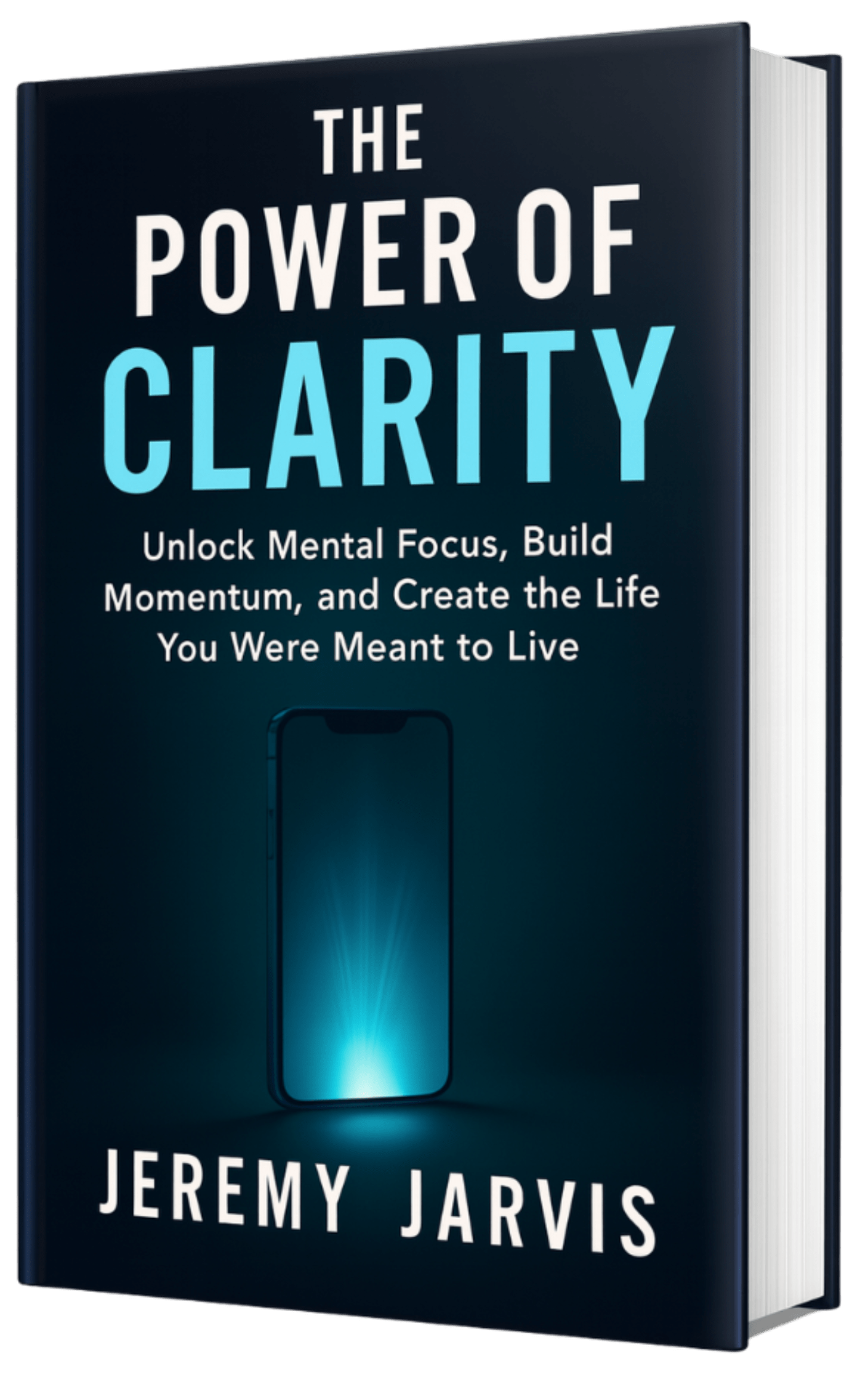
    The Power of Clarity β€” book cover

    The Power of Clarity

    Unlock mental focus, build momentum, and create the life you were meant to live.

    View book β†’
    AI & ChatGPT for Beginners β€” book cover

    AI & ChatGPT for Beginners

    No PhD needed β€” a 2025 guide to AI, prompts, and productivity without coding.

    View book β†’
    Zen in the Digital Jungle β€” book cover

    Zen in the Digital Jungle

    Mindfulness for a chaotic world.

    View book β†’
    The Slow Reset β€” book cover

    The Slow Reset

    Mindful living in a fast-paced world.

    View book β†’
    Perfectly Imperfect β€” book cover

    Perfectly Imperfect

    Stop self-criticism, set boundaries, and embrace the real you.

    View book β†’
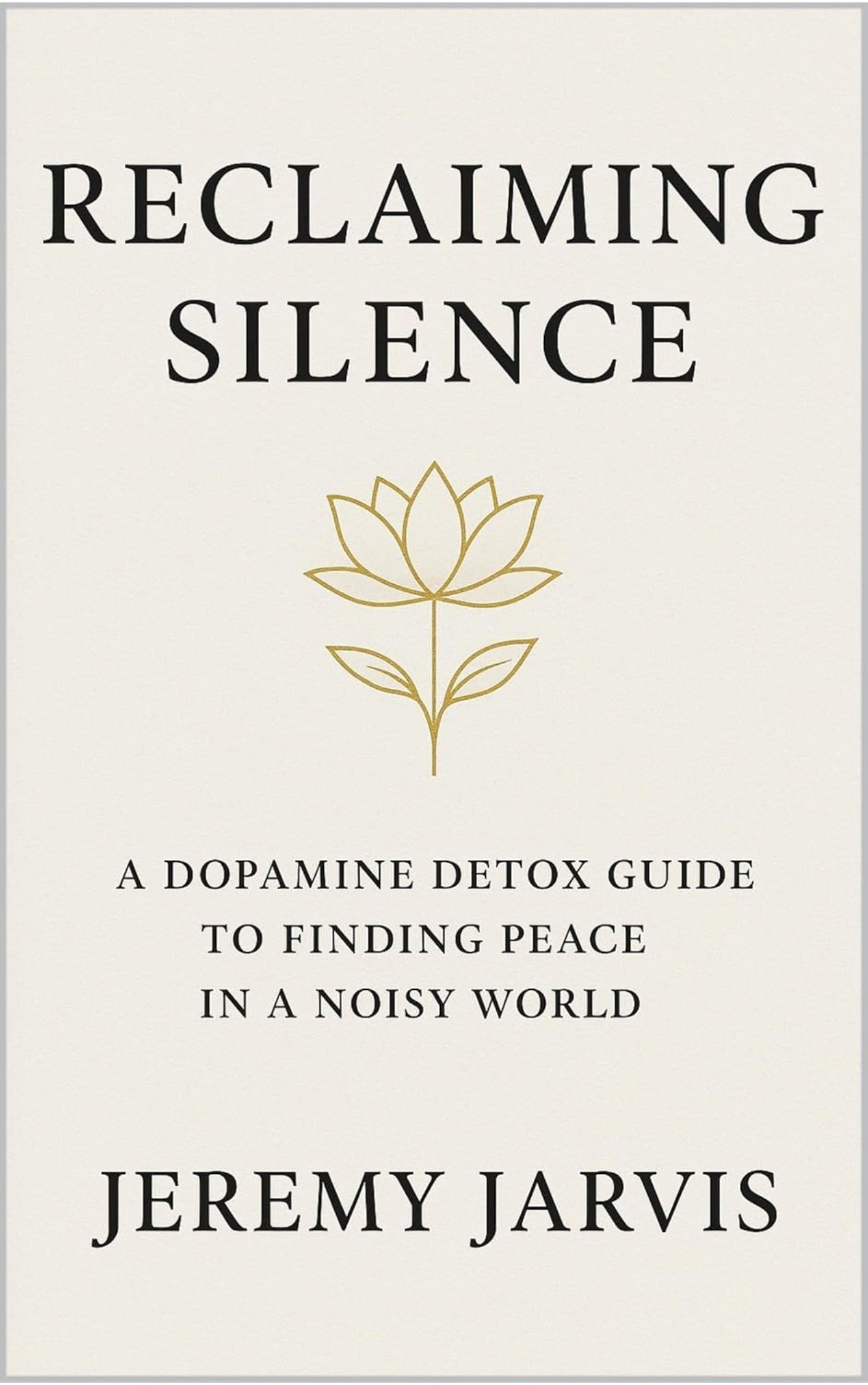
    Reclaiming Silence β€” book cover

    Reclaiming Silence

    A dopamine detox guide to finding peace in a noisy world.

    View book β†’
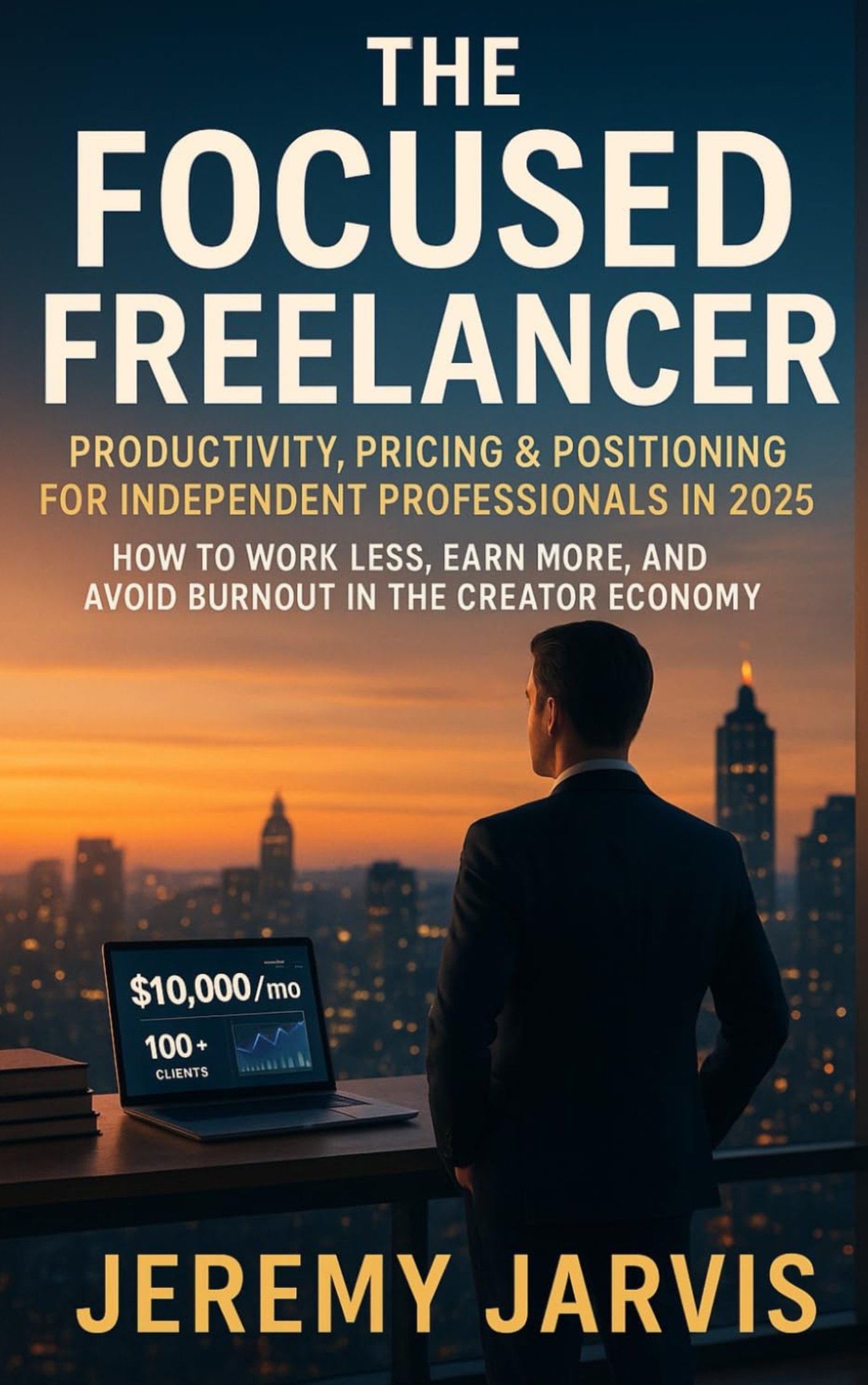
    The Focused Freelancer β€” book cover

    The Focused Freelancer

    Productivity, pricing & positioning for independents in 2025.

    View book β†’
    ChatGPT Side Hustle System β€” book cover

    ChatGPT Side Hustle System

    Launch your AI-driven online business in 30 days.

    View book β†’
    Burnout, Interrupted β€” book cover

    Burnout, Interrupted

    A proven path to restore energy and reclaim your life.

    View book β†’
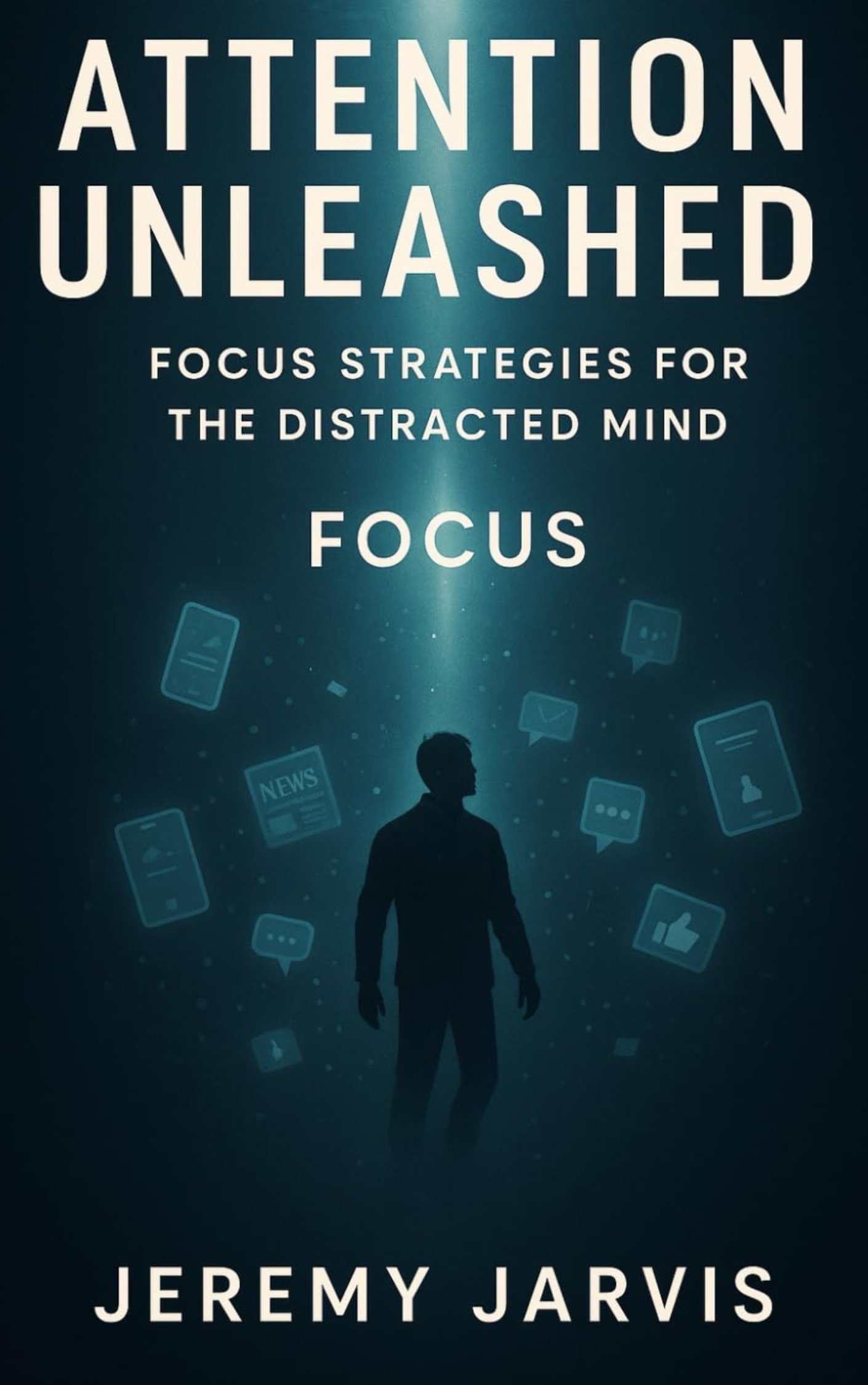
    Attention Unleashed β€” book cover

    Attention Unleashed

    Focus strategies for the distracted mind.

    View book β†’
    Side Hustle Launchpad β€” book cover

    Side Hustle Launchpad

    Your quick-start guide to extra income.

    View book β†’
    Digital Clarity β€” book cover

    Digital Clarity

    Rewire your brain, escape dopamine traps & regain focus.

    View book β†’
    Break the Scroll β€” book cover

    Break the Scroll

    Reduce screen time and take back control of your life.

    View book β†’
    Climate Compassion β€” book cover

    Climate Compassion

    Transform eco-anxiety into empowered action.

    View book β†’
    Village Mentality β€” book cover

    Village Mentality

    The power of community for mental wellness.

    View book β†’
    Restful Nights β€” book cover

    Restful Nights

    Overcoming sleep anxiety in a 24/7 world.

    View book β†’
    Connected Again β€” book cover

    Connected Again

    Combat loneliness and build meaningful relationships.

    View book β†’
    Focus Recharged β€” book cover

    Focus Recharged

    Mastering attention and productivity in the digital era.

    View book β†’
    Marketing Magic with ChatGPT β€” book cover

    Marketing Magic with ChatGPT

    AI-powered content, campaigns, and copywriting to grow faster.

    View book β†’
    The 6-Figure Creator β€” book cover

    The 6-Figure Creator

    Turn knowledge into passive income with books, courses & AI.

    View book β†’
    Burnout Breakthrough β€” book cover

    Burnout Breakthrough

    Reset your work-life balance and thrive in 2025.

    View book β†’
    The Emotionally Intelligent Man β€” book cover

    The Emotionally Intelligent Man

    A modern guide to self-awareness and communication.

    View book β†’
    AI Personalized Wellness β€” book cover

    AI Personalized Wellness

    Create your custom health plan with data-driven habits.

    View book β†’
    Everyday AI Made Easy β€” book cover

    Everyday AI Made Easy

    Use ChatGPT and smart tools to simplify life.

    View book β†’
    Money Mindfulness β€” book cover

    Money Mindfulness

    A financial wellness guide for Gen Z & Millennials.

    View book β†’
    Startup Smarter with AI β€” book cover

    Startup Smarter with AI

    ChatGPT strategies and tools to grow your business.

    View book β†’
    ChatGPT for Writers & Creators β€” book cover

    ChatGPT for Writers & Creators

    Unlock AI-powered brainstorming, drafting & editing.

    View book β†’