...

Category: ADHD & Executive Function

ADHD & Executive Function is a practical category on Mind Clarity Hub focused on helping readers better understand attention challenges, mental organization, task initiation, working memory, and the everyday skills needed to function more smoothly. This section explores the real-life struggles that often come with ADHD and executive function difficulties, including distractibility, procrastination, time blindness, forgetfulness, overwhelm, and trouble following through on important tasks. In a world that often expects constant focus and perfect organization, this category offers realistic guidance for building systems, routines, and strategies that support daily life in a more compassionate and effective way.

Readers will find useful content on focus support, planning, habit building, working memory, organization, emotional regulation, routines, productivity tools, and practical ways to reduce friction in work, school, and everyday responsibilities. This category is designed for adults navigating ADHD, people struggling with executive dysfunction, and anyone looking for clearer ways to manage attention, structure, and follow-through. Whether someone is trying to stay on task, build better routines, improve mental clarity, or create a daily life that feels less chaotic and more manageable, ADHD & Executive Function offers supportive, helpful content grounded in practical solutions and real-world application.

  • Adderall vs Vyvanse: A Guide for Focus and Productivity

    Adderall vs Vyvanse: A Guide for Focus and Productivity

    Affiliate Disclosure: This article may contain affiliate links. If you purchase a product through one of our links, we may earn a small commission at no extra cost to you.

    Β 

    When you’re exploring options for managing ADHD, two names surface constantly: Adderall and Vyvanse. On the surface, they seem similar. However, the way they work in your brainβ€”and how they feelβ€”can be a night-and-day difference. Understanding this is key to an informed discussion with your doctor.

    The core distinction boils down to their mechanism. Adderall delivers a direct dose of amphetamine salts. This results in a fast-acting effect. Conversely, Vyvanse is a prodrug. This means your body must first metabolize it before it becomes active. This process creates a smoother, more gradual experience from start to finish.

    Important Educational Note: The information in this article is for educational purposes only. It is not intended as a substitute for professional medical advice, diagnosis, or treatment. ADHD, anxiety, depression, and other conditions require personalized care from a qualified healthcare provider. Always consult your doctor before making any decisions about your health or treatment plan.

    An Essential Comparison: Adderall vs Vyvanse

    Two American people at a desk discuss Adderall vs Vyvanse, with medication bottles, a notebook, and a laptop.

    Both Adderall and Vyvanse are FDA-approved stimulants. They work by boosting key brain chemicals to help with focus and impulse control. However, they are not interchangeable. The choice between them often comes down to individual body chemistry and daily needs.

    Think of Adderall as hitting the β€œon” switch directly. It’s a mix of amphetamine salts active from the moment you take them. Vyvanse (lisdexamfetamine), on the other hand, is like a time-release capsule. Your own body has to unlock it. It’s inactive until enzymes in your red blood cells convert it into its active form, dextroamphetamine. This neuroscience-based design is a key difference.

    This built-in metabolic step is why Vyvanse is known for its smooth, gentle onset. Its effects can last up to 14 hours. For many professionals and students, that long, steady coverage is a huge asset. It helps them get through a full day. Pairing that consistency with a tool like a time blocking planner can provide a powerful framework for predictable productivity.

    Key Distinctions in the Adderall vs Vyvanse Debate

    While amphetamine-based drugs like Adderall are projected to make up 49% of all U.S. stimulant prescriptions by 2026, user preference tells a slightly different story. In user surveys, Vyvanse often comes out ahead. Nearly 25% of respondents report they use it for ADHD. This compares to just 15% for Adderall. This split highlights a gap between what’s most prescribed and what many users feel works best for them, a trend you can explore further in market reports like this one from Grand View Research.

    To make sense of the practical differences, seeing the two medications side-by-side helps. Here’s a quick-look table breaking down the key attributes of Adderall versus Vyvanse.

    Β 

    Quick Comparison: Adderall vs Vyvanse

    FeatureAdderallVyvanse
    Active Ingredient(s)A mix of amphetamine/dextroamphetamine saltsLisdexamfetamine dimesylate
    Mechanism of ActionDirectly active stimulant saltsProdrug; converted by the body to dextroamphetamine
    Typical Onset SpeedFaster: 30-60 minutes for immediate-release (IR)Slower: Approximately 1.5-2 hours
    Duration of EffectsShorter: 4-6 hours (IR); 10-12 hours (XR)Longer: Up to 14 hours
    Forms AvailableImmediate-release (IR) tablet and extended-release (XR) capsuleExtended-release capsule and chewable tablet

    Β 

    Ultimately, this table gives you a starting point. The real decision depends on a conversation with your doctor. They will consider your specific symptoms, daily schedule, and how your body responds to medication.

    How Adderall vs Vyvanse Shape Your Brain and Focus

    An American person in a suit writes in a notebook, with 'HOW THEY WORK' text and neuron graphics for an Adderall vs Vyvanse explanation.

    To really grasp the Adderall vs. Vyvanse comparison, you must look at their interaction with your brain’s chemistry. At a high level, both medications aim for the same outcome. They increase the availability of two key neurotransmitters: dopamine and norepinephrine. These brain chemicals are workhorses for your executive functions.

    From a neuroscience perspective, norepinephrine helps dial up alertness and attention. Dopamine is a core part of the brain’s reward and motivation system. It gives you the drive to stick with a task. When these chemicals are more available, it becomes easier to stay on track. You can more effectively filter out distractions. The way each drug achieves this end goal, however, is fundamentally different. This difference in their mechanism of action creates distinct experiences.

    Adderall’s Direct-Action Approach

    Adderall is a mix of amphetamine salts already in their active form. Think of it like flipping a light switch. The moment it enters your system, it’s ready to go. The medication doesn’t need conversion. It works immediately, directly increasing dopamine and norepinephrine in your brain. This rapid action is why Adderallβ€”especially the immediate-release (IR) versionβ€”is known for its fast onset. For someone needing deep focus for a specific time block, this can feel incredibly powerful.

    Real-World Scenario: A college student faces a two-hour final exam. They might find this quick onset invaluable. They can time their dose to hit peak effectiveness right as the test begins. The trade-off, however, is a direct β€œon” switch can mean a more noticeable β€œoff” switch when the medication wears off.

    Vyvanse’s Smooth and Gradual Ramp-Up

    Vyvanse works in a completely different way. It’s a prodrug called lisdexamfetamine. On its own, it’s completely inactive. It only becomes the active stimulant (dextroamphetamine) after enzymes in your red blood cells snip off a part of the molecule. This built-in conversion process acts like a sophisticated, natural time-release system. It’s less like a light switch and more like a sunrise. The effects build slowly and evenly. This creates a smoother experience without the sudden jolt some people get from direct-acting stimulants.

    This metabolic bottleneck is exactly why Vyvanse’s effects are so long-lasting. It often provides up to 14 hours of steady coverage from a single dose. This is a game-changer for a professional navigating a full day of meetings and deep work. It can eliminate the need for a midday dose and the β€œpeak and trough” cycle.

    • Smoother Onset: The gradual ramp-up can prevent the rush of jitteriness or anxiety some users feel with other stimulants.
    • Consistent Focus: The steady-state release helps maintain a stable level of attention throughout a long workday or school day.
    • Gentler Comedown: Because the medication leaves the system as gradually as it enters, the end-of-day β€œcrash” can feel much less abrupt.

    Understanding the deep link between dopamine and motivation can shed more light on why these medications are so effective. Of course, medication is only one piece of the puzzle. It works best when paired with behavioral strategies for improving focus that build sustainable habits over time.

    How Fast Do They Work and How Long Do They Last?

    When weighing Adderall vs. Vyvanse, one of the most practical questions is about timing. How quickly will you feel the effects? How long will that focus hold up during a demanding day? The answer often dictates which medication fits the rhythm of your life. The core difference comes down to how each one is built.

    Adderall offers a kind of manual control, with two different formats for different needs. Vyvanse, on the other hand, is engineered for one purpose: a long, steady burn from a single morning dose. Understanding these timelines is key to figuring out which one aligns with your daily responsibilities.

    Adderall: The Sprinter with Two Speeds

    Adderall’s main advantage is its flexibility. Depending on the formulation, you can get a quick, targeted burst of focus or a longer, more sustained effect.

    • Adderall Immediate-Release (IR): This is the fast-acting version. It typically kicks in within 30–60 minutes. It delivers a noticeable lift in focus. But that speed comes with a trade-off. The effects only last about 4–6 hours. For all-day coverage, this means remembering to take multiple doses. This requires careful scheduling.
    • Adderall Extended-Release (XR): This version tries to give you the best of both worlds. An initial dose is released quickly for a fast onset. A second dose is released later in the day. This provides a much longer window of focus, typically around 10–12 hours. It also avoids the need for a midday pill.

    This dual-option system makes Adderall a versatile tool. It allows you to match the medication’s timing to specific tasks.

    Real-World Scenario: The Student
    Imagine a law student facing a final exam. They might prefer Adderall IR. They could take a dose an hour before a four-hour study block. This ensures peak concentration during that critical window. They don’t need all-day coverageβ€”just a powerful, targeted boost. A visual timer for desk can be a great companion here. It makes the medication’s effective window tangible and helps maintain deep focus.

    Vyvanse: The All-Day Marathon Runner

    Vyvanse works on a completely different premise. As a prodrug, it’s inactive until your body’s enzymes metabolize it. This biological step creates a built-in delay. It has a slower onsetβ€”usually taking 1.5 to 2 hours to feel the effects. But once it’s active, Vyvanse is a true marathon runner.

    It’s designed to provide up to 14 hours of smooth, consistent coverage from a single morning pill. This long, steady release is its biggest draw. It eliminates the noticeable peaks and valleys some people experience with shorter-acting stimulants. It offers a more predictable and even level of focus throughout the entire day.

    Real-World Scenario: The Project Manager
    Think of a project manager who has to be β€œon” for a full workday. They juggle morning team huddles, afternoon deep work, and late-day client calls. Vyvanse’s sustained release is perfect for this. A single dose can carry them through from start to finish. This happens without a distracting midday crash or the mental load of remembering a second pill.

    For those using a long-acting medication like Vyvanse, building complementary habits is key. Browse the library to find resources like Focus Recharged. This book provides practical systems for structuring your day and maintaining productivity when your medication gives you a long, steady runway.

    Understanding Side Effects and Safety Profiles in Adderall vs Vyvanse

    Choosing a stimulant isn’t just about what works for focus. It’s also about finding one your body tolerates well. Both Adderall and Vyvanse are powerful central nervous system stimulants. Thus, they share a core group of potential side effects. But how they feel day-to-day can be surprisingly different.

    This content is for educational purposes only and is not medical advice. Any decisions about medication, including managing side effects related to conditions like anxiety or sleep problems, must be made in consultation with a qualified healthcare provider.

    A nightstand with a glass of water, pills, and a sleep mask, representing the side effects of Adderall vs Vyvanse.

    Common Side Effects of Stimulants

    Because both medications increase dopamine and norepinephrine activity, their side effect profiles overlap. If you’ve been on a stimulant before, this list will likely look familiar.

    Common effects include:

    • Decreased appetite and weight loss
    • Dry mouth
    • Insomnia or trouble sleeping
    • Increased heart rate and blood pressure
    • Irritability or anxiety

    Everyone’s body chemistry is unique. The intensity of these effects can vary dramatically. For a more complete picture, explore resources on navigating the side effects to ADHD medications.

    A Note on Managing Side Effects: For something like insomnia, small behavioral changes can make a real difference. Create a consistent wind-down routine. Using a simple sleep mask blackout to block light can help signal to your brain that it’s time to rest. This works even if the medication’s effects are still tapering off.

    The Side Effect Experience: A Neuro-Behavioral View

    The biggest difference in how side effects feel often comes down to the delivery system. Adderall’s direct, immediate action can create a more noticeable β€œkick.” While motivating, this can also amplify feelings of jitteriness, anxiety, or irritability. It’s a sharper peak, a more intense behavioral shift for some.

    In contrast, Vyvanse’s gradual conversion process often creates a much smoother ramp-up. From a behavioral psychology standpoint, this makes side effects feel less intense. The slow rise in stimulation is often less likely to cause a sudden spike in heart rate or a jolt of anxiety compared to an immediate-release formula.

    Comparing Abuse Potential and Safety

    A critical safety difference in the Adderall vs. Vyvanse debate is the potential for misuse. Both are Schedule II controlled substances. They carry a high potential for abuse and dependence. However, Vyvanse was designed with a specific feature to mitigate this risk.

    As a prodrug, Vyvanse is inactive on its own. It only becomes effective after enzymes metabolize it. This means it must be taken orally to work. Trying to misuse it by other routes, like snorting or injecting, won’t produce the desired euphoric β€œrush.” The necessary metabolic step is bypassed. This clever neurochemical design makes it significantly less appealing for abuse.

    Adderall, being a mixture of active amphetamine salts, has no such safeguard. It is more vulnerable to misuse. This elevates its overall risk profile. It’s also crucial to understand how stimulants can interact with other common substances. For a detailed look at this, our guide on ADHD and energy drinks provides important safety insights.

    Which Is the Best Option for Your Lifestyle?

    Choosing between Adderall and Vyvanse often comes down to the rhythm of your day. The right medication doesn’t just manage symptoms. It fits into your life’s structure. Your specific lifestyle is a huge part of the Adderall vs. Vyvanse conversation. This is a decision to make with your doctor. But understanding how each medication aligns with different daily demands will help you have a productive conversation.

    Best Option for Busy Professionals

    For most professionals, the goal is consistent, marathon-like performance. The workday isn’t a short sprint. It’s a long stretch of meetings, deep work, and constant communication. This demands steady focus. This is where Vyvanse often has a clear advantage. Its single-dose, long-acting formula is designed to provide up to 14 hours of smooth, reliable focus. This helps you avoid the β€œpeak and trough” cycle. A professional can take one pill in the morning and count on a predictable level of attention all day.

    Mini Scenario: An architect needs sustained concentration for a full day. They draft blueprints, collaborate with engineers, and respond to client emails. Vyvanse’s all-day coverage helps her stay locked in from morning coffee until she packs up. This prevents the productivity slump that could derail a complex project. For extra focus, using an under desk walking pad can also help channel physical energy and maintain mental clarity.

    How to Choose for Students and Flexible Schedules

    A student’s schedule often looks like a series of intense sprints. Focus is needed in specific, high-stakes bursts for lectures, study sessions, and exams. This is not necessarily for a full 14-hour day. In this context, the flexibility of Adderall IR can be incredibly valuable. Adderall IR works quickly, usually within an hour. Its effects last for about 4-6 hours. This allows a student to strategically time their dose. They get powerful focus right when they need it, without an all-day effect that might interfere with sleep.

    Mini Scenario: A student has a two-hour lecture followed by a four-hour gap. They can take Adderall IR before the lecture for peak focus. Then, the medication wears off during their break. This allows them to relax or socialize without feeling β€œwired.” For study sessions, a phone lock box timer can create a distraction-free zone, amplifying the medication’s benefits.

    Comparing Adderall vs Vyvanse for Lifestyle Fit

    FactorBest for…Why It Works
    VyvanseBusy Professionals & All-Day ConsistencyLong 14-hour duration provides smooth, predictable focus for a standard workday without a midday crash.
    Adderall IRStudents & Task-Specific FocusFast-acting, shorter duration is perfect for targeted study blocks or specific events, offering flexibility.
    Adderall XRHybrid NeedsOffers a balance with a 10-12 hour duration, good for longer school days or variable work schedules.
    VyvanseSensitive UsersThe gradual β€œprodrug” onset often feels gentler, reducing the chances of jitteriness or an abrupt crash.

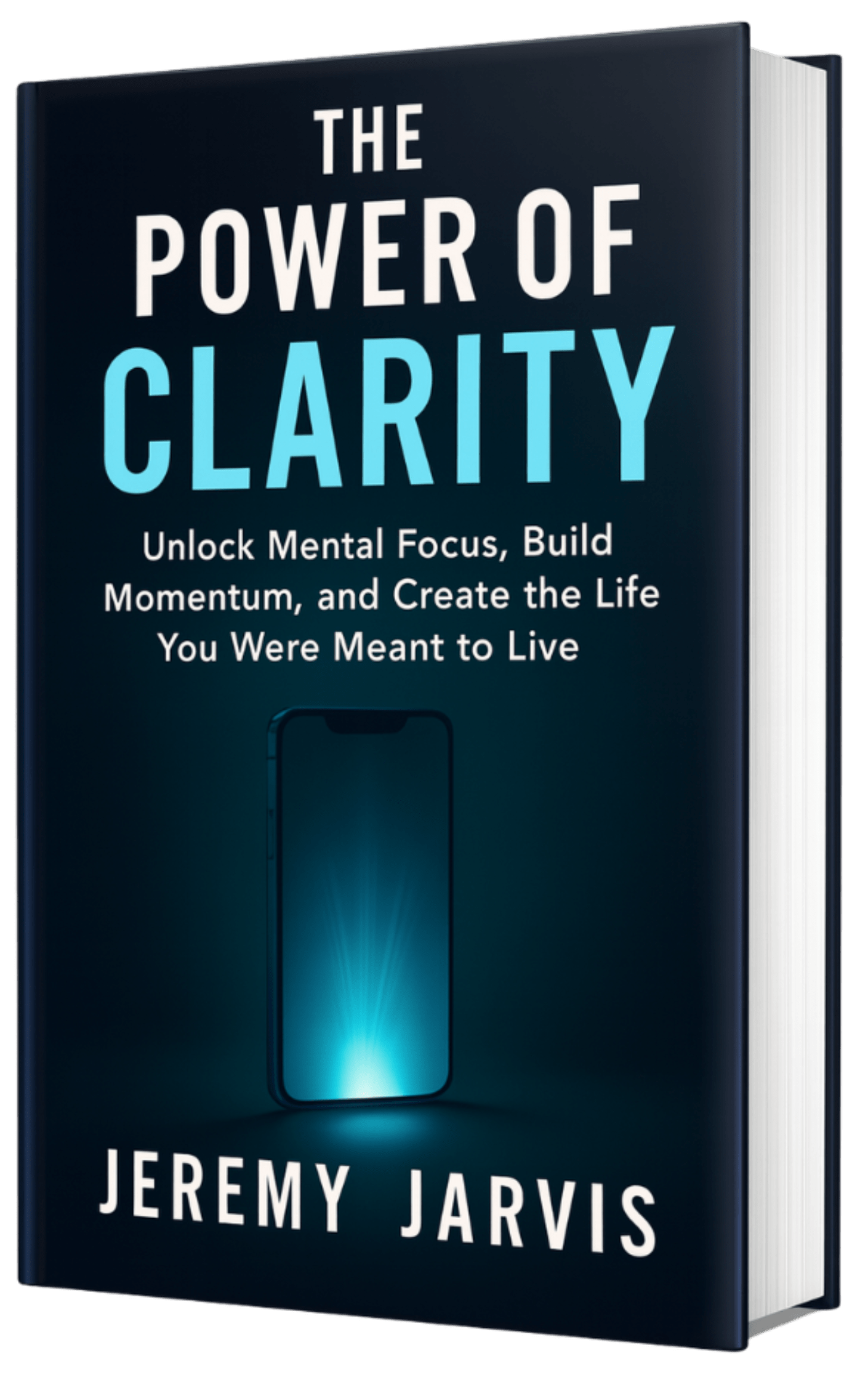
    Ultimately, your brain chemistry and daily demands are the deciding factors. Use these comparisons to have a more informed discussion with your healthcare provider. Remember that non-medical strategies, like the frameworks in The Power of Clarity, build a foundation of focus that makes any treatment plan more effective. You can compare options on our book page to find the right resource for you.

    Editor’s Take on What Actually Works in the Adderall vs Vyvanse Dilemma

    When it comes to Adderall vs. Vyvanse, the honest answer is that both workβ€”they just solve different problems. Many professionals and students who need all-day, predictable focus often find Vyvanse is a better fit. Its smooth, long-acting profile helps sidestep the jarring β€œpeak-and-trough” cycle. This supports steady productivity without the jittery rush. This makes it a strong contender for long stretches of deep work.

    In contrast, Adderall, especially the immediate-release (IR) version, really shines in situational use. It’s powerful and fast-acting. It’s perfect for short, intense bursts of focus when you need to hit the ground running.

    The most important thing to remember is that medication is only one piece of a larger puzzle. Real, sustainable focus is built on solid habits, a supportive environment, and clear goals. This advice is for individuals with a professional diagnosis exploring treatment options with their doctor. It is not a quick fix for procrastination.

    Choosing a Path Forward

    This decision tree can help you visualize how your lifestyle might steer your choice. It considers whether you’re a working professional or a student with a packed, variable schedule.

    A decision tree flowchart for the Adderall vs Vyvanse choice, showing an American professional and student.

    As the flowchart shows, a professional’s need for long, uninterrupted focus often aligns well with Vyvanse’s steady profile. A student’s more fragmented schedule, however, might benefit from the on-demand flexibility of Adderall.

    Ultimately, true mental clarity comes from holistic strategies. Medication can create the capacity for focus. But you still have to know what to do with that focus. That’s why pairing any treatment with behavioral techniques is so vital. For instance, creating a focused work environment by using tools like noise-canceling headphones can dramatically amplify the benefits. If you’re looking to build those foundational habits, our guide on how to train your brain to focus offers practical, non-medical steps you can start taking today.

    Key Takeaways: Adderall vs Vyvanse

    Let’s pull back and focus on the practical differences that matter most. Use this as a final check to see how Adderall and Vyvanse stack up in real-world situations.

    Core Differences at a Glance

    Getting a handle on how these medications work helps clarify which one might align with your life and brain. The best choice is always a conversation between you and your doctor.

    • How They Work: Adderall is a direct stimulantβ€”it works as soon as it’s absorbed. Think of turning on a light switch. Vyvanse is a prodrug, meaning your body has to metabolize it first. This creates a much smoother, gradual ramp-up of effects.

    • How Long They Last: Adderall gives you options. The immediate-release (IR) version lasts about 4–6 hours. The extended-release (XR) formulation provides 10–12 hours of coverage. Vyvanse is built for the long haul, designed to offer up to 14 hours of steady focus from one morning dose.

    • How They Feel: Both can have classic stimulant side effects. But many people find Vyvanse’s slower, gentler onset feels less jarring. That β€œsunrise” effect can mean less anxiety or jitteriness compared to Adderall, which some users experience as a more abrupt jolt.

    • Who They’re Often For: Vyvanse is a common choice for working professionals needing consistent, all-day focus. Adderall’s flexibility, especially the IR version, can be a great fit for students needing shorter, targeted bursts of concentration.


    The Bigger Picture

    It’s crucial to remember that medication is just one tool. Real, sustainable focus comes from combining the right medical support with stronger daily habits. We explore this very ideaβ€”building a life that supports your brainβ€”in our book, The Power of Clarity.

    Frequently Asked Questions About Adderall vs Vyvanse

    Here are some of the most common questions about the differences between Adderall and Vyvanse, answered in plain language.

    Can you switch from Adderall to Vyvanse?

    Yes, people can switch between Adderall and Vyvanse under a doctor’s guidance. Because they have different potencies, the doses are not a simple swap. A healthcare provider must calculate an equivalent starting dose. For example, a doctor might switch a patient from 10 mg of Adderall XR to 30 mg of Vyvanse. This change requires careful monitoring to manage side effects and ensure effectiveness.

    Is Vyvanse stronger than Adderall?

    β€œStronger” is misleading. It’s better to think about potency and individual response. Milligram for milligram, Adderall’s amphetamine salts are more potent than Vyvanse’s lisdexamfetamine. This is why a typical Vyvanse dose (e.g., 30 mg) is higher than a similar Adderall dose (e.g., 10 mg). The experience differs greatly. Vyvanse feels β€œsmoother” and longer-lasting, while Adderall can feel more β€œintense.” The β€œbest” medication is the one that works for you with manageable side effects.

    Which medication has worse side effects?

    Both share similar potential side effects like dry mouth, appetite loss, and insomnia. However, the experience can differ. Due to its faster onset, some find Adderall’s side effects, like jitteriness, feel more abrupt. The neuroscience behind Vyvanse’s gradual release often leads to a gentler experience. This can make side effects feel less intense. Your reaction is highly personal.

    Why is Vyvanse often more expensive than Adderall?

    For years, Vyvanse was only a brand-name drug with patent protection, keeping its cost high. Adderall has had affordable generic versions for a long time. Although a generic version of Vyvanse (lisdexamfetamine) was approved in 2023, its price can still be higher. Your insurance and pharmacy will determine the final cost. Vyvanse’s complex prodrug design also makes it more expensive to manufacture.

    What are the best non-medication alternatives for focus?

    Medication is just one tool. Sustainable focus habits are key for long-term success. Powerful non-pharmacologic strategies include:

    • Behavioral Therapy: Cognitive Behavioral Therapy (CBT) helps build practical skills in time management, organization, and emotional regulation.
    • Lifestyle Foundations: Consistent sleep, regular exercise, and a balanced diet create the biological bedrock for better brain function.
    • Environmental Design: Create a distraction-free workspace. Use simple tools like a habit tracker journal to stay accountable. Designing your environment to support your goals makes a massive difference.

    For a deeper look at these skills, our guide on ADD vs ADHD offers more context. To reclaim your attention from the ground up, see the book that fits your goal: our book Digital Clarity provides a complete framework.

    Β 


    Disclaimer: This article may contain affiliate links, which may generate a commission for us at no extra cost to you. The content provided is for informational and educational purposes only and is not a substitute for professional medical or psychological advice. Always consult a qualified healthcare provider for diagnosis and treatment.
  • Adderall vs Vyvanse: A Deep Dive for Professionals

    Adderall vs Vyvanse: A Deep Dive for Professionals

    When it comes to ADHD medication, the conversation often narrows down to two of the most well-known stimulants: Adderall and Vyvanse. On the surface, they seem similar, but how they work in your bodyβ€”and how they feelβ€”can be worlds apart. From a neuroscience perspective, both drugs aim to increase the availability of dopamine and norepinephrine, neurotransmitters critical for focus and impulse control. However, their delivery mechanisms create very different user experiences.

    The core difference isn’t about which one is β€œstronger,” but about how it delivers its effect. Think of it this way: do you need a powerful, quick-acting boost for a specific block of time, or are you looking for smooth, all-day support to carry you from your morning meeting to your evening study session?

    Disclosure: This article may contain affiliate links. If you make a purchase, we may earn a small commission at no extra cost to you.

    Adderall vs Vyvanse: A Quick Comparison

    Both Adderall and Vyvanse are highly effective prescription stimulants for managing ADHD symptoms, but they are not interchangeable. Getting clear on their fundamental differences is the first step for any student or professional looking to have a productive conversation with their doctor about focus and performance.

    This decision tree helps frame the choice around your day-to-day goals.

    Decision aid flowchart guiding medication selection for quick burst or all-day focus based on needs.

    As the visual shows, your daily needsβ€”whether for short bursts of intense work or sustained, day-long concentrationβ€”are what should guide your discussion with a healthcare provider.

    This article is for educational purposes only and does not constitute medical advice. It is not a substitute for professional diagnosis, treatment, or psychological care. If topics like anxiety, depression, ADHD, burnout, or sleep problems appear, please note this content is educational and not a replacement for medical or psychological care. Always consult a qualified healthcare provider for any health concerns or before making any decisions related to your treatment.

    How They Work Differently

    The real distinction is in their chemical delivery system. Adderall is a mix of amphetamine salts that are active the moment they enter your system. Psychologically, this provides a rapid and noticeable lift in the neurotransmitters that govern attention, like dopamine, which can feel like an immediate boost to motivation and focus.

    Vyvanse, on the other hand, is a prodrug. It contains lisdexamfetamine, which is inactive by itself. Your body has to metabolize itβ€”specifically, using an enzyme in your red blood cellsβ€”to convert it into active dextroamphetamine. This built-in metabolic step creates a much more gradual onset and a smoother, more even effect without the sharp peaks and valleys that can disrupt mood and behavior.

    This smoother curve is why many find it easier to map out their day with a time blocking planner, knowing their focus will remain stable for a long stretch.

    Quick Look At Adderall vs Vyvanse

    This table offers a quick side-by-side summary of the key differences to help you organize your thoughts before speaking with a clinician.

    FeatureAdderall (IR/XR)Vyvanse
    How It WorksDirect-acting amphetamine saltsProdrug (lisdexamfetamine)
    Onset of ActionFaster (30-60 minutes)Slower, more gradual (1-2 hours)
    Duration of Effect4-6 hours (IR); up to 12 hours (XR)Up to 14 hours
    User ExperienceNoticeable peaks and valleys; potential for a β€œcrash”Smoother, more consistent feeling; gentler comedown
    Best ForShort-term tasks, flexible dosing needsAll-day, sustained focus and productivity

    This comparison is just a starting point. While these medications are powerful tools, they deliver the best results when paired with solid behavioral strategies. For example, having a clear sense of your goals is critical for directing your improved focus, a concept explored in The Power of Clarity. You can compare options to see which approach best fits your current challenge.

    Ultimately, the right medication is a highly personal decision made with your doctor. For those looking to build better work systems alongside medical treatment, our guide on structuring your efforts in Focus Recharged can provide a practical framework.

    How These Medications Affect Your Brain Chemistry in Adderall vs Vyvanse

    To really get to the heart of the Adderall vs. Vyvanse comparison, we need to look at how they change your brain chemistry. At a high level, both medications work to increase the availability of two key neurotransmitters: dopamine and norepinephrine. These are the brain chemicals that drive focus, motivation, and your ability to hit the brakes on impulses.

    Think of dopamine as your brain’s engine for reward and motivation; it’s the chemical that says, β€œYes, this is importantβ€”keep going.” Norepinephrine is more like an alert system, helping you sharpen your attention and stay engaged with a task. When these neurotransmitters are more available, your brain’s prefrontal cortex can better manage planning, focus, and follow-throughβ€”skills that are part of what we call executive function.

    Flat lay showing an β€œDURATION & SIDE EFFECTS” sign, two clocks, a plant, and a notebook, illustrating key differences in Adderall vs Vyvanse.

    While both drugs aim for a similar result, their methods couldn’t be more different. That core difference in their mechanism of action is what creates two very distinct experiences for the person taking them.

    The Direct Approach of Adderall

    Adderall is made of mixed amphetamine salts that are biologically active the moment they hit your system. This direct-action formula leads to a fast and significant spike in both dopamine and norepinephrine levels.

    It’s the classic espresso shot for your brain. The effects come on quickly, which can feel incredibly helpful when you need an immediate cognitive lift to power through a specific, time-sensitive project. But that rapid onset is also why many people report a noticeable β€œjolt” as it kicks in and a more pronounced β€œcrash” as it wears off, which can impact mood and energy.

    Its long history and reliability are reflected in prescription trends. Adderall still accounts for around 49% of stimulant prescriptions, cementing its role as a go-to option despite having a higher potential for abuse than Vyvanse. The global market for ADHD treatments is massive, estimated at USD 35.17 billion in 2024 and growing, as you can see in recent U.S. Drug Enforcement Administration reports.

    The Gradual Release of Vyvanse

    Vyvanse (lisdexamfetamine) takes a completely different route because it’s a prodrug. This means the medication is inactive when you swallow it. It only becomes effective after enzymes in your red blood cells metabolize it, slowly converting it into active dextroamphetamine.

    This built-in conversion process acts as a natural, slow-release mechanism. Instead of a sudden jolt, Vyvanse delivers a smooth, steady rise in neurotransmitter levels over a longer period.

    This is more like a slow-drip coffee that provides consistent energy all day. The result is a much smoother experience, one that users often describe as feeling more β€œnatural” and less overtly β€œmedicated.” This gradual ramp-up and extended durationβ€”lasting up to 14 hoursβ€”helps you sidestep the harsh peaks and valleys that can come with immediate-release stimulants, leading to more stable mood and behavior.

    For anyone focused on building sustainable focus habits, this consistency is a huge advantage. This smoother profile is one of the most important distinctions to bring up when you discuss the Adderall vs. Vyvanse choice with your doctor.

    Comparing Duration, Efficacy, And Side Effects in Adderall vs Vyvanse

    When you’re weighing Adderall vs. Vyvanse, the practical differencesβ€”how long each one works, what that focus feels like, and the side effects you might faceβ€”are what really matter day-to-day. Both are proven, effective ADHD medications, but they aren’t interchangeable. Their profiles fit very different needs and lifestyles.

    Flat lay showing an β€œDURATION & SIDE EFFECTS” sign, two clocks, a plant, and a notebook, illustrating key differences in Adderall vs Vyvanse.

    How Long Does Each Medication Last?

    One of the biggest distinctions between the two is how long their effects last. The right fit often comes down to how much of your day demands focused attention.

    • Adderall IR (Immediate-Release): This version is quick to act but has the shortest duration, typically lasting 4 to 6 hours. This often means taking multiple doses for all-day coverage.
    • Adderall XR (Extended-Release): A single morning dose is designed to provide symptom control for up to 12 hours, making it a much more convenient option for a standard workday or school day.
    • Vyvanse: This medication generally offers the longest, most consistent coverage, with effects lasting up to 14 hours. This makes it a strong choice for people who need focus from early morning right through evening activities.

    That extended duration is a key reason for Vyvanse’s growing popularity. Its prodrug design delivers a uniquely long and steady effect, a factor highlighted in recent ADHD treatment surveys and reporting. Because the body must slowly convert it into active dextroamphetamine, users often get up to 14 hours of smooth focus with a lower risk of misuse, as noted in reports like those from ADDitude magazine’s reporting.

    Efficacy And The User Experience

    While clinical studies confirm both medications are highly effective for ADHD symptoms, the feeling of that effectiveness can be worlds apart.

    Because Adderall delivers its active amphetamine salts directly, its onset can feel like a switch flipping on. For some, this is a welcome and powerful jolt of focus. The downside is that the β€œoff” can feel just as abrupt.

    Vyvanse’s gradual onset often translates to a more β€œnatural” feeling of focus. Many users report they don’t feel a distinct β€œkick-in” moment; instead, they simply find it easier to start and sustain tasks without feeling overtly medicated. This subtle effect is a major plus for anyone sensitive to the sometimes jarring sensation of stimulants. Learning to channel that newfound focus into sustainable habits is a skill in itself; frameworks in our book Digital Clarity can help build that structure.

    Scenario: A Tale of Two Students

    Imagine two college students studying for finals. Alex takes Adderall IR in the afternoon. They feel a powerful surge of focus for three hours, finishing a paper but feeling wired and then abruptly exhausted, impacting their mood. Taylor takes Vyvanse in the morning. Their focus remains steady throughout the day, allowing them to attend class, study for several hours, and still feel level-headed by dinner, avoiding the harsh β€œcrash” that can disrupt their evening.

    Common Side Effects: Adderall vs. Vyvanse

    Since both are stimulants, they share a similar list of potential side effects, but their intensity and timing can differ significantly. When comparing Adderall and Vyvanse, it’s crucial to understand these nuances. This guide offers a comprehensive look at common ADHD medication side effects.

    Common side effects for both medications include:

    • Appetite suppression
    • Dry mouth
    • Insomnia or trouble sleeping
    • Anxiety or irritability
    • Increased heart rate and blood pressure

    The β€œcomedown” or β€œcrash,” however, is where many people notice a real difference. The sudden drop-off of Adderall’s effects can trigger a more intense period of fatigue, brain fog, and irritability. In contrast, Vyvanse’s slow, gentle taper often means the end of its effects is far less noticeable.

    If you struggle with sleep disturbances on either medication, good sleep hygiene becomes non-negotiable. Simple tools like a sleep mask blackout can dramatically improve sleep quality by blocking light that disrupts melatonin production. Always discuss side effects with your doctor; they can often be managed with dose adjustments or simple lifestyle changes. For more strategies on managing the sleep and anxiety issues that can accompany stimulants, you can explore the guidance in Restful Nights.

    Best Option For Sustained All-Day Productivity with Vyvanse

    When the goal is smooth, all-day focus without the rollercoaster ride, the conversation often shifts from Adderall to Vyvanse. For professionals and students whose days are long and demanding, the biggest challenge isn’t just getting startedβ€”it’s maintaining momentum from morning meetings through late-afternoon projects.

    This is where the specific design of Vyvanse makes a real difference. As a prodrug, it has to be metabolized by your body before it becomes active. This built-in delay creates a remarkably smooth, gradual onset and an extended duration of up to 14 hours, making it a strong contender for anyone needing a steady hand on the tiller all day long.

    Why Vyvanse Supports All-Day Focus

    The predictability of Vyvanse is a huge asset for building reliable work routines. Unlike immediate-release stimulants that can hit you with a noticeable jolt and leave you with a sharp crash, Vyvanse’s gentle curve helps you maintain an even keel. That stability is everything when you’re trying to implement structured systems for deep work.

    By smoothing out the peaks and valleys, Vyvanse helps you pour your energy into the task at hand, not into managing the physical sensations of your medication kicking in or wearing off. This is a critical piece of the puzzle for anyone trying to apply consistent strategies, like those we explore for navigating ADHD in the workplace.

    Real-World Scenario: The Focused Project Manager

    Take Sarah, a project manager juggling back-to-back meetings, complex spreadsheets, and client calls that run late. Her previous medication gave her a powerful morning surge, but by 3 PM, she’d hit a wall, leaving her irritable and scattered. After working with her doctor to switch to Vyvanse, she now experiences a steady stream of focus that carries her through the entire workday. Her morning planning flows right into her afternoon tasks without that disruptive crash, letting her stay engaged and effective right up to closing her laptop.

    Building Sustainable Habits with Stable Focus

    That reliable consistency from Vyvanse does more than just get you through the day; it can be a foundation for building healthier, more sustainable work patterns. When your focus is dependable, it becomes easier to stick to a schedule, track your progress in a productivity journal, and build momentum on projects that span weeks, not hours. The medication becomes a stable platform, not the main event.

    Finally, the prodrug mechanism of Vyvanse gives it an inherently lower potential for abuse compared to many immediate-release amphetamines. Because it must be processed by the body to become active, it can’t be manipulated for a rapid, intense high. This built-in safety feature often makes it a more suitable choice for long-term treatment, supporting the bigger goal of creating lasting, positive change in your work and life.

    How to Choose Adderall for Flexible Dosing and Short Tasks

    Not everyone needsβ€”or wantsβ€”twelve hours of continuous focus. Some workdays are dynamic, and some projects just need a few hours of intense concentration. For that kind of work, Adderallβ€”specifically the immediate-release (IR) versionβ€”is often a better fit. Its quick onset and shorter duration give you control, a key difference in the Adderall vs. Vyvanse comparison.

    This flexibility is perfect for what you might call a cognitive sprint, not a marathon. If your schedule doesn’t look like a typical 9-to-5, being medically β€œon” for 14 hours can feel like total overkill. Adderall IR delivers an on-demand boost that you can line up with specific, time-boxed activities. This ties into the broader science of how stimulants affect brain processing and related issues like ADHD and short-term memory, which we cover in another guide.

    Tailoring Dosing to Your Day

    The real advantage of Adderall IR comes down to its 4- to 6-hour duration. This gives you precise control over your medication schedule. A freelance developer, for example, could take a dose in the morning to power through a complex coding block, knowing the effects will taper off by the afternoon, leaving them free to relax or switch to less demanding tasks.

    Real-World Scenario: The Deadline-Driven Writer
    A freelance writer has a tight deadline for an article due late in the afternoon. Taking Adderall IR around noon provides a sharp, focused window to write and edit without interfering with their ability to wind down and get a good night’s sleepβ€”a common complaint with longer-acting stimulants.

    This approach works especially well with productivity methods like the Pomodoro Technique. Using a pomodoro timer to structure your work into 25-minute sprints with short breaks helps you channel the medication’s effect toward a specific goal, keeping you from getting pulled into rabbit holes. It’s all about using the right tool for the job it was designed for.

    Of course, there’s a middle ground. For those who find the short burst of IR too brief but the all-day coverage of Vyvanse too long, Adderall XR (extended-release) is a solid alternative. It’s designed to last up to 12 hours, covering a standard workday with a more defined endpoint than Vyvanse.

    Ultimately, understanding these nuances empowers you to have a much more informed conversation with your doctor. It’s not just about getting a prescription; it’s about figuring out which tool truly fits the structure and demands of your actual life.

    Cost, Abuse Potential, And Access in the Adderall vs Vyvanse Debate

    When you’re weighing Adderall vs. Vyvanse, the conversation can’t stop at how the medication feels. The practical, real-world factorsβ€”how much it costs, how easy it is to get, and its potential for misuseβ€”are just as critical for any long-term treatment plan. These are the details you absolutely need to bring up with your doctor.

    The single biggest difference on this front comes down to safety and the risk of misuse. This is where Vyvanse’s unique design gives it a clear edge.

    Why Abuse Potential Is A Key Differentiator

    Vyvanse is what’s known as a prodrug. This means it’s completely inactive when you take it. Only after your body’s enzymes slowly metabolize it does it become active dextroamphetamine. This slow-drip conversion process can’t be cheated; crushing or snorting Vyvanse won’t produce a rapid, euphoric high, making it far less appealing for abuse.

    Adderall, on the other hand, particularly the immediate-release (IR) version, is made of active amphetamine salts from the get-go. This makes it vulnerable to being crushed or snorted for a quick and powerful effect, giving it a higher potential for misuse.

    While both are classified as Schedule II controlled substances, Vyvanse’s built-in safety mechanism gives it a lower risk profile. This is a vital point to discuss with your prescriber, especially if you or your family have a history of substance use.

    Navigating The Cost Landscape

    Cost and insurance coverage are often the deciding factors. For years, Vyvanse was only available as a pricey brand-name drug, putting it out of reach for many people. The game changed recently with the introduction of generic lisdexamfetamine, which is making the cost far more competitive.

    Adderall has had affordable generic versions on the market for a long time, historically making it the more budget-friendly option. The market is always shifting, though. For context, historical analyses show that Adderall’s market share plunged from 35.8% to just 2.9% in the early 2000s after the launch of Adderall XR. You can learn more about the market dynamics of these stimulants here.

    Access and The Reality of Recent Shortages

    In recent years, both medications have been hit by widespread supply shortages, creating huge amounts of stress and disrupting treatment for countless people. It’s smart to call your local pharmacies to check on availability and to talk with your provider about a backup plan before you run out.

    For some, these practical access issues can make one medication a more reliable choice than the other, regardless of its effects. If you’re struggling to manage your energy during medication gaps and leaning more on caffeine, you might find our guide helpful; read more about ADHD and energy drinks here.

    Building supportive habits can also help you stay on track, with or without medication. For example, using a phone lock box timer can create powerful, distraction-free work blocks, a behavioral strategy that complements medical treatment perfectly. If you’re wrestling with the stress of it all, the strategies in our book on preventing mental exhaustion, Burnout Interrupted, can offer some much-needed relief.

    Editor’s Take: What Actually Works in the Adderall vs Vyvanse Choice

    After reviewing the research and user experiences, the choice isn’t about which drug is β€œbetter,” but which one aligns with your life’s demands.

    • What Actually Works: Both medications are highly effective at improving focus, but their delivery systems create different experiences. Vyvanse’s prodrug mechanism provides a uniquely smooth, long-lasting effect that minimizes the β€œcrash.” Adderall IR offers powerful, on-demand focus that gives you more control over your day.
    • Who It’s Best For: Vyvanse is ideal for professionals or students needing consistent, all-day focus (8-14 hours) without jarring ups and downs. Adderall IR is better for those with unconventional schedules or who need intense focus for short, specific tasks (4-6 hours).
    • Important Caveats: Neither medication is a substitute for good habits. They are tools that work best when paired with strong behavioral strategies like time management and adequate sleep. Furthermore, their side effect profiles (especially regarding anxiety and appetite) are highly individual. The recent supply shortages for both are a real-world factor that must be considered with your doctor.

    Key Takeaways: Adderall vs Vyvanse for ADHD and Focus

    Here’s the bottom line on how Adderall and Vyvanse compare, based on how they work, feel, and fit into real life.

    • How They Work: Adderall is a direct-acting stimulantβ€”a mix of amphetamine salts that gets to work right away. Vyvanse is a prodrug, meaning your body has to metabolize it first to β€œunlock” the active ingredient. This creates a fundamentally different experience.

    • How They Feel: Because of its prodrug design, Vyvanse delivers a smoother, more gradual effect that can last up to 14 hours. Adderall’s effects are faster but shorter (4-12 hours, depending on the formulation), often with more noticeable peaks and valleys in focus and energy.

    • When to Use Which: Vyvanse is often a better fit for someone needing consistent, all-day focus for a typical 9-to-5 workday or a full school day. The flexibility of Adderall, especially the instant-release version, can be better for unconventional schedules or when you only need short, intense bursts of focus.

    • Safety & Abuse Risk: The prodrug mechanism gives Vyvanse a significant safety advantage. It can’t be crushed or manipulated to produce a rapid, intense high, which lowers its potential for abuse and diversion compared to Adderall.


    Disclaimer: This article may contain affiliate links, which means we may earn a commission if you make a purchase. This content is for educational purposes only and is not a substitute for professional medical or psychological advice. Always consult with a qualified healthcare provider before making any decisions about your health or treatment.

    FAQ: Your Questions About Adderall vs Vyvanse, Answered

    When you’re weighing options like Adderall and Vyvanse, a lot of practical questions come up. Here are some clear, direct answers to the most common ones we hear.

    Can You Switch From Adderall To Vyvanse?

    Yes, switching between Adderall and Vyvanse is a common path, but it absolutely must be guided by your doctor. The dosages are not a simple one-to-one swap. As a general reference point, a 10 mg dose of Adderall XR is roughly equivalent to a 30 mg dose of Vyvanse. A healthcare provider is the only one who can determine the correct conversion to make sure the transition is both safe and effective for you.

    Is one medication better for anxiety in the Adderall vs Vyvanse discussion?

    This is highly individual, and it’s a critical point to discuss with your prescriber. Because Vyvanse has a smoother, more gradual onset and comedown, some people find it provokes less anxiety and irritability than the sharper peaks and troughs of Adderall. However, it’s crucial to remember that both are stimulants and have the potential to increase anxiety in some individuals. Your personal response is what matters most.

    Why Was Vyvanse So Expensive Compared to Adderall?

    For years, Vyvanse was significantly more expensive because it was protected by a patent. This meant only the brand-name version made by Takeda Pharmaceuticals was available, with no cheaper generic alternatives. That patent has now expired. As a result, generic versions of lisdexamfetamine have entered the market, which has already started to bring the cost down for many patients.

    Do I Need To Take Adderall or Vyvanse Every Day?

    Your doctor’s treatment plan dictates your dosing schedule. Many people do take their medication daily to maintain consistent symptom management, which is often the standard approach. However, some people work with their doctor to schedule β€œdrug holidays” on weekends or vacations. This should only ever be done with professional medical guidance to avoid negative effects or withdrawal symptoms.

    What are some non-medication alternatives for focus?

    Medication is just one tool. Many other strategies can significantly improve focus and executive function. These include behavioral therapy (like CBT) to build skills, lifestyle habits (exercise, nutrition, sleep), and productivity systems. Using simple tools like a habit tracker journal can create structure and reinforce positive routines that support the brain’s ability to focus. You can see the book that fits your goal to explore behavioral strategies further.

  • ADD vs ADHD: Unpacking the Modern Definition of Attention

    ADD vs ADHD: Unpacking the Modern Definition of Attention

    Affiliate Disclosure: This post contains affiliate links. If you make a purchase, we may earn a small commission at no extra cost to you. We only recommend products we genuinely believe in.

    Let’s clear up the confusion around ADD vs. ADHD right away. If you’ve wondered whether they’re two different conditions, you’re not alone. The simple answer is that the term β€˜ADD’ is now outdated. It’s a ghost from an older diagnostic manual.

    Today, the correct medical term is Attention-Deficit/Hyperactivity Disorder, or ADHD. What many of us still call ADD is now officially known as ADHD, Predominantly Inattentive Presentation. It’s the same condition. The name is just more accurate and inclusive now.

    This article is for educational purposes only. It is not a substitute for professional medical or psychological advice. If you have concerns about your health, such as ADHD, anxiety, or depression, please consult a qualified healthcare professional.

    Understanding the Shift From ADD to ADHD

    The move from ADD to ADHD wasn’t just a name change. It was a significant step forward in understanding the condition. Back in 1994, the Diagnostic and Statistical Manual of Mental Disorders (DSM) officially brought all types of attention deficit under the single umbrella of ADHD.

    This change recognized a key psychological insight. Inattention, hyperactivity, and impulsivity are all related symptoms. They can show up in different combinations.

    This matters because it helped clarify a huge misconception. You don’t need to be visibly hyperactive to have ADHD. For countless adults, this shift was a lightbulb moment. It helped them see their lifelong struggles with focus, organization, and memory as part of a recognized neurological condition. For many, learning how to improve attention span as an adult is a powerful first step.

    From Old Terms to a New Understanding in the ADD vs ADHD Debate

    Because β€œADD” was used for so long, many people believed it was separate from ADHD. They thought it was a milder condition. In reality, they’ve always been part of the same neurological landscape. The difference is simply in how the core symptoms present themselves.

    To make it crystal clear, here’s a simple table. It maps the old language to our current, more accurate framework.

    Terminology Shift: ADD to ADHD

    Outdated TermCurrent Official Term (DSM-5)Key Characteristic
    ADD (Attention Deficit Disorder)ADHD, Predominantly Inattentive PresentationDifficulty with focus, organization, and follow-through without significant hyperactivity.
    ADHD (Attention-Deficit/Hyperactivity Disorder)ADHD, Predominantly Hyperactive-Impulsive or Combined PresentationInvolves noticeable hyperactivity, impulsivity, or a mix of both alongside inattention.

    This updated language helps everyone grasp the true scope of ADHD. It acknowledges the quiet, internal struggles with focus. It values them just as much as the more visible, external symptoms of hyperactivity.

    The Three Presentations of ADHD Explained

    To get to the heart of the β€œADD vs. ADHD” conversation, you have to understand the three official presentations of ADHD recognized today. These categories are incredibly helpful. They show how ADHD can look completely different from one person to the next. This moves us way beyond the old stereotype that it’s all about hyperactivity.

    Each presentation is defined by specific patterns of behavior. These challenges come from criteria in the Diagnostic and Statistical Manual of Mental Disorders, Fifth Edition (DSM-5). This guide gives us a more nuanced framework than the old β€œADD” label ever could.

    This visual shows how the outdated term β€œADD” evolved into what we now call ADHD, Predominantly Inattentive Presentation.

    Flowchart illustrating ADHD terminology, explaining ADD (Attention Deficit Disorder) evolving into ADHD Inattentive Type and its DSM-5 criteria, addressing the add vs adhd question for american readers.

    It’s a simple but important shift. The core issues of inattention once called ADD are now understood as a specific type of ADHD, not a separate condition.

    ADHD Predominantly Inattentive Presentation

    This is the modern term for what most people still think of as ADD. People with this presentation primarily wrestle with inattention. They also struggle with organization and sticking with a task. Hyperactivity isn’t a major feature. Therefore, the challenges are often internal and easy for others to miss.

    • Mini-Scenario: A programmer sits at her desk. She stares at code she understands perfectly. But her mind keeps drifting. It drifts to a conversation from yesterday, a worry about next week, or a new project idea. Hours can slip by with little progress. This isn’t from a lack of skill. Her brain’s executive functions are struggling with task initiation. They also have trouble filtering out mental noise. This often ties into issues with working memory, a topic we cover in our guide to ADHD and short-term memory.

    ADHD Predominantly Hyperactive-Impulsive Presentation

    This presentation is what most people picture when they hear β€œADHD.” It’s marked by significant hyperactivity and impulsivity. Individuals often feel a constant, restless need for movement. They might act quickly without fully thinking through the consequences. While inattention can be part of it, it’s not the main feature.

    • Mini-Scenario: During a team meeting, a marketing manager frequently interrupts his colleagues. He shares new ideas before they’ve finished their thoughts. He impulsively agrees to an unrealistic deadline. He is swept up in the excitement of the moment. He isn’t carefully looking at the team’s resources. This behavior comes from a core struggle with impulse control. This is an executive function managed by the prefrontal cortex.

    ADHD Combined Presentation

    As the name implies, this presentation means someone shows many symptoms. They come from both the inattentive and hyperactive-impulsive categories. To get this diagnosis, an individual has to meet the criteria for both presentations.

    This is actually the most common presentation of ADHD. It captures the confusing experience of feeling simultaneously β€œrevved up” and β€œspaced out.” Your mind is racing, yet you can’t seem to land on a single thought or task.

    • Mini-Scenario: A freelance graphic designer struggles to finish client work. He feels restless and is constantly fidgeting at his desk (hyperactivity). But he also keeps losing track of important project details and forgetting deadlines (inattention). His workspace is a mess of half-started ideas. He jumps between projects without finishing any of them. This is a classic picture of struggling with both sustained attention and behavioral regulation at the same time.

    How ADHD Manifests Differently in Adulthood

    The old stereotype of a hyperactive kid doesn’t capture adult ADHD. While the core neurological differences are still there, the symptoms shift. They morph under the weight of adult responsibilities.

    What looked like a child bouncing off the walls often turns inward. That classic hyperactivity doesn’t always vanish. It just goes undercover. It transforms into a persistent feeling of internal restlessness. An adult with ADHD might not climb on furniture. But they may feel a constant need to be doing something. They might take on too many projects or interrupt conversations. This is a big reason the whole ADD vs ADHD debate can be so confusing. The β€œH” doesn’t disappear; it just changes its costume.

    A stressed american man at a desk with a calendar, hourglass, and 'ADHD IN ADULTS' text, highlighting the add vs adhd difference.

    From Childhood Symptoms to Professional Challenges in the ADD vs ADHD Spectrum

    The workplace is where adult ADHD often becomes most obvious. The prefrontal cortex manages our executive functions like planning. It works differently in an ADHD brain. This can create serious hurdles in a professional setting. For a deeper dive into how the condition shows up later in life, this guide to understanding adult ADHD is a great resource.

    Here’s how those challenges often play out:

    • Project Management: An adult with the inattentive type might feel paralyzed by a big project. It isn’t laziness. It’s a genuine difficulty with sequencing tasks and initiating action.
    • Time Blindness: This is a huge one. Many adults with ADHD have a distorted sense of time. Deadlines feel abstract and far away. Then, they are suddenly, terrifyingly urgent. This leads to a painful cycle of procrastination and frantic work.
    • Emotional Regulation: Struggling to manage feelings like frustration can have big career consequences. It might look like impulsively quitting a job or having friction with colleagues.

    A highly creative graphic designer, for example, kept missing her deadlines. She was brilliant at her job but suffered from β€œtime blindness.” She consistently underestimated how long projects would take. To cope, she started using a time blocking planner. By creating a visual map for her day, she compensated for her brain’s struggle with time. She finally got her work in without the usual panic.

    These adult symptoms are a huge part of why so many people don’t get diagnosed until their 30s or 40s. Their struggles were not the β€œclassic” hyperactive type. They were often brushed off as anxiety or personality quirks. Knowing how these traits evolve is the first step toward getting the right support. We explore more practical solutions in our guide to navigating ADHD in the workplace.

    How to Choose the Right Support Strategies for ADHD

    Understanding the modern view of ADHD is a huge first step. But the real work begins when you start looking for practical, non-medical strategies. These can make daily life feel less like an uphill battle. There’s a world of difference between knowing the β€œadd vs adhd” terminology and actually managing your attention.

    This isn’t about finding one magic bullet. It’s about building a personalized toolkit of strategies. These strategies should support your specific brain. Most are designed to support your executive functions. This is the brain’s management system for planning, organizing, and staying on track. You can get a much deeper look at these crucial skills in our guide on what is executive function.

    Creating External Structure

    One of the most effective ways to manage ADHD is to create external systems. These systems do the heavy lifting your brain finds draining. Think of it as outsourcing the hard parts. For instance, if you struggle with β€œtime blindness,” you can make time feel more concrete.

    A visual timer for desk is a fantastic, neuroscience-backed tool for this. It gives you a tangible representation of time passing. This can ground your focus and make it easier to switch tasks. If digital distractions are your biggest hurdle, a phone lock box timer can be a game-changer. It creates a real physical barrier. This is often more effective than relying on willpower to ignore the endless scroll.

    Some people also find support through their diet. For example, a tailored ADHD meal plan might help by focusing on nutrients that support brain health. Remember, always talk with a healthcare professional before making big dietary changes.

    Best Focus Aids for Different Work Styles

    The best tool for you depends on your own work habits and challenges. There’s no one-size-fits-all answer here. So it’s helpful to think through a few options.

    To get started, you can compare options based on the kind of distraction you’re trying to manage.

    Focus AidBest ForHow It Works (Based on Psychology)
    Noise-Canceling HeadphonesProfessionals in open offices or noisy homes who need to block out auditory distractions.Reduces the external sensory input your brain has to process, freeing up cognitive resources for your main task.
    Time-Blocking PlannerIndividuals who get overwhelmed by large to-do lists and struggle to decide where to start.Breaks your day into visual, manageable chunks. This provides a clear roadmap and reduces decision fatigue.
    Site-Blocking SoftwarePeople who frequently fall down internet rabbit holes and lose track of hours during the workday.Creates a firm digital boundary. It makes your most distracting websites inaccessible during work periods.

    Ultimately, finding the right support is a process of self-experimentation. Start small. Pick one or two tools that seem like they could solve your biggest frustration. Then, give them a real try. For a deeper guide on finding focus in a world built for distraction, see the book that fits your goal.

    Building Your Brain-Friendly Productivity System

    Trying to force an ADHD-style brain to work like everyone else’s is a recipe for burnout. The real goal isn’t more willpower; it’s smarter strategy. This means building a workflow that works with your brain’s natural rhythms, not against them.

    It’s about creating external support for the brain’s executive functions. This is especially true for tricky parts like starting a task and staying locked in. A few neuroscience-backed techniques can make a real difference in your daily clarity and output.

    A desk with an open notebook showing 'TOP 3', a pen, a red alarm clock, and 'PRODUCTIVITY SYSTEM' text, representing the add vs adhd struggle.

    Embrace Short Work Sprints

    One of the most reliable methods is the Pomodoro Technique. The idea is simple. You work in short, focused bursts (usually 25 minutes). Then you take a brief 5-minute break. This structure is a game-changer for brains that struggle to sustain attention over long periods.

    From a neuroscience perspective, this works because the short sprints help manage dopamine. The anticipation of a rewardβ€”the breakβ€”can provide a motivational nudge. It helps you get started and stick with it. Using a simple pomodoro timer makes this easy to practice. It gives you a clear, external cue for when to work and rest. If you’re looking for digital tools, you might like our guide on the best apps for ADHD adults.

    Use Visual Cues and Habit Stacking

    A brain prone to distraction gets a massive boost from externalizing its memory. Instead of trying to hold every reminder in your head, create visual cues. This can be as simple as laying out gym clothes the night before. Or stick a note on your coffee maker with your first task.

    Scenario: A writer feels constantly swamped by a massive to-do list. She starts a new morning ritual. She uses a productivity journal to identify her top three most important tasks for the day. This simple act creates a clear starting point. It cuts down on the decision fatigue that leads to procrastination. By writing it down, she outsources the job of β€œremembering.” This frees up mental space to just begin.

    This approach works even better with habit stacking. This is a concept where you link a new habit to one you already have. For example: β€œAfter I pour my morning coffee (existing habit), I will open my journal and write my priorities (new habit).” This creates an automatic trigger. It makes it easier to build and maintain a supportive system. My book, The Power of Clarity, explores how to build these foundational habits for a focused life.

    Editor’s Take

    When it comes to managing attention, the difference between ADD and ADHD is just terminology. The real takeaway is that ADHD brains work differently. They aren’t broken. What truly works is creating external structures. These offload the mental work of planning, remembering, and staying on task. Tools like a visual timer for desk or a time blocking planner are not gimmicks. They are cognitive aids. They make abstract concepts like time and priorities tangible. This advice is best for professionals, students, and creatives who feel overwhelmed. It’s for those who know they are capable but can’t seem to stay consistent. The key limitation is that these strategies are not a cure. They are management tools. They work best alongside professional guidance and a healthy lifestyle.

    Key Takeaways on ADD vs. ADHD

    If you’ve ever wondered about the difference between ADD and ADHD, you’re not alone. The terms are often used interchangeably, which creates confusion. Here’s what you really need to know.

    First, β€œADD” is an old, retired term. The correct, current name is Attention-Deficit/Hyperactivity Disorder, or ADHD. What many people call ADD is now officially known as ADHD, Predominantly Inattentive Presentation.

    ADHD isn’t a single experience. It shows up in three distinct ways, or β€œpresentations”:

    • Predominantly Inattentive: This is what people used to call ADD. It’s defined by internal challenges with focus, organization, and follow-through. It lacks the obvious, external signs of hyperactivity.
    • Predominantly Hyperactive-Impulsive: This presentation is marked by external restlessness, fidgeting, and impulsivity.
    • Combined Presentation: This is a blend of both inattentive and hyperactive-impulsive symptoms. It is the most common diagnosis.

    It’s also crucial to know that symptoms change with age. The hyperactivity of childhood often turns into internal restlessness in adults. Inattention can morph into professional struggles like β€œtime blindness,” chronic disorganization, and trouble managing long-term projects.

    To navigate these challenges, the most effective approach is to build brain-friendly systems. Practical strategies like using a time blocking planner, a pomodoro timer, and consistent routines can dramatically improve executive function. They give you back a sense of control over your productivity.

    A friendly reminder: This article contains affiliate links and is for informational purposes only. It is not intended as a substitute for professional medical or psychological diagnosis, treatment, or advice. Always seek the guidance of a qualified health provider with any questions you may have.

    ADD vs. ADHD: Frequently Asked Questions (FAQ)

    What is the main difference in the ADD vs ADHD debate?

    The main difference is that β€œADD” (Attention Deficit Disorder) is an outdated term. The correct, modern term is β€œADHD” (Attention-Deficit/Hyperactivity Disorder). What was once called ADD is now classified as ADHD, Predominantly Inattentive Presentation. They are not two separate conditions.

    Can you have attention issues without being hyperactive?

    Yes, absolutely. This is the core of the old ADD vs. ADHD confusion. The modern diagnosis for this experience is ADHD, Predominantly Inattentive Presentation. It’s for people who struggle with focus and organization but don’t show classic hyperactivity. Their challenges are often internal and easily missed.

    Is ADHD just a lack of willpower?

    No, not at all. ADHD is a neurodevelopmental condition with a biological basis. It’s tied to differences in brain structure and chemistry, particularly in the prefrontal cortex. This part of the brain manages focus and impulse control. Psychology and neuroscience show these differences make it genuinely harder to regulate attention, something willpower alone cannot fix.

    What is the best first step if I think I have ADHD?

    The best first step is to consult a qualified healthcare professional. This could be a psychiatrist, psychologist, or primary care doctor with experience in adult ADHD. While self-research is helpful for understanding, only a professional can provide an accurate diagnosis and guide you toward safe, effective support options. This article is for education, not medical advice.

    Are there simple tools that help with focus?

    Yes. Many effective tools create external structure. This supports your brain’s executive functions. For instance, a habit tracker journal is great for building consistent, focus-enhancing routines. Many people also find that a good pair of noise-canceling headphones makes a huge difference. They reduce auditory distractions, freeing up mental energy for the task at hand.

  • What is context switching? Boost Focus with Simple Strategies

    What is context switching? Boost Focus with Simple Strategies

    (A quick heads-up: Some of the links in this article are affiliate links. This means if you decide to purchase something, we may earn a small commission at no extra cost to you. We only recommend tools we genuinely trust and use ourselves.)

    The content on this siteβ€”including any discussions about focus, mood, or habitsβ€”is for educational and informational purposes only. It is not intended to be a substitute for professional medical or psychological advice, diagnosis, or treatment. This includes topics like anxiety, depression, ADHD, burnout, or sleep problems. Always seek the advice of your physician or another qualified health provider with any questions you may have regarding a medical condition. Never disregard professional medical advice or delay in seeking it because of something you have read on this website.

    What Is Context Switching and Why It Sabotages Your Day

    Ever get to the end of a long workday feeling completely drained, but with almost nothing to show for it? You’re not imagining it. The culprit is almost always context switchingβ€”the act of jumping between unrelated tasks, projects, or even different apps on your screen.

    Think of your brain’s focus like a computer’s RAM. Your brain’s prefrontal cortex, which manages executive functions like attention, is designed for serial processing, not parallel. When you focus on one task, it runs beautifully. But try to run twenty different mental programs at once, and everything starts to lag. Each time you leap from drafting a report to checking a Slack notification, your brain has to pay a β€œcognitive tax” to shut down the old context and load up the new one.

    This constant toggling isn’t just a minor annoyance; it’s a productivity killer with roots in our cognitive architecture.

    The Real Cost of Context Switching by Juggling Tasks

    This mental gymnastics has a massive, measurable impact on your performance. Psychological research shows that the constant shift between tasks, apps, and conversations can eat up to 40% of a knowledge worker’s productive time.

    Let that sink in. An 8-hour day effectively shrinks to just 4.8 hours of real, focused output. This staggering loss comes from a phenomenon called β€œattention residue”—the lingering thoughts from your previous task that stick around and sabotage your focus on the new one. According to research on this cognitive bottleneck, this friction drains your mental energy and can significantly impact performance.

    This visual breaks down how that cognitive cost adds up.

    Concept map detailing the negative impacts of context switching on your brain: productivity loss, stress, and refocus time.

    As you can see, every single switch fragments your attention. It makes deep, meaningful work almost impossible while ratcheting up your mental strain and stress levels.

    The table below offers a quick summary of these hidden costs.

    The Hidden Costs of Context Switching at a Glance

    Area of ImpactKey StatisticReal-World Consequence
    ProductivityUp to 40% of productive time lostFeeling busy all day but having little to show for it; projects drag on.
    Cognitive LoadTakes up to 23 minutes to fully refocusYou’re never fully β€œin the zone,” leading to shallow thinking and more mistakes.
    Error RatePerformance can drop by 40% or moreRushed, sloppy work that requires more time to fix later on.
    Mental EnergyIncreases cortisol and adrenalineLeads to chronic stress, decision fatigue, and eventual burnout.

    These numbers aren’t just abstract data points; they represent the friction you feel every single day when your attention is pulled in too many directions.

    What Context Switching Looks Like in Action

    Spotting context switching is the first step to beating it. It often masquerades as productive β€œmultitasking,” but the two are worlds apart. True multitasking is rare, while context switching is the exhausting reality for most of us. (You can learn more in our guide on how to stop multitasking).

    Here are a few all-too-common examples of context switching at work:

    • Mini Scenario: The Notification Trap. You’re deep into building a presentation, but you pause to instantly reply to a non-urgent email or chat message. Your brain has to unload the complex presentation context, load the email context, formulate a reply, and then painstakingly reload the presentation context.
    • App hopping: You find yourself jumping between your CRM, a spreadsheet, and your project management tool just to pull together information for a single, simple task. Each app jump is a micro-switch that adds to your cognitive load.
    • Meeting interruptions: You’re trying to sneak in some work on a report during a video call, all while attempting to listen and contribute to the conversation. Your brain isn’t doing both; it’s rapidly switching between the two, doing neither well.

    Each of these seemingly small shifts chips away at your focus, drains your energy, and leaves you with that nagging feeling of being perpetually behind. Once you start recognizing these patterns, you can finally begin to take back control of your day. To get started, you can browse the library for a book that fits your focus goals.

    The Neuroscience Behind Your Brain’s Switching Tax

    That fried feeling you get after a day of bouncing between tasks? It’s not just in your head. It’s a biological reality rooted in the very architecture of your brain.

    When you really dig into the neurology of context switching, you start to see why it’s so drainingβ€”and how to work with your brain instead of against it.

    Focused student writing with a brain-and-network overlay and β€œATTENTION RESIDUE” text, illustrating **what is context switching** and its impact on concentration.

    At the center of it all is your prefrontal cortex (PFC). Think of it as your brain’s project manager. It handles all the big-picture stuff: planning, making decisions, and aiming your attention where it needs to go.

    When you settle into a single task, your PFC activates a specific neural network perfectly suited for that job. It’s a clean, efficient connection. But the moment you switch gearsβ€”say, pausing a complex report to answer a β€œquick” emailβ€”you force the PFC into a messy, expensive reboot. It has to inhibit one network and activate an entirely different one. This switch is anything but instant or clean.

    The Lingering Problem of Attention Residue

    Here’s where the real cost kicks in. It’s a phenomenon called attention residue, a term coined by researcher Sophie Leroy. It describes how thoughts and fragments of the last task you were doing cling to your consciousness, getting in the way of the new one.

    Even after you’ve clicked over to that spreadsheet, a part of your brain is still mentally polishing the reply to that email. It’s cognitive static. This means you’re never fully present or engaged in the new task because your brain is trying to run two programs at once with limited power.

    If you want to go deeper into how your brain is built for focus, our guide on the neuroscience of single-tasking is a great next step.

    Mini Scenario: The Meeting Aftermath
    You just wrapped up an intense budget meeting and immediately pivot to writing a creative proposal. But for the next 15 minutes, your mind keeps replaying a tense moment from the call. You reread the same sentence three times. That’s attention residue in action. Your PFC is stuck, unable to fully allocate its resources to the creative work at hand.

    This constant mental friction is incredibly taxing. It burns through glucose, your brain’s main fuel source, far faster than staying on one task ever would. The result is what we all know too well: mental fog, more mistakes, and a weaker ability to think critically. For many, it’s a direct line to burnout, a topic we explore in our book Burnout Interrupted.

    How Modern Work Environments Amplify Context Switching

    That nagging feeling of being pulled in a dozen directions at once? It’s not a personal failure. It’s a design feature of the modern workplace. Today’s digital environments are practically engineered to shatter our focus, creating the perfect storm for relentless context switching.

    Our workdays are now defined by a constant barrage of digital pings. We face endless notifications from team chat apps, a steady stream of emails that all feel urgent, and the unspoken pressure of β€œalways-on” availability. This setup forces us into a reactive, fragmented workflow. Instead of proactively managing our day, we spend it reacting to a firehose of digital demands.

    The Digital Whiplash of Daily Work

    Think about this all-too-common scenario. You sit down to finally write that important report. Minutes later, a Slack notification pops up, pulling you into a conversation about a totally different project. As you try to toggle back, an β€œurgent” email from your boss lands in your inbox. You open it, fire off a reply, then jump into your project management tool to update a task related to that very email.

    Before you know it, 30 minutes have vanished, and you’ve written maybe two sentences of the original report. This constant digital whiplash is the reality for most of us.

    Research from behavioral science shows that the average office worker toggles between different apps and websites around 1,200 times every single day. Even more shocking, many of these switches are followed by another one within just a few seconds. This hyper-stimulus environment is linked to increased levels of cortisol, the stress hormone, contributing to anxiety and fatigue.

    This chaotic workflow makes tools like a good pair of noise canceling headphones feel less like a luxury and more like essential survival gear for anyone trying to carve out a moment of concentration.

    Why App Overload Is a Major Culprit

    The problem gets even worse when you consider the sheer number of tools we’re expected to use. The average employee now juggles around ten different applications every day, from communication platforms to specialized software. Each one lives in its own silo, forcing us to act as the human bridge between them.

    This fragmentation is a primary driver of context switching. You might need to pull data from a CRM, reference a conversation in a chat app, and then plug the results into a spreadsheetβ€”that’s three jarring switches just to complete a single action.

    Each jump adds another layer of cognitive friction, making deep, focused work feel like a constant uphill battle. If your inbox is a major source of this overload, our guide offers practical tips on how to manage email overload and start reclaiming your focus.

    Proven Strategies to Reduce Context Switching

    Knowing that context switching is sabotaging your day is one thing; actually fighting back is another. The good news is you can reclaim huge chunks of your focus with a few intentional strategies. This isn’t about finding more hours in the dayβ€”it’s about protecting the ones you already have.

    The goal is to create an environment where deep, single-tasked work is the default, not the rare exception. By giving your day some structure and removing the constant friction of distractions, you can help your brain stay in a state of flow for much longer.

    Flat lay of an organized desk with a blue alarm clock, headphones, planner, and plant, illustrating **what is context switching** and how time blocking supports focus.

    Embrace Task Batching and Time Blocking to Minimize Context Switching

    Two of the most powerful ways to stop the mental whiplash are task batching and time blocking. They sound similar, but they solve slightly different problems.

    • Task Batching: This is all about grouping similar, small tasks and knocking them out in one dedicated session. Instead of answering emails the moment they land, you schedule two 30-minute β€œemail sprints.” This simple habit stops shallow work from constantly slicing your high-value time into confetti.
    • Time Blocking: This strategy takes things a step further. You proactively schedule your entire day into specific blocks of time, assigning a single task to a block. A dedicated time blocking planner creates a clear roadmap for your attention, turning your calendar into a shield against random requests. Our guide on how to do deep work dives deeper into frameworks for protecting your time.

    Design Your Focus Environment

    Your physical and digital spaces have a massive impact on your ability to concentrate. You don’t need a silent cabin in the woods; a few small adjustments can make a world of difference.

    Start by taming your digital notifications. Seriously. Turn off all non-essential alerts on your phone and computer. This one simple act puts you back in the driver’s seat, shifting you from a reactive to a proactive state. You decide when to check messages, not the other way around.

    Even your meetings can be part of your focus environment. Setting a few essential ground rules for a meeting ensures that when you do have to collaborate, the time is spent on focused, productive discussion.

    By combining smarter scheduling with a distraction-free environment, you create the ideal conditions for sustained concentration. These methods help you reclaim precious mental energy, a core concept we explore in our book, Digital Clarity. Starting with just one protected 90-minute deep work session each day can profoundly change your output and slash your mental strain.

    How to Choose the Right Tools to Support Deep Work

    While building better habits is the ultimate goal, the right tools can act as powerful guardrails, making it much easier to stay focused. But choosing wisely is key. You want aids that actually reduce context switching, not just another digital distraction that adds to the problem. The best tool for you depends entirely on your personal workflow and your biggest focus-killers.

    Best Option for Beginners: Analog Timers

    A great starting point is deciding between physical and digital aids. An analog tool often has the huge advantage of being single-purpose, which inherently limits its potential to become a distraction itself.

    It really comes down to what kind of friction helps you the most. Do you need the finality of a physical timer, or the custom tracking of a digital app? Here’s a quick comparison to help you think it through.

    Choosing Your Focus Tool: Analog vs. Digital

    FeatureAnalog Tools (e.g., a pomodoro timer)Digital Tools (e.g., Focus App)
    Distraction PotentialLow. A single-purpose device has no other functions or notifications to pull you away.Higher. It lives on your phone or computer, which is a primary source of distractions.
    CustomizationLimited. You typically get fixed time intervals and basic alarms. That’s it.High. Most apps allow for adjustable timers, background soundscapes, and integrations.
    MindfulnessEncourages an intentional separation and a physical break from all your screens.Keeps you tethered to your phone or computer, even during your planned breaks.
    Tracking & DataManual. You’ll need a separate notebook or system for tracking your focus sessions.Automatic. Apps often include analytics on your focus sessions and track your progress over time.

    For many, the tangible nature of a visual timer for desk use is far more effective at building focus habits than an app buried on a phone. When choosing, consider not just the features but the psychological effect the tool will have on you.

    If you struggle with endless digital distractions, a simple phone lock box timer can create a non-negotiable boundary, physically removing the primary source of interruptions. And to free up mental bandwidth, you can use task automation software to handle repetitive work for you. Compare options if you think a smarter digital solution is the answer, but don’t overlook the power of simple, non-digital solutions.

    Editor’s Take

    The concept of β€œcontext switching” sounds technical, but it’s just a name for that frazzled, unproductive feeling we all know. The core issue isn’t a lack of willpower; it’s that our brains are wired for single-tasking, while our digital environment is built for constant interruption.

    What Actually Works: Time blocking is the single most effective strategy. Physically scheduling a 60-minute β€œdeep work” block on your calendarβ€”and turning off all notifications during that timeβ€”is a game-changer. It feels rigid at first, but it’s liberating. Task batching (e.g., β€œemail hour”) is a close second.

    Who This Is For: This advice is gold for knowledge workers, freelancers, students, and anyone with a degree of control over their schedule. It’s less applicable for roles that are inherently reactive, like emergency services or front-line customer support.

    Important Caveat: Don’t try to implement everything at once. You’ll get overwhelmed and quit. Pick one thingβ€”like turning off Slack notificationsβ€”and stick with it for a week. Small, consistent wins build momentum that lasts.

    Key Takeaways on Context Switching

    Here’s the TL;DR on why context switching drains your energy and what to do about it.

    • Context switching is the hidden tax your brain pays every time you jump between unrelated tasks. Research shows this constant gear-shifting can eat up to 40% of your productive time. It’s not about willpower; it’s a cognitive bottleneck.
    • The modern digital workplace is the primary culprit, with its endless stream of notifications and the pressure to have ten tabs and three chat apps open at all times.
    • You can reclaim that lost time. Proven tactics like time blocking your calendar, task batching similar work (like clearing all your emails at once), and designing a less distracting digital environment are your best defense.
    • Ultimately, no single app can fix this. Real change comes from building a few consistent habits. Start small: protect just one 30-minute block of focused time each day. It’s a simple move, but it’s often the first real step toward getting meaningful work done again.

    Final Disclaimer and Next Steps

    Let’s be honest: there is no magic bullet for eliminating context switching. True, lasting progress comes from building small, sustainable habits.

    (Reminder: This article contains affiliate links, which means we may earn a small commission on purchases at no extra cost to you. The content is for educational purposes and is not a substitute for professional medical or psychological advice.)

    The best way to begin is small. Please don’t try to change your entire workflow this week. Just find one 30-minute window each day, protect it from notifications, and do one thing. That single, focused block is often the most powerful first step you can take.

    And if you’re wrestling with a deeper sense of digital overload and its toll on your mental energy, the strategies we cover in our book, The Power of Clarity, can give you a more structured roadmap for getting back in control.

    Answering Your Questions About Context Switching

    Let’s clear up a few common questions people have when they start trying to rein in the chaos of a fragmented workday.

    1. Is Multitasking Just Another Name for Context Switching?

    Not quite, though they’re deeply related. True multitaskingβ€”the kind where you’re genuinely doing two complex things at the exact same timeβ€”is a myth for over 97% of us, according to neuroscience. Our brains simply aren’t built for parallel processing complex tasks. What we call multitasking is really just rapid context switching in disguise: the frantic toggling between tasks where you pay a hidden mental tax each time.

    2. Can I Train Myself to Be Better at Context Switching?

    While some people might switch a fraction of a second faster, trying to get β€œbetter” at it is like training to become an expert in getting distracted. You’re focusing on the wrong skill. The real win isn’t mastering the switch; it’s needing to switch less often. Your energy is far better spent creating an environment and habits that support deep, single-task work. Reducing interruptions is always more effective.

    3. How Long Does It Really Take to Refocus After an Interruption?

    The most cited psychological research on this is sobering: it can take an average of 23 minutes and 15 seconds to get back to a state of deep focus after you’ve been pulled away. This is due to β€œattention residue.” This is why that β€œquick two-minute question” from a colleague is never just two minutes. The real cost isn’t the interruption itself, but the long, slow climb back to where your brain was before.

    4. Are There Any Hidden Benefits to Context Switching?

    In a few, very specific situations, maybe. For instance, during wide-open creative brainstorming, bouncing between different ideas can sometimes spark an unexpected connection. However, for the other 99% of knowledge workβ€”the writing, coding, analyzing, and strategic planning that fills our daysβ€”it’s a clear net negative. The tiny, occasional upside is completely dwarfed by the massive, consistent costs to your focus and productivity.

    5. What’s the Single Best First Step I Can Take to Reduce Context Switching?

    Turn off all non-essential notifications. Right now. On your computer, on your phone, everywhere. This one simple behavioral change is the foundation for everything else. It immediately puts you back in control, shifting you from a reactive state (where pings and pop-ups run your day) to a proactive one. You get to decide when it’s time to check for messages, not the other way around.

  • What Is Executive Function And How To Improve It

    What Is Executive Function And How To Improve It

    If you’ve ever known exactly what you need to do but can’t seem to start, you’ve run into your brain’s executive function. Think of it as the project manager in your headβ€”the quiet, behind-the-scenes system that helps you plan, prioritize, and see a task through from idea to done.

    From a behavioral research perspective, this is the set of mental skills that lets you manage time, filter out distractions, and switch gears when a meeting gets moved. It’s not about what you know, but how you use what you know to get things done.

    Affiliate Disclosure: This article contains affiliate links. If you make a purchase through these links, we may earn a small commission at no extra cost to you. This helps us continue to create helpful content.

    Your Brain’s CEO Explained: Understanding Executive Function

    So, what is executive function, really? It’s a group of high-level mental skills, mostly managed by the prefrontal cortexβ€”the brain’s command centerβ€”that govern how you turn intentions into actions. Neuroscience shows this area is crucial for planning and decision-making. It’s the silent operator coordinating your thoughts and behaviors so you can navigate daily life.

    Without strong executive function, life can feel chaotic. Imagine trying to assemble furniture with the instructions scattered all over the floor. You might have all the right pieces, but you grab them in the wrong order, get distracted halfway through, and end up with a wobbly, unfinished mess. Executive function is what lets you follow the instructions step-by-step, stay on task, and build something solid.

    Why Is Understanding Executive Function Important?

    Strong executive skills are the invisible architecture of a well-functioning life. They’re what allow you to:

    • Plan and Prioritize: Figure out which bill to pay first or how to break a big project into smaller, manageable steps.
    • Stay Focused: Tune out a coworker’s conversation or a phone notification so you can actually finish the report you started.
    • Manage Emotions: Take a breath when you feel frustrated instead of firing off a sharp reply. This is a key aspect of emotional regulation, rooted in the prefrontal cortex’s ability to override impulsive reactions.
    • Adapt to Change: Pivot smoothly when your morning plan gets derailed by an unexpected problem.

    These skills aren’t set in stone. They develop throughout our lives and can absolutely be trained and strengthened at any age. Understanding them is the first step toward building better focus and getting your brain to work with you, not against you. If you’re looking for a roadmap, The Power of Clarity offers a practical framework to start building these skills.

    This article is for educational purposes only and is not a substitute for professional medical or psychological advice. If you are concerned about your mental health, please consult a qualified healthcare provider.

    The Three Pillars of Your Brain’s CEO

    To really get a handle on what executive function is, it helps to break it down into its three core components. Think of these as the specialized departments that report to your brain’s CEOβ€”each one managing a different, crucial aspect of your daily productivity and focus.

    Getting these skills to work together is the secret to navigating the complex demands of modern life, from crushing a big project at work to just getting through your personal to-do list.

    This visual concept map shows how these three pillarsβ€”planning, focusing, and adaptingβ€”are the core duties of your brain’s CEO.

    A concept map illustrating the Brain CEO's core functions: planning, focus, execution, adaptation, and learning, which are all part of what is executive function.

    The map highlights how these skills are designed to work in concert, allowing you to effectively manage goals from the initial idea all the way to the finish line.

    Working Memory: The Brain’s Mental Post-it Note

    Working memory is your brain’s temporary mental workspace. Psychology research describes it as a system for holding and juggling information for a short period to complete a task. This isn’t long-term storage; it’s the active, in-the-moment processing you need to get things done.

    Real-World Example: Imagine you’re following a new recipe. Your working memory is what holds the list of ingredients and the sequence of steps in your mind as you move around the kitchen. If it’s weak, you’ll find yourself rereading the same instruction over and over. A strong working memory lets you mentally check off steps and keep the bigger picture in mind.

    If this feels like a constant struggle, you can explore our guide on working memory improvement strategies for practical tips.

    Inhibitory Control: The Impulse Filter

    Inhibitory control, or what most of us call self-control, is your ability to tune out distractions and resist temptation. Neuroscience links this skill to specific brain circuits that help you stay locked on your goals instead of acting on every impulse or whim.

    Real-World Example: You’re trying to finish a report while social media notifications keep popping up on your phone. Inhibitory control is what allows you to ignore the ping and stick with the task at hand. When this skill is drained from a long day, you might find yourself endlessly scrolling, even when you know a deadline is looming. Using a phone lock box timer can be a great external tool to support this mental filter.

    Cognitive Flexibility: The Mental Pivot

    Cognitive flexibility is your brain’s ability to adapt to new information and shift your perspective. It’s what allows you to pivot when plans change unexpectedly, letting you think creatively and see problems from different angles.

    Real-World Example: You have your entire day scheduled, but a key meeting is suddenly canceled. Cognitive flexibility is what enables you to calmly re-prioritize your to-do list and use that newfound time productively, rather than feeling flustered or stuck. It’s the β€œmental pivot” that prevents you from getting derailed by life’s inevitable curveballs.

    To see how these concepts play out in real-time, this table breaks them down into their core jobs and a simple, everyday example.

    The 3 Core Executive Functions at a Glance

    Executive FunctionWhat It DoesEveryday Example
    Working MemoryHolds and manipulates information in your mind for short-term tasks.Remembering a phone number long enough to dial it.
    Inhibitory ControlResists impulses and filters out distractions to stay on task.Ignoring your phone buzzing while you’re in a conversation.
    Cognitive FlexibilityAdapts to new rules, changing plans, and different perspectives.Shifting your project plan when a team member is unexpectedly out sick.

    When these three foundational skills work well together, life feels manageable. When they’re impairedβ€”as is often the case with conditions like ADHD, anxiety, or depressionβ€”it can significantly impact daily life. A 2020 study estimated that symptomatic adult ADHD affects 6.76% of adults worldwide, highlighting just how many people grapple with these challenges every day.

    How Executive Function Shows Up in Your Day-to-Day Life

    Think of your executive function skills as the invisible engine driving your day. When that engine is running smoothly, life just feels more manageable. You can juggle a few different projects, stay calm when things get stressful, and actually follow through on the goals you set for yourself.

    Real-World Example: A great project manager effortlessly tracks deadlines, pivots when a team member calls in sick, and keeps the whole team moving in the right direction. This isn’t magic; it’s strong executive function in action. These skills are tied directly to career growth, sane time management, and a feeling of being in control of your own life. They are a huge part of your overall mental well-being.

    A man in a green blazer uses his smartphone at a desk with a laptop, calendar, and notebook, managing his day with his executive function skills.

    When Your Brain’s CEO Is Overwhelmed

    But what happens when your executive functions get strained? Often due to stress, burnout, or anxiety, daily life can start to feel like an uphill battle. This isn’t a personal failing; it’s a sign that your brain’s management system is overloaded.

    You might notice challenges showing up in a few key ways:

    • Chronic Procrastination: You know a task is important, but getting started feels impossible.
    • Disorganization: Your workspace is a mess, you’re always misplacing your keys, and you struggle to keep track of appointments.
    • Emotional Reactivity: Small frustrations trigger big emotional responses because your impulse control is running on empty.
    • Difficulty with Planning: Breaking a big project into smaller, doable steps feels overwhelming. This can also lead to what’s known as decision fatigue from constantly trying to figure out what to do next.

    When this happens, even a simple tool like a time blocking planner can provide some much-needed external structure. It helps offload the mental work of planning and prioritizing, which frees up your brainpower to actually do the work. Think of it as an external scaffold for your brain’s planning department.

    This content is for educational purposes only and should not be considered a substitute for professional medical or psychological advice, diagnosis, or treatment. Always seek the advice of a qualified health provider with any questions you may have regarding a medical or psychological condition.

    If these patterns sound familiar, it might just be a sign that your β€œbrain CEO” is overworked and needs better support. Building stronger habits and systems isn’t about becoming a productivity machine; it’s about reducing the mental friction in your life so you can get back in control.

    Common Signs Your Executive Function Needs a Boost

    Spotting the signs that your brain’s CEO might be overloaded is the first real step toward giving it the support it needs. These moments aren’t signs of personal failureβ€”they’re just signals from your brain that your cognitive skills could use a little reinforcement. Most of us have been there, especially during times of high stress or burnout.

    A wooden desk with a blue sign displaying "SIGNS TO WATCH" in white letters, alongside a clock, notebook, pen, smartphone, and potted plant, all related to what is executive function.

    It’s important to remember this is educational information. While these signs are common, especially with conditions like ADHD, anxiety, or depression, they’re no substitute for a professional evaluation. For a deeper look at the specific challenges professionals face, you might find our guide on ADHD in the workplace helpful.

    Everyday Indicators of Strained Executive Skills

    If you find yourself nodding along to a few of these points, it might be a good time to explore some supportive strategies.

    • Constant Search Parties: You’re regularly misplacing essentials like your keys, phone, or wallet, turning simple moments into frustrating scavenger hunts.
    • The β€œI’ll Do It Later” Trap: Big projects feel impossible to even start. You know exactly what needs to be done, but taking that first step feels like trying to push a boulder uphill.
    • Time Blindness: You consistently underestimate how long tasks will take, which leads to missed deadlines, chronic lateness, or just a constant feeling of being rushed.
    • Emotional Overwhelm: Small setbacks or unexpected changes trigger a surprisingly strong emotional reaction, leaving you feeling frazzled and completely drained.

    When these skills are taxed, the effects can ripple outward. Research shows a clear link between poor executive functions and significant public health issues. The World Health Organization reports that mental disorders, which often involve executive dysfunction, affect 1 in 10 people globally and are a leading cause of disability. Studies also confirm these core skills predict health behaviors, influencing everything from diet to smoking habits. Learn more about these important research findings.

    Important Note: This list is meant to build self-awareness, not to be a diagnostic tool. If you have serious concerns about your ability to function day-to-day, the best course of action is always to seek advice from a medical or mental health professional. Building awareness is simply the bridge to finding solutions that work.

    How to Choose the Best Strategies to Strengthen Executive Function

    Deciding where to even begin with strengthening your executive function can feel completely overwhelming. With so many different techniques out there, the key isn’t to do everything at once. Instead, think of it as a series of small, targeted adjustments matched to your specific challenges.

    To make this simpler, we can sort these strategies into three main categories. Each one tackles a different part of how you manage your life, from your internal mindset to the world around you. This framework helps you pinpoint what will give you the most leverage right now.

    Best for Beginners: Understanding Your Options

    The most effective approach usually blends small changes from each of these areas.

    • Behavioral Habits: These are the internal routines you build over time. Think of them as direct training for your brain’s β€œCEO.” This could be a mindfulness practice to sharpen your focus or the habit of breaking big, intimidating projects into tiny first steps.

    • Environmental Adjustments: This is all about changing your physical and digital surroundings to lower the mental strain. You’re essentially making it easier for your brain to do the right thing by setting up a dedicated, distraction-free workspace or using apps that block time-wasting websites.

    • Practical Tools: These are external aids that act like scaffolding for your executive skills. A simple pomodoro timer can help you sustain focus in short, manageable bursts, while a habit tracker journal gives you the visual feedback needed to build consistency.


    Figuring out where to start comes down to one question: What’s your biggest struggle right now? Is it starting tasks? Staying focused? Remembering what you need to do? Your answer will point you toward the most effective tool or habit to try first.

    Best for Busy Professionals: How to Choose a Strategy

    If you’re still not sure where to begin, start with whatever feels easiest to implement. For many people, a practical tool offers the quickest win. It provides immediate structure while you work on building those longer-term behavioral habits. Learning how to prioritize tasks effectively is a fantastic first step.

    Here’s a quick comparison to help you decide:

    Strategy TypeBest ForExample Tool/HabitWho It Suits
    BehavioralBuilding long-term focus and self-control.Daily mindfulness practice.Those seeking sustainable internal change.
    EnvironmentalReducing immediate distractions and decision fatigue.Creating a designated work-only space.People who work from home or in busy offices.
    Practical ToolProviding instant structure and external reminders.Using a visual timer for desk work.Anyone needing immediate support and structure.

    Ultimately, the goal is to build a support system that actually works for you. You don’t need some complex, color-coded productivity system to see real results. More often than not, the simplest adjustments end up making the biggest difference. Why not browse the library for books that can guide you on this journey?

    Editor’s Take: What Actually Improves Executive Function?

    Let’s cut through the noise. When it comes to improving executive function, the most powerful tool isn’t some complex new app or a productivity hack you saw on social media. It’s consistency with simple habits.

    For busy professionals trying to stay focused in a world of digital distractions, it’s the small, repeatable actions that deliver the biggest returns. Things like using a visual timer for desk work to carve out dedicated focus blocks, or spending just ten minutes planning your day each morning.

    This advice is best for knowledge workers feeling swamped who want practical, non-clinical strategies. It is not a replacement for medical or psychological care for conditions like ADHD or anxiety. The real goal is to build supportive routines that lower the mental friction in your day. While some people explore options like specialized IV therapies, such as a brain power drip, for their potential cognitive benefits, sustainable change almost always comes back to practical, evidence-based strategies.

    If you’re ready to move beyond quick fixes and want a clear, step-by-step approach, our guide on executive function repair for overwhelmed adults is the perfect place to start.

    Key Takeaways: Your Executive Function Cheat Sheet

    • It’s Your Brain’s CEO: Executive function is a set of mental skills managed by the prefrontal cortex that helps you plan, focus, and execute tasks.
    • Three Core Pillars: The system relies on Working Memory (your mental sticky note), Inhibitory Control (your impulse filter), and Cognitive Flexibility (your ability to pivot).
    • Overload is Common: Stress, burnout, anxiety, and lack of sleep can significantly weaken your executive skills, leading to procrastination, disorganization, and emotional reactivity.
    • You Can Improve It: Your brain is plastic. You can strengthen these skills at any age through consistent habits, environmental changes, and practical tools.
    • Start Small and Simple: Don’t try to overhaul your life overnight. Pick one small, manageable strategy that addresses your biggest pain point and build from there.

    Frequently Asked Questions About Executive Function

    Let’s clear up some of the most common questions that come up when people first start digging into what executive function is and how it really works day-to-day.

    1. Is Executive Dysfunction the Same as ADHD?

    No, but they’re incredibly close cousins. Think of it this way: nearly everyone with ADHD has challenges with executive function, but not everyone with executive function challenges has ADHD. Executive dysfunction is a descriptive term for a set of strugglesβ€”things like planning and focus. ADHD is a clinical, neurodevelopmental condition where significant executive dysfunction is a primary feature. You can also experience a temporary hit to your executive function from stress, burnout, anxiety, or even just a few nights of bad sleep.

    2. Can You Actually Improve Executive Function as an Adult?

    Absolutely. Your brain’s ability to change and form new connections, a process called neuroplasticity, doesn’t stop when you leave your teenage years. While these skills see their biggest growth spurt in childhood, adults can absolutely build stronger executive functions. It happens through consistent practice, building new habits, and leaning on supportive strategies that give your brain the scaffolding it needs to succeed.

    3. What’s the Single Best Tool for Improving Executive Function?

    There’s no magic bullet here, because the β€œbest” tool is the one that solves your specific friction point. The most effective strategy is always to match the support to the problem you’re trying to fix. For losing track of time, a simple visual timer for your desk can be a game-changer. For planning and prioritization, a time blocking planner provides the external structure your brain might be craving. The key is to start with one simple tool that addresses your biggest bottleneck.

    4. How Much Does Sleep Really Impact Executive Function?

    Sleep isn’t a luxury; it’s fundamental maintenance for your brain’s β€œCEO.” While you sleep, your brain is hard at work clearing out metabolic waste and consolidating memories, essentially preparing your prefrontal cortex for the next day. Research from places like Harvard Health makes it clear: even a single night of poor sleep can hobble your ability to focus and manage impulses. Consistent, high-quality sleep is one of the most powerful levers you can pull. For a deeper dive, you can see the book that fits your goal in our library, like Restful Nights.

    5. Can Stress and Burnout Make Executive Function Weaker?

    Yes, and the effect can be profound. When you’re under chronic stress, your brain is flooded with cortisol, a stress hormone that directly interferes with the prefrontal cortex. This is the neurochemical reason why, when you’re burned out or anxious, a simple task like deciding what to eat can feel monumental. Your brain is busy diverting its precious resources to manage what it perceives as a threat, leaving far less energy for high-level thinking and planning.


    Disclaimer: This article is for educational and informational purposes only and does not constitute medical or psychological advice. The content is not intended to be a substitute for professional medical or psychological advice, diagnosis, or treatment. Some links in this article are affiliate links, which means we may earn a commission if you make a purchase at no extra cost to you.

  • The 12 Best Apps for ADHD Adults to Refocus Your Mind in 2026

    The 12 Best Apps for ADHD Adults to Refocus Your Mind in 2026

    This article is for informational purposes only and is not a substitute for professional medical or psychological advice, diagnosis, or treatment. Always seek the advice of your physician or other qualified health provider with any questions you may have regarding a medical condition. As an affiliate, we may earn a commission from qualifying purchases at no extra cost to you. We recommend only products we trust.

    If you live with ADHD, you know that standard productivity advice often misses the mark. The adult ADHD brain thrives on novelty, clear visual cues, and immediate feedbackβ€”things most generic to-do lists don’t offer. This isn’t a personal failing; it’s a matter of neurobiology.

    Best Apps for ADHD Adults: How to Choose the Right One for Your Daily Challenges

    From a psychological perspective, the brain’s executive functions, which manage planning, organization, and attention, operate differently in individuals with ADHD. The neurotransmitter dopamine, crucial for motivation and reward, plays a huge role. When a task doesn’t provide an immediate sense of accomplishment, the dopamine system isn’t as activated, making it feel almost impossible to start. That’s where well-chosen technology can act as an external scaffold for your internal executive functions.

    The right tools provide structure, stimulation, and reminders to help you navigate daily tasks with less friction. Many apps even offer actionable ways to regulate your nervous system and reduce overwhelm. This guide is a curated collection of the best apps for ADHD adults, chosen for their brain-friendly design. We’ll explore tools for visual planning, focus, and habit-building, explaining how their features align with what behavioral research suggests works for neurodivergent minds.

    1. Top Picks: Best Habit Tracking Apps for Daily Routines

    Instead of recommending a single app, our top pick is an expertly curated guide from Mind Clarity Hub. This resource stands out because it doesn’t just list apps; it teaches you the behavioral science behind habit formation. It explains how dopamine-driven feedback loops and visual progress build consistency, making it one of the best resources for ADHD adults seeking sustainable routines. The guide then connects these psychological principles directly to specific app features, empowering you to choose a tool that truly supports your brain’s unique wiring.

    Top Picks: Best Habit Tracking Apps for Daily Routines

    This roundup excels by offering a decision-focused framework. It provides quick, honest reviews, clear β€œbest for” suggestions, and practical notes on pricing and data privacy. This approach saves you from the overwhelming task of researching countless options. For example, if you want to establish a consistent morning routine, this guide helps you understand why an app with visual streaks is more motivating than a simple checklist. By understanding the core mechanics of habit trackers, you can confidently select one that complements your workflow, whether you use a simple habit tracker journal or a more advanced digital tool.

    Why It’s a Featured Choice for ADHD

    Mind Clarity Hub’s evidence-based editorial style cuts through the hype common in the app world. The guide cites its sources, is updated regularly, and transparently discloses affiliate relationships, establishing a high level of trust. This makes it an invaluable starting point for anyone serious about building good daily habits that stick.

    • Pros: Explains the science behind habits, offers decision-focused reviews, and includes practical context like pricing and privacy.
    • Cons: Not an exhaustive list of every app available, and some featured apps require subscriptions.
    • Access: The guide is free to read online.
    • Website: mindclarityhub.com/best-habit-tracking-apps/

    2. Inflow: A Top App for ADHD Adults

    Inflow moves beyond a simple task manager, offering a complete, science-backed program built specifically for the ADHD brain. It combines education based on Cognitive Behavioral Therapy (CBT) with practical, community-driven tools. The app delivers short, engaging learning modules that explain core ADHD challenges like rejection sensitivity and time blindness, then provides actionable strategies to manage them. This educational framework makes it one of the best apps for ADHD adults seeking to understand the β€œwhy” behind their behavior, not just find a temporary fix.

    A screenshot of the Inflow app homepage showing its user-friendly interface and features, which is one of the best apps for adhd adults.

    What makes Inflow exceptional is its integrated approach. For instance, imagine you have to complete a daunting report for work. Instead of staring at a blank page, you can join a live, moderated β€œbody-doubling” session to find instant focus and accountability. The AI companion, Quinn, helps break down overwhelming projects into manageable steps and offers encouragement. It’s designed to complement clinical support, providing daily tools crucial for managing ADHD in the workplace.

    Best for Busy Professionals Needing Structure

    Inflow is best for adults seeking a structured, educational program that combines learning with practical tools like body doubling and AI coaching.

    • Key Features: CBT-based micro-lessons, live and on-demand body-doubling, AI task breakdown (Quinn), in-app community.
    • Pricing: Inflow is a subscription-based service with different tiers. A free trial is often available.
    • Pros: Created by ADHD experts, combines education and action, community support reduces isolation.
    • Cons: The subscription cost can be a barrier, and the coaching tiers can be confusing.

    Visit the website: https://www.getinflow.io

    3. Tiimo: A Visual Planner for ADHD Adults

    Tiimo is a visual daily planner built from the ground up for neurodivergent individuals. It sidesteps the complexity of traditional calendars by offering a colorful, icon-driven timeline that makes time tangible. The app’s strength lies in its gentle, low-demand interface, which helps users structure their day without feeling overwhelmed. This makes it one of the best apps for ADHD adults who struggle with time blindness and need an intuitive way to see their schedule unfold.

    The Tiimo app displaying its colorful, visual timeline, which is one of the best apps for adhd adults.

    What makes Tiimo so effective is its focus on routines and visual cues. A user might build a β€œMorning Routine” with icons for brushing teeth, eating breakfast, and packing a bag. This turns an abstract plan into a concrete sequence. For moments when executive dysfunction hits hard, the AI Co-Planner can suggest a schedule and prioritize tasks. It turns plans into a visual story, which is essential for managing daily life and implementing routines from a time blocking planner.

    Best for Visual Thinkers

    Tiimo is best for visual thinkers who need a simple, gentle, and highly customizable way to manage time and daily routines without the pressure of a traditional calendar.

    • Key Features: Visual timeline, AI Co-Planner, drag-and-drop scheduling, reusable routines, built-in focus timer.
    • Pricing: A free version is available on iOS. The Pro subscription unlocks more features.
    • Pros: Designed for neurodivergent users, intuitive visual interface, free tier offers core functionality.
    • Cons: Pricing can vary by platform, and some users report occasional integration quirks.

    Visit the website: https://www.tiimoapp.com

    4. Structured: A Simple Daily Planner for Adults with ADHD

    Structured is a visual, timeline-based planner that excels at reducing cognitive load. It merges your calendar, tasks, and routines into a single, scrollable β€œdaily runway,” which is ideal for the ADHD brain that craves a clear path forward. By presenting the day chronologically, it eliminates the overwhelm of traditional to-do lists. This visual approach makes it one of the best apps for ADHD adults who struggle with planning and time perception.

    A person using the Structured app at a coffee shop, which is one of the best apps for adhd adults.

    What makes Structured stand out is its simplicity. Imagine you suddenly remember you need to buy milk. You can quickly add it to the inbox without assigning a time, preventing the idea from getting lost. Its focus timer is built directly into the timeline, allowing you to start a Pomodoro session for a specific task with one tap. This is powerful when learning how to prioritize tasks effectively because it connects the decision to work with the action, closing the procrastination gap.

    Best for Beginners and Apple Users

    Structured is best for visual thinkers and Apple users who want a simple, elegant daily planner that combines tasks and calendar events without a steep learning curve.

    • Key Features: Visual day timeline, inbox for quick task capture, recurring routines, Pomodoro-style focus timer, Apple ecosystem integration.
    • Pricing: A free version is available. The Pro subscription unlocks calendar integration and routines.
    • Pros: Very fast to learn, excellent iOS/macOS integration, strong accessibility features.
    • Cons: Primarily for Apple users, and key features require the Pro subscription.

    Visit the website: https://structured.app

    Quick Comparison: Best App for Your Needs

    FeatureInflowTiimoStructured
    Best ForStructured ADHD education & supportVisual, gentle routine planningSimple, linear daily scheduling
    Key StrengthCBT-based lessons & body doublingIcon-driven, low-pressure timelineSeamless Apple ecosystem integration
    Learning CurveModerateLowVery Low
    Pricing ModelSubscriptionFreemiumFreemium

    5. TickTick: An All-in-One Productivity App for ADHD

    TickTick serves as a powerful, all-in-one productivity hub that excels at consolidating tasks, habits, and time management into a single interface. Its strength lies in its feature-rich environment, which combines a to-do list with a calendar, a habit tracker, and a built-in Pomodoro timer. This integration makes it one of the best apps for ADHD adults who feel overwhelmed by juggling multiple applications, offering a single source of truth for organizing their day.

    A screenshot of the TickTick app interface showing a task list and calendar view, which is one of the best apps for adhd adults.

    What sets TickTick apart is its blend of flexibility and structure. You can quickly add tasks using natural language (β€œSchedule meeting for tomorrow at 2 PM”). The integrated Pomodoro timer includes white noise options to help you focus during work blocks, and the separate habit tracker encourages consistency without cluttering your daily task list. This makes it an ideal companion for implementing strategies like those in Focus Recharged by keeping all your productivity tools in one place.

    • Best for: Individuals who want a single, affordable app to manage tasks, schedule, focus sessions, and build habits across all their devices.
    • Key Features: Tasks with subtasks, calendar sync, built-in Pomodoro timer, separate habit tracking module.
    • Pricing: A robust free version is available. TickTick Premium unlocks advanced features for a low annual fee.
    • Pros: Excellent value, syncs across all major platforms, integrates multiple tools into one app.
    • Cons: Linking Pomodoro sessions to specific habits can be difficult, and pricing can differ between platforms.

    Visit the website: https://ticktick.com

    6. Sunsama

    Sunsama functions as a mindful daily planner, designed to combat the overwhelm common for knowledge workers with ADHD. Instead of a never-ending list, it guides you through a daily ritual to pull in tasks from email and project management tools. You then intentionally time-box them onto your calendar. For example, you can drag an important email directly onto your calendar for a 1-hour block. This structured approach makes it one of the best apps for ADHD adults who struggle with estimating time.

    A screenshot of the Sunsama daily planner showing its user-friendly interface and features, which is one of the best apps for adhd adults.

    What sets Sunsama apart is its emphasis on sustainable productivity. The platform encourages you to plan a realistic workload and perform an end-of-day shutdown ritual. This method is perfect for preventing the burnout cycle that can accompany ADHD hyperfocus. By integrating with tools like Asana and Gmail, it creates a central command center, reducing the cognitive load of switching between different apps.

    • Best for: Professionals who need to manage tasks from multiple sources and want a structured, mindful approach to daily planning.
    • Key Features: Kanban-to-calendar time-boxing, Integrations, Daily planning and shutdown rituals.
    • Pricing: Sunsama is a premium, subscription-based service with a free trial.
    • Pros: Gentle, ritualized planning reduces overwhelm, excellent for managing knowledge work, promotes work-life balance.
    • Cons: The premium price can be a significant investment.

    Visit the website: https://www.sunsama.com

    7. Motion

    Motion tackles the executive dysfunction challenge of β€œwhat should I do next?” with an intelligent, AI-driven planner. Instead of just listing tasks, Motion automatically schedules them into your calendar, creating a concrete plan. It’s a powerful tool for overcoming the time blindness common with ADHD. By offloading the mental work of prioritization, it frees up cognitive resources. This makes it one of the best apps for ADHD adults who feel overwhelmed by a large backlog.

    A screenshot of the Motion app showing its AI productivity tools, which is one of the best apps for adhd adults.

    What makes Motion truly stand out is its dynamic reprioritization. When an unexpected meeting pops up, the AI automatically reorganizes your entire schedule. It finds the optimal new slots for all your tasks, ensuring nothing gets dropped. This automated scheduling makes it an excellent companion to a physical time blocking planner, turning abstract goals into a manageable, hour-by-hour guide.

    • Best for: Professionals and students who struggle with time blindness and need an automated system to schedule tasks and manage a complex calendar.
    • Key Features: AI calendar scheduling, automatic task reprioritization, project management, meeting scheduler.
    • Pricing: Motion is a premium subscription service with a free trial.
    • Pros: Dramatically reduces decision fatigue, adapts to real-time changes automatically, powerful for deadline-driven work.
    • Cons: Has a notable learning curve, and the subscription cost is a significant investment.

    Visit the website: https://www.usemotion.com

    8. RescueTime

    RescueTime tackles time blindness head-on by providing an objective, data-driven look at where your digital time actually goes. It automatically tracks your activity on computers and mobile devices, categorizing sites into productive or distracting buckets. This awareness is the first step toward reclaiming focus. For those with ADHD, this can be an eye-opening tool for identifying hidden time sinks you weren’t even aware of.

    A screenshot of the RescueTime app dashboard showing productivity tracking features, which is one of the best apps for adhd adults.

    What makes RescueTime a great choice is its move from passive tracking to active focus. The β€œFocus Sessions” feature allows you to block distracting websites for a set period. It pairs well with other tools like a good pomodoro timer, helping you stick to your intentions by removing digital temptations. This makes it one of the best apps for ADHD adults who need an external system to enforce boundaries and build better work habits.

    • Best for: Individuals wanting to build self-awareness around their digital habits and actively block distractions to protect focus time.
    • Key Features: Automatic activity tracking, Distraction blocking and Focus Sessions, Goals and alerts.
    • Pricing: RescueTime offers a free basic plan and a premium subscription.
    • Pros: Provides clear visibility into where time is spent, simple Focus Sessions to protect work blocks.
    • Cons: The feature set can feel lean, and its value depends on your commitment to reviewing the analytics.

    Visit the website: https://www.rescuetime.com

    9. Freedom

    Freedom is a powerful tool designed to combat digital distraction. It functions as a robust, cross-platform blocker that works seamlessly across all your devices. This synchronization is its key strength, preventing the common loophole of simply switching from a blocked laptop to an unrestricted phone. By allowing you to create custom blocklists and schedule focused work sessions, it helps build a fortress against impulsive browsing.

    A screenshot of the Freedom app interface, which is one of the best apps for adhd adults for blocking distractions.

    What truly sets Freedom apart is its β€œLocked Mode.” Once activated, you cannot end a blocking session early, which is essential for overriding the ADHD brain’s tendency to seek novelty when a task becomes difficult. This feature enforces commitment. It’s a practical application of the principles found in digital detox tips, helping you reclaim your attention and direct it toward what matters most.

    • Best for: Individuals who need a strict, cross-device system to block distracting websites and apps and enforce deep work sessions.
    • Key Features: Custom blocklists, scheduled blocking sessions, device-synced blocking, Locked Mode.
    • Pricing: Freedom offers a limited free trial. Premium plans are subscription-based.
    • Pros: Reliable cross-device blocking is a standout feature, and longer-term plans offer good value.
    • Cons: Initial setup can be time-consuming, and the best features are only available in paid versions.

    Visit the website: https://freedom.to

    10. Opal

    Opal is a powerful screen-time manager designed to combat phone-first distraction habits. It creates intentional friction, making it harder to mindlessly open distracting apps. The app allows users to schedule recurring focus sessions, set firm app limits, and activate a β€œDeep Focus” mode that is intentionally difficult to bypass. This proactive approach makes it one of the best apps for ADHD adults who struggle with impulsivity.

    A screenshot of the Opal app interface showing its Focus Score and blocking features, which makes it one of the best apps for adhd adults.

    What makes Opal stand out is its motivating and data-driven interface. The β€œFocus Score” provides tangible feedback, gamifying the process of building better digital habits. Instead of just being a punitive blocker, it encourages self-awareness about your phone usage. It’s like having a digital accountability partner in your pocket, and is far more effective than just a basic phone lock box timer.

    • Best for: Adults who are prone to phone-based distractions and need a strong, customizable blocker to enforce digital boundaries.
    • Key Features: App and website blocking (Normal & Deep Focus modes), recurring sessions, app limits, Focus Score and reports.
    • Pricing: Opal offers a free basic version. Premium features require a subscription.
    • Pros: Highly effective at creating friction for distraction, user-friendly interface, motivating reports.
    • Cons: The premium subscription is more expensive than many competitors, and it works best on Apple platforms.

    Visit the website: https://www.opal.so

    11. Brain.fm

    For those who find silence distracting but regular music too engaging, Brain.fm offers a unique solution. It provides functional music scientifically engineered to help you focus. Using patented auditory technology, its soundscapes gently guide your brain into the desired mental state. This makes it one of the best apps for ADHD adults who need an audio background to block out external noise without creating new distractions.

    A screenshot of the Brain.fm app showing its focus music player, which is one of the best apps for adhd adults.

    What sets Brain.fm apart is its foundation in peer-reviewed neuroscience research. Instead of generic ambient sounds, it uses specific audio patterns to influence brainwave activity. Users can choose from modes like β€œDeep Work” or β€œFocus.” This makes it an excellent tool to pair with a set of noise canceling headphones during a deep work session, helping to create an immersive, distraction-free environment. For those interested, exploring neuro-sound rituals for focus can provide additional strategies.

    • Best for: Individuals who benefit from ambient sound to concentrate but find standard music or playlists too distracting.
    • Key Features: Task-based audio modes (Focus, Relax, Sleep), patented auditory technology, neural effect intensity controls.
    • Pricing: Brain.fm is a subscription service with a free trial.
    • Pros: Backed by scientific research, simple UI minimizes decision-making, effectively reduces auditory distractions.
    • Cons: The subscription adds another cost, and the audio-based approach may not work for everyone.

    Visit the website: https://www.brain.fm

    12. Forest

    Forest tackles procrastination head-on with a simple, gamified focus timer. The concept is brilliant for the ADHD brain: you plant a virtual seed that grows into a tree during a set focus session. If you leave the app to check social media, your tree withers and dies. This visual consequence creates a powerful incentive to stay on task, making it one of the best apps for ADHD adults who struggle with task initiation.

    A screenshot of the Forest app showing a virtual tree growing, which is one of the best apps for adhd adults.

    What makes Forest effective is its positive reinforcement loop. Successfully completing focus sessions allows you to grow a vibrant digital forest, a tangible record of your productive time. This visual progress is incredibly motivating. For an even stronger commitment, you can use a visual timer for desk alongside the app to physically represent your focus time in the real world. The app also offers browser extensions to sync your focus efforts.

    • Best for: Individuals who need a simple, visual motivator to start small tasks and reduce impulsive phone checking.
    • Key Features: Gamified focus timer, visual progress tracking, customizable blocklists, cross-platform availability.
    • Pricing: The app is a one-time purchase on iOS and free with optional purchases on Android. A Pro subscription unlocks more features.
    • Pros: Highly motivating visual reward system, simple to use, effectively discourages doom-scrolling.
    • Cons: Less robust for complex blocking needs, and some features are behind a subscription.

    Visit the website: https://www.forestapp.cc

    Editor’s Take on Choosing the Best Apps for ADHD Adults

    As an editor focused on productivity, I’ve tested dozens of these tools. Here’s what actually works: for deep, structured support, Inflow is unparalleled due to its CBT-based approach and live body-doubling. It’s best for those serious about understanding their ADHD. For daily planning, Structured (Apple users) and TickTick (all platforms) are the most practical and sustainable choices. The key is to start with one app that solves your biggest pain point. Don’t try to build a complex system overnight. The biggest limitation is that no app can replace professional care or foundational habits like sleep and exercise. These tools are supplements, not solutions.

    Key Takeaways

    • ADHD Brains Need Different Tools: Standard to-do lists often fail because they lack the novelty and immediate feedback that the ADHD brain craves.
    • Visual Planners are Key: Apps like Tiimo and Structured make time tangible, helping to combat the common challenge of time blindness.
    • Blocking Distractions is Non-Negotiable: Tools like Freedom and Opal create the necessary friction to prevent impulsive browsing and build focus.
    • Start with One Problem: Don’t download a dozen apps. Identify your biggest challengeβ€”task initiation, focus, or planningβ€”and choose one app to address it.
    • Apps are Scaffolding, Not Cures: These tools are powerful aids but should be used alongside healthy habits and, when necessary, professional guidance. They support executive function but do not replace it.

    Final Thoughts and How to Choose Your ADHD App Stack

    Navigating the world with an ADHD brain means finding systems that work with your unique wiring. This curated list of the best apps for ADHD adults isn’t about finding a single magic bullet. Instead, it’s about building a personalized toolkit that addresses your specific challenges.

    The key is to move from passive consumption to active implementation. The real progress happens when you commit to one or two tools that align with your most pressing needs. Start small. If time blindness is your biggest hurdle, begin with a visual timer app like Tiimo. If procrastination fueled by distractions is holding you back, make a distraction blocker like Freedom your first line of defense.

    Choosing the right combination of apps requires self-awareness. Consider these guiding questions:

    • What is my primary pain point? Is it starting tasks, staying on track, or managing projects? Your answer will point you toward the right category.
    • What is my tolerance for complexity? Be honest. An app like Motion can be a game-changer for some but overwhelming for others. A straightforward tool like Forest might be a better start.
    • How much am I willing to invest? Many of the most effective apps come with a subscription. View this as an investment in your productivity and use free trials to ensure the app fits your workflow. Compare options before committing.

    Ultimately, the goal is to build a supportive system. The best apps for ADHD adults are the ones that reduce friction and help you consistently show up for what matters most.


    Disclaimer: This article is for informational purposes only and does not constitute medical or psychological advice. It is not intended to be a substitute for professional consultation, diagnosis, or treatment. We may earn a commission from affiliate links at no extra cost to you.

    Ready to build the foundational routines that make these tools truly effective? Explore our resources and books, like The Power of Clarity, to build a resilient mindset that works in harmony with your new digital toolkit.

    Frequently Asked Questions

    1. What is the best app for an adult with ADHD?

    Choosing the right app really comes down to the problem you want to solve first. If you need guided lessons and built-in support, Inflow is a strong option. Tiimo and Structured work especially well when visual scheduling helps you stay on track. For a budget-friendly tool that combines tasks, planning, and reminders, TickTick is a great all-around pick.

    2. Can apps really help with ADHD symptoms?

    Yes, apps can be a great support tool. They act as β€œexternal scaffolding” for executive functions like planning, time management, and focus. By providing visual cues, reminders, and structured environments, they can help reduce overwhelm and increase productivity. However, they are not a substitute for medical treatment or therapy.

    3. Are there free apps for adults with ADHD?

    Many of the apps on this list, like TickTick, Tiimo, and Structured, offer robust free versions that are highly functional. You can get started with these to see what works for you before deciding to invest in a premium subscription for more advanced features.

    4. How do I choose the right ADHD app for me?

    Start by identifying your primary struggle. Is it starting tasks? Staying focused? Remembering appointments? If you struggle with time blindness, choose a visual planner. If distraction is your main issue, a site blocker like Freedom is a great first step. Use free trials to test an app’s workflow before committing.

    5. Do I need more than one app to manage my ADHD?

    It’s best to start with one app that targets your main pain point. Trying to use too many apps at once can become overwhelming. Once you have a handle on one tool, you can consider adding another that complements it, such as pairing a planner like TickTick with a focus app like Forest.

  • ADHD and Energy Drinks: The Unseen Risks and Safer Alternatives

    ADHD and Energy Drinks: The Unseen Risks and Safer Alternatives

    For anyone with ADHD, the bright, colorful can of an energy drink can feel like a lifeline. It’s not just about shaking off tiredness; it’s a powerful, almost magnetic pull toward something that promises instant focus and mental clarity. This isn’t a failure of willpower. Instead, it’s a neurological reality rooted in how the ADHD brain works.

    Affiliate Disclosure: This post may contain affiliate links. If you make a purchase, we may earn a small commission at no additional cost to you. This helps us continue creating helpful content.

    Why the ADHD Brain Craves Energy Drinks

    That intense craving for an energy drink often comes down to one key player in the brain: dopamine. In plain language, the ADHD brain typically has lower levels of this neurotransmitter. Dopamine is crucial for motivation, focus, and feeling rewarded. This creates a state of chronic under-stimulationβ€”a persistent feeling of restlessness or mental fog that your brain is constantly trying to fix.

    An energy drink, packed with caffeine and sugar, acts like a shortcut. It delivers a quick, powerful jolt of stimulation that temporarily boosts dopamine activity. For a moment, the mental noise quiets down, and thinking clearly feels possible.

    The Self-Medication Trap: A Neurological Cycle

    This temporary relief can quickly become a go-to coping mechanism.
    Mini-Scenario: Imagine a busy professional with ADHD facing a tight deadline. The energy drink feels like a reliable tool to switch their brain β€œon” and power through the work. However, this pattern of self-medication is a double-edged sword.

    What starts as a quick fix can lead to a difficult cycle. The market for these drinks has exploded. One study noted it surged to a nearly $50 billion global industry by 2014, far exceeding projections. The same research highlights how people with ADHD often gravitate toward caffeine. Unfortunately, this can backfire, leading to poorer sleep, academic struggles, and other risky behaviors. You can read the full research about these trends to understand the broader context.

    This cycle isn’t just a bad habit; it’s a neurological feedback loop based on behavioral psychology.

    • The Craving: Your brain, seeking to correct low dopamine, drives you to find stimulation.
    • The Quick Fix: An energy drink delivers a rapid, artificial spike in alertness and reward.
    • The Crash: As the effects wear off, dopamine levels drop, often leaving you feeling worse than before.
    • The Reinforcement: Your brain remembers the initial relief and craves another hit, strengthening the cycle.

    Understanding this dynamic is the first step toward finding healthier ways to manage your energy. By recognizing the why behind the craving, you can start to explore more sustainable strategies. These strategies work with your brain’s unique wiring, not against it. You can learn more about how to boost dopamine and motivation in our guide.

    The Spike and Crash: How Energy Drinks Disrupt Your Brain Chemistry

    If you have ADHD, that first hit from an energy drink can feel like a light switch flicking on. Suddenly, the world comes into focus. For a little while, productivity feels not just possible, but easy. This isn’t in your head. It’s a powerful chemical reaction playing out in your brain.

    Most energy drinks deliver a one-two punch of high-dose caffeine and a ton of sugar. From a neuroscience perspective, the caffeine works by blocking adenosine receptors. Adenosine is the chemical that makes you feel sleepy, so blocking it creates artificial alertness. At the same time, the sugar load triggers a flood of dopamine. For a brain that already runs low on dopamine, this surge creates a deceptive, fleeting moment of clarity. Some even describe it as a β€œparadoxical calm.”

    But this temporary boost comes with a serious downside. It locks you into a volatile cycle of spike and crash.

    The Inevitable Neurochemical Crash

    Think of it like flooring the gas pedal in a car. You get a thrilling burst of speed. But you’re burning fuel at an unsustainable rate and risk overheating the engine. An energy drink forces your brain to operate on borrowed time in much the same way.

    Once the initial jolt wears off, your brain chemistry plummets. Dopamine levels drop off a cliff. This leaves you feeling more scattered, irritable, and exhausted than you were before. This is the dreaded β€œcrash.” For someone with ADHD, it can pour gasoline on your biggest challenges.

    Mini-Scenario: A student might chug an energy drink to kickstart a study session. An hour later, they find themselves too jittery to retain anything. This is followed by an overwhelming wave of brain fog. The tool they used to focus has now destroyed it.

    This concept map shows the well-worn path from the ADHD brain’s natural state to the cycle of seeking out stimulants like energy drinks.

    A concept map illustrating how low dopamine in an ADHD brain leads to seeking stimulants, often from energy drinks.

    The visualization makes the link clear. The brain’s low-dopamine state creates a powerful drive to find quick stimulants. This makes energy drinks a tempting but ultimately disruptive choice.

    Long-Term Impact on ADHD Symptoms and Mood

    Relying on this cycle can make managing ADHD symptoms much harder over time. Emotional dysregulation, a common struggle with ADHD, gets amplified. The highs can make you feel artificially confident and impulsive. The lows, however, can trigger intense irritability or anxiety.

    This isn’t just a hunch. Imagine grabbing an energy drink to power through a late night. This is a familiar scenario for the estimated 2.5% of adults worldwide living with ADHD. A massive review of 57 studies covering 1.2 million children found a direct link between energy drink consumption and heightened ADHD symptoms. These included inattention, anxiety, depression, and poor sleep. The high stimulant and sugar load wrecks the very sleep your brain needs to function. This worsens both your focus and your mood.

    This cycle of artificial stimulation followed by a crash makes it nearly impossible to build consistent, sustainable focus. It trains your brain to rely on an external jolt rather than developing internal regulation skills.

    To counteract this, creating an environment that supports focus is key. Simple tools like a phone lock box timer can remove digital distractions. This gives your brain a chance to engage in deep work without needing an artificial boost.

    Understanding the mechanics of a caffeine crash can also help you recognize why that second or third can is always a bad idea. You can learn more about this in our guide on what causes a crash from coffee.

    By seeing how energy drinks disrupt your brain’s natural chemistry, you can start to view them not as a solution for focus, but as a temporary fix with significant long-term costs.

    The Dangers of Mixing Energy Drinks with ADHD Medication

    If you’re taking medication for ADHD, grabbing an energy drink to power through a slump can feel like a no-brainer. More focus, right? Unfortunately, this combination often does the oppositeβ€”and it can be genuinely dangerous.

    Mixing prescribed stimulants with the massive, unregulated doses of caffeine in energy drinks creates a serious risk. This combination can lead to overstimulation.

    Think of it this way: your ADHD medication is like a carefully calibrated dimmer switch. Your doctor designed it to bring your brain’s β€œlighting” to the perfect level for focus. Chugging an energy drink on top of that is like flipping on a harsh, industrial floodlight. You’re not just getting more light; you’re getting a chaotic, blinding glare.

    Nightstand with glasses, an orange foil packet, and two energy drink cans under a β€œDANGEROUS MIX” sign, highlighting adhd and energy drinks risks.

    Amplifying Side Effects and Health Risks

    This double dose of stimulants can push your cardiovascular and nervous systems into overdrive. It’s not just about feeling a little β€œextra focused.” This state of over-activation can trigger a cascade of frightening and potentially harmful physical symptoms.

    Instead of hitting your stride, you might find yourself dealing with:

    • A racing or pounding heart (palpitations)
    • Significantly elevated blood pressure
    • Intense anxiety or full-blown panic attacks
    • Severe jitteriness and tremors
    • Insomnia that disrupts medication effectiveness

    Mini-Scenario: A professional takes their usual medication. They then down an energy drink to beat a midday slump before a big presentation. Instead of feeling sharp, they spend the next hour trying to calm a racing heart. They are overwhelmed by anxiety and completely unable to focus. The attempt to gain an edge has completely backfired.

    The therapeutic β€œwindow” for ADHD medication is precise. Adding hundreds of milligrams of caffeine can shatter that window. This pushes you into a state of being β€œwired but tired” where focus becomes impossible and anxiety takes over.

    This combination can also sabotage the very reason you take medication. The chaotic stimulant load can interfere with the drug’s intended effects. This leads to unpredictable outcomes. It makes it impossible to tell if your treatment is actually working. For anyone trying to manage their focus, this kind of unpredictability is a massive liability.

    Why Consulting a Doctor Is Non-Negotiable

    With ADHD affecting around 2.5% of adults globally, many are looking for an edge. But the research paints a clear picture. A recent review of 57 studies linked frequent energy drink consumption to higher risks of anxiety, depression, and worsened ADHD symptoms. This is especially true when sleep is wrecked by high caffeine intake.

    It’s also worth looking at how other stimulant products are meant to be used. Understanding concepts like safe caffeine dosing and timing in pre-workouts highlights how carefully these compounds need to be managed.

    The bottom line is simple and absolute: never mix energy drinks with your ADHD medication without first talking to your doctor. Your physician knows your health history and the mechanics of your prescription. They are the only person qualified to give you safe advice. This conversation isn’t optional; it’s a critical step in protecting your health.

    Best Energy Alternatives for ADHD Brains

    So, you’re looking to step away from the quick, jittery fix of energy drinks. But you don’t want to resign yourself to a life of fatigue. Good. This isn’t about giving up. It’s about finding smarter, more sustainable ways to fuel your brain.

    The real goal is to provide a steady, reliable source of energy. This energy should work with your ADHD neurochemistry, not against it. Think of it as trading a volatile energy loan for a stable, long-term investment in your focus. These strategies support your brain’s natural rhythm.

    Bowl of almonds and a glass of sparkling water on a blue mat at a wooden desk, a calm alternative to adhd and energy drinks.

    Stabilize Your Blood Sugar with Protein and Fiber

    One of the biggest enemies of focus is a blood sugar rollercoaster. Sugary drinks and snacks give you that fast spike in glucose. But it’s always followed by a dramatic crash. This leaves your brain sluggish, foggy, and unable to concentrate.

    Protein and fiber are the secret to getting off that ride. They act like a brake, slowing how quickly sugar enters your bloodstream. This prevents those jarring peaks and valleys, creating a stable foundation for consistent energy.

    • Mini-Scenario: Instead of grabbing an energy drink at 3 PM, an office worker with ADHD plans ahead. They have a handful of almonds and an apple. The protein from the nuts and the apple’s fiber provide a slow-burn energy source. This helps them power through the workday without the dreaded crash.

    This simple swap does more than prevent a slump. It supports the production of key neurotransmitters like dopamine, which are essential for executive function. For a deeper dive into how nutrition impacts mental clarity, check out our guide on vitamins to help with brain fog.

    Harness the Power of Strategic Movement for Better Focus

    When that restless, antsy feeling hits, the urge for external stimulation is intense. But you don’t need a can of caffeine to get it. You can literally generate your own focus-boosting chemicals with a short burst of physical activity.

    Even a few minutes of movement increases blood flow to the prefrontal cortex. This part of your brain runs point on planning and decision-making. More importantly, it triggers a natural release of dopamine and norepinephrine. These are the very same neurotransmitters that ADHD medications target. A quick walk can be a powerful β€œreset” button for your brain.

    A five-minute movement break isn’t procrastination; it’s a strategic neurochemical tool. It clears mental clutter and replenishes the very resources you need for deep work.

    Of course, weaving more activity into a sedentary workday can feel like a challenge. Tools like an under desk walking pad can make it easier to stay in motion while answering emails. This gives you a steady stream of low-level stimulation that can dramatically improve focus.

    How to Choose Your Sustainable Energy Boost

    Finding the right alternative to energy drinks depends on your specific needs and environment. Not every strategy works in every situation. Therefore, it helps to have a few reliable options in your toolkit. The goal is to find what works best for you. Browse the library of our resources to find a strategy that fits.

    StrategyBest for…Why it works
    Protein-Rich SnackBeating the 3 PM slumpStabilizes blood sugar, preventing the crash that kills focus.
    Short Movement BreakFeeling restless or stuckReleases natural dopamine and boosts blood flow to the brain.
    Strategic HydrationMaintaining all-day clarityPrevents cognitive decline caused by even mild dehydration.
    Black/Green TeaA gentle caffeine liftProvides L-theanine, which can promote calm focus without the jitters.

    By experimenting with these options, you can build a personalized system for managing your energy. This system doesn’t rely on a boom-and-bust cycle. Choosing nuts or taking a quick walk is a direct way to manage your ADHD brain chemistry.

    How to Cut Back on Energy Drinks

    Let’s be honest. Deciding to reduce your reliance on energy drinks can feel daunting. If you’ve been leaning on them to get through the day, the thought of quitting can be scary.

    The key here isn’t a brutal, all-or-nothing overhaul. It’s about a gradual, intentional process of figuring out what really works for your ADHD brain. This is about building sustainable energy, not shaming yourself for a coping mechanism.

    The whole journey starts with understanding your own patterns. You can’t change a habit until you can see it clearly.

    Track Your Triggers to Understand the β€œWhy” Behind Your Habit

    For the next few days, just be an observer. Don’t try to change a thing. Every time you reach for an energy drink, note the time of day. More importantly, note the feeling or situation that sparked the urge.

    Was it the boredom of an afternoon spreadsheet? The anxiety before a big meeting? Or that predictable 2 PM slump where your brain feels like it’s wading through mud?

    A simple habit tracker journal is perfect for this. This isn’t about judgment; it’s about gathering data. You might find you only crave that can when you’re under-caffeinated and staring down a wall of unread emails. That information is gold because it reveals the specific problem you’re actually trying to solve.

    Once you see your triggers, you can start building a smarter plan. The goal is to find a healthier, more effective fix for each specific trigger.

    Best for Beginners: Create a Gentle Tapering Schedule

    Quitting energy drinks cold turkey is a recipe for disaster. You’re setting yourself up for withdrawal headaches, brain fog, and intense cravings. A much kinderβ€”and more effectiveβ€”approach is to create a slow, manageable tapering schedule.

    For example, it might look something like this:

    • Week 1: If you normally drink two cans a day, cut back to one and a half.
    • Week 2: Drop down to just one can per day.
    • Week 3: Try switching to a smaller can or a drink with a lower caffeine content.
    • Week 4: See if you can move to one can every other day.

    This gradual reduction gives your nervous system time to adapt. This minimizes the miserable side effects of caffeine withdrawal. It makes the entire process far more sustainable.

    Plan Your Swaps and Address the Root Cause of Fatigue

    Now it’s time to put that trigger data to work. Use what you learned to plan out some healthy swaps. If you drink one out of sheer boredom, your new plan could be a five-minute walk. If it’s for focus, maybe you try a protein-rich snack first.

    A huge piece of this puzzle is learning how to stop sugar cravings naturally. The sugar crash is often what sends you looking for another boost.

    Ultimately, this process often shines a light on a deeper issue, like poor sleep hygiene. Many people with ADHD have a complicated relationship with sleep. This creates a vicious cycle of daytime fatigue that fuels the need for stimulants.

    Improving your focus environment with tools like noise-canceling headphones can reduce the perceived need for a chemical boost. It simply minimizes distractions, making it easier to lock in naturally.

    If you have a hunch that digital distractions are draining your energy, you might be ready for a structured reset. Check out our guide on how to do a dopamine detox to learn strategies for reclaiming your brain’s natural focus. By addressing the root cause, you can finally reduce the need for an artificial fix.

    Editor’s Note: What Actually Works for ADHD and Energy

    Let’s be honest. When your brain is built for novelty and your to-do list feels a mile long, the promise of instant focus in a can is hard to ignore. Energy drinks feel like a powerful, tempting fix for the ADHD brain’s constant search for stimulation. For someone needing a rare, last-ditch boost for a one-off deadline, it might seem to work in the moment.

    However, for most people with ADHD trying to build consistent habits, that quick fix comes with long-term costs that are simply too high. It often traps them in an exhausting cycle of artificial highs followed by deep fatigue, heightened anxiety, and disrupted sleep. In many cases, it makes the core ADHD symptoms worse, not better.

    The most effective and lasting path to better focus doesn’t come from a can. It comes from building foundational habits in sleep, nutrition, movement, and mindful work. These strategies are best for anyone seeking sustainable, long-term focus and well-being.

    These strategies provide the steady, reliable energy your brain actually needs to thrive. They empower you to work with your neurotype, not against it. By investing in these fundamentals, you can build a more resilient and sustainable system for productivity that doesn’t rely on a temporary, high-cost jolt from the corner store. For a deeper dive, see the book that fits your goal.

    Key Takeaways

    • ADHD Brains Seek Stimulation: The craving for energy drinks is often a biological drive to increase low dopamine levels, not a moral failing.
    • Short-Term Gain, Long-Term Pain: The initial focus boost from an energy drink is temporary and followed by a crash that can worsen ADHD symptoms like irritability and brain fog.
    • Mixing with Meds is Risky: Combining high-caffeine energy drinks with ADHD medication can lead to dangerous overstimulation, including heart palpitations and severe anxiety. Always consult a doctor.
    • Build Real Energy: Sustainable focus comes from stabilizing blood sugar with protein, strategic movement breaks, and proper hydrationβ€”not from an artificial jolt.
    • Cut Back Slowly: To successfully reduce intake, track your triggers, taper off gradually to avoid withdrawal, and replace the habit with a healthier alternative that solves the same problem.

    Disclaimer: This article is for educational and informational purposes only and may contain affiliate links. It is not a substitute for professional medical or psychological advice, diagnosis, or treatment. Always seek the advice of your physician or other qualified health provider with any questions you may have regarding a medical condition.

    FAQ: Common Questions About ADHD and Energy Drinks

    Got questions about the whole ADHD and energy drink thing? You’re not the only one. Here are some straight-up answers to the questions we hear most often.

    1. Can energy drinks actually help my ADHD focus?

    Temporarily, yes. The high dose of stimulants can briefly increase dopamine, leading to a fleeting sense of clarity. However, this is always followed by a β€œcrash” that often makes ADHD symptoms like brain fog and irritability worse. It’s an unreliable, short-term fix with long-term consequences.

    2. Are zero-sugar energy drinks a safer bet for people with ADHD?

    While they eliminate the blood sugar spike, zero-sugar versions are not a safe alternative. They still contain massive amounts of caffeine and other stimulants that can disrupt sleep, increase anxiety, and strain your cardiovascular system, especially when combined with ADHD medication.

    3. How much caffeine is too much for someone with ADHD?

    There isn’t a single magic number, as sensitivity varies. Many energy drinks contain 200-300mg of caffeine, which is a significant portion of the 400mg daily limit for healthy adults. For someone with ADHD, particularly on medication, this amount can easily cause overstimulation. Your doctor is the only one who can give you a safe, personalized recommendation.

    4. Can energy drinks make my anxiety worse?

    Absolutely. The intense stimulant load can send your nervous system into overdrive, triggering physical symptoms of anxiety like a racing heart, jitteriness, and panic. Since anxiety frequently co-occurs with ADHD, energy drinks can significantly worsen these feelings.

    5. What’s the best first step to cutting back on energy drinks?

    The best first step is awareness. Before trying to quit, spend a few days tracking when and why you reach for an energy drink. A productivity journal can help you identify your triggersβ€”like boredom, stress, or fatigue. Once you know the specific problem you’re trying to solve, you can find a healthier, more effective replacement.

  • How to Improve Attention Span in Adults: Simple, Science-Backed Strategies

    How to Improve Attention Span in Adults: Simple, Science-Backed Strategies

    This post may contain affiliate links. If you make a purchase, we may earn a small commission at no extra cost to you.

    Retraining your attention span isn’t about β€œtrying harder” or finding some magic bullet of willpower. It’s about systematically rewiring your brain with small, intentional habits. The process hinges on dialing down digital noise and bringing in smart focus techniques. This gives your brain’s attention circuits a chance to strengthen again.

    Why Your Attention Is Slipping and How to Improve It

    Does this sound familiar? You sit down to finally tackle that critical report. A few minutes in, a cascade of pings and alerts pulls you away. Before you know it, an hour has evaporated, and you’ve barely written a single paragraph. If that hits close to home, you’re not alone.

    The modern world often feels engineered to shatter our concentration. Between constant notifications and infinite social media feeds, sustained focus feels impossible. From a psychology perspective, this isn’t a personal failing. It’s a predictable behavioral response to an overwhelming digital environment.

    The Neuroscience of a Wandering Mind

    At the heart of the problem is a bit of neuroscience called the β€œdigital dopamine loop.” Every time you get a notification or a like, your brain releases a tiny bit of dopamineβ€”a feel-good chemical. It’s a small, fleeting reward that conditions your behavior to check devices again and again.

    Over time, your brain’s reward system gets wired to seek these quick, easy hits. This habit makes it much harder to sink into deep, focused work. Deep work offers a more delayed and less immediate sense of gratification. Your brain essentially learns to prefer distraction over depth. If you often feel mentally scattered, it’s worth understanding more about what causes brain fog.

    This constant switching hijacks our ability to concentrate. Studies show the average adult attention span has now plummeted, making sustained focus a real challenge.

    But here’s the good news: neuroscience research shows you can reclaim your focus. For instance, studies show that just 10 minutes of daily mindfulness can boost attention. This happens by rewiring the brain’s prefrontal cortex, the area responsible for executive functions like focus.

    Real-World Example: Imagine Sarah, a project manager. She used to check her email every 10 minutes, driven by that dopamine hit. She started a new habit: turning off notifications for one hour. At first, it felt difficult. But soon, her brain adapted, and she could work uninterrupted, feeling more accomplished.

    Starting Your Journey to Better Focus

    You can fight back against distraction. Improving your attention is a skill you can build with consistent practice. It all starts with making intentional choices to create a supportive environment. For anyone feeling a persistent decline in concentration, exploring guides on how to improve focus and boost concentration can offer valuable starting points.

    This guide will walk you through foundational strategies:

    • Single-Tasking: The surprisingly powerful art of doing one thing at a time.
    • Strategic Breaks: Using intentional rest to replenish your mental energy.
    • Mindful Technology Use: Taking back control of your devices.

    By adopting these principles, you begin to retrain your brain. You shift from a reactive state to a proactive one, where you command your attention. To build this skill, explore our book, Attention Unleashed.

    This article is educational and not a substitute for medical or psychological advice, especially for conditions like ADHD, anxiety, or depression. Please consult a professional for diagnosis and treatment.

    Build Your Deep Work Foundation to Improve Your Attention Span

    Just deciding to β€œfocus more” is like trying to build a house without a blueprint. It’s a nice thought, but it won’t stand up to the first distraction. To truly rebuild your attention span, you need a solid framework.

    Creating a structured routine isn’t about rigid, joyless discipline. It’s about building a protective shield around your most valuable mental resource: your focus. A routine puts you back in the driver’s seat. It lets you intentionally spend your focus on what actually matters.

    We’ve all been in that frustrating cycle of losing and reclaiming our attention.

    A process flow diagram illustrates three steps to reclaim focus: slipping, distracted, and reclaim.

    The diagram above pinpoints that critical moment of choice. You can stay stuck in that distracted haze, or you can actively pull yourself out with a structured approach.

    The High Cognitive Cost of Context Switching

    Let’s be clear: your brain can’t actually multitask on complex projects. What we call multitasking is really context switchingβ€”the mental gymnastics of toggling between tasks. Every time you switch, your brain pays a β€œcognitive cost.” Behavioral psychology research shows it has to slam the brakes on one task and rummage for the context of the new one.

    This process is incredibly draining. Research from the American Psychological Association found that even brief mental blocks from switching tasks can devour as much as 40 percent of someone’s productive time.

    Real-World Example: Think about a remote worker trying to write a project proposal. They write one sentence, then check an email, then answer a Slack message. Each switch shatters their attention. This makes the core task take far longer. A structured routine is the antidote, allowing you to sink into deep concentration. You can learn more by exploring our guide on what deep work is.

    How to Implement a Structured Focus Routine

    Building this foundation doesn’t mean you have to overhaul your entire life overnight. It starts with a few simple, proven techniques.

    Here are two of my favorite methods to get started:

    • Time Blocking: This is where you schedule your whole day into dedicated blocks for single tasks. Your calendar becomes your non-negotiable guide. For example, a block from 9 AM to 11 AM might be for β€œDrafting the Q3 Marketing Report.”
    • The Pomodoro Technique: This method uses a timer to break down work into focused sprints, typically 25 minutes, separated by short breaks. It’s a fantastic way to break through procrastination and build your focus endurance.

    This small shift changes everything. You’re training your brain to sustain focus for a manageable chunk of time. The built-in breaks prevent you from burning out. For a deeper dive into these methods, check out our productivity guide, Focus Recharged.

    A strong deep work foundation is all about efficiency. To find more ways to boost your concentration, check out these practical ways to improve productivity at work. By creating a routine, you’re not just managing your timeβ€”you’re managing your brain’s energy.

    Design a Distraction-Proof Environment to Improve Attention

    Let’s be honest: our environment usually dictates our focus. If your desk is a mess and your phone buzzes every two minutes, you’re fighting an uphill battle. Reclaiming your attention span isn’t about finding a secret reserve of willpower. It’s about making focus the path of least resistance.

    This means deliberately engineering your surroundingsβ€”both digital and physicalβ€”to support deep concentration. When your environment is built for focus, you stop wasting precious mental energy. You make focus the easy, default option.

    Desktop focus setup with a notebook, headphones, phone, laptop, and a timerβ€”an organized workspace to improve attention span in adults.

    Perform a Digital Dopamine Reset

    Your digital world is ground zero for modern distraction. Every notification trains your brain to seek novelty. This shatters your ability to stay on one task. A β€œdigital dopamine reset” is about taking back control and re-sensitizing your brain to more important work.

    Start with your smartphone, which is often the biggest offender.

    • Kill Non-Essential Notifications: Go into your settings and turn off all alerts except for those from actual people. Social media likes and news alerts can wait. This single action stops the constant hijacking of your attention.
    • Set Firm App Limits: Use your phone’s built-in screen time features to put daily limits on your most-used apps. When the timer goes off, it’s a clear signal to disengage.
    • Create β€œNo-Phone Zones”: Designate specific areas or times where phones are off-limits. The dinner table is a classic. A simple phone lock box timer can help enforce this habit during family meals, ensuring you’re fully present.

    These steps aren’t about ditching technology. They’re about using it on your terms, a core principle explored in books like Digital Clarity and Break the Scroll.

    Optimize Your Physical Workspace for Focus

    Your physical environment sends powerful cues to your brain. A cluttered desk signals a cluttered mind. An organized space tells your brain it’s time for focused work.

    Think of your workspace as a cockpit for productivity. Every item should have a purpose geared toward maximizing concentration. For more great ideas on this, check out our guide on digital detox tips that can transform your environment.

    Real-World Example: Mark, a freelance developer, struggled with distractions at home. He invested in a pair of quality noise canceling headphones to block out household noise. He also decluttered his desk, leaving only his laptop and a notebook. This simple environmental change dramatically improved his coding sessions.

    By engineering your physical and digital worlds, you remove decision fatigue. This creates a powerful feedback loop: a focused environment promotes focused work.

    How to Choose the Best Focus Technique to Improve Your Attention Span

    Finding a focus strategy that actually sticks isn’t about chasing the most popular trend. It’s about finding a system that works with your brain’s natural rhythm. Not every method is built for every person, so the key is to experiment.

    A freelance writer might find the short, intense sprints of one method energizing. Meanwhile, a project manager needs the clear structure of another to keep all the plates spinning. The goal is to find a system that cuts down on decision fatigue.

    Best Option for Beginners: The Pomodoro Technique

    The Pomodoro Technique is a fantastic starting point for anyone who gets overwhelmed. It works by breaking your day into focused 25-minute sprints, separated by short breaks. This approach gamifies your work and helps train your brain to sustain focus.

    This method is effective because it tackles procrastination head-on. The idea of β€œwrite a 10-page report” can be paralyzing. But β€œwork on the report for 25 minutes”? That feels doable. It’s a practical application of time chunking, which helps manage cognitive load. To get the most out of this method, check our guide on what the Pomodoro Technique is.

    Best for Busy Professionals: Time Blocking

    If your day feels like a chaotic mix of meetings, emails, and deep work, Time Blocking might be your answer. This method involves scheduling every part of your day into specific blocks on your calendar. You assign each task a dedicated time slot.

    A marketing director could block 9:00 AM to 11:00 AM for β€œQ4 Strategy Deck.” This approach turns your calendar into a strategic plan for your attention. It forces you to be realistic about what you can get done. Using a dedicated time blocking planner makes this process even more powerful.

    How to Choose Your Focus Technique

    The right technique comes down to your personality and workflow. A method that feels liberating for one person might feel restrictive for another. This table can help you choose.

    Feature ComparisonPomodoro TechniqueTime Blocking
    Best ForCreative tasks, fighting procrastination, building focus stamina.Busy professionals, managing multiple projects, creating structure.
    Key BenefitMakes large projects feel manageable and prevents burnout.Provides a clear, strategic plan that protects deep work time.
    Potential DownsideConstant breaks can disrupt β€œflow state” for some tasks.Can feel too rigid for those with unpredictable workflows.
    Good First StepUse a timer for one 25-minute sprint on your most-dreaded task.Block out one 90-minute β€œfocus session” in your calendar for tomorrow.

    After you’ve picked a method, consistency is key. A habit tracker journal is a great way to monitor your progress. Tracking your focused work sessions provides positive reinforcement, which helps strengthen the neural pathways for sustained attention. Now, let’s explore ways to strengthen your brain from the inside out.

    Strengthen Your Brain to Improve Attention with Lifestyle Habits

    External strategies like time blocking are powerful, but lasting focus doesn’t just come from a better calendar. It starts inside your brain and body.

    To truly rebuild your attention span as an adult, you have to build a stronger biological foundation. This means getting serious about the pillars of cognitive function: sleep, exercise, and mental training.

    Think of your brain’s ability to focus like a muscle. If you don’t give it the right fuel and recovery time, it will fatigue quickly. These internal habits are the equivalent of proper nutrition and rest for your mind.

    Adult practicing mindfulness on a purple yoga mat while reading a book, with an orange mug nearbyβ€”simple routine to improve attention span in adults.

    Prioritize Sleep to Sharpen Your Prefrontal Cortex

    Sleep isn’t a luxury; it’s a critical maintenance period for your brain. During deep sleep, your brain clears out metabolic waste and consolidates memories. When you’re sleep-deprived, that cleanup process gets short-circuited. This directly impacts your prefrontal cortexβ€”your brain’s command center for attention and impulse control.

    Even one night of bad sleep can leave you feeling foggy. Chronic sleep debt undermines any other effort you make to improve your focus. For those struggling with sleep due to a restless mind, our book Restful Nights offers targeted strategies.

    Real-World Example: Alex was a night owl and often felt groggy. He created a new evening habit. An hour before bed, he put his phone away and used a high-quality sleep mask blackout to create total darkness. Within a week, his mood improved, and he found it much easier to concentrate during his morning meetings.

    Train Your Attention with Simple Cognitive Exercises

    Just as physical exercise strengthens your body, cognitive exercises can strengthen your brain’s focus circuits. These don’t have to be complicated β€œbrain games.” Some of the most effective methods are remarkably simple.

    Reading a physical book is one of the best ways to rebuild your attention span. Unlike scrolling online, a book demands you follow a single narrative without constant distraction. It’s a direct workout for your focus muscles.

    Mindfulness meditation is another powerful tool. It involves training your brain to notice when your attention has wandered and gently guide it back. This simple act is the core repetition that builds a stronger attention span over time. For a deeper dive into how your brain’s reward system plays into all this, learn more about the link between dopamine and motivation.

    Editor’s Take: What Actually Works to Improve Attention

    After years of writing about attention and trying dozens of systems, here’s the honest truth: there’s no magic bullet for a scattered mind. Real, lasting change doesn’t come from a new app or a complicated productivity hack. It’s built on ruthless consistency in a few key areas.

    What Actually Works: For most of us drowning in digital noise, the path back to clarity comes from three things: a fierce commitment to single-tasking, aggressively taming your notifications, and unapologetically prioritizing sleep.

    Who It’s For: This advice is for busy adults feeling overwhelmed by digital distractions who want practical, neuroscience-backed ways to rebuild focus.

    Important Caveats: If you suspect an underlying condition like ADHD or you’re navigating anxiety or burnout, these strategies can help, but they are not a substitute for professional medical or psychological care. The goal is improved focus, not self-diagnosis or treatment. Start small, be consistent, and give yourself grace.

    Key Takeaways: Your Path to Better Focus

    • Understand the β€œWhy”: Your wandering mind is a normal response to a distraction-filled world. The β€œdigital dopamine loop” trains your brain to seek constant novelty.
    • Build a Structure: Use techniques like Time Blocking or the Pomodoro method to create a routine that protects your focus from interruptions.
    • Control Your Environment: A decluttered physical workspace and a curated digital life (with fewer notifications) make focus the path of least resistance.
    • Choose a Method That Fits: Experiment with different focus techniques to find one that aligns with your work style and personality.
    • Prioritize Brain Health: Quality sleep, regular movement, and cognitive exercises like reading are non-negotiable for improving your attention span.

    Disclaimer: This article is for educational purposes and is not a substitute for professional medical or psychological advice. This post may contain affiliate links, which means we may earn a small commission on purchases at no extra cost to you.

    FAQ: Your Questions on How to Improve Attention Span

    1. How long does it take to actually improve my attention span?

    It varies. Many people feel more in control within a few weeks of consistent practice. However, neuroscience research suggests measurable changes in the brain, like from mindfulness, can occur in as little as eight weeks. Consistency is more important than perfection.

    2. Is it really possible for adults to retrain their brain for better focus?

    Yes, absolutely. Thanks to a brain property called neuroplasticity, you can form new neural connections at any age. Every time you resist a distraction and practice single-tasking, you are actively strengthening the brain circuits responsible for sustained attention.

    3. Is multitasking always a bad idea for my attention span?

    For any task that requires genuine mental effort, yes. Behavioral research shows it’s actually rapid β€œcontext-switching,” which drains energy and increases errors. However, for simple, automatic tasks (like listening to a podcast while folding laundry), it’s generally harmless.

    4. If I could only build one new habit, what should it be?

    Single-tasking. Committing to doing one thing at a time is the foundational skill for deep focus. It directly counteracts the brain’s learned craving for constant, shallow stimulation from our digital lives.

    5. What about β€œfocus supplements”? Do they help improve attention?

    The supplement world is complex and largely unregulated. While basics like a healthy diet are crucial for brain function, there is no magic pill for focus. Foundational habits like quality sleep and exercise have a far more scientifically proven impact. Always consult a healthcare professional before starting any new supplement.


    Ready to build a real system for lasting focus? Browse our library and find the book that fits your specific goal.

  • Navigating ADHD Short Term Memory Challenges and Solutions

    Navigating ADHD Short Term Memory Challenges and Solutions

    Heads up: Purchases through our links may earn us a small commission at no extra cost to you. We only recommend products we trust.

    ADHD and short-term memory problems often feel like you’re trying to write on a sticky note that just won’t stick. The issue has nothing to do with your intelligence or how hard you’re trying. Instead, it’s a direct hit to your working memory, a core brain system that ADHD frequently disrupts.

    This makes it incredibly hard for your brain to hold onto information and actually do something with it.

    Disclaimer: This article is for educational purposes only. It is not a substitute for professional medical or psychological advice, diagnosis, or treatment for conditions like anxiety, depression, ADHD, or sleep problems. Always seek the advice of your physician or other qualified health provider with any questions you may have.

    Why Your Brain’s Sticky Note Keeps Falling Off

    If you’ve ever walked into a room and completely blanked on why you went there, you know the flash of frustration that comes with a memory glitch. For someone with Attention-Deficit/Hyperactivity Disorder (ADHD), this isn’t just an occasional hiccup. It’s a persistent, daily battle that can undermine your work, strain relationships, and chip away at your self-esteem.

    This whole experience is tangled up in what we call ADHD short-term memory, but a much better term for it is working memory.

    Understanding Your Mental Workspace: How ADHD Affects Short-Term Memory

    Think of your working memory as your brain’s countertop or temporary mental desk. It’s the small, active space where you place information you need to use right now.

    This could be holding a phone number in your head just long enough to dial it, keeping the steps of a recipe in mind while you cook, or juggling a manager’s instructions as you start a task.

    For a neurotypical brain, that mental countertop is pretty reliable. Things stay put long enough for you to use them. For a brain wired with ADHD, that countertop is slippery and cluttered.

    Neuroscience Insight: This isn’t a character flaw; it’s a well-documented difference in brain function. Research from psychology and neuroscience consistently points to the prefrontal cortexβ€”the brain’s β€œproject manager”—as a key player. In ADHD, variations in this region’s activity and dopamine regulation make it much harder to keep information active and online, especially when distractions pop up.

    When the Workspace Gets Overwhelmed

    Because this mental workspace is so easily cleared, even simple tasks can become a struggle. A constant flood of new thoughts, background noise, or even a sudden emotion can wipe the countertop clean before you’ve had a chance to finish.

    This constant mental juggling is a huge reason why so many people with ADHD live with a persistent sense of brain fog. If that sounds familiar, you can dig deeper into the underlying causes of brain fog in our detailed guide.

    Here’s how this can show up in real life:

    • Mid-Sentence Drift: You completely lose your train of thought during a conversation because a new idea barges in.
    • Vanishing To-Do’s: You think of three things you need to do, but by the time you grab a pen, you can only recall one of them.
    • Instruction Overload: Your boss gives you a three-step task, and you’re already fuzzy on steps two and three just moments later.

    For many, a time-blocking planner can be a game-changer. It gets all those mental to-dos out of your head and onto paper, freeing up precious brainpower. Now that we’ve laid the groundwork for what is happening, let’s explore the specific brain science behind these memory lapses.

    The Brain Science Behind ADHD and Short Term Memory Lapses

    To really get why short-term memory can feel so slippery with ADHD, we need to peek behind the curtain at the brain’s β€œproject manager”—the prefrontal cortex (PFC). This is the part of your brain in charge of high-level mental skills called executive functions. These functions are responsible for directing your attention, organizing information, and hitting the brakes on impulses.

    When you get a new piece of informationβ€”a phone number, a meeting time, a grocery list itemβ€”your PFC is supposed to grab it, hold it in your working memory, and file it away correctly. But in an ADHD brain, that whole process can get a bit scrambled. It’s not that the memory storage is broken; it’s more like the filing system is completely overwhelmed.

    Your Brain’s Overwhelmed Project Manager and Its Impact on ADHD Short Term Memory

    Think of a project manager trying to juggle five different email threads, answer a ringing phone, and listen to a coworker’s question all at once. That’s a pretty good picture of the PFC in an ADHD brain. It’s constantly trying to manage incoming data. Because regulating attention is a core challenge, it sometimes drops an important piece of information before it can be properly logged.

    This isn’t just a metaphor; it’s rooted in neuroscience. The ADHD brain often shows differences in the structure, function, and development of the PFC. Key chemical messengers like dopamine and norepinephrine, which help manage attention and motivation, tend to work differently. This can make it much harder for the PFC to signal which information is a priority. As a result, everything feels equally urgent, leading to a state of constant mental clutter.

    The graphic below shows how this breakdown in the process can lead to forgetfulness.

    Diagram illustrating ADHD working memory challenges from difficulty filtering to forgetfulness, with alt text including adhd short term memory.

    This illustrates a key point: the issue isn’t a lack of memory space. The problem is an overwhelmed filtering system that struggles to get information encoded in the first place.

    The Science of Working Memory Deficits in ADHD

    This isn’t just an idea; it’s backed by a mountain of behavioral research. Working memory challenges are a hallmark of ADHD, affecting a huge majority of people with the condition.

    Recent studies show a direct link between these memory glitches and how the PFC operates. For instance, working memory deficits are seen in 62% to 85% of children with ADHD. Brain imaging studies have found that during tasks requiring working memory, there’s often reduced blood flow and activation in parts of the prefrontal cortex. It’s not that the brain can’t store information, but that it processes it in a way that makes it harder to hold onto temporarily.

    This explains why someone with ADHD might forget an instruction they received just seconds ago. The information never made it past the brain’s cluttered β€œinbox” to be properly processed and stored.

    Real-World Scenario: A team member, Alex, is in a meeting. His manager outlines a three-step action plan. As the manager speaks, Alex gets distracted by a notification on his laptop. Then a new idea for a separate project pops into his head. By the time he refocuses, he only remembers the first step clearly and the other two are a complete blur. The information was present, but his PFC couldn’t hold onto it long enough to encode it.

    Because of this constant mental juggling, many people with ADHD find that external tools are essential for offloading some of that cognitive work. Using simple, external supports like a visual timer for desk can create structured focus blocks, reducing the load on the PFC and making it easier to process one thing at a time. Strengthening these skills is a core part of managing ADHD, and a great next step is learning how to start improving your focus and concentration with targeted strategies.

    Recognizing Common ADHD Short Term Memory Patterns

    Does your day often feel like a frantic, non-stop search for your keys, phone, or wallet? If that sounds painfully familiar, you’re in good company. The way ADHD impacts short-term memory isn’t just about big, dramatic moments of forgetting. It shows up in these small, frustrating episodes that pile up and create real stress.

    These aren’t just random slip-ups. They’re persistent patterns that reveal the unique wiring of an ADHD brain. Getting to know these common scenarios is the first step toward finding strategies that actually work. Just as importantly, it helps you give yourself a bit of grace.

    A close-up of a desk with a smartphone, two sets of keys, and a wallet. A blue banner asks, 'WHERE ARE MY KEYS?' to illustrate adhd short term memory struggles.

    Everyday Signs of ADHD Short Term Memory Challenges

    Let’s ground this in a few real-world examples. Seeing your own experience in these patterns can help you separate ADHD-related memory struggles from typical, everyday forgetfulness.

    • Losing Your Train of Thought: You’re in the middle of explaining a great idea at work, and then… poof. Your mind is a total blank. You know the thought was important, but it has completely vanished into thin air.
    • Forgetting Verbal Instructions: Your partner asks you to grab three specific things from the bedroom. By the time you’ve walked up the stairs, you can only remember one of them. The other two are a complete mystery.
    • Misplacing Essential Items: This is the classicβ€”finding your phone in the refrigerator or spending ten minutes hunting for the sunglasses perched right on top of your head. It happens so often it becomes a source of chronic, low-grade frustration.
    • Struggling to Recall Details: You hang up from a 15-minute phone call. When someone asks for a key detailβ€”a name, a date, a numberβ€”you’ve got nothing. You were definitely listening, but the information just didn’t stick.

    ADHD Forgetfulness vs. Typical Forgetfulness: Understanding the Difference

    The real difference isn’t just what gets forgotten, but the frequency, persistence, and impact of the forgetting. Everyone misplaces their keys now and then. For someone with ADHD, it can be a near-daily event that makes them late for work and sours the entire morning.

    Think of your working memory as your brain’s mental countertop. For a neurotypical brain, there’s usually enough space to juggle a few items. For an ADHD brain, that countertop is smaller, slipperier, and someone is constantly tossing more things onto it.

    Behavioral research shows that up to 75-81% of children with ADHD face significant working memory deficits, a system tightly linked to short-term recall. This isn’t a minor quirk. It’s a core challenge that ripples through daily life, from following a recipe to remembering a new phone number.

    To make this clearer, here’s a quick table to help you spot the difference between common memory slips and patterns that might point toward ADHD.

    ADHD Forgetfulness vs Typical Forgetfulness

    ScenarioTypical ForgetfulnessPotential ADHD-Related Pattern
    Losing KeysForgetting where you put them once in a while during a busy week.Constantly misplacing them multiple times a week, creating significant daily stress.
    Following ConversationsZoning out briefly during a long, uninteresting meeting.Frequently losing the thread of conversations, even when you are trying to pay attention.
    Remembering TasksForgetting one item from a long grocery list.Forgetting multiple crucial steps in a work process you were just told.
    Recalling NamesStruggling to remember the name of a person you met once.Immediately forgetting the name of someone you were just introduced to.

    If these β€œADHD-Related Patterns” feel deeply familiar, it could be a sign that your brain’s β€œsticky note” system needs more deliberate support. This is an incredibly common struggle, especially for professionals. We dive into it in our guide on managing ADHD in the workplace.

    The key isn’t to force your brain to be β€œbetter” through sheer willpower. The solution is to build external systems and routines that hold information for you. Creating a structure that works with your brainβ€”not against itβ€”is the most sustainable path forward.

    How To Choose The Right Tools For Your ADHD Short Term Memory

    Trying to manage ADHD-related memory issues isn’t about forcing your brain to work harder. It’s about giving it better tools so it can work smarter. The right external aids act like an extension of your mind. They offload the cognitive burden of remembering everything so you can focus on what actually matters.

    Forget a one-size-fits-all approach. The real goal is to build a personalized support system that fits your unique workflow and how your brain is wired. These tools aren’t crutches; they are smart, strategic scaffolds that help you function at your best.

    Best for Busy Professionals: Digital vs. Analog Systems

    The first big decision is whether to lean into digital or analog tools. Neither one is automatically betterβ€”the best system is the one you will actually use day in and day out.

    • Digital Tools (Apps, Calendars): These are incredibly powerful because they’re always with you and can be automated. You can set recurring reminders, sync across all your devices, and connect different parts of your life. The catch? Your phone or computer can be a massive source of distraction.
    • Analog Tools (Planners, Notebooks): For many, the physical act of writing things down actually helps encode them in memory. A good time blocking planner gives you a distraction-free space to map out your day. It provides a clear, tangible overview of your commitments without the risk of a tempting notification derailing you.

    Often, a hybrid approach is the sweet spot. You might use a digital calendar for appointments but keep a physical notebook handy to capture those fleeting ideas and build your daily to-do list.

    Best for Beginners: What to Buy First For Immediate Impact

    If you’re feeling overwhelmed by all the options, just start with one high-impact tool that solves your biggest pain point. For a lot of people, that’s managing time and staying focused during work sprints.

    A simple pomodoro timer is an excellent first step. This little tool helps you break your work into focused chunks (usually 25 minutes), followed by a short break. The technique dramatically reduces the load on your working memory. It prevents those long, draining work sessions that lead to burnout and forgetfulness.

    Psychology Insight: The Pomodoro Technique works because it creates a gentle sense of urgency and structure. It externalizes time management, freeing up the mental energy you’d otherwise spend just trying to stay on task. This structured approach helps prevent the mental fatigue that makes ADHD memory issues so much worse.

    Comparison: Choosing Task Management Tools for ADHD Short Term Memory

    Picking a system to manage your tasks is a game-changer. Here’s a quick comparison to help you figure out what might fit your brain.

    Tool TypeBest ForKey AdvantagePotential Drawback
    Digital Task ManagersTech-savvy users who need reminders and collaboration features.Accessibility across all devices and powerful automation.Can be overly complex and a source of digital distraction.
    Physical PlannersVisual thinkers who benefit from writing things down by hand.Distraction-free and promotes better memory encoding through writing.Less portable and lacks automated reminders.
    Whiteboards/Sticky NotesPeople who need constant, highly visible reminders for key tasks.Keeps priorities front-and-center in your physical space.Can become cluttered and is not ideal for long-term planning.

    Ultimately, the goal is to build a system you trust completely. This creates the habit of β€œexternalizing” information the moment you receive it. This is a cornerstone of managing an ADHD brain. To support this process, many people also explore other avenues for cognitive enhancement. For instance, a well-researched guide on Brain health supplements can offer insights into nutrients that support focus, memory, and overall mental clarity.

    By finding the right tools, you can build what some people call a β€œsecond brain.” Learn more about how to create your own second brain system in our complete guide. Take the time to compare options and find what clicks with your daily rhythm.

    Practical Strategies To Strengthen Your Daily Recall With ADHD

    If you’re living with ADHD-related memory challenges, the goal isn’t to force a β€œbetter” brainβ€”it’s to find better strategies. Instead of fighting your brain’s natural wiring, you can lean into practical, evidence-based techniques that work with it. These methods help offload the immense cognitive burden of trying to hold everything in your head. This frees up that precious mental workspace for what actually matters.

    Flat lay of a neat study desk with an iPhone, open notebook, pencil, headphones, and a green plant, representing an organized setup for adhd short term memory.

    The core principle is simple: externalize everything. Your brain is for having ideas, not just for holding them. By building reliable external systems, you create a powerful backup for your working memory.

    Master the Art of Chunking Information

    One of the most effective ways to make new information stick is to break it down. β€œChunking” means grouping large pieces of data into smaller, more manageable units. The ADHD brain can easily get overwhelmed by a long string of disconnected facts. However, it handles small, related clusters much more effectively.

    • Real-World Example: Imagine you need to remember a new client’s phone number, 5558675309. Trying to hold all ten digits in your head is a recipe for frustration. Instead, you instinctively β€œchunk” it into a more memorable pattern like 555-867-5309. That tiny behavioral shift reduces the cognitive load from ten individual items down to just three.

    This works for more than just numbers. You can chunk a complex project into three main phases. Or group your grocery list by aisle (produce, dairy, pantry). Chunking makes information less intimidating and far easier for your brain to encode. For a deeper dive, our guide on how to retain what you read offers related strategies.

    Embrace Mnemonic Devices and Visualization

    Mnemonic devices are memory aids that help you link something new to something you already know. They can be songs, rhymes, acronyms, or vivid mental images. They work because they add emotional or sensory context to otherwise dry facts. This makes them β€œstickier” for the brain.

    • Student Scenario: A student studying for a history test needs to remember the order of the first five U.S. presidents: Washington, Adams, Jefferson, Madison, and Monroe. They could create a silly sentence like: β€œWise Adam Juggled Many Monkeys.” The bizarre mental image makes the sequence much easier to recall than the names alone.

    Visualization is a powerful partner to this. By creating a rich, detailed picture in your mind, you engage more of your brain in the memory-making process.

    Externalize Your Memory with Purpose

    This is arguably the most critical habit for managing ADHD-related memory issues. You have to get tasks, ideas, and appointments out of your head and into a trusted system immediately. This isn’t a sign of weakness; it’s a strategic use of tools to support how your brain actually works.

    A simple productivity journal can be invaluable for capturing meeting action items before they vanish into thin air. The goal is to reduce the time an important detail has to live only in your working memory.

    Behavioral research shows that the β€œcentral executive” part of the brain, which is responsible for encoding information, is often where the bottleneck occurs in ADHD. The most actionable takeaway is to externalize memory using tools like checklists and apps. Doing so can lead to functional gains of up to 25% in working memory performance.

    Implementing Practical Note Taking Strategies on a tablet or in a notebook can make this process feel a lot less like a chore. It becomes more like a natural extension of your thinking.

    Boost Memory with Lifestyle Habits

    Finally, never underestimate the powerful neurological link between your daily habits and your memory. High-quality sleep, for example, is when your brain consolidates memories. It transfers them from fragile short-term storage to more stable long-term files.

    Likewise, regular exercise boosts blood flow to the brain. It also increases the production of proteins that support brain cell health and growth.

    Creating an environment that helps you focus is also vital. A good pair of noise-canceling headphones can filter out the auditory distractions that might otherwise wipe your mental slate clean just as you’re trying to remember something important.

    Key Takeaways on ADHD Short Term Memory

    Here’s what you really need to know.

    If you’re just skimming, these are the most important takeaways about ADHD and short-term memory. It’s the core of what we’ve covered, boiled down into a quick, scannable summary.

    • This Isn’t an Intelligence Problem: Forgetfulness with ADHD comes from snags in your brain’s executive functionsβ€”specifically, attention and working memory. It has absolutely zero to do with how smart you are. It’s about how your brain queues up and manages information.

    • External Tools Are Your Best Friends: Using planners, alarms, apps, and lists isn’t a crutch; it’s a brilliant strategy. Every time you offload a reminder onto paper or a device, you free up precious mental bandwidth. A simple habit tracker journal can be a game-changer for building this habit.

    • Science-Backed Strategies Actually Help: Things like chunking big projects into smaller pieces, using mnemonics to make facts stick, and building solid routines can make a world of difference. These aren’t just clever tricks; they’re methods that work with your brain’s wiring instead of fighting against it.

    • Self-Compassion Is Mandatory: Living with memory glitches is frustrating, period. The most crucial first step is to internalize that this is a neurological difference, not a character flaw. Be kind and patient with yourself as you figure out what systems work for you. See the book that fits your goal and start building a better system today.


    A quick reminder: This article contains affiliate links, which means we may earn a small commission on purchases at no extra cost to you. The content provided here is for educational purposes only and should not be considered a substitute for professional medical or psychological advice, diagnosis, or treatment. Always consult with a qualified healthcare provider for any health concerns.

    Editor’s Take

    Let’s get straight to it: there’s no magic pill for ADHD short-term memory. The only approach that consistently works is combining reliable external systems with strategies that play to your brain’s strengths, not its weaknesses.

    This advice is for professionals and students who are tired of chasing quick fixes and are ready to build supportive routines. The key thing to know upfront is that these methods demand patience and practice. What works wonders for one person might do nothing for another.

    Sometimes, a shockingly simple tool can be more effective than a complex app. For instance, a phone lock box timer doesn’t just manage distractions; it creates the dedicated, single-focus time needed to properly encode information in the first place, tackling a root cause of why you forget.

    The core idea is to stop expecting your brain to hold onto everything. Instead, you build an external system you can trust completely. This frees up your finite mental energy for what it’s best at: thinking, creating, and solving problems.

    This whole journey is about finding the right mix of tools and habits that slot into your unique life and workflow. If you want to explore systems that create this kind of structure and reduce mental clutter, the book The Power of Clarity is a solid place to start.

    Frequently Asked Questions About ADHD Short Term Memory

    We’ve walked through the science, the signs, and the strategies. Now, let’s tie it all together by tackling some of the most common and practical questions that come up when we talk about ADHD and short-term memory.

    Is ADHD short-term memory loss the same as dementia?

    No, they are fundamentally different conditions and not related. The memory glitches in ADHD are almost always about problems with attention and executive function, which get in the way of encoding information properly in the first place. Think of it like a filing clerk who gets distracted before they can put a document in the right cabinetβ€”the information never really gets stored.

    Dementia, on the other hand, involves the progressive loss of brain cells. This process damages and destroys memories that were already successfully filed away years ago.

    Can memory skills improve with practice for someone with ADHD?

    Yes, but it’s crucial to understand what you’re practicing. You can’t β€œtrain” away the underlying neurological differences that affect working memory. However, you can dramatically improve your functional memory by getting really good at using external tools and consistent strategies.

    The skill you’re building is the reliable habit of using systemsβ€”like a planner, a digital app, or the simple act of writing things down immediately. With enough repetition, these routines become second nature, compensating for working memory limits and seriously boosting your ability to recall what matters.

    Do ADHD medications help with short-term memory?

    For many people, they can make a noticeable difference. Stimulant medications often improve focus and attention by helping the prefrontal cortexβ€”the brain’s project managerβ€”work more efficiently. When your attention is better regulated, it’s easier to grab and hold onto new information, which is the exact job of working memory.

    That said, medication is just one tool in the toolbox, not a magic fix. How well it works varies from person to person. It’s most effective when you combine it with strong behavioral strategies and organizational habits.

    What is the single most important habit for supporting ADHD memory?

    Without a doubt, it’s the habit of externalizing everything immediately. This means getting any important task, idea, or piece of information out of your head and into a trusted external system the moment you receive it.

    Whether that system is a notebook, a calendar alert, or a voice memo, the goal is to free up your mental RAM. This practice creates a reliable backup for your working memory, massively reducing the cognitive load of trying to hold onto everything at once.

    Why do I remember random trivia but not important tasks?

    This is a classic ADHD experience, and it comes down to the brain’s interest-based attention system. Your brain’s reward pathways fire up and release more dopamine when you come across something novel, funny, or personally fascinating. That dopamine hit acts like a chemical β€œsave” button, making that information β€œstickier” and easier to recall.

    Mundane but important tasksβ€”like taking out the trash or replying to a boring emailβ€”don’t trigger that same neurological reward. Because of that, your brain has a much harder time prioritizing them, encoding them into memory, and bringing them back to mind when you need them.


    At Mind Clarity Hub, our goal is to provide science-backed, practical roadmaps to help you regain focus and build sustainable habits. If you’re ready to create systems that work with your brain, not against it, start by exploring our library of books designed for busy minds.

    Browse the library

  • ADHD Short Term Memory: Why You Forget and How to Fix It

    ADHD Short Term Memory: Why You Forget and How to Fix It

    Ever walk into a room and completely forget why you’re there? Or maybe a brilliant idea vanishes just moments after it strikes? If you live with Attention-Deficit/Hyperactivity Disorder (ADHD), this is a familiar and frustrating cycle.

    This isn’t about laziness or a lack of intelligence. It’s a core feature of how the ADHD brain handles informationβ€”specifically, its ADHD short term memory.

    As an Amazon Associate, Mind Clarity Hub earns from qualifying purchases. This means if you buy a product through a link on our site, we may receive a small commission at no extra cost to you.

    This article is for educational purposes only and is not a substitute for professional medical or psychological advice, diagnosis, or treatment.

    Why Your Brain Feels Like a Leaky Bucket

    That constant cycle of remembering one moment and forgetting the next can make it feel like your brain is a leaky bucket, unable to hold onto anything new for more than a few seconds.

    The issue isn’t with your long-term storage. It’s a problem with your brain’s temporary β€˜mental sticky note’ system. In psychology, this is called working memory.

    Working memory is the active, temporary space in your mind where you hold and manipulate information to get something done. Think of it as your brain’s equivalent of a computer’s RAM. It’s what lets you remember a phone number just long enough to dial it or keep the steps of a recipe in your head while you cook.

    The Impact of a Challenged ADHD Working Memory

    For those with ADHD, this mental workspace often feels overloaded or gets wiped clean by the slightest distraction. Neuroscience research suggests this is tied to differences in executive functions, which are the brain’s management system housed in the prefrontal cortex. These functions are responsible for planning, organizing, and staying on track.

    When your working memory is taxed, some very common challenges pop up:

    • Losing your train of thought: You’re in the middle of explaining an important point when a colleague chimes in, and suddenly, the idea is just… gone.
    • Forgetting instructions: Your manager gives you a simple three-step task, but by the time you’re back at your desk, you can only remember the first stepβ€”if that.
    • Misplacing essential items: Putting your keys in a β€œsafe spot” becomes a high-risk activity because the memory of that spot never really sticks.

    These moments of forgetfulness are far more frequent and disruptive than typical memory lapses. They stem from a neurological difference in how the brain prioritizes and holds onto immediate information.

    Real-World Example: Imagine you are cooking dinner. You need to chop vegetables, monitor a simmering sauce, and remember to preheat the oven. A new text message notification pops up. In the time it takes to glance at your phone, the instruction to preheat the oven can vanish from your mental workspace completely.

    You might find that a simple pomodoro timer on your desk can help create focused blocks of time, reducing the mental load needed to track your work intervals. This can be a game-changer if you often feel swamped by cognitive overload. You can learn more about how to manage these feelings by reading our guide on what is cognitive overload.

    The Neuroscience Behind ADHD Short Term Memory

    To really get why holding onto a thought can feel like trying to catch smoke, we need to peek at the brain’s wiring. The frustrating slips in ADHD short-term memory aren’t a character flawβ€”they’re rooted in real, well-documented neurological differences, mostly in the brain’s command center.

    That command center is the prefrontal cortex, which you can think of as the brain’s CEO. It’s in charge of all the heavy-lifting cognitive skills we call executive functionsβ€”things like planning, making decisions, and, you guessed it, working memory.

    The Brain’s Control Tower and Its Signals

    Picture your working memory as the control tower at a busy airport. In a neurotypical brain, the radio signals between the tower and the planes are strong and clear, making for smooth coordination. In the ADHD brain, though, those signals can be staticky or drop out entirely. The information (the planes) is there, but getting it all to land safely becomes a massive challenge.

    That β€œstatic” is linked to the brain’s chemical messengers, or neurotransmittersβ€”especially dopamine. Dopamine is a major player in focus, motivation, and memory. In ADHD brains, the system that regulates dopamine often works less efficiently. This inconsistency makes it hard for the prefrontal cortex to lock onto a piece of information, hold it steady, and pass it from short-term awareness into long-term storage.

    It’s a core reason why you might listen to a three-step instruction, nod, and then have it vanish into thin air just moments later.

    This concept map helps visualize how information flooding into the ADHD brain can feel like trying to fill a leaky bucketβ€”details just keep slipping away before they have a chance to stick.

    ADHD brain concept map showing information input overload, poor retention/regulation, and a leaky bucket.

    The image really drives home that the struggle isn’t with receiving information, but with regulating and holding onto it when so many other things are competing for your attention.

    Key Brain Structures and ADHD Short Term Memory

    It’s not just the prefrontal cortex, either. Other brain regions are also part of the story. One critical area is the caudate nucleus, a structure deep inside the brain that helps sort and integrate information to support memory. Think of it as a filter, helping the brain decide what’s important enough to keep.

    Research from the University of Cambridge revealed this key brain region is often undersized in adolescents with ADHD, with lasting effects. In one study, a shocking one-third (33%) of teens with ADHD failed a standard memory test, compared to less than 5% of their neurotypical peers.

    Brain scans showed that in neurotypical brains, the caudate nucleus ramps up its activity for harder memory tasks. But in the ADHD brain, its activity level stayed flat, failing to rise to the occasion. You can find the full study on these structural differences at this link from the University of Cambridge.

    Here’s how that plays out in the real world: You’re in a team meeting, and your boss outlines a new three-part strategy. As they speak, your brain is trying to lock in that information. But because of that dopamine static, your attention might snag on an email notification that just popped up. The caudate nucleus struggles to filter out the distraction, and the prefrontal cortex can’t hold onto the original three points long enough to process them. By the time you refocus, the details of the strategy are just… gone.

    Understanding this neurological basis is a game-changer. It shifts the narrative from self-blame (β€œWhy can’t I just remember?”) to empowered awareness (β€œMy brain works differently, so I need different strategies”). It’s not about having a β€œbroken” brain, but a uniquely wired one.

    This knowledge is also foundational for improving focus. To learn more about how your brain handles deep concentration, you can check out our guide on the neuroscience of single-tasking. By learning to work with your brain’s natural tendencies instead of fighting against them, you can start building systems that actually support your memory.

    Common Signs of ADHD Short Term Memory Challenges

    Knowing the neuroscience is one thing, but it really clicks when you connect it to those β€œwhy did I just walk into this room?” moments. The friction from ADHD-related memory issuesβ€”or more accurately, working memory glitchesβ€”shows up in small, frustrating ways all day long. These aren’t just occasional slip-ups; they’re persistent patterns that can quietly sabotage your work, relationships, and peace of mind.

    Wooden entry shelf with a β€œLOST KEYS AGAIN” sign, sunglasses, wallet, and keys hanging by the doorβ€”simple home system to support ADHD short term memory.

    Let’s ground the brain science in a few real-world scenarios that probably feel all too familiar.

    Losing Your Train of Thought Mid-Sentence

    You’re in a meeting, finally making that crucial point you’ve been waiting to share. You’re on a roll. Then, a colleague chimes in with a quick question. You answer it, turn back to your original thought, and…it’s just gone. A complete blank.

    Your brain’s mental sticky note was wiped clean the second that new piece of information came in. This happens because an ADHD-wired working memory struggles to hold one piece of information while simultaneously processing another. The new thought doesn’t just get added to the pile; it often shoves the old one right off the edge.

    The Mystery of the Vanishing Everyday Items

    Your keys, phone, and wallet seem to have a life of their own, teleporting to another dimension moments after you put them down. You even create a β€œsafe place” for them, only to completely forget where that genius safe spot is five minutes later.

    This isn’t just carelessness. When you put your keys down while you’re distractedβ€”already thinking about the next task or an email you need to sendβ€”the action is never properly encoded into your short-term memory. It’s like the data was never saved to the RAM in the first place.

    Why Multi-Step Instructions Feel Like a Trap

    Your boss lays out a simple, three-step task: β€œPlease email the client, update the spreadsheet, and then schedule the follow-up.” You nod, feeling totally capable. By the time you get back to your desk, you can only remember the first step. The rest is a vague fog.

    Think of your working memory as a small countertop with limited space. Trying to hold three distinct instructions at once overloads it, causing one or two of the items to fall off before you can even act on them. The more complex the instructions, the higher the odds of losing a piece of the puzzle.

    Normal Forgetfulness vs. ADHD Working Memory Challenges

    So, how is this different from the forgetfulness everyone experiences? The real difference comes down to frequency, pattern, and impact. Everyone misplaces their keys once in a while. For someone with ADHD, it’s a near-daily scramble that piles on stress and wastes precious time.

    For more context, it can be helpful to understand the typical development of executive function skills by age, as these are deeply intertwined with working memory.

    AspectTypical ForgetfulnessADHD-Related Working Memory Challenge
    FrequencyOccasional, usually when you’re tired or stressed.Persistent and consistent, happening across different situations and moods.
    ImpactCauses minor, temporary frustration.Leads to significant disruption at work, in relationships, and to your self-esteem.
    PatternRandom and unpredictable.Follows a clear pattern, like always losing track in conversations or struggling with sequences.
    RecoveryThe memory often pops back up later (β€œOh, right!”).The information is often gone for good, as if it was never really there.

    Β 

    Research backs this up, showing that up to 75-81% of children with ADHD have significant working memory impairments. Interestingly, these challenges often hit visuospatial short-term memory harder (like remembering where you parked the car) while phonological memory (holding verbal information) stays a bit stronger. This explains why you might crush a conversation but have no idea how to retrace your steps five minutes laterβ€”and yes, these patterns often stick around into adulthood.

    Recognizing these patterns isn’t about finding flaws; it’s about seeing where your brain needs a little extra scaffolding. These constant memory drains can also lead to serious mental exhaustion. If that sounds familiar, you can learn more about the common signs of mental fatigue in our detailed guide.

    Evidence-Based Strategies to Support Your ADHD Short Term Memory

    Knowing the β€œwhy” behind ADHD memory challenges is a huge first step. Now, let’s start building your toolbox. The goal isn’t to force your brain to remember more through sheer will. It’s to create a reliable system outside of your head that works with your brain’s unique wiring, not against it.

    These strategies are all about reducing that heavy cognitive load and giving your working memory some breathing room.

    Desk setup with an open notebook, pen, plant, and an alarm clock beside β€œExternalize Thoughts” text, illustrating tools to support ADHD short term memory.

    Externalize Your Thoughts

    If you take only one thing from this guide, let it be this: stop trying to hold everything in your head. Your working memory is already juggling a dozen things at once. The single most powerful way to support it is to offload information into a trusted, external system.

    Think of your brain as the CEO, not a filing cabinet. Its job is to think, create, and solve problemsβ€”not to store every appointment, grocery list item, and random brilliant idea.

    Here’s how to put that into practice:

    • Commit to a Single Planner: Whether it’s a paper notebook or a digital calendar, choose one central hub for all your tasks and appointments. Using a time blocking planner is especially helpful because it forces you to assign a specific time and place for every task, which removes the mental guesswork of what to do next.
    • Use Digital Reminders for Everything: Set alarms and calendar alerts liberally. Use them for taking medication, calling someone back, or even just taking a short break. You’re essentially outsourcing the job of β€œreminding” to your phone, which frees up a ton of mental bandwidth.
    • Build a β€œCapture” Habit: Keep a small notebook, a whiteboard, or a notes app open and accessible at all times. The moment a task or idea pops into your head, write it down immediately. This simple act prevents that thought from vanishing the second a distraction comes along.

    One of the biggest threats to encoding new memories is digital distraction. A simple tool like a phone lock box timer can carve out a protected window of focus, ensuring that what you’re trying to process actually has a chance to stick without getting derailed by notifications.

    Engage Multiple Senses

    When you learn or record information using more than one sense, you create stronger, more redundant pathways in your brain. This makes the memory much easier to pull up later on. It’s like saving a critical file in three different folders; if you can’t find it in one, you have other ways to get to it.

    This is grounded in the principle of multi-sensory learning, which has long shown that we retain information better when it comes in through multiple channels.

    Here are a few ways to do it:

    • Say It Out Loud: When someone gives you an important instruction or you read a key detail, repeat it back to them or just say it to yourself. The physical act of speaking and the auditory feedback from hearing the words create a much stronger memory trace.
    • Color-Code Your World: Use different colored pens, highlighters, or digital tags for different kinds of information. Maybe red is for urgent tasks, blue is for personal appointments, and green is for ideas. The visual cue adds another layer for your brain to grab onto.
    • Link Information to Movement: If you need to memorize a list, try pacing around the room as you recite it. Tossing a ball back and forth works, too. The physical action becomes associated with the mental information, making it far more memorable.

    Real-World Scenario: You just got off a client call with three crucial action items. Instead of just trying to remember them, you grab a red marker (visual), write them on a sticky note while saying each one aloud (auditory), and then stick the note right on your monitor (kinesthetic). You’ve just engaged three senses, making it almost impossible to forget.

    Structure Your Environment

    A chaotic environment often leads to a chaotic mind. When you organize your physical space, you reduce the number of tiny decisions your brain has to make, which frees up precious working memory. You’re building a β€œcognitive exoskeleton”—an external structure that supports your internal executive functions.

    The goal is to make your environment do the remembering for you.

    • Create Designated β€œHomes”: Have a specific, non-negotiable spot for your absolute essentials: keys, wallet, phone, and glasses. A hook by the door or a particular bowl on the entryway table works perfectly. Eventually, muscle memory takes over, and you’ll spend far less time hunting for them.
    • Set Up β€œLaunch Pads”: The night before, prepare everything you need for the next day. Pack your work bag, lay out your clothes, and put your laptop by the door. This automates your morning routine and drastically cuts down the risk of forgetting something important in the usual morning rush.

    These external strategies are the foundation of a more reliable system. To take it a step further, exploring broader techniques on how to improve focus and boost concentration can provide a major lift to your working memory. And since reading is one of the most common memory-intensive tasks we face, learning how to retain what you read can give you specific tools for that challenge.

    Find the best system for your brain. Browse the library to see the book that fits your goal, like The Power of Clarity.

    How to Choose the Right Memory Aid for Your ADHD Brain

    With a sea of apps, planners, and gadgets all promising to fix your focus, it’s easy to feel overwhelmed. The secret isn’t finding one β€œperfect” tool. It’s about building a personalized system that fits how your brain actually works, not how you think it should work.

    What works for a remote creative might be a total disaster for a busy professional in a noisy open-plan office. Your best bet is to match your tools to your daily environment, your biggest memory hurdles, and whether you’re an analog or digital person at heart.

    Flat lay of an office desk with two smartphones, a calendar, and a notepad beside the words β€œFIND YOUR SYSTEM,” illustrating ADHD short term memory support routines.

    Best Memory Support for Busy Professionals

    The most effective memory aids solve a specific, nagging problem. Before you download or buy anything, get honest about what’s tripping you up the most. Do you constantly miss appointments, or do you lose your train of thought midway through big projects?

    • For Remembering Tasks: Digital to-do list apps with relentless push notifications (like Todoist or TickTick) can be lifesavers. A physical time blocking planner does the same thing, but without the digital noise. Both get your task list out of your head so your brain doesn’t have to carry that load.
    • For Recalling Conversations: It’s brutal to leave a meeting and realize you’ve already forgotten the key decisions. Apps that record and transcribe audio like Otter.ai can capture those details for you. The low-tech version? A dedicated notebook just for meeting notes that you review right after the call ends.
    • For Managing Time: People with ADHD often struggle with β€œtime blindness,” where the passage of time feels vague and unreal. A physical visual timer for your desk makes time tangible. Seeing that red disc shrink provides a constant, silent reminder of how much focus time you have left, which frees up the mental energy you’d otherwise spend trying to track it.

    Best Option For: Analog vs. Digital Thinkers

    Finding a system that actually sticks usually involves some trial and error. To get started, let’s compare some of the most common memory aids to see what might align with your work style and daily challenges.

    Tool TypeBest ForProsCons
    Digital Calendars & AppsSyncing across all your devices; setting recurring reminders that you can’t ignore.Accessible from anywhere; easily shareable with family or colleagues.Can become another source of digital distraction and notification fatigue.
    Paper PlannersVisual thinkers who find that the physical act of writing helps things stick.Far fewer distractions; the act of writing actually improves memory encoding.Bulky to carry around; can’t be automatically synced or backed up.
    Physical TimersMaking time feel real and concrete; staying on track during focused work blocks.A non-distracting visual cue; reduces the cognitive load of time-tracking.Limited to just one function; less portable than a simple phone app.
    Digital Note-TakingCapturing and organizing huge amounts of information in one searchable place.Instantly searchable; can include images and links; easy to organize and rearrange.Can feel less permanent; risk of notes getting lost in an endless digital filing cabinet.

    Ultimately, the best system is the one you actually use consistently. You’re not just managing tasks; you’re building an external support structure for your brain. Compare options and find what works for you.

    This approach is a core part of creating what some productivity experts call a β€œsecond brain.” The goal is to create a trusted system outside your head, giving your working memory the space it needs to do what it does best: think, create, and solve problems. To go deeper on this, you can explore our guide on the second brain method for a full walkthrough on organizing your digital life.

    Editor’s Take on What Actually Works

    Let’s cut through the noise. After looking at dozens of strategies, the single most powerful principle for managing ADHD short term memory is this: stop trying to hold everything in your head.

    The goal isn’t to magically β€œcure” your memory. It’s about building an external system you can actually trustβ€”something like a digital calendar, a physical planner, or even a simple productivity journal for capturing thoughts on the fly. The core habit is getting information out of your brain and into a place you know you’ll look.

    The Power of Consistency

    Ultimately, how consistently you use your system matters far more than the specific tool you choose. Whether you’re a digital app person or a pen-and-paper loyalist, the real breakthrough comes from making it a non-negotiable part of your daily rhythm.

    This advice is for busy adults looking for practical ways to get through the day with less mental load. These are management and compensation strategies, and they work best alongside a bigger-picture approach that might include professional care for ADHD. They are not a substitute for diagnosis or treatment.

    Remembering to use the system is the first and biggest hurdle. But once that habit clicks into place, you’ll feel a significant drop in stress and forgotten tasks. Your external system becomes a true extension of your mind, freeing up your brain to focus on what you actually want to be doing.

    Key Takeaways for Better Memory Management

    Living with ADHD-related memory challenges isn’t about forcing your brain to be something it’s not. It’s about working with it. Your working memory isn’t broken; it operates differently, thanks to neurological wiring in the prefrontal cortex tied to dopamine regulation. This is worlds away from typical forgetfulness, which tends to be less frequent and far less disruptive.

    The single most important strategy is externalizationβ€”the habit of getting information out of your head and into a system you can trust. This dramatically lowers the cognitive load on your brain, whether you’re using a digital app, a physical time blocking planner, or a humble sticky note. The only rule is to be consistent.

    The right tools are the ones that fit your brain. A visual thinker might love a color-coded planner, while someone who struggles with time blindness could get more from a simple physical timer. The goal is to build a reliable external scaffold that supports your brain’s natural way of working, freeing you up to do what you do best.


    Disclaimer: This article is for educational purposes only and is not a substitute for professional medical or psychological advice. Some links in this post may be affiliate links, meaning we may earn a small commission if you make a purchase, at no extra cost to you.

    Your ADHD Short Term Memory Questions, Answered

    Let’s tackle some of the most commonβ€”and often confusingβ€”questions about how ADHD impacts memory in real life.

    Is β€œADHD Short-Term Memory Loss” the Same as Working Memory Impairment?

    People often describe their experience as β€œshort-term memory loss,” and that makes perfect sense. But in the world of psychology, the more precise term is working memory impairment.

    Think of it this way: short-term memory is like a temporary holding areaβ€”the mental notepad where you jot down a phone number. Working memory is the active mental workbench where you not only hold that number but also use it, dialing it in the right order while someone is talking to you in the background.

    Because ADHD affects the brain’s executive functions, the real struggle isn’t just about passive storage. It’s about keeping information online and actively manipulating it to get something done without getting knocked off track.

    Can These Strategies Actually Improve My Brain’s Memory?

    The tools and routines in this guide are less about fundamentally changing your brain’s hardware and more about building a brilliant compensatory system.

    It’s like this: you can’t upgrade your computer’s built-in RAM. But you can get incredibly good at using external hard drives, cloud storage, and smart software to get the job done.

    By getting thoughts out of your head, using your senses, and setting up your environment for success, you create a reliable support structure. This dramatically reduces the cognitive load on your working memory, allowing it to function much more efficiently with the capacity it has.

    Why Can I Remember Song Lyrics From 2004 but Not My Boss’s Instructions From 20 Minutes Ago?

    This is the classic ADHD memory paradox, and it all boils down to one word: dopamine. Your brain is wired to latch onto anything novel, emotionally engaging, or interesting.

    Those old song lyrics are probably welded to strong emotions or were learned through endless repetition on the radio, carving out super-strong neural pathways. Your boss’s instructions, on the other hand, might feel routine or less stimulating. A dopamine-seeking brain hears that and just… disengages. It’s not a reflection of what’s important, but what’s neurologically interesting.

    What Is the Single Most Important Habit to Build?

    If I had to pick just one, it would be externalization. Hands down.

    Stop trying to use your brain as a storage unit. The very moment a task, an idea, or an appointment pops into your mind, get it out of your head and into a trusted system. That could be a planner, a digital app, or a simple notebook you carry everywhere. This one habit frees up an unbelievable amount of mental energy.

    What Lifestyle Changes Can Support Working Memory?

    The foundational stuff mattersβ€”a lot. Consistent, high-quality sleep is non-negotiable; it’s when your brain consolidates memories and cleans house. Creating a restful environment with tools like a white noise machine can make a significant difference.

    Regular physical exercise is another game-changer. It boosts blood flow and dopamine levels right in the prefrontal cortex, which directly supports your executive functions.

    Finally, a balanced diet rich in things like omega-3 fatty acids and antioxidants supports overall brain health. You can’t build a strong cognitive house on a shaky foundation. These are supportive habits, not cures, and should be discussed with a healthcare professional.

  • How to Improve Attention Span in Adults: A Science-Backed Guide

    How to Improve Attention Span in Adults: A Science-Backed Guide

    Heads up: This post contains affiliate links. If you buy something through a link, we may earn a small commission at no extra cost to you. We only recommend products we trust. Thanks for your support!

    To improve your attention span, the first step is to handle digital distractions while making time for focused work. This two-pronged approach trains your brain to ignore constant pings and interruptions. Consequently, you gradually rebuild the neural pathways you need for deep concentration.

    Why You Feel So Distracted: The Modern Attention Span Dilemma

    Let’s be honest: staying focused feels like a superpower these days. If you can’t get through a single task without instinctively reaching for your phone, you are not alone. This is not a personal failure. It’s a normal response to an environment engineered for interruption.

    A woman focuses on her laptop in a modern office, demonstrating how to improve attention span in adults.

    This article is for educational purposes only and is not a substitute for professional medical or psychological advice. If you are experiencing persistent issues with attention, anxiety, or burnout, please consult a qualified healthcare provider.

    Your Brain on Distraction: The Science of Interruption

    Every notificationβ€”an email ding, a social media like, a news alertβ€”delivers a tiny hit of dopamine. This is the brain chemical linked to pleasure and reward. Your brain’s prefrontal cortex manages focus and decision-making. However, it gets rewired to chase these quick, easy rewards.

    This process creates what behavioral psychologists call a β€œdopamine feedback loop.” This loop makes it incredibly difficult to stick with slower, more demanding work that offers its payoff later. Consequently, your ability to sustain focus diminishes.

    For example, imagine a startup founder trying to draft a critical business plan. What should be a two-hour deep work session bleeds into an entire day. It’s shattered by a constant flood of emails, Slack messages, and the magnetic pull of social media. Each interruption forces a β€œcontext switch,” which fragments attention and drains mental energy.

    Attention Is a Trainable Muscle

    But here’s the good news: attention is not a fixed trait you were born with. It’s a cognitive muscle. Just like lifting weights strengthens your biceps, specific habits can strengthen your brain’s ability to focus. Neuroscience research confirms that targeted training can enhance attentional control networks in the brain.

    This guide is built on that powerful idea. You can learn how to improve attention span in adults by consciously reclaiming control from digital noise.

    Recent data highlights how urgent this is. The average adult attention span has plummeted. Some studies show our ability to focus on a single screen has dropped to just 47 seconds. For a deeper dive into how your brain is being subtly hijacked, check out our guide on digital overwhelm.

    As we unpack this dilemma, it’s clear we need a broad toolkit. For more strategies, you can learn how to improve focus and boost concentration. By understanding the mechanics of distraction, you can finally start to take back control.

    Building Your Foundation for Unbreakable Focus

    Before you can win the daily battle against distractions, you have to get the biology right. Think of it this way: you wouldn’t expect a high-performance car to run on cheap fuel. Similarly, you can’t demand elite focus from a brain starved of sleep, proper nutrients, or physical activity.

    This foundational work creates the biological conditions where concentration can happen. Without it, all the focus techniques in the world are just temporary fixes.

    Sleep: Your Brain’s Ultimate Cognitive Reset

    Sleep isn’t just passive downtime; it’s an essential maintenance period for your brain. While you rest, your brain’s glymphatic systemβ€”its β€œcleanup crew”—works overtime. It clears out metabolic toxins that build up during waking hours. This process is non-negotiable for sharp cognitive function, according to sleep science.

    This nightly reset is critical for your prefrontal cortex. This is the command center for attention, planning, and impulse control. When you’re sleep-deprived, this area is one of the first to go offline. That’s why even a single bad night can leave you feeling foggy and unable to concentrate.

    For a deeper look at managing daily routines for better cognitive performance, see our step-by-step guide to repairing executive function.

    How to Choose the Best Sleep Improvement Strategy

    Improving sleep is about getting higher-quality rest. Managing your light exposure is one of the most powerful changes you can make.

    • In the evening: Start a relaxing β€œwind-down” routine an hour before you plan to sleep. This means dimming the lights and avoiding the blue light from screens. That specific light is notorious for interfering with melatonin, the sleep hormone. A pair of stylish blue light blocking glasses can make a real difference here.
    • In the morning: Instead of a jarring phone alarm, try a sunrise alarm clock. These devices mimic a natural sunrise by gradually brightening your room. This gentle wake-up call helps regulate your circadian rhythm and can leave you feeling more alert.

    Of course, serious disruptions like sleep disorders can severely impair concentration. For anyone struggling, resources on alleviating sleep disorders can be an important part of the solution.

    A Real-World Example

    Picture a remote worker named Sarah who used to end her evenings scrolling on her phone in bed. After switching to a physical book under a warm lamp, she found it much easier to fall asleep. The next morning, waking up to a gradual light instead of a blaring alarm left her feeling calm and ready to tackle her tasks with a clear mind.

    Fueling Your Brain for Sustained Focus

    What you eat directly impacts your brain’s ability to fire on all cylinders. Your brain is an energy hogβ€”it consumes about 20% of your body’s total energy. Therefore, the fuel you give it matters immensely.

    Here’s how to choose foods that boost your brain:

    • Prioritize Omega-3 Fatty Acids: Find these in fatty fish like salmon, walnuts, and flaxseeds. These fats are critical for building brain cell membranes and support cognitive functions.
    • Opt for Complex Carbohydrates: Foods like oatmeal and sweet potatoes provide a slow, steady release of glucose. This is your brain’s primary energy source. This prevents the energy spikes and crashes you get from sugary snacks.
    • Stay Hydrated: Even mild dehydration can impair attention and memory. Keep a water bottle on your desk all day as a visual reminder.

    Exercise: The Natural Way to Improve Attention Span

    Finally, don’t underestimate regular physical activity. It’s one of the most effective tools for improving attention span in adults. When you exercise, you increase blood flow to the brain. This delivers a fresh supply of oxygen and nutrients right where they’re needed.

    Movement also boosts key neurochemicals, including dopamine, norepinephrine, and serotonin. These chemicals play a direct role in regulating mood, motivation, and your ability to maintain focus.

    Even a short, brisk walk can have an immediate effect on your concentration. If you work from a desk, consider an under desk walking pad to incorporate gentle movement. It’s a simple way to stay alert and engaged during long tasks.

    Structuring Your Day to Improve Attention Span

    Having a solid biological foundation is the first step. However, a strong building also needs a good frame. Similarly, improving your attention span requires structuring your day with intention. This is where you shift from hoping for focus to actively training your brain to sustain it.

    The goal isn’t just to get more done. It’s to experience β€œdeep work”—a state of distraction-free concentration. This allows you to master complex information and produce brilliant results in less time. This happens when you create deliberate blocks in your day dedicated to one important task.

    Every time you complete a focus session, you strengthen what psychologists call attentional control. This is your brain’s ability to choose what you pay attention to and ignore the rest. You’re literally building the neural circuits that make concentration easier next time.

    How to Set Up Your First Focus Session

    Getting started is simpler than it sounds. The key is to remove as many decisions and distractions as possible.

    • Define a single, clear task. Don’t just say β€œwork on the project.” Be specific: β€œDraft the first three paragraphs of the marketing proposal.” A sharp goal eliminates the mental friction of starting.
    • Prepare your environment. This is non-negotiable. Close every unnecessary browser tab. Put your phone in another room or use a phone lock box timer. If you’re in a noisy space, a good pair of noise canceling headphones is one of the best investments for your focus.
    • Set your timer. Use a dedicated timer, not your phone. A simple pomodoro timer on your desk acts as a physical anchor for your commitment. Start with a manageable interval, like 25 minutes.

    During this time, your only job is the task. If a distracting thought pops up, jot it down and immediately return to your work.

    The visual below illustrates how foundational habits create the right conditions for structured focus sessions.

    Diagram illustrating how sleep, nutrition, and exercise contribute to building focus and show how to improve attention span in adults.

    As you can see, your ability to concentrate is built on the quality of your sleep, the fuel you give your body, and whether you’ve moved.

    Best Frameworks for Busy Professionals

    While the basic setup is universal, a few methods can help you apply it consistently. The best approach depends on your work style.

    TechniqueBest ForHow It Works
    The Pomodoro TechniqueBeginners or anyone feeling overwhelmed. It’s excellent for breaking down large projects.Work in focused 25-minute intervals, separated by 5-minute breaks. After four β€œpomodoros,” take a longer break.
    Time BlockingPeople juggling varied tasks. It’s ideal for managing a mix of meetings and creative work.You assign a specific β€œblock” of time on your calendar for every single task, including emails and breaks.
    90-Minute Focus BlocksExperienced deep workers. Great for complex creative or analytical tasks that demand a flow state.Based on ultradian rhythms, you work in an uninterrupted 90-minute sprint, followed by a 20-30 minute rest period.

    A Real-World Example

    Imagine a freelance graphic designer, Alex, who struggles with constant client emails derailing his creative work. He decides to try time blocking. Using a time blocking planner, he carves out a 90-minute, no-interruptions block from 9:00 AM to 10:30 AM for a key client’s logo. He puts on his headphones, sets his phone to Do Not Disturb, and gets to work. By 10:30, he has made more progress than he did in the entire previous afternoon of scattered effort.

    This structured work is a game-changer for anyone looking to produce high-value output. To explore these methods in greater detail, you can learn more about how to do deep work in our complete guide.

    Ultimately, structuring your day makes focus the default, not the exception. By creating these rituals, you reduce reliance on willpower and build a system that supports sustained attention. For more practical systems, you can browse the library of our books.

    Winning the War on Digital Distractions to Improve Attention

    It’s time to talk about the biggest threat to our focus: our digital devices. They’re brilliant tools, but their design often works against our biology. They train our brains to crave constant, easy stimulation. Winning this war isn’t about ditching technology; it’s about reclaiming control.

    This starts with a practical β€˜dopamine reset.’ The idea is to consciously cut back on high-dopamine, low-effort activities (like scrolling social media). This allows your brain to find satisfaction in quieter, more meaningful tasks again. When your brain isn’t getting a hundred tiny rewards per hour from pings, it becomes easier to settle into deep work.

    Your First Move: Disable Non-Essential Notifications

    The single most powerful action to improve your attention span is to silence your phone. Every buzz and ding is an invitation to switch contexts, shattering your concentration.

    From a neuroscience perspective, each notification triggers a small dopamine release. This creates a potent feedback loop where your brain learns to anticipate these interruptions. This makes it incredibly difficult to focus on anything else for long.

    By turning off alerts from social media, news apps, and promotional emails, you break this cycle. You get to decide when to engage, not your apps.

    How to Choose Your First Digital Detox Strategy

    Feeling overwhelmed by a full digital detox? Don’t be. The key is to start with one simple, high-impact change that feels achievable. This approach builds momentum.

    Here’s a quick comparison to help you pick your first step.

    StrategyBest ForYour First Actionable Step
    Notification BatchingBusy professionals who need to stay connected but want to eliminate constant interruptions.Turn off all non-human app alerts. Schedule three specific 15-minute slots per day to check emails and messages.
    The Phone Lock BoxAnyone needing 1-3 hours of pure, uninterrupted focus for creative or analytical work.Start with one 60-minute session for your most important task. Place your phone in a lock box and move it to another room.
    Greyscale ModePeople struggling with mindless scrolling and the addictive pull of visually stimulating apps.Go to your phone’s Accessibility settings and enable greyscale. This makes apps far less appealing and reduces their dopamine hit.

    By choosing just one of these, you can immediately reduce digital noise. For a more detailed guide, explore our practical digital detox tips to build a healthier relationship with your devices.

    Create a Distraction-Free Digital Workspace

    Just as you’d tidy your physical desk, you need to clean up your digital one. A cluttered digital environment with dozens of open tabs is a recipe for fractured attention.

    Here are a few rules for a more focused digital space:

    • One Task, One Window: When working on a report, only have that document and essential research tabs open. Close your email client and anything unrelated.
    • Use Separate Browser Profiles: Create different browser profiles for β€œWork” and β€œPersonal.” This prevents getting sidetracked by social media bookmarks.
    • Batch Your Checks: Schedule specific times to check emailβ€”perhaps at 10 AM, 1 PM, and 4 PM. This transforms email from a constant interruption into a scheduled task.

    Here’s how this looks in the real world:

    Imagine a college student, Maya, preparing for final exams. Her biggest challenge is the compulsive urge to check her phone. She enables greyscale mode to make Instagram less appealing and uses a focus app to block distracting websites for two-hour study blocks. For her most challenging subject, she puts her phone in a lock box. She quickly discovers she can study for hours, retaining more information and feeling less anxious.

    Ultimately, winning the war on digital distractions is about being intentional. It’s a conscious choice to protect your most valuable asset: your attention. To get a clear plan, see the book that fits your goal.

    Training Your Brain with Mindfulness and Cognitive Exercises

    Improving your focus isn’t just about blocking out distractions. It’s also about training your brain from the inside out. When you deliberately engage in mental practices like meditation or deep reading, you’re strengthening the neural networks responsible for attention. Over time, focus starts to feel less like a struggle.

    A woman meditates in her living room, a practical tip on how to improve attention span in adults.

    This internal training taps into a core principle of brain science called neuroplasticity. This is your brain’s incredible ability to rewire itself by forming new connections. Every time you practice a skill, you are physically changing your brain.

    Using Mindfulness to Strengthen Attention Networks

    At its core, mindfulness meditation is a workout for your attention. It’s the repeated practice of bringing your focus to the present moment without judgment. Neuroscience research shows that a consistent mindfulness practice can strengthen the prefrontal cortex. This part of your brain handles attention regulation and impulse control.

    Think of your attention like a puppy that constantly wanders off. Each time you gently bring the puppy back, you’re reinforcing the leash. Similarly, every time your mind wanders during meditation and you guide it back to your breath, you are strengthening your brain’s ability to control its focus.

    Simple 3-Minute Breathing Exercise to Start Now

    1. Sit comfortably with your back straight and let your eyes close.
    2. Place your hands on your lap and bring your attention to your breath.
    3. Notice the feeling of air entering your nostrils, filling your lungs, and then leaving your body. Just observe it.
    4. When your mind inevitably wanders, gently acknowledge it and guide your focus back to your breath.
    5. Repeat this for three minutes. A visual timer for your desk can help you stay on track without a jarring alarm.

    Cognitive Challenges and Brain Plasticity

    Just as physical exercise builds muscle, cognitive challenges build a more resilient brain. Pushing yourself just outside your intellectual comfort zone is a powerful way to improve your attention span. This isn’t about rote memorization; it’s about deep, engaged thinking that forces your brain to build and reinforce new pathways.

    This process makes your brain more efficient at processing information and sustaining focus.

    Best Cognitive Exercises for Beginners

    You don’t need a special app or an expensive program. The key is to choose something that is both genuinely interesting and a little challenging for you.

    ActivityBest ForHow It Improves Focus
    Reading Complex BooksThose who enjoy stories or learning new subjects.Following intricate plots or dense arguments forces sustained concentration and improves working memory.
    Learning a New SkillAnyone seeking a practical challenge (e.g., a musical instrument, a language).Requires intense, focused practice and helps build new neural connections related to memory and motor control.
    Strategic GamesPeople who enjoy puzzles and logical thinking (e.g., chess, sudoku, crosswords).These games demand planning, foresight, and the ability to hold multiple pieces of information in your mind.

    A great place to start is by picking up a book on a topic you’re truly curious about.

    Consider a manager who starts each day with just 10 minutes of meditation. Over time, they find they are less reactive in stressful meetings and more present during important conversations. This small habit creates a powerful ripple effect, helping you become the master of your attention, not a victim of distraction.

    Key Takeaways: How to Improve Your Attention Span

    • Understand the Science: Your brain gets rewired by constant notifications, creating a β€œdopamine feedback loop” that craves distraction. Recognizing this is the first step to reclaiming control.
    • Build Your Biological Foundation: Prioritize 7-9 hours of quality sleep, eat brain-boosting foods like omega-3s, and incorporate regular physical activity to create the biological conditions for focus.
    • Structure Your Day for Deep Work: Use techniques like the Pomodoro method or time blocking to defend your focus. Create dedicated, uninterrupted sessions for your most important tasks.
    • Win the War on Digital Distractions: The single most effective starting point is to disable all non-essential notifications on your phone. This breaks the reactive cycle and puts you in charge.
    • Train Your Brain Directly: Practice mindfulness meditation and engage in cognitively demanding activities (like reading complex books or learning a new skill) to strengthen your brain’s attention networks through neuroplasticity.

    Editor’s Take

    So, what actually works? Start by silencing all non-essential phone notifications. Right now. It’s the highest-impact, lowest-effort change you can make today. This is especially true for busy professionals and remote workers who feel like their productivity is constantly being shredded. The only catch is consistency; it takes a few weeks for your brain to adapt to the newfound quiet. These strategies are best for adults feeling overwhelmed by digital life, but they require a proactive, not passive, approach to see real change.

    Final Disclaimer and Affiliate Notice

    This article contains affiliate links, which means we may earn a small commission if you make a purchase at no extra cost to you. The content provided here is for educational and informational purposes only and is not a substitute for professional medical or psychological advice, diagnosis, or treatment. Always seek the advice of your physician or other qualified health provider with any questions you may have regarding a medical condition.

    FAQ: How to Improve Attention Span in Adults

    1. How long does it take to improve your attention span?

    There’s no magic switch, but you can feel progress faster than you think. Within a few weeks of consistent effort, you’ll notice small wins, like completing a 25-minute focus session without getting sidetracked. Significant, lasting improvements in sustained deep work often take a few months to solidify as you are retraining neural pathways.

    2. Can you really train your attention like a muscle?

    Absolutely. This is grounded in the neuroscience principle of neuroplasticity. Your brain physically changes based on your habits. Every time you practice focusingβ€”whether through meditation or a single-tasking work blockβ€”you strengthen the neural circuits in your prefrontal cortex responsible for attention control.

    3. Is it better to eliminate distractions or just get better at ignoring them?

    Start by eliminating them. Trying to ignore a constantly buzzing phone is a losing battle against a perfectly engineered dopamine machine. Be ruthless about turning off non-essential notifications and clearing your digital workspace. Once you’ve created a quieter environment, your strengthened β€œattention muscle” can better handle the distractions you can’t control.

    4. Will these techniques help if I think I have ADHD?

    This guide is educational and not a substitute for medical advice. Many of these strategiesβ€”like creating structure, minimizing digital noise, and using mindfulnessβ€”can be supportive for anyone looking to improve focus. However, ADHD is a complex neurodevelopmental condition. If you suspect you have ADHD, it is essential to work with a qualified healthcare professional for a proper diagnosis and personalized treatment plan.

    5. What is the single best habit to start with today?

    If you do only one thing, make it this: silence all non-essential smartphone notifications. This simple action provides the biggest and most immediate return on your effort. It breaks the addictive, reactive loop of distraction and gives your mind the quiet space it needs to begin rebuilding its capacity for deep focus.


    At Mind Clarity Hub, our work is all about providing science-backed, practical roadmaps to help you regain control. For a structured, A-to-Z approach to building focus from the ground up, check out our book, The Power of Clarity.

  • Thrive with ADHD in the Workplace: A Guide to Focus and Strengths

    Thrive with ADHD in the Workplace: A Guide to Focus and Strengths

    Working with an ADHD brain in a professional setting can feel like trying to run specialized software on a standard operating system. It’s not about forcing your unique brain wiring into a neurotypical box; it’s about finding the right systems and learning to leverage your genuine strengths.

    Affiliate Disclosure: This article contains affiliate links. If you make a purchase through these links, we may earn a small commission at no extra cost to you. This helps support our work in creating helpful content.

    Understanding ADHD in a Professional Context

    This article is for educational purposes only and is not a substitute for professional medical or psychological advice. Always consult a qualified healthcare provider for diagnosis and treatment related to conditions like ADHD, anxiety, or burnout.

    Let’s start by reframing what ADHD actually is. Forget the idea of a β€œdeficit.” A more useful way to think of it is like having a high-performance engine that requires a specific kind of fuel and maintenance to run at its best. This shift in perspective helps us move past the myths and get straight to practical, supportive strategies.

    From a neuroscience perspective, ADHD primarily affects the brain’s executive functions. Think of these as your brain’s internal project managerβ€”the set of mental skills in the prefrontal cortex responsible for planning, organizing, regulating focus, and managing emotions. When these functions work differently, it can create friction in a structured work environment. You might find it intensely difficult to start a big, vague project or realize an entire afternoon has vanished in what felt like minutes.

    A tidy workspace featuring an open notebook, pen, a book titled 'UNIQUE BRAIN WIRING', and a small plant, illustrating concepts for managing ADHD in the workplace.

    From Challenges to Strengths: Leveraging Your ADHD in the Workplace

    But this unique wiring isn’t just a source of challenges; it’s also a source of incredible strengths. Many adults with ADHD have a remarkable capacity for creative, out-of-the-box problem-solving and an intense, almost super-powered ability to hyperfocus when a task genuinely captures their interest. These aren’t just minor perks; they are powerful professional assets when you learn how to direct them.

    Real-World Scenario: Imagine an engineer, Maria, who struggles with administrative paperwork. However, when a critical system fails, she enters a state of hyperfocus. For hours, she works with intense concentration, connecting seemingly unrelated data points to find an innovative solution no one else saw. Her unique brain wiring became the company’s biggest asset in that moment.

    ADHD affects about 3.1% of adults globally. While untreated ADHD can lead to lost productivity, embracing this neurodiversity also brings distinct advantages to the table. For instance, research highlights that 80% of individuals with ADHD report the ability to hyperfocus, and 78% identify as being highly creative.

    Building Your Foundational Toolkit for ADHD Success at Work

    The key to harnessing these strengths often starts with creating external structure to support your internal executive functions. A surprisingly powerful tool is a simple time blocking planner, which helps you visually map out your day and assign specific tasks to dedicated time slots. This simple practice builds predictability into your day and dramatically reduces the mental energy you spend just trying to decide what to do next.

    This approach is a cornerstone for building the other skills we’ll explore in this guide. For a deeper look at improving these cognitive skills, check out our guide on how to repair your executive function step-by-step. It’s also crucial to understand how your work environment affects you personally. Exploring the common causes of loss in job satisfaction can offer valuable clues for building a career path that truly aligns with your brain’s natural tendencies.

    How ADHD Presents in a Work Environment

    To really get what ADHD looks like at work, you have to look past the old stereotypes of someone bouncing off the walls. The real challenges are often quiet, internal, and rooted in the brain’s wiring. An ADHD brain just processes time, tasks, and distractions differently, which can create some unique hurdles in a typical nine-to-five.

    One of the most common but misunderstood experiences is time blindness. This isn’t about being bad at managing a calendar; it’s a neurological hiccup in how the brain perceives the passage of time. Behavioral research shows that the internal clock just doesn’t tick along in a steady, predictable way for many with ADHD.

    This makes it incredibly hard to guess how long a project will take, often leading to blown deadlines or being chronically late, no matter how good your intentions are. It can feel like time is either crawling by in slow motion or suddenly lurches forward, leaving you wondering where the day went.

    The Hurdle of Getting Started: Understanding Task Initiation with ADHD

    Another huge one is task initiation. From the outside, it looks exactly like procrastination. But for someone with ADHD, the struggle comes from executive dysfunctionβ€”a kind of mental roadblock that makes starting a boring or complicated task feel almost physically impossible. The brain’s reward system, which is regulated by dopamine, may not provide the β€œkick” needed to begin low-interest activities.

    Example: Alex, a project manager with ADHD, is a genius at big-picture strategy and getting their team fired up. But when it’s time to write the detailed weekly progress reportβ€”a critical but mind-numbing taskβ€”they just… freeze. It’s not a weak work ethic. It’s the sheer cognitive effort needed to organize their thoughts and start typing that creates an invisible wall.

    Distraction, Cognitive Overload, and the Emotional Impact of ADHD

    The modern office is basically a minefield of distractions, from open-plan chatter to the endless ping of notifications. For an ADHD brain, which already struggles to filter out background noise, this kind of environment can trigger serious cognitive overload. Every little interruption can completely derail a train of thought, and getting back on track is exhausting.

    This constant battle takes a heavy emotional toll. The cycle of missed deadlines, half-finished projects, and feeling like you’re always letting people down often spirals into performance anxiety and low self-esteem, paving a fast track to burnout. The employment stats tell a grim story here. Employees with ADHD are 60% more likely to be fired and three times more likely to quit a job on impulse. Globally, unemployment for neurodivergent adults, including those with ADHD, can be as high as 40%.

    Understanding these patterns is the first real step. Once you see them clearly, you can start building supportive strategies that actually work with your brain instead of fighting against it.


    Turning Your ADHD Traits into Career Superpowers

    It’s easy to get bogged down in the challenges of ADHD at work, but focusing only on the difficulties gives you half the picture. The very same brain wiring that creates obstacles can also be the source of some pretty remarkable professional strengths. When you learn how to channel them, these aren’t just minor advantagesβ€”they’re career superpowers.

    Many people with ADHD have this incredible mix of boundless creativity, intense energy, and a surprising knack for resilience. These are the exact qualities that innovative, fast-moving companies are desperate for. Instead of seeing your brain as something that needs to be β€œfixed,” the real work is in reframing your perspective to leverage what it does naturally well.

    The Power of Hyperfocus in the Workplace

    One of the most potent of these strengths is hyperfocus. From a neuroscience standpoint, this is way more than just β€œgetting in the zone.” It’s a state of deep, immersive concentration where the part of your brain that normally handles switching your attention (the prefrontal cortex) basically goes quiet on distractions. This allows you to dive incredibly deep into a single, compelling task.

    While you can’t always summon it on command, when you manage to point that hyperfocus at a work problem, the results can be stunning.

    Example: A marketing analyst with ADHD might get completely lost in a complex dataset. For hours, they can swim through numbers and trends, surfacing subtle patterns and critical insights that their colleagues might have glossed over in a standard analysis.

    Unlocking Non-Linear Thinking and Creativity

    The ADHD brain doesn’t always travel in a straight line from A to B. This non-linear thinkingβ€”the ability to connect seemingly unrelated ideasβ€”is the engine of true innovation. It allows you to come up with novel solutions because your mind isn’t stuck on the conventional path. In fields where originality is currency, this is invaluable.

    It’s no surprise that certain career paths are a natural fit for these traits:

    • Entrepreneurship: Thrives on high energy, a healthy appetite for risk, and the ability to pivot on a dimeβ€”all classic ADHD patterns.
    • Creative Fields: Roles in design, writing, and advertising reward out-of-the-box thinking and people who bring a fresh perspective.
    • Tech and Engineering: Solving messy, complex problems often requires the kind of deep, hyperfocused concentration the ADHD brain was built for.
    • Emergency Services: First responders often excel in high-stakes, fast-paced environments where quick, intuitive decisions are a matter of life and death.

    These strengths aren’t an accident; they’re a direct result of your unique neurobiology. The energy that can feel like restlessness can become a massive engine for productivity, especially when you can move your body with something like an under desk walking pad during long tasks. You can learn more about how to intentionally tap into these states by exploring our guide on how to achieve a flow state.

    By finding the environments and roles that actually align with your natural strengths, you can stop fighting your brain and start using it to its full potential. Ready to go deeper? Browse the library to find a book that fits your specific goals.

    Actionable Strategies for Managing ADHD at Work

    Knowing your brain is wired differently is the first step. The real work is in turning that knowledge into a practical system that works for you, not against you. The goal here isn’t to force yourself into a neurotypical box, but to build a supportive environment that plays to your strengths and smooths out the friction points.

    Think of these strategies as external scaffolding. They provide the structure that helps the ADHD brain’s executive functionsβ€”planning, starting, and finishingβ€”fire on all cylinders. By making a few intentional changes, you can lower your cognitive load and save your best mental energy for the work that truly matters.

    Best Options for Designing Your Ideal Workspace for ADHD

    The ADHD brain is incredibly sensitive to its surroundings. Behavioral psychology explains that distractions that others might barely notice can completely throw you off track. This is why intentionally designing your workspace to minimize interruptions isn’t just a nice-to-have; it’s a game-changer for anyone managing ADHD in the workplace.

    • Create a Focus Bubble: Open-plan offices can feel like a constant sensory assault. A great pair of noise canceling headphones can create an instant sanctuary, signaling to your brainβ€”and your colleaguesβ€”that it’s deep work time.

    • Declutter Your Digital and Physical Space: Every object on your desk and every tab in your browser is quietly competing for your attention. Take five minutes at the end of each day to clear your desk and close out unnecessary tabs. A clean space means less visual noise, making it far easier to lock onto the task at hand.

    • Externalize Your Brain: Stop trying to hold everything in your head. Your working memory is already doing enough. Use whiteboards, sticky notes, or a dedicated productivity journal to get ideas, reminders, and to-do lists out of your brain and into the physical world.


    When you create this kind of structure, you’re not just fighting distractionβ€”you’re unleashing the powerful traits that often come with ADHD.

    ADHD Superpowers Decision Tree diagram showing Creativity, Hyperfocus, and Resilience traits for managing ADHD in the workplace.

    This visual shows how a well-designed environment can channel your energy, turning potential challenges into genuine strengths like creativity and intense hyperfocus.

    Mastering Your Time and Focus

    β€œTime blindness” is a real thing for many with ADHD, making it incredibly difficult to sense how much time is passing. This is where external tools become your best friend for staying on track. For anyone working remotely, this is especially critical. You might find some helpful ideas in these Top 8 Work From Home Time Management Tips.

    One of the most effective and widely-used methods is the Pomodoro Technique. It’s brilliant because it imposes a simple rhythm of focused work followed by a deliberate break. This structure helps prevent burnout and makes huge, intimidating tasks feel much more approachable. You can learn more about the Pomodoro Technique in our detailed guide. Using a simple pomodoro timer makes it almost effortless to start.

    Here’s how it works in real life: Sarah has a four-hour block to β€œwork on the presentation,” which feels impossible to start. Instead, she sets her timer for 25 minutes. Her only goal? Work on the slide deck until the timer rings. After a five-minute break to stretch, she does it again. The daunting marathon just became a series of manageable sprints.

    How to Choose the Best Focus Strategy for Your Brain

    Finding the right system is all about what clicks with your brain and the demands of your day. The key is to experiment. Some days, you might need the rigid structure of Time Blocking; on others, a simple priority list is enough.

    This table breaks down four popular techniques to help you decide which one best fits your work style and current needs.

    StrategyBest ForHow It WorksRecommended Tool
    Pomodoro TechniqueShort bursts of intense focus and preventing burnout.Work for 25 minutes, then take a 5-minute break. Repeat this cycle.Pomodoro timer
    Time BlockingStructuring an entire day or week with dedicated task slots.Assign every task, meeting, and break a specific block in your calendar.Time blocking planner
    Eat the FrogOvercoming procrastination on your most important or dreaded task.Tackle your most difficult task first thing in the morning when your willpower is highest.Productivity journal
    The Ivy Lee MethodPrioritizing a short, focused list for the next day.At the end of each day, list the six most important tasks for tomorrow in order of priority.Habit tracker journal

    Don’t feel locked into just one. The most successful people I know mix and match these methods based on the project, their energy levels, and their deadlines. The goal is progress, not perfection. To find your ideal system, you can compare options across our book library.

    Simplifying Your Overwhelming Tasks

    The ADHD brain has a notorious habit of freezing when a task feels too big, too vague, or too undefined. This is called β€œtask initiation paralysis.” The antidote is to break overwhelming projects down into concrete, bite-sized micro-tasks. This gives your brain a clear, obvious starting point, which is often all you need to get moving.

    A to-do item like β€œLaunch Q3 Marketing Campaign” is a recipe for procrastination. It’s a project, not a task.

    Instead, your list should look more like this:

    1. Draft initial ad copy concepts.
    2. Design three visual mockups.
    3. Set up the ad targeting parameters.
    4. Schedule a 15-minute review with the team.

    See the difference? Each of these steps is small, clear, and can be completed in a single session. Ticking one off delivers that little hit of dopamine and the momentum you need to roll right into the next one. This creates a positive feedback loop that pulls you forward, one tiny win at a time.

    How to Discuss Accommodations at Work

    Talking about workplace accommodations can feel like a high-stakes tightrope walk. Deciding if, when, and how to bring up your ADHD with an employer is a deeply personal choice, and it’s important to remember you are in the driver’s seat.

    The good news? You don’t have to disclose a specific diagnosis just to ask for support. A much better approach is to frame your request around solutions and performance, not problems. This moves the conversation away from a label and toward a practical, work-related need that benefits both you and the company.

    Two american women discuss at a desk, one taking notes, with 'Request Accommodations' text overlay, illustrating how to manage ADHD in the workplace.

    Framing the Conversation for Success with ADHD

    The language you choose matters. A lot. Instead of opening with a diagnosis, lead with a solution-focused observation about your work style. This makes the request feel less like a personal problem and more like a professional strategy for doing your best work.

    Example: Instead of, β€œI have ADHD and get distracted easily,” you could try, β€œI’ve noticed I produce my most accurate and creative work when I can minimize auditory distractions. Would it be possible to use noise canceling headphones during my deep work blocks?”

    This approach is proactive and collaborative. It shows self-awareness and a commitment to qualityβ€”two things any manager will value. The goal is to show how a small adjustment can unlock a significant improvement in your output. Asking for support can be a source of stress, and you can learn more about how to manage anxiety in a work setting in our dedicated guide.

    Common and Reasonable Accommodations for ADHD in the Workplace

    Under the Americans with Disabilities Act (ADA), employers are required to provide β€œreasonable accommodations” for employees with disabilities, which can include ADHD. These are simply modifications or adjustments that allow you to perform the essential duties of your job.

    Here are a few common examples of reasonable accommodations you might consider requesting for ADHD in the workplace:

    • A Quieter Workspace: This could mean a desk in a low-traffic spot, permission to book a private room for focus-heavy tasks, or the option to work from home on certain days.
    • Flexible Scheduling: Adjusting your start and end times to align with when your brain is naturally most alert can be a game-changer for productivity.
    • Written Instructions: Asking for verbal directions to be followed up with a quick email creates an external record. This supports working memory and ensures everyone is clear on the deliverables.
    • Task Management Tools: Access to specific software or even a simple physical whiteboard can make organizing and tracking complex projects feel much more manageable.
    • Regular Check-ins: Short, frequent meetings with your manager can help with prioritization and keep you on track, preventing small issues from snowballing.

    Before you approach your manager, take some time to think. Pinpoint exactly which work-related challenges are causing the most friction for you. Then, brainstorm one or two specific, low-cost accommodations that would directly address them. A clear, well-thought-out request makes it much easier for your employer to say yes and support you.

    Editor’s Take: What Really Works for ADHD in the Workplace

    Let’s cut through the noise. When it comes to managing ADHD at work, there’s no magic app or single productivity hack that will fix everything. If there were, you would have found it by now. The single most powerful strategy is consistent, gentle experimentation to discover what works for your brain in your current role.

    Who This Advice Is Best For: This guide is for professionals who know their brain works differently and are ready to build supportive systems instead of fighting against their natural tendencies. It’s for people tired of feeling overwhelmed and ready to try small, practical changes.

    What Actually Works: Start small. Don’t try to implement all these strategies by Monday. Pick one thing. For example, commit to using a visual timer for desk for one focus session tomorrow. Or just clear your physical workspace before you log off tonight. Small, consistent actions build momentum and create lasting change. The goal is to build a personalized toolkit that makes your workday feel less like a constant battle against your own mind.

    Important Caveats: Remember, these strategies are for support, not a cure. They are most effective when paired with professional medical or psychological care. Thriving with ADHD at work is about making sustainable progress, not chasing an impossible standard of neurotypical perfection. For a comprehensive look at improving focus and clarity, consider starting with a foundational book like The Power of Clarity.

    Key Takeaways: Thriving with ADHD in the Workplace

    • Reframe Your Mindset: View your ADHD not as a deficit, but as a unique cognitive style with powerful strengths like creativity, resilience, and the ability to hyperfocus.
    • Build External Structures: Use tools like planners, timers, and a structured workspace to support your brain’s executive functions. This reduces cognitive load and saves mental energy.
    • Break It Down: Overcome task paralysis by breaking large, vague projects into small, concrete, and actionable steps. This creates momentum and provides regular dopamine hits.
    • Advocate for Your Needs: You can request accommodations without disclosing a diagnosis. Frame your needs around performance and solutions, such as asking for a quieter space to improve concentration.
    • Experiment and Adapt: There is no one-size-fits-all solution. The key to long-term success is to continuously experiment with different strategies and tools to find what works best for you.

    Disclaimer: This article contains affiliate links. The content is intended for educational purposes only and is not a substitute for professional medical or psychological advice, diagnosis, or treatment. Always seek the advice of a qualified health provider with any questions you may have regarding a medical condition.

    FAQ: Your Questions About ADHD at Work, Answered

    Let’s tackle some of the most common questions people have about building a career with ADHD. Think of this as a quick reference guide to reinforce the big ideas and help you figure out your next move.

    1. Can I build a successful career with ADHD?

    Absolutely. Many of the world’s most innovative entrepreneurs, artists, and leaders have ADHD. Success comes from understanding your unique brain wiringβ€”leaning into strengths like hyperfocus and out-of-the-box thinking while building systems to support challenges like organization and time management. It’s about finding or creating an environment where your natural talents can shine.

    2. Should I tell my boss I have ADHD?

    This is a personal decision with no single right answer. You are not legally obligated to disclose. If you trust your manager and believe formal accommodations would significantly improve your performance, a conversation might be beneficial for managing ADHD in the workplace. However, a great alternative is to ask for what you need without a label. For instance, say β€œI concentrate best with written instructions” instead of explaining why.

    3. What is the best tool for managing ADHD at work?

    There’s no single magic bullet, as the β€œbest” tool depends on your specific challenges. However, many people with ADHD find that a good time blocking planner is a game-changer because it provides a visual structure for the day. For managing sensory input in a busy office, a pair of noise canceling headphones is often the most impactful tool for creating an instant focus zone.

    4. How do I handle overwhelm when my to-do list is endless?

    When you feel that wave of overwhelm, the first step is to get the tasks out of your head and onto paper or a screen. Then, break down large projects into the smallest possible action items. This externalizes the chaos, making it feel more manageable. From there, use a simple prioritization method to choose just one or two things to focus on right now. Completing even one tiny task can provide the dopamine boost needed to break the paralysis.

    5. Are some jobs better for people with ADHD?

    While anyone can succeed in any field with the right support, some roles naturally align better with common ADHD strengths. Careers that offer novelty, fast-paced problem-solving, and a sense of urgency can be highly engaging for a brain that craves stimulation. Think of fields like entrepreneurship, emergency services, journalism, creative design, or technology. Conversely, jobs that are highly repetitive and administrative may require more robust external systems to maintain focus and engagement.

  • Executive Function Repair: A Step-By-Step Guide for Overwhelmed Adults

    Executive Function Repair: A Step-By-Step Guide for Overwhelmed Adults

    Overwhelmed adult writing a simple to-do list in a planner with coffee and calculator on desk – Executive Function Repair step-by-step guide.

    Executive Function Repair: A Step-By-Step Guide for Overwhelmed Adults

    Evidence-based strategies to rebuild planning, follow-through, and focus when your brain feels stuck.

    Jeremy Jarvis – founder of Mind Clarity Hub.

    Written by Jeremy Jarvis , author of The Power of Clarity and Reclaiming Silence.

    Mind Clarity Hub blends neuroscience, psychology, and practical routines to help overwhelmed adults repair executive function, reduce digital fatigue, and think clearly again.

    Key takeaways: Executive function repair for overwhelmed adults

    • Executive function is not β€œwillpower.” It is a set of brain systems for planning, starting, and finishing tasksβ€”and those systems get overloaded under chronic stress.
    • Repair starts with shame-free awareness, then moves into external structure: lists, calendars, and simple workflows that stop your brain from holding everything in working memory.
    • Tiny, consistent steps (10–20 minute focus blocks, smaller next actions, daily planning rituals) outperform dramatic overnight overhauls for long-term brain change.
    • If your struggles began in childhood, or come with depression, anxiety, or severe burnout, professional support and possible ADHD assessment can be an essential part of true executive function repair.

    Editor’s Pick

    Companion read: The Power of Clarity

    For a deeper system to align your calendar with your values, explore the book page for The Power of Clarity β€”a practical guide to rebuilding focus, priorities, and momentum.

    When your brain knows what to do but will not do it

    You know the bills need to be paid. The email in your inbox still needs an answer. And starting a simple load of laundry would make tomorrow easier. Yet the more you think about these tasks, the heavier they feel.

    If this sounds familiar, you are not broken or lazy. You are bumping into executive functionβ€”your brain’s behind-the-scenes system for planning, prioritizing, starting, and following through. When executive function is overwhelmed, even β€œeasy” tasks can feel like climbing a hill in sand.

    This guide is a step-by-step walkthrough of what executive function actually is, why it so often glitches in modern life, and how to repair it gradually with supportive structure instead of self-blame. Along the way, we will connect to related pieces like Why Can’t I Focus Anymore? and The Clarity Morning Routine for Executive Function , so you can see how daily habits, digital overload, and brain wiring all fit together.

    What executive function really is (and why it is not laziness)

    Executive function is a cluster of mental skills that help you turn intentions into actions. It includes working memory (holding information in mind), cognitive flexibility (shifting gears), and inhibitory control (pausing before acting). Together, these systems give you the ability to plan, organize, start, and complete tasks over time.

    When executive function is running smoothly, you can remember what matters today, break big projects into steps, and recover when interruptions happen. When it is strained, you might forget appointments, stare at your to-do list without starting, or bounce between half-finished tasks until the day is gone. The important point is that these patterns are about how your brain is managing loadβ€”not about your character.

    Research on attention and working memory shows that stress, sleep debt, depression, anxiety, and digital overload can all reduce executive functioning, even in people who have never been diagnosed with ADHD. In other words, your environment and nervous system state matter just as much as your personality or β€œdiscipline.”

    Why executive function collapses in an overwhelmed, digital life

    Modern adults are constantly juggling competing demands: work, caregiving, finances, health, and a steady stream of digital inputs. Each new decision, notification, and unfinished task adds to what psychologists call β€œcognitive load.” Your brain does not just track what you are doing; it also tracks everything you are postponing.

    When that load gets too high, your executive function systems respond the way an overloaded computer does: slower processing, more freezing, and random crashes. You might suddenly forget a simple step, lose track of time, or feel an almost physical resistance to starting anything. In What Is Digital Fatigue and How Do I Recover Faster? , we explore how screen-heavy days quietly drain the same circuits you need for planning and follow-through.

    The good news is that this also means executive function can often be improved by changing conditions: reducing background stress where possible, simplifying your systems, and giving your brain more external support so it is not carrying everything inside your head.

    Step 1: Name the executive function problem without shame

    Before you change anything, it helps to describe what is actually going wrong in plain language. Instead of β€œI am a mess,” you might say, β€œI start tasks but struggle to finish,” or β€œI remember responsibilities but not deadlines.” This shift sounds small, yet it moves you from self-attack to problem solving.

    You can even make a simple list of patterns you notice:

    • β€œI put off tasks until the last moment even when I care about them.”
    • β€œI keep everything in my head and then forget details when I am stressed.”
    • β€œI open my laptop to do one thing and end up doing ten others.”

    Once you see these patterns on paper, executive function repair stops being a vague hope and becomes a concrete project. In Why Do I Feel Mentally Exhausted After Doing Nothing? , we use a similar exercise to map invisible cognitive loadβ€”the quiet mental work your brain is doing all day that never shows up on a to-do list.

    Step 2: Move tasks out of your head and into simple, visual systems

    One of the fastest ways to support executive function is to stop treating your brain like a filing cabinet. Working memory is limited. When it is crammed with reminders, you have less capacity left for planning, decision making, and creative thinking. Externalizing tasksβ€”onto paper, apps, or boardsβ€”frees up that mental space.

    You do not need a perfect productivity app to do this. A single notebook or plain text list can be enough if you use it consistently. The key is to create three simple buckets:

    • Today: 3–5 realistic priorities, not everything you β€œshould” do.
    • This week: a short list of projects that need movement but do not all have to be finished at once.
    • Later: ideas and tasks that matter but are not urgent, so they stop floating in your head.

    Over time, this structure becomes a kind of external executive function. Your brain does not have to remember everything, because the system is holding it for you. That frees up energy for the actual doing.

    Step 3: Shrink your β€œnext action” until your brain stops freezing

    Executive function tends to jam when tasks are too vague or too big. β€œWork on taxes” is not a task; it is a project with many steps and a lot of emotion attached. Your brain senses that load and quietly avoids it.

    Repair means getting ruthless about smaller, clearer next actions. Instead of β€œclean the house,” you write β€œclear the kitchen counter for 10 minutes.” Instead of β€œfix finances,” you write β€œlog into my bank and check today’s balance.” These steps may feel embarrassingly small at first. That is the point. You are lowering the activation energy so your brain can actually start.

    You can also time-box these actions. Set a 10–20 minute timer, do one next step, and then stop on purpose. This teaches your nervous system that starting does not mean being trapped for hours. In How Long Does It Take to Rewire Your Brain for Focus? , we look at how small, repeatable focus blocks gradually strengthen the circuits that support sustained attention.

    Step 4: Build gentle scaffolding with routines and environmental cues

    Executive function thrives on predictable cues. When your brain can link β€œthis time of day, in this place, means this type of task,” initiation gets easier. Instead of relying on moment-to-moment motivation, you lean on routines and environment.

    You might create a short β€œstartup” ritual when you sit down to work: clear the desk, open your task list, choose one priority, and start a timer. Or you might build an evening β€œshutdown” routine: close tabs, jot down tomorrow’s three tasks, and physically move your laptop out of sight. These tiny habits act like rails that keep your attention from drifting all over the place.

    Environmental cues matter too. If your kitchen table is buried under paperwork, of course every task feels heavier. If you keep your phone face-up next to your keyboard, of course you feel compelled to check it. In Is Dopamine Detox Real or Just Internet Myth? , we talk about how changing your β€œattention environment” can make focus feel less like a fight and more like a side effect of good design.

    Step 5: Plan around your real energy, not an imaginary version of you

    Many overwhelmed adults plan as if they have infinite energy and perfect sleep. Every day is booked to 110%, with no buffer. Then they feel like failures when reality does not match the calendar. Executive function repair asks a different question: β€œWhat can this real body and brain handle on a typical day?”

    You can start by noticing your natural energy waves. When does your thinking feel clearest? When do you crash? Try clustering high-executive-function tasksβ€”planning, writing, decisionsβ€”into your stronger windows, and saving lower-stakes tasks (email, forms, simple chores) for later. This is not about perfection. It is about making small, compassionate trades that help your brain succeed more often.

    It is also worth intentionally lowering your β€œperfect day” standard. If a realistic day includes three focused tasks, a few smaller admin items, and room for interruptions, planning for that reality will feel much kinder and more sustainable than pretending every day is limitless.

    Step 6: When executive function repair needs professional backup

    While habits and environment make a real difference, they are not the whole story. If your executive function struggles started in childhood, or if you have a long history of missing deadlines, losing track of time, and feeling β€œtoo much” for traditional systems, it may be worth exploring an assessment for ADHD or related conditions with a qualified professional.

    Likewise, if your executive function has collapsed alongside persistent low mood, anxiety, trauma, or severe burnout, it is important to know that these states can directly affect planning, memory, and follow-through. Working with a therapist, psychiatrist, or other clinician can give you a clearer picture of what is happening and what kind of support would actually help.

    Self-guided toolsβ€”articles, workbooks, and books like Attention Unleashed or Digital Clarity β€”can absolutely be part of the repair process. However, they work best when they sit alongside appropriate medical and psychological care, not instead of it.

    Living with executive function challenges in the real world

    After you have experimented with habits, routines, and professional support, there is still a bigger question: what does it look like to live a full life with an executive function system that will probably always be a bit sensitive? Instead of chasing a fantasy version of yourself who never forgets anything, you can design a daily rhythm that respects how your brain actually works and protects your limited attention as a valuable resource.

    This is where mindset and environment meet. On one side, you practice talking to yourself like a teammate instead of a drill sergeant. On the other, you keep adjusting the structures around youβ€”lists, calendars, boundaries, devicesβ€”until they feel like scaffolding rather than handcuffs. The goal is not perfection. The goal is a life where your executive function gets enough support to let your strengths show up more often.

    Building an environment that quietly supports your executive function

    One of the most powerful shifts is to treat your environment as part of your brain. Every open tab, overdue bill pile, or buzzing notification adds friction to task initiation and follow-through. Conversely, every small cue that points you toward the next right step reduces that friction. You can think of this as β€œenvironmental executive function”: letting rooms, objects, and visual layouts carry some of the mental load.

    Practically, that might look like keeping a simple whiteboard near your desk with just today’s three priorities, or leaving your planner open on the page for tomorrow before you close the laptop. In Why Can’t I Focus Anymore? , we explore how cluttered visual fields and constant digital input chip away at focus; the same dynamics show up in executive function repair. By reducing visual and digital noise, you make it easier for your brain to see what matters next.

    You can also redesign specific β€œhot spots” that repeatedly trip you up. If mornings always collapse into chaos, you might prepare a tiny launchpad space: keys, bag, medication, headphones, and one written reminder card in the same place every night. If evenings disappear into scrolling, you might place a book, puzzle, or journal on the coffee table before you sit down. Over time, these cues act like low-friction rails guiding your executive function instead of leaving it to brute-force its way through every decision.

    Using technology as a prosthetic, not a trap, for executive function

    Although digital overload can worsen executive dysfunction, technology can also serve as a powerful β€œprosthetic” for working memory and planning when you use it deliberately. Timers, reminders, and simple project boards can hold context for you so your brain does not have to juggle every detail. The difference lies in whether your phones and laptops are mostly cueing you toward your own priorities or toward endless distraction.

    One approach is to create a small stack of β€œexecutive function apps” and treat everything else as optional. Perhaps you have a calendar, a task manager, and a notes app that are allowed to send alerts. Social media, news, and most entertainment apps can stay quiet by default. In What Is Digital Fatigue and How Do I Recover Faster? , we dive into how notification settings, screen breaks, and micro-pauses can reduce brain fog; the same strategies indirectly support planning and follow-through because your nervous system is less flooded.

    For a research-grounded overview of how attention, self-regulation, and ADHD interact with executive function, it can also help to skim the American Psychological Association overview of ADHD . That kind of resource offers language you can bring into conversations with clinicians, family, or managers, and it reinforces the idea that executive function is a brain process shaped by stress, biology, and environmentβ€”not a moral scorecard.

    Creating a personal β€œexecutive function playbook”

    As you experiment, it can be very useful to capture what actually works for you in one place. Think of this as your personal β€œexecutive function playbook”—a short, living document that collects the habits, scripts, and environmental tweaks that make life meaningfully easier. The playbook becomes a reference you can return to during stressful seasons, instead of trying to remember every trick from scratch when your brain is already tired.

    Your playbook might include three or four sections:

    • Daily anchors: simple routines like a Clarity Morning routine , a brief afternoon reset, and a shutdown ritual that close open loops before bed.
    • Emergency plans: what you do on days when brain fog or executive dysfunction spikes (smaller lists, one non-negotiable task, extra recovery time).
    • Focus tools: two or three techniques that reliably help you start, like a 10-minute timer, body doubling, or a specific playlist.
    • Communication scripts: ready-made phrases for asking for extensions, clarifying priorities, or renegotiating expectations when your bandwidth is limited.

    You do not have to build this overnight. You can add one or two items each week as you notice patterns. Maybe you realize that you think more clearly after a short walk. Maybe you discover that mornings are best for deep work, while afternoons suit admin tasks. As those insights accumulate, your playbook turns into a very practical form of self-knowledge.

    If you want extra structure while you build that system, you might pair this article with deeper dives like Why Can’t I Focus Anymore? , How Long Does It Take to Rewire Your Brain for Focus? , and Why Do I Feel Mentally Exhausted After Doing Nothing? . Together, they outline how executive function repair, attention retraining, and lower cognitive load all fit together. Instead of chasing a perfect productivity system, you are slowly building a kinder, more sustainable way of working with your brainβ€”one that honors both its limits and its strengths.

    Executive function repair FAQ: Everyday questions, honest answers

    Making sense of executive function in real life

    What is executive function in simple terms?

    Executive function is your brain’s β€œproject manager.” It helps you decide what matters, plan the steps, start tasks, switch when needed, and follow through. When executive function is overloaded, you may know what you should do but feel strangely unable to begin or finish.

    How do I know if I have executive function problems or I am just disorganized?

    Occasional chaos is normal. Executive function problems show up as persistent patterns: chronic procrastination, missed deadlines, overwhelm at basic tasks, and difficulty shifting from ideas to actions even when you care. If these issues follow you from job to job or show up across home, work, and school, it is worth taking them seriously.

    Is executive function repair the same as treating ADHD?

    No, but they overlap. Many adults with ADHD have executive function challenges, and ADHD treatment often improves those skills. At the same time, stress, sleep debt, depression, anxiety, and digital overload can also strain executive function in people without ADHD. Habits, structure, and environment help in both cases, but ADHD assessment and treatment are medical decisions that should be made with a professional.

    How long does it take to see progress with executive function repair?

    Many people notice small shifts within a few weeks of using consistent supports: external lists, smaller next actions, and daily planning rituals. Deeper changeβ€”like feeling calmer about tasks and less scattered in generalβ€”usually unfolds over months. In How Long Does It Take to Rewire Your Brain for Focus? , we explore realistic timelines for attention-related brain change.

    Can I repair executive function if my life is still very busy?

    Yes. In fact, most people repair executive function while still living full, messy lives. The key is to work with small, repeatable changesβ€”10–20 minute focus blocks, clearer next actions, one simple planning ritualβ€”rather than waiting for a perfect schedule that never arrives. You start where you are and let the benefits compound.

    What tools actually help with executive function repair?

    The best tools are often the simplest: a calendar you actually check, a notebook or app for tasks, timers, and visual cues in your environment. Some people like digital apps; others prefer paper planners. The evidence is less about a specific brand and more about whether you consistently move tasks out of your head and into a trusted system you can see.

    Does digital detoxing help executive function?

    Taking breaks from high-stimulation digital input can help your attention systems recover, especially when you replace frantic scrolling with calmer activities like walking, reading, or journaling. However, dramatic weekend β€œdetoxes” matter less than everyday habits. For a nuanced look at this, see Is Dopamine Detox Real or Just Internet Myth? .

    What if I keep making beautiful plans and then never follow them?

    That pattern is very common when executive function is strained. Instead of planning more, try planning lessβ€”but following through on one or two key items per day. Shrink your list, shrink your next actions, and add more support around initiation (timers, accountability, environmental cues). Over time, your brain learns that plans in your system actually lead to action, not guilt.

    When should I talk to a professional about executive function problems?

    Consider reaching out if your difficulties are long-standing, affect multiple areas of life, or sit alongside intense distress, burnout, depression, anxiety, or sleep problems. A primary care doctor, psychologist, or psychiatrist can help you explore ADHD, mood disorders, and other conditions that shape executive function, and discuss options ranging from therapy to medication.

    Where can I learn more about attention, focus, and executive function?

    You can explore related guides on Mind Clarity Hubβ€”such as Why Can’t I Focus Anymore? and The Modern Attention Diet & Dopamine Detox β€”for practical, research-informed tools. For broader summaries of attention and self-regulation, major organizations like the American Psychological Association also publish accessible overviews.

    Editor’s Note: This article was informed by research on executive function, attention, and self-regulation from cognitive psychology and clinical neuroscience, as well as practical patterns from coaching overwhelmed adults. It is educational and not a substitute for personal medical or mental health advice. If your symptoms are severe, long-lasting, or frightening, please talk with a qualified professional.

    Further reading & sustainable work resources

    If you are exploring executive function repair as part of redesigning your work and life, you may also appreciate related guides on sustainable focus and healthier digital habits:

    Join the sustainable work movement

    If you are rethinking how you work, rest, and use technology, you may also enjoy our sister project on low-stimulation, sustainable lifestyles and travel. For visual ideas on slower work rhythms, train-first trips, and calmer routines, explore Eco Nomad Travel on Pinterest and save the boards that match the kind of life you are building toward.

    Explore the Mind Clarity Hub Library

    Practical books on focus, digital habits, resilience, and building a calmer mind.

    The Power of Clarity β€” book cover

    The Power of Clarity

    Unlock mental focus, build momentum, and create the life you were meant to live.

    View book β†’
    AI & ChatGPT for Beginners β€” book cover

    AI & ChatGPT for Beginners

    No PhD needed β€” a 2025 guide to AI, prompts, and productivity without coding.

    View book β†’
    Zen in the Digital Jungle β€” book cover

    Zen in the Digital Jungle

    Mindfulness for a chaotic world.

    View book β†’
    The Slow Reset β€” book cover

    The Slow Reset

    Mindful living in a fast-paced world.

    View book β†’
    Perfectly Imperfect β€” book cover

    Perfectly Imperfect

    Stop self-criticism, set boundaries, and embrace the real you.

    View book β†’
    Reclaiming Silence β€” book cover

    Reclaiming Silence

    A dopamine detox guide to finding peace in a noisy world.

    View book β†’
    The Focused Freelancer β€” book cover

    The Focused Freelancer

    Productivity, pricing & positioning for independents in 2025.

    View book β†’
    ChatGPT Side Hustle System β€” book cover

    ChatGPT Side Hustle System

    Launch your AI-driven online business in 30 days.

    View book β†’
    Burnout, Interrupted β€” book cover

    Burnout, Interrupted

    A proven path to restore energy and reclaim your life.

    View book β†’
    Attention Unleashed β€” book cover

    Attention Unleashed

    Focus strategies for the distracted mind.

    View book β†’
    Side Hustle Launchpad β€” book cover

    Side Hustle Launchpad

    Your quick-start guide to extra income.

    View book β†’
    Digital Clarity β€” book cover

    Digital Clarity

    Rewire your brain, escape dopamine traps & regain focus.

    View book β†’
    Break the Scroll β€” book cover

    Break the Scroll

    Reduce screen time and take back control of your life.

    View book β†’
    Climate Compassion β€” book cover

    Climate Compassion

    Transform eco-anxiety into empowered action.

    View book β†’
    Village Mentality β€” book cover

    Village Mentality

    The power of community for mental wellness.

    View book β†’
    Restful Nights β€” book cover

    Restful Nights

    Overcoming sleep anxiety in a 24/7 world.

    View book β†’
    Connected Again β€” book cover

    Connected Again

    Combat loneliness and build meaningful relationships.

    View book β†’
    Focus Recharged β€” book cover

    Focus Recharged

    Mastering attention and productivity in the digital era.

    View book β†’
    Marketing Magic with ChatGPT β€” book cover

    Marketing Magic with ChatGPT

    AI-powered content, campaigns, and copywriting to grow faster.

    View book β†’
    The 6-Figure Creator β€” book cover

    The 6-Figure Creator

    Turn knowledge into passive income with books, courses & AI.

    View book β†’
    Burnout Breakthrough β€” book cover

    Burnout Breakthrough

    Reset your work-life balance and thrive in 2025.

    View book β†’
    The Emotionally Intelligent Man β€” book cover

    The Emotionally Intelligent Man

    A modern guide to self-awareness and communication.

    View book β†’
    AI Personalized Wellness β€” book cover

    AI Personalized Wellness

    Create your custom health plan with data-driven habits.

    View book β†’
    Everyday AI Made Easy β€” book cover

    Everyday AI Made Easy

    Use ChatGPT and smart tools to simplify life.

    View book β†’
    Money Mindfulness β€” book cover

    Money Mindfulness

    A financial wellness guide for Gen Z & Millennials.

    View book β†’
    Startup Smarter with AI β€” book cover

    Startup Smarter with AI

    ChatGPT strategies and tools to grow your business.

    View book β†’
    ChatGPT for Writers & Creators β€” book cover

    ChatGPT for Writers & Creators

    Unlock AI-powered brainstorming, drafting & editing.

    View book β†’
  • The β€œClarity Morning”: A 12-Minute Routine to Reset Your Executive Function

    The β€œClarity Morning”: A 12-Minute Routine to Reset Your Executive Function

    Executive function Β· Morning routines Β· Mental clarity

    The β€œClarity Morning”: A 12-Minute Routine to Reset Your Executive Function

    If your brain wakes up already buzzing, scrolling, and second-guessing every decision, a short clarity morning routine can reset your executive function before the day hijacks it.

    Last updated: November 2025 Β· 12-minute clarity morning routine

    Clarity morning routine beach sunrise – calm ocean sunrise symbolizing mental clarity and refreshed executive function
    A calm beach sunrise – a visual anchor for your clarity morning and a reset for overloaded executive function.
    Jeremy Jarvis – creator of Mind Clarity Hub

    Key takeaways

    • A clarity morning routine gives your executive function a predictable, low-friction reset before screens and stress take over.
    • In just 12 minutes you can move from scattered and reactive to clear, grounded, and ready to make better decisions.
    • Simple tools – like noise-cancelling headphones, blue light glasses, and a better desk setup – can make this routine easier to repeat.
    • Linking your clarity morning to larger attention rebuild work keeps it sustainable instead of becoming another abandoned habit.

    When Your Brain Wakes Up Already Overloaded

    You open your eyes and your mind is already crowded: half-finished tasks, pings from overnight messages, a vague sense that you are behind. Before you even sit up, you are scrolling, checking, reacting. By 9 a.m., your executive function feels fried.

    If this describes most mornings, you are not broken. You are living in a system that pushes you toward micro-dopamine hits and decision overload before your brain has fully booted. Executive function – the set of skills that helps you plan, prioritize, and follow through – never gets a chance to reset.

    A clarity morning routine is a deliberate counter-pattern. Instead of falling straight into reactive mode, you run a short, repeatable sequence that clears mental fog, reconnects you to what matters, and protects your attention before the internet gets a vote.

    What Is a β€œClarity Morning” – And Why Executive Function Loves It

    In this context, a clarity morning is a 12-minute routine that gives your prefrontal cortex – the hub of executive function – a clean runway. Instead of bombarding it with noise, you give it three things: calm input, simple structure, and one clear direction.

    Executive function thrives on predictability and low friction. When your first minutes are chaotic, your brain spends the rest of the day firefighting. When your first minutes are intentional, your brain has more bandwidth for planning, creativity, and emotional regulation.

    Think of your clarity morning routine as mental hygiene. You would not skip brushing your teeth and expect them to stay healthy. In the same way, regularly resetting your executive function keeps decision fatigue and digital overwhelm from quietly building up.

    This guide pairs well with attention-focused pieces like Mental Clarity for Creators: How to Think Straight When You’re Online All Day and Is Your Brain Addicted to Micro-Dopamine? Signs You’re Overstimulated , which look at the bigger environment your clarity morning sits inside.

    The 12-Minute Clarity Morning Routine (Step by Step)

    You can expand or shrink this, but starting with a 12-minute clarity morning keeps it realistic on busy days. The key is consistency, not perfection.

    Minutes 0–2: Gentle wake-up and no-screen buffer

    As soon as you wake, resist the urge to reach for your phone. Sit up, put your feet on the floor, and take three slow breaths. Name the day: β€œToday is Tuesday. I am waking up. I do not have to solve everything yet.”

    This tiny no-screen buffer breaks the automatic micro-dopamine loop that comes from checking notifications before your mind is online.

    Minutes 2–5: Clarity check-in and body scan

    Next, run a quick mental and physical scan. Ask:

    • How does my body feel – wired, tired, or neutral?
    • What is the loudest thought or worry right now?
    • Where do I feel that stress – chest, jaw, shoulders?

    Spend one minute just noticing, without fixing. This simple mindfulness check-in helps your executive function register what it is working with instead of being ambushed by stress later.

    Minutes 5–8: One-page clarity brain dump

    Grab a notebook and fill one page with everything crowding your mental space: tasks, worries, ideas, messages you need to send, decisions you are avoiding. Write quickly and do not organize yet.

    When the page is full, circle three items:

    • One concrete task you will definitely move forward.
    • One worry you cannot solve today (label it β€œNot today”).
    • One thing you are looking forward to.

    This clarity brain dump clears your working memory and tells your executive function where to focus.

    Minutes 8–10: Executive function β€œNorth Star” for the day

    Now, translate your page into a single sentence: β€œIf I only move this forward today, the day will still matter.” That might be:

    • Finishing one draft.
    • Having one hard conversation.
    • Doing one focused deep work block without multitasking.

    This is your clarity anchor. It gives your executive function one meaningful target instead of fifty competing ones, which is especially important if you struggle with mental fog or ADHD-like overwhelm.

    Minutes 10–12: Micro movement and environment reset

    Finally, do something that connects your brain to your body: a short stretch, a slow walk to the window, or a few easy squats. At the same time, set up your immediate workspace:

    • Put your phone in another room or on Do Not Disturb.
    • Lay out your notebook, laptop, or tablet where you will start.
    • Write your clarity anchor on a sticky note and place it in sight.

    When the 12 minutes are up, you are not β€œcaught up.” You are simply starting the day with executive function online, rather than scrambled.

    How a Clarity Morning Supports Creators and Knowledge Workers

    If you are a freelancer, digital nomad, or knowledge worker, your income often depends on your ability to think clearly while living online all day. That is a tough combination without a clarity morning routine.

    When your first decisions are about email, algorithms, and client messages, your executive function becomes reactive. You say yes to too many things, open more tabs than you can manage, and end the day wondering what you actually accomplished.

    By contrast, a short clarity morning shifts the order:

    • Your prefrontal cortex decides what matters before the internet decides for you.
    • Your attention system warms up on one clear priority instead of twenty competing inputs.
    • Your nervous system starts in calmer, more regulated mode, which reduces impulsive decisions later.

    For a deeper dive into designing this kind of clarity-first day, you can pair this routine with Mental Clarity for Creators: How to Think Straight When You’re Online All Day .

    Affiliate disclosure: Mind Clarity Hub participates in affiliate programs (including Amazon Associates). This means I may earn a small commission from qualifying purchases made through links on this page, at no additional cost to you.

    Tools That Make Your Clarity Morning Routine Easier to Repeat

    You do not need any gear to run a clarity morning routine. However, a few well-chosen tools can make your environment much more friendly to focus and mental clarity – especially if you work from a laptop all day.

    Optional β€œClarity Morning” desk kit

    This section includes Amazon affiliate links. As an Amazon Associate, I earn from qualifying purchases at no additional cost to you.

    Treat these as gentle upgrades, not prerequisites. The heart of a clarity morning is the ritual: a short, repeatable pattern that brings your executive function out of reactive mode and into clear, deliberate attention.

    Deepening Your Clarity Morning with Clarity-Focused Books

    A 12-minute clarity morning routine is powerful on its own. Yet it becomes even more effective when it sits inside a larger clarity framework for your life, work, and digital habits.

    The Power of Clarity: Give Your Executive Function a North Star

    In The Power of Clarity , I go deeper into the question behind every clarity morning: β€œWhat am I really protecting my attention for?” When you know your larger direction, it becomes much easier to choose a single daily clarity anchor and say no to distractions.

    Digital Clarity: Make Your Environment Match Your Clarity Morning

    Digital Clarity focuses on the practical side of living with screens without frying your executive function. It walks through notifications, app audits, AI tools, and content consumption – especially for people who work online all day.

    You can read it alongside this guide and your clarity morning routine to design a realistic β€œdigital hygiene” system that respects your need for the internet while protecting your brain from constant overload.

    Integrating Your Clarity Morning into a Full-Day Clarity System

    A clarity morning routine only reaches its full potential when the rest of your day stops fighting it. Once you finish your 12-minute reset, your environment, tools, and calendar can either protect that executive function boost or quietly erase it by 10 a.m. This is where Digital Clarity and a few simple structural changes become crucial.

    Make Your Clarity Morning the Default β€œBrain Mode” for the Day

    The goal is not to have one peaceful block in the morning and then dive straight back into digital chaos. Instead, you want your clarity morning to set the β€œbrain mode” for how you move through the day. After your breathwork, planning, and short focus block, ask a simple question: β€œWhat would it look like to carry this level of calm executive function into my next three hours?”

    Practically, that might mean batching messages, turning off non-essential notifications, or keeping your calendar free for one protected deep-work block. The more you use your clarity morning routine as a prompt to adjust the first half of your day, the more your brain learns that mornings are not a one-off reset. They are the template for how you intend to think.

    Use Your Clarity Morning to Decide β€œWhat Not to Do”

    Most creators and knowledge workers are not short on ideas. They are drowning in them. Therefore, one of the most powerful uses of your clarity morning routine is deciding what you will not spend attention on today. During your brief planning block, add a simple β€œNot Today” or β€œNot This Week” list.

    This mirrors the boundary work in The Focus Reset: 7 Evidence-Backed Habits People Use to Reclaim Mental Space , where you deliberately park low-leverage tasks, half-ideas, and non-urgent requests. As a result, your executive function is not constantly pulled back into minor decisions. Instead, it can stay focused on one or two meaningful priorities that actually move your work or life forward.

    Pair Clarity Mornings with a Gentle Dopamine-Conscious Attention Diet

    Even the best morning routine will struggle if your nervous system is flooded with micro-dopamine hits for the rest of the day. Consequently, it helps to combine your clarity morning with a light dopamine-conscious attention diet. You do not have to quit all social media. However, you can:

    • Delay your first scroll or feed check until after the clarity morning is complete.
    • Turn off one or two of the noisiest notification streams during your first deep-work block.
    • Replace at least one β€œdoomscroll window” with slow reading or a short movement break.

    For a more structured reset, you can layer in the ideas from The Modern Attention Diet: A Dopamine Detox to Restore Focus in 2025 . That guide shows how to ease your brain out of constant stimulation so your clarity morning routine does not have to compete with a full day of endless micro-rewards.

    Turn Your Clarity Morning into a Feedback Loop, Not a One-Off Ritual

    A powerful way to keep your routine alive is to treat it as a feedback loop. At the end of the day, briefly review: β€œDid my clarity morning hold up once emails, messages, and tasks started to hit?” If not, what broke first – your schedule, your boundaries, or your energy?

    This kind of reflection pairs well with the insights inside Mental Clarity for Creators: How to Think Straight When You’re Online All Day . That article digs into how freelancers, digital nomads, and creators can design workdays that respect their brain’s limits instead of grinding against them. When you combine those strategies with a consistent clarity morning, you start to see patterns: which habits protect your executive function and which ones quietly erode it.

    Support Your Clarity Morning with Simple, Physical Tools

    Environment still wins most battles with willpower. Therefore, it makes sense to back up your clarity morning routine with a few physical tools that reduce friction and sensory overload:

    • Noise-cancelling headphones to create a predictable sound environment for your first deep-work block.
    • Blue-light-blocking glasses to reduce eye strain if you read or plan on a screen right after waking.
    • A small laptop stand so your posture supports focus instead of triggering neck and shoulder fatigue.
    • A compact ergonomic chair or cushion if you work from a small home office or coworking space.
    • A travel-sized white noise machine if you are on the road, in shared housing, or using your clarity morning routine as a digital nomad.

    These kinds of small upgrades might seem minor. Yet over weeks and months, they reduce background stress and help your body associate your clarity morning with comfort, stability, and predictable focus.

    Use Science-Informed Framing to Respect Your Executive Function

    Finally, it is helpful to remember that your executive function is not just a vague idea. It is a real set of cognitive processes – planning, inhibition, working memory, flexible thinking – rooted in brain regions like the prefrontal cortex. When those systems are overloaded by constant noise, multitasking, and digital overstimulation, your clarity morning will feel harder than it should.

    Resources like the American Psychological Association’s overview of executive functioning reinforce that habits, sleep, stress, and environment all shape how well these systems perform. Your clarity morning routine is one way to actively support them. However, when you also simplify your digital inputs, protect a few deep-work blocks, and reduce unnecessary commitments, you give your brain a much better chance to do its best work.

    Over time, the combination of Digital Clarity, a consistent clarity morning, and a gentler attention diet stops feeling like β€œanother thing to manage.” Instead, it becomes the invisible scaffolding that lets you think clearly, create better work, and move through your day with far less cognitive friction.

    Editor’s Take: Why a 12-Minute Clarity Morning Beats a 2-Hour Routine

    As someone who writes and experiments with mental clarity routines for a living, my honest view is that short, repeatable rituals win almost every time. A 12-minute clarity morning that you actually run five days a week will beat a perfect, two-hour β€œmiracle” routine you abandon after three days.

    The goal of this clarity morning is simple: give your executive function a clean runway before the day starts pulling at you. When you pair a quick brain dump, one clear priority, a short body reset, and a screen-light start, you are telling your nervous system, β€œWe lead the day, not our notifications.”

    If you want to go deeper after this article, I recommend reading it alongside Mental Clarity for Creators: How to Think Straight When You’re Online All Day and Is Your Brain Addicted to Micro-Dopamine? Signs You’re Overstimulated . Together, they give you a full picture: a fast clarity morning routine, a realistic way to work online without frying your focus, and a clear framework for understanding why your brain feels so overstimulated in the first place.

    Use this article as a starting point, not a finish line. Run the 12-minute routine for a week, notice what shifts in your mood and focus, then iterate from there. Sustainable clarity is built in small, consistent layersβ€”not in one perfect morning.

    FAQs: Clarity Morning Routines and Executive Function

    Understanding the Clarity Morning Routine

    Is 12 minutes really enough to reset my executive function?

    Surprisingly often, yes. A clarity morning routine does not solve every problem in your life, but it gives your executive function a predictable landing strip. Even a few minutes of calm, reflection, and simple planning can reduce early decision fatigue and make it easier to prioritize once you open your laptop.

    What if my mornings are already chaotic or I have kids?

    In that case, treat the clarity morning routine as modular. You can split it into two six-minute chunks or do a shorter β€œminimum version” on hectic days – for example, two minutes of breathing, three minutes of brain dump, and one minute to choose a clarity anchor. The key is protecting a small patch of time that is yours, even if the rest of the morning is noisy.

    Clarity Mornings, Mental Health, and Overwhelm

    Will a clarity morning routine fix burnout or anxiety?

    A clarity morning is supportive, but it is not a replacement for professional care. If you are dealing with severe burnout, anxiety, depression, or suspected ADHD, it is important to talk with a qualified clinician. In those seasons, you can still use this routine as a gentle framework to support the treatment plan you build with your provider.

    How does this routine interact with micro-dopamine overload?

    A clarity morning routine is one of the easiest ways to interrupt micro-dopamine loops before they spike. By delaying notifications and social feeds, you start the day with lower stimulation and more choice. If you want to go further, pair this with the attention diet in Is Your Brain Addicted to Micro-Dopamine? Signs You’re Overstimulated .

    Making Your Clarity Morning Routine Sustainable

    How long does it take for a clarity morning to feel natural?

    Many people notice a difference within one to two weeks, especially in how scattered or grounded they feel by mid-morning. However, it usually takes three to six weeks for the routine to feel β€œautomatic.” That is why it helps to keep the sequence short, repeat it at the same time, and pair it with simple cues like a specific notebook, chair, or drink.

    Can I run my clarity morning later in the day?

    Ideally, you run your clarity morning as close to waking as possible, because that is when you have the most leverage over how the day unfolds. However, if mornings are impossible, you can use the same 12-minute sequence as a β€œmidday clarity reset” before your main deep work block. The skills are the same – calm, brain dump, anchor, and environment reset.

    Next Steps: Turn Your Clarity Morning into a Daily Anchor

    You do not need a perfect morning routine or a two-hour ritual to reset your executive function. You need one small, repeatable clarity morning that you can run even on messy, very human days.

    As you experiment, notice how your day feels on the mornings when you run this routine versus the mornings when you skip it. Pay attention to your decision quality, your impulse to scroll, and your ability to move one meaningful thing forward. Those are the signals that your clarity morning routine is doing its job.

    Build a bigger clarity system around your mornings

    If you are ready to go beyond one routine and build a full clarity framework, these Mind Clarity Hub resources fit naturally with your clarity morning:

    Together, these tools give you a clear path: you reset your mornings, reshape your digital environment, and rebuild an attention system that can handle modern life without losing your sense of clarity.

    Explore the Mind Clarity Hub Library

    Practical books on focus, digital habits, resilience, and building a calmer mind.

    The Power of Clarity β€” book cover

    The Power of Clarity

    Unlock mental focus, build momentum, and create the life you were meant to live.

    View book β†’
    AI & ChatGPT for Beginners β€” book cover

    AI & ChatGPT for Beginners

    No PhD needed β€” a 2025 guide to AI, prompts, and productivity without coding.

    View book β†’
    Zen in the Digital Jungle β€” book cover

    Zen in the Digital Jungle

    Mindfulness for a chaotic world.

    View book β†’
    The Slow Reset β€” book cover

    The Slow Reset

    Mindful living in a fast-paced world.

    View book β†’
    Perfectly Imperfect β€” book cover

    Perfectly Imperfect

    Stop self-criticism, set boundaries, and embrace the real you.

    View book β†’
    Reclaiming Silence β€” book cover

    Reclaiming Silence

    A dopamine detox guide to finding peace in a noisy world.

    View book β†’
    The Focused Freelancer β€” book cover

    The Focused Freelancer

    Productivity, pricing & positioning for independents in 2025.

    View book β†’
    ChatGPT Side Hustle System β€” book cover

    ChatGPT Side Hustle System

    Launch your AI-driven online business in 30 days.

    View book β†’
    Burnout, Interrupted β€” book cover

    Burnout, Interrupted

    A proven path to restore energy and reclaim your life.

    View book β†’
    Attention Unleashed β€” book cover

    Attention Unleashed

    Focus strategies for the distracted mind.

    View book β†’
    Side Hustle Launchpad β€” book cover

    Side Hustle Launchpad

    Your quick-start guide to extra income.

    View book β†’
    Digital Clarity β€” book cover

    Digital Clarity

    Rewire your brain, escape dopamine traps & regain focus.

    View book β†’
    Break the Scroll β€” book cover

    Break the Scroll

    Reduce screen time and take back control of your life.

    View book β†’
    Climate Compassion β€” book cover

    Climate Compassion

    Transform eco-anxiety into empowered action.

    View book β†’
    Village Mentality β€” book cover

    Village Mentality

    The power of community for mental wellness.

    View book β†’
    Restful Nights β€” book cover

    Restful Nights

    Overcoming sleep anxiety in a 24/7 world.

    View book β†’
    Connected Again β€” book cover

    Connected Again

    Combat loneliness and build meaningful relationships.

    View book β†’
    Focus Recharged β€” book cover

    Focus Recharged

    Mastering attention and productivity in the digital era.

    View book β†’
    Marketing Magic with ChatGPT β€” book cover

    Marketing Magic with ChatGPT

    AI-powered content, campaigns, and copywriting to grow faster.

    View book β†’
    The 6-Figure Creator β€” book cover

    The 6-Figure Creator

    Turn knowledge into passive income with books, courses & AI.

    View book β†’
    Burnout Breakthrough β€” book cover

    Burnout Breakthrough

    Reset your work-life balance and thrive in 2025.

    View book β†’
    The Emotionally Intelligent Man β€” book cover

    The Emotionally Intelligent Man

    A modern guide to self-awareness and communication.

    View book β†’
    AI Personalized Wellness β€” book cover

    AI Personalized Wellness

    Create your custom health plan with data-driven habits.

    View book β†’
    Everyday AI Made Easy β€” book cover

    Everyday AI Made Easy

    Use ChatGPT and smart tools to simplify life.

    View book β†’
    Money Mindfulness β€” book cover

    Money Mindfulness

    A financial wellness guide for Gen Z & Millennials.

    View book β†’
    Startup Smarter with AI β€” book cover

    Startup Smarter with AI

    ChatGPT strategies and tools to grow your business.

    View book β†’
    ChatGPT for Writers & Creators β€” book cover

    ChatGPT for Writers & Creators

    Unlock AI-powered brainstorming, drafting & editing.

    View book β†’
  • How to Rebuild Attention in a World Built for Distraction (2025 Guide)

    How to Rebuild Attention in a World Built for Distraction (2025 Guide)

    Focused individual in a cinematic, soft-lit environment rebuilding attention in a world full of digital noise β€” Mind Clarity Hub 2025

    How to Rebuild Attention in a World Built for Distraction (2025 Guide)

    A neuroscience-backed framework for restoring deep focus, repairing attention fatigue, and reclaiming your mind from digital fragmentation.

    Jeremy Jarvis β€” Founder of Mind Clarity Hub and author of The Power of Clarity

    Jeremy Jarvis β€” Founder, Mind Clarity Hub

    Published β€’ Last updated

    Jeremy studies how digital environments shape attention, cognition, and emotional focus. His work blends neuroscience, behavioral psychology, and practical routines for cognitive stability.

    Key Takeaways

    • Your attention isn’t brokenβ€”it’s overloaded by an environment engineered for distraction.
    • Modern distraction steals attention through dopamine-triggering micro-interruptions.
    • Slow-focus rituals rebuild clarity faster than β€œproductivity hacks.”
    • Deep attention requires predictable rhythms, reduced novelty, and controlled stimulation.

    Attention is the currency of 2025β€”and nearly every app, platform, and device is competing for it. For most people, this constant extraction results in fractured thinking, chronic distraction, and the sense that deep focus has become impossible. Yet attention is not a fixed trait. It is a trainable cognitive system that can be strengthened, repaired, and rebuilt with the right conditions.

    This guide breaks down the latest 2025 research on attention restoration and outlines a step-by-step framework for reclaiming your cognitive bandwidth. You will learn why distraction is not a personal failure, how attention is hijacked biologically, and what practical strategies help rebuild focus in a world designed to fracture it.

    Why Your Attention Breaks Easily in 2025

    Humans evolved for slow, linear information intake. Modern digital environments deliver the opposite: fast, fragmented, novelty-rich stimulus loops. This mismatch strains the prefrontal cortexβ€”the brain region responsible for focus, planning, and impulse control.

    Cognitive scientists now identify three major causes of attention breakdown:

    • Dopamine-driven novelty chasing from feeds, alerts, and micro-stimulation.
    • Working-memory overload from excessive tabs, tasks, and unfinished loops.
    • Attention residue left behind from frequent task switching.

    These forces make sustained attention increasingly rareβ€”and increasingly valuable. As the American Psychological Association notes, heavy context switching can reduce cognitive output by up to 40 percent, creating mental fatigue, fog, and emotional dysregulation.

    How Dopamine Makes Distraction Feel Inevitable

    Most digital platforms operate on a simple formula: trigger dopamine β†’ create craving β†’ increase engagement. Notifications, infinite scroll, likes, and micro-rewards all trigger small dopamine spikes. Over time, these spikes train your brain to crave novelty instead of focus.

    Once dopamine becomes unstable, attention becomes scattered. Low baseline dopamine makes it difficult to engage in slow, effortful thinkingβ€”the core of deep focus. This is why many people feel restless, overstimulated, or mentally cloudy after long hours online.

    You can learn more about dopamine balance in the related guide: How to Reset Your Dopamine for Focus & Clarity .

    The Neuroscience of Novelty Addiction and Attention Breakdown

    Modern digital environments expose the brain to constant novelty, and this repeated stimulation disrupts dopamine stability. When dopamine oscillates too quickly, the brain enters a loop known as novelty-driven attention cycling. In this state, the prefrontal cortexβ€”the region responsible for planning, prioritizing, and sustained focusβ€”remains overstimulated. Overstimulation weakens the brain’s ability to filter noise, hold information in working memory, and maintain clarity for longer than a few minutes.

    Research from the Nature Research Group shows that continuous novelty reshapes attention-related neural pathways over time. The brain slowly begins prioritizing fast, shallow input over slow, meaningful thinking. This explains why long-form reading, deep problem-solving, or creative work feel more difficult in 2025β€”even for people who previously had strong attention stamina.

    As this cycle continues, the nervous system becomes uncomfortable with stillness. That’s why many people refresh apps automatically or hop between tasks without intention. These behaviors reinforce distraction as a default state. Practical, low-stimulation routinesβ€”like those taught in Digital Clarity and the 3-Minute Sound Ritualβ€”are among the best tools for rebalancing these pathways and restoring cognitive stability.

    Why Attention Feels β€œBroken” Even When You’re Motivated

    Many people assume lack of focus is a motivation issue. In reality, the challenge comes from reward-system dysregulation. When dopamine fluctuates sharply, the brain gravitates toward rapid, low-effort stimulation instead of deep work. As baseline dopamine drops, tasks that require patience or extended effort feel disproportionately difficult.

    This is why people describe themselves as β€œscattered” or β€œmentally foggy,” even when the task in front of them matters. The urge to check messages, switch tabs, or seek novelty is not a failure of disciplineβ€”it’s the brain’s reward system trying to stabilize itself through quick stimulation.

    The solution is not to push harder. Instead, attention must be rebuilt by restoring reward-system balance. Techniques like slow focus, reduced novelty, predictable morning rhythms, and controlled dopamine exposure all support healthier attention patterns. Many readers begin with structured rituals from Morning Routine Rewire Focus 2025, which help create the neural conditions needed for stable concentration and sustainable clarity.

    How Reward Fatigue Breaks Attention (and How to Repair Executive Function)

    As digital stimulation rises, many people experience a state known as reward fatigue. This condition develops when dopamine pathways fire too frequently, leaving the brain numb to normal rewards. Consequently, tasks that once felt engagingβ€”reading, problem solving, creative workβ€”now feel heavy or boring. Reward fatigue directly weakens executive function, which governs focus, planning, emotional regulation, and task sequencing.

    Additionally, the prefrontal cortex becomes less responsive when it is flooded with novelty-driven spikes. As a result, your brain struggles to initiate, persist, and complete tasks that require effort. Instead, it gravitates toward simpler, fast-reward behaviors like scrolling, refreshing, or checking. These shifts mirror the patterns explored in your guide on future-of-work focus recovery strategies , which emphasize predictable routines and controlled stimulation.

    Fortunately, reward fatigue is reversible. For example, reducing novelty, increasing β€œdeep reward time,” and stabilizing dopamine cycles give your executive function room to recover. Moreover, embedding predictable morning rhythmsβ€”reinforced in Morning Mind Hacks for Focus β€”helps lift the brain out of high-noise, low-reward states. With consistent patterns, the prefrontal cortex becomes more resilient, enabling stronger decision-making and improved clarity.

    The Hidden Role of Sensory Overload in Attention Breakdown

    Sensory overload is one of the most overlooked drivers of modern distraction. Digital environments push rapid motion, sound cues, color saturation, pop-ups, and micro-alerts that overwhelm the brain’s sensory filters. Once these filters overload, the prefrontal cortexβ€”the system responsible for planning, prioritizing, and regulating attentionβ€”must compensate. This drains mental energy, increases cognitive strain, and slows decision-making, even when tasks appear simple on the surface.

    High sensory input also triggers a subtle vigilance response. This response elevates cortisol, accelerates mental fatigue, and reduces cognitive flexibility. It often explains why people feel irritable, forgetful, or mentally scattered after long stretches of digital stimulation. These patterns echo the findings discussed in The Science of Stillness , where lowering sensory input dramatically enhances cognitive endurance.

    How Sensory Saturation Disrupts Executive Function

    When sensory channels are saturated, the brain must divert processing power away from higher-order tasks. This shift weakens working memory, reduces emotional regulation, and disrupts goal-directed thinking. The prefrontal cortex becomes overloaded by competing inputs, leaving fewer mental resources available for deep, sustained attention. This is why individuals often struggle with clarity, even when they feel motivated.

    Fortunately, the brain responds well to recalibration. Short low-stimulation breaks activate the restorative networks that executive function depends on. Tools like environmental simplification, analog tasks, and brief quiet moments help reestablish balance and minimize unnecessary neural interference.

    Low-Stimulus Recovery Intervals: The Fastest Attention Reset

    To recover from sensory overload, the brain needs predictable low-stimulus intervals. These intervals temporarily reduce sensory pressure, allowing the prefrontal cortex to recharge. This process increases attention bandwidth, improves clarity, and strengthens task engagement. Recovery can be simpleβ€”silent walking, deep breathing, dimming screen brightness, changing environments, or reading physical materials.

    These low-stimulus resets also enhance the effectiveness of attention-renewal practices found in Rewire Your Brain for Calm Focus , where deliberate reduction of sensory noise helps rebuild neural pathways associated with calm, sustainable focus.

    How Reducing Sensory Saturation Strengthens Long-Term Focus

    Over time, consistent exposure to low-stimulus environments reshapes the brain’s attention networks. With fewer competing signals, the brain can strengthen structural pathways tied to sustained focus. This makes it easier to resist multitasking, stay grounded in a single task, and maintain clarity during demanding work sessions.

    Many people find that as sensory saturation decreases, their cognitive endurance improves naturally. They experience fewer attention crashes, quicker task transitions, and more stable mental clarity throughout the dayβ€”clear evidence that reducing sensory noise is one of the most reliable ways to protect modern attention.

    How Attention Restoration Theory Rebuilds Focus

    Attention Restoration Theory (ART), developed by environmental psychologists Rachel and Stephen Kaplan, explains why the brain recovers attention more efficiently in low-stimulation environments. According to ART, directed attention becomes depleted when we force ourselves to manage digital noise, cognitive switching, and rapid novelty. As fatigue builds, the prefrontal cortex loses stability and distraction feels inevitable. However, ART shows that certain environments actively replenish focus.

    Specifically, settings that evoke soft fascinationβ€”gentle, calming sensory input without constant demandsβ€”allow the brain’s executive systems to recover. Natural elements like water movement, soft greenery, or warm ambient light create the ideal balance. This concept connects closely with your post on stillness and brain performance , which demonstrates how low-noise environments improve cognitive clarity.

    In contrast, high-stimulation spaces (fast social feeds, crowded dashboards, multitasking environments) produce mental fatigue far faster than we realize. By intentionally shifting to restorative settingsβ€”even for short breaksβ€”you reduce neural strain and rebuild attentional endurance. As a result, your mind becomes more capable of maintaining deep, stable focus during the rest of the day.

    Research Sources That Support How to Rebuild Attention in a World of Distraction

    High-quality studies strengthen this guide and reinforce the neuroscience behind how we rebuild attention in a world of distraction. Because modern attention is shaped by cognitive load, dopamine cycles, and environmental stimulation, these peer-reviewed sources offer a trustworthy foundation for every concept discussed in this article.

    • American Psychological Association β€” Research on attention switching, cognitive overload, and task interference https://www.apa.org
    • MIT Neuroscience of Working Memory β€” Demonstrates the cognitive limits that worsen distraction and weaken sustained focus MIT Research
    • Harvard Center for the Developing Child β€” Foundational work on executive function and self-regulation Harvard Executive Function Research
    • Kaplan & Kaplan (Attention Restoration Theory) β€” Landmark environmental psychology showing how natural settings restore depleted attention systems
    • Journal of Cognitive Neuroscience β€” Studies on dopamine regulation, reward-prediction error, and how digital novelty disrupts focus and increases reward-seeking behavior

    Research Insights That Help You Rebuild Attention in a World of Distraction

    These sources collectively support the neuroscience, environmental psychology, and executive-function frameworks used throughout this article. They help you understand not only why distraction is rising in 2025, but also how to rebuild attention in a world of distraction using research-based interventions.

    A Practical Deep-Work Method to Rebuild Attention in a World of Distraction

    Deep work continues to be one of the most reliable strategies for building long-term cognitive resilience. However, traditional deep-work systems were developed before digital overstimulation, algorithmic feeds, and real-time messaging reshaped how modern brains operate. To truly rebuild attention in a world of distraction, we need a model that aligns with today’s neurological and environmental demands.

    A modern approachβ€”known as structured deep-focus cyclesβ€”addresses reward fatigue, dopamine volatility, and the micro-interruptions that fracture attention. These cycles begin with a single, sharply defined objective. Instead of managing multiple tasks, you commit to one intention per cycle and reduce internal fragmentation.

    Digital-Environment Simplification: A Core Strategy to Rebuild Attention in a World of Distraction

    Next, you minimize external interference. That includes closing unnecessary tabs, muting notifications, reducing visual noise, and eliminating background novelty. This step mirrors the digital-environment simplification techniques taught in Digital Clarity , where fewer inputs lead to more neural stability and cleaner cognitive pathways.

    You then move into timed focus blocksβ€”usually 25–45 minutesβ€”followed by a brief 3–5 minute reset. These intentional micro-recoveries reduce internal noise, stabilize dopamine, and prevent cognitive residue from accumulating. Over time, these cycles retrain your attention systems and make deep focus feel natural instead of effortful.

    How Structured Focus Cycles Help Rebuild Attention in a World of Distraction

    This method works because it aligns with how the modern reward system functions. Rather than forcing the brain into long, unrealistic focus marathons, it creates predictable rhythms that gently condition attention. With consistent practice, structured cycles help rebuild attention endurance, reduce overstimulation cravings, and strengthen the neural circuits responsible for sustained thoughtβ€”key steps in learning how to rebuild attention in a world of distraction.

    The Working-Memory Bottleneck

    Working memoryβ€”the brain’s limited holding spaceβ€”is incredibly fragile. MIT researchers confirm it can store only four items at once. Modern digital life routinely demands ten times more.

    When working memory overflows, attention collapses. The result is:

    • sluggish thinking
    • difficulty holding steps of a task
    • constant tab switching
    • mental fog

    This bottleneck explains why many people feel mentally β€œfull” even when they haven’t done anything complex. The cognitive load is not from the depth of tasksβ€”but from the frequency of switching.

    The 2025 Attention-Rebuild Framework

    Rebuilding attention doesn’t require quitting technology. It requires regulating stimulation, reducing novelty spikes, and protecting cognitive space. The framework below is grounded in current neurobehavioral research.

    1. Reduce Novelty to Stabilize Dopamine

    Your brain can’t enter deep focus when it’s primed for rapid stimulation. Start reducing novelty with small behavioral shifts:

    • Disable 90% of notifications.
    • Remove distracting widgets from your home screen.
    • Limit high-dopamine apps to specific time slots.

    2. Protect Your Morning Attention Window

    Neuroscience research shows that the brain’s focus systems are strongest in the first 90 minutes of the day. Avoid high-stimulation inputs during this window.

    Explore more structured routines here: Morning Routine Rewire Focus 2025 .

    3. Use Slow-Focus Routines

    Slow focus is the opposite of productivity pressure: it stabilizes attention through longer, uninterrupted blocks with minimal switching. This approach forms the foundation of The Power of Clarity.

    4. Create β€œNo-Input” Windows

    A 10–15 minute period with zero digital inputs resets working-memory load. These windows are proven to restore clarity and reduce attention fragmentation.

    Why Slow Focus Wins Over Fast Productivity

    The productivity culture of the early 2020s emphasized speedβ€”more output in less time. In 2025, research strongly favors a different model: slow focus.

    Slow focus relies on consistency, environmental simplicity, predictable rhythms, and longer cognitive cycles. It stabilizes dopamine, reduces attention residue, and preserves emotional clarity. Professionals adopting this model report improved:

    • task completion
    • working-memory recall
    • decision quality
    • mental energy stability

    This shift mirrors trends explored in Digital Clarity.

    Advanced Attention Repair Backed by 2025 Research

    Cognitive scientists highlight deeper forces tied to long-term attention repair:

    • sensory load reduction β€” less background noise, fewer visual inputs
    • executive function repair β€” predictable routines reduce cognitive strain
    • reward stabilization β€” reduced novelty leads to stronger baseline motivation
    • attention training β€” deliberate focus cycles strengthen neural pathways

    These insights align with modern systems such as: The 3-Minute Sound Ritual.

    The 5-Minute Attention Reset

    Use this quick reset whenever your attention feels scattered or mentally cloudy. This method reduces cognitive noise and stabilizes internal rhythms.

    Step-by-Step Reset

    • Sit upright with your feet grounded.
    • Reduce visual input by softening your gaze.
    • Inhale slowly for 4 seconds, exhale for 6.
    • Perform a single-orientation scan: name only the sounds you hear.
    • Hold 30 seconds of stillness before returning to your task.

    This reset works because it clears attention residue, calms the nervous system, and lowers working-memory load.

    Want to Strengthen Your Focus Long-Term?

    Explore the step-by-step cognitive frameworks in The Power of Clarity.

    Frequently Asked Questions About Rebuilding Attention (2025)

    Why is it so hard to focus in 2025?

    Digital environments overload working memory and trigger dopamine-driven novelty chasing, making stable attention harder to maintain.

    Does dopamine really impact attention?

    Yes. Novelty spikes disrupt baseline dopamine, which reduces your ability to stay engaged with slow or effortful tasks.

    Can anyone rebuild attention?

    Absolutely. Attention is trainable, and the brain rewires through consistent slow-focus routines and reduced distraction.

    How long until attention improves?

    Most people notice improvements in 7–14 days of reducing novelty and practicing controlled focus cycles.

    Is multitasking harmful?

    Yes. Multitasking creates attention residue, which reduces clarity and working-memory capacity.

    Does sleep affect attention?

    Very much. Sleep restores neural pathways responsible for working memory, decision-making, and focus stability.

    Can diet influence attention?

    Blood-sugar stability and inflammation levels heavily impact cognitive performance and sustained attention.

    Is deep work realistic for busy people?

    Yesβ€”when structured into predictable blocks instead of long, rigid sessions.

    Why do small interruptions ruin focus?

    Each interruption leaves attention residue, which reduces mental clarity and increases switching cost.

    What’s the fastest focus-building habit?

    A daily slow-focus block with zero switching. Even 10 minutes per day creates measurable improvements.

    Editor’s Note: This article was fact-checked using research from the American Psychological Association, MIT Cognitive Sciences, and peer-reviewed journals on digital distraction, dopamine regulation, and attention repair.

    Explore the Mind Clarity Hub Library

    Practical books on focus, digital habits, resilience, and building a calmer mind.

    The Power of Clarity β€” book cover

    The Power of Clarity

    Unlock mental focus, build momentum, and create the life you were meant to live.

    View book β†’
    AI & ChatGPT for Beginners β€” book cover

    AI & ChatGPT for Beginners

    No PhD needed β€” a 2025 guide to AI, prompts, and productivity without coding.

    View book β†’
    Zen in the Digital Jungle β€” book cover

    Zen in the Digital Jungle

    Mindfulness for a chaotic world.

    View book β†’
    The Slow Reset β€” book cover

    The Slow Reset

    Mindful living in a fast-paced world.

    View book β†’
    Perfectly Imperfect β€” book cover

    Perfectly Imperfect

    Stop self-criticism, set boundaries, and embrace the real you.

    View book β†’
    Reclaiming Silence β€” book cover

    Reclaiming Silence

    A dopamine detox guide to finding peace in a noisy world.

    View book β†’
    The Focused Freelancer β€” book cover

    The Focused Freelancer

    Productivity, pricing & positioning for independents in 2025.

    View book β†’
    ChatGPT Side Hustle System β€” book cover

    ChatGPT Side Hustle System

    Launch your AI-driven online business in 30 days.

    View book β†’
    Burnout, Interrupted β€” book cover

    Burnout, Interrupted

    A proven path to restore energy and reclaim your life.

    View book β†’
    Attention Unleashed β€” book cover

    Attention Unleashed

    Focus strategies for the distracted mind.

    View book β†’
    Side Hustle Launchpad β€” book cover

    Side Hustle Launchpad

    Your quick-start guide to extra income.

    View book β†’
    Digital Clarity β€” book cover

    Digital Clarity

    Rewire your brain, escape dopamine traps & regain focus.

    View book β†’
    Break the Scroll β€” book cover

    Break the Scroll

    Reduce screen time and take back control of your life.

    View book β†’
    Climate Compassion β€” book cover

    Climate Compassion

    Transform eco-anxiety into empowered action.

    View book β†’
    Village Mentality β€” book cover

    Village Mentality

    The power of community for mental wellness.

    View book β†’
    Restful Nights β€” book cover

    Restful Nights

    Overcoming sleep anxiety in a 24/7 world.

    View book β†’
    Connected Again β€” book cover

    Connected Again

    Combat loneliness and build meaningful relationships.

    View book β†’
    Focus Recharged β€” book cover

    Focus Recharged

    Mastering attention and productivity in the digital era.

    View book β†’
    Marketing Magic with ChatGPT β€” book cover

    Marketing Magic with ChatGPT

    AI-powered content, campaigns, and copywriting to grow faster.

    View book β†’
    The 6-Figure Creator β€” book cover

    The 6-Figure Creator

    Turn knowledge into passive income with books, courses & AI.

    View book β†’
    Burnout Breakthrough β€” book cover

    Burnout Breakthrough

    Reset your work-life balance and thrive in 2025.

    View book β†’
    The Emotionally Intelligent Man β€” book cover

    The Emotionally Intelligent Man

    A modern guide to self-awareness and communication.

    View book β†’
    AI Personalized Wellness β€” book cover

    AI Personalized Wellness

    Create your custom health plan with data-driven habits.

    View book β†’
    Everyday AI Made Easy β€” book cover

    Everyday AI Made Easy

    Use ChatGPT and smart tools to simplify life.

    View book β†’
    Money Mindfulness β€” book cover

    Money Mindfulness

    A financial wellness guide for Gen Z & Millennials.

    View book β†’
    Startup Smarter with AI β€” book cover

    Startup Smarter with AI

    ChatGPT strategies and tools to grow your business.

    View book β†’
    ChatGPT for Writers & Creators β€” book cover

    ChatGPT for Writers & Creators

    Unlock AI-powered brainstorming, drafting & editing.

    View book β†’