
Feelings of inadequacy aren’t just a fleeting moment of self-doubt. It’s that persistent, nagging sense that you are not good enough, often in the face of clear evidence that you are. This feeling creates a painful gap between the person you are and the person you think you should be, making you feel like you constantly fall short.
This guide is designed to help you understand the roots of this feeling and provide actionable, science-based strategies to build lasting self-worth. If you ever struggle with imposter syndrome or a harsh inner critic, you’re in the right place.
(As an Amazon Associate, I earn from qualifying purchases. This means if you buy a product through a link on this page, I may receive a small commission at no extra cost to you. This helps support the creation of research-informed content like this.)
What Are Feelings of Inadequacy and Why Are They So Common?
That quiet, internal voice whispering “you’re not measuring up” is an almost universal experience. It’s more than just a bad day or a crisis of confidence. A true feeling of inadequacy is a deep-seated belief that you are fundamentally flawed, lacking, or simply not as capable as your peers, no matter what you’ve actually accomplished.
If this sounds familiar, you are not alone. The American Psychological Association’s 2023 Stress in America survey found that 67% of adults feel their problems aren’t “bad enough” to even warrant feeling stressed. This is a subtle form of inadequacy in action. We invalidate our own struggles because we assume others have it worse, which leads to suffering in silence. You can read more about these collective stress findings on APA.org.
The Imposter in the Mirror: Your Inadequacy Schema
Psychologists have a name for this core belief of being defective: an “inadequacy schema.” This is a mental filter that colors how you see yourself and interpret the world. When this schema is active, it feels a lot like imposter syndrome—the quiet dread of being exposed as a fraud. This cognitive pattern distorts your perception, making you dismiss praise and amplify any perceived flaw.
Here’s what this looks like in the real world:
- The Scenario: Sarah was just promoted to team manager. She’s objectively qualified, has years of experience, and was the top candidate for the job.
- The Feeling: In her first few team meetings, Sarah’s stomach is in knots. She’s convinced her ideas are basic. She thinks it’s only a matter of time before her team and her boss realize she’s in over her head.
- The Inadequacy Schema in Action: Even when her team praises her new direction, her inner voice dismisses it as, “They’re just being nice.” Her brain is discounting positive proof and focusing only on the negative story.
This whole experience is cranked up to eleven by modern work culture and the endless comparison game on social media. Every polished success story we scroll past can feel like one more piece of evidence that we’re falling behind. This experience is a key part of the different types of stress so many of us face today.
Your First Step to Regain Control Over Feelings of Inadequacy
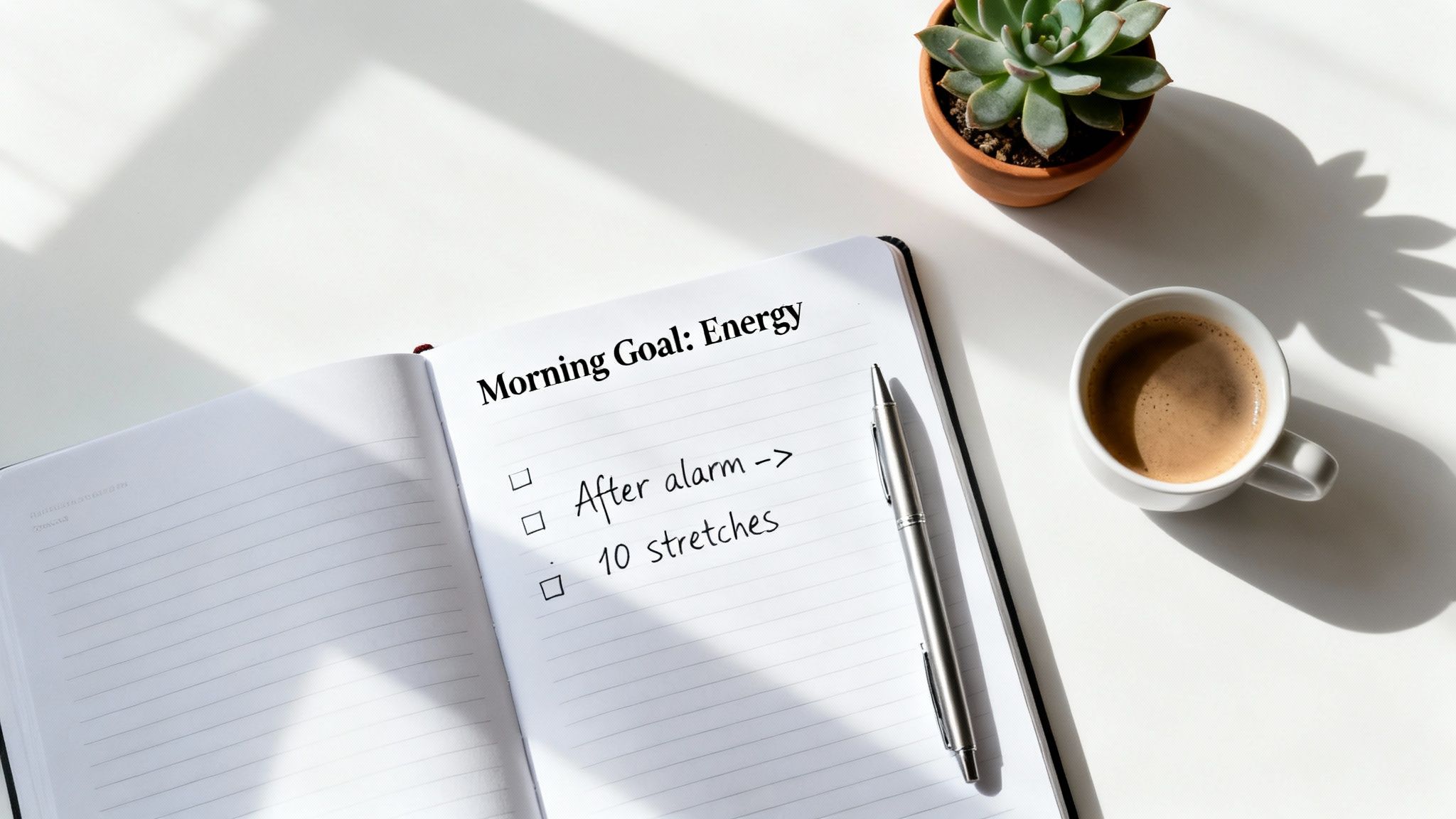
One of the most direct ways to fight back against these feelings is to start gathering your own evidence—proof of your competence. A productivity journal is a fantastic tool for this. Instead of just listing tasks, use it to consciously log your small wins and moments of real progress each day. This simple habit creates a tangible record of your achievements. This directly challenges the vague, negative story that inadequacy tells you. Browse the library for books that help you build this habit.
The Brain Science Behind Feeling Not Good Enough
Have you ever had a minor piece of criticism send you into a spiral of self-doubt? That gut-punch reaction isn’t a character flaw. It’s your brain’s ancient wiring doing its job a little too well. Understanding the neuroscience behind feeling inadequate helps you see it less as a personal failure. Instead, you can see it as a biological response you can learn to manage.
It all boils down to a power struggle between two key parts of your brain. Think of your amygdala as your brain’s hyper-sensitive smoke detector. Its primary job is to scan for threats—physical or emotional—and sound the alarm. On the other hand, your prefrontal cortex (PFC) is the calm, rational fire chief. It’s the part that assesses whether the smoke is from a five-alarm fire or just some burnt toast.
When Your Brain’s Alarm System Gets Hijacked
Chronic feelings of inadequacy often take root when the amygdala becomes overactive. If you grew up with a critical parent or worked for a tough boss, your brain can learn to treat certain situations as genuine threats. This includes getting feedback or speaking in public.
Every time this happens, the neural pathways to your amygdala get a little stronger, like a well-worn trail in the woods. Eventually, it starts to react instantly and intensely. This completely bypasses the thoughtful analysis of your PFC. This is what’s often called an “amygdala hijack.” Your emotional brain seizes control before your logical brain even has a chance to weigh in.
A Real-World Example of an Amygdala Hijack
Let’s look at a freelance writer named Ben who constantly feels like he isn’t good enough.
- The Trigger: He turns in a project. The client writes back, “This is a great start! Could you just tweak the introduction and expand on the second point?”
- The Amygdala’s Reaction: Ben’s internal alarm shrieks. His brain translates “tweak” into “this is a total failure.” An immediate wave of shame hits, and he spirals into catastrophic thinking: I’m going to lose this client. I’m a terrible writer. I’ll never make it.
- The Cognitive Distortion: Ben is taking a simple revision request personally. He is jumping to the absolute worst-case scenario. His amygdala has hijacked his rational mind. This makes him feel overwhelmed and deeply inadequate over a minor edit.
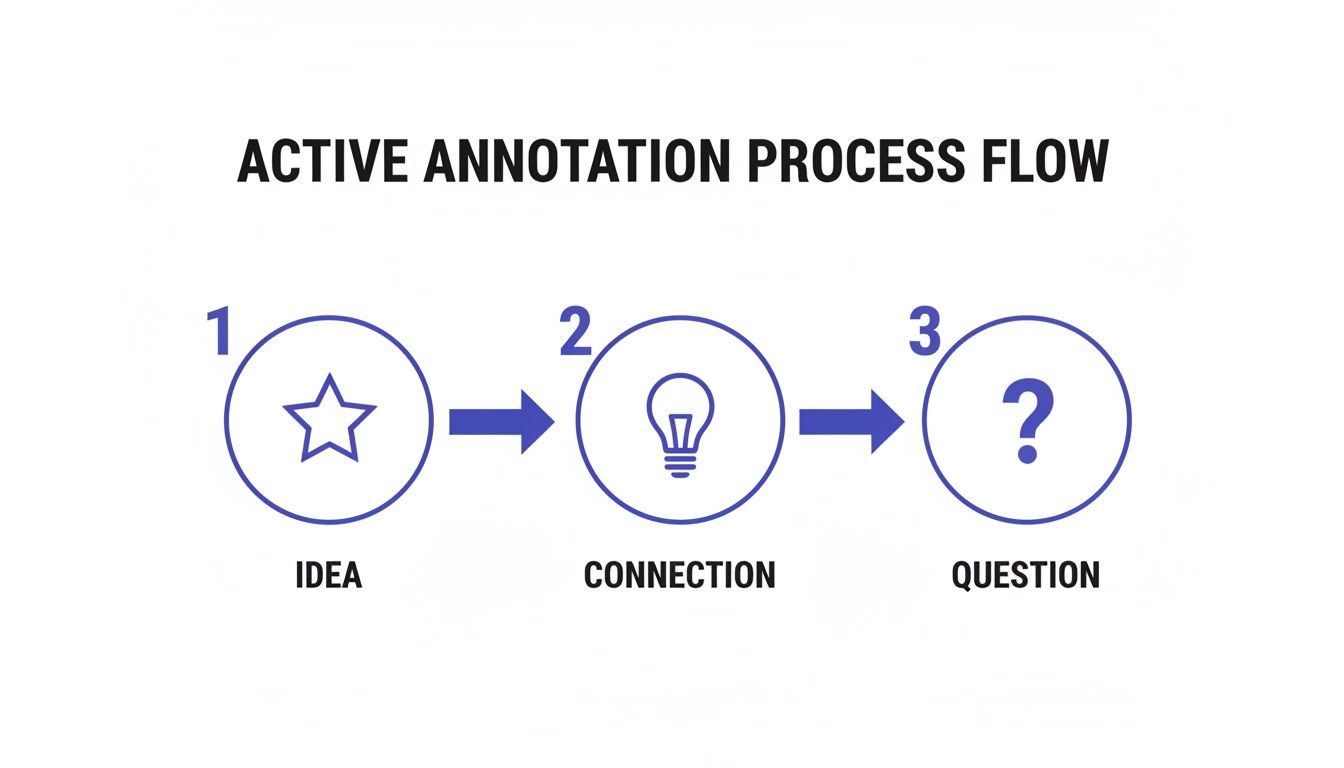
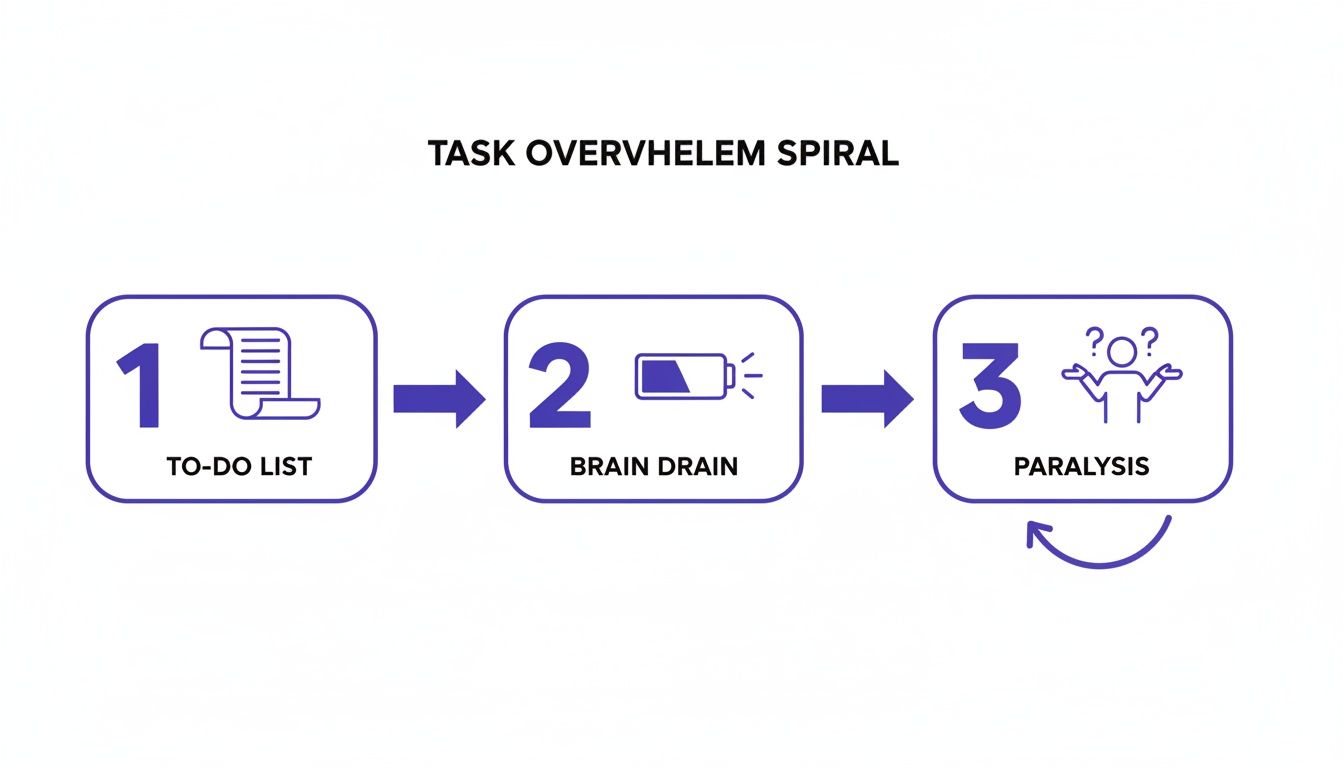
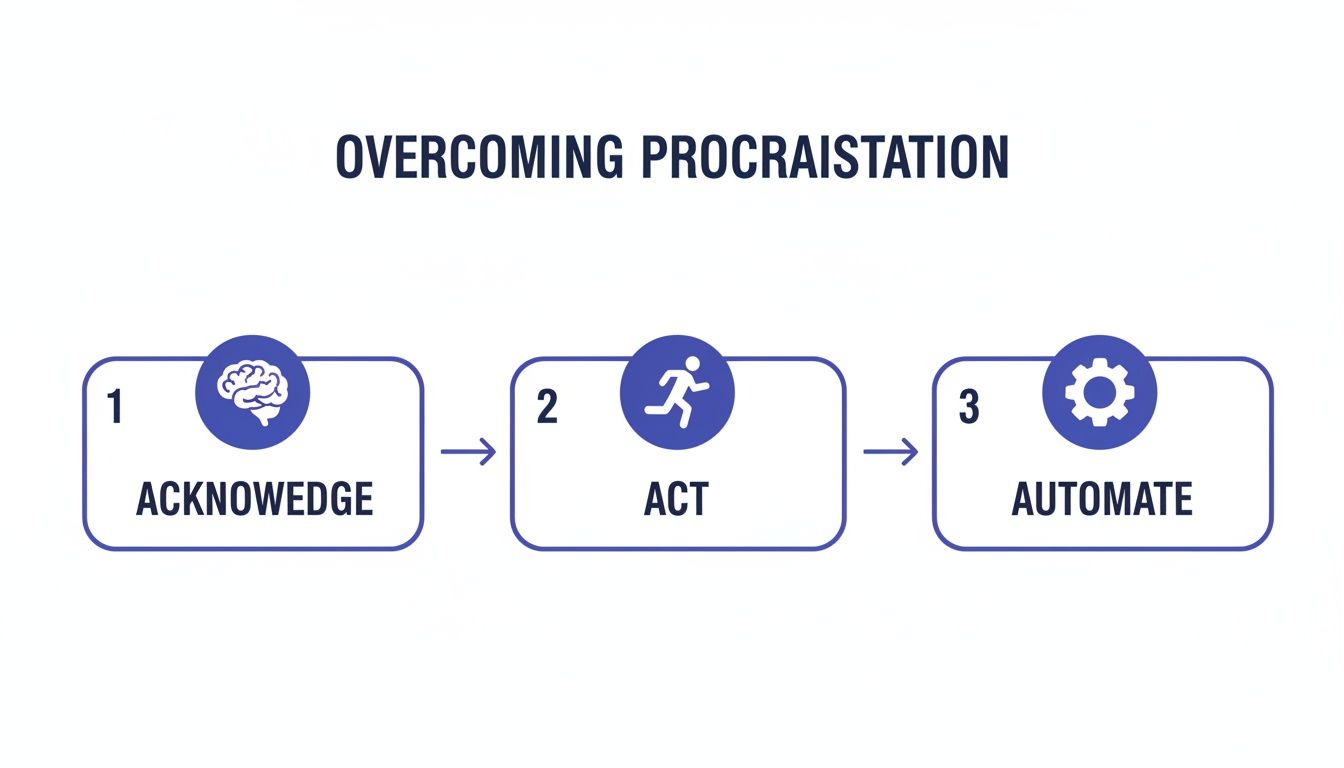
This internal dynamic often snowballs. A general sense of not measuring up can morph into full-blown imposter syndrome. The good news is that you can reverse the cycle by focusing on small, concrete wins.
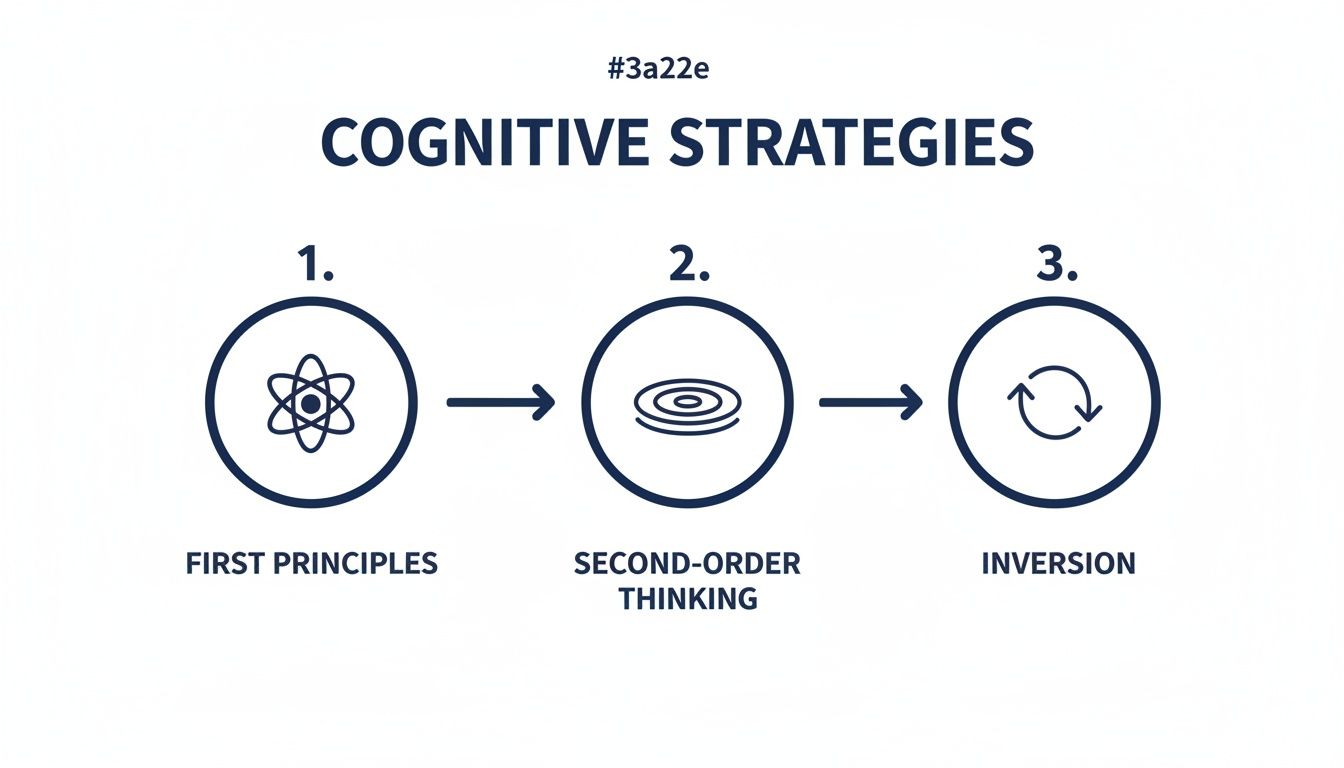
The image above highlights a key truth. Tracking your actual accomplishments is a direct counter-strategy to the negative loop of inadequacy. It’s true that when you feel this way, it can be hard to get motivated. Learning more about the connection between your brain’s dopamine system and motivation can give you some much-needed context for why that happens.
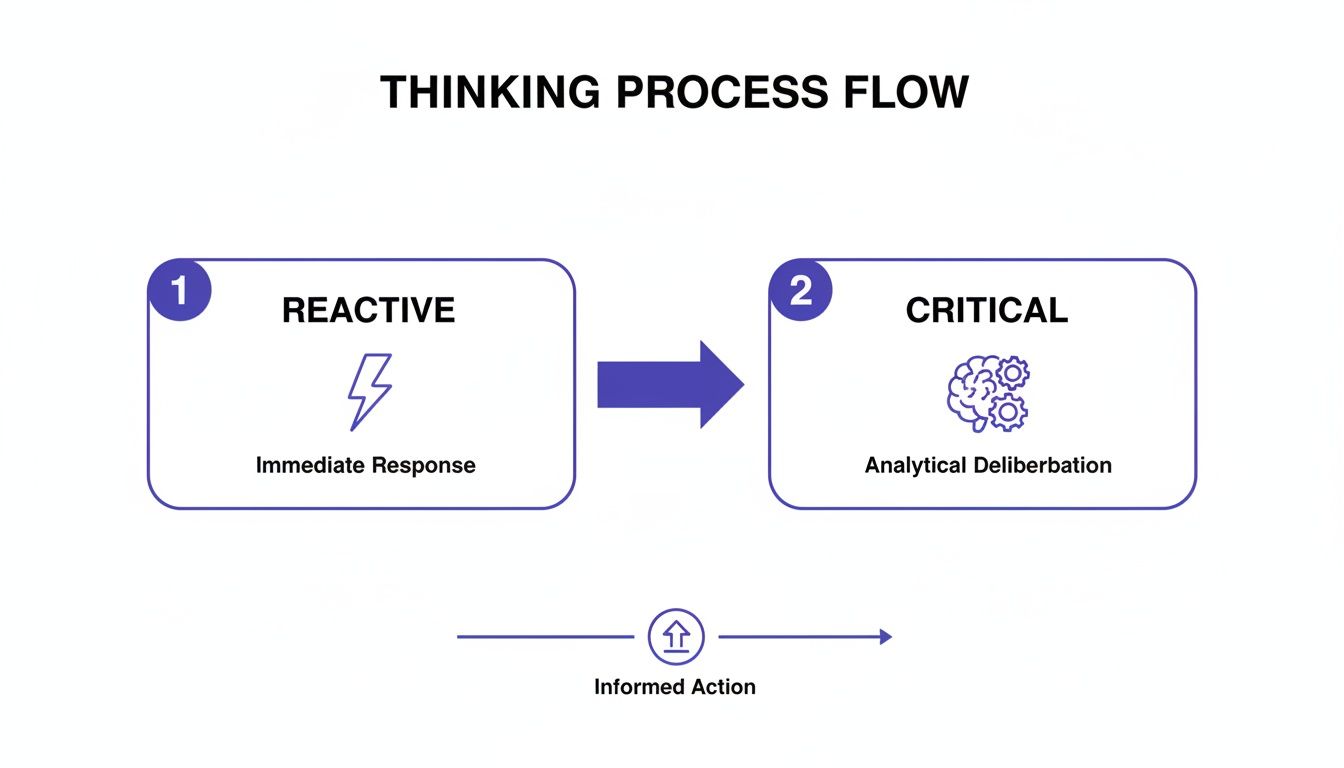
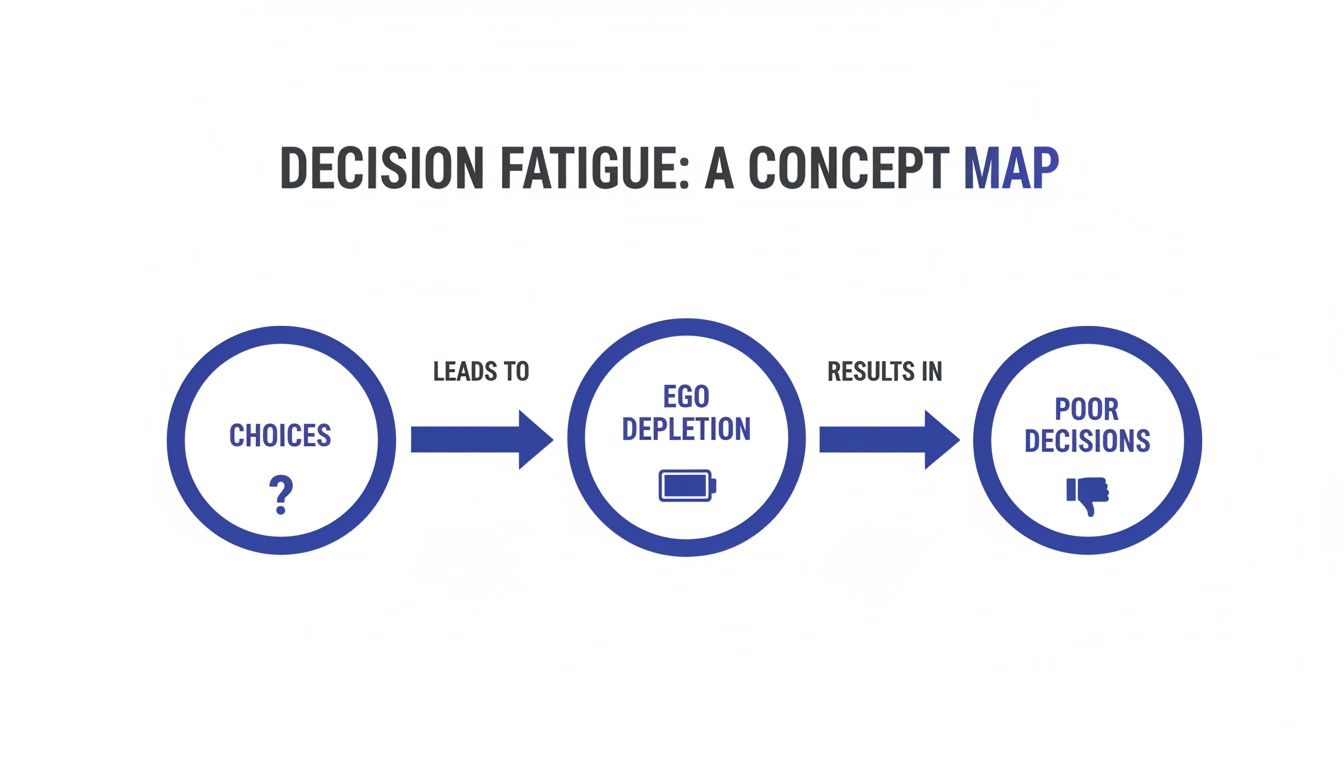
Retraining your brain means creating just enough of a pause for your PFC—the fire chief—to step in and say, “Hold on. This isn’t a disaster. It’s a simple request for an edit.” Over time, the chronic stress from these persistent feelings can even change your brain’s structure. It can make it harder for the PFC to calm the amygdala. This is why learning to manage these patterns isn’t just about feeling better in the moment. It’s about protecting your long-term mental well-being.
This article is for educational purposes only and is not a substitute for professional medical or psychological advice, diagnosis, or treatment. If you are experiencing symptoms of anxiety, depression, ADHD, burnout, or sleep problems, please consult with a qualified healthcare provider.
How Social Media Fuels Feelings of Inadequacy
Social media platforms are not just places to connect. They have become stages where everyone broadcasts their best moments. This endless stream of curated highlight reels creates an impossible standard to live up to. This includes promotions, exotic vacations, and picture-perfect families. It is a major modern trigger for persistent feelings of inadequacy.
The experience is so common that the 2026 Safer Society Survey painted a stark picture. The survey found that 45% of people endured high stress in the prior six months. A staggering 80% reported burnout. This exhaustion often shows up as deep feelings of inadequacy. This is especially true among younger adults who feel pressured by idealized online portrayals.
The Science of Upward Social Comparison
Psychologists call this instinct to measure yourself against people who seem “better off” upward social comparison. Your brain is wired to do this to figure out where you stand in a social group. The problem is that social media puts this ancient instinct into overdrive.
You are no longer comparing your real, messy life to a few neighbors or coworkers. You are now comparing it to the polished highlight reels of thousands. This constant comparison loop activates brain regions associated with negative self-evaluation. It leaves you feeling deficient, anxious, and like you’re perpetually falling behind.
“Comparison is the thief of joy.” This old saying has never been more relevant. When you compare your raw, behind-the-scenes footage to everyone else’s highlight reel, you will always feel like you are not enough.
When Digital Feeds Fuel Digital Burnout
Consider this all-too-common scenario. A college student named Maya is scrolling through LinkedIn. She sees post after post from classmates announcing prestigious summer internships. Instantly, her own summer job at a local café feels small and insignificant.
Her brain interprets this as clear evidence of her failure. A wave of inadequacy washes over her, making her own progress feel worthless. This is digital burnout in action. The constant feeling of not measuring up exhausts her motivation and drains her confidence. This cycle can be incredibly draining. A planned break is one of the best ways to reset. Learning about the benefits of a social media detox can offer a path to regaining perspective.
Best Option for Creating Digital Boundaries
To push back, you need to intentionally create offline space for your brain to recalibrate. One simple but powerful tool for this is a phone lock box timer. By physically placing your phone out of reach for a set period, you remove the trigger for compulsive comparison.
This small act gives your prefrontal cortex—the logical, planning part of your brain—a chance to come back online. It helps you break the compulsive checking cycle. You can then reclaim your focus for activities that genuinely build your self-worth, far from the noise of social feeds. This is a first step toward building healthier digital habits. To go deeper on this topic, start with this chapter in books like Digital Clarity and Reclaiming Silence.
Actionable Strategies to Build Lasting Self-Worth
Knowing where feelings of inadequacy come from is the first step. But real change happens when you take action to reclaim your confidence. You can actively retrain your brain to build a more resilient sense of self-worth. This doesn’t require a dramatic overhaul of your life. These strategies are drawn from proven psychological approaches, broken down into simple, repeatable actions.
The good news is that self-worth is a skill, not a fixed trait. Think of it like a muscle—it gets stronger with consistent practice. A crucial part of this process is learning how to overcome self-doubt and build real confidence.
Identify and Reframe Your Negative Self-Talk
That inner critic fuelling your feelings of inadequacy? It often runs on autopilot. It whispers doubts so automatically you might not even notice them. The first step is to drag its voice into the light by writing down exactly what it’s saying. This simple act, often called a thought record in Cognitive Behavioral Therapy (CBT), creates space between you and the thought.
- Step 1: The next time you feel that familiar pang of inadequacy, grab a notebook. Jot down the situation, the automatic thought (“I’m not smart enough for this”), and the feeling it triggered (shame, anxiety).
- Step 2: Now, put that thought on trial. Ask yourself: “What’s the actual evidence for this thought? And what’s the evidence against it?” Be an honest detective.
- Step 3: Finally, craft a more balanced and compassionate alternative. Instead of “I’m not smart enough,” you might try, “This is a new challenge, and it’s normal to need time to figure it out.”
This process interrupts the emotional hijack from your amygdala. It brings your prefrontal cortex—the logical, reasoning part of your brain—back online.
Use Behavioral Experiments to Challenge Beliefs
Feelings of inadequacy thrive on untested assumptions. They’re built on self-limiting beliefs like, “If I’m not perfect, I’ll fail completely.” A behavioral experiment is a small, low-stakes test you run in the real world to gather data. You see if your fears are actually true. It’s about taking action to actively disprove your inner critic.
Let’s say an entrepreneur’s product launch didn’t go as planned. Their automatic thought might be, “This means I’m a total failure as a business owner.”
- The Experiment: Instead of hiding what happened, they could write a blog post about it. They can focus on exactly what they learned from the process.
- The Result: They might be surprised to get supportive comments from other entrepreneurs who’ve been through the same thing. They start to realize the “failure” wasn’t a final verdict on their worth. Instead, it was a valuable—and common—learning opportunity.
This creates powerful new evidence for your brain, weakening old, unhelpful neural pathways. You can explore more ways to build this skill in our guide on how to be more confident in yourself.
How to Choose Your First Strategy to Combat Inadequacy
Feeling a bit overwhelmed about where to start is completely normal. The table below is designed to help you pick the most effective first step. Think of each one as a small, manageable entry point.
| If You Struggle With… | Best Strategy to Start With | Why It’s Effective |
|---|---|---|
| Constant Negative Self-Talk | The ‘Thought Record’ Technique | It gets the thoughts out of your head. This makes them much easier to analyze and challenge objectively. |
| Fear of Failure or Perfectionism | Behavioral Experiments | It gathers real-world evidence to disprove your biggest fears, showing you that imperfection is often okay. |
| Feeling Overwhelmed | Time Blocking and Small Wins | Using a time blocking planner adds structure to your day and provides concrete proof of your capabilities. |
| Comparing Yourself to Others | Digital Detox and Gratitude List | It cuts down on exposure to your triggers while shifting your focus back to your own progress and strengths. |
Remember, starting small is the key to making this stick. The goal isn’t to banish inadequacy overnight. It’s to build a system of small, consistent practices that reinforce your true worth, day after day. Compare options and see which one feels most doable right now.
Editor’s Take: What Actually Works to Overcome Inadequacy
Let’s be honest. Overcoming that nagging feeling of inadequacy isn’t a one-time fix. It’s an ongoing practice. It’s a series of small, intentional shifts in how you think and what you do.
What Actually Works: The most effective strategy is a combination of two things. First, you must externalize the negative thoughts by writing them down (the thought record technique). Second, you must gather real-world proof that contradicts them (behavioral experiments). This combination directly retrains your brain, weakening the old “not good enough” pathways and building new, more resilient ones. It’s hard work, but it’s the work that sticks.
Who This Advice Is Best For: This guidance is for self-aware people who feel stuck in a loop of self-doubt. They are ready to try structured, practical exercises to build a more genuine and stable sense of self-worth. It’s about moving from a place of overwhelming self-criticism to one of deliberate self-compassion and action.
Important Caveats: It’s also crucial to know the limits of self-help. The strategies here are educational, not a substitute for professional therapy. If your feelings of inadequacy are tangled up with past trauma, severe anxiety, or depression, please reach out to a qualified mental health professional for support. Social connection is a huge part of this puzzle, too. You can explore our article on how to deal with loneliness to see how building stronger bonds fits into a healthier mental picture.
Ultimately, you can build lasting self-worth. It all starts by creating a stable foundation for your mental and physical health. Something as simple as a consistent morning routine can set a positive, grounded tone for your entire day. Using a tool like a sunrise alarm clock can make waking up more gentle, helping you lock in that all-important consistency. From that solid base, the real work begins: repeatedly choosing small actions that prove your inner critic wrong.
Key Takeaways for Overcoming Feelings of Inadequacy
Building confidence isn’t about reaching a final destination. It’s a consistent practice of retraining your brain. You use small, deliberate actions that prove to you, over and over, that you are capable and enough. This isn’t about ignoring the feeling of inadequacy. It’s about understanding its roots in brain science and mental habits. Then you can use the right tools to loosen its grip.
Your Path to Greater Self-Worth
Name the Feeling: Inadequacy is that nagging belief you’re not good enough, even when facts don’t support it. It often wears the mask of imposter syndrome. This makes you feel like a fraud who’s about to be discovered.
Understand Your Brain’s Alarm: That jolt of inadequacy is often an “amygdala hijack.” Your brain’s emotional threat-detector overreacts in these moments. The goal is to create a pause, giving your logical prefrontal cortex time to assess the real situation.
Challenge Your Inner Critic: Your negative self-talk often runs on autopilot. Using a thought record helps you catch these automatic thoughts. You can then question their logic and replace harsh judgments with more balanced self-talk.
Run Small Experiments: The most powerful way to dismantle a limiting belief is to gather real-world evidence against it. Use tiny “behavioral experiments” to prove to your brain that your fears about failure or imperfection are usually far worse than the reality.
Manage Your Digital Triggers: Social media is an inadequacy engine, fueled by upward social comparison. Create firm boundaries by using a phone lock box timer to carve out dedicated offline space. This reduces exposure and helps you reclaim your focus.
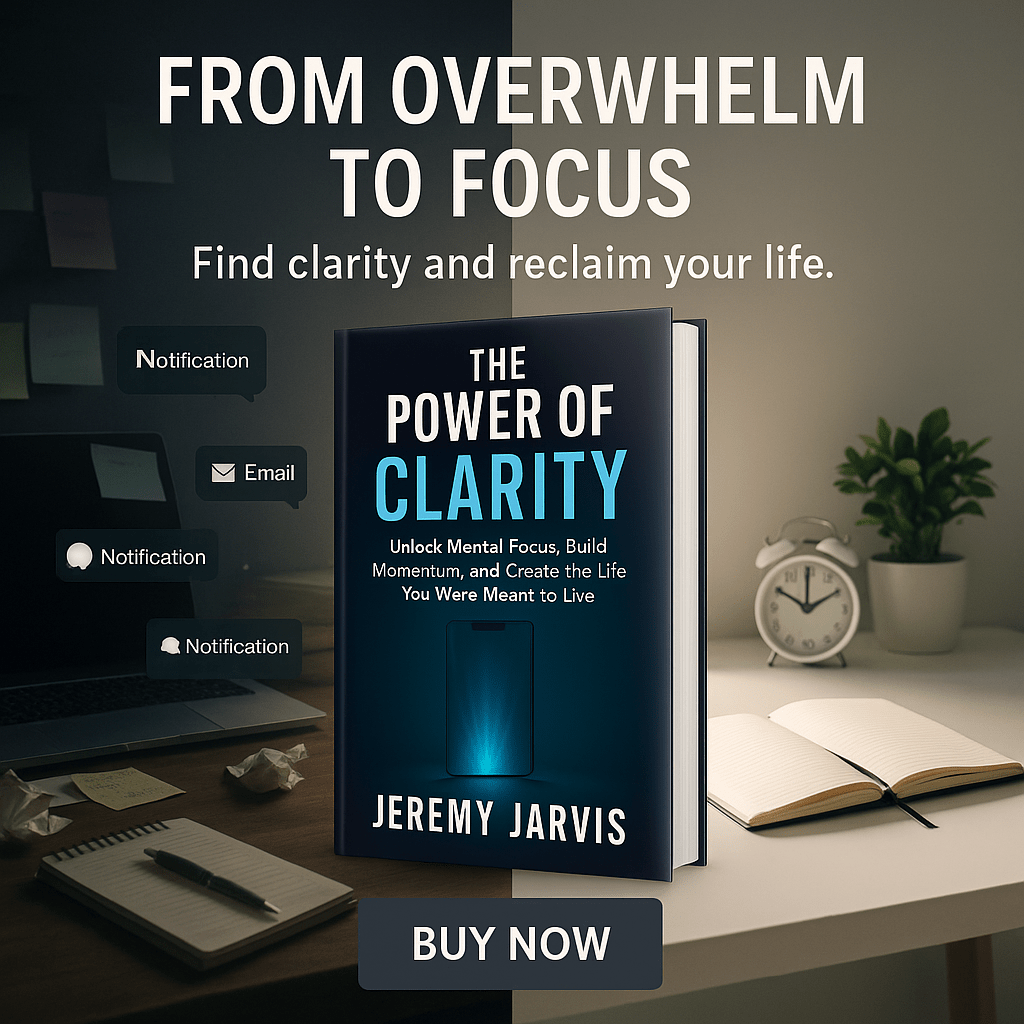
The strategies in this article are a powerful starting point. For a structured roadmap to building self-acceptance, see the book that fits your goal. Consider starting with Perfectly Imperfect to cultivate self-compassion. Or you could try The Power of Clarity to build confidence through decisive action.
Disclaimer: This article contains affiliate links, which means we may earn a commission if you make a purchase. This content is for educational purposes only and is not a substitute for professional medical or psychological advice, diagnosis, or treatment. Please consult a qualified healthcare provider for personalized guidance.
Your Questions About Inadequacy, Answered
When you’re trying to make sense of that persistent “not good enough” feeling, a lot of questions can come up. Here are some honest answers to the ones we hear most often, designed to give you clarity and a path forward.
Is feeling inadequate the same as low self-esteem?
They’re related, but they’re not the same thing. Think of it this way: low self-esteem is like the overall weather pattern of your mind. It is a general, persistent sense that you are not valuable or worthy as a person. It’s a global judgment on your entire self.
Feelings of inadequacy, on the other hand, are more like the local forecast. They are often specific to one area of your life. You might feel totally out of your depth at work but feel secure and capable in your friendships. Of course, if it’s always storming in one major area of your life, that constant downpour can absolutely erode your overall self-esteem over time.
Can feelings of inadequacy be a symptom of a mental health condition?
Yes, absolutely. Chronic, intense feelings of not measuring up are a common thread in several mental health conditions. They are often intertwined with the hopelessness of depression. They can also fuel the worry and avoidance seen in anxiety disorders. It’s also a frequent struggle for adults with ADHD. They may feel like they’re constantly falling short of what seems easy for others.
If your feelings of inadequacy are severe, relentless, and make it hard to get through your day, it’s really important to talk to a doctor or mental health professional. This article is here to help you understand the patterns. However, it’s no substitute for a proper diagnosis or care from a qualified professional.
How long does it take to see improvement from these feelings?
There’s no magic timeline here. You’re working to gently rewire thought patterns that may have been running for years. Building genuine self-worth is a gradual process. It is much more like training for a marathon than flipping a switch.
You might notice small, encouraging shifts within a few weeks of consistent practice. For example, you might catch your inner critic in the act more quickly. Meaningful, lasting change, however, is the result of long-term commitment. The key is to be patient. Treat yourself with the same compassion you’d offer a friend learning a new skill.
What is one simple action I can take today?
The best way to start is with a small, concrete action that gathers a tiny bit of evidence against your inner critic. It’s about proving that “not good enough” voice wrong, one fact at a time.
Tonight, before bed, write down just one thing you accomplished today. It doesn’t need to be a huge, monumental win. Maybe you finally sent that difficult email. Perhaps you had a patient conversation with a family member. Or maybe you simply made it through a really tough day. This simple act starts the habit of recognizing your own competence, one small win at a time. Using a habit tracker journal can be a great way to make this practice stick.
Best books for overcoming this feeling of inadequacy?
For a structured path, books can be incredible guides. The right one for you really depends on the specific flavor of your inadequacy. Here’s how to choose what to buy first.
- For building self-acceptance: If your feelings come from harsh self-criticism and a need to be perfect, Perfectly Imperfect is designed to help you quiet that inner critic and build self-compassion.
- For building confidence through action: If your inadequacy feels tied to indecision or a lack of forward movement, The Power of Clarity offers a clear framework for building momentum and confidence through small, decisive actions.